
What are you looking for?
Hello traveller!
It's in Cape Town now.
We're sorry. Our safari planners aren't available now. Our office hours are 08:00 - 19:00 (GMT+2).
Call us to speak to an experienced safari planner.
Alternatively, we recommend...

Complete our travel enquiry form to connect with a safari planner
ENQUIRE TODAYEmail us
Peak Season
Low Season
Shoulder Season
January is in the midst of the rainy season in Namibia, and although conditions are wet, temperatures are often hot and can reach over 30 °C/86 °F. At this time of year, wildlife viewing isn’t at its best. The increase in rainfall fills up watering holes, contributing to animals dispersing around parks and reserves. However, if you’re a birder, this is one of the best times to visit Namibia! Birdwatching safaris in Namibia are a popular activity in January, as migratory avian species arrive during the wet season.
This country is known for its vast desert landscapes. Because of this, rainy days aren’t generally cold, and showers don’t usually last long. Often you can enjoy clear mornings and stormier weather with short rain showers in the afternoons. Due to the hot and humid conditions, a bit of rain can often be a relief.

Rain is common during January but only occasionally for long periods. The rainfall clears the dust and changes usually arid landscapes into lush, green environments. January is one of the hottest months in Namibia, so extensive clothing layering is not required. However, a light rain jacket is helpful for sudden rain showers.
| Temperature | Celsius | Fahrenheit | Rainfall |
| Min | 17℃ | 63℉ | 0.4 inches |
| Max | 30℃ | 86℉ | 12 inches |
Scroll >

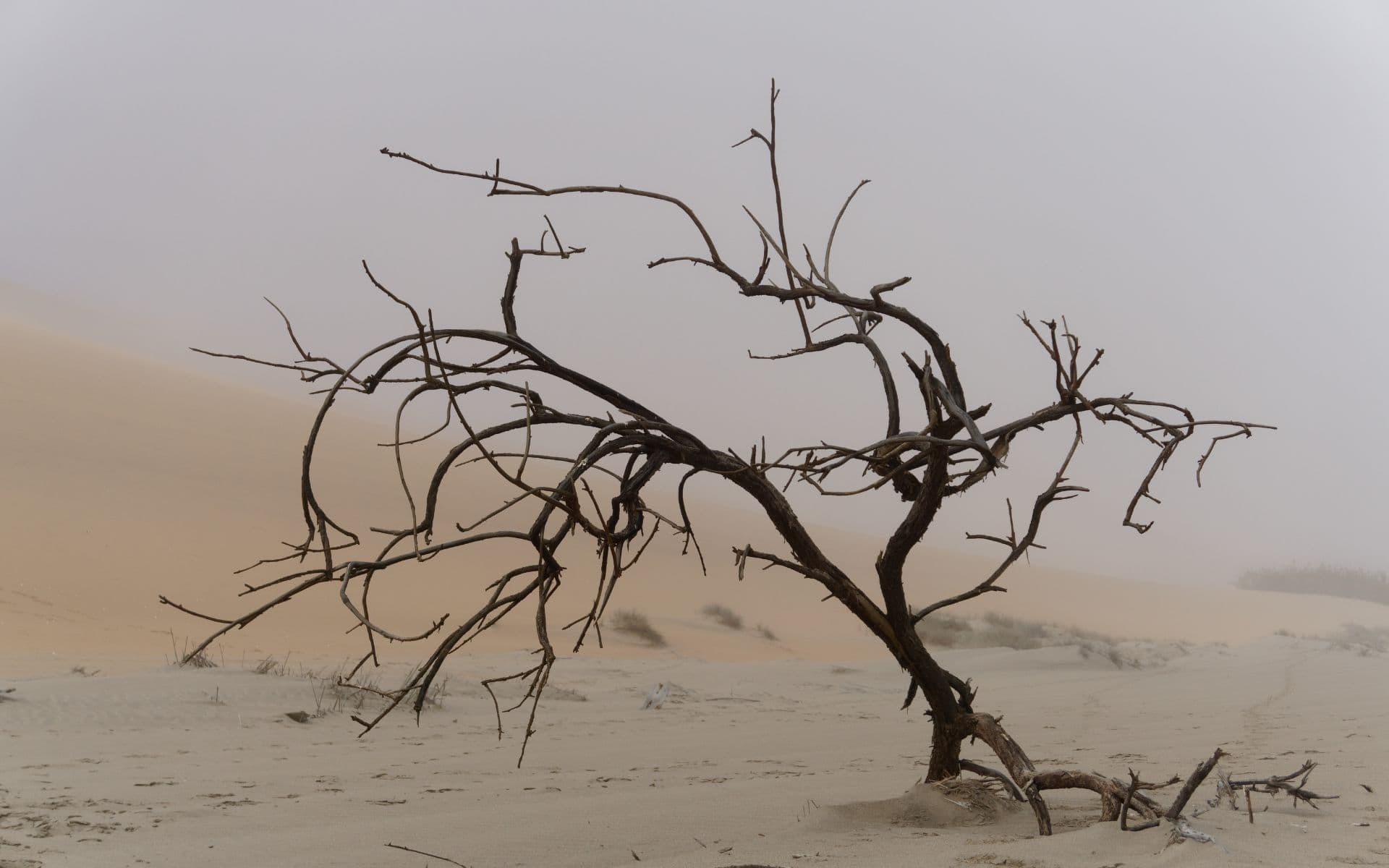
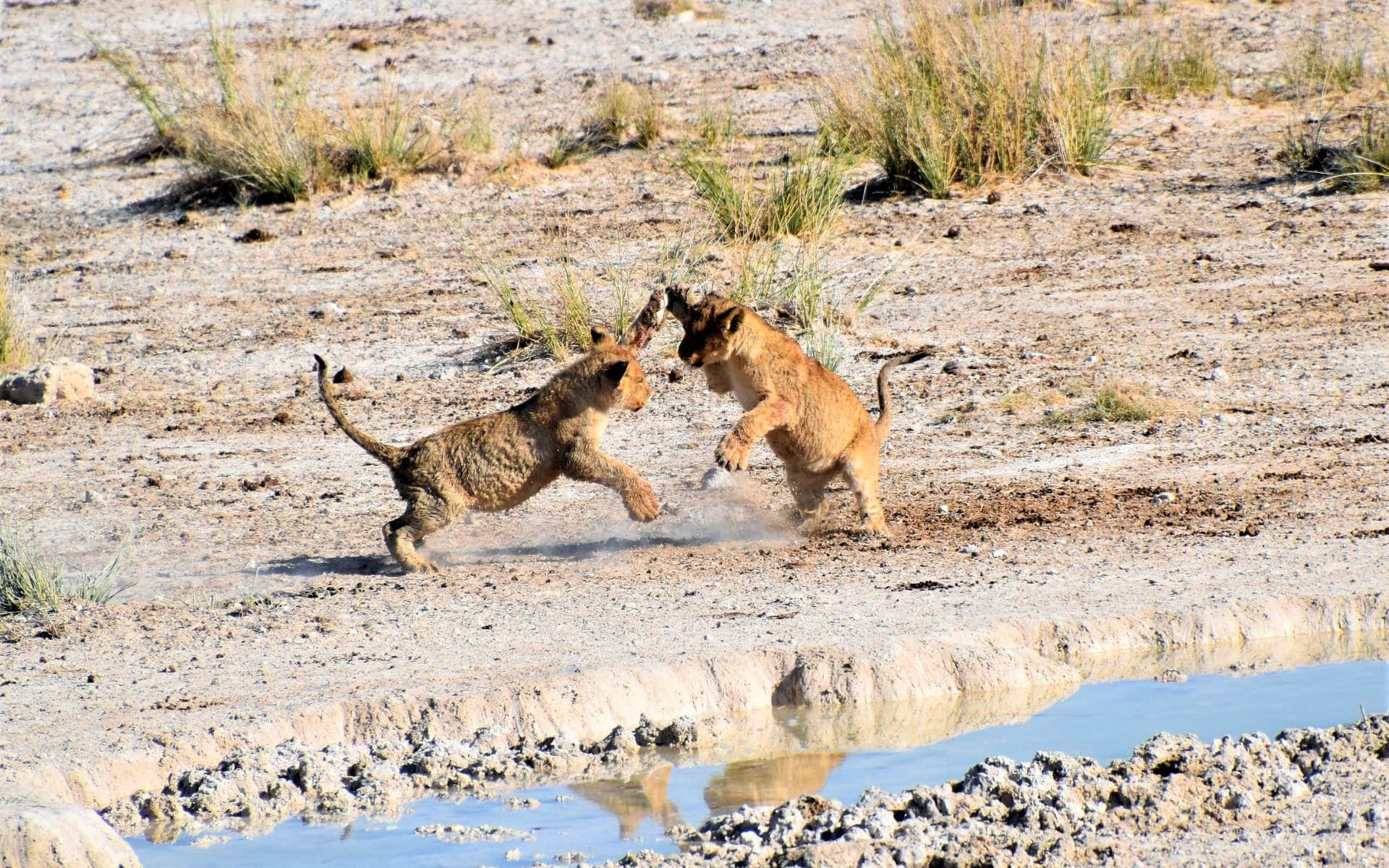
Skeleton Coast is a year-round safari destination. Summer coincides with the rainy season; temperatures average around 29 °C/84 °F and the rains are minimal. The occasional rain cools down the environment and clears the air of fog. At this time of the year, migrant bird species enter the region, making for excellent birdwatching safaris. Skeleton Coast is famous for its seal colonies – watch the seals playing together and fighting for territory.
The wet season occurs from November to April in Etosha National Park, so landscapes are green, and the birding season is in full swing. Although rain is frequent, showers usually only last a short time. Calving season occurs at the park, so you can spot wildlife with their young during game drives.
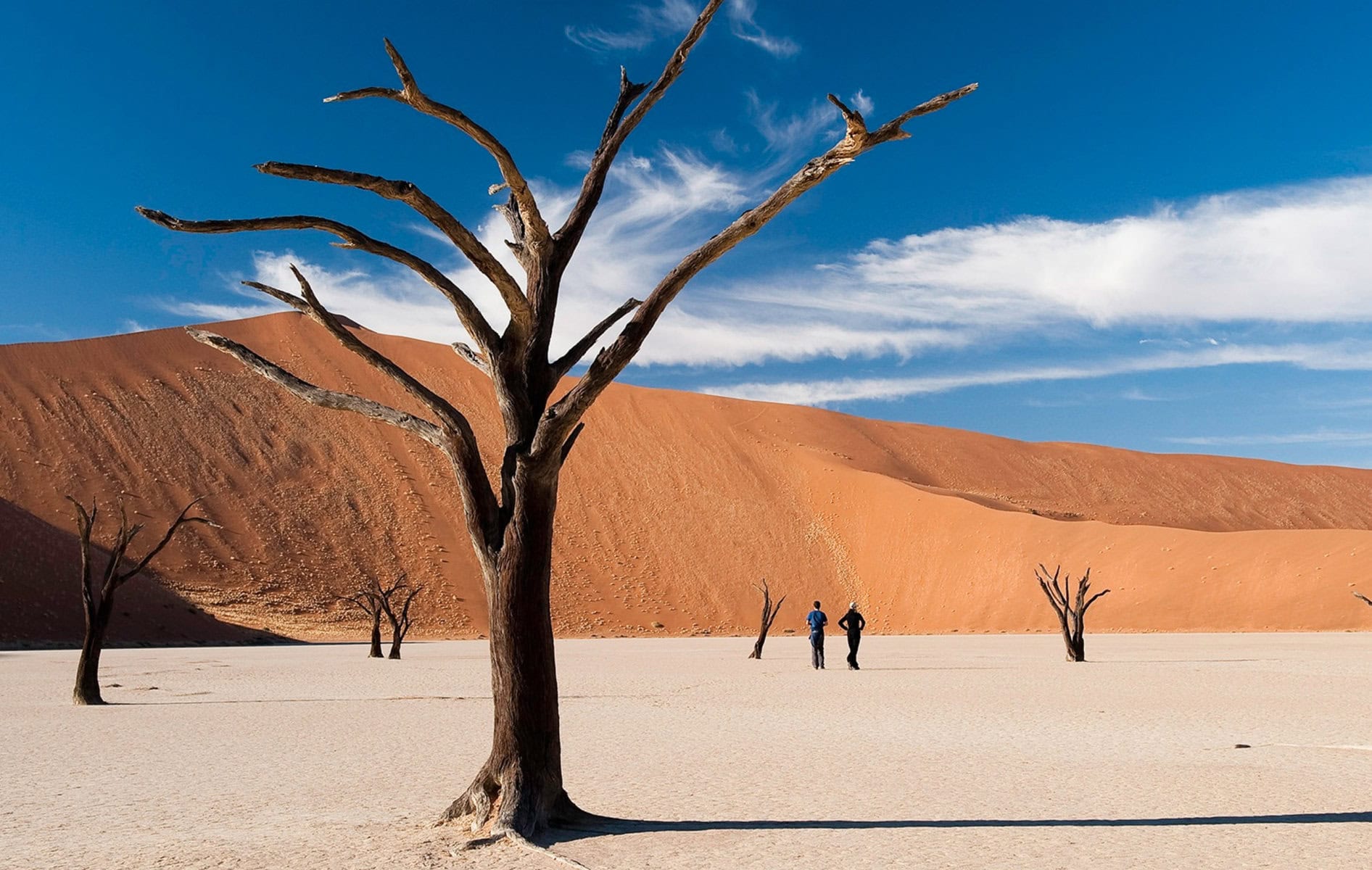
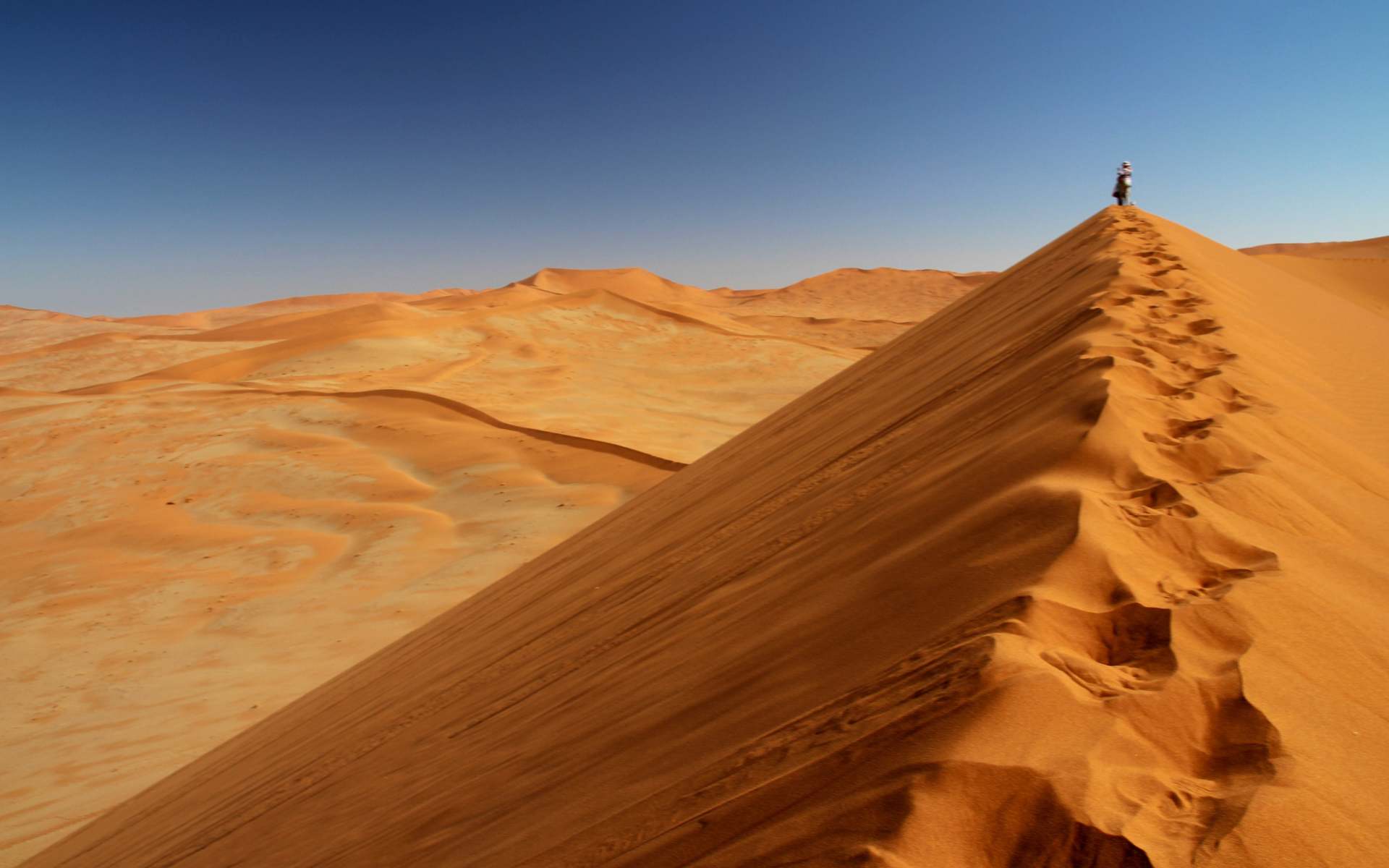
The Namib-Naukluft is a year-round destination, partly because it receives very little rainfall, even during the wet summer season. A Namibia safari here is mostly about experiencing the surreal desert landscapes, including towering sand dunes and Deadvlei, a white clay pan famous for its desiccated trees.
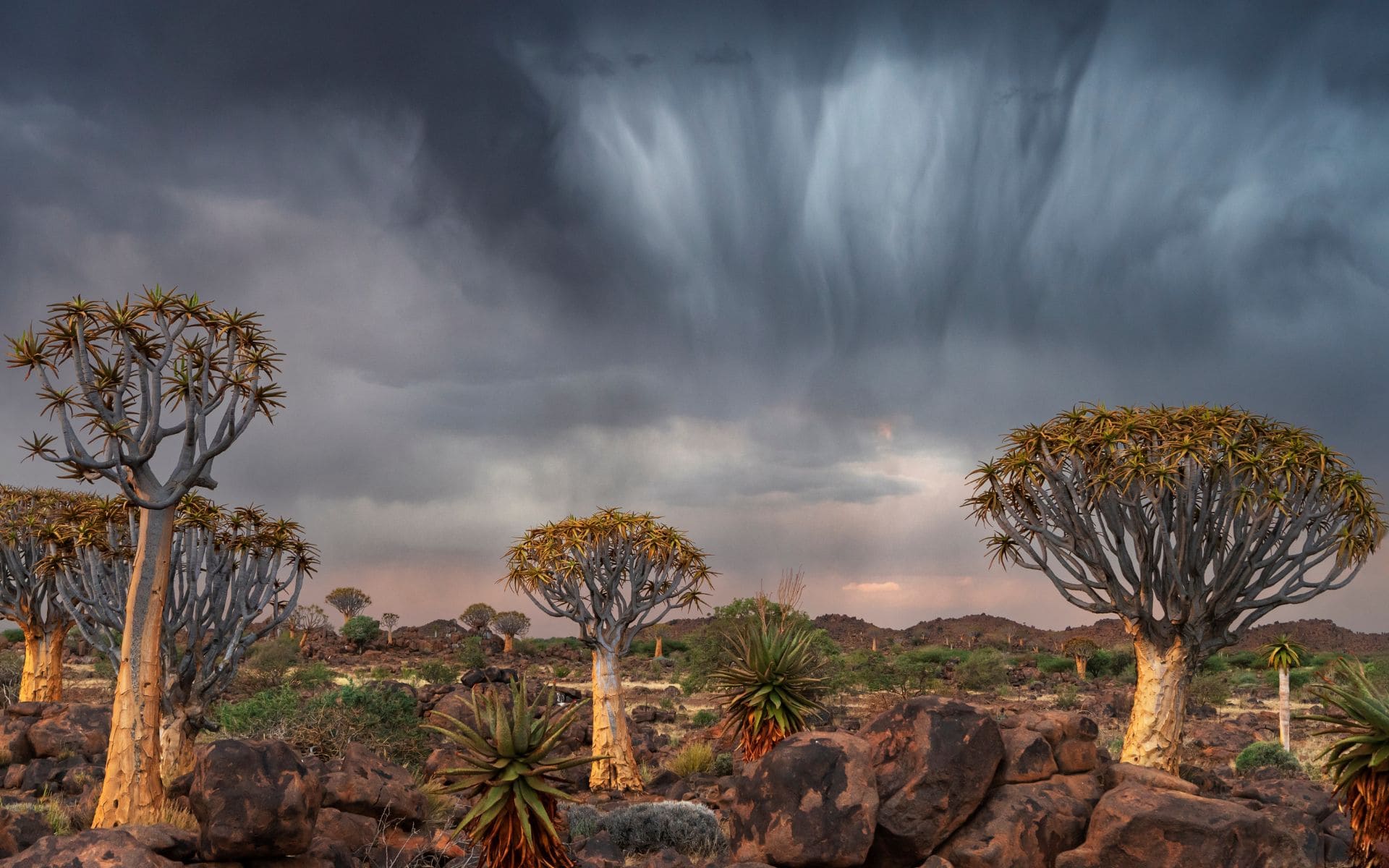
While February is one of Namibia’s wettest months, the rain is usually weak and patchy. Some parts of Namibia will experience heavy rainfall, while others (like the Namib-Naukluft National Park) won’t. This month is birding and photography season; migrant bird species are still active in parks and reserves and dramatic thunderstorms create spectacular moments to capture on camera. Namibia in February is also the perfect time of the year to see animals with their young – the green landscapes provide some coverage for the babies to hide them from predators.

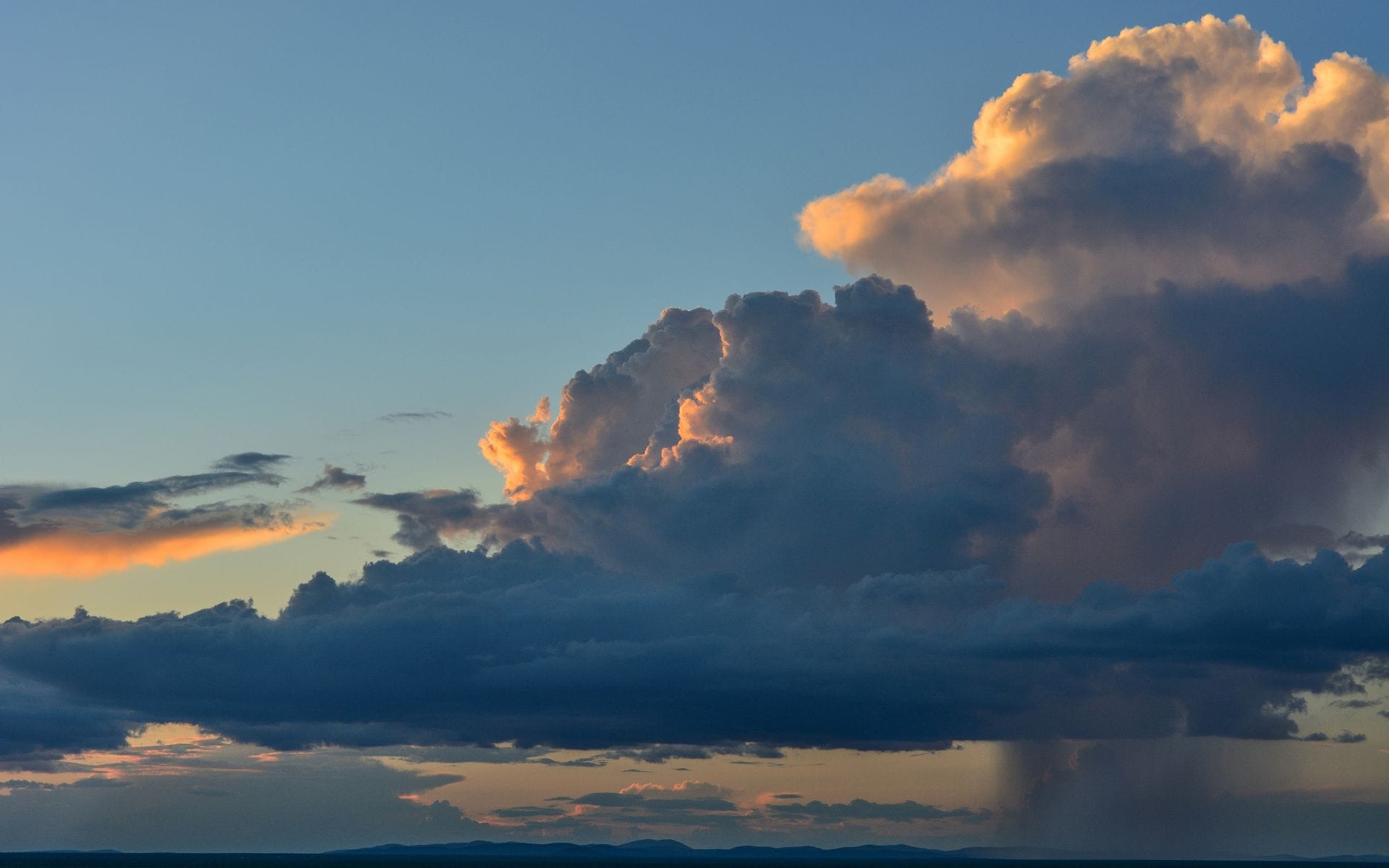
February is known for its short thunderstorms, but some days are clear with hot and intense sunshine. Occasionally intense rains create flash floods and often bring rivers to life, contributing to the fantastic scenery. The rain can bring welcome relief from hot temperatures; in some desert locations, temperatures can reach up to 40°C/104°F. Thick vegetation and high grass can make it difficult to spot wildlife in some national parks, like Etosha.
| Temperature | Celsius | Fahrenheit | Rainfall |
| Min | 17℃ | 63℉ | 0.4 inches |
| Max | 29℃ | 84℉ | 7 inches |
Scroll >

While Skeleton Coast is almost always covered by fog, the rains during the wet season clear the air, allowing you to fully appreciate the magical landscape. Migratory bird species from Europe and Asia can be spotted in the park, and keep a lookout for brown hyenas searching along the coast for their next meal.
The Namib-Naukluft is a year-round destination, partly because it receives very little rainfall, even during the wet summer season. A Namibia safari here is mostly about experiencing the surreal desert landscapes, including towering sand dunes and Deadvlei, a white clay pan famous for its desiccated trees. This is one of the best places for a photographic safari in Namibia.
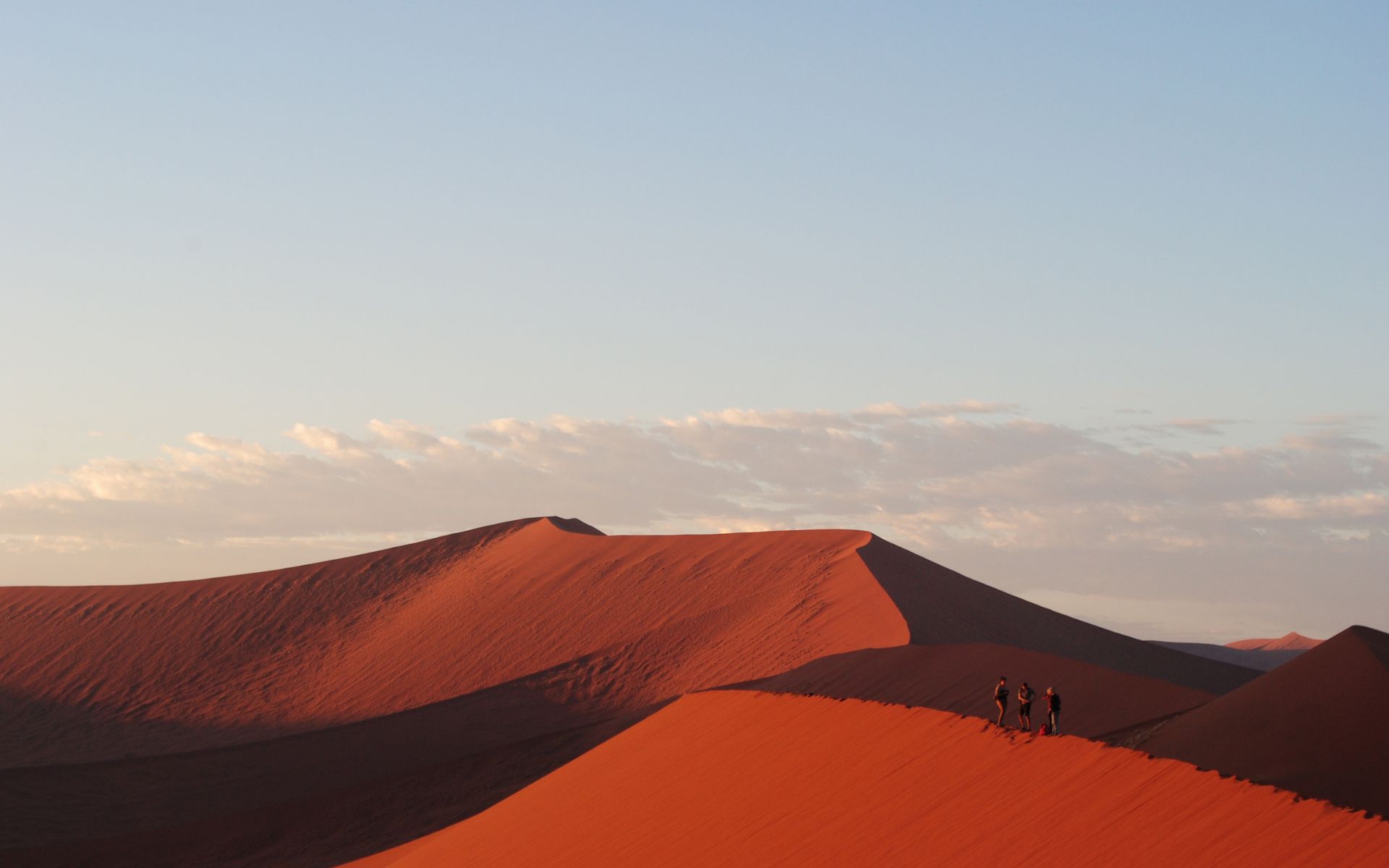
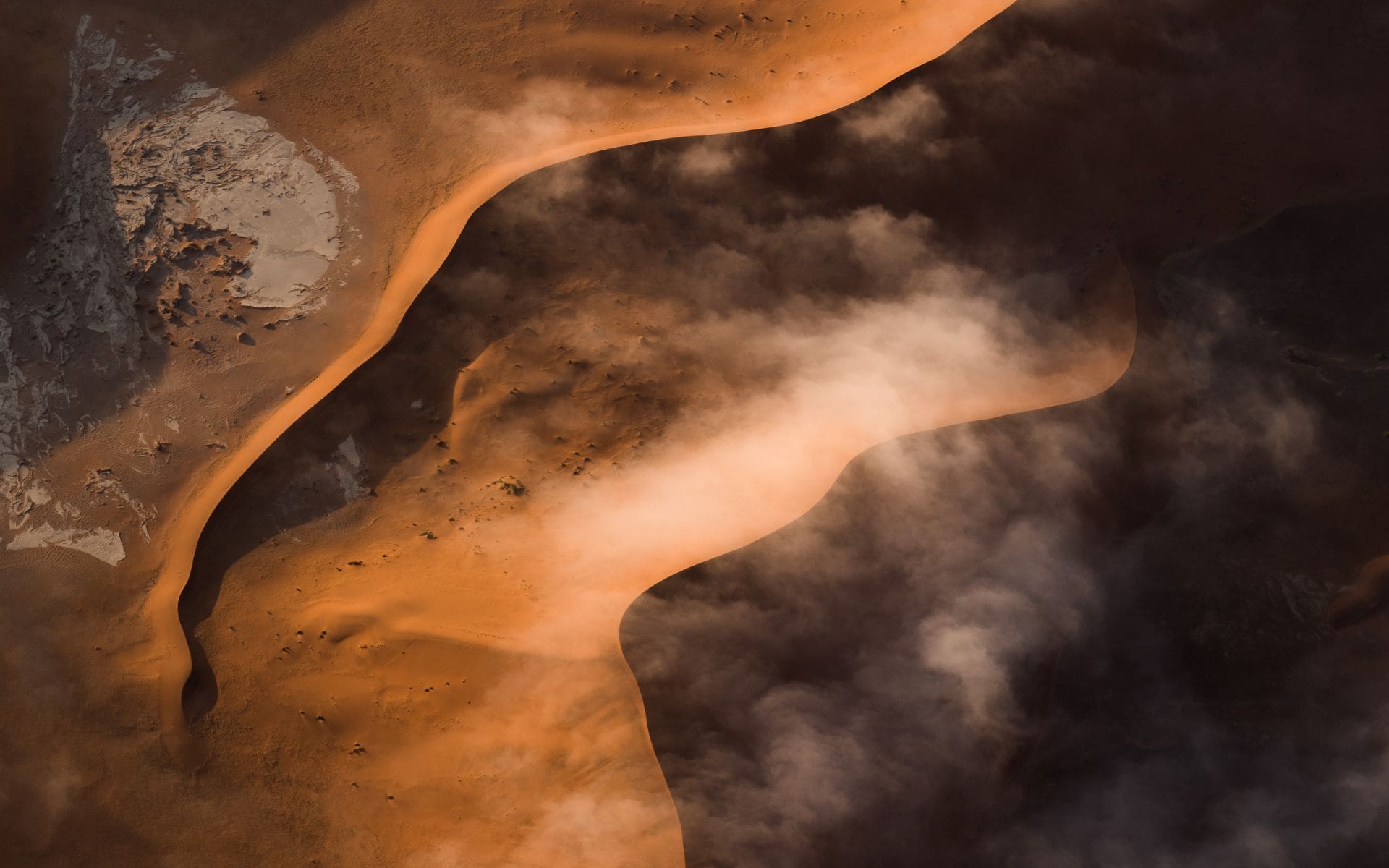
Namibia in March is an out-of-this-world experience! With acres upon acres of red dunes, the desert environments of the country are magnificent to see and create magical settings for photographic safaris. March is the beginning of the end of the wet season, so rain begins to taper off as the month reaches its end. The landscapes have soaked in the rain, so you’ll be able to experience greener landscapes dotted with flowers. Baby animals can be seen during this time of the year, making a green season safari in Namibia an extremely cute experience.

Rainfall is still high during March, with an average of 3.1 inches. However, while on safari during this time of the year, you can still enjoy plenty of clear, hot days. Temperatures during this month can reach over 27°C/81°F, so the rain is often a welcome reprieve.
| Temperature | Celsius | Fahrenheit | Rainfall |
| Min | 15℃ | 59℉ | 0.11 inches |
| Max | 27℃ | 81℉ | 4.5 inches |
Scroll >

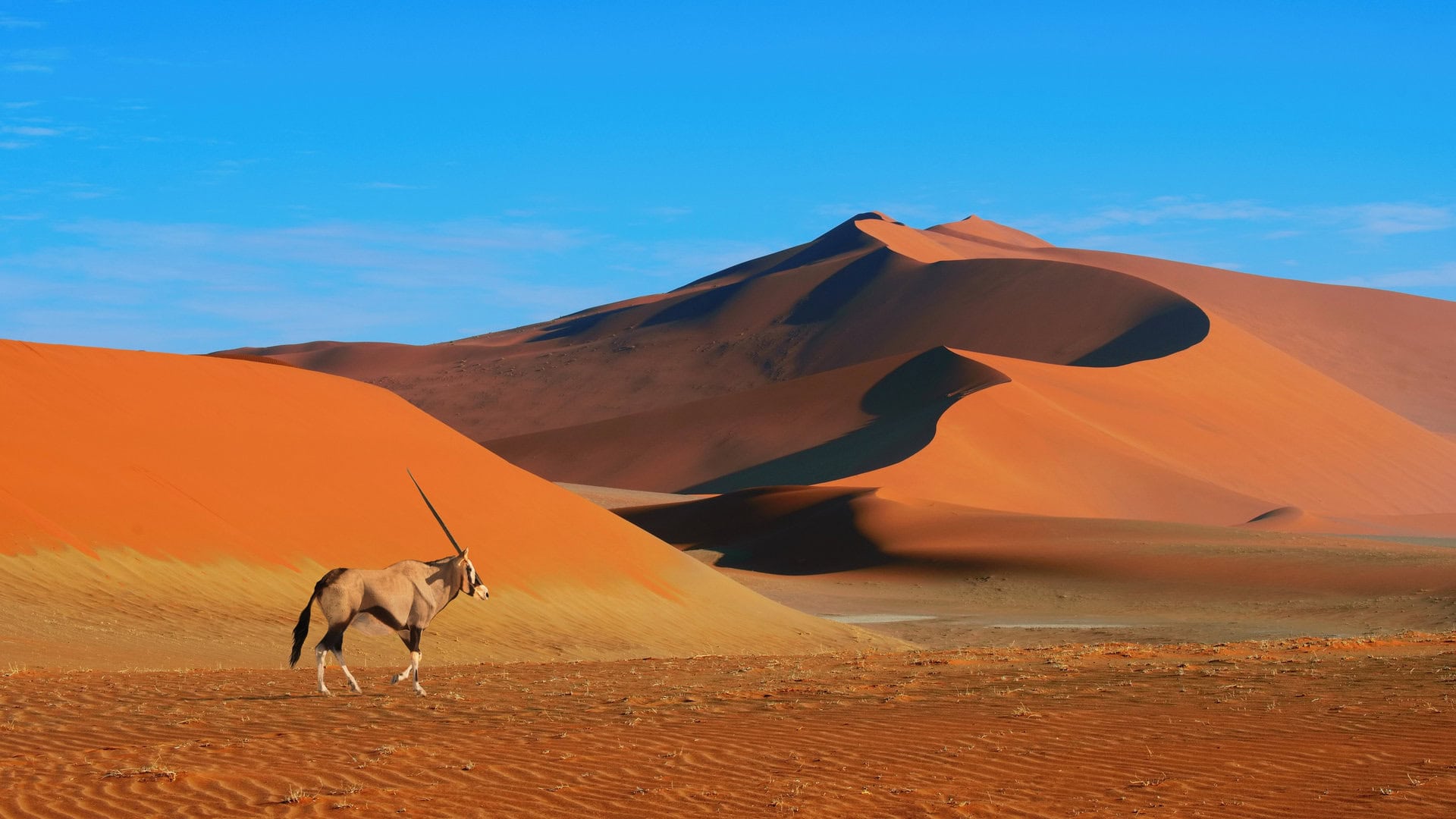
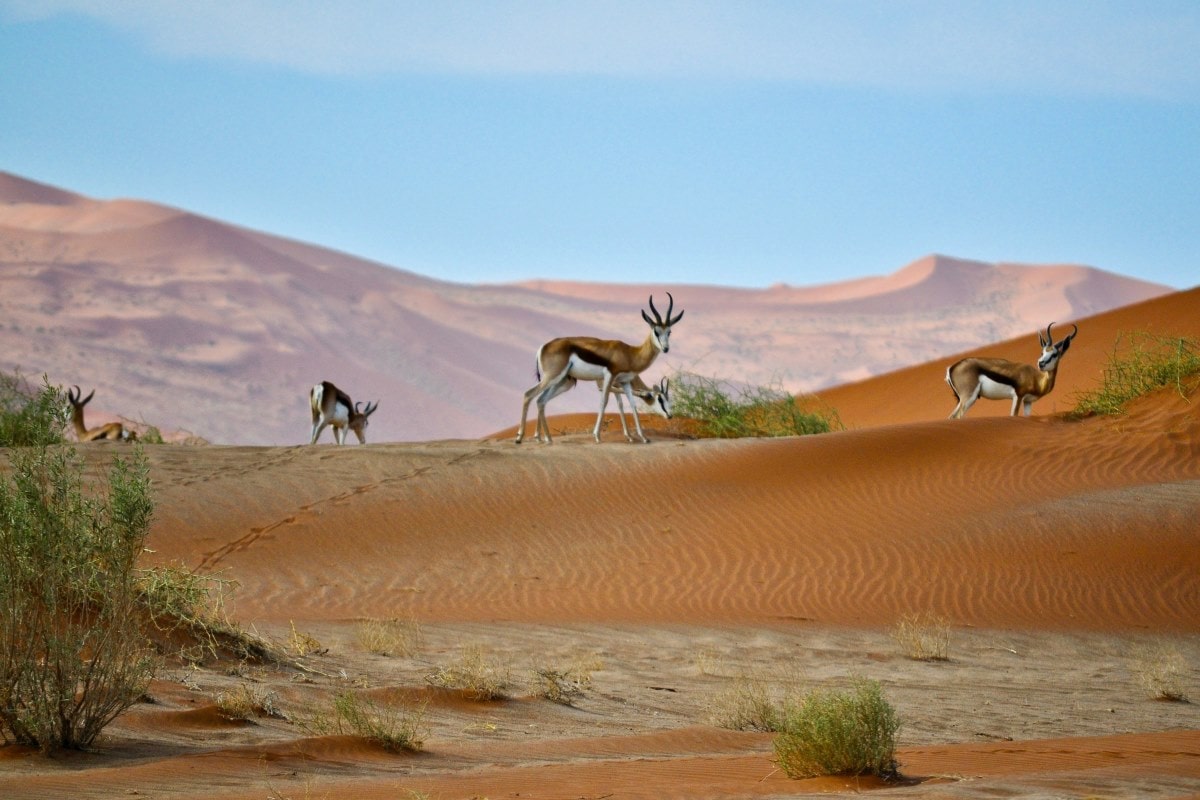
As a year-round safari destination in Namibia, the Namib-Naukluft National Park offers stunning desert conditions during the wet season, as it sees very little rain. Don’t forget to bring your camera to capture magnificent landscape shots, especially of the towering dunes. Desert-adapted wildlife to see here include oryxes, springboks, and zebras.
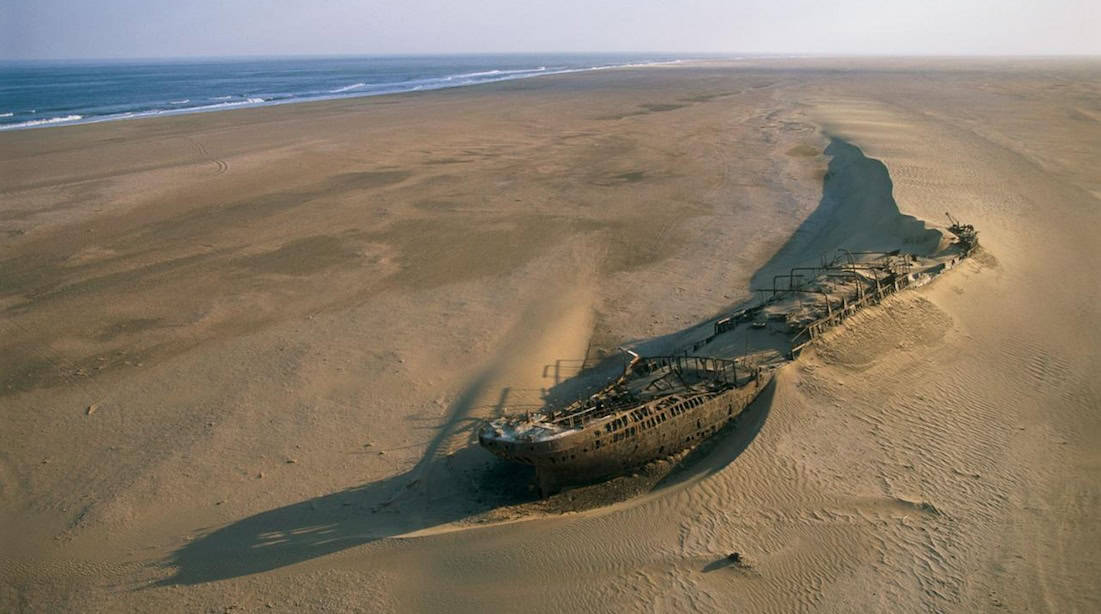
The Skeleton Coast – famous for the eerie shipwrecks that dot the coast – is ideally visited in March, when the rain clears the foggy conditions. Visit the Clay Castles, striking geological formations carved from sedimentary deposits from the river’s flow and wind erosion.
As the middle of the year approaches, rain clouds retreat, landscapes start drying up, and temperatures begin dropping. These conditions make Namibia in April a sublime safari choice for surreal desert scenery and unique holiday escapes. Due to the previous rains, the atmosphere is primarily clear of dust and some landscapes are still green. The lack of clouds in the evenings makes for superb stargazing.
Temperatures during April are much more comfortable, with highs of around 26 °C/79 °F. Early mornings and nights can be colder, so it’s best to be prepared with some extra layers for a Namibia safari at this time of the year. An April safari can include incredible opportunities for cultural excursions, photographic trips, and birding safaris.

April in Namibia is the shoulder season (just after the rainy season and just before the dry season kicks in). The chance of rain is reduced, which means more productive and exciting game drives. As temperatures are also cooler, walking safaris are much more accessible.
| Temperature | Celsius | Fahrenheit | Rainfall |
| Min | 13℃ | 55℉ | 0.02 inches |
| Max | 26℃ | 79℉ | 1.3 inches |
Scroll >

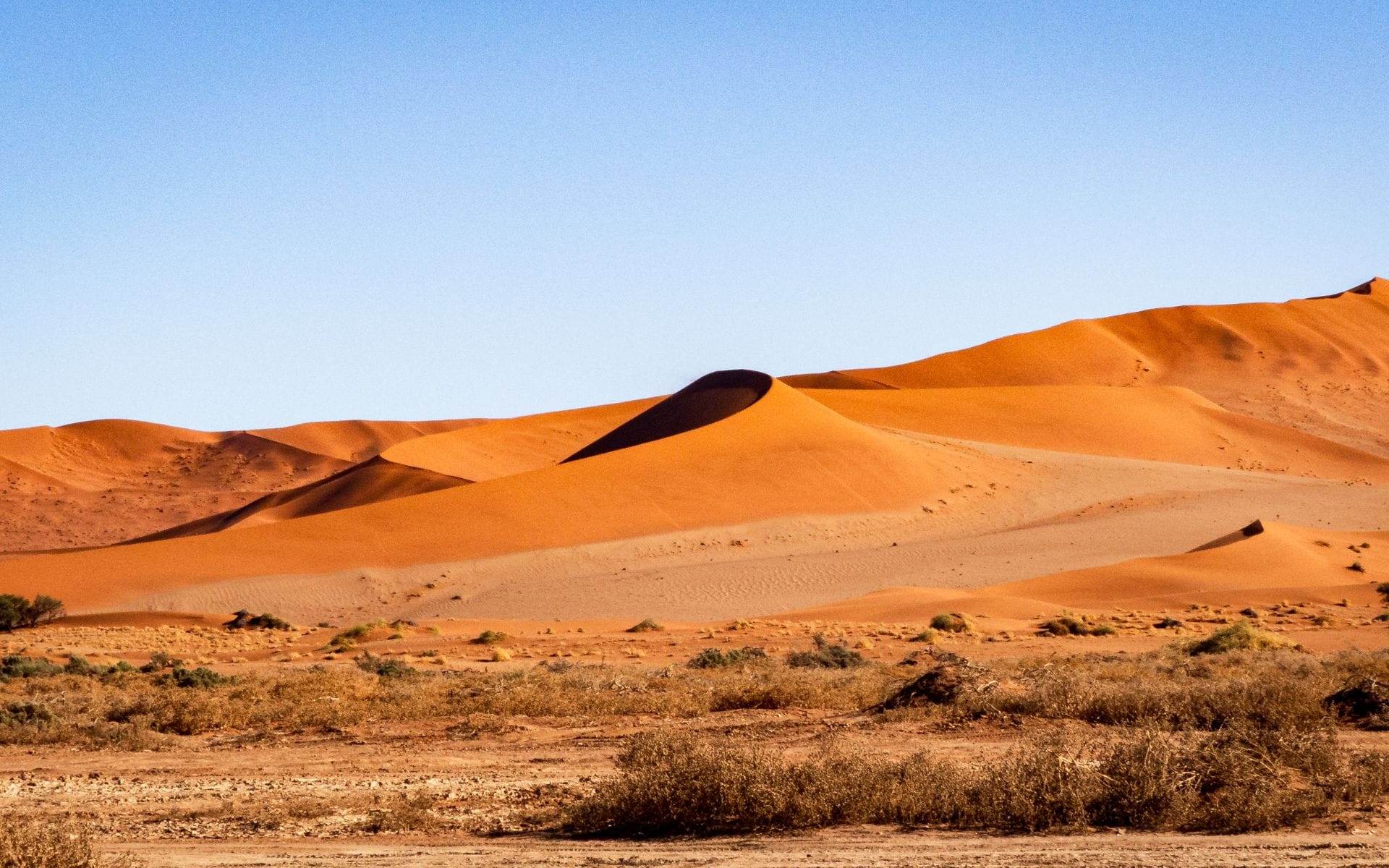
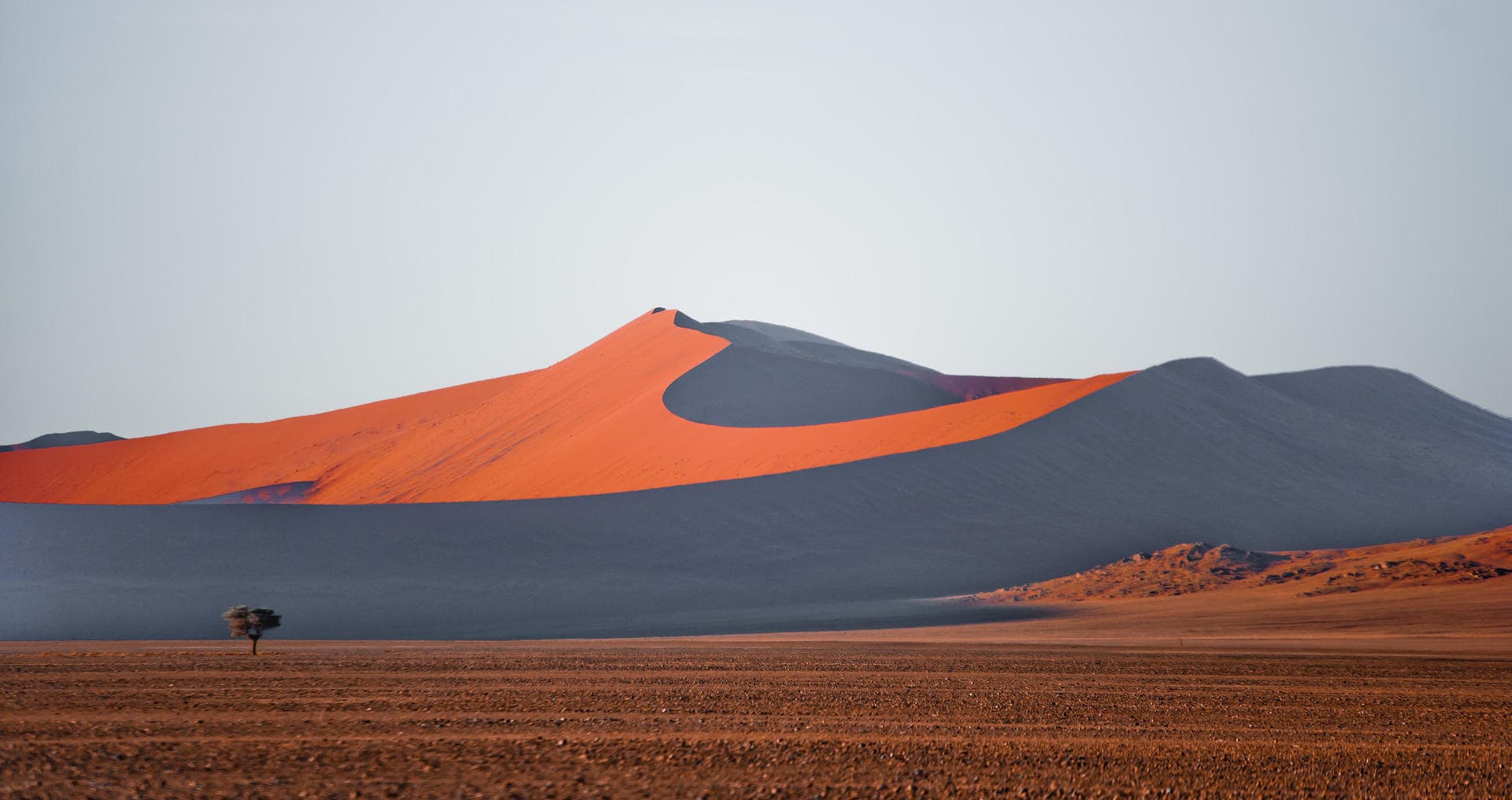
Sossusvlei is Namibia’s most visited attraction due to its landscape of undulating burnt orange and red-hued dunes towering above the desert floor. This desert region epitomises the iconic Namibian desert holiday with its surreal landscapes. A safari here can include sightings of fascinating desert-adapted wildlife like oryxes, springboks, ostriches, hyenas, bat-eared foxes, and jackals. In April, as temperatures drop, a safari in the desert becomes far more comfortable.
This is where the Fish River Canyon – the largest canyon in Africa – resides and offers safari-goers the opportunity to explore landscapes with awe-inspiring mountain and desert scenery. As the weather becomes drier and more temperate, expeditions to the incredible viewpoints of the canyon become more enjoyable. For a spectacular wellness safari in Namibia, visit the Ai-Ais hot springs, thermal baths renowned for their healing properties.
Kaokoland is the home of the Himba people, making it one of the best destinations in Namibia for cultural experiences. The Himba are one of Namibia’s most iconic indigenous groups, known for their red ochre-covered skin and traditional pastoral lifestyle. Visiting a Himba village during a Namibia guided tour provides an opportunity to learn about their customs, from their unique beauty rituals to their deep spiritual beliefs.
May is the beginning of the dry season in Namibia. As there is little to no rain, watering holes start drying up. During a Namibia safari at this time of the year, the possibility of seeing wildlife is highly likely (especially in Etosha National Park) as animals stick around limited permanent water sources. Thanks to the rain during the previous months, some landscapes still retain some of their greenery in May. This is the start of peak safari season in Namibia, especially for big game viewing and desert safaris.

May typically has dry weather, with temperatures reaching an average 23 °C/73 °F. The environment is usually warm and dry, but early morning and evening game drives can be chilly.
| Temperature | Celsius | Fahrenheit | Rainfall |
| Min | 9℃ | 48℉ | 0 inches |
| Max | 23℃ | 73℉ | 0.14 inches |
Scroll >

Wildlife viewing is excellent in Etosha National Park during May. Home to four of the Big Five, a safari in Etosha can include sightings of elephants and lions, while leopards and rhinos are rare. Other animals that call the park home include giraffes, zebras, springboks, oryxes, hyenas, bat-eared foxes, and warthogs.
Okonjima Private Nature Reserve – rehabilitated farmland that includes stunning walking trails and the AfriCat Carnivore Care Centre – is best visited in the dry winter months from May to October. This is one of the best places to see not only leopards and hyenas but also the endangered pangolin.
Fish River Canyon is an exciting place to visit in the dry season. Bush walks and hikes are best during this time due to the clear skies, sunny days, and temperate conditions. Part of the ǀAi-ǀAis/Richtersveld Transfrontier Park, species you could spot here include Hartmann’s mountain zebra, klipspringers, steenboks, kudus, baboons, and common duikers.
June is a fantastic time of the year for a wildlife safari in Namibia. The dry winter conditions have set in, reducing the number of water sources available for animals, making them easier to spot while on game drives and walking safaris. From wildlife viewing in the lush Caprivi region to hot air balloon rides over the arid Sossusvlei, there are a range of incredible safari experiences waiting for you in Namibia.

While June has plenty of sunny days and clear skies, temperatures at dusk and dawn can drop. Warm clothes will be handy for evening and morning game drives. The average maximum temperature hovers around 20 °C/68 °F, so trips into the desert aren’t overwhelmingly hot and walking safaris are more comfortable. As the rain clouds have dispersed, stargazing is a spectacular experience.
| Temperature | Celsius | Fahrenheit | Rainfall |
| Min | 7℃ | 45℉ | 0 inches |
| Max | 20℃ | 68℉ | 0.12 inches |
Scroll >

Wildlife viewing in Etosha National Park is at its peak during the dry season, from May to October. Many waterholes have dried up, and wildlife is now sticking around the few remaining drinking spots. Four of the Big Five call the park home (with just buffaloes being absent), and other animals include giraffes, zebras, oryxes, and hyenas.
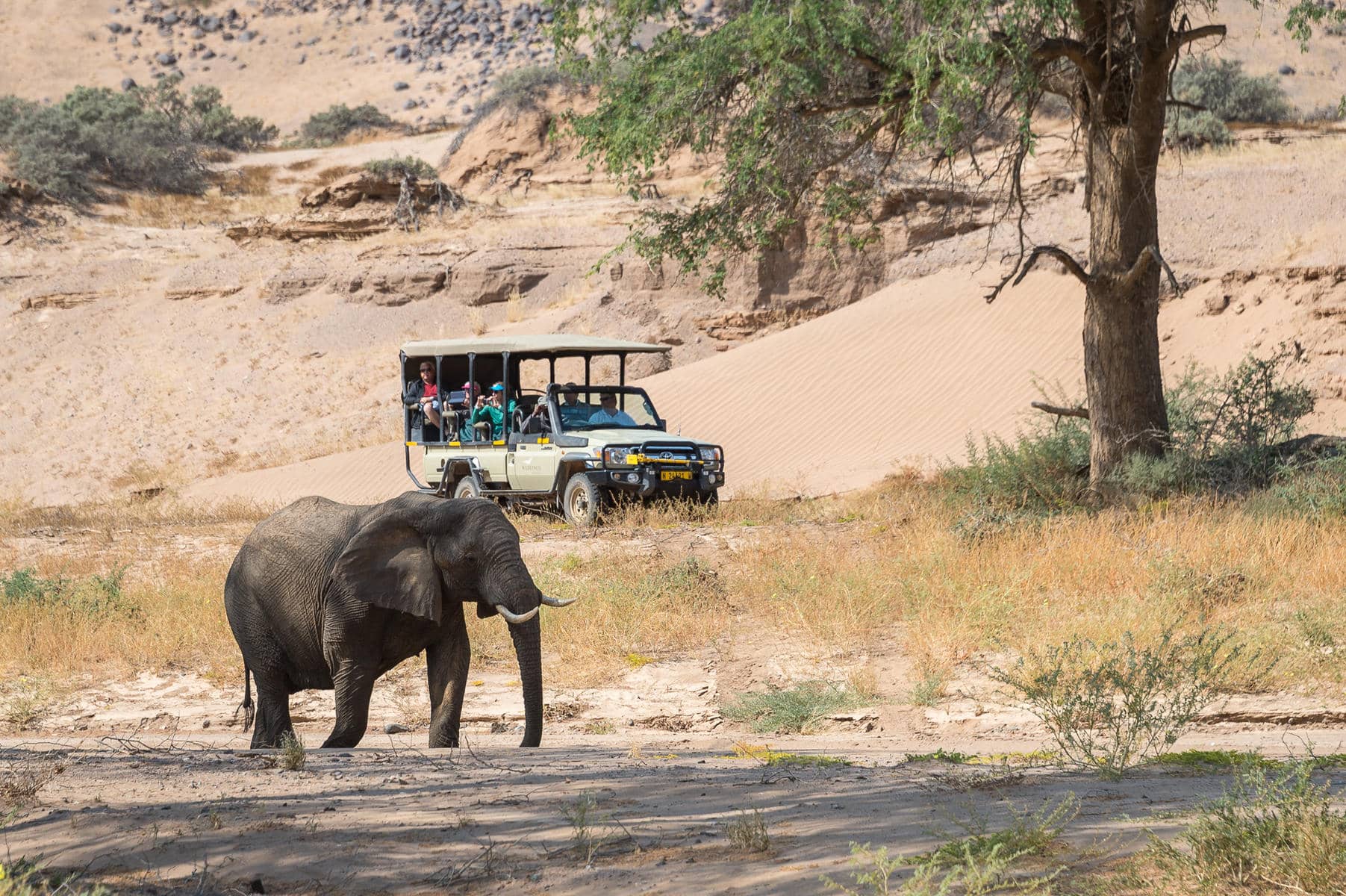
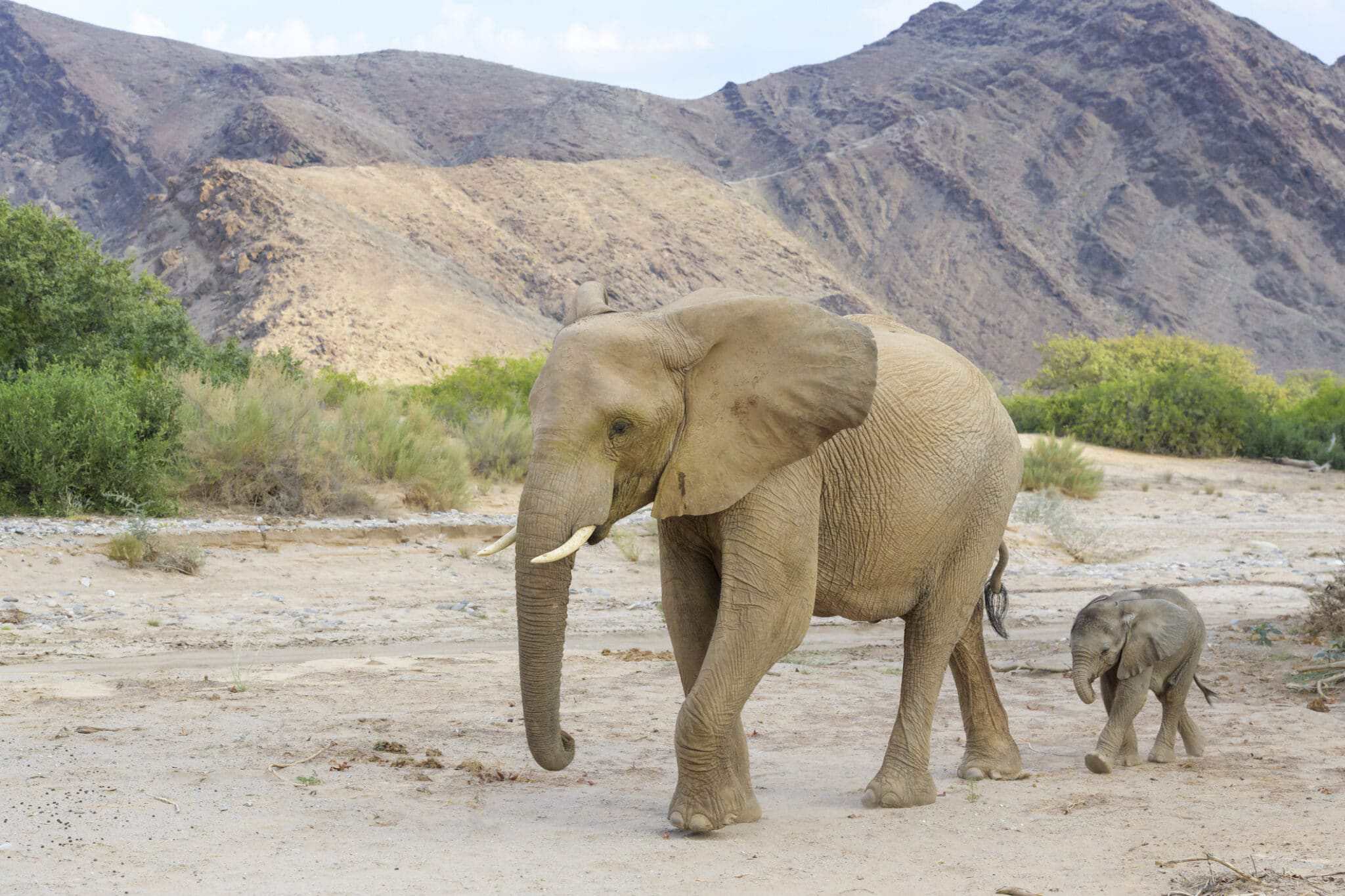
Despite its harsh desert conditions, Damaraland is home to fascinating wildlife, such as desert-adapted elephants, black rhinos (although rare), and oryxes. Head to Brandberg Mountain, Namibia’s highest mountain, for insight into the history of the land. Here you can see rock art paintings which date back tens of thousands of years.
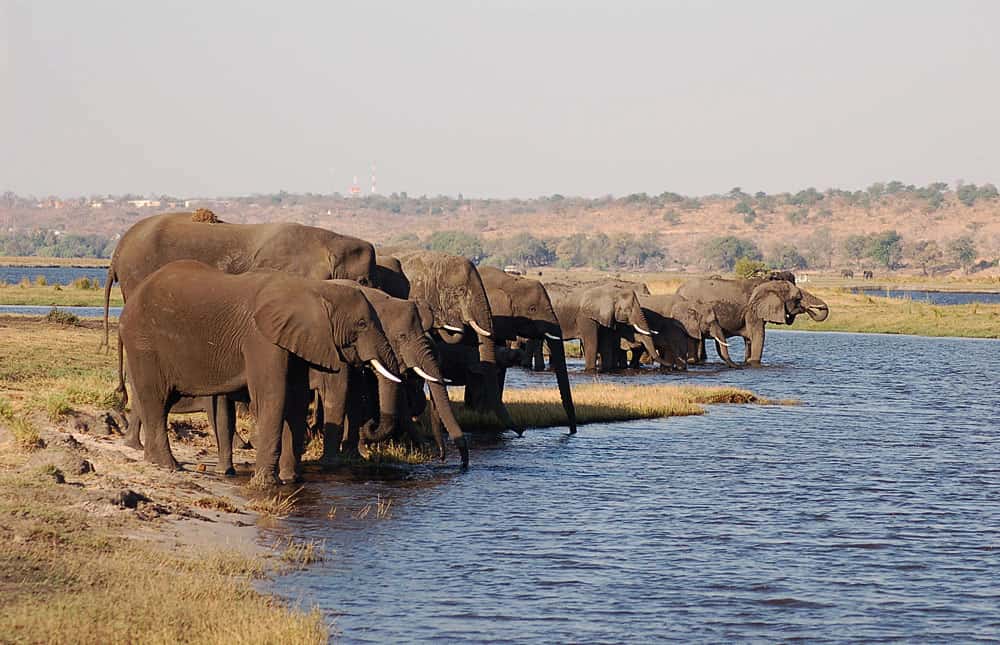
While you may picture desert landscapes when you think of Namibia, the country also boasts a lush, watery landscape to explore. The Caprivi region features rivers ideal for boating safaris (an excellent way to go birdwatching); the water-rich landscapes also attract wildlife. While on safari here, keep an eye out for elephants, different antelope species, and big cats.
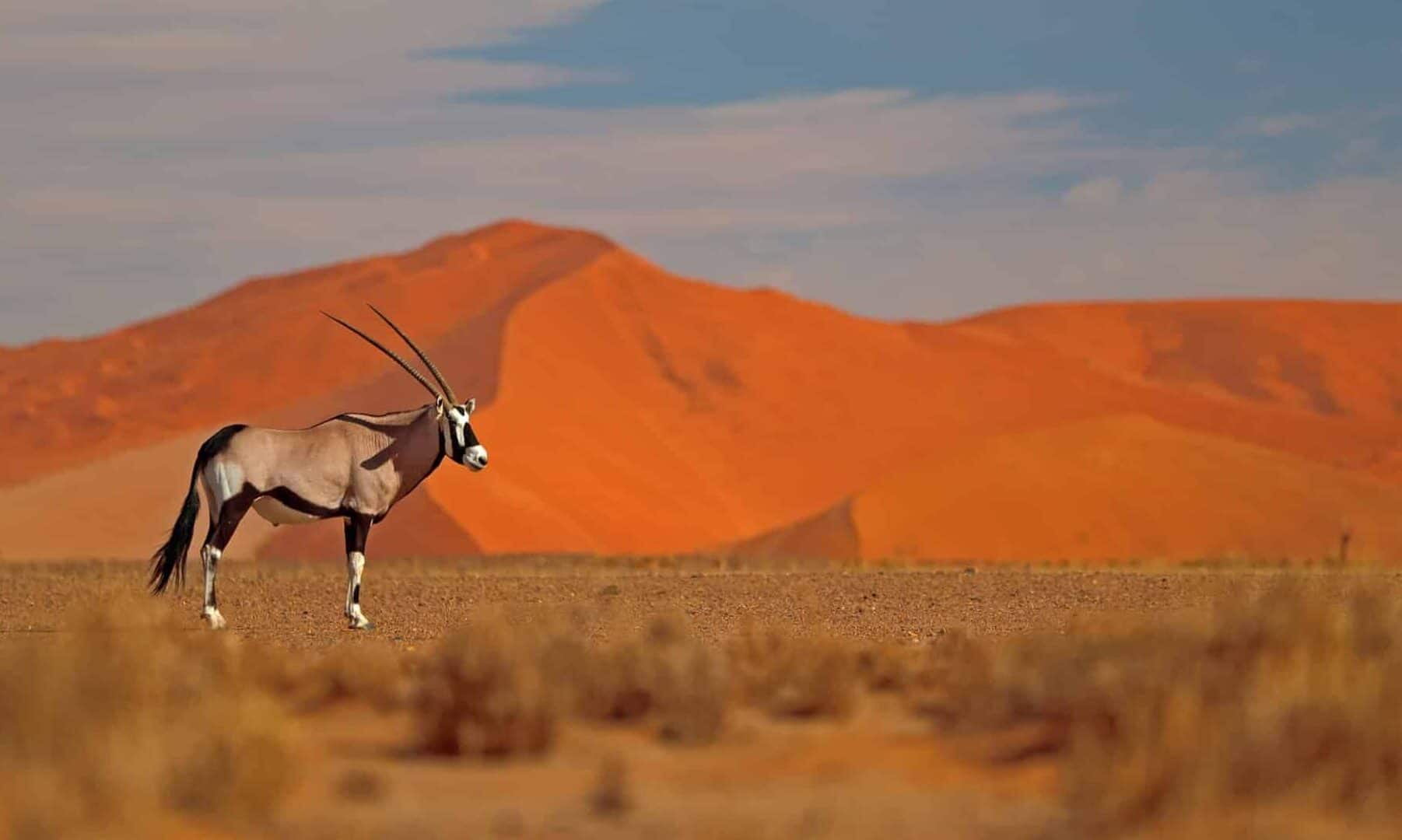
Sossusvlei epitomises the iconic Namibia desert holiday, with its surreal landscapes and luxury lodges providing an unforgettable high-end safari experience. This is where you can climb Big Daddy, one of the tallest dunes in the world, and see Deadvlei, the white clay pan famous for its desiccated trees. A safari here can include sightings of unique desert-adapted species such as oryxes, springboks, ostriches, hyenas, bat-eared foxes, and jackals.
This is the time for big game viewing in Namibia’s national parks and game reserves. After the dry season has kicked in during May, the landscape in places like Etosha National Park, Okonjima Nature Reserve, and Ongava Private Game Reserve dries out, creating environments ideal for game drives and walking safaris. The lack of rain causes the animals of the parks and reserves to stay around the few remaining watering holes, so game drives can be more productive compared to the wet summer months.

July is one of Namibia’s coldest months, with the average maximum temperature being around 21°C to 25°C/70°F to 77°F and the minimum around 7°C/45°F. Nights and early mornings can be particularly cold, so make sure to pack warm clothes if you’re going on a Namibia safari in July. Thanks to the lack of rain, skies are clear, making for excellent stargazing when the sun goes down. Vegetation also thins out, making wildlife easier to spot.
| Temperature | Celsius | Fahrenheit | Rainfall |
| Min | 6℃ | 43℉ | 0 inches |
| Max | 21℃ | 70℉ | 0.04 inches |
Scroll >

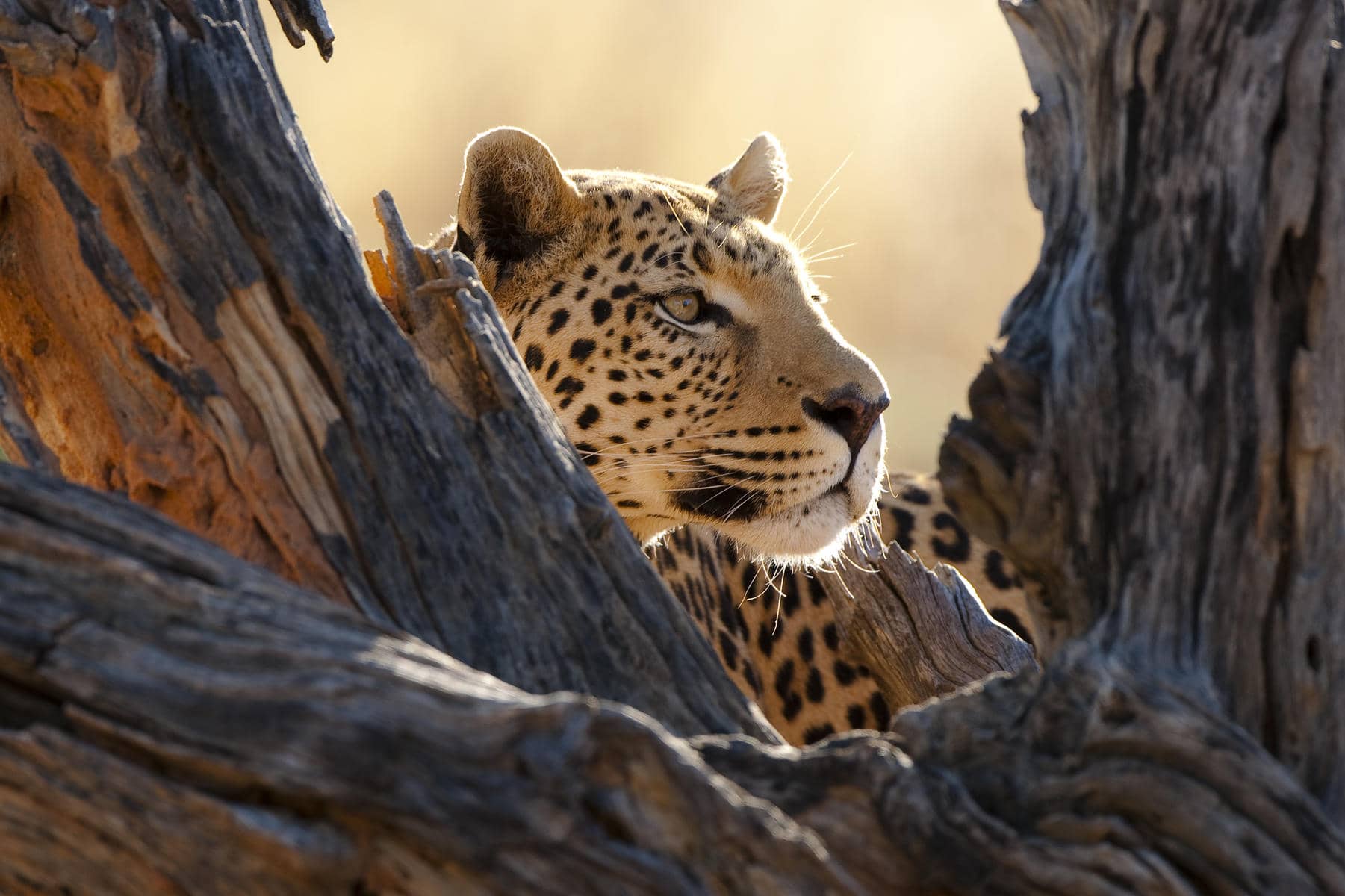
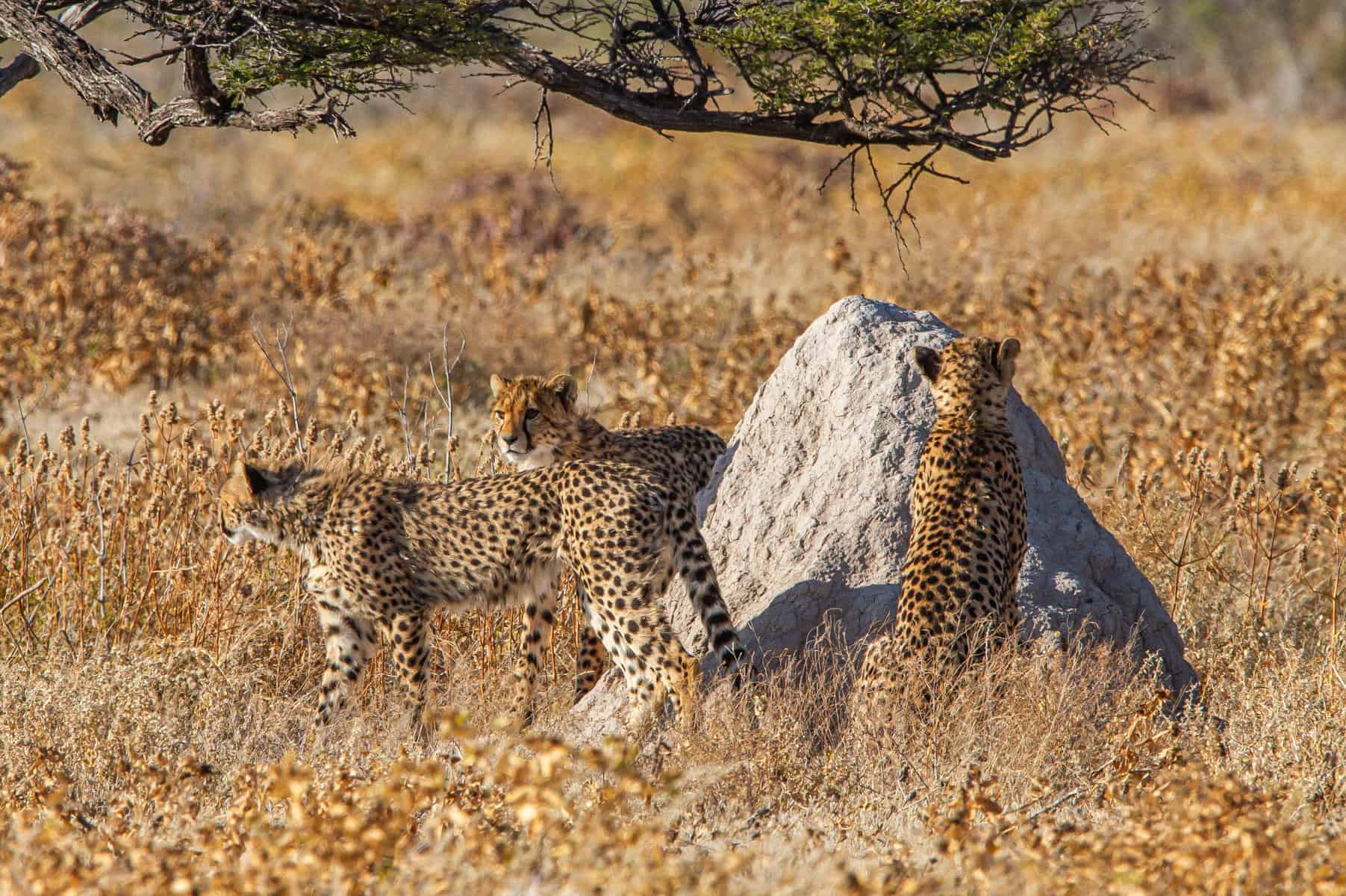
The Okonjima Nature Reserve is renowned for its leopards and offers exceptional wildlife viewing opportunities. In addition to leopards, the reserve is home to cheetahs, lions, hyenas, black rhinos, and various species of antelope. Game drives here are eventful, especially during the dry winter months. The rare and elusive pangolin can also be spotted here; perhaps you’ll get lucky with a sighting during a walking safari in the reserve!
The diverse ecosystems of Etosha National Park are best explored during a Namibia safari in the dry season. This is because the lack of rainfall causes the wildlife of the park to congregate around the remaining waterholes, making finding them a lot easier. During game drives, four of the Big Five can be seen (with buffaloes being absent).
Neighbouring Etosha National Park, Ongava Private Game Reserve shares a similar climate. As such, the best time for a Namibia wildlife safari in Ongava is during winter. Wildlife viewing is also similar to Etosha. Thanks to conservation efforts, this game reserve is a fantastic place to see rhinos. While exploring (including during night game drives), you could come across lions, elephants, and leopards as well as black-faced impalas and Damara dik-diks, specialities of the reserve.
At this point in the year, Namibia hasn’t seen much, if any, rain for at least three months. The country is at its driest, and the winter season has peaked. August almost guarantees the chance to see wildlife. Safari experiences are typically excellent, as animals are sticking around remaining watering holes to drink. Although the weather is generally good, evenings and mornings can get pretty chilly, so it’s helpful to pack warm clothes for game drives. This is the perfect time of the year for walking safaris and trips into the desert thanks to the cooler temperatures.

August has clear skies, sunny days, and little chance of rain, with the maximum temperature hovering around 21°C to 25°C/70°F to 77°F and the minimum around 7°C/45°F . It’s generally the driest time of the year, and wildlife viewing is at its prime. The clear skies at night make stargazing a spectacular way to end the day.
| Temperature | Celsius | Fahrenheit | Rainfall |
| Min | 9℃ | 48℉ | 0 inches |
| Max | 23℃ | 73℉ | 0.17 inches |
Scroll >

Wildlife viewing in Etosha National Park is at its best in August. The park is home to four of the Big Five (buffaloes are absent), which you could see gathering around natural and artificial waterholes.
Bordering Etosha National Park, Onguma Private Game Reserve is, too, best experienced during the dry winter months when wildlife is easier to spot. With low visitor numbers, this reserve is perfect for travellers seeking a more secluded safari experience.
This lush region offers safari-goers an alternative to Namibia’s desert landscapes. Waterways make this region a haven for wildlife! During a Caprivi safari in August, go on boating adventures and game drives to see the variety of animals here, including giraffes, zebras, elephants, big cats, and wild dogs.
September is an excellent time for a Namibia safari. Namibia in September is characterised by dry conditions, as, since May, the country hasn’t seen much rain. The thinned-out vegetation clears the way for excellent wildlife opportunities, including in the lush Zambezi Region and the famous Etosha National Park with its shimmering salt pan. Head to Fish River Canyon – the second largest canyon in the world – for mesmerising views, made all the better by the clear skies and mild weather.

In September, temperatures start heating up slightly as the dry season begins to transform, but conditions are still mild for comfortable walking safaris and hikes. The maximum temperature can reach around 27°C/81°F.
| Temperature | Celsius | Fahrenheit | Rainfall |
| Min | 12℃ | 54℉ | 0 inches |
| Max | 27℃ | 81℉ | 0.2 inches |
Scroll >

The waterways of this lush habitat are best explored during the dry winter season. A visit to Bwabwata National Park in the Zambezi Region will take you away from the well-trodden tourist paths. This park is home to elephants, buffaloes, zebras, and different antelope species. When exploring the rivers, watch out for the rare sitatunga antelope. Big cats are around, but they can be more elusive.
Hiking to the breathtaking viewpoints in Fish River Canyon is best done during winter, as the dry conditions make the paths easier to navigate. At this time of the year, you may also get to see spectacular spring flowers popping up over the region, further making it a stunning location for landscape photographers.
September is still part of the winter season, so the dry weather in Etosha National Park creates ideal conditions for game viewing. The vast, shimmering salt pan here provides a surreal backdrop to the spectacular wildlife encounters, which can include sightings of elephants, black rhinos, giraffes, hyenas, and lions.
The dry season continues into October, and parks like Etosha National Park and bordering reserves Ongava and Onguma are excellent places for Namibia wildlife safaris. Herds of animals congregate at the remaining rivers and watering holes, making spotting wildlife easier during walking safaris and game drives.

October is typically dry and warm, with rain expected towards the end of the month as the country slowly inches towards the wet summer season. Temperatures also begin to climb with highs of 29 °C/84 °F.
| Temperature | Celsius | Fahrenheit | Rainfall |
| Min | 15℃ | 59℉ | 0 inches |
| Max | 29℃ | 84℉ | 2.7 inches |
Scroll >

The dry winter season is the best time for a desert safari in Namibia. Mild temperatures and the lack of rainfall create the ideal environment to explore the surreal landscapes. Kaokoland is a truly remote location for a safari in Namibia, perfect for you if you’re looking for a secluded adventure to immerse yourself in nature and search for unique desert-adapted wildlife.
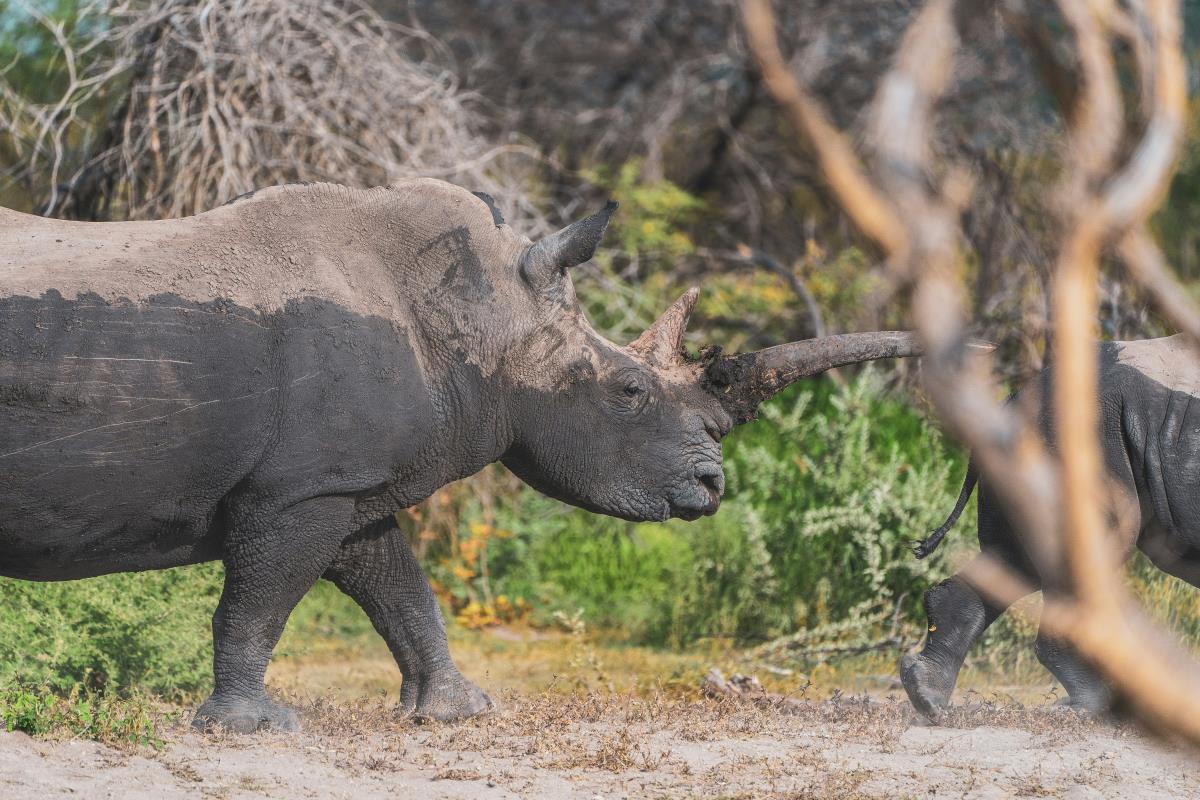
Bordering Etosha National Park, Ongava Game Reserve is a fantastic location for a Namibia wildlife safari. A beacon of conservation success, this reserve is known as the Realm of the Rhino – it’s one of the best places to see these incredible creatures in the country. You can also spot another three members of the Big Five: lions, leopards, and elephants.
October is a good month for a safari in Onguma Private Game Reserve. During walking safaris and game drives (including nighttime excursions), the vegetation has been dried out for months by the time October rolls around, so the landscape doesn’t hide the wildlife. Animals wander freely between Etosha and Onguma, making for excellent sightings during Namibia safaris here.
With an increase in rain, November is an interesting time to go on a safari in Namibia. The rainfall causes an explosion of vegetation; this is also when the calving season begins, so a Namibia safari in November can include sightings of adorable newborn animals. This southern Africa destination’s parks and reserves are also less busy after the very full peak season (May to October), another reason why we recommend November as a fantastic month of the year for a Namibia safari.

November has a higher chance of rain, but many days of the month still offer clear conditions. If there is any rainfall, it usually takes place in the late afternoon. With the increase in rain comes higher temperatures, with the maximum hanging around 30 °C/86 °F.
| Temperature | Celsius | Fahrenheit | Rainfall |
| Min | 15℃ | 59℉ | 0.1 inches |
| Max | 30℃ | 86℉ | 3.1 inches |
Scroll >

Skeleton Coast is best visited during the warm summer months. The rains clear the fog that usually rests across this coastal destination, and migrant bird species arrive, creating a fantastic destination for birders. Temperatures hang around 29 °C/84 °F during this time of the year, and the rains are minimal so it shouldn’t negatively impact your excursions.
For a Namibia wildlife safari, Etosha National Park is at its most spectacular during the dry winter months. However, this doesn’t mean that the wet season has nothing to offer safari-goers. The summer rains aren’t at their most powerful in November, so game drives and walking safaris can still be enjoyed. November is the start of birding season; birdwatchers will love spotting the migrant species that appear in the park.
If you’re dreaming of a Namibia desert safari – an adventure to spot unique desert-adapted elephants and lions – Damaraland with its yellow-orange landscapes and rocky mountains is ideal. In November, the landscape welcomes rain after the long dry period as well as migrant species of birds from Europe and Asia. As rains are short, this time of the year is still considered good for a Damaraland safari.
As the year comes to an end, rain increases, which blankets certain regions in lush greenery, thickening vegetation and making animals found in Namibia harder to spot during game drives. However, if you’re an avid birdwatcher, this is the best time for a Namibia safari! Migrant species can be seen in Caprivi, Etosha, and Namib-Naukluft, creating a spectacle for safari-goers.
Namibia is generally best for photographic safaris at this time of year, as the rain usually clears the dust. Thunderstorms provide fantastic opportunities to capture mesmerising moments on camera. Namibia is home to varying landscapes and scenery, making it a photographer’s paradise!

Average rainfall increases to almost two inches in December; this is accompanied by hotter temperatures, with the maximum hitting around 31 °C/88 °F. Bring along a light rain jacket in case you get caught in a downpour.
| Temperature | Celsius | Fahrenheit | Rainfall |
| Min | 17℃ | 63℉ | 0.1 inches |
| Max | 31℃ | 88℉ | 5.9 inches |
Scroll >

Caprivi is the place to go to spot less common species in Namibia. This region is water-rich, in stark contrast to the rest of the country, so it supports animals like hippos, crocodiles, and buffaloes. Even though the best time for a wildlife safari in Namibia is during the dry winter, Caprivi in December is lush and dotted with flowers, baby animals, and migrant bird species.
The desert embraces a new look during the wet summer season. An increase in rain causes the arid landscape to shift and flowers to pop up. Rainfall clears the environment of dust, creating a better setting for photographic safaris in Namibia. The Namib-Naukluft Park includes coastal regions like Sandwich Harbour, an important habitat for flamingos. During the wet season, migrant bird species fly into the park, creating a haven for avid birders.
In the wet season, Etosha National Park is a beautiful place to go for a Namibia safari. Although rains are more common than during the winter months, it usually doesn’t rain for long, and the increase in water creates a beautiful lush green landscape to explore. While this vegetation can make finding wildlife more challenging, when you do find them, you may see them with their young. This is also the perfect time of the year for a birding safari.
Ready to plan your tailor-made safari?
844 Reviews - 5/5 Stars
Craft your journey with the expertise of our dedicated Africa Safari Experts
Start PlanningAmazing trip with Discover Africa!
Our trip with Discover Africa was worth every penny!
Adelle is absolutely the best
22 Nights Zimbabwe and Botswana Safari plus Victoria Falls Adventure Review
Tami Jones,
United States
19 Nov 2025
Megan Warrington did a fantastic job
Chrizaan Troch was wonderful to work with, which resulted in a memorable...
13 Day Cape Town, Kruger, Victoria Falls and Botswana Safari Review
Helen G,
United States
08 Jun 2025
THANK YOU Discover Africa!
7 Day Botswana Delta & Makgadikgadi Pans Safari Review
Mr and Mrs Pellet,
United Kingdom
16 May 2025