

 Email us







For the first time in over a decade, a new white lion cub has been spotted in the wild in the Timbavati Private Nature Reserve. The three-month-old cub – part of the local Giraffe Pride – was discovered stashed safely in a den along the Zebenine Riverbed.
Guests were lucky enough to witness this special scene near Kambaku Safari Lodge over the past week. The white lions of Timbavati are iconic and a standout feature of the reserve, as they are endemic to the region.
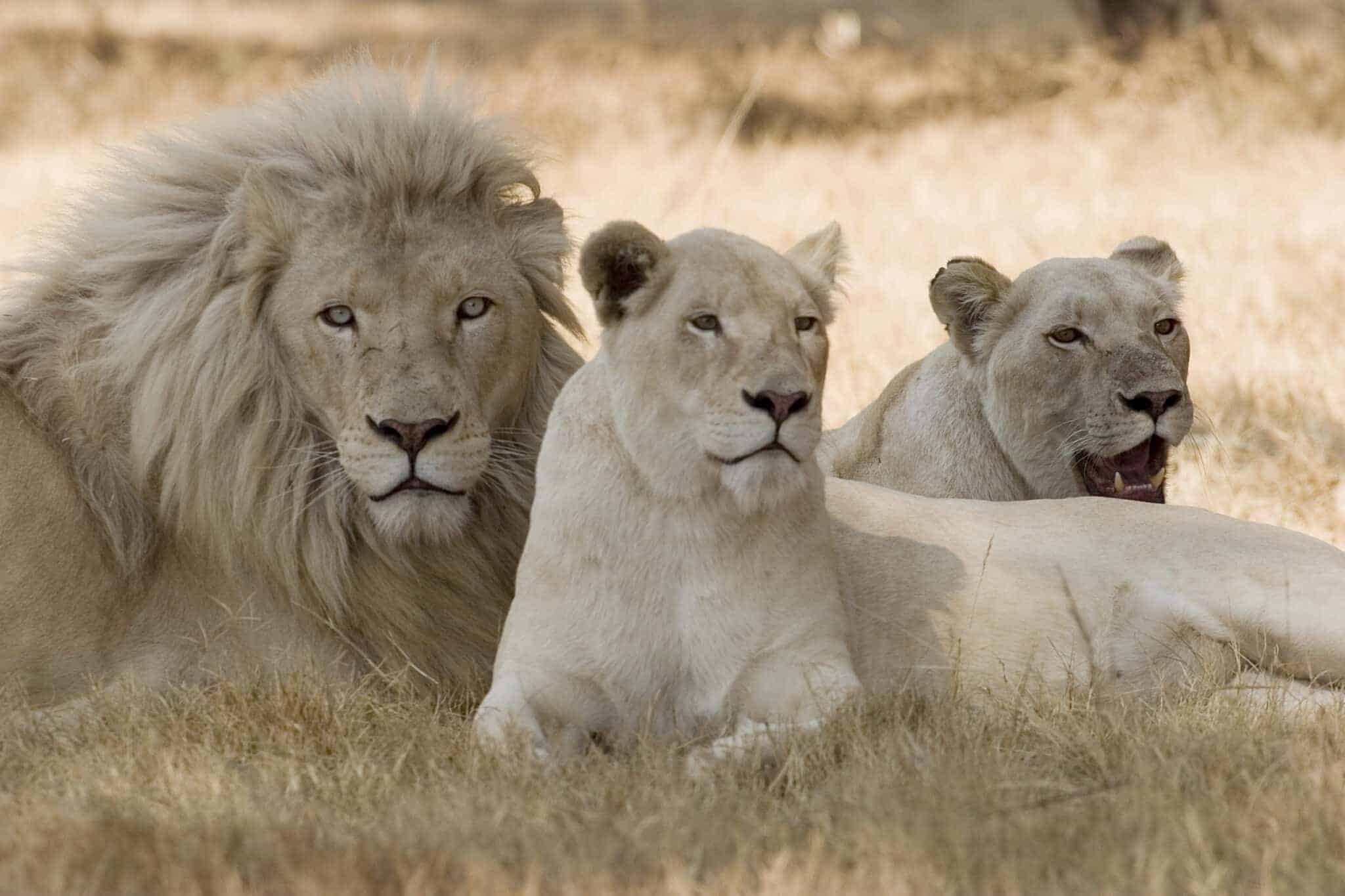
For big cat enthusiasts, this isn’t just a sighting; it’s a historic moment for conservation. Despite their revered status, white lions have faced several conservation challenges, often being the targets of illegal poaching and breeding for the exotic pet trade. While hundreds of white lions exist in captivity, fewer than a dozen are thought to be in the wild. So a new white lion cub is a historic win for these lions – the “ghosts of Timbavati”.
The White Lions of Timbavati
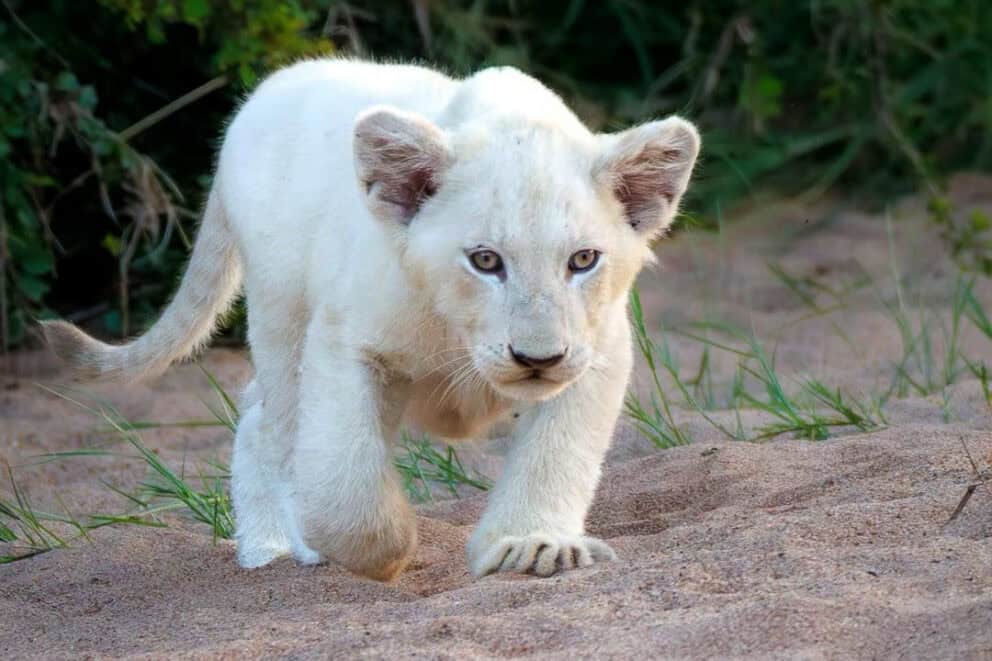
Timbavati Private Nature Reserve is the ancestral home of the white lion. While his appearance may suggest otherwise, this cub isn’t albino but rather leucistic. The Timbavati white lions all carry a rare recessive gene that gives them their iconic snowy white coat while maintaining pigment in their eyes, nose, and pawpads.
They aren’t a separate species but rather a genetic marvel unique to this specific pocket of the Greater Kruger. Because the gene is recessive, both parents – even if they are tawny coloured – must carry it for a white cub to be born. The combination makes his arrival a literal one-in-a-million event that underscores why this reserve is so ecologically special.
For many, these animals carry a deep spiritual significance, with the Timbavati region being known as “the place where lions came down from the heavens” in the local Tsonga language. They have been revered as divine beings and are said to bring prosperity to their communities. While they were “discovered” in the 1930s, locals have known of their existence for centuries.
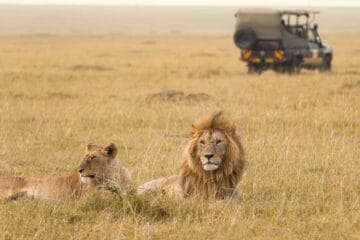
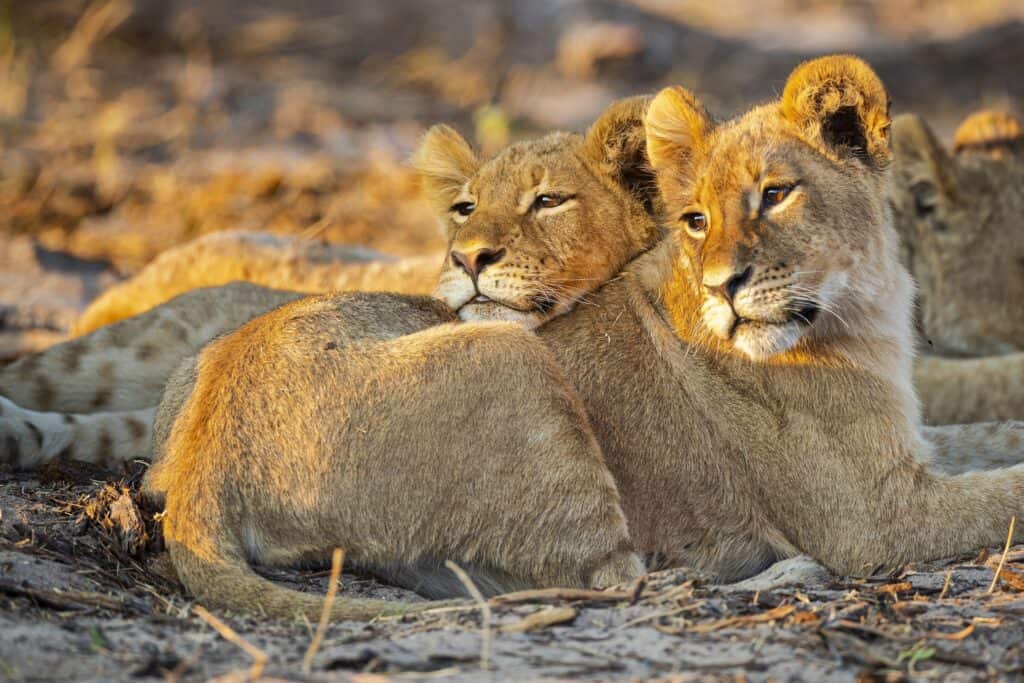
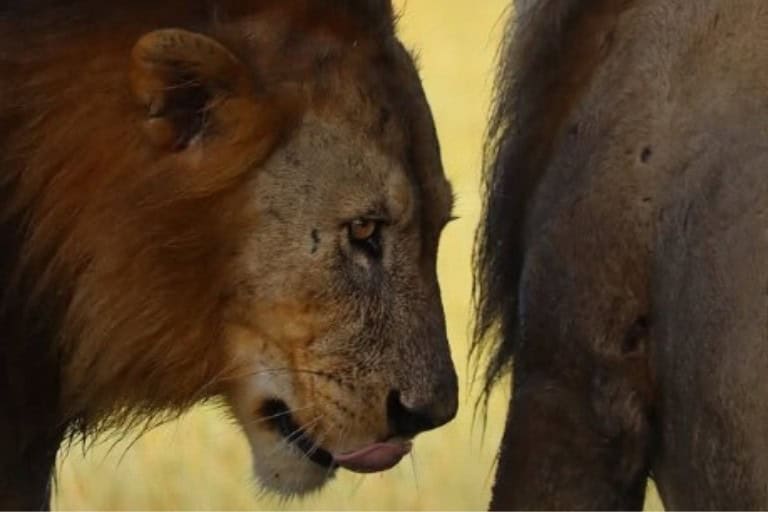
While his gorgeous coat may make him a superstar to us, life is tough for a tiny cub in the wild. This little guy and his sister are currently under the watchful eye of their father and uncles – the Birmingham Breakaway males – who are helping keep their territory safe and free of male rivals. The Giraffe Pride has not had the best of luck recently, with only one of their nine cubs surviving beyond six months old, so this little one has a long road ahead.
This new generation of their pride will need the best shot at survival. This is why Timbavati has put a “no pressure” viewing protocol in place to minimise human impact during a critical development phase. This means no viewing of lion cubs in the absence of their mother, no tracking cubs on foot, and no viewing the cubs after dark.
Most importantly, we shouldn’t solely focus the attention on this new cub. Timbavati is home to several lion prides, who all carry their own unique stories – all of which deserve to be shared equally.
Timbavati – More than Just White Lions
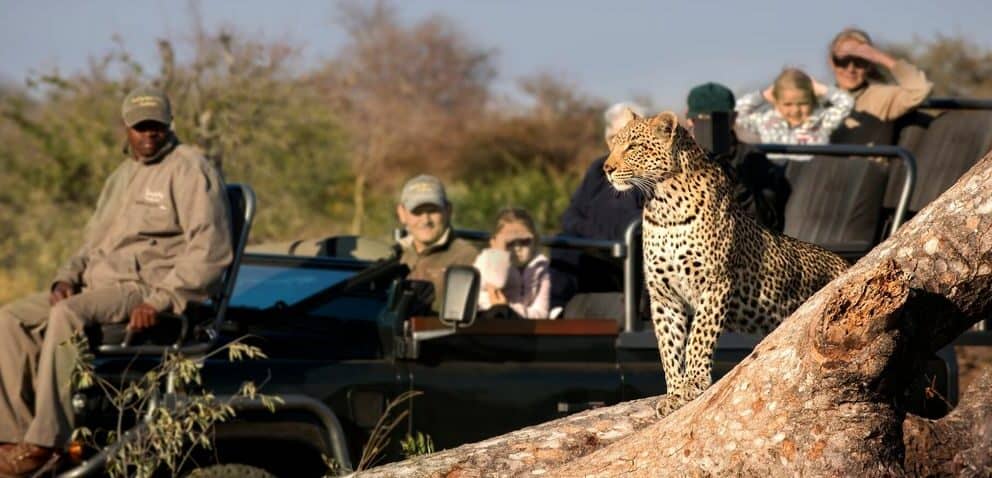
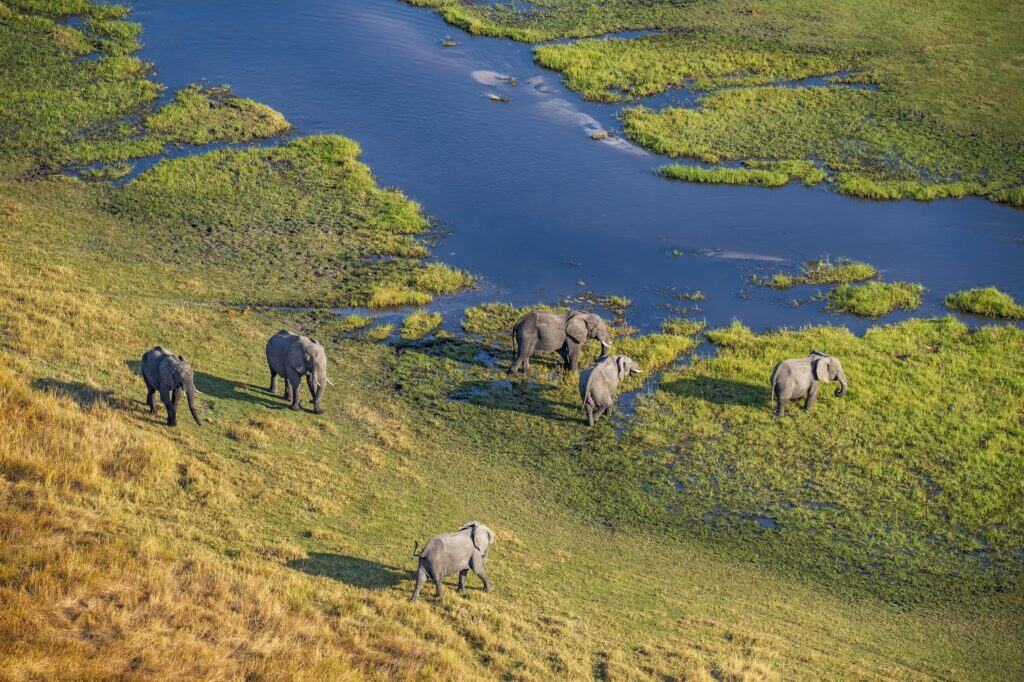
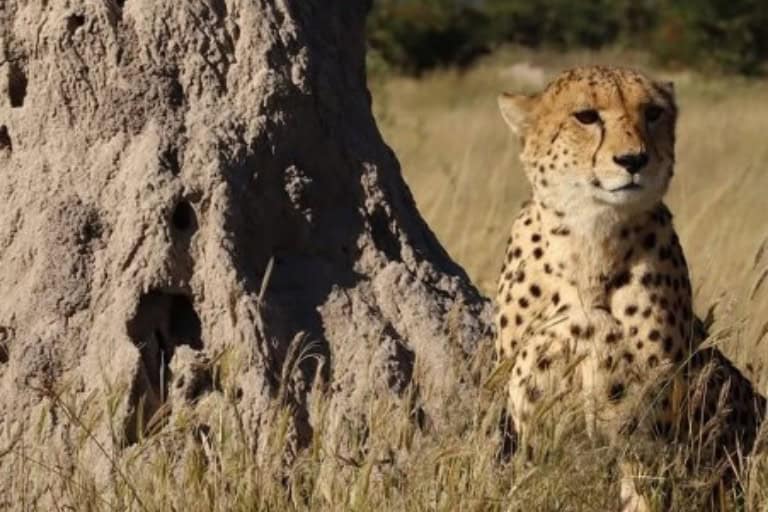
The reserve offers a safari experience that is hard to beat, even if you don’t manage to see the “ghosts of the Timbavati”. It shares an unfenced border with the Kruger National Park, meaning that animals are allowed to wander freely, providing world-class sightings of the Big Five and many other types of wildlife, including wild dogs, cheetahs, and more than 360 bird species.
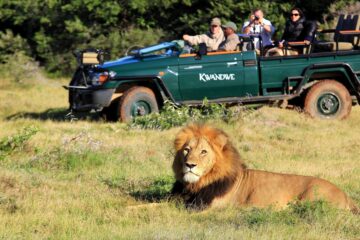
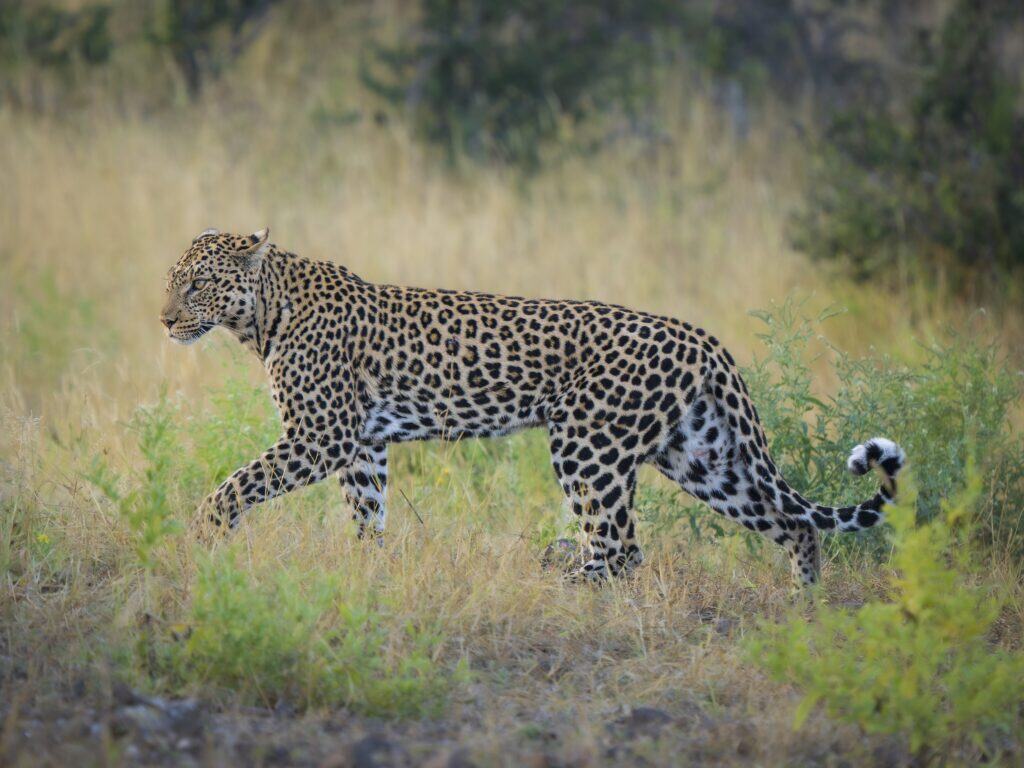
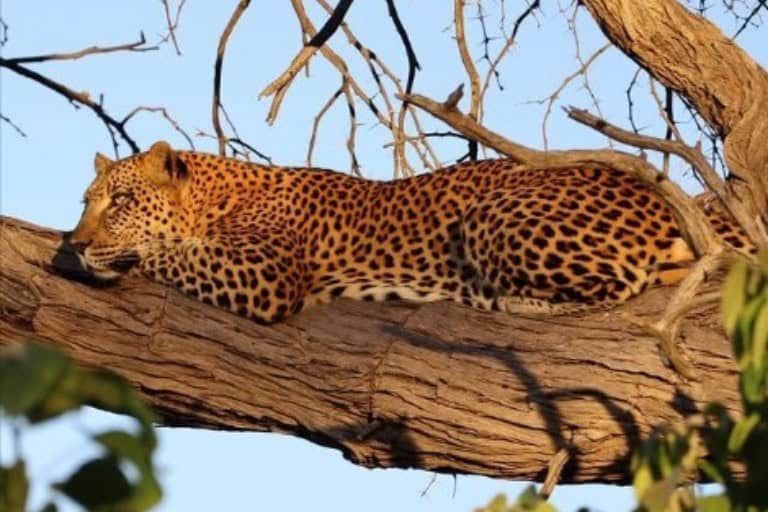
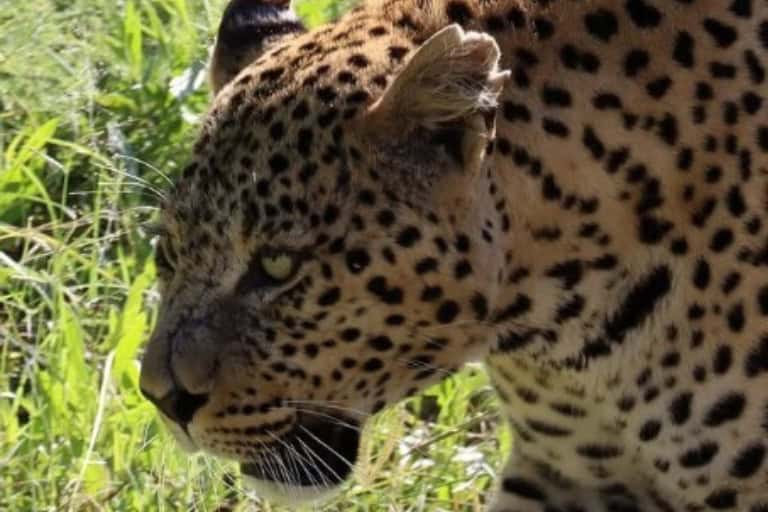
Unlike the public park, however, private reserves (like Timbavati) allow for off-roading and night drives, meaning you can follow a leopard through the thicket or watch a honey badger scavenge under the stars. The low vehicle density also ensures you never feel crowded, and the expert trackers here are renowned for their uncanny ability to navigate the bush.
UPDATE: Q&A With Chad Cocking
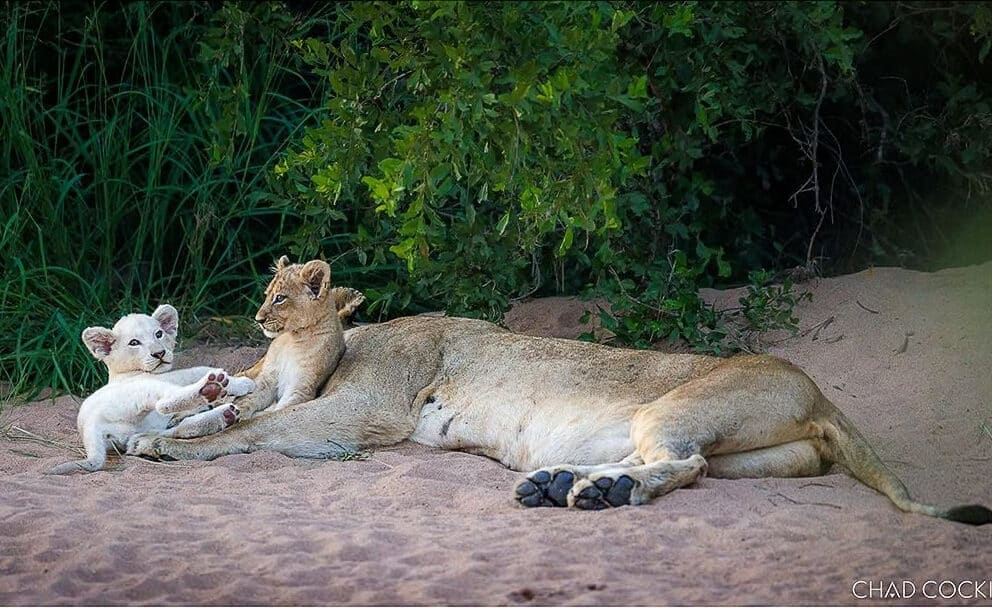
We reached out to Chad Cocking, a veteran game ranger in the Timbavati who has been documenting this rare cub, to get his take on the challenges and future of the Giraffe Pride’s newest member.
Q: Has there been any specific measure put in place to protect this cub? Or is it more of a ‘hands-off’ approach? Why or why not?
The white cub is treated no differently to any other lion, and we adhere to the reserve practice of letting nature take its course. If for any reason there was any human-caused injury, we would intervene, but for all natural cases, we let nature take its course.
We do limit the viewing of the cub to times when only the mother is present, and at the moment, we keep our distance when watching the cubs at the den sites. If they join the smaller cubs (about five weeks old), then we avoid viewing any of them at the den to protect the smaller cubs. We also do not view the white cub at night, and this will remain in effect until all the cubs are older than six months old.
Q: What are his odds of survival? Especially given his bright colours and lack of camouflage.
Lion cubs have a tough time out there, even at the best of times. With a stable and young coalition of males at the helm and 11 experienced females hunting for pride, the odds of survival should be good, even with his white colour.
The fact that many of our first thoughts were “damn, it’s a male” suggests that we are already looking ahead to the fact that it will survive to adulthood but sadly move on to another area of the Greater Kruger to hopefully pass on its genes there!
Q: The Giraffe Pride has faced significant challenges recently; only one of the last nine cubs has survived past six months. What specific environmental or social factors make this particular period so high-risk for this cub?
Two of the older cubs were killed by the arrival of a competing coalition of males, the Black Dam males from Thornybush. Since then, the females have spent more time out of the areas where the BDMs pop in and in the heart of Birmingham Breakaway males’ core area.
The males were all around when the six youngest cubs died in mid-December. I am not sure if it was an illness or something that spread through the litter, but we found one cub dead, and five were still healthy, and that was the last time they were seen.
It could’ve been hyenas, but it does not appear to have been other lions. During 2022/23, the pride were very successful in raising their cubs, so the moms are experienced, and I don’t think this was any fault of theirs.
Q: In your experience observing white lions in the wild, have you noticed any measurable disadvantage in their hunting success or visibility to prey compared to their tawny pride mates as they reach sub-adulthood?
It is hard to see how the white lions can avoid being seen with their white coats… I recall the first time seeing one in the dark and how easily they stuck out to our poor-nocturnal-vision human eyes! So the thought is that they would struggle to conceal themselves.
That being said, none of the white lions that I have seen survive to adulthood ever appear to have struggled with hunting, and in one case, the young white lioness almost appeared to be leading the hunts of her adoptive pride.
Q: Given the Giraffe Pride’s recent history with cub mortality, what specific environmental or social factors are the biggest threats to this cub right now?
The biggest risk to the white cub and the tawny littermate(s) of the pride at the moment comes from the pressure of the Black Dam males. If the Birmingham Breakaways can keep hold of their territory, that risk will be neutralised, and with numbers on their side the BB males should prevail over the BD males.
As the oldest cubs in the pride (aside from the eight-month-old one), they should face less competition at kills and should be able to keep themselves well fed when the pride has success… And with 11-odd adults hunting for the pride, they should be able to be successful, although they will need to hunt often to feed so many lions.
They used to do it tremendously well when they were 25 strong in 2023, and there is no reason they won’t do it again now.
Q: How has he been received by guests?
Most guests have been wowed by seeing him. We always have to manage expectations though, as a number of guests have already got their hearts set on seeing him after seeing his videos all over social media. As a result, we temper expectations and also explain the sensitive nature of viewing him at his age and without the mother present.
All guests want to see him across all the lodges, so we try to limit the viewing of the cub to once every two to three days so as not to put pressure on him or the other guests who wish to see him. In general though, our guests appreciate that this is nature and understand if he is not out and about but cherish the moments when he is!
See The Ghosts of the Timbavati
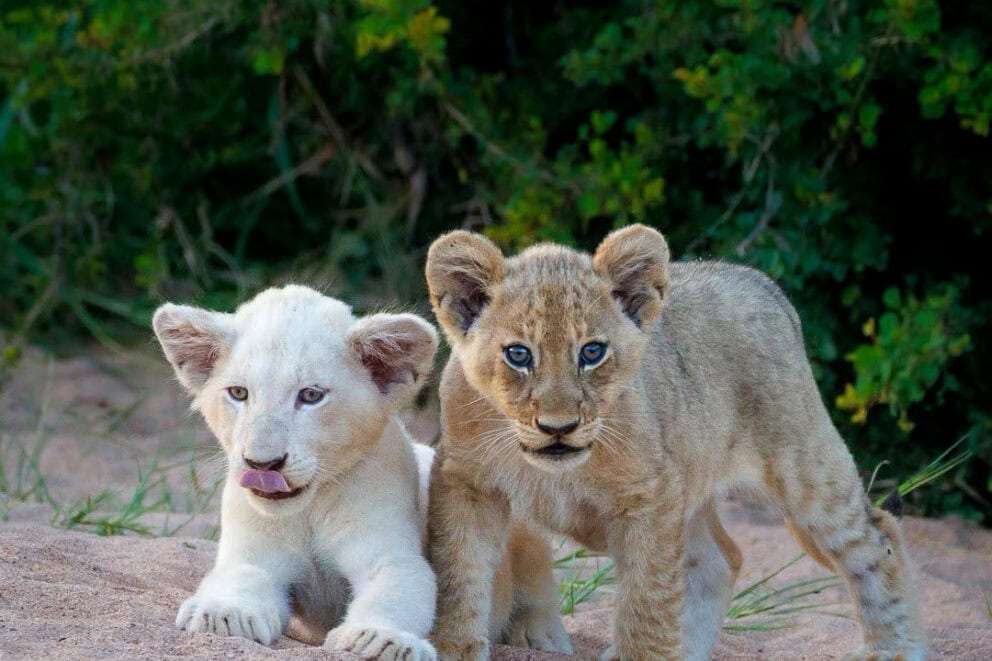
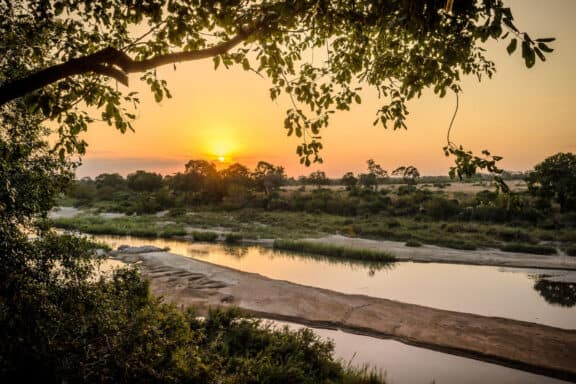
A safari here is more than just checking boxes. Whether you’re hoping for a rare glimpse of a white lion cub or simply want to sip a sundowner while watching a herd of buffalo cross a dry riverbed, Timbavati Private Nature Reserve offers an intimate connection with the wilderness that stays with you forever.
Plan your Timbavati safari with one of your experts today.

Written by Thaakiera Ackerdien
• Travel Writer

Discover the African Journey that’s Right for You
 Blog List




































Written by Thaakiera Ackerdien
• Travel Writer
Part of the South Africa Safari Collection