

 Email us






An Africa big cats safari is not built around sightings. It’s built around reading what the land is doing before anything appears.
Antelopes stop feeding mid-bite. Birds lift and resettle without warning. Guides go quiet, not because nothing is happening, but because everything is being read in detail.
This is not about chasing lions, leopards, or cheetahs. It’s about arriving in places where their presence is already written into how the ecosystem functions.
We plan safaris in these regions for travellers who want to understand that behaviour in real time, not from a distance.
What matters is not where they are but how they move through each landscape differently.
1. Masai Mara National Reserve, Kenya: Where Everything Is Exposed
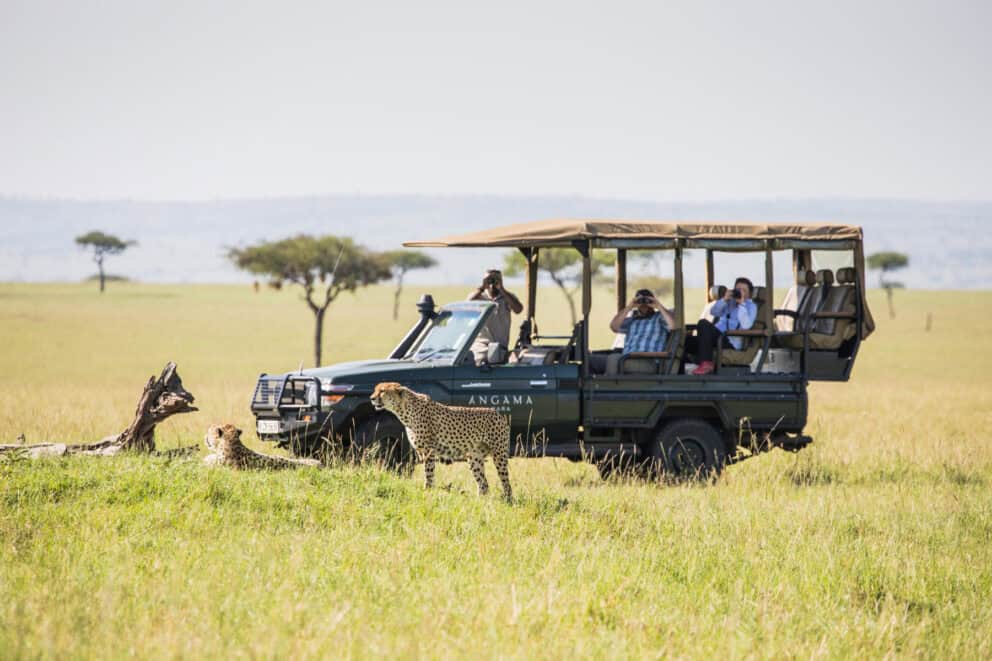
Masai Mara National Reserve is where visibility changes everything.
You can see too far for anything to stay hidden for long. That changes how predators behave and how you experience them.
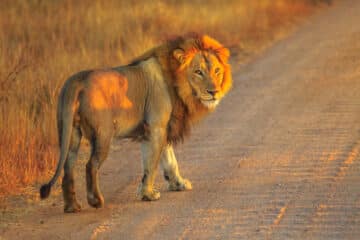
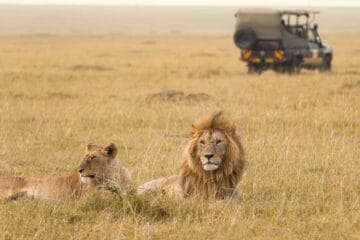
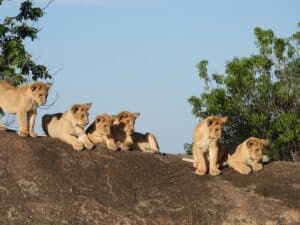
Lions are not tucked away here. They move across open ground, sometimes in full daylight, sometimes resting where the grass meets the sky. Cheetahs use small rises in the land to scan for movement across distance, relying on speed and timing rather than cover.
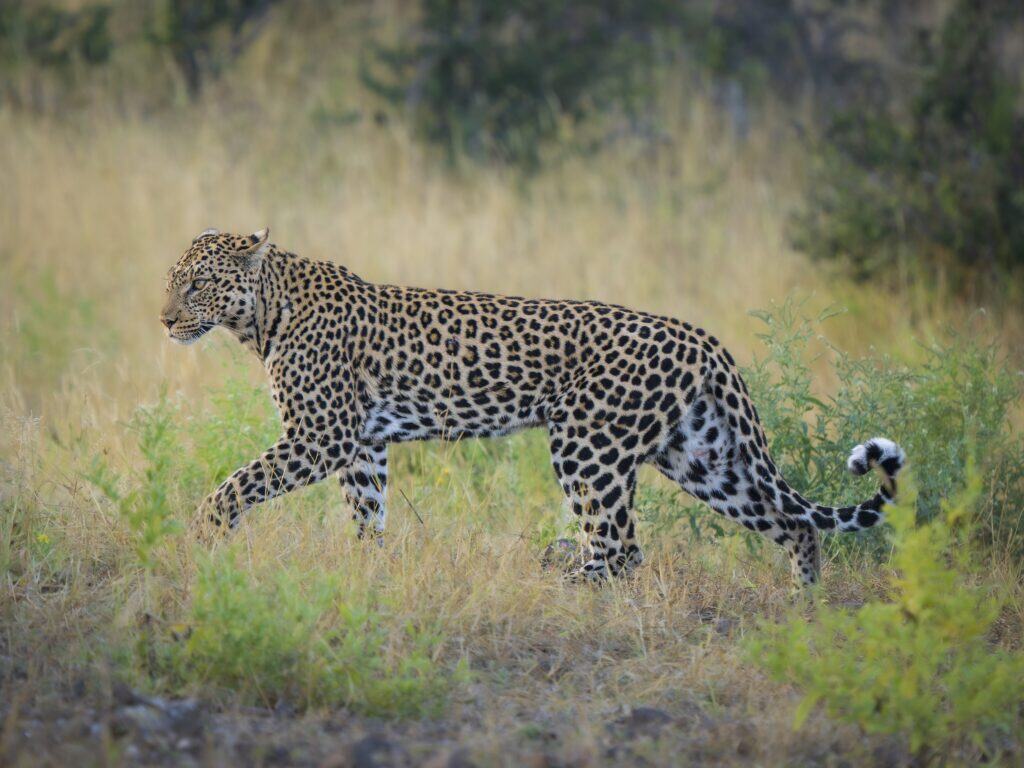
Leopards stay closer to river systems, using trees and shadowed banks to pass through territory without drawing attention.
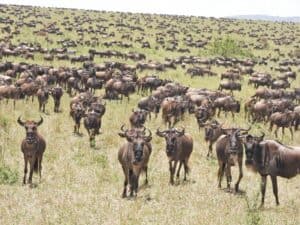
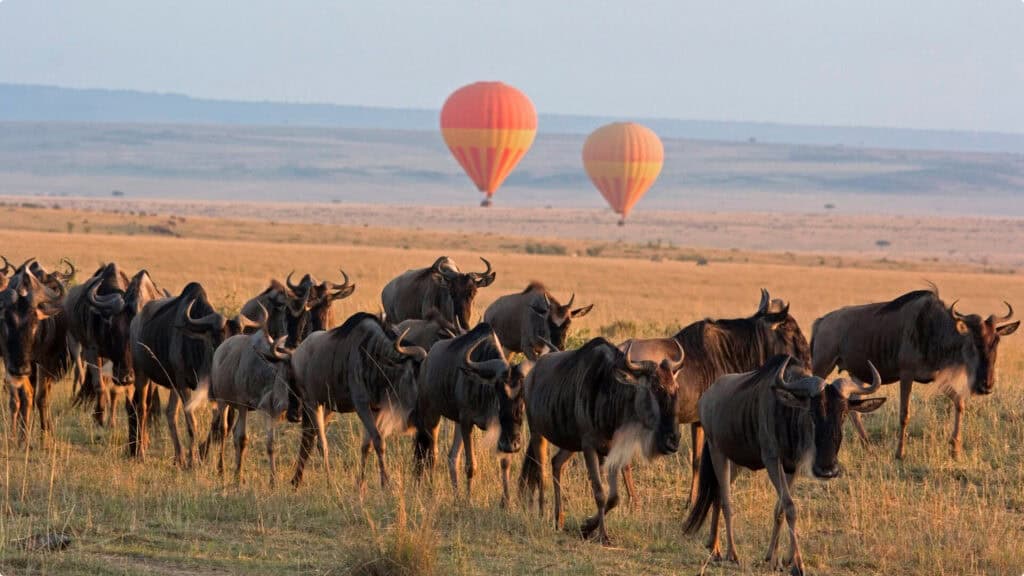
When migration herds move in, the entire system responds. Not in a single event, but in continuous pressure. Predators adjust their movement patterns around shifting prey density, and sightings become more frequent without ever becoming predictable.
This is one of the strongest regions for a big cat photo safari, not because action is guaranteed, but because visibility gives you access to behaviour in real time.
We place travellers in camps positioned near key corridors, so time in the field is spent where movement concentrates.
What stands out here?
- Lions are visible in open territory and active during daylight.
- Cheetahs use terrain features for long-distance scanning.
- Leopards stay close to the river cover and wooded edges.
2. South Luangwa National Park, Zambia: Where Detail Takes Over
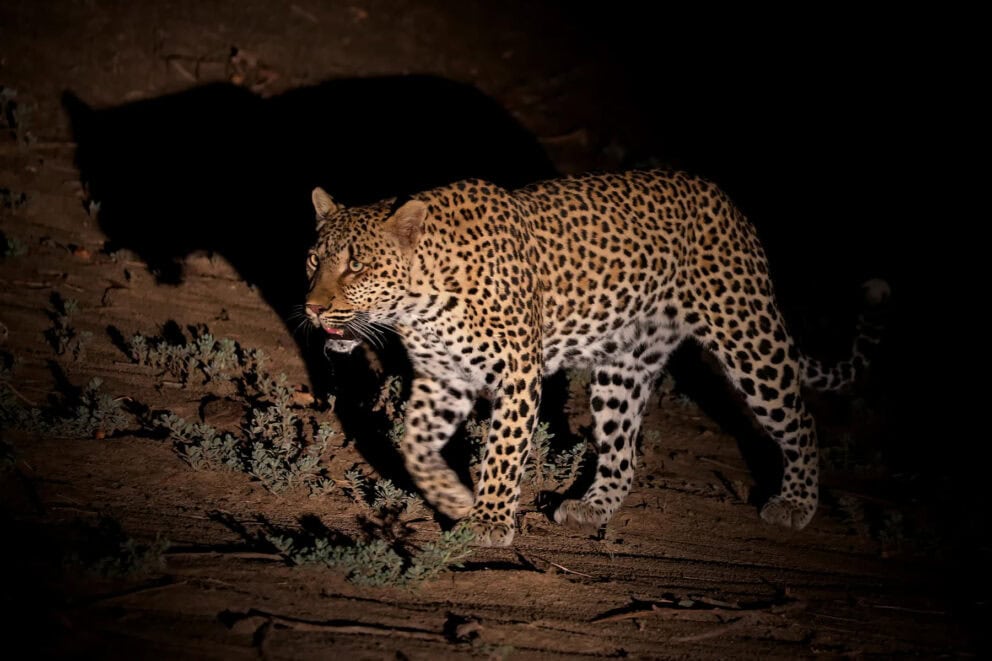
South Luangwa National Park behaves differently. It doesn’t give you scale. It gives you details.
The Luangwa River pulls life into tighter spaces. That concentration changes everything about predator behaviour.
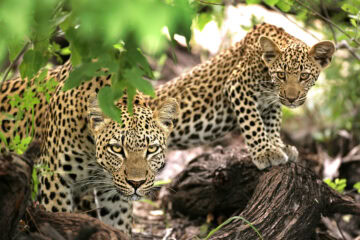
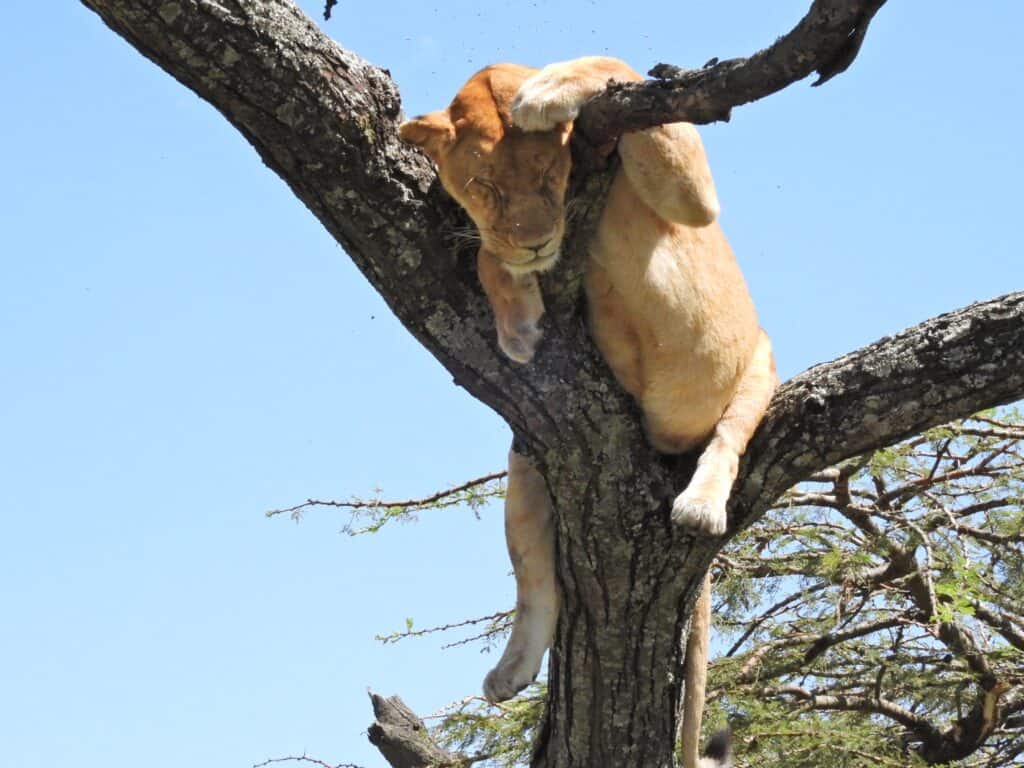
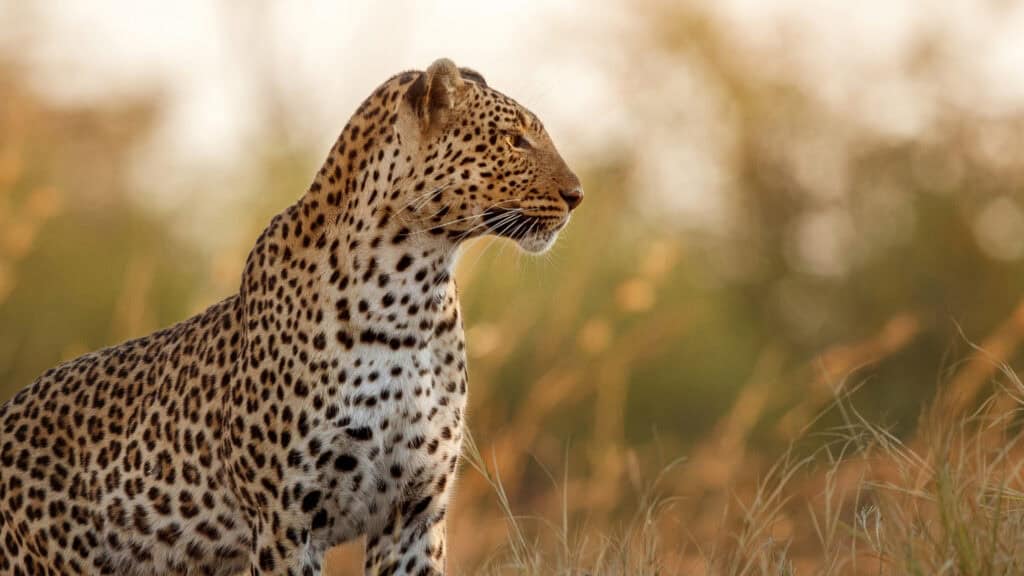
Leopards are a defining presence here. Not occasional sightings, but part of the landscape’s operating pattern. Often resting in trees during daylight, then moving through river channels and dry beds once the light softens. Lions move through the valley in overlapping territories, sometimes heard long before they are seen.
This is also where walking safaris change perception entirely. On foot, nothing is abstract. Tracks are recent. Calls carry meaning. Every sign has context.
The best safari for big cat conservation often includes this region because leopard encounters feel less accidental and more embedded in how the ecosystem functions.
We build itineraries here around camps with strong guiding teams and direct access to wildlife corridors, so time in the field is spent reading behaviour, not searching for it.
What stands out here?
- Leopards are frequently encountered in riverine systems.
- Lions moving through floodplain networks.
- High-value tracking on foot that reveals recent activity
3. Serengeti National Park, Tanzania: Where Behaviour Scales Up
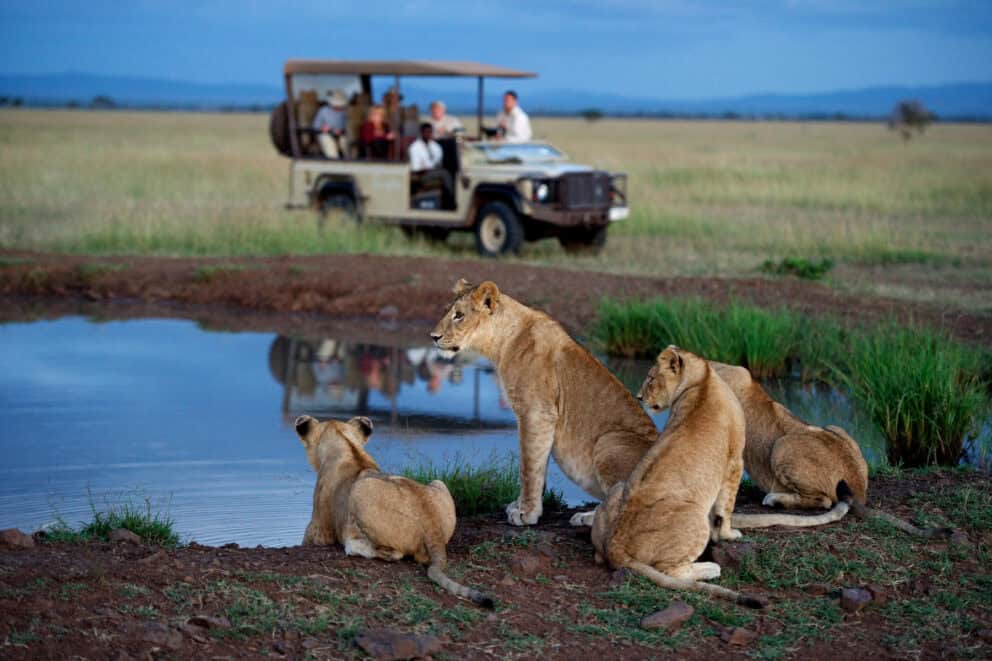
Serengeti National Park operates on a different scale entirely.
At first, everything feels wide and continuous. Then patterns emerge across distance.
Lions are widely distributed and often seen in stable social groups. Cheetahs prefer open grass systems where speed becomes their primary advantage. Leopards remain more elusive, using wooded river areas and less-trafficked zones.
During large herd movement periods, predator behaviour becomes more dynamic. Lions adjust territorial use, cheetahs follow prey density across open ground, and leopards remain anchored to cover-rich zones.
In the beginning of the year when the Great Migration herds give birth in the southern Serengeti, lions closely monitor weak links.
Serengeti National Park is often included in discussions around the best big cat safaris because it does not repeat itself. Different areas of the ecosystem produce different outcomes within the same overall landscape.
We structure itineraries here to follow seasonal wildlife movement, combining regions rather than fixed stays, so time aligns with where activity concentrates.
What stands out here?
- Lions spread across multiple territories and social structures.
- Cheetahs adapted to open grass hunting conditions.
- Leopards present but highly selective in movement zones.
4. Savuti, Botswana: Where Conditions Rewrite Behaviour
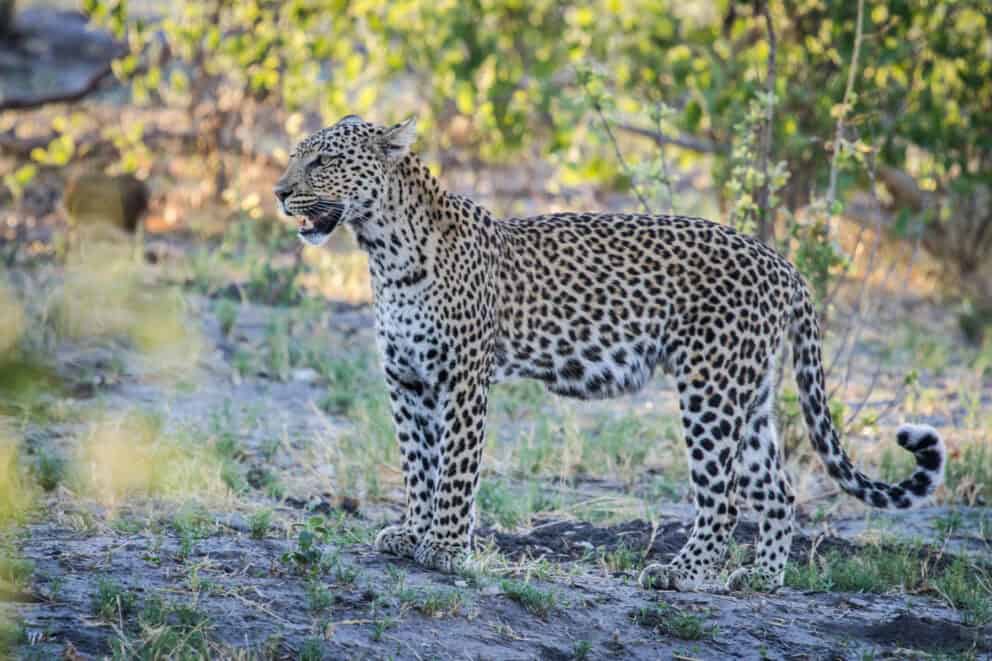
Savuti, Botswana, is shaped by what the land allows at any given time.
Water presence changes everything here. When conditions alter, so does wildlife distribution, and predators respond immediately to that pressure.
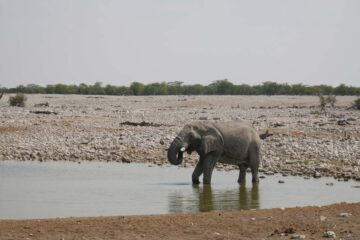
Lions are known to adjust their hunting behaviour based on prey movement and environmental conditions. During incredibly dry spells, prides have been seen hunting elephants. Their patterns are not fixed. They respond to what is available.
Leopards move through mopane woodland, often staying within cover unless conditions allow otherwise.
Predator competition from lions and hyenas has caused cheetahs to avoid the Savuti area, so seeing one is rare.
This is one of the more variable regions for a big cat safari in Africa. Sightings depend heavily on ecological conditions rather than predictable patterns.
We design safaris here around seasonal reality rather than expectation, aligning travel with what the land is supporting at the time.
What stands out here?
- Lions adapting their behaviour to environmental pressure.
- Leopards stay within dense woodland systems.
5. Sabi Sand Game Reserve, South Africa: Where Leopards Lead
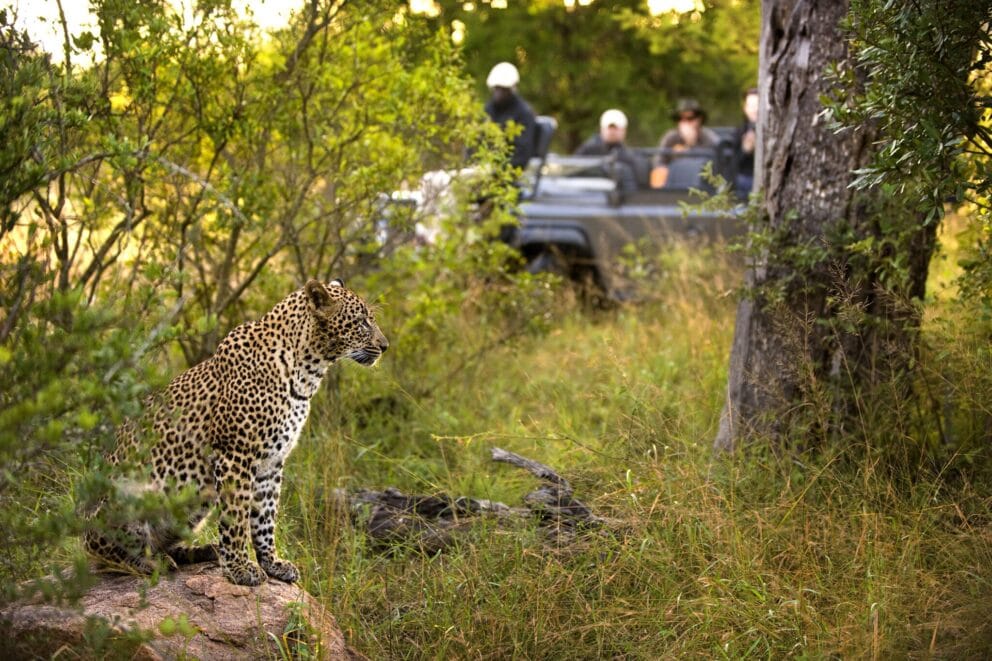
Sabi Sand Game Reserve is where proximity becomes the defining feature.
This is a private reserve system with shared conservation boundaries, where guiding and tracking directly shape what you experience.
Leopards are the main draw here. While they do exist in high numbers, what really sets this reserve apart is the sheer amount of leopards per square kilometre. They’re tracked consistently and often observed for extended periods.
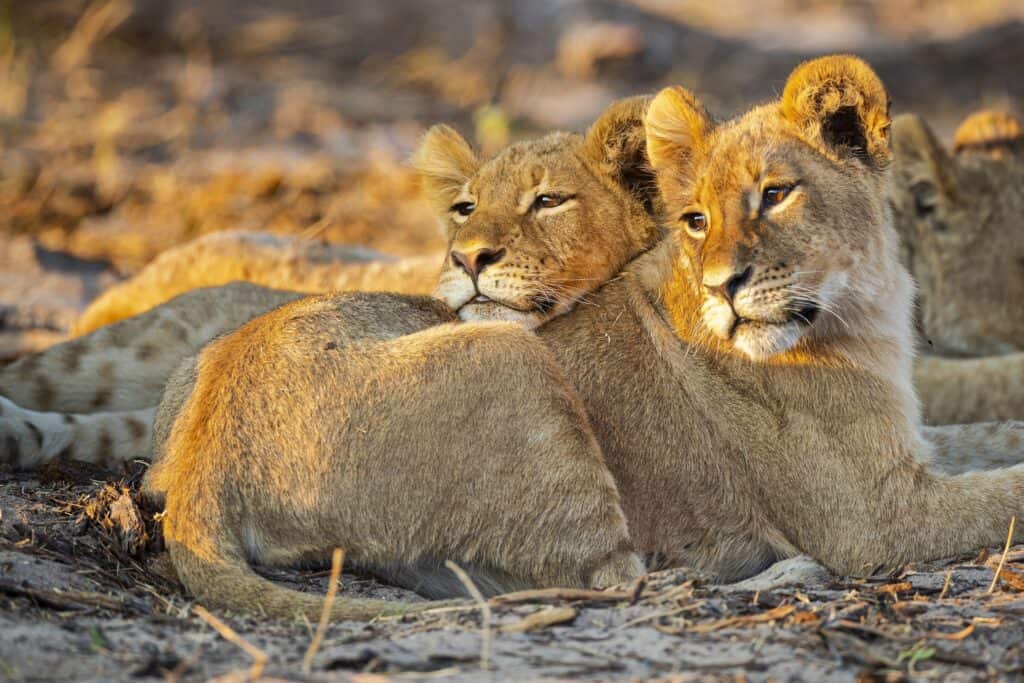
Lions are also present across established territories, moving between resting, hunting, and territorial behaviour within relatively small ranges.
The difference here is not wildlife density alone. It is an interpretation. Tracks in sand, fresh signs, and behaviour cues are followed in real time, allowing closer, longer observation.
We work with lodges here that prioritise experienced guiding and low vehicle density, keeping time in the field focused on observation rather than circulation.
What stands out here?
- Leopards observed at close range with high consistency.
- Lions in stable territorial systems.
- Strong tracking culture that defines encounter quality.
Choosing Between Big Cat Regions
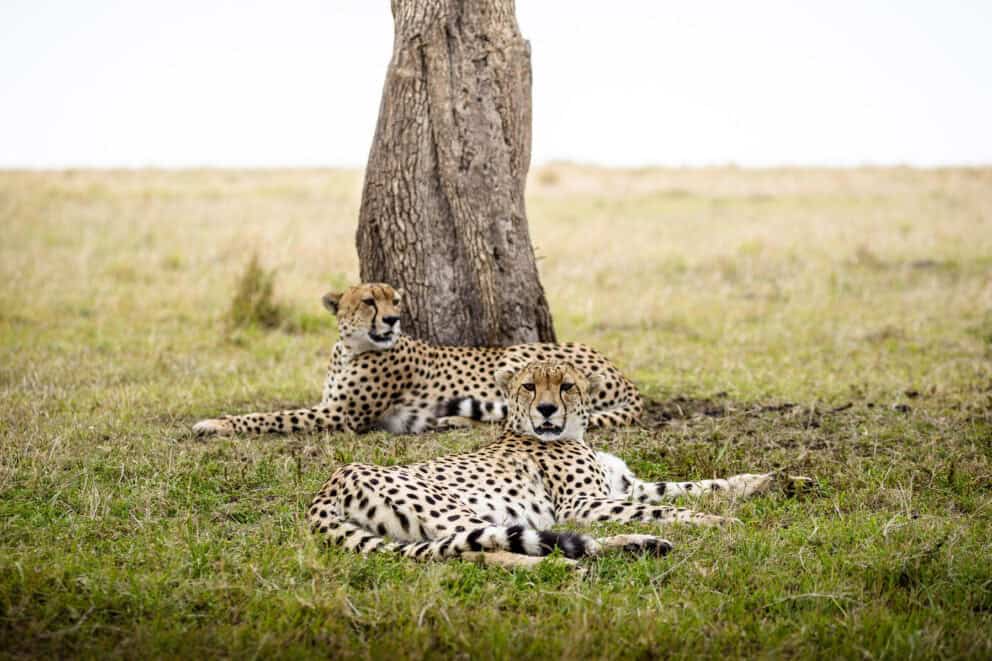
Each region creates a different kind of understanding.
Some show scale. Others show detail. Some respond to movement. Others respond to stillness in the land.
- Masai Mara and Serengeti reveal how predators operate across open systems.
- South Luangwa and Sabi Sand reveal behaviour at close range.
- Savuti reveals how conditions rewrite everything in real time.
There is no single version of this experience. Only different ways of reading it.
We match travellers to regions based on timing, guiding style, and the kind of wildlife behaviour they want to understand most closely.
When the Wild Starts to Make Sense to You
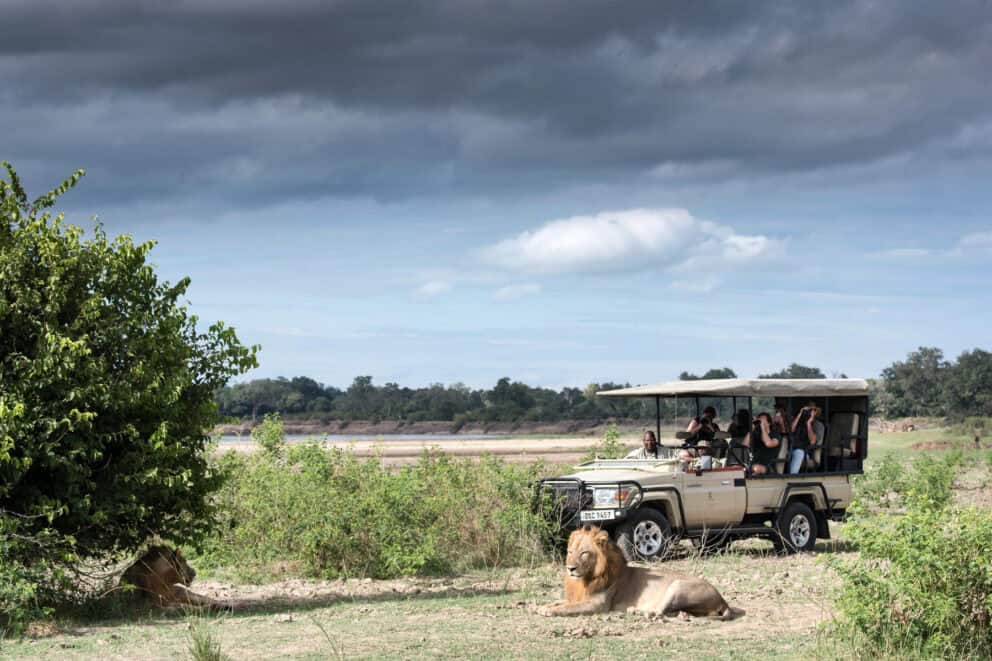
An African big cat safari stays with you because it never behaves the same way twice. You may notice tracks before you see animals. You could hear movement before you understand its significance.
You begin to recognise patterns in landscape and behaviour.
That is usually the point where interest becomes something more grounded.
And when that happens, it’s less about choosing a destination and more about choosing the right conditions to be in the field when it matters.
We can help align that with timing, guiding, and the places where big cat behaviour is most active.

Written by Yamkela Welaphi
• Travel Writer
Discover the African Journey that’s Right for You
 Blog List


























Written by Yamkela Welaphi
• Travel Writer
Part of the Southern Africa Safari, East Africa Safari & African Big Cats Safaris Collections