

 Email us




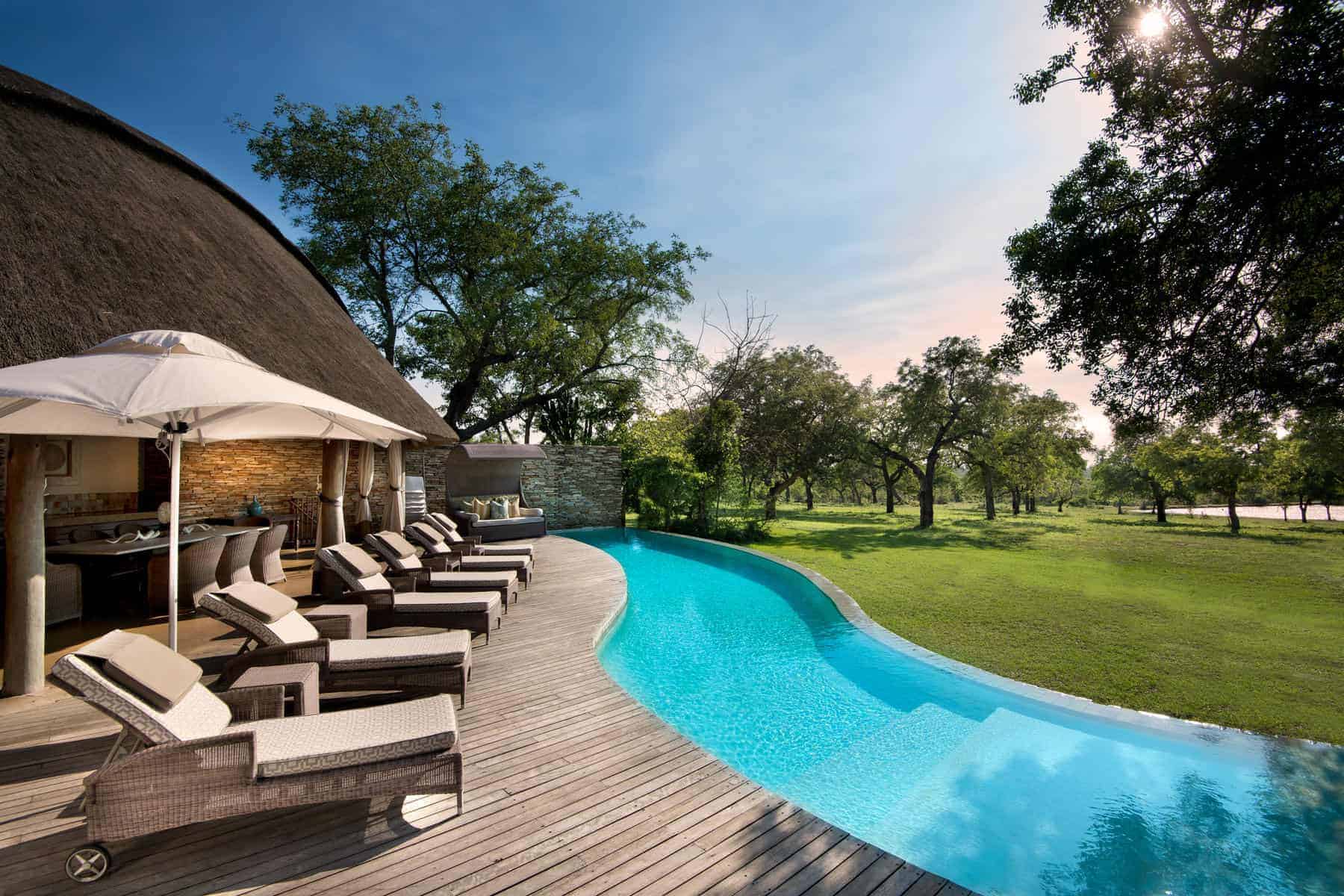
Choosing between the Kruger or Serengeti for your next big family adventure is a fantastic dilemma to have. Just imagine waking up with your family to the distant roars of lions or the low rumbles of elephants or sharing a family meal at sunset while the horizon turns a dusty pink. These are chapters in your family’s story that will be retold for decades to come.
However, when you’re travelling with your family, the best destination isn’t always about the animals. It’s about ease, comfort, and the little moments of connection. You’ve narrowed it down to two destinations: Serengeti or Kruger; you just need some help deciding which is the best African safari for families.
Let’s dive into the difference between Kruger and Serengeti to help you decide which wild landscapes are best suited for your family’s next adventure.
The Kruger Experience
If you and your family yearn for a trip where every detail supports ease and comfort. The great debate of the Kruger or Serengeti might lean in favour of South Africa. The Kruger is iconic for a reason and makes for a perfect first-time safari destination, especially for families.
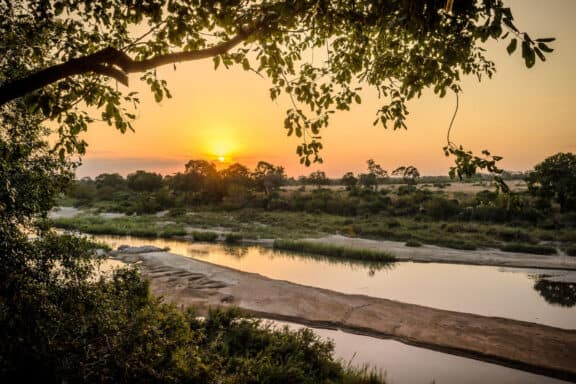
Its landscapes mainly consist of a thick brush of woodland and dense acacia scrub, often studded with large trees and rocky hills (koppies), known to be the perfect home for small antelope and leopards.
Why Kruger is Great for a Family Safari
Junior Ranger Programmes and Child-Friendly Activities
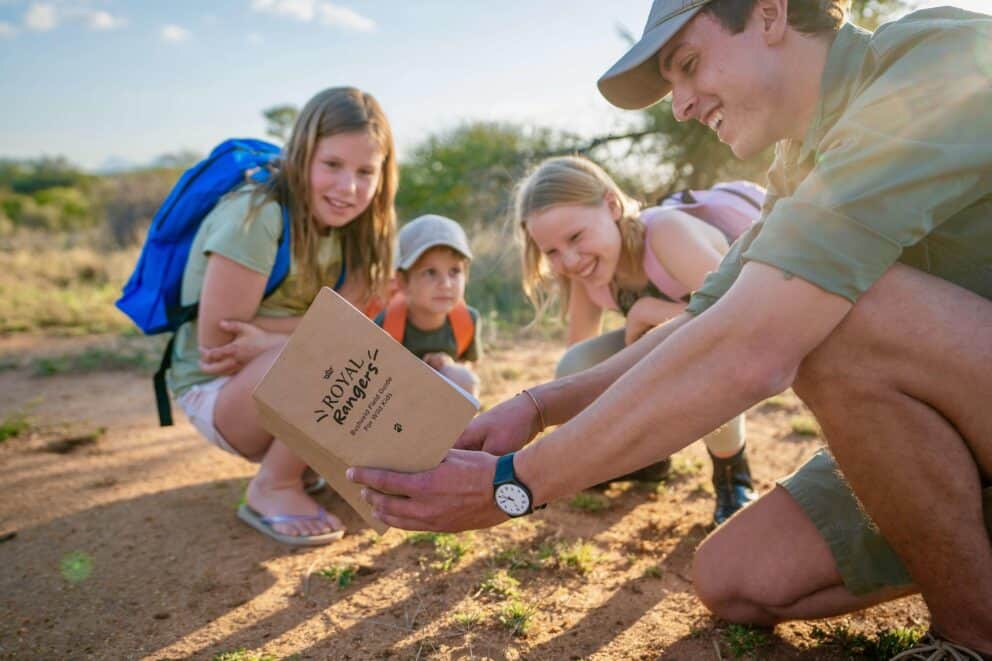
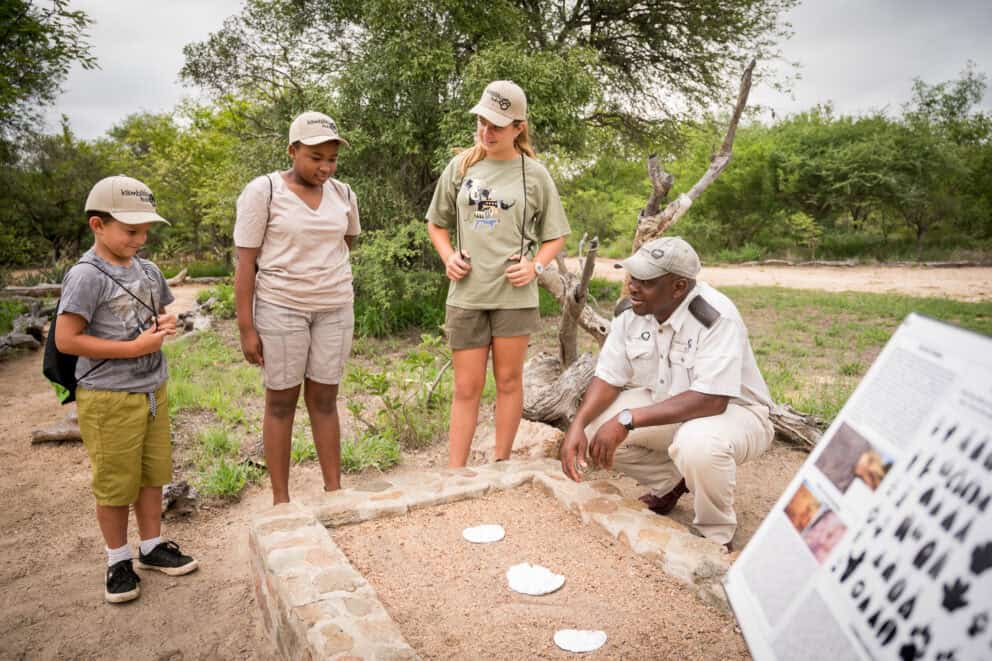
If you’re worried about the kids feeling a bit bored during the wait until the next game drive, worry not; many lodges in the Greater Kruger offer dedicated children’s programmes where children can learn animal tracking, bird identification, and bush survival skills.
Kruger is a living classroom and junior ranger programmes are designed with activities to engage young minds and spark curiosity about wildlife and conservation. Programme activities – such as those at Kambaku Safari Lodge and Royal Malewane – include guided bush walks (for older children), birdwatching, arts and crafts, and even identifying animals’ tracks.
High Density of Wildlife
In the southern and central regions of the park, you don’t have to drive for hours to find animals. The high density of wildlife, such as elephants, zebras, giraffes, and impala, keeps younger children engaged. There is always something to look at outside your window. Kruger’s hillocks, rocky outcrops, and large trees make it the perfect leopard hangout.
If you’re looking for rhinos, this is the place to see them. South Africa holds the largest population of wild rhinos in the world, so you have a much better chance of seeing them here. You’ll also have the opportunity to see endangered African wild dogs, cheetahs, and plenty of antelopes, lions, and elephants.
Accessibility and Infrastructure
Kruger has built its stellar reputation on being one of the most accessible national parks in the world. This is essential for a travelling family. Instead of long, bumpy road transfers that can test the patience of younger travellers, you can take a short, comfortable flight from Johannesburg’s OR Tambo International directly to airports right on the doorstep of the park, such as Skukuza, Hoedspruit, or Phalaborwa. The ability to fly into a local airport and already be at your lodge within an hour is a game changer. And this can all happen with a stay in Kruger.
This is unlike the more remote parks; you’ll even find decent mobile reception and Wi-Fi at most main camps, making it easier to manage family logistics. There are also doctors and clinics in nearby towns, providing peace of mind for parents.
Family-Friendly Accommodation
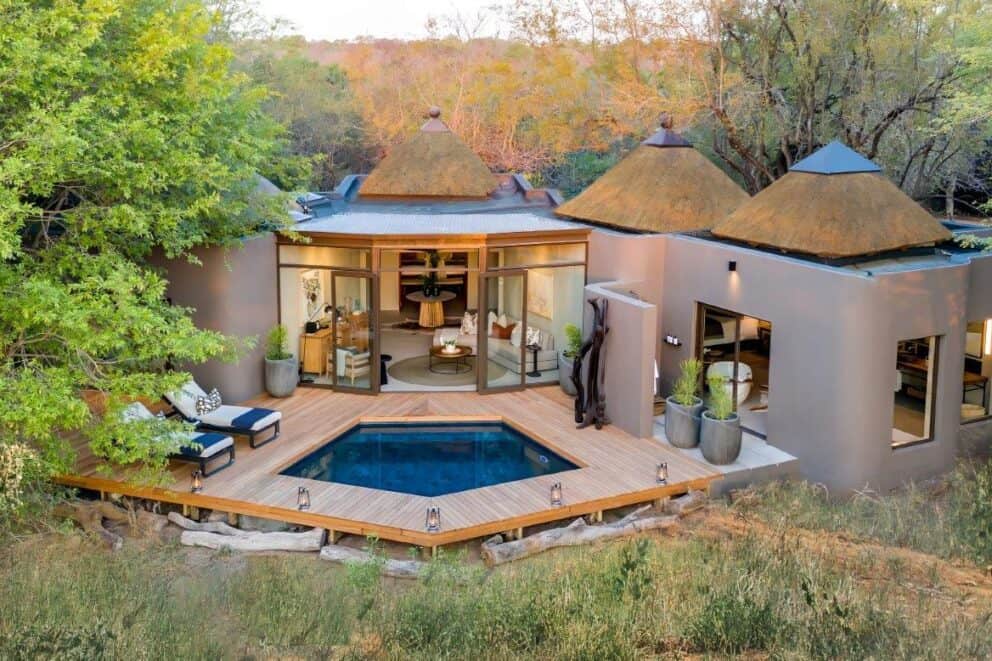
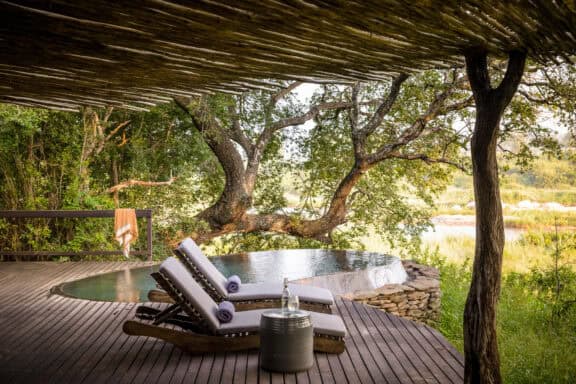
Kruger offers a little bit of everything, from family cottages to ultra-luxury private villas complete with a private chef and a dedicated ranger who can tailor game drives to your family’s needs.
Kruger’s private reserves, such as Thornybush and Sabi Sand Nature Reserve, offer some of the best family-friendly accommodations in South Africa – with many of them even offering child-friendly safari activities. Lodges like Sabi Sabi Bush Lodge and Thornybush Game Lodge also offer dedicated babysitting services.
Greater Kruger Private Reserves
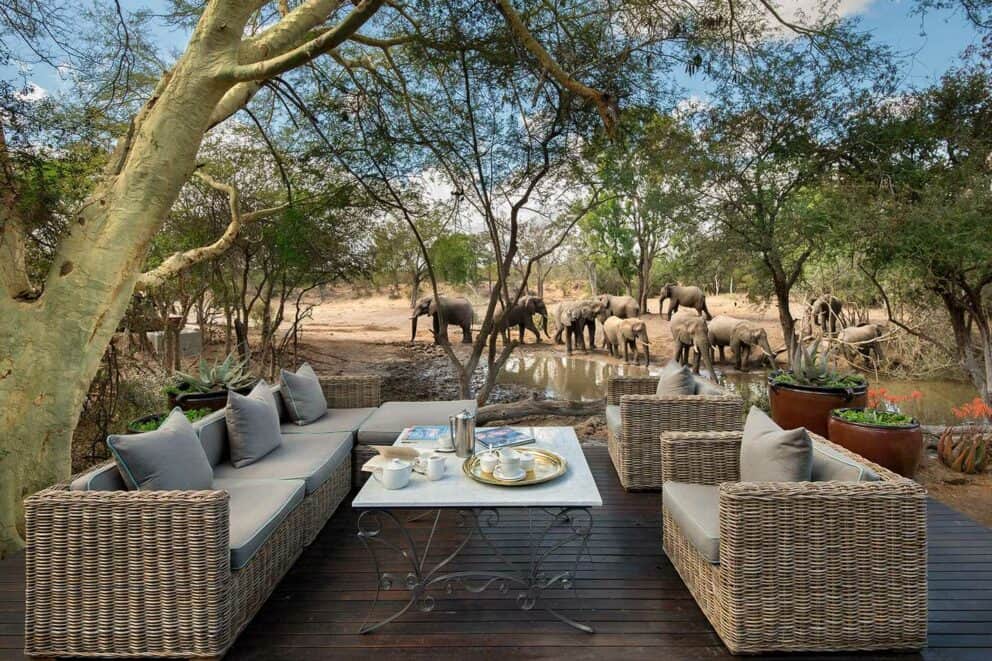
The Kruger National Park is bordered by several private reserves (known as the Greater Kruger), like Balule, Timbavati, and Sabi Sands Nature Reserve. Unlike the national park, these private reserves all provide an exceptional level of luxury and exclusivity. You’ll be able to embark on night game drives and even go off-roading (which is not allowed in the national park) to get even closer to sightings.
Since this area is unfenced, it allows wildlife to roam freely across natural migration routes. So no matter where you stay, you’ll always have exceptional wildlife viewing. If you’re looking for a little more luxury and the privacy that comes with it, a stay here is just what you need for you and your family.
Malaria Awareness
Kruger National Park and its surrounding private reserves are considered a malaria-risk area. This risk can often be a deciding factor for families, especially those travelling with very young children. However, don’t let this put you and your family off a safari here.
Malaria within Kruger can be considered seasonal, so if you want to minimise the risk, travel during the dry winter months (May to October). Reputable lodges also follow health protocols for malaria prevention, with many providing mosquito protection such as nets and mosquito repellent spray. This may put you and your family at ease when travelling here.
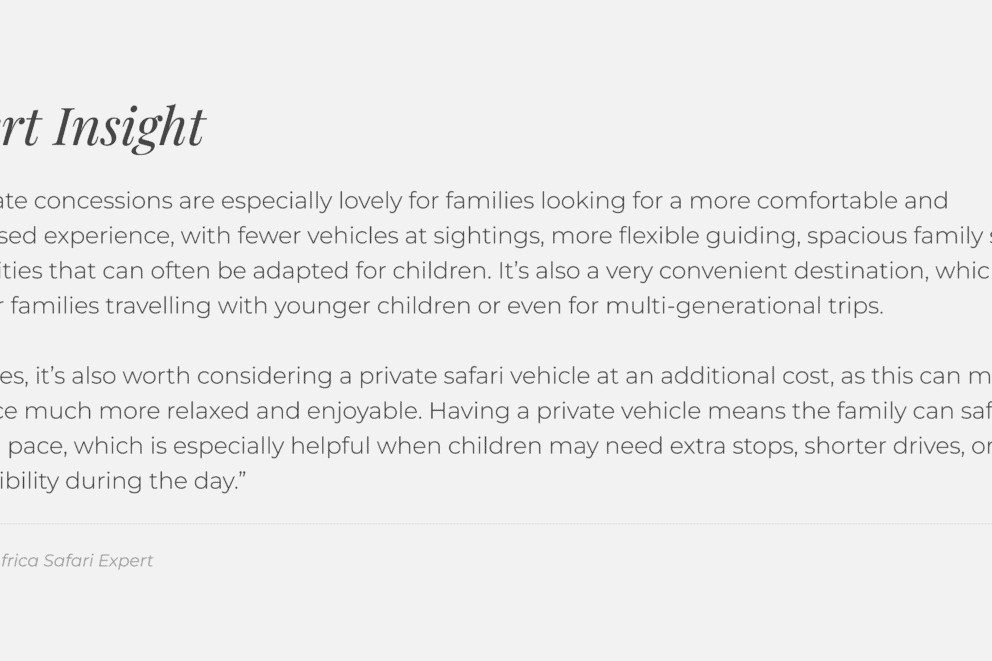
The Serengeti Experience
There is something undeniably soulful about Serengeti National Park. It’s a beautiful stretch of endless savannah – from which it gets its namesake. “Serengeti” literally means “the land that goes on forever”.
It’s famous for its abundance of wildlife as well as the iconic Great Migration – where millions of wildebeest and zebras thunder across its plains and eventually cross the Mara River. If you’re looking for dramatic landscapes and a bit of a wild factor, the Serengeti is for you.
Why the Serengeti is Great for a Family Safari
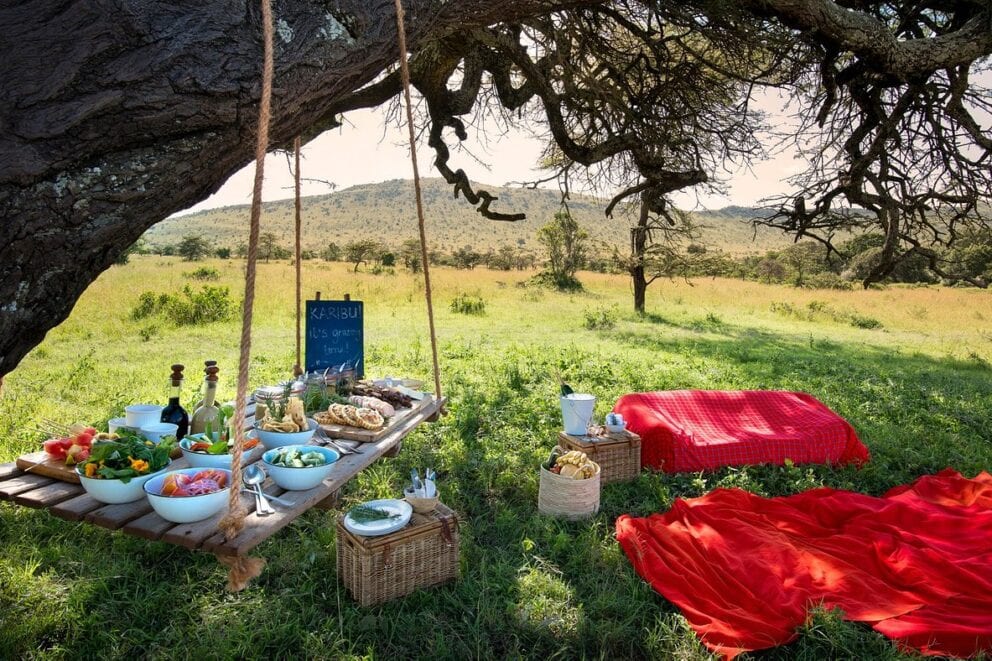
The Serengeti is an awesome choice for a family safari for a variety of reasons. Ranging from its excellent year-round wildlife viewing to the epic spectacle of the Great Migration. It also offers a wealth of choice when it comes to lodgings, with many offering family suites along with amenities designed for children, including tailored meals and swimming pools.
However, unlike the easily accessible Kruger, the Serengeti usually involves more than one quick flight and transfer to get to your lodge. While this is quite adventurous and scenic, it requires a bit more coordination and a higher budget for internal logistics.
Educational Activities for the Whole Family
Beyond game drives, families can experience cultural visits with Maasai communities, guided bush walks, and storytelling moments. It’s the perfect educational experience for young minds.
Many lodges, such as &Beyond Klein’s Camp, provide tailored activities for children, such as guided bush walks, baking, arts and crafts, and educational wildlife experiences.
Note: The youngest age for bush walks is typically 16 years in the Serengeti, though some operators allow children as young as 12.
Exceptional Wildlife Viewing
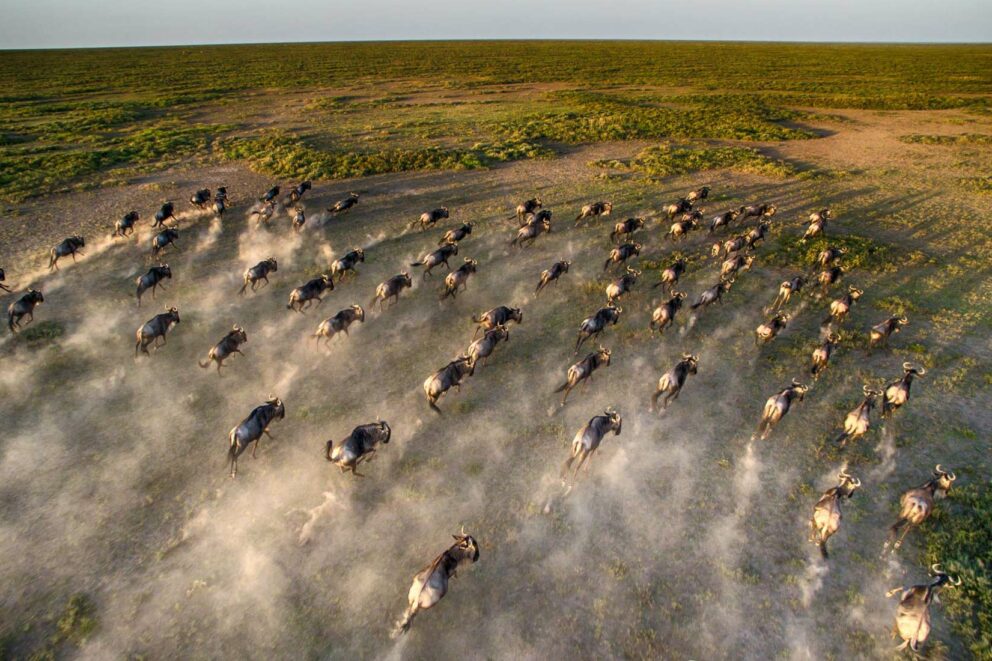
Just like Kruger, the Serengeti is a Big Five destination – although rhinos are very rare and localised. You’ll have the chance to see leopards around the Seronera Valley, while lions love the open air of the savannah. For older children and teenagers, the Great Migration might be a huge “wow” factor. The herds, scale, and drama can make for an incredibly memorable experience.
Because of its seemingly endless plains, the Serengeti is perfect for spotting cheetahs, lions, and hyenas from a distance compared to the thick bush of Kruger. You’ll feel like you’re in a National Geographic special.
Family-Friendly Camps and Lodges
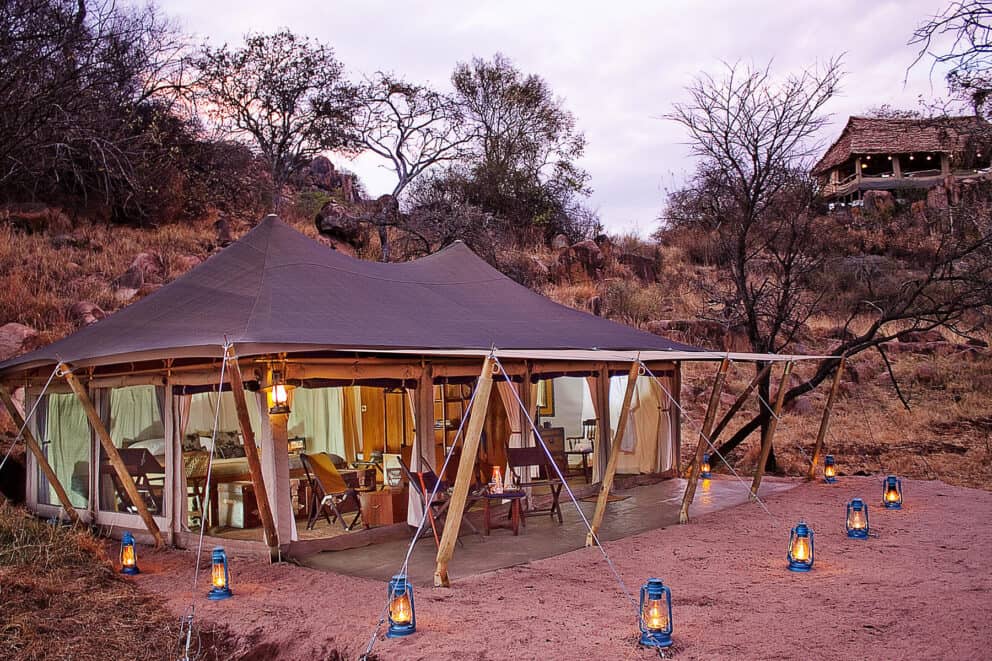
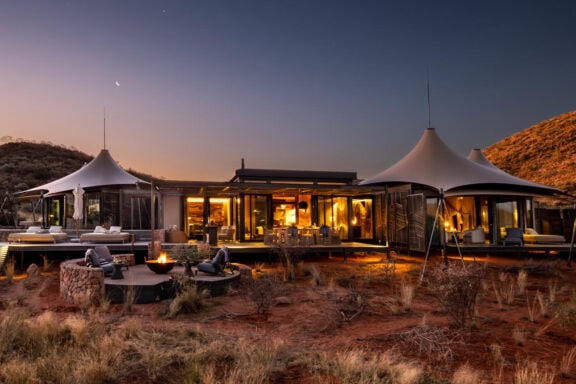
Serengeti accommodations have mastered the art of tented luxury, with many camps offering massive interconnected tents and suites. So you’ll have the “sleeping under canvas” feel with the security of being right next to your family.
Many of these camps, such as Elewana Serengeti Pioneer Camp, also offer pools (huge for downtime with kids), flexible mealtimes, and children-friendly activities.
Malaria Precautions
Just like Kruger, travel to the Serengeti also comes with a malaria risk. However, it’s generally considered low to moderate, with higher risks during the rainy seasons (March to May and November to December).
During the dry season (June to October), the high altitude, cooler weather, and chilly evenings significantly reduce mosquito activity. However, while the risk is low during this time, it is never zero, and malaria medications (prophylactics), repellents, and long sleeves are still strongly recommended to prevent infection.
At a Glance: Kruger vs Serengeti Safari
Feature Kruger (South Africa) Serengeti (Tanzania)
Best For Ease of travel and tailored kids activities. Immense plains and raw wilderness. Malaria Risk Low risk and mostly seasonal. Moderate risk and seasonal; precautions are essential. Ease of Access Direct flights from major airports; well-maintained roads. Often requires bush flights in small planes. Longer travel times. Family Lodges High density of fenced, kid-friendly lodges with Junior Ranger programmes. Incredible mobile camps and luxury lodges; some age restrictions apply. The Vibe Accessible, polished, and diverse. Vast, ancient, and dramatic.
The Cost of a Kruger vs Serengeti Safari
When planning for a family group, the budget isn’t just about the nightly rate – it’s about the all-in cost of getting everyone there and ensuring they are well-fed and entertained. Generally, Kruger offers more budget flexibility, while the Serengeti is a higher-investment bucket list destination.
Expense Item Kruger National Park Serengeti National Park
Park Entry Fees ~$25–$35 (Adult) / ~$13–$18 (Child) per day ~$70–$83 (Adult) / ~$24 (Child) per day Mid-Range Lodge $350 – $600 per night $600 – $1,000 per night Internal Travel Lower (road transfers and domestic flights) Higher (usually requires light aircraft bush flights) Activities Activities such as daily game drives are often included in lodge rates Activities such as daily game drives are often included in lodge rates. Hot air balloon safaris are an extra ~$600pp
Note: Prices are estimates for mid-range family comfort, excluding international flights.
Creating Your Family Story
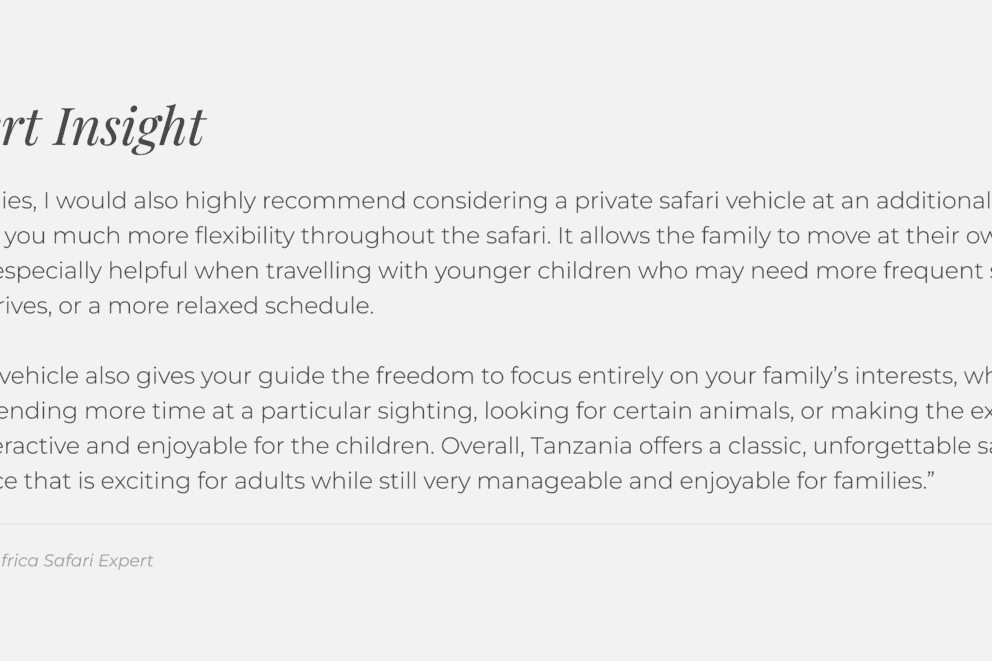
Ultimately, the choice between the Serengeti and Kruger depends on the type of safari you want to experience. Do you want the seamless, sophisticated comfort of South Africa or the wild, untamed spirit of Tanzania?
Both destinations offer world-class guides who make the bush come alive for all generations, ensuring that whether you see a leopard in a tree or a herd of elephants at a watering hole, the moment belongs to all of you.
Ready to start planning your next family adventure? Chat with one of our safari experts today.

Written by Thaakiera Ackerdien
• Travel Writer
 Blog List











Written by Thaakiera Ackerdien
• Travel Writer
Part of the South Africa Safari & Tanzania Safari Collections