

 Email us






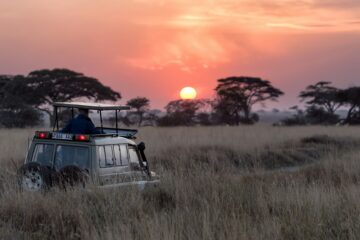
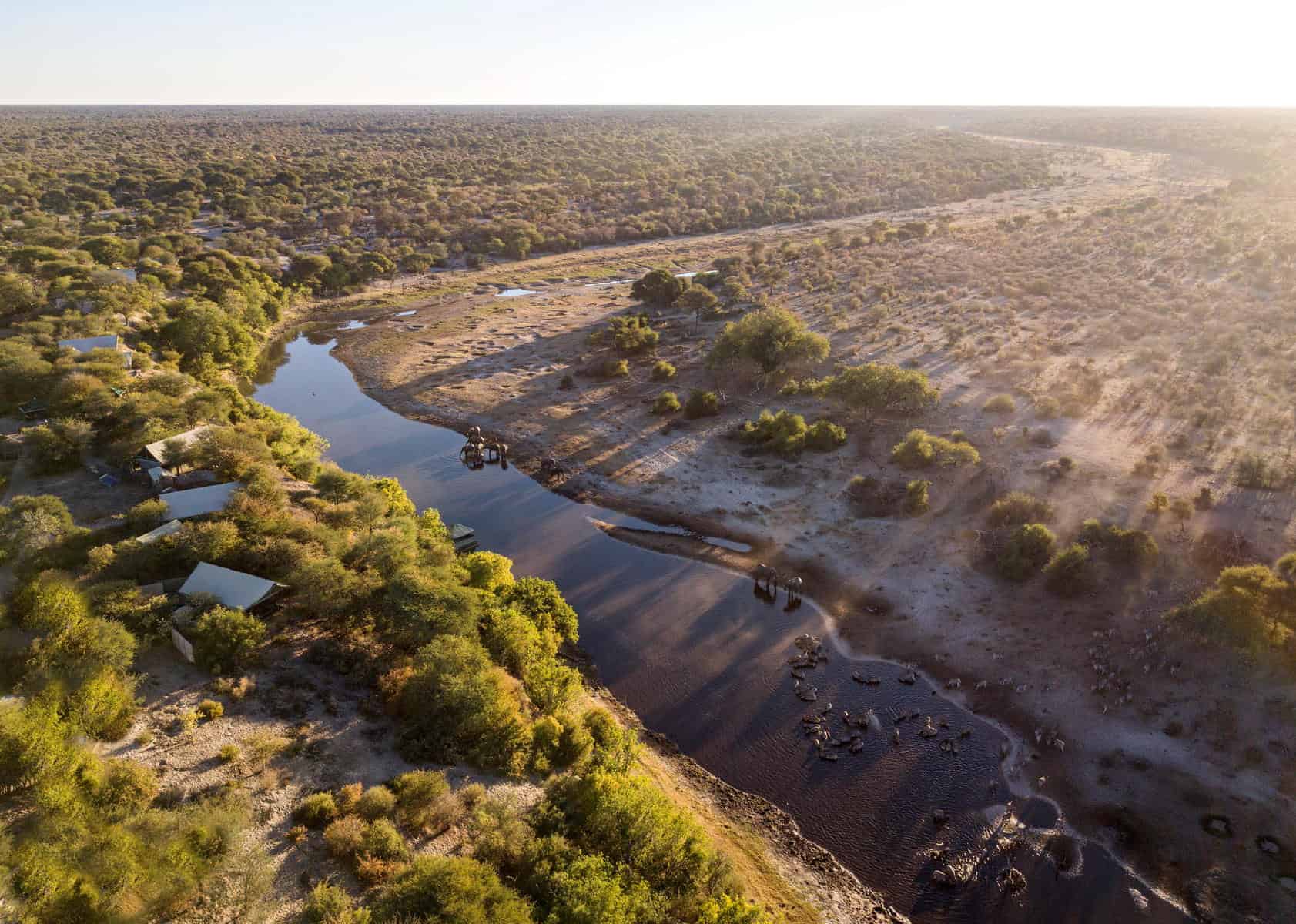
In a world dominated by constant connectivity and fast-paced living, the urge to disconnect and seek genuine sanctuary in nature has never been stronger. A journey to Botswana is far more than a simple getaway – it’s a rare opportunity for emotional renewal, quiet reflection, and deep connection. And choosing from the right eco-luxury safari lodge in Botswana allows you to indulge in world-class hospitality while knowing your journey actively preserves Africa’s wild spaces and empowers local communities.
Botswana has long been a pioneer in wilderness conservation. By aligning your travel choices with high-value, low-impact principles, your safari becomes a force for good – leaving a positive footprint on both the environment and your soul.
Here is our comprehensive guide for travellers seeking quiet renewal and sensory restoration through low-impact wilderness travel in Botswana.
The Blueprint of Sustainability: Botswana’s Ecotourism Model
Botswana’s approach to wildlife conservation is celebrated globally. Rather than encouraging high-volume tourism, the nation prioritises high-value, low-density travel. This strategy ensures vast swathes of untamed wilderness remain pristine and undisturbed by overcrowding.
To maintain these rigorous standards, the nation established the Botswana Ecotourism Certification System managed by the national tourism authorities. This three-tiered framework – comprising Green, Green+, and Eco Certification levels – evaluates over 240 stringent operational criteria.
To further enforce eco-friendly development, the government’s Ministry of Environment and Tourism oversees environmental policies that ensure wildlife management areas and concessions operate under strict conservation guidelines.
Lodges are measured on their energy management, water conservation, socio-economic contribution to host communities, and guest environmental education. When you stay at a certified Botswana eco-lodge, you are directly supporting operations audited for authentic sustainability.
Eco-Innovation in the Bush: How Sustainable Camps Operate
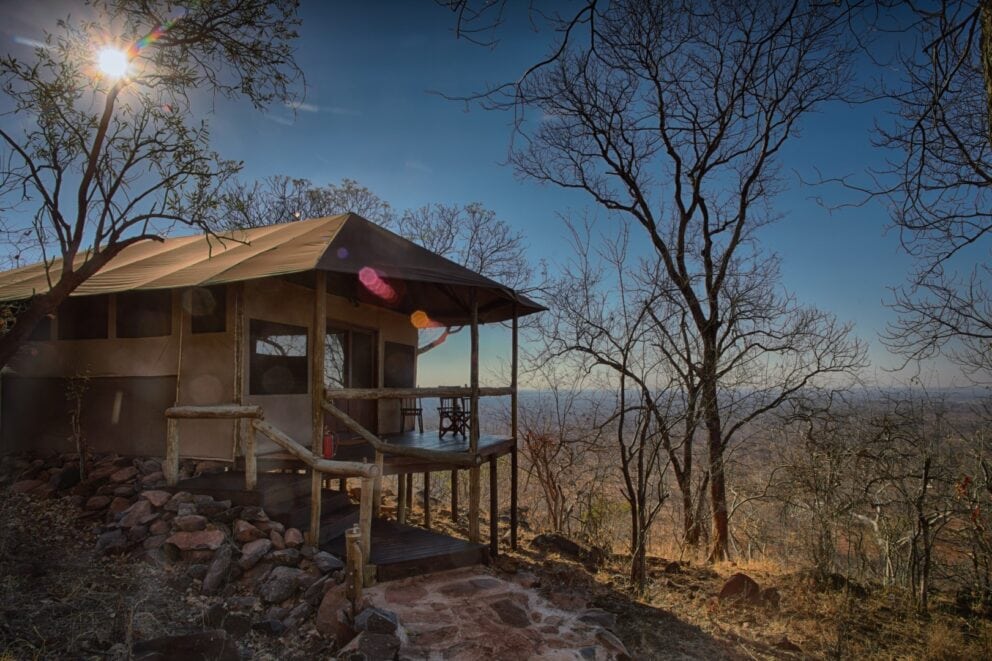
Modern eco-camps prove that luxury and environmental stewardship can coexist seamlessly. Remote locations once meant relying on noisy diesel generators, but modern technology has revolutionised off-grid operations.
- 100% Solar Power Systems: Expansive solar farms harvest abundant African sunshine, providing silent energy for lighting, climate control, and hot water without carbon emissions.
- Advanced Water Management: In-house greywater recycling systems filter and treat wastewater on-site, returning clean water safely to the environment or using it to nourish lodge gardens.
- Zero Single-Use Plastics: Lodges provide guests with reusable insulated bottles filled from on-site reverse-osmosis filtration plants, eliminating thousands of plastic bottles annually.
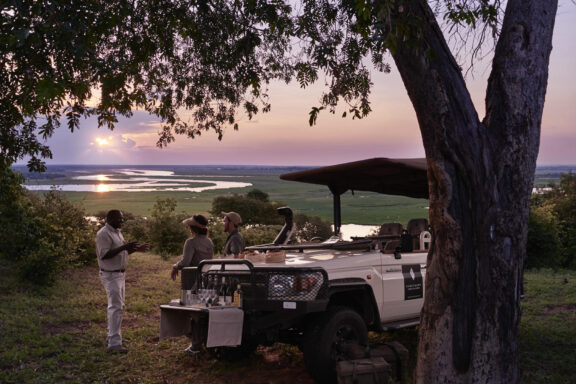
- Electric Vehicles and E-Boats: Pioneering camps have introduced 100% electric 4×4 safari vehicles and electric watercraft (e-boats), replacing traditional combustion engines with whisper-quiet, carbon-neutral alternatives.
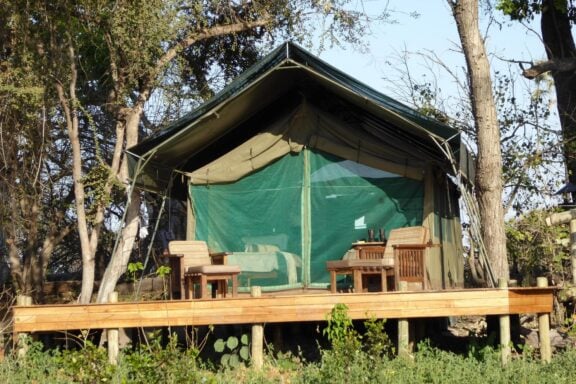
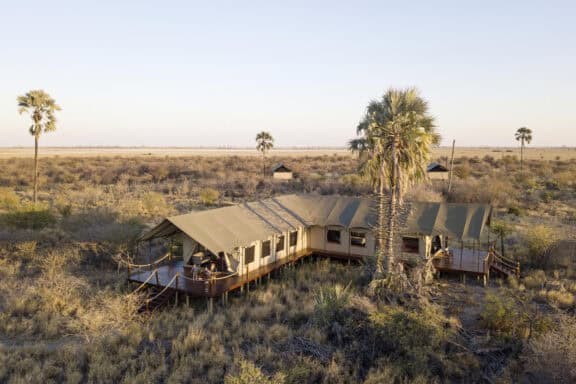
- Light Footprint Architecture: Structures are built on elevated wooden decks with canvas or natural timber, ensuring that if a camp is removed, nature reclaims the site, leaving zero permanent footprint.
The Silent Safari: Mindful Immersion and Bio-Acoustic Wellness
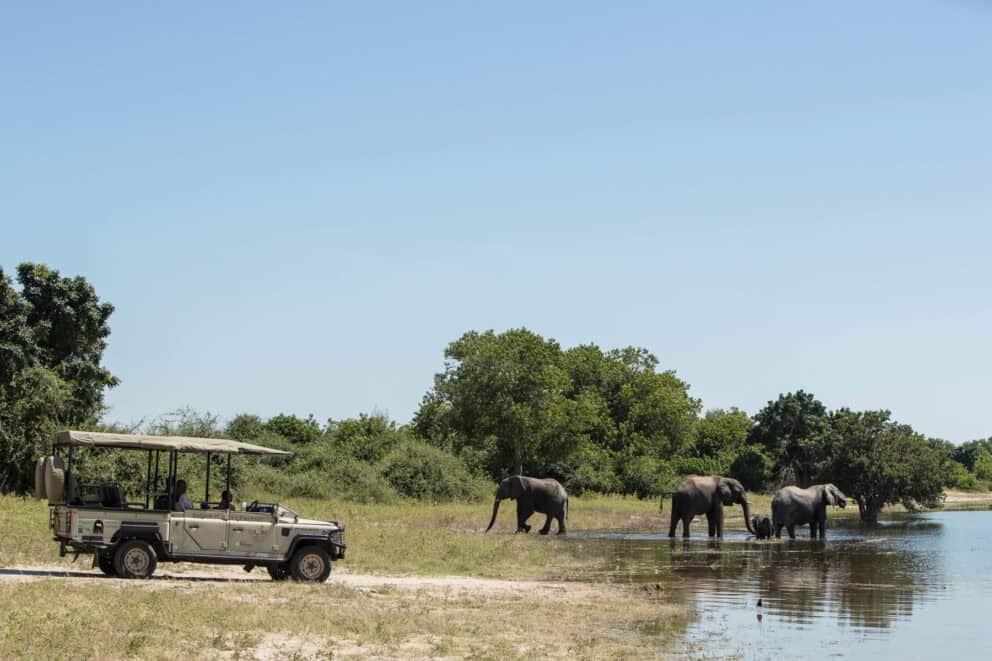
One of the most remarkable benefits of an eco-friendly safari in Botswana is the introduction of silent game viewing. Traditional safari vehicles and motorised boats generate engine noise that can disrupt wildlife and fragment the wilderness soundscape.
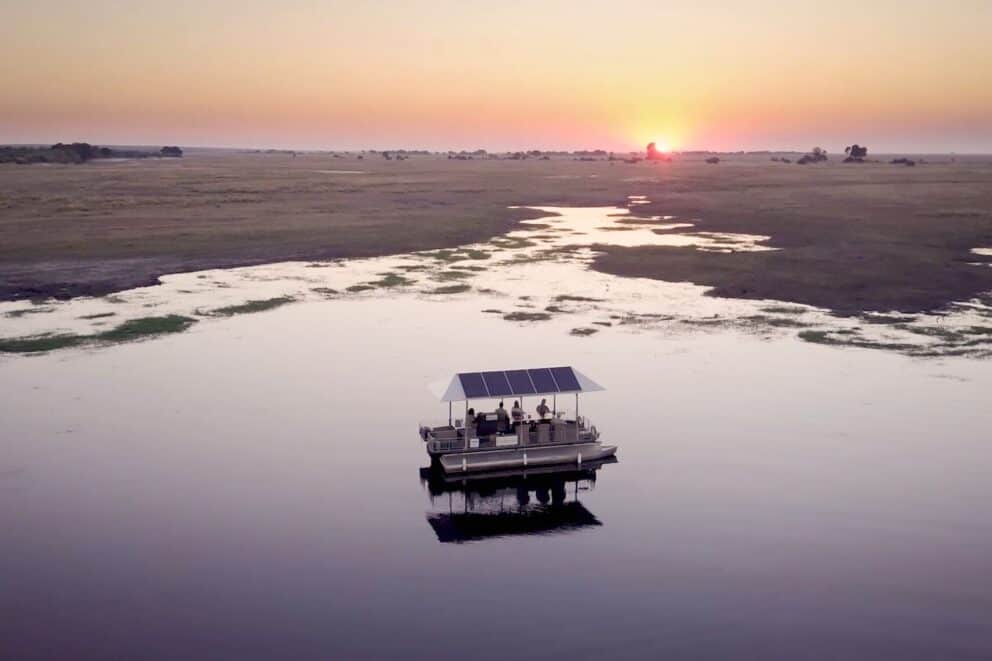
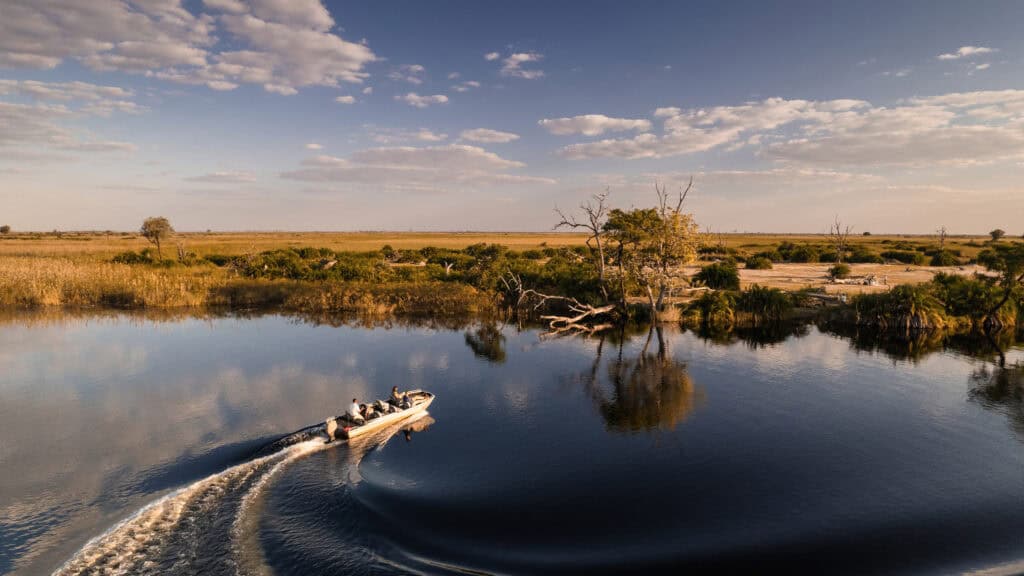
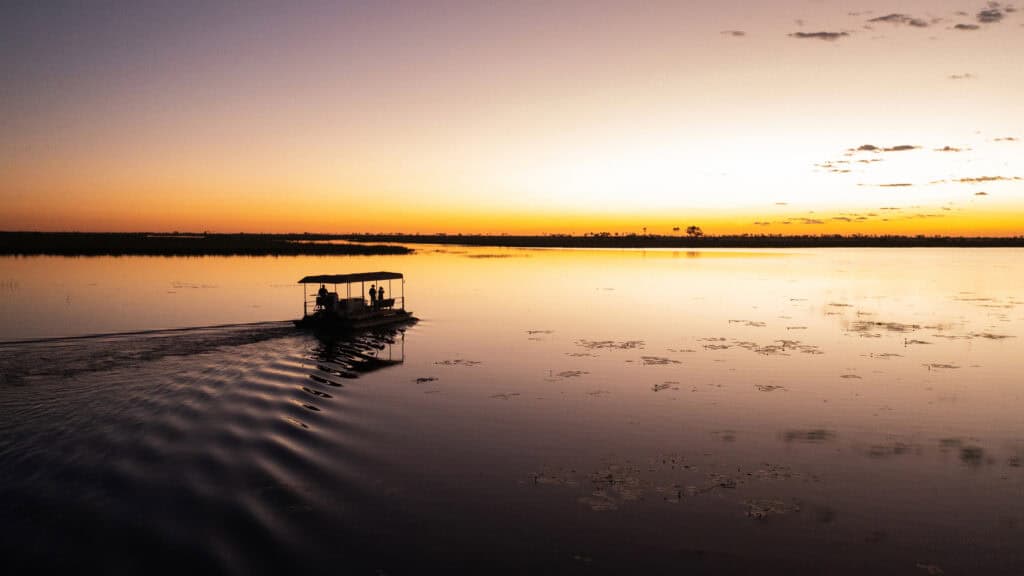
Electric safari vehicles and solar-powered e-boats, such as those at Chobe Game Lodge, allow you to glide through the bush in complete silence. Without the rumble of a diesel engine, your senses instantly heighten:
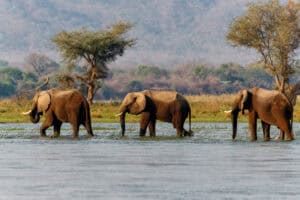
You’ll hear the gentle rustle of wind through papyrus reeds, the delicate splash of an elephant herd crossing a river, or the distant call of an African fish eagle, without the annoying drone of a diesel engine in the background.
The animals remain calm and unbothered in the silence, allowing for natural behaviours and longer, more intimate wildlife sightings. The absence of artificial noise invites deep presence, lowering stress levels and allowing you to experience the restorative power of natural silence.
Key Eco-Regions & Their Environmental Stories
Botswana’s diverse ecosystems each offer unique landscapes and conservation priorities. Building a sustainable safari itinerary in Botswana often involves combining these distinct eco-regions:
1. The Okavango Delta: Off-Grid Solar Islands & Water Safaris
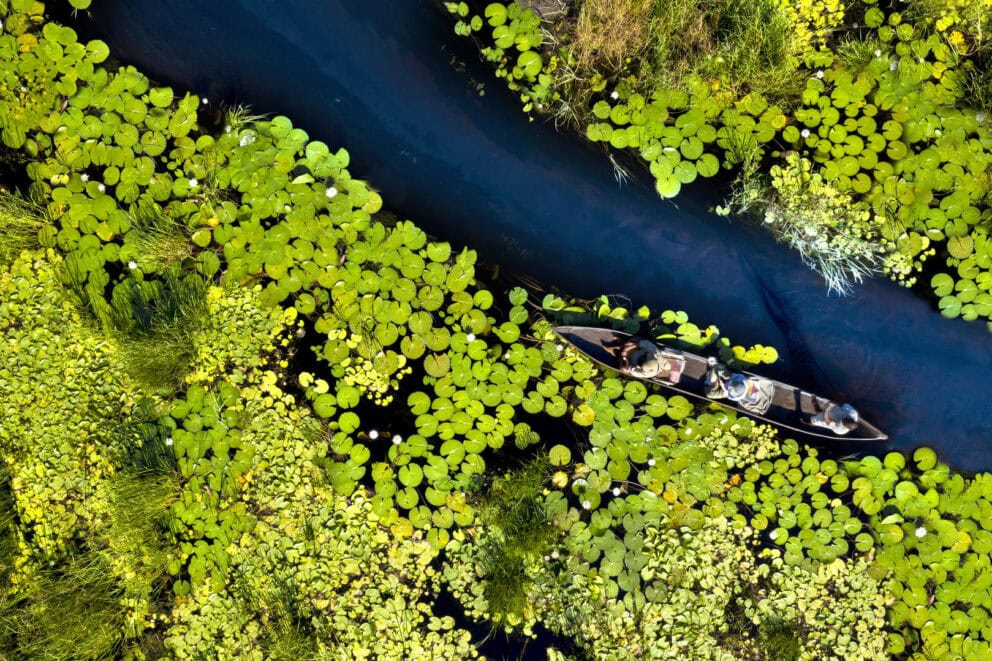
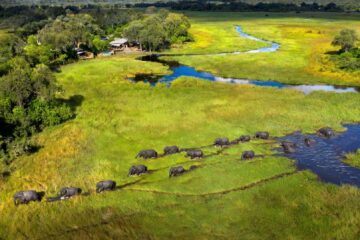
Recognised as the 1000th UNESCO World Heritage Site, the UNESCO World Heritage Centre highlights the Okavango Delta as one of the world’s most intact inland delta systems. Here, eco-camps operate on self-contained solar islands. The quintessential low-impact activity is the traditional mokoro (dugout canoe) safari, where local polers gently guide you through lily-covered channels using wooden poles – a completely human-powered, zero-emission mode of exploration.
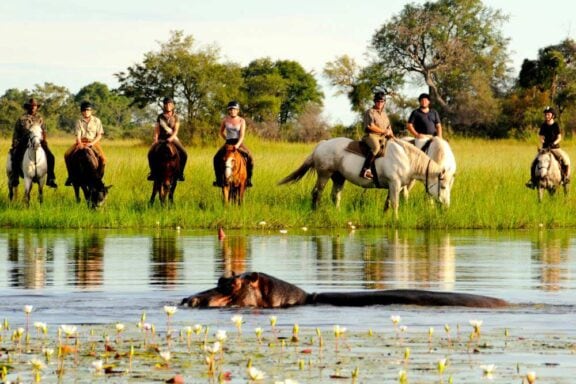
It allows you to notice things often missed on traditional game drives, such as tiny frogs, birds, fish and plants. You’ll also get an up-close, eye-level view of big game drinking at the water’s edge or a pod of snorting hippos resting in the shallows.
2. Linyanti Wildlife Reserve: Migration Corridors & Wild Dog Protection
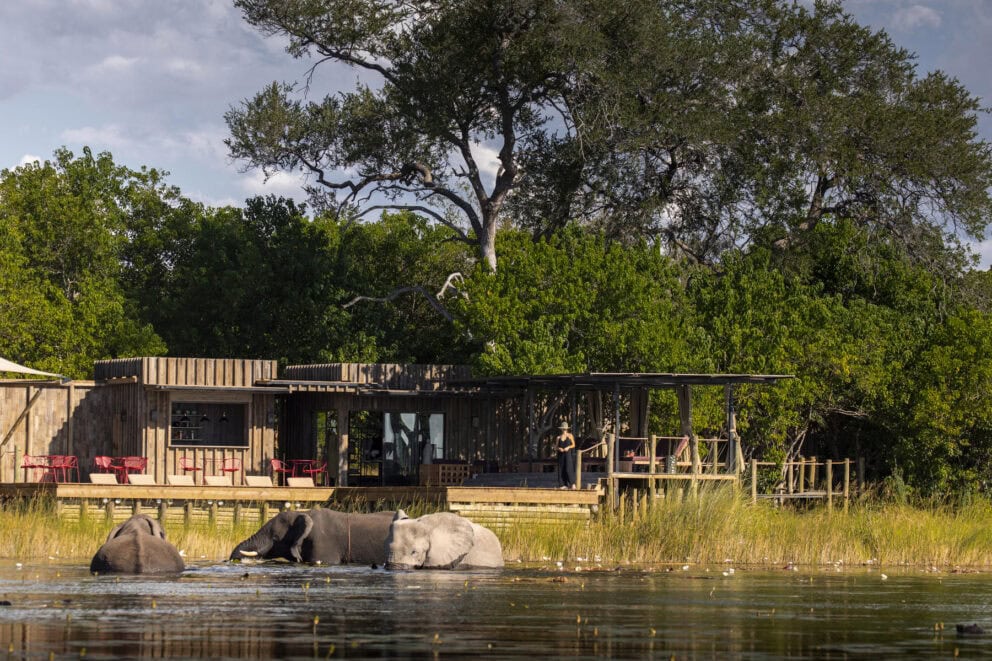
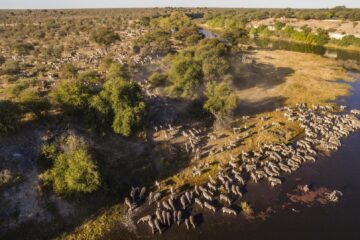
Located north of the Delta, the private Linyanti concessions protect crucial wildlife corridors connecting Chobe National Park to the Okavango. Spanning roughly 125,000 hectares of uncrowded wilderness, Linyanti is renowned as a stronghold for massive elephant migrations and the highly endangered African wild dog.
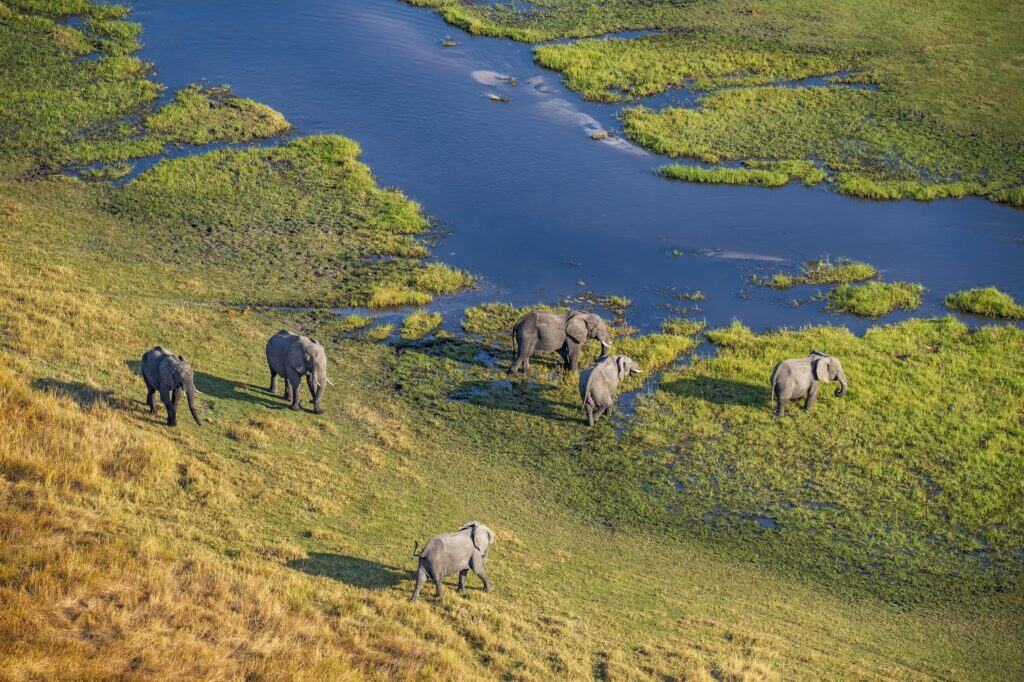
During the dry season, thousands of elephants converge on the Linyanti River. Seeing massive breeding herds cross, bathe, and gather on the floodplains is a signature visual here.
Camps here fund essential anti-poaching units, monitor endangered African wild dog packs, and maintain seasonal elephant migration routes across international borders. And because it operates a network of private concessions, it strictly caps visitor numbers, so your safari here feels completely remote while still being sustainable.
3. Makgadikgadi Pans & Central Kalahari: Desert Solar Camps & San Partnerships
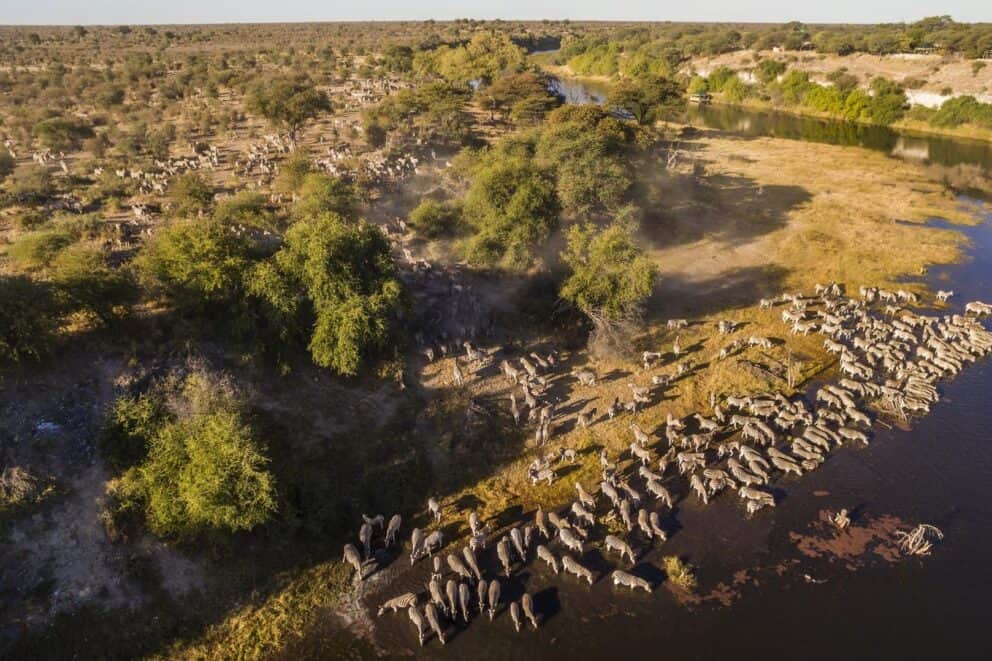
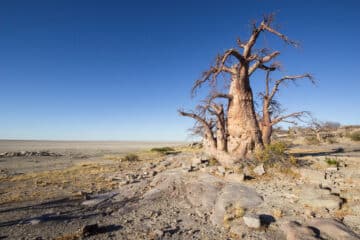
In the vast, open salt flats of the Makgadikgadi and the dry savannah of the Kalahari, water conservation and energy efficiency are critical. Desert eco-camps utilise total solar grids and strict water-wise technology while partnering with indigenous San communities to preserve ancient ecological knowledge and cultural heritage.
Top-Rated Eco-Luxury Safari Lodges in Botswana
Selecting sustainable luxury safari lodges in Botswana ensures your stay supports high-tier conservation initiatives, renewable technology, and community upliftment.
Lodge Region Primary Sustainability Highlights Best For
Chobe Game Lodge Chobe National Park 100% electric game vehicles & e-boats; all-female guiding team; highest Eco Certification rank. Travellers seeking total restoration from the water. Ghoha Hills Savuti Lodge Savuti / Chobe Fully solar-powered; elevated off-grid position; organic local sourcing & eco-friendly guest amenities. Travellers seeking stunning views and eco-conscious luxury. Sanctuary Chief’s Camp Moremi Game Reserve "Leave no trace" design; solar energy farm; direct support for regional rhino relocation & protection projects. Travellers wanting uncompromised luxury paired with deep conservation impact. Meno a Kwena Makgadikgadi Pans Off-grid tented camp; zero-footprint philosophy; active involvement in zebra migration corridor research. Travellers seeking off-grid desert solitude and migration tracking.
Chobe Game Lodge
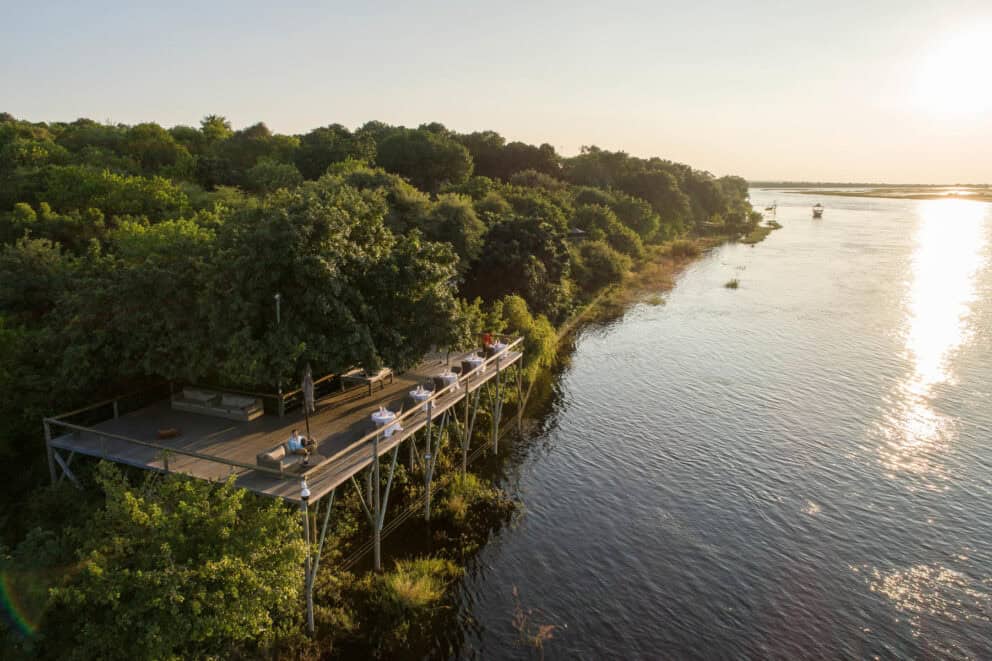
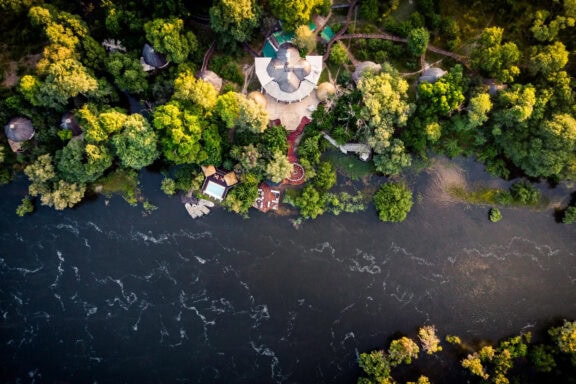
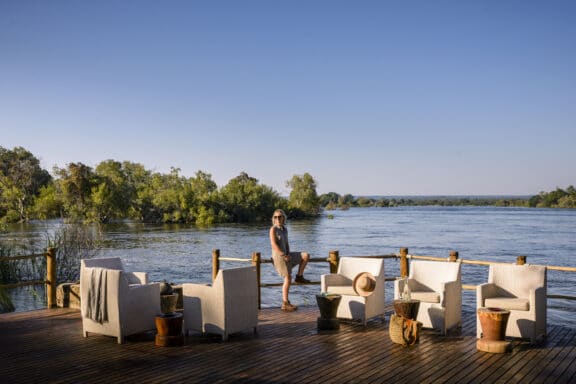
Situated on the banks of the Chobe River, Chobe Game Lodge is a pioneer in sustainable hospitality. As one of the first properties to achieve the highest Eco-Grading status, the lodge operates a fleet of 100% electric safari vehicles and e-boats. They have constructed expansive viewing decks using recycled plastic timber, diverted over 95% of their waste away from landfills, and taken pride in their “Chobe Angels” – Africa’s first all-female safari guide team.
Ghoha Hills Savuti Lodge
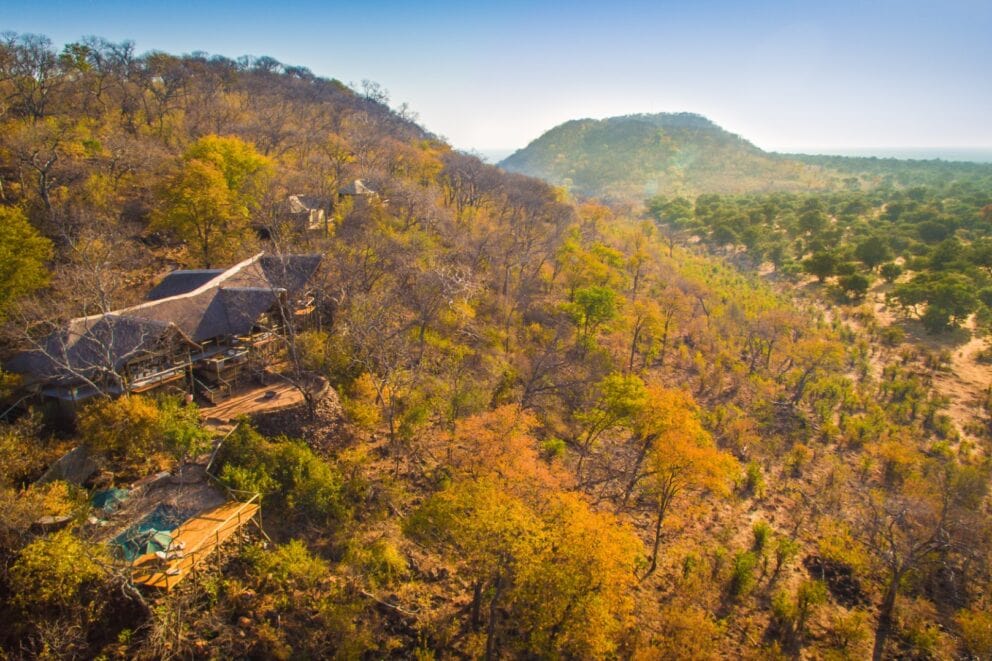
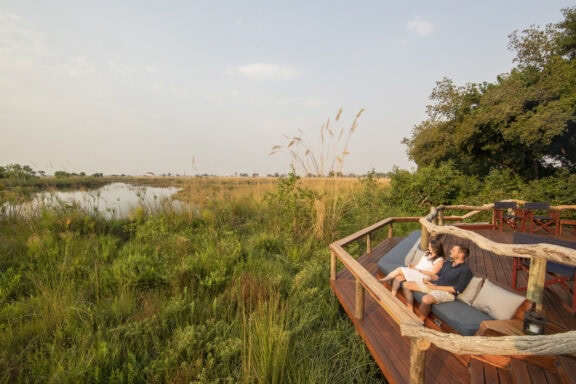
Perched high on the Ghoha Hills overlooking the vast Savuti plains, Ghoha Hills Savuti Lodge offers sweeping wilderness views powered entirely by an off-grid solar plant. The lodge focuses on reducing environmental impact across every operational level, from eco-certified guest toiletries to responsible water management systems.
Sanctuary Chief’s Camp
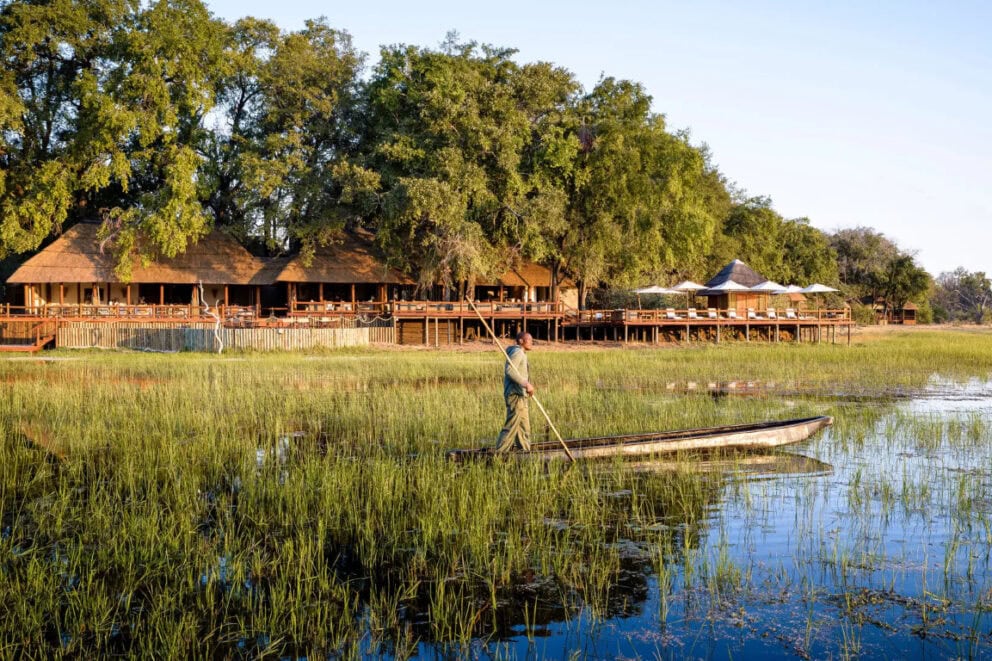
Located on Chief’s Island within the famous Moremi Game Reserve, Sanctuary Chief’s Camp balances refined luxury with strict environmental stewardship. The camp was built to be fully demountable, ensuring that should it ever be decommissioned, the landscape returns to its natural state. Chief’s Camp actively supports rhino conservation initiatives and works closely with neighbouring villages on educational projects.
Meno a Kwena
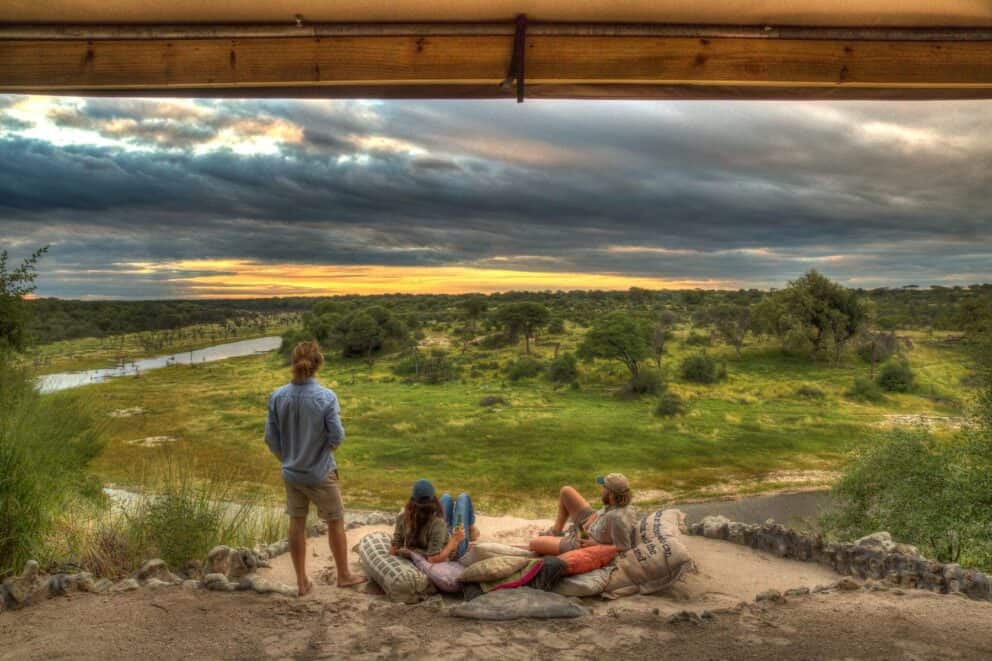
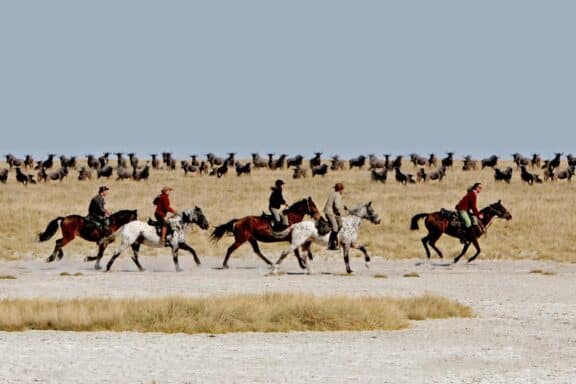
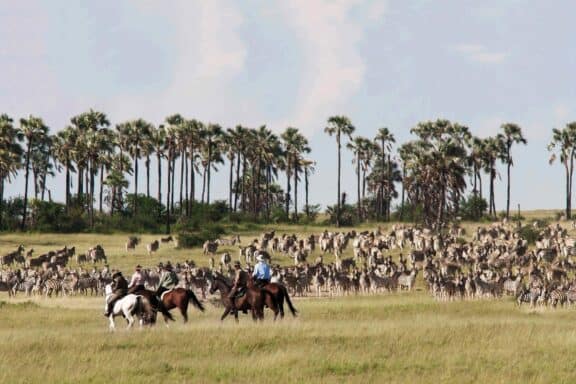
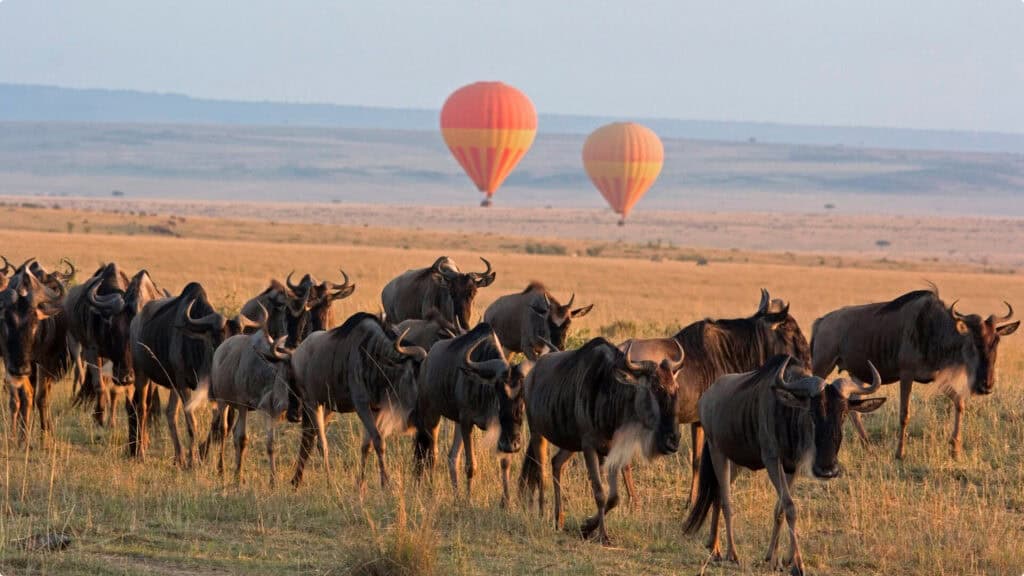
Overlooking the Boteti River, Meno a Kwena offers a grounded, authentic experience for travellers seeking a deep sense of simplicity. Focusing heavily on wildlife corridor protection, the camp tracks zebra and wildebeest migrations while maintaining a remarkably low carbon footprint through off-grid solar setups and zero unnecessary luxuries.
Empowering People & Place: Community-Driven Conservation
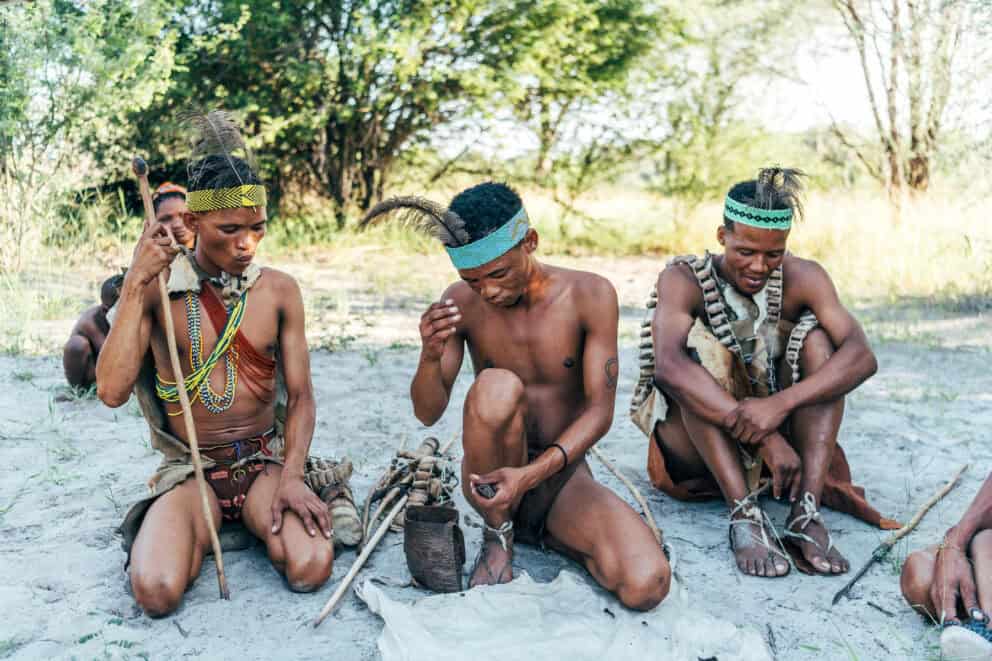
A true green safari experience in Botswana extends beyond solar panels and recycling; it must directly empower the people who call the region home. Top-rated eco-conscious safari camps in Botswana are known for community development and conservation, ensuring that tourism revenue directly benefits local communities.
- Local Employment & Training: The majority of staff, trackers, and professional guides at eco-luxury lodges are recruited from neighbouring villages, providing stable income and career advancement opportunities.
- Farm-to-Table Sourcing: Lodges purchase fresh organic vegetables, honey, and handmade crafts from local farmers and artisans, reducing fuel emissions associated with long-distance transport while stimulating the local economy.
- Cultural Preservation: Partnerships with local elders and San communities allow guests to experience authentic cultural walks, learning ancient survival techniques and indigenous folklore while supporting traditional heritage preservation.
Navigating off-grid concessions and eco-transfers shouldn’t add effort to your journey. From coordinating private bush flights between solar islands to catering to personal wellness requirements in remote camp kitchens, our Africa-based team manages every detail behind the scenes. You receive 24/7 support from the moment you land until your journey home, so you can relax and enjoy your trip.
Crafting Your Purposeful Botswana Safari
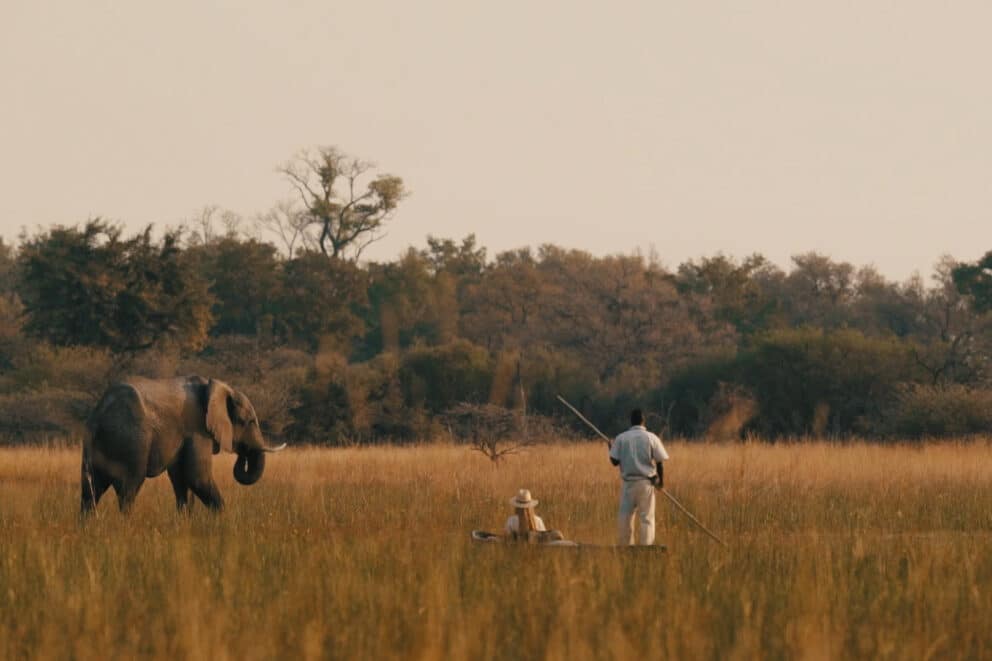
Planning luxury Botswana safaris for low-impact, eco-conscious travellers requires a thoughtful balance of seasonal movements, eco-lodge certifications, and personal wellness goals. Whether you long to glide silently through the Okavango Delta on an electric boat or unwind under the stars in an off-grid desert sanctuary, designing an ethical journey should feel seamless.
Our Africa-based safari experts take the guesswork out of planning your sustainable itinerary. We discuss how you want your journey to feel, your environmental priorities, and your ideal pace. We handle all remote logistics so you can travel with confidence. By selecting hand-picked eco-luxury lodges and tailoring every detail to your travel style, we ensure your safari is not only unforgettable for you but beneficial for Africa’s land, wildlife, and communities.
Speak to one of our Africa-based safari experts today, and start planning your eco-friendly Botswana safari today.

Written by Thaakiera Ackerdien
• Travel Writer


Verified by Devryn Panaino
• Africa Safari Expert
Discover the African Journey that’s Right for You
 Blog List



























Written by Thaakiera Ackerdien
• Travel Writer
Verified by Devryn Panaino
• Africa Safari Expert
Part of the Botswana Safari & Positive Impact Safaris Collections