

 Email us





For travellers who seek the rare and restricted, Botswana still has secrets to discover. While most travellers frequent the popular Chobe riverfront, choosing an off-the-beaten-path experience in Botswana will put you in the quiet, secluded corners of the wilderness.
At Discover Africa, our experts have traversed these hidden landscapes extensively, mapping out the secret corners that remain untouched. This is so much more than a vacation; it’s a collection of moments that few ever experience. Read on to discover our secret insider tips for an off-the-beaten-path experience in Botswana.
The Linyanti: Botswana’s Best-Kept Secret
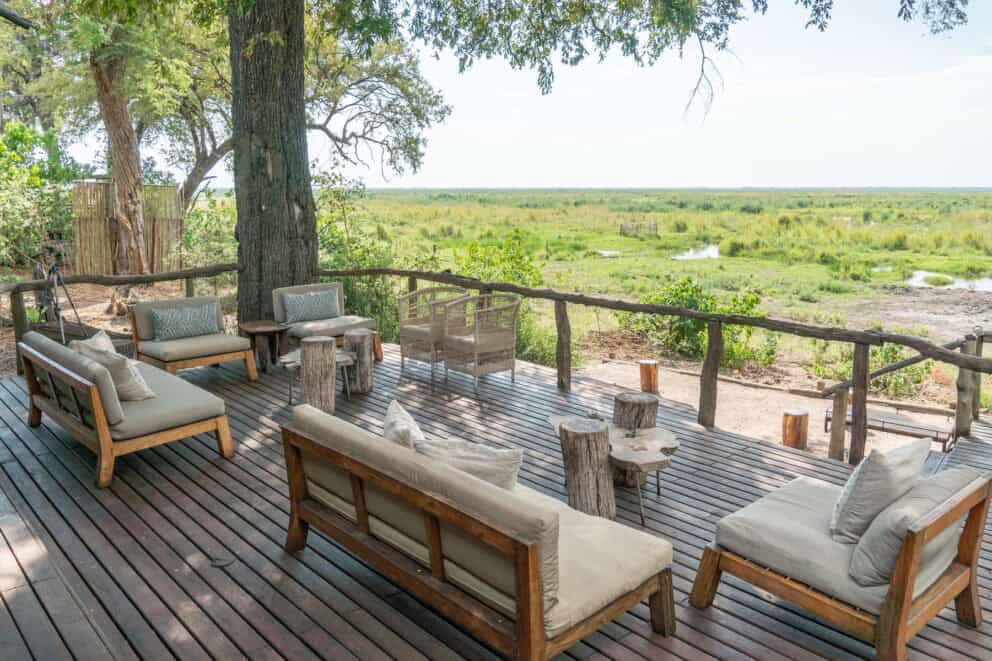
While Chobe National Park is world-renowned, its popularity can lead to large crowds, particularly during peak season. This is due to the abundance of day trippers. We suggest keeping your Chobe stay to a maximum of two nights – ideally at an iconic property like Chobe Game Lodge. From there, you can head to the more intimate areas of the Linyanti Wildlife Reserve.
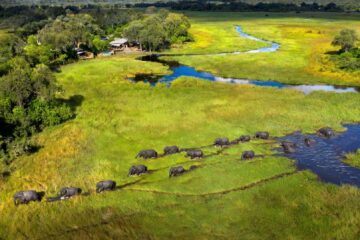
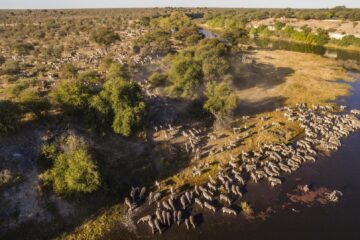
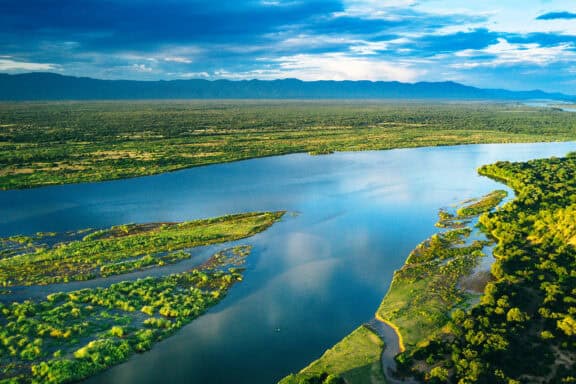
Tucked away in a secluded corner of Chobe, Linyanti is arguably the ultimate Botswana hidden gem. The private concession lies along the banks of the Linyanti River and covers about 1,250 square kilometres (482 square miles) of grasslands, riverine forests, and lagoons. The Linyanti River is its lifeline – a vital water source that draws wildlife from across all of northern Botswana.
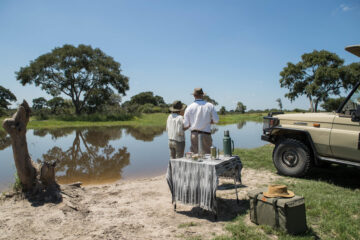
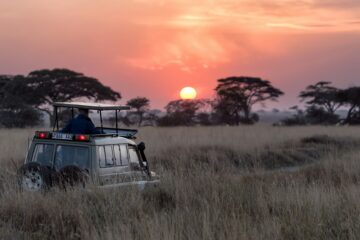
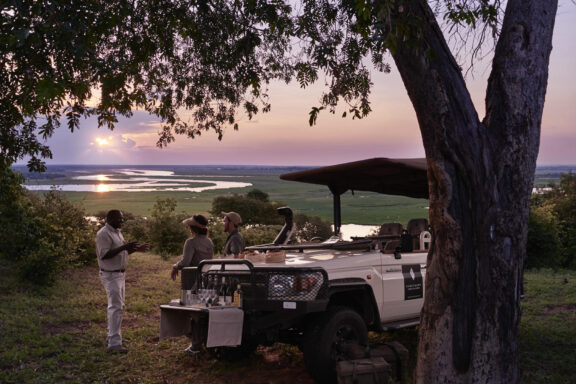
As a private concession safari in Botswana, every moment here will feel like it’s tailored just for you – every moment sacred. The concession offers a game-rich environment with a significantly lower volume of vehicles. Here, you’re also granted the distinction of off-road exploration as well as night drives (something you cannot do in national parks). This ensures your sightings will remain private and uninterrupted.
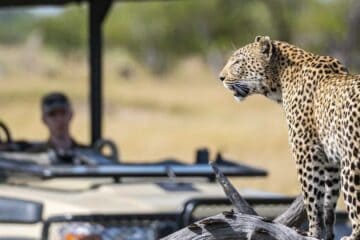
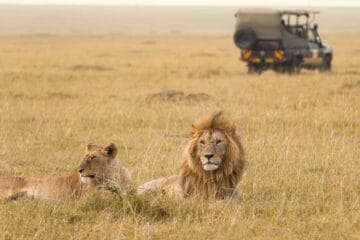
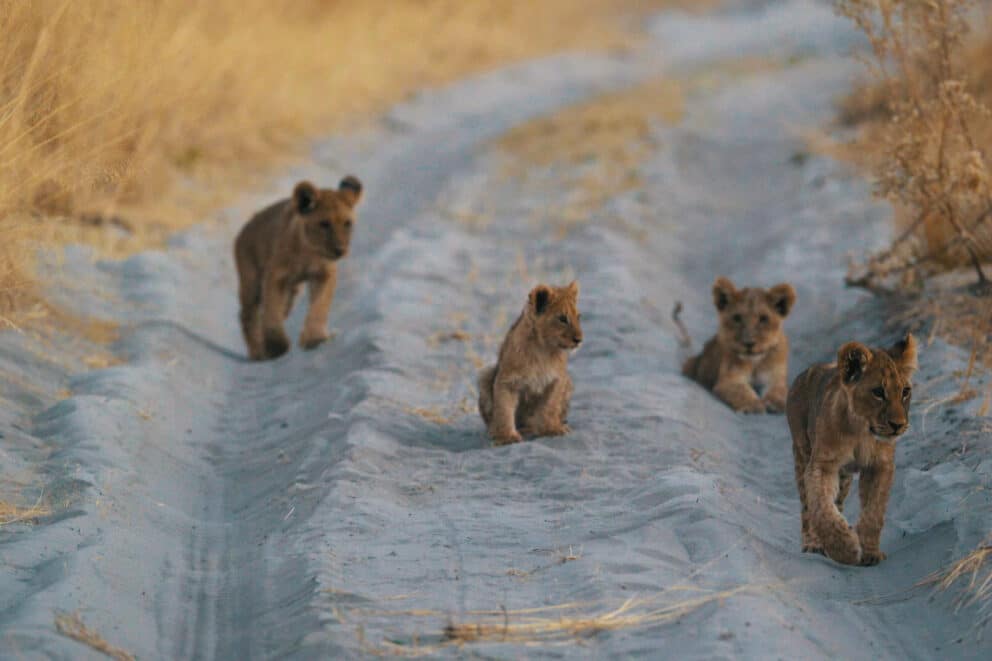
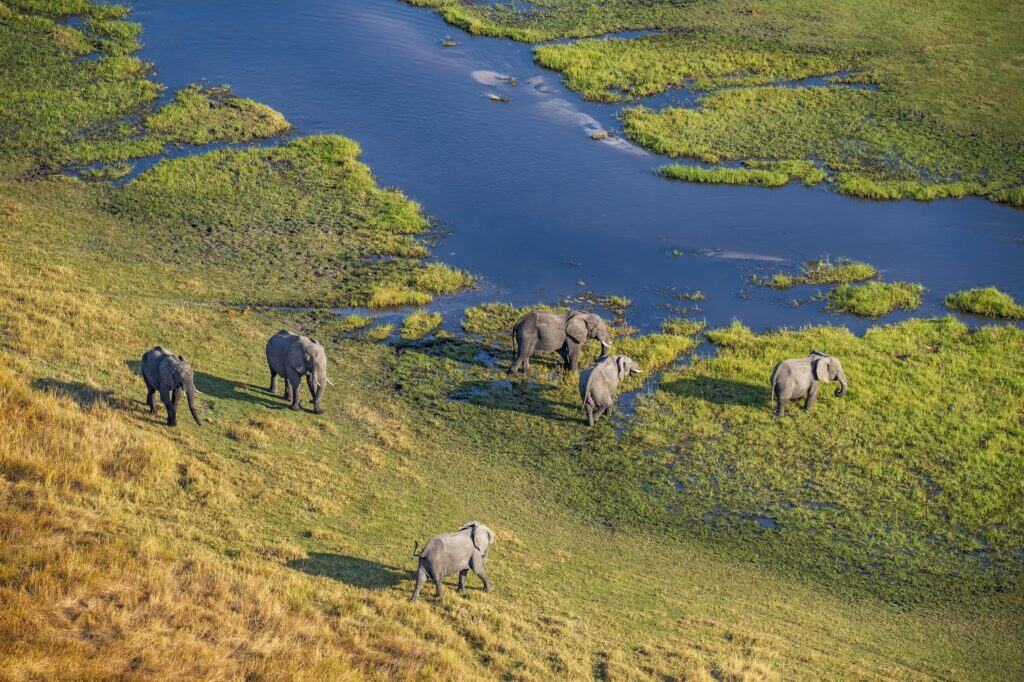
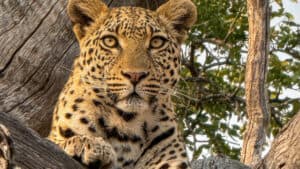
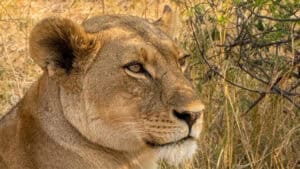
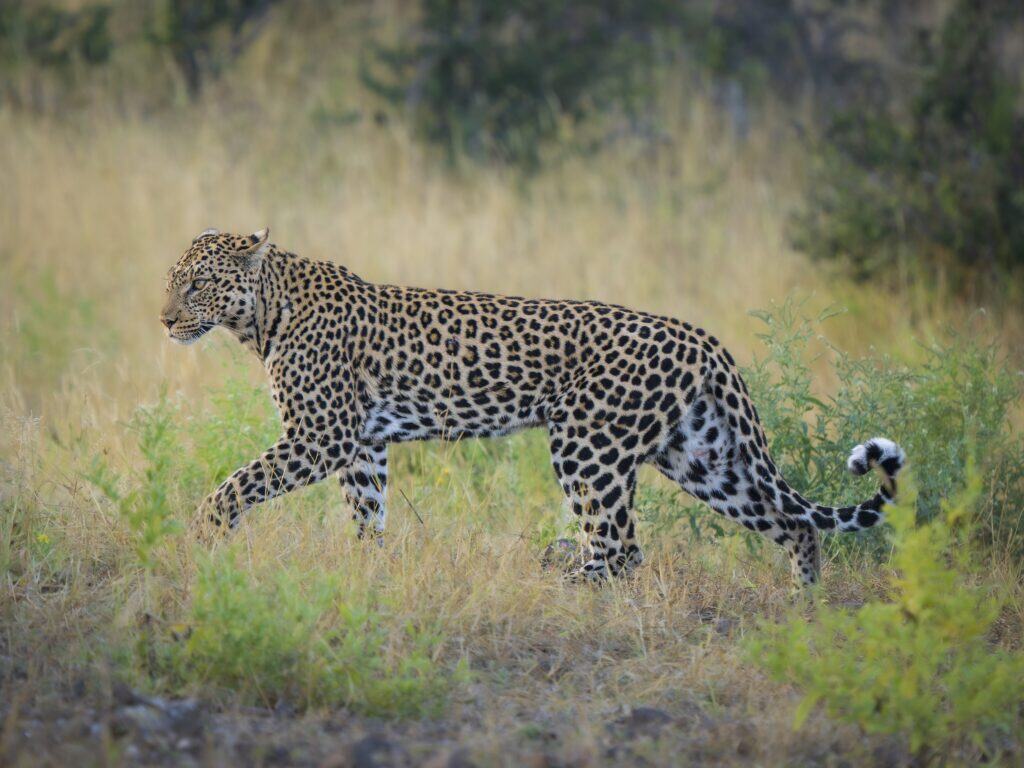
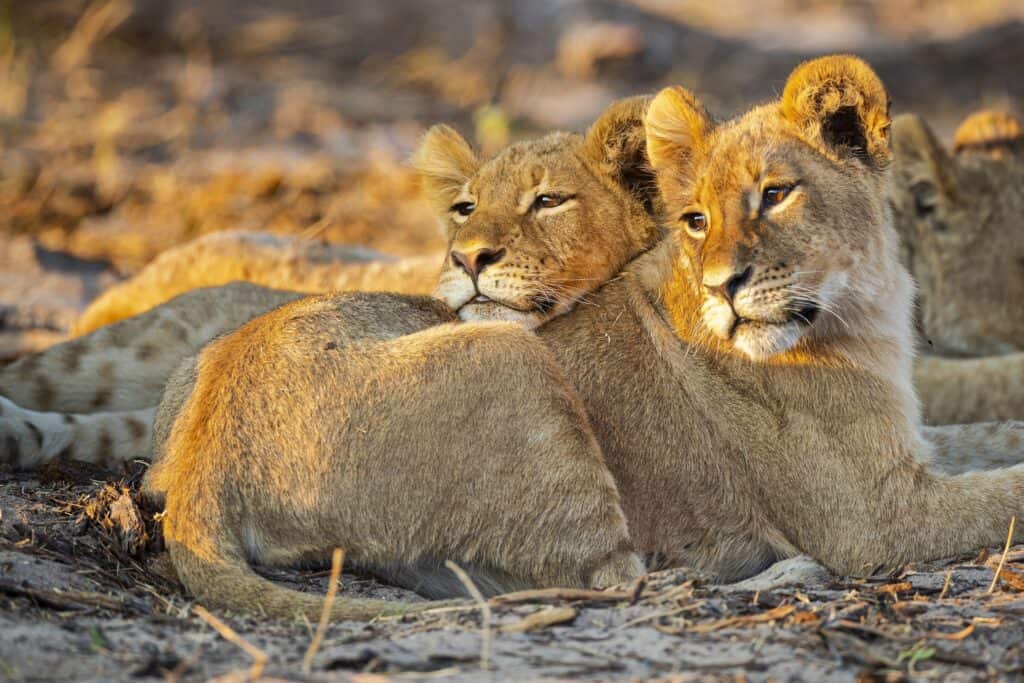
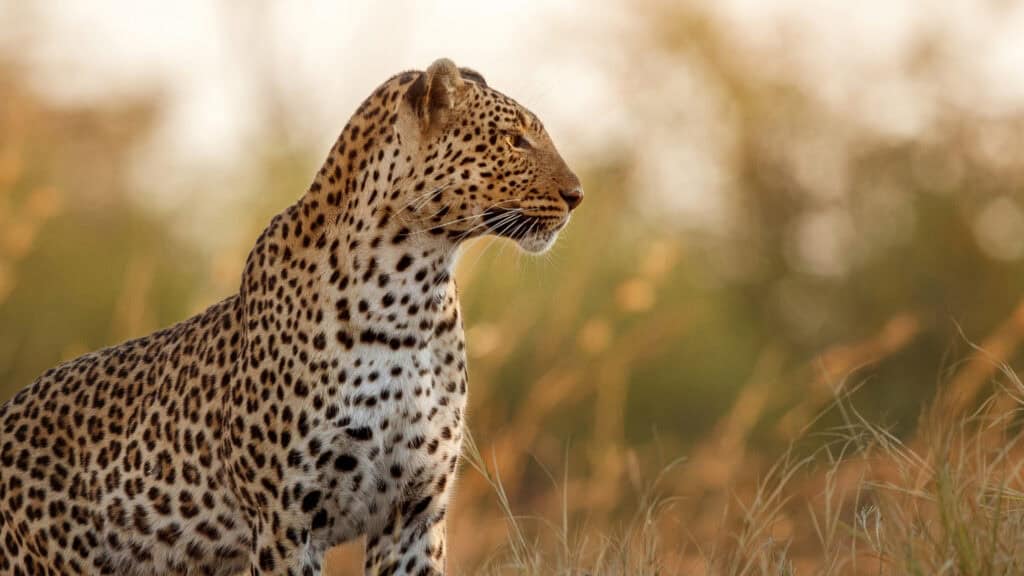
The wildlife here is as abundant, with vast herds of elephants and buffalo. Predators are a definitive feature of the region, with the natural woodlands and floodplains creating varied regions for all of them. Lions operate over large territories, while leopards favour the wooded edges of floodplains. It’s not uncommon to see a pack of African wild dogs on the hunt.
Mokoro Safaris: The Best Way to See the Delta
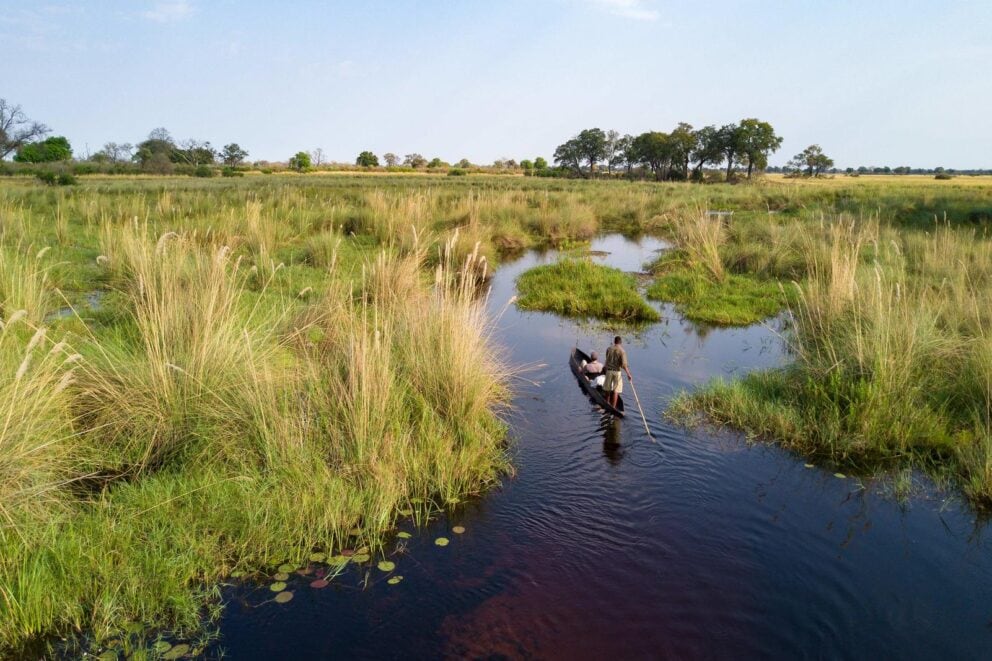
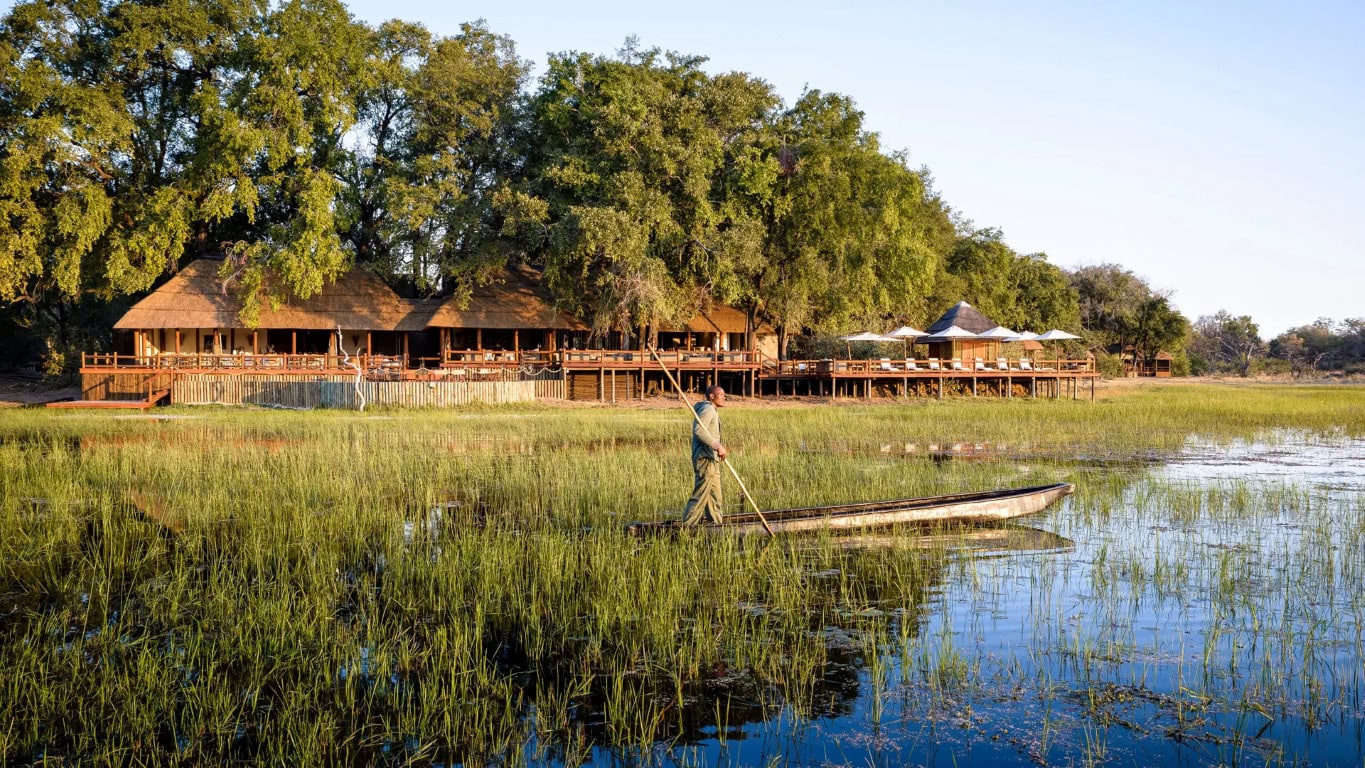
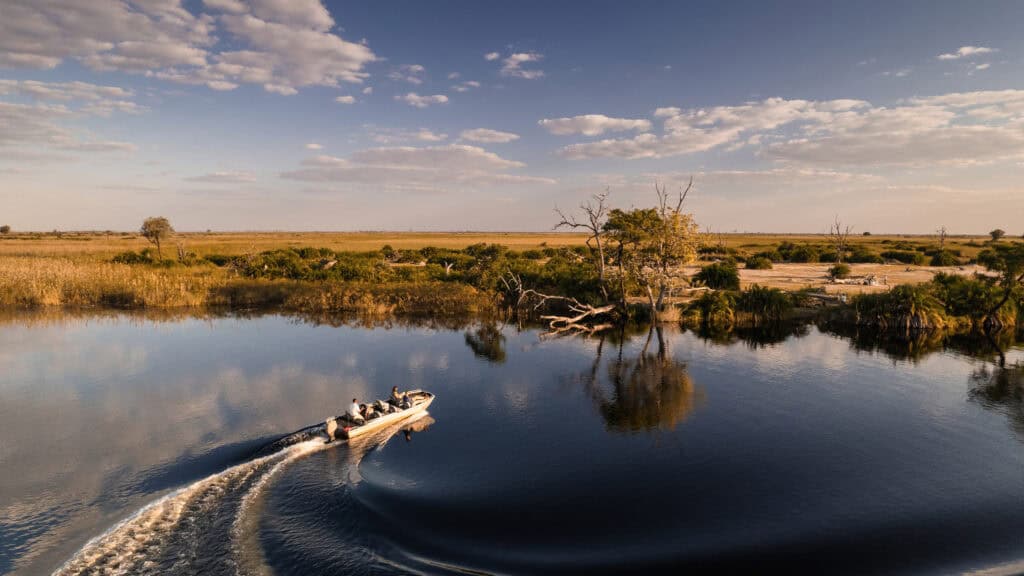
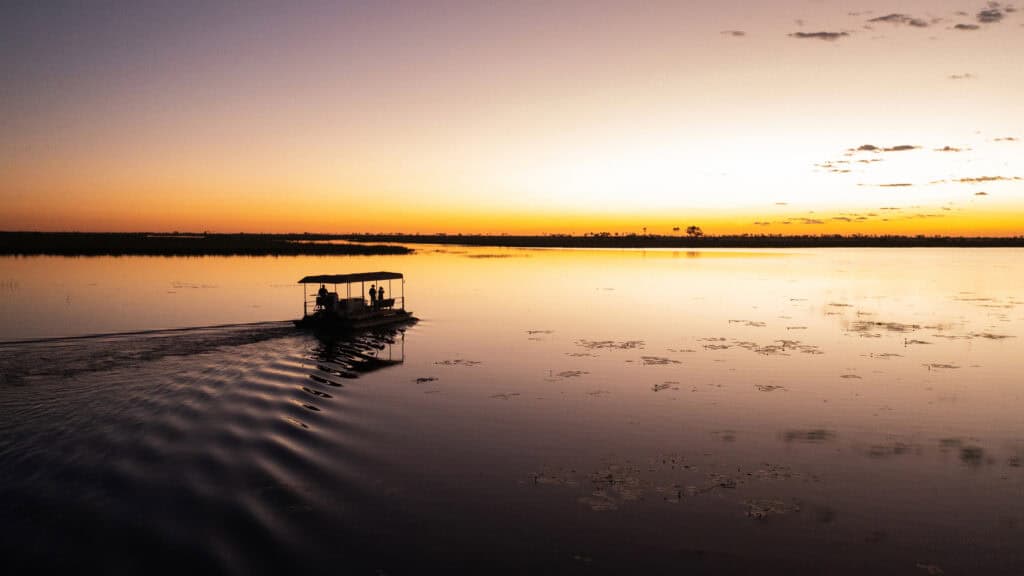
The Okavango Delta is a dynamic masterpiece. But its beauty requires precision. A common misconception is that Delta camps always offer water-based activities year-round. In reality, however, some water camps can be entirely dry if the flood is late. To secure the quintessential off-the-beaten-path experience in Botswana – the silent mokoro excursion – you must understand its rhythmic floods.
Unlike many other wilderness areas, the Okavango Delta’s water levels do not coincide with its rainy season. The water originates over 1,000 km away, in the Angolan highlands, where it slowly filters and travels into Botswana’s panhandle.
Because of Botswana’s naturally flat topography, the water moves incredibly slowly and typically only reaches the north of the country in April and May. But they do not peak in the central and southern Delta until around June to August.
With that in mind, the best time for a mokoro safari is during the peak flood months (June to August). The floodwaters fill the channels in these months, offering the best gliding conditions. The cool weather also makes daytime trips comfortable, with fantastic visibility for both wildlife viewing and birding.
Not every lodge location is created equally when it comes to water access. Our safari experts will curate your stay based on the specific wet or dry nature of your preferred safari location.
The Big Five: Managing the Portfolio
The Big Five – elephants, Cape buffaloes, lions, leopards, and rhinos – are often the hallmark of a classic safari. While Botswana is perfect for spotting four of them, rhinos are quite rare.
Due to ruthless poaching over years, both black and white rhinos were declared regionally extinct in 1992. This total collapse was caused by a spike in the illegal rhino horn trade and sophisticated criminal networks targeting the animals in northern Botswana.
Following the crisis, Botwana took drastic measures to prevent the total loss of the species and relocated the handful of remaining rhinos to the Khama Rhino Sanctuary for safe breeding. In 2003, a major collaboration with South Africa also saw the successful translocation of 33 southern white rhinos and five black rhinos, which eventually would establish the populations seen today in the Okavango Delta.
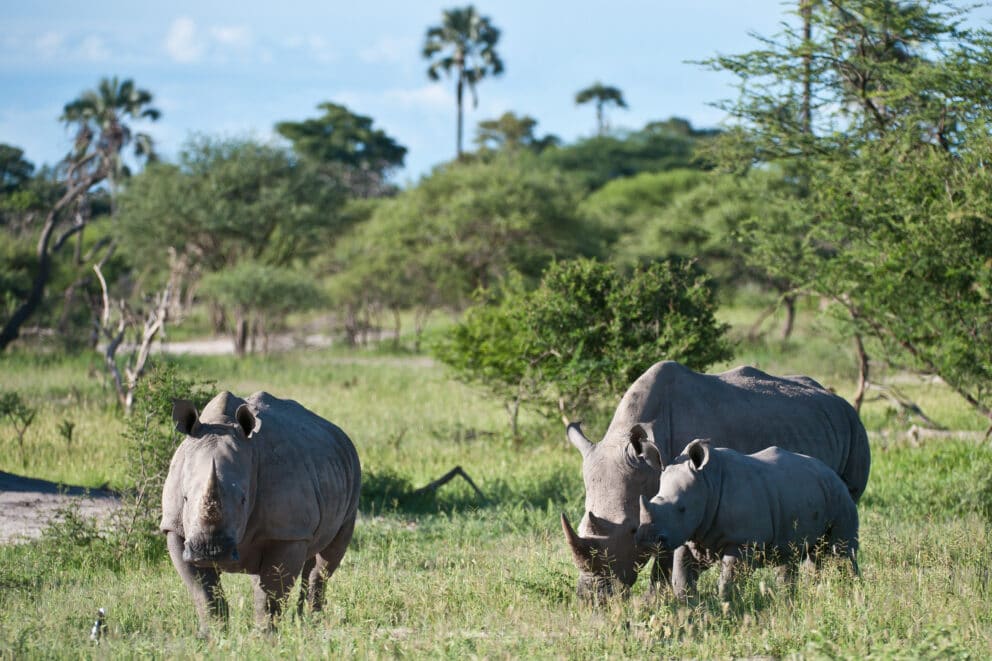
Over the years, several conservation initiatives and translocation projects – such as those conducted with Rhinos Without Borders, Great Plains, and &Beyond – have steadily increased rhino populations in select private reserves.
If you’re determined to see a rhino in Botswana, opportunities are present in Chief’s Island (you can stay at Mombo or Chief’s Camp) and the Duba Concession in the northern Okavango.
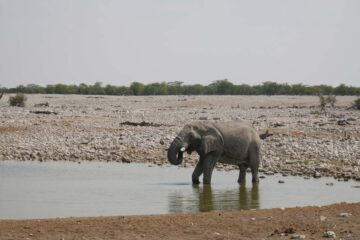
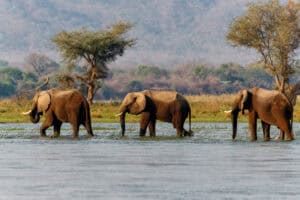
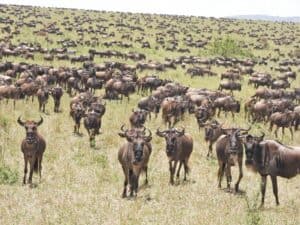
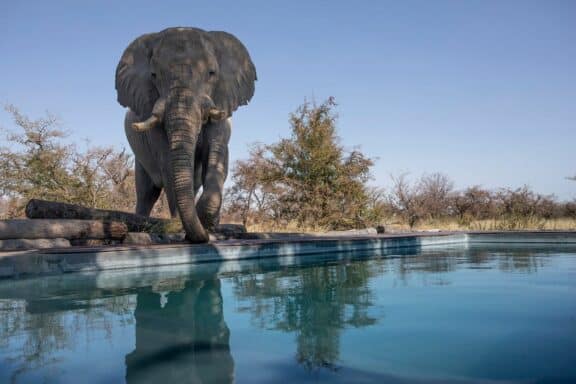
Other than the small rhino population, the rest of the Big Five are thriving and abundant in Botswana. The country boasts the world’s largest population of elephants with over 130,000 individuals. Buffalo are also plentiful, with massive herds being a common sight, especially in the Okavango Delta.
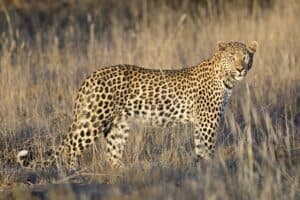
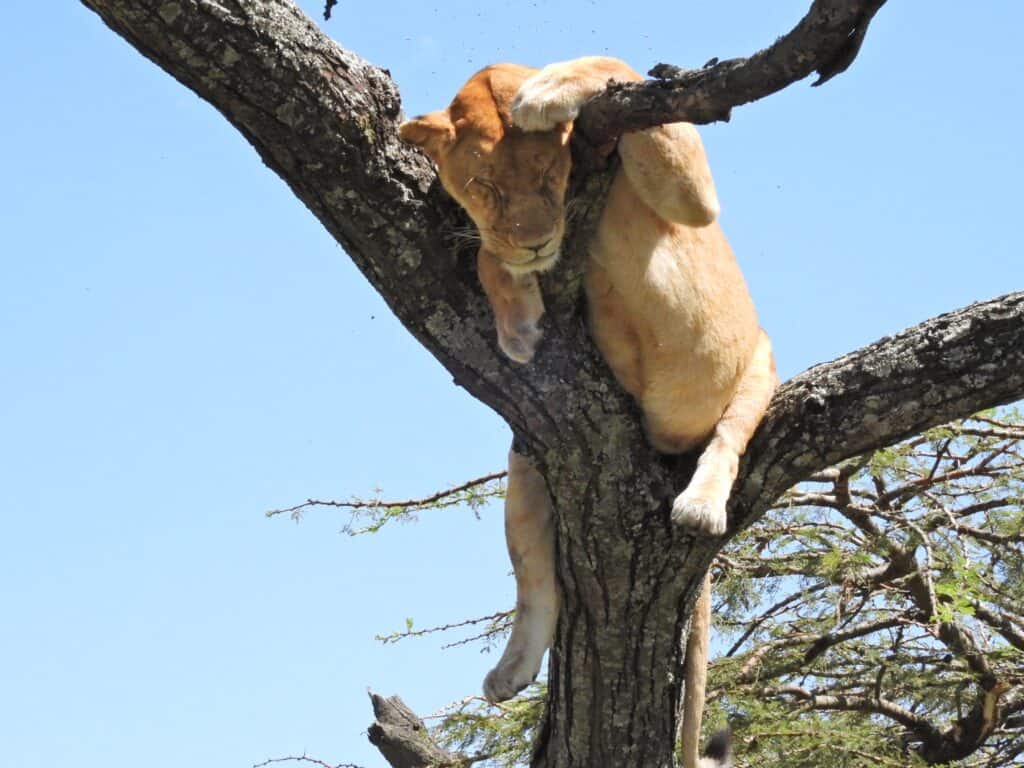
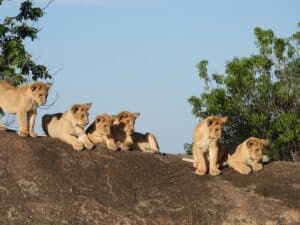
Lions have also seen a substantial increase in their population, mostly due to community-led conservation efforts. Meanwhile, leopards are flourishing as well, although they tend to be quite elusive by nature.
Cultural Depth and Celestial Exclusivity
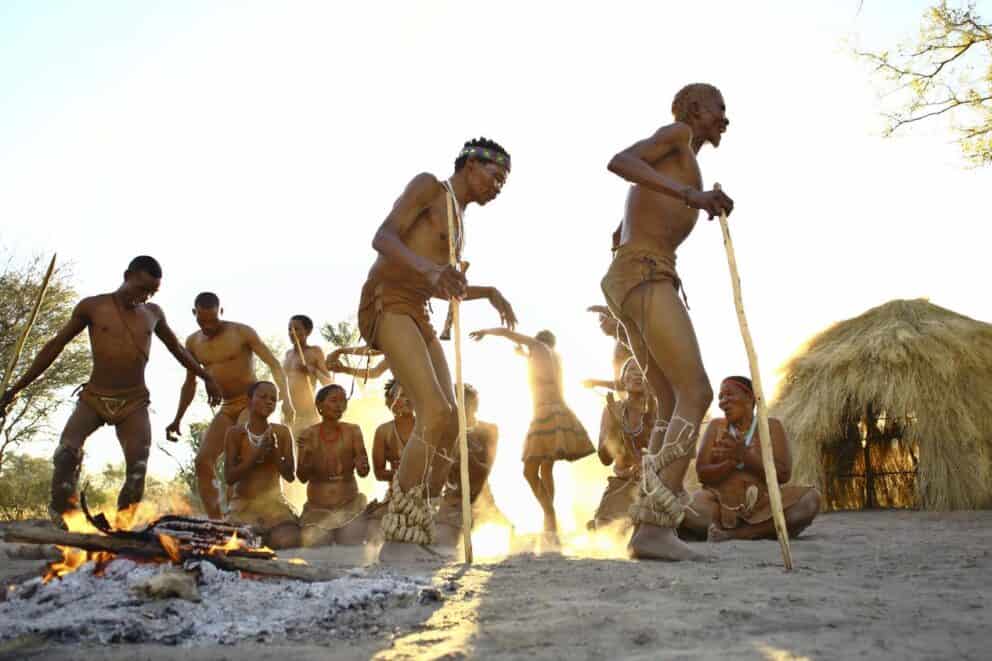
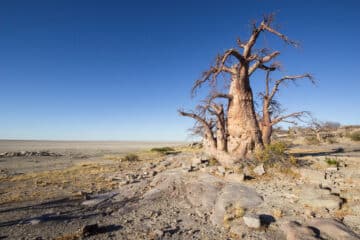
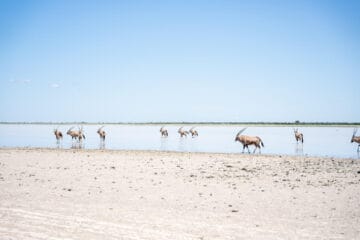
For many, the journey is incomplete without a narrative that transcends the physical landscape. In Botswana, this depth is often found in the ancient sands of the Kalahari or the vast salt-encrusted horizons of the Makgadikgadi, where you can spend time with the various indigenous groups there (primarily the San).
This experience is an extremely rare, privileged look into their lifestyle and a great way to enhance your untouched Africa safari.
The remote locations also make the stargazing some of the best in the world and a perfect experience for a secluded safari in Botswana.
The San People
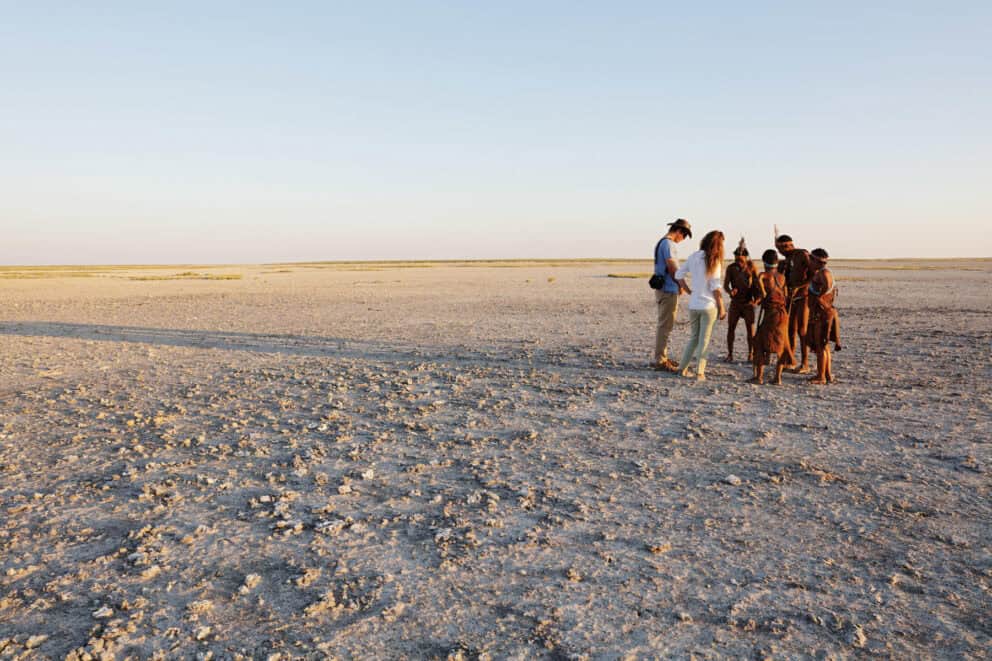
For those seeking cultural immersion, the Central Kalahari Game Reserve offers one of the most profound cultural experiences in Botswana. Here, the encounters are characterised by their depth – spending time with the San in a landscape they have navigated for millennia.
This experience is primarily offered at Feline Fields Lodge, in the northern Kalahari – a truly secluded safari in Botswana. Nothing here is performative. Unlike a standard two-hour walk, the interaction here is extended to allow for genuine connection and cultural exchange.
The experience includes a bushwalk, where you can learn essential San skills like hunting and foraging for water. It all culminates in an evening around the fire where you’ll share stories and learn about their ancestral history.
In the Makgadikgadi Pans, the cultural encounters here are offered by Jack’s Camp, San Camp, Meno a Kwena (along the Boteti River), and Camp Kalahari. They are expertly handled and deeply authentic. You’ll discover the secrets of the Zu/’hoasi on a fascinating bush walk. This includes survival skills, tracking, and even the culinary arts.
The Celestial Sleep-Out
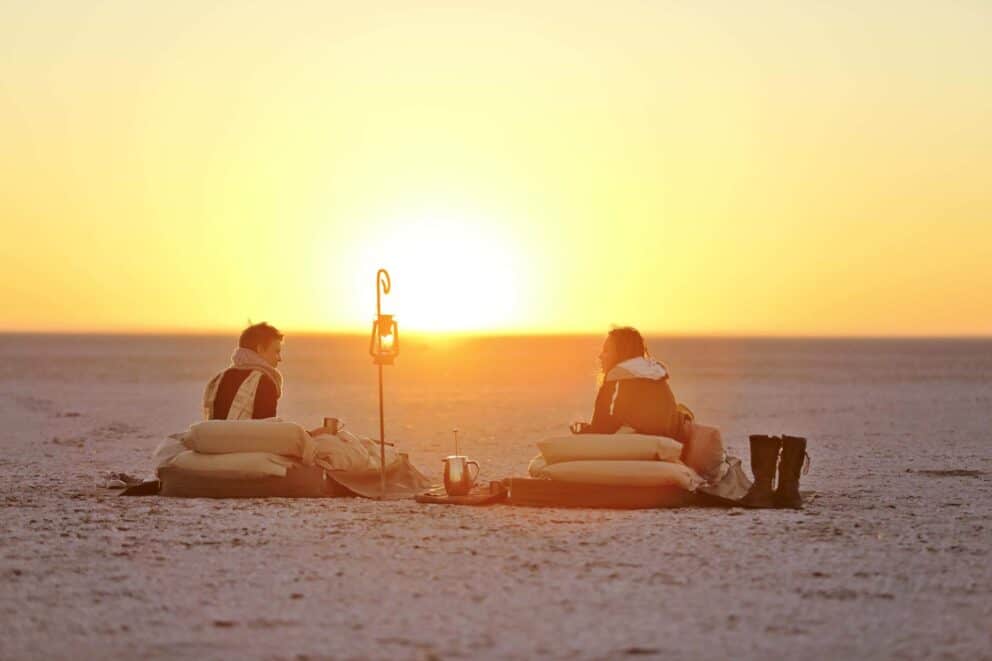
Besides the cultural experiences, the Pans are widely considered to be one of the best Botswana hidden gems. Due to its remote setting, there is perhaps no greater limited-access luxury than the Makgadikgadi sleep-out.
It’s an experience that is physically impossible to arrange at most lodges, restricted only to a handful of elite camps such as Meno a Kwena, Jack’s Camp, and Camp Kalahari.
This is the ultimate acquisition for your travel portfolio. As the sun dips below the crust of the salt pans, you’ll be escorted to a private setup at its heart. There, you will experience total silence. With no light pollution for hundreds of miles, the celestial canopy is so bright that it’s able to cast shadows on the salt.
The Logistics and Insider Realities
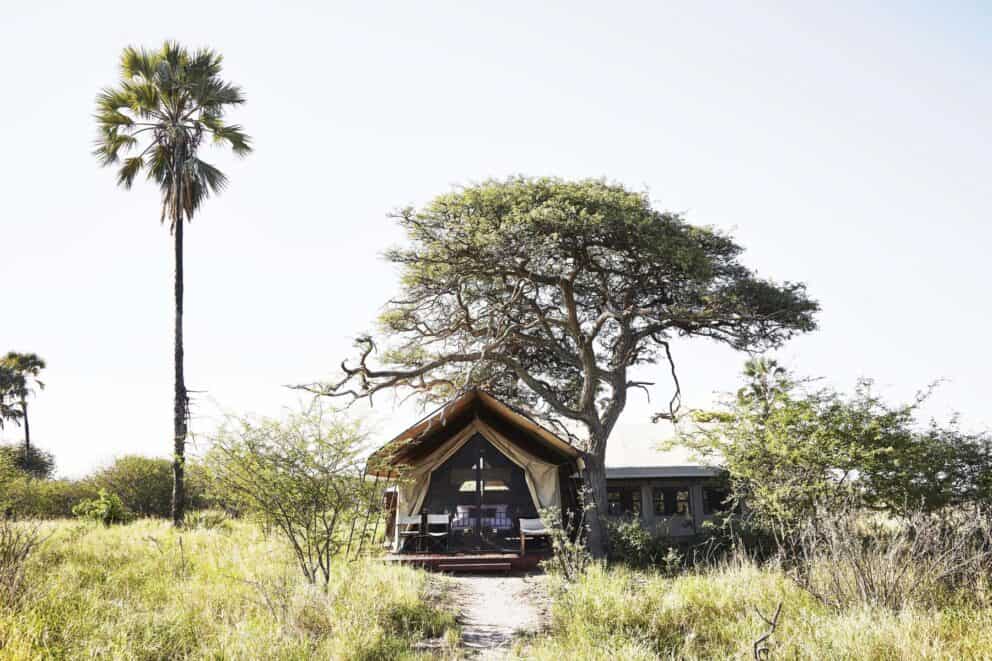
Luxury is defined by the absence of friction. In the remote wildernesses of Botswana, achieving a seamless experience requires more than just a budget. You’ll need an understanding of the technicalities that govern the bush. To maintain precision and control over your journey, these are some of the logistics we manage:
The Bush Commute
There are no fixed flight schedules in the Delta or Linyanti. Due to the complexities of weather, wildlife on runways, and guest movements, flight timings are only finalised 24 hours in advance. We manage these expectations to ensure your transition between camps feels like a curated progression rather than a disruption.
These aircraft have a strict 15kg to 20kg limit, including hand luggage. Critically, all bags must be soft-sided (no wheels or frames) to fit into the restricted pods of small planes.
Climate Control
Sustainability is a cornerstone of Botswana’s tourism model, which often means lodges operate on sophisticated solar grids. This has a direct impact on comfort levels. While many top-tier camps have air conditioning, it’s often evening only or “over-bed” AC. This localised cooling is designed to ensure a perfect night’s sleep without the environmental impact of cooling an entire canvas suite.
Secure Your Untouched Africa Safari Today
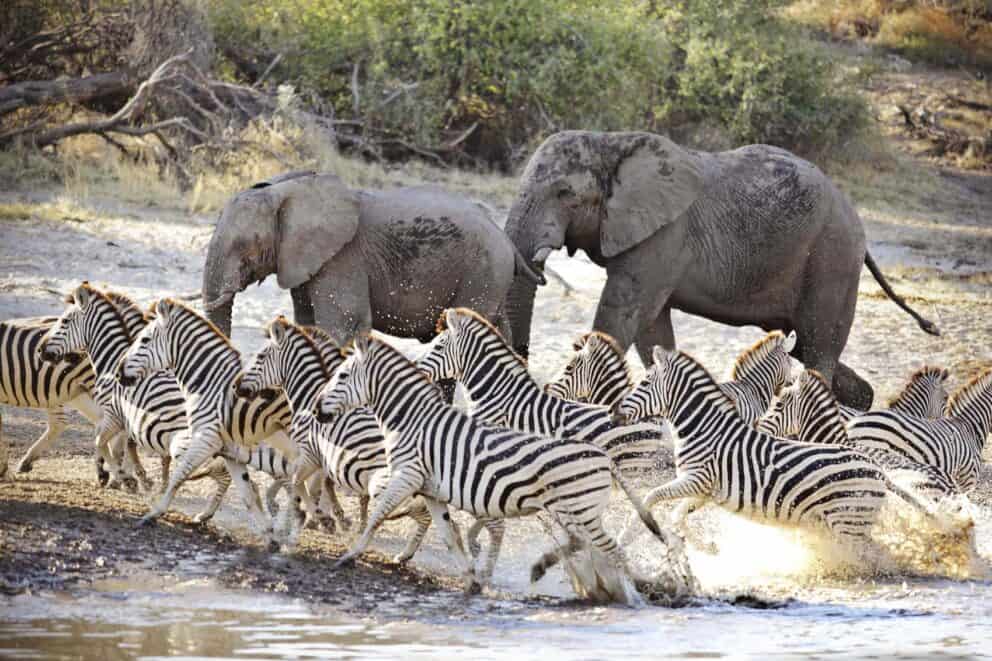
Botswana’s true value lies in the details that remain hidden to the average traveller. As experts who have explored every corner of this land, we invite you to move beyond the brochure and into a journey defined by discretion, precision, and unrivalled access.
Speak to one of our safari experts to begin crafting your next chapter in the wild. Discover Africa safari experts have experienced Botswana off the beaten path and know what makes a safari extraordinary.

Written by Thaakiera Ackerdien
• Travel Writer
Discover the African Journey that’s Right for You
 Blog List
























Written by Thaakiera Ackerdien
• Travel Writer
Part of the Botswana Safari Collection