Email us




Namibia’s capital is an accessible hub, and tailor-made Namibia safaris from Windhoek take you directly to the mesmerising landscapes of this southwest African country.
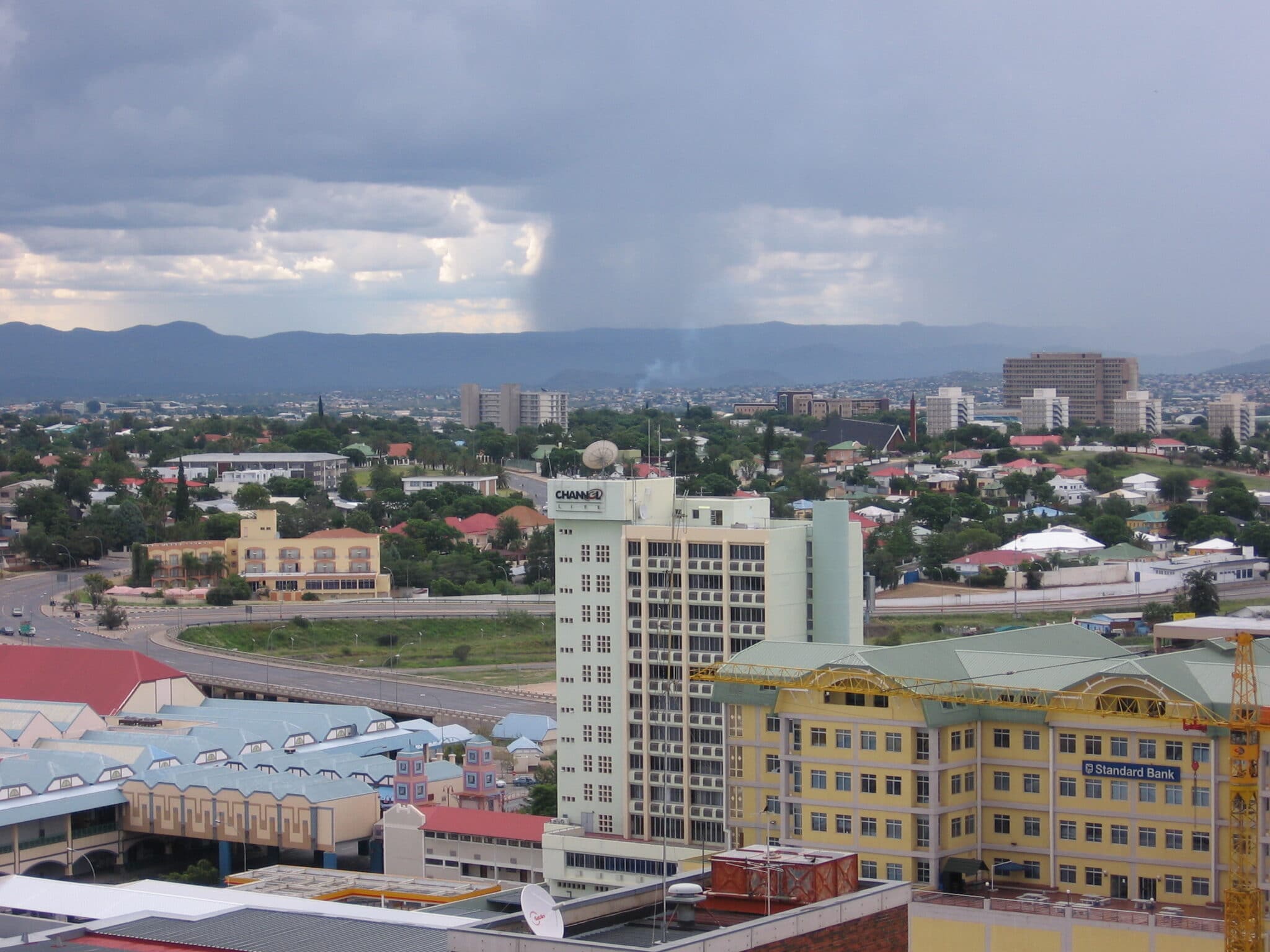
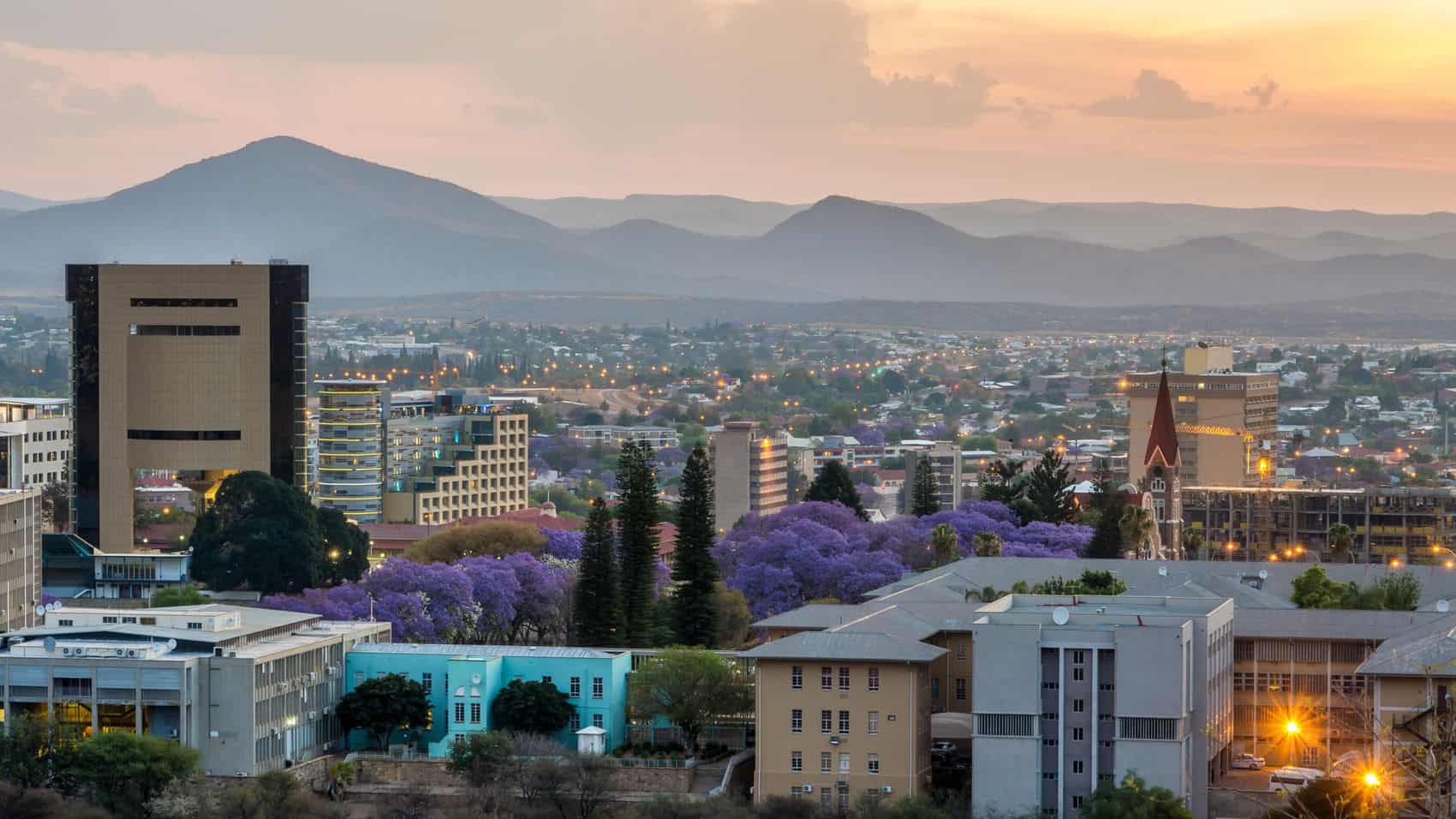
It would be a mistake to only pass through Windhoek on your way to the dunes or on a safari; it’s a destination that should be explored. Windhoek is the beating heart of Namibia, weaving together German colonial history, modern African aspiration, and diverse tribal cultures in a remarkably clean, high-altitude valley.
You can trace the country’s complex history in Windhoek’s architecture, from German colonisation to the South African government to the long struggle for independence.
What to See on Windhoek Safaris
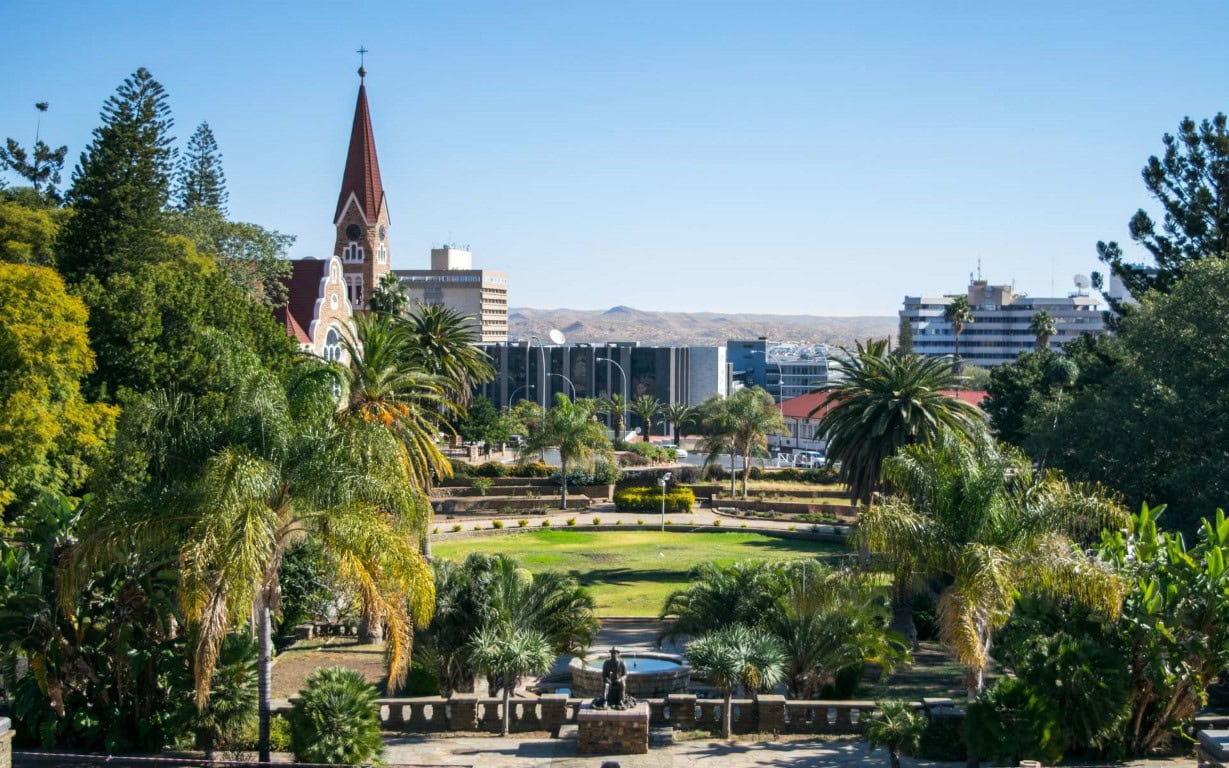
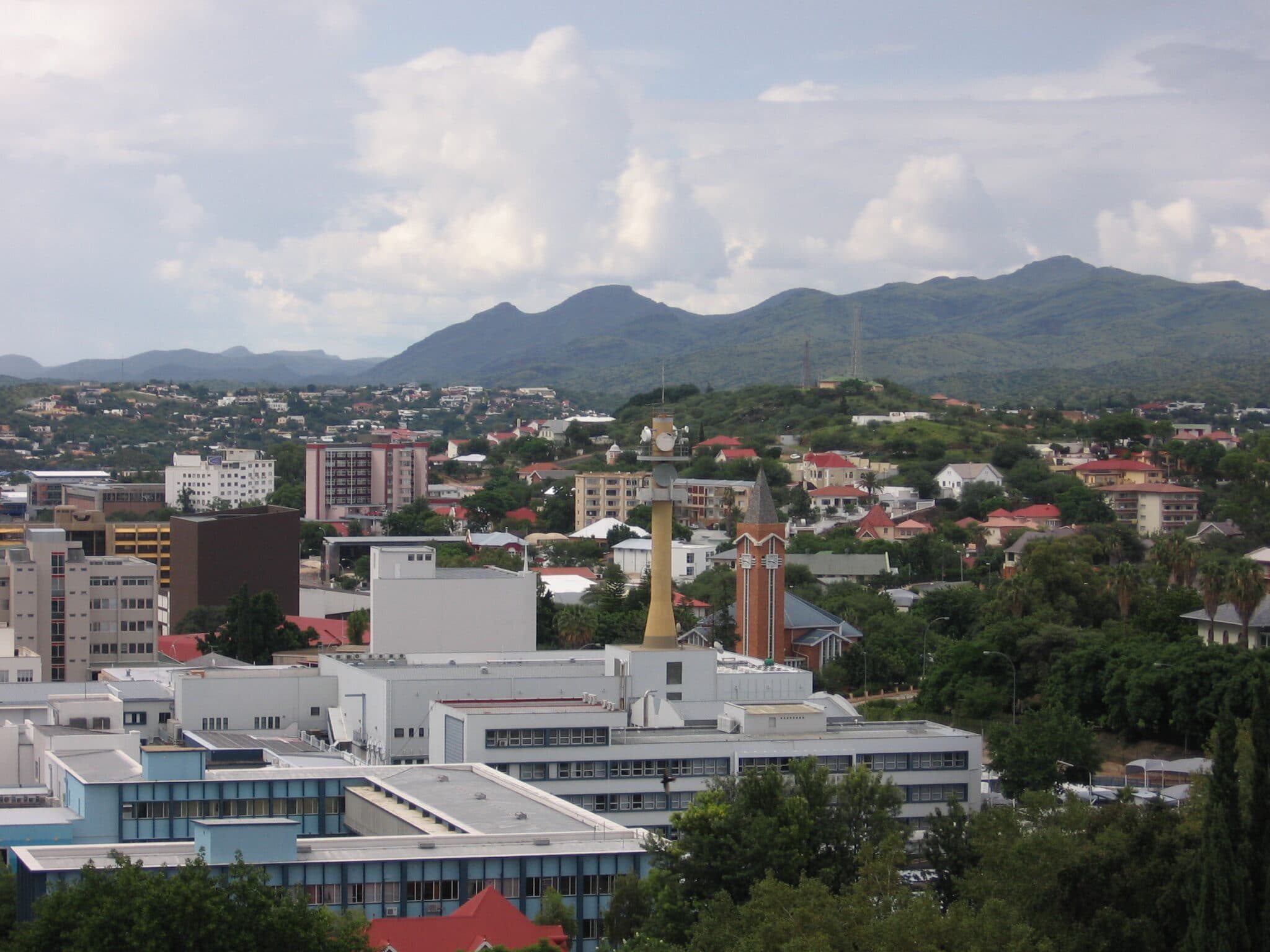
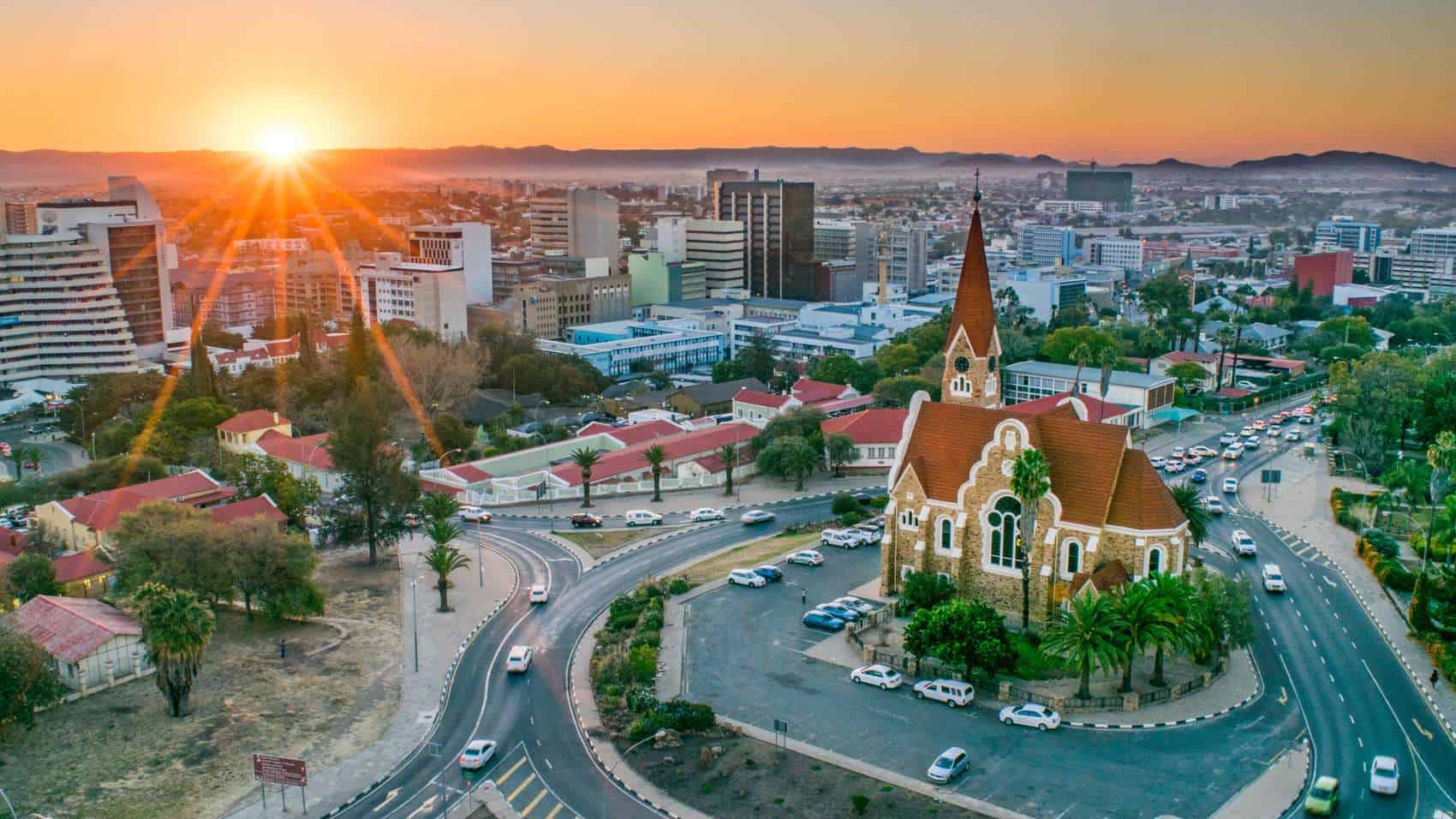
Christuskirche (Christ Church) is Windhoek’s most iconic landmark. Completed in 1910, this Lutheran church looks like it was plucked from a German fairytale.
It was built using local quartz sandstone and has stunning stained-glass windows gifted by Emperor Wilhelm II. It was built as a church of peace to mark the end of the colonial wars between the Germans, the Herero, the Nama, and other groups, a conflict now recognised as one of the first genocides of the 20th century.
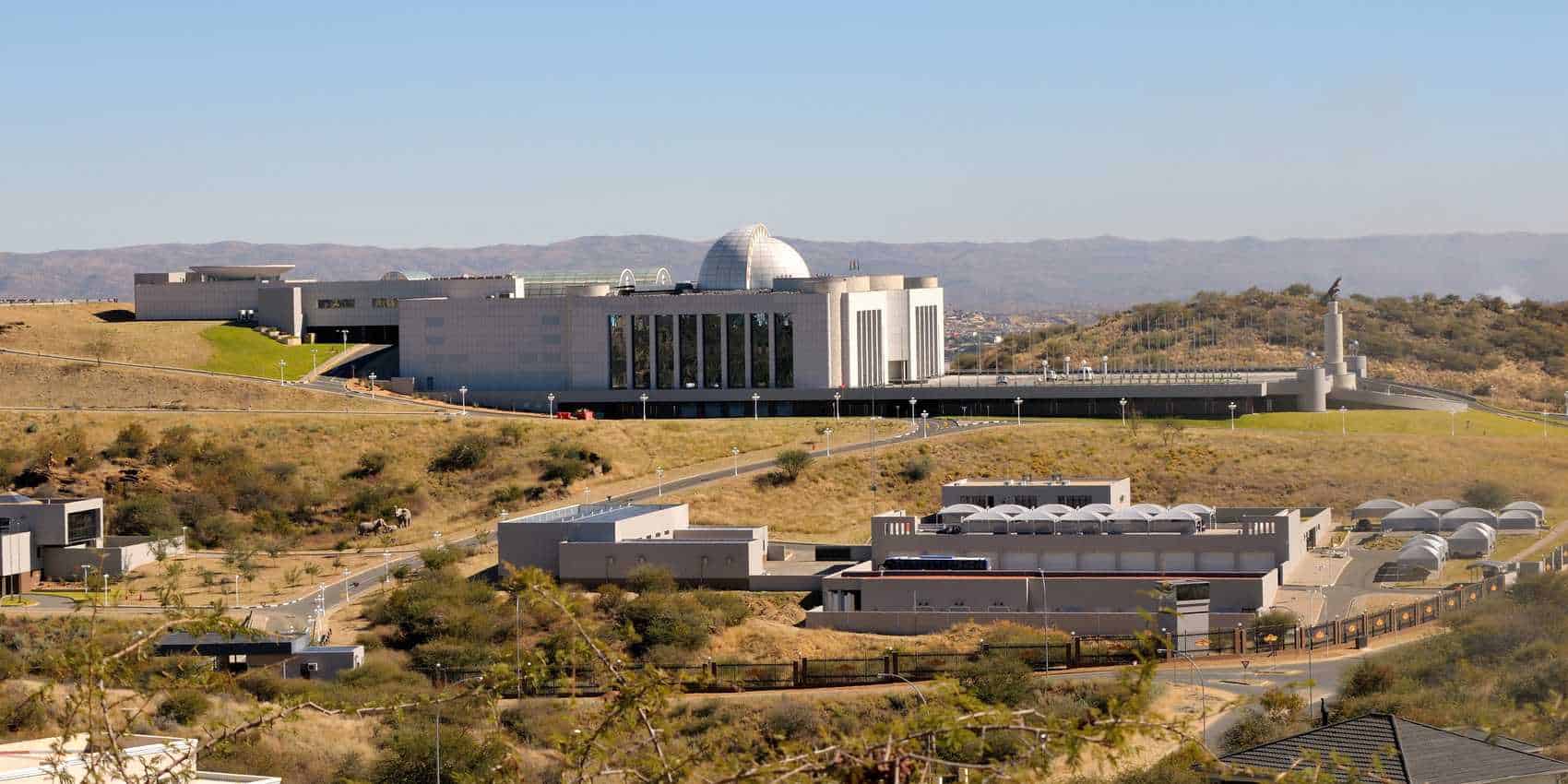
The tall Independence Memorial Museum overlooking the city was built by a North Korean firm. It’s a striking piece of modern architecture, housing a sombre but vital collection detailing Namibia’s resistance against colonial rule and the road to independence, which came in 1990.
Expert Tip: Take the glass lift to Windhoek Sky Restaurant on the top floor of the memorial museum for the best panoramic view of the city.
The German neo-Gothic church being a stone’s throw from the stark memorial museum is a visual metaphor for the city. It’s ‘old meets new’; it’s about the historical layers of a former colony building a multicultural present.
Alte Feste (Old Fortress) was completed in 1890, making it the oldest surviving building in Windhoek. It was originally a military headquarters for German colonial troops. It’s closed to the public as it has been in a state of long-term renovation, but it still stands as a silent witness to the city’s origins. The Reiterdenkmal monument is also hidden inside its courtyard.
The Tintenpalast (Ink Palace) is the seat of Namibia’s Parliament. It was so named because of the vast amounts of ink used by the bureaucrats of the early 20th century. It’s surrounded by the beautiful Parliament Gardens, a perfect spot for a peaceful stroll on Windhoek tours.
What to Expect in Windhoek, Africa
English is the official language and is spoken by most Namibians, though it’s often a local’s second or third language. Colloquially, Namibians have developed their own flavour, affectionately called Namlish.
Namlish is a mix of English words, rhythms and expressions from Afrikaans, Oshiwambo, Khoekhoegowab, Otjiherero, and other local languages.
Windhoek’s population is over 520,000, representing about 18-20% of Namibia’s total population. To really engage with the people, step beyond the city centre on tailor-made Namibia safaris from Windhoek. Here are a few must-visits.
Namibia Craft Centre: Located in the Old Breweries building, this is the best place to find high-quality, ethical souvenirs. From Himba jewellery to Kavango woodcarvings; from weavers to Herero seamstresses, it showcases the artistry of Namibia’s various ethnic groups. Tours in Windhoek usually stop here.
Penduka Women’s Project: This NGO, based on the shores of the Goreangab Dam, empowers local women through craft-making. You can watch them work on batik and embroidery.
Windhoek Highlights
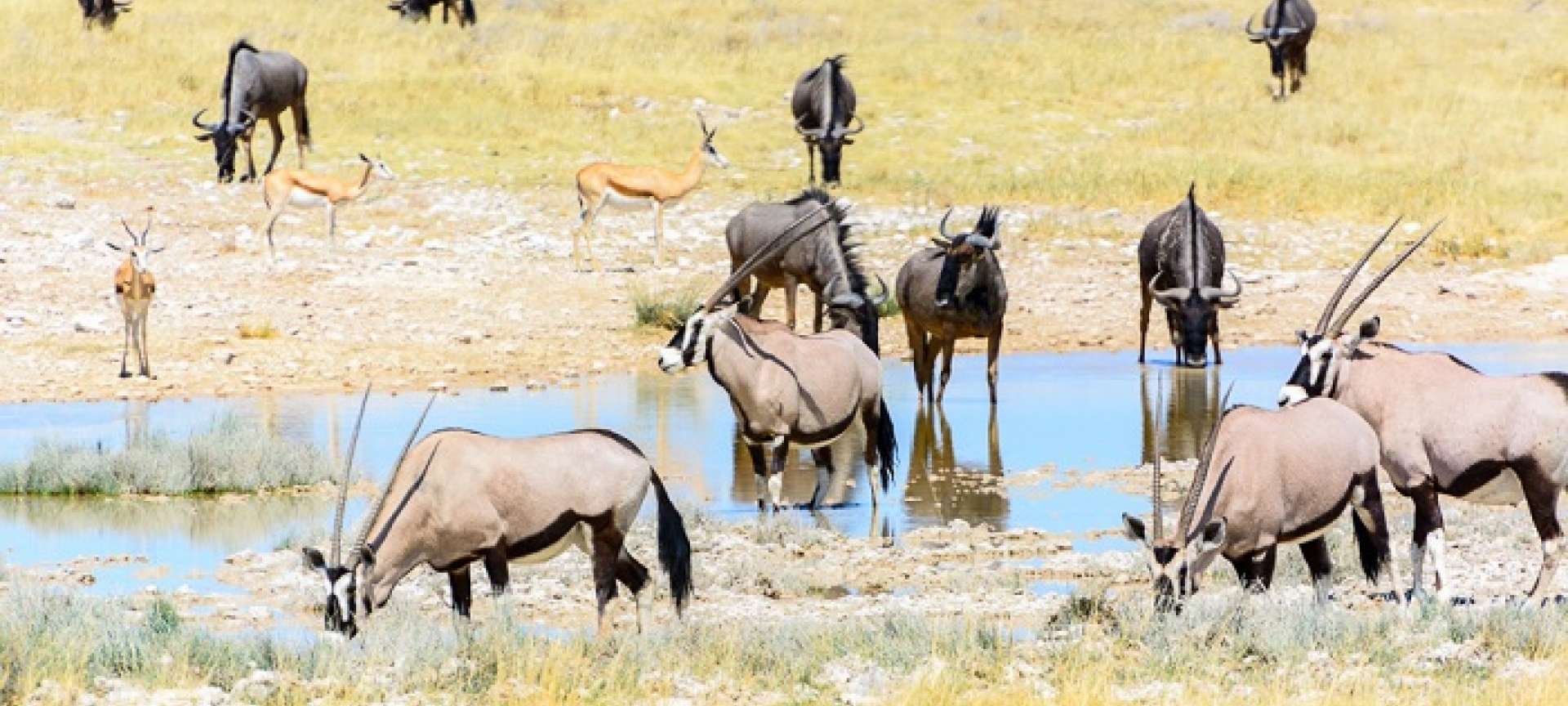
Most travellers see Namibia as a landscape of sand and stars. Windhoek provides the human context for that landscape.
It’s a clean city. Windhoek takes great pride in its maintenance and safety, making it a very walkable and approachable African capital.
It’s a multicultural culinary journey. You can eat world-class German schnitzel and drink cold Windhoek Lager for lunch, then traditional oshifima (maize porridge) and mopane worms for dinner.
Sitting at 1,650 metres above sea level, the air is crisp and the surrounding Khomas Hochland mountains offer incredible hiking and sundowner spots just 15 minutes from the city centre.
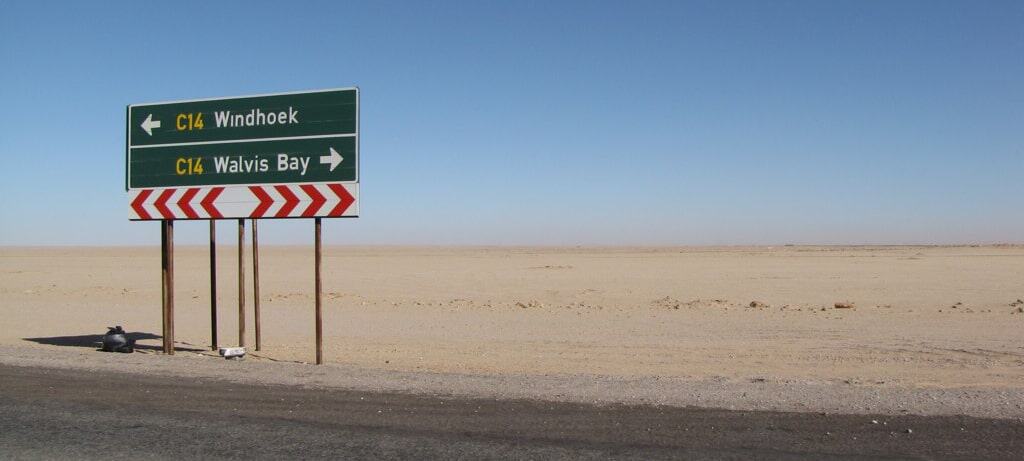
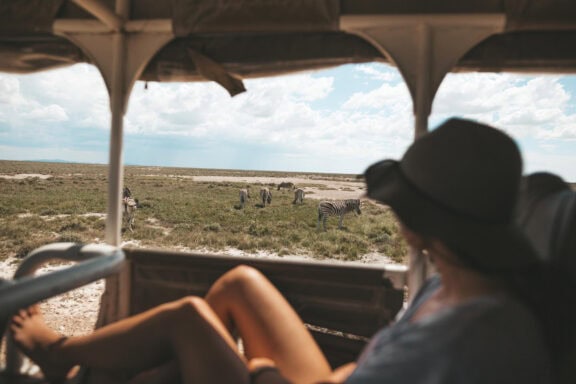
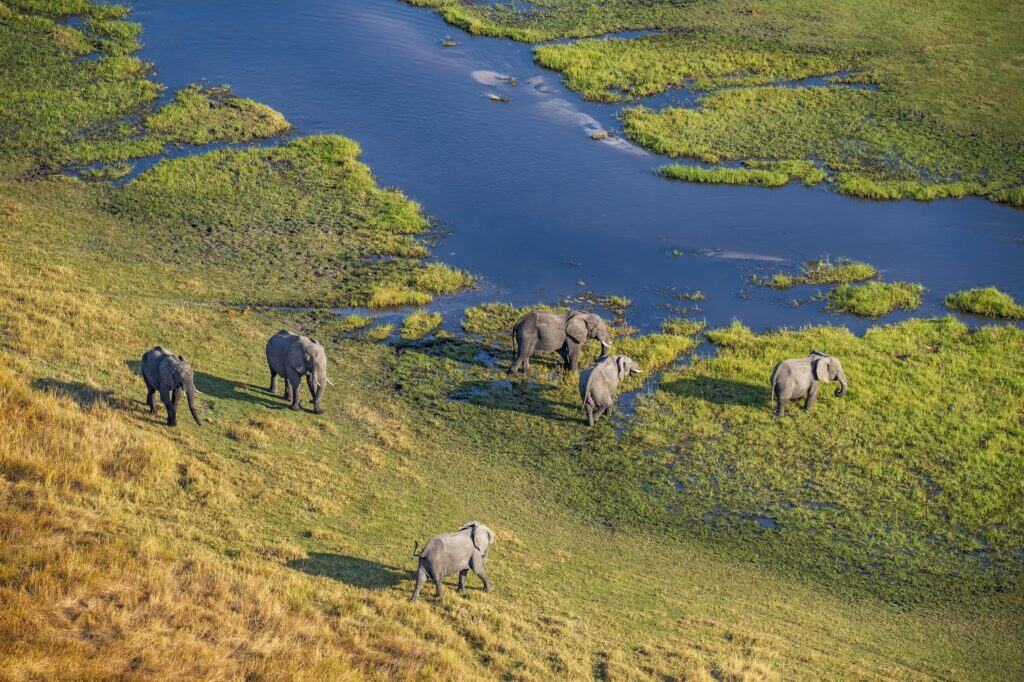
Tailor-made Namibia safaris from Windhoek make use of its status as a gateway to most of the country’s big national parks and game reserves, including Etosha and Namib-Naukluft, and coastal towns such as Swakopmund and Walvis Bay.
Most of these destinations are a few hours away by car, but if you’re going to more remote places such as the Skeleton Coast or Damaraland, take a small aircraft flight from Hosea Kutako International Airport or Eros Airport.