

 Email us




There’s a specific kind of magic that settles over the bush when the clouds gather over South Africa’s Lowveld. While many travellers eagerly anticipate the parched, dusty landscapes of winter, those seeking a raw, immersive connection with nature are aware that the Kruger rainy season brings the park to life.
For the flora and fauna of the park, it’s a time of renewal, when the air smells of wet earth and the scenery transforms into a lush, emerald paradise. If you’re looking for a Kruger park safari that feels deeply personal and real, the summer months offer an experience that is as dramatic as it is rewarding.
When is Rainy Season in Kruger National Park?
Understanding the rhythm of the park is the first step in planning a journey that feels like yours. So, first things first: when is the rainy season in Kruger National Park? It generally aligns with the hot, vibrant summer months, spanning from November through to March.
During this time, the afternoon thunderstorms are often short and intense, providing a refreshing reprieve from the heat before the sun breaks through again. On some days, the rain never stops, but you’d be mistaken to think that this takes away from the experience. In reality, this cycle of rain and sun fuels what we call the “Green Season”.
The Visual Transformation: Peak Kruger Photography
For travellers with a penchant for photography, the Kruger National Park rainy season offers a visual palette that the dry season simply can’t match. In winter, the bush is skeletal and brown, while in summer, it’s a riot of vigorous life.
1. The Emerald Landscape
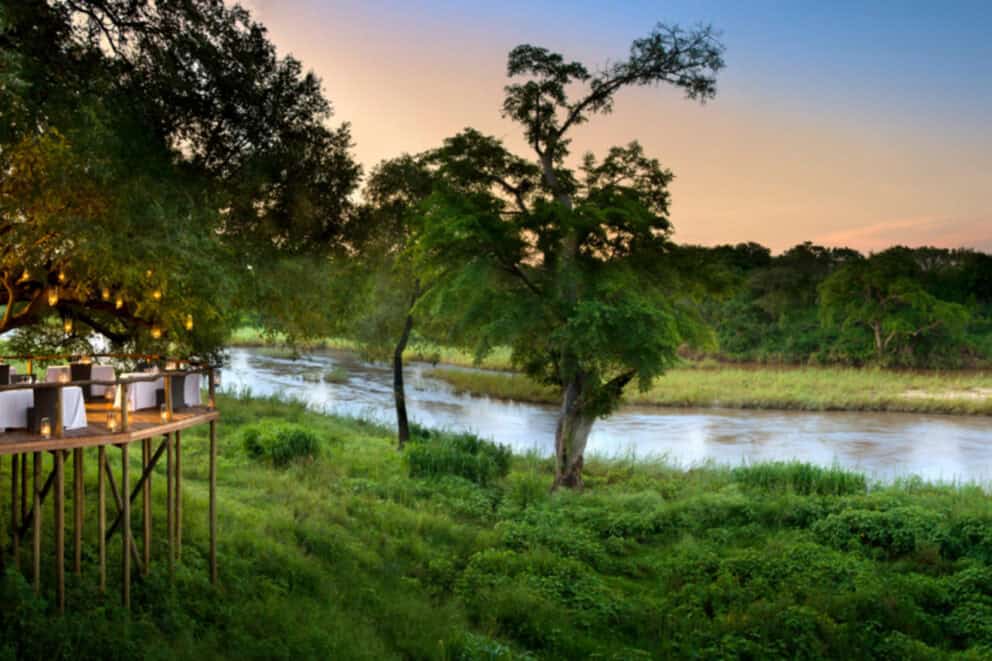
The bush transforms into every conceivable shade of green, from the deep olive of the ancient jackalberry trees to the neon-bright grass that blankets the plains. This lushness creates an excellent, photogenic backdrop that stands out from the typical “dusty” safari shots.
2. Dramatic Skies and Crisp Light
The rain acts as a natural filter, washing haze and dust from the atmosphere. As a result, the light is exceptionally crisp, which makes colours pop. Towering cumulonimbus clouds add a sense of scale and drama over the horizon, occasionally followed by rainbows that arch over the landscape as the storm passes.
3. Rivers in Full Flow
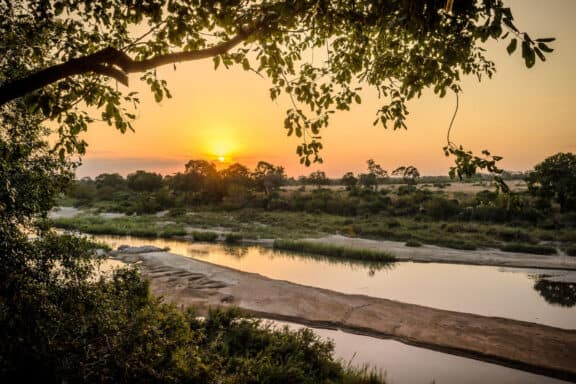
Witnessing the park’s most vital arteries come to life is a humbling experience. Rivers like the Sabie and Olifants swell into powerful, rushing torrents during periods of heavy rain, sweeping above treetops in a stunning display of raw natural power. This abundance of water creates new life in every corner, as seasonal streams that remain dry for most of the year suddenly begin to flow, attracting wildlife to unexpected places.
Remarkable Sightings
We often tell travellers that wildlife is harder to find when the grass is longer. While it’s true that animals don’t always congregate around limited waterholes like they do in winter, the sheer volume of life during the rainy months is staggering – and spectacular in its own right.
The Season of New Life
This is the season of plenty. You may encounter nurseries of baby impalas taking their first tentative steps – a moment of pure, raw vulnerability. You might even see wobbly-legged elephant calves protected by a wall of grey trunks, or tiny, curious hyenas peering from the safety of their dens as their matriarchs watch on. The smell of rain in the air makes it even better to watch a newborn calf find its feet for the first time.
Unique Wildlife Behaviours
The rain brings out behaviours you’ll rarely see in the drier months, offering a deeper look into the survival instincts of Africa’s predators and prey:
- The Search for Shelter: You might find a pride of lions or a pack of African wild dogs huddled together under the thick canopy of a tree, seeking refuge from a heavy downpour.
- The Struggle for Flight: Birdlife takes on a new dimension. You’ll see vultures perched on skeletal branches, wings spread wide in an attempt to dry their ruffled, wet feathers as they wait for the thermals they require to climb into the sky.
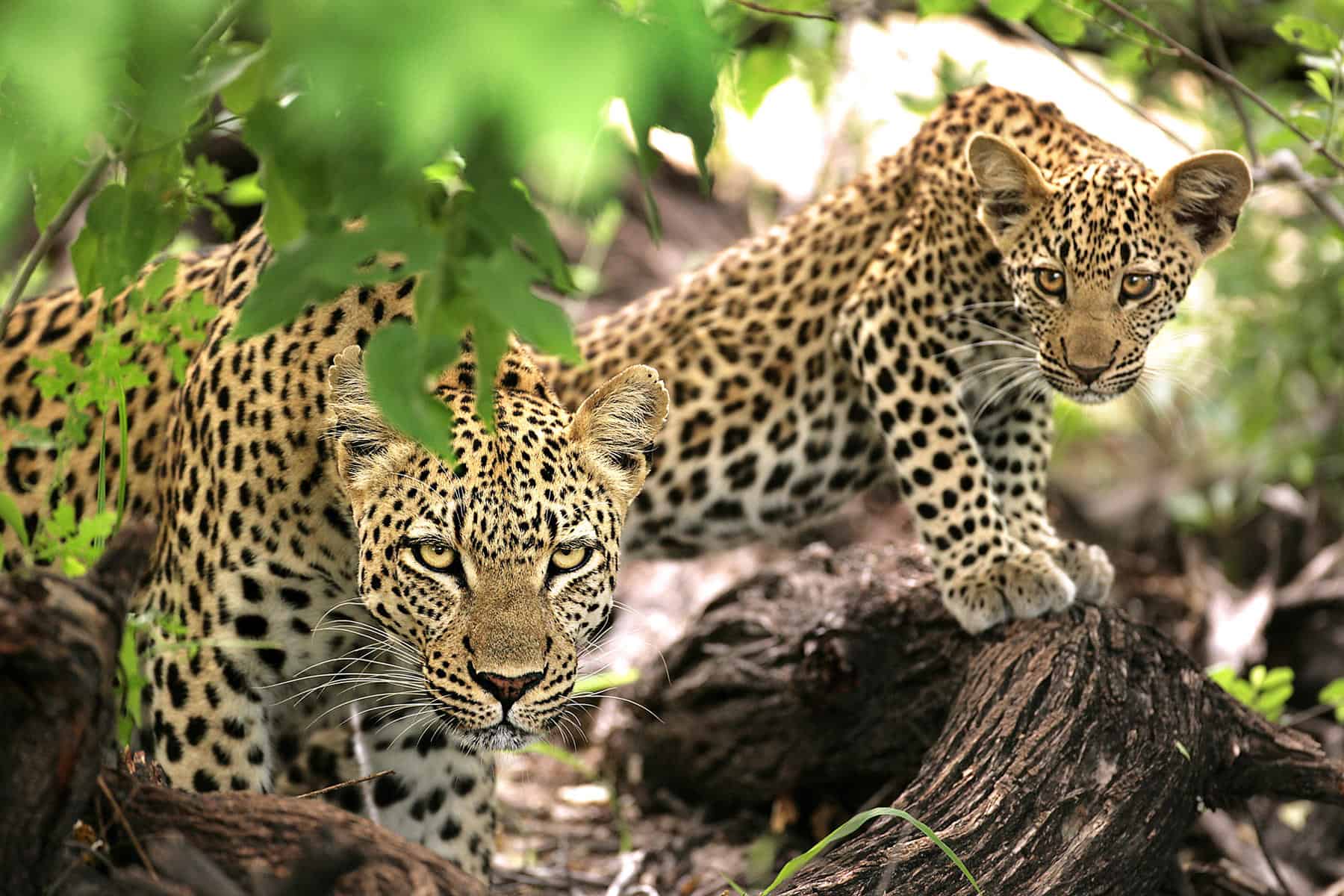
- Elusive Cats on the Move: With the ground cooled by the rain, even the most heat-sensitive predators are active. In fact, you could even find a cheetah or leopard right next to the road, moving comfortably in the cooler temperatures and seeking shelter on higher ground.
- Feasting on the Bounty: Parrots and other fruit-eating birds are often found feasting on the abundance of fruit. At this time of the year, their vibrant plumage contrasts beautifully against the dark, wet wood.
A Birder’s Paradise
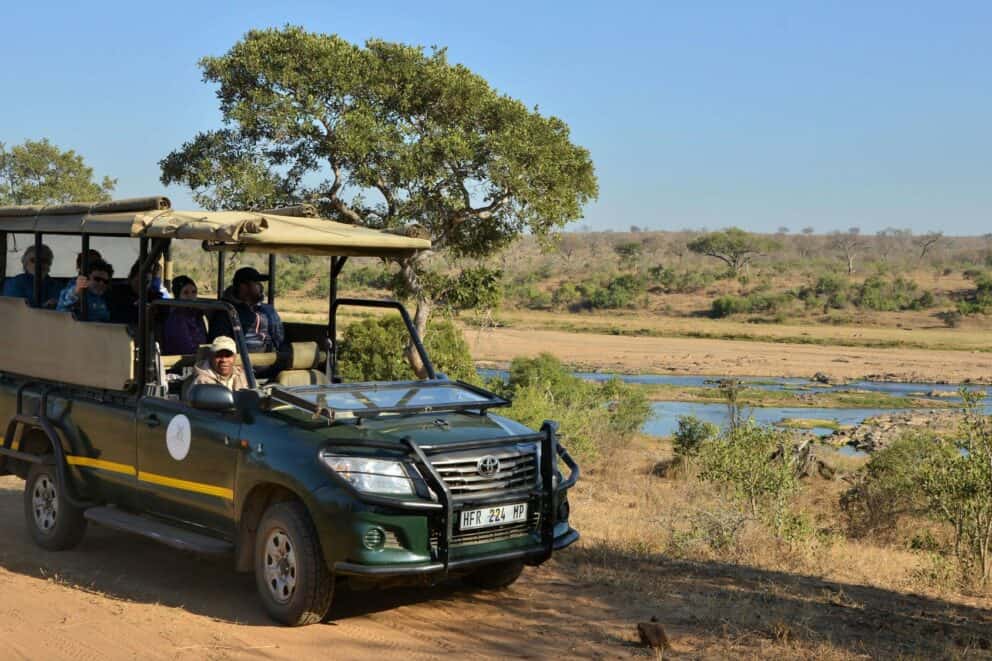
If you’ve got a passion for birding, this season is incomparable. Migratory species return in their thousands, and the bush is filled with song. From the haunting call of the woodland kingfisher to the vivid colours of the European roller, the park becomes a living aviary. The wet weather adds a new dimension to bird photography, capturing the texture of wet feathers and the intensity of the summer plumage.
The Advantages of a Green Season Safari
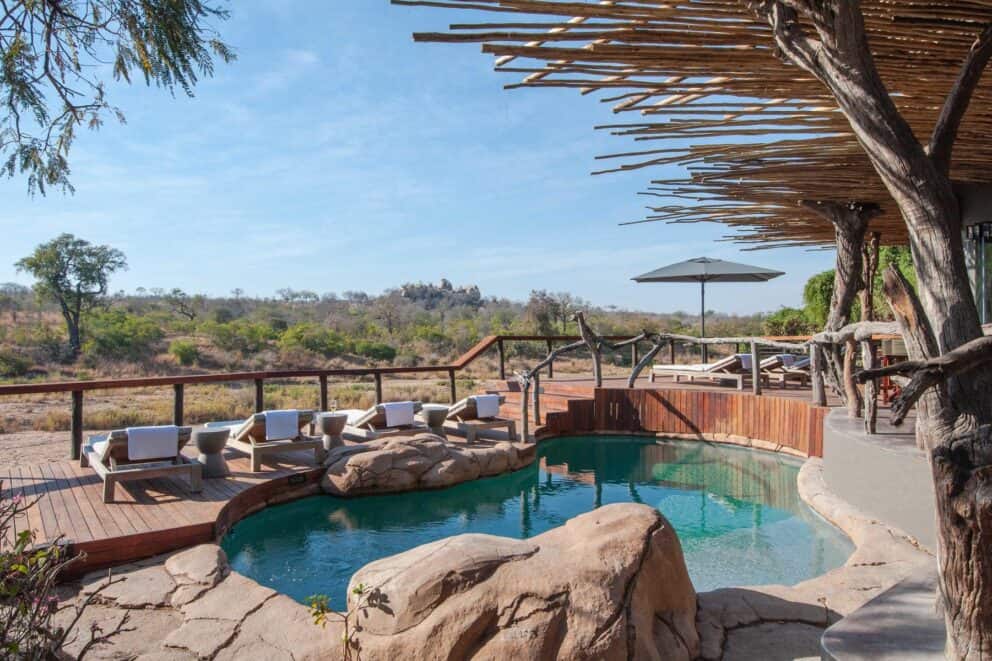
Choosing to visit during the rainy months adds a layer of exclusivity and ease to the experience:
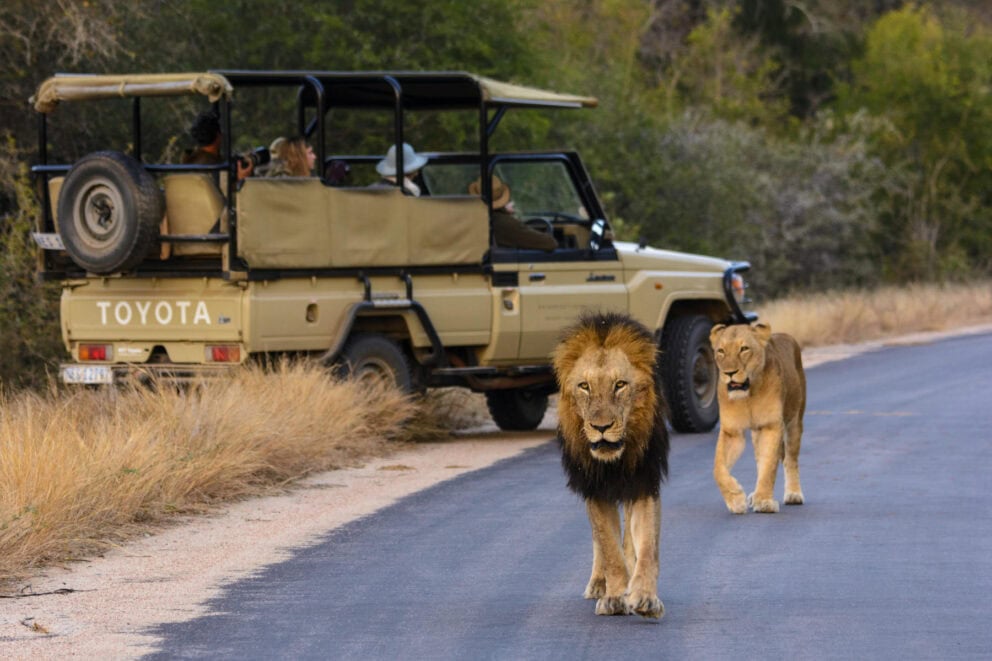
- Quiet Roads: With fewer visitors than in the peak winter months, you’ll often find yourself at a sighting with no other vehicles in range. This enables game-viewing vehicles to get closer, providing a quiet, uninterrupted connection with the animals.
- No Gate Queues: For guests visiting from outside the park, the usual long queues at the gates are often non-existent. You can enter the wild quickly, starting your dream safari without an extended wait.
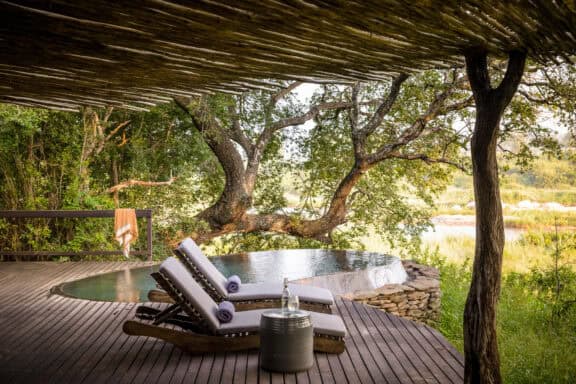
- The Tempering of the Heat: While summer can be sweltering, the regular rainfall breaks the humidity and cools the air. There’s something inexplicable about watching a thunderstorm roll across the plains from the safety of a lodge veranda, as you feel the temperature drop and the earth breathe.
Where to Stay: Immersive Luxury in the Heart of Kruger
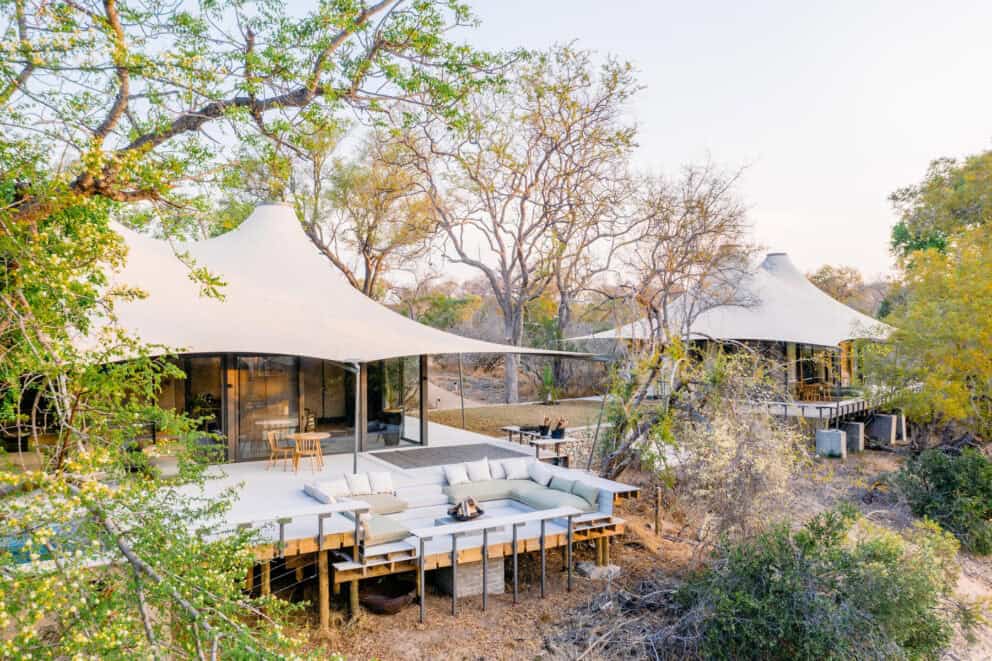
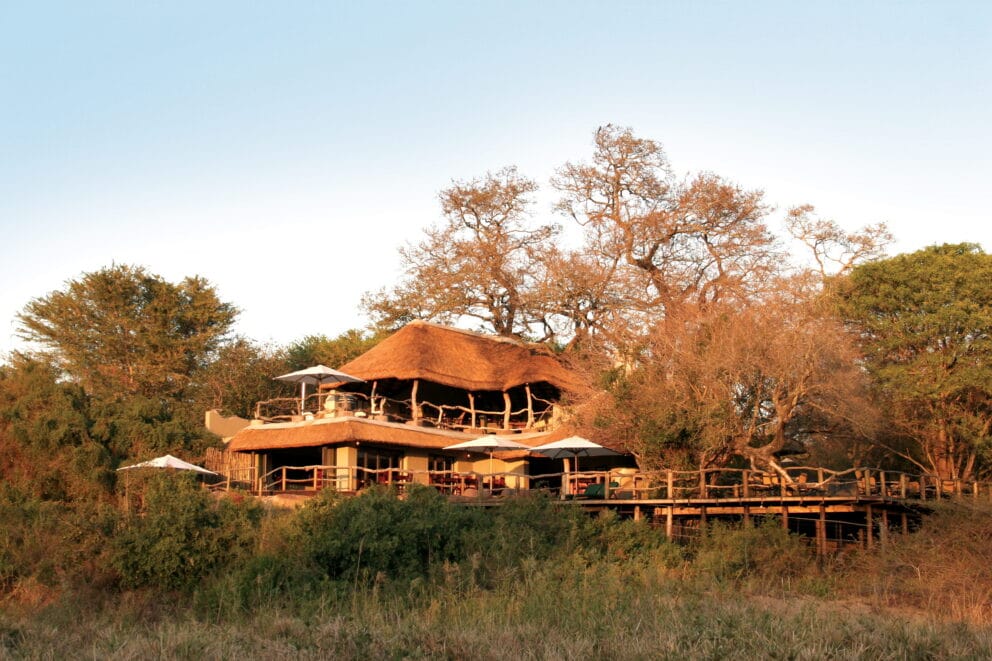
To truly experience the soul of the rainy season, we recommend staying in lodges that embrace their natural surroundings and offer front-row seats to the changing landscape:
- Jock Safari Lodge: Where the Mitomeni and Biyamiti rivers meet, Jock Safari Lodge offers guests a deep sense of history and seclusion. During the rainy season, the confluence of these rivers becomes a focal point for wildlife activity.
- Inyati Game Lodge: Situated in the world-renowned Sabi Sands region, Inyati provides incredible views of the Sand River, which bursts into life during summer. Watching the river rise from the comfort of the lodge is a powerful reminder of nature’s cycles. After all, there’s no dry season without the wet season.
- Saseka Tented Camp: For those who want to synchronise with the pulse of the bush, Saseka’s elevated tents in the Thornybush Reserve offer a sophisticated way to hear the rain on the canvas and the roar of the river nearby.
Let’s Craft Your African Chapter
Kruger National Park is a place of constant change, and the rainy season is perhaps its most crucial phase. It’s a time for those who want to see the wild not just as a gallery of animals, but as a living, breathing ecosystem in its most vibrant state.
Ready to see Africa through a different lens? Let’s start designing your journey and find the perfect moment for your Kruger story to begin.

Written by Micky Baker
• Travel Writer
 Blog List
















Written by Micky Baker
• Travel Writer
Part of the South Africa Safari, Big Five Safaris & African Photo Safaris Collections