

 Email us




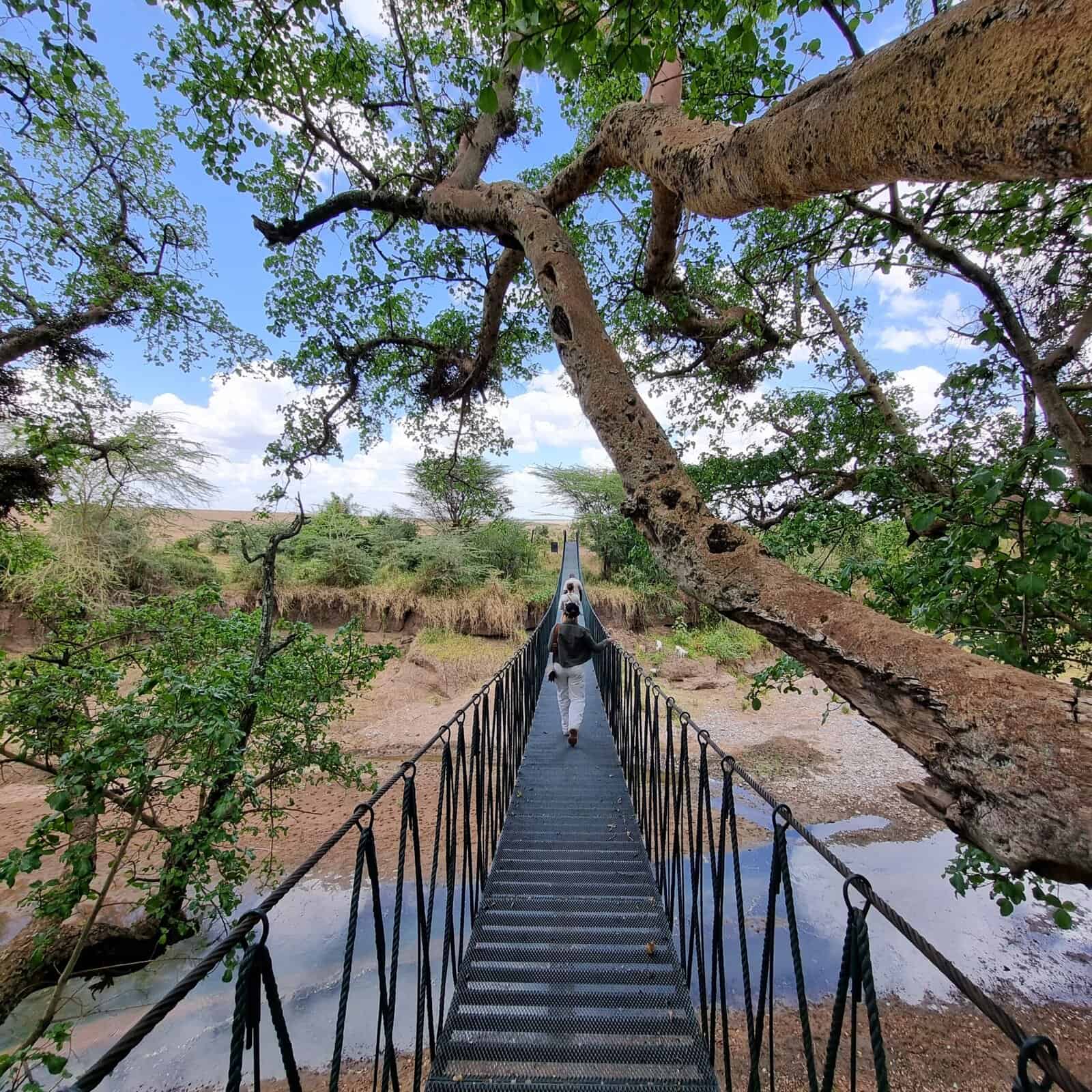
There is a specific kind of stillness that only exists in the Kenyan bush. It’s a quiet that’s only punctuated by the rustle of dry grass, the distant call of a bird, and the soft crunch of sand underfoot. This is the world of rhino tracking in Kenya, the Samburu Special Five, cultural authenticity, and bigger and better wildlife sightings.
For safari expert Megan Warrington, her recent trip through Kenya’s conservancies wasn’t about the polished marble of luxury suites; it was about the raw, heart-pounding experiences found there. For a traveller looking to bypass the crowds in search of the rare and uncharted, let this serve as an inspiration for your next travel story.
Walking with Giants: Rhino Tracking in Kenya
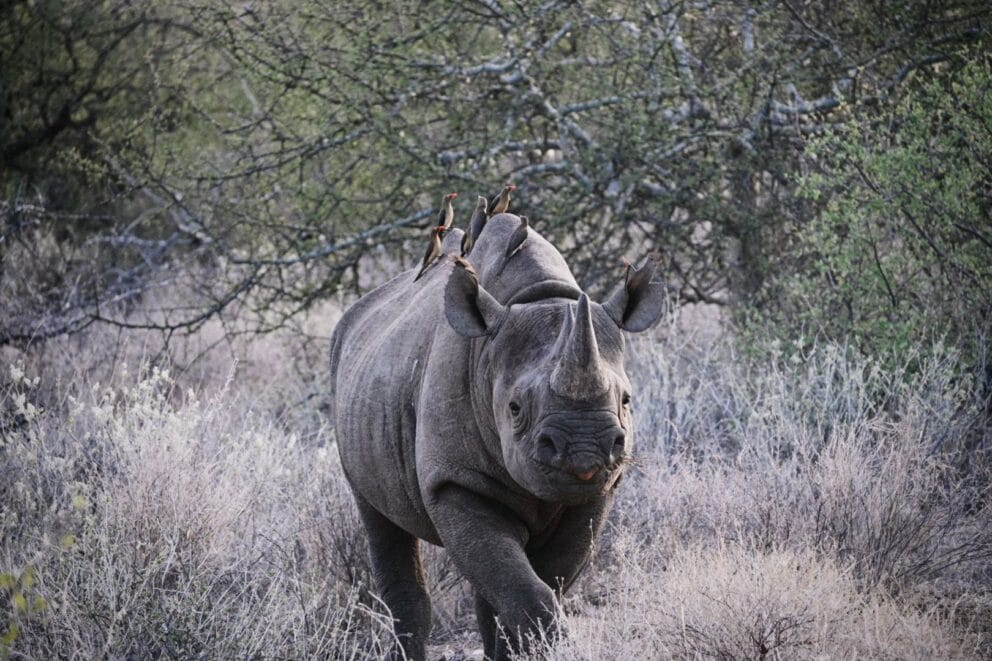
“It’s a little bit more of a rustic destination,” Megan notes, reflecting on the rugged charm of Saruni Rhino, one of the few camps in Africa offering a once-in-a-lifetime rhino tracking experience. “But it’s more about the activities than the actual lodge. It’s definitely a unique, memorable experience.”
Set within the vast Sera Conservancy – Kenya’s first community-owned and run conservancy – Saruni Rhino has been offering this special activity for over ten years now, following a welcome growth in the local rhino population. This conservation success became an extraordinary example of community-managed conservation.
With this experience, the day begins long before you even hit the road. While you’re cuddled up in your suite and the camp is quiet, local rangers are already on the move, scouting the terrain to get a general idea of where the rhinos are located.
“They’ve got certain waterholes within this little sanctuary. And then in the mornings, they would go from the waterhole, and they would see where the tracks are, and they would track the rhinos. So, by the time you get there, they have an idea in which direction the rhinos have gone for the day,” Megan explains.
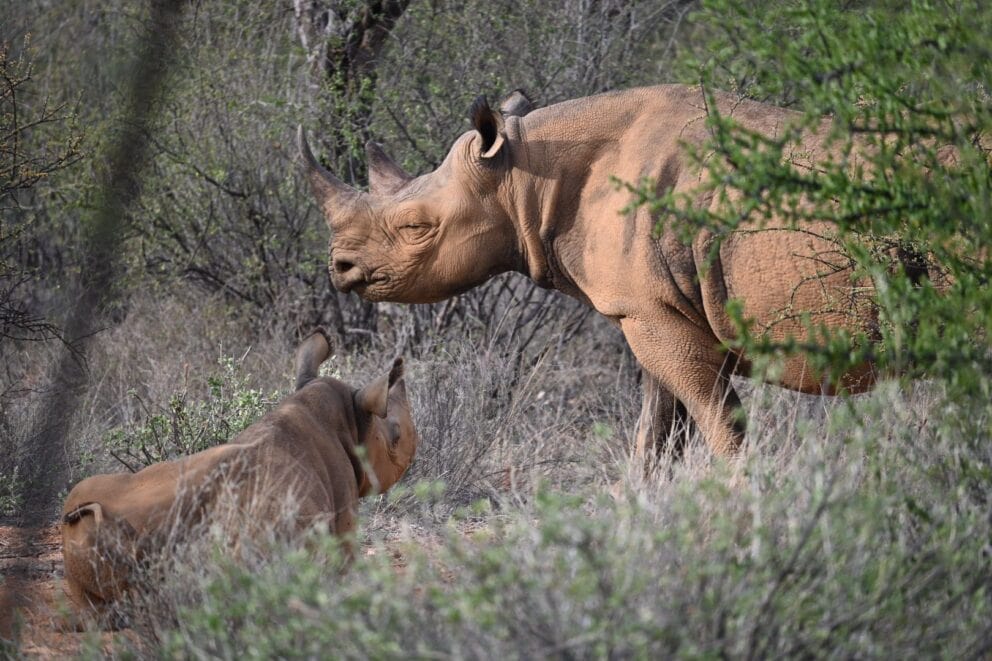
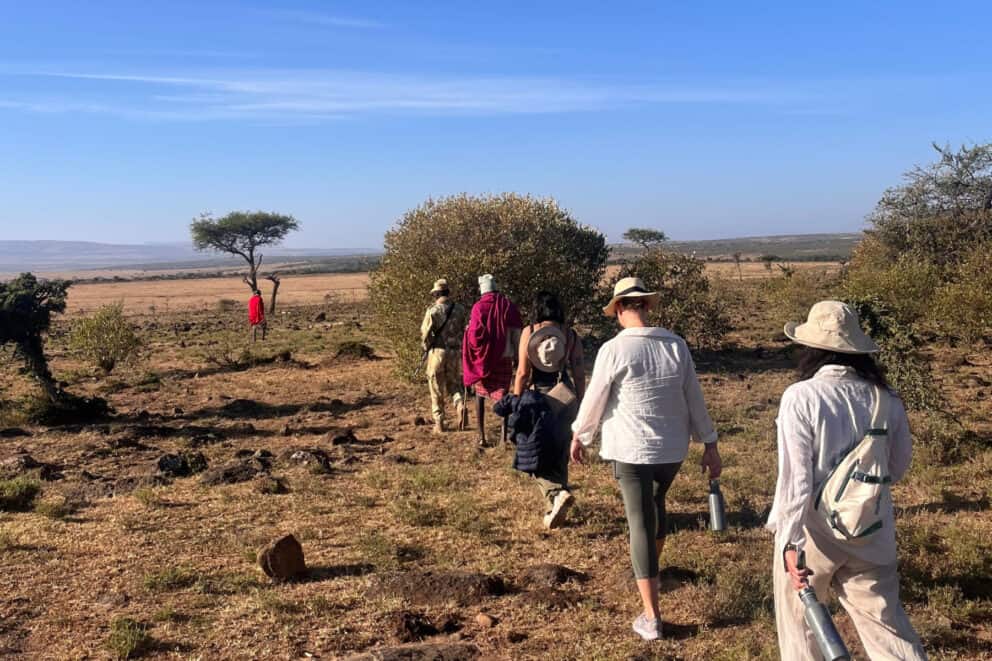
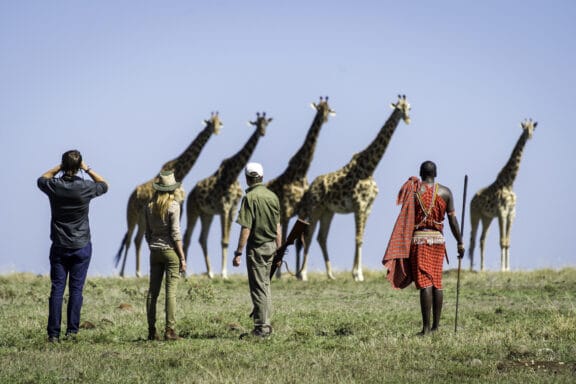
The conservancy doesn’t use tracking devices to locate their rhinos. Instead, they are monitored on foot. After driving to a nearby point, Megan and her guide abandoned their vehicles and continued the rhino tracking on foot. They searched for signs of the rhino’s presence, from dung to broken sticks and footprints. The subjects of their track weren’t far off…
“We actually managed to do two tracks in one morning,” Megan says. “You walk through the bush with the rangers and the guide, and once you find the rhinos, you spend a few minutes with them.”
Standing on the same ground as a prehistoric giant, feeling the crunch of sand underfoot and hearing the rhythmic breath of a rhino just metres away is a transformative experience. Following this encounter, you will receive a certificate showing which rhinos you tracked and where you saw them, a documented testament to a conservation milestone.
The sanctuary, which was only established in 2015 following years of relentless poaching, began with just ten black rhinos. However, thanks to over a decade of community conservation work, that figure has now increased to over 20 black rhinos.
In 2024, white rhinos were also introduced, with a calf being born shortly after. Sera Conservancy’s rhino population now boasts an impressive 16% annual growth rate with zero poaching.
This is something your rhino tracking Kenya experience will actively contribute to. Rhino tracking in Kenya isn’t just about the adventure; it’s about involving participants in vital conservation efforts. Sera Conservancy also ensures that conservation transfers to the local population as well, providing stable incomes for many families who work there. By participating in rhino tracking, you’re directly contributing to the well-being of not just the wildlife, but the community that keeps them safe.
The Samburu Special Five
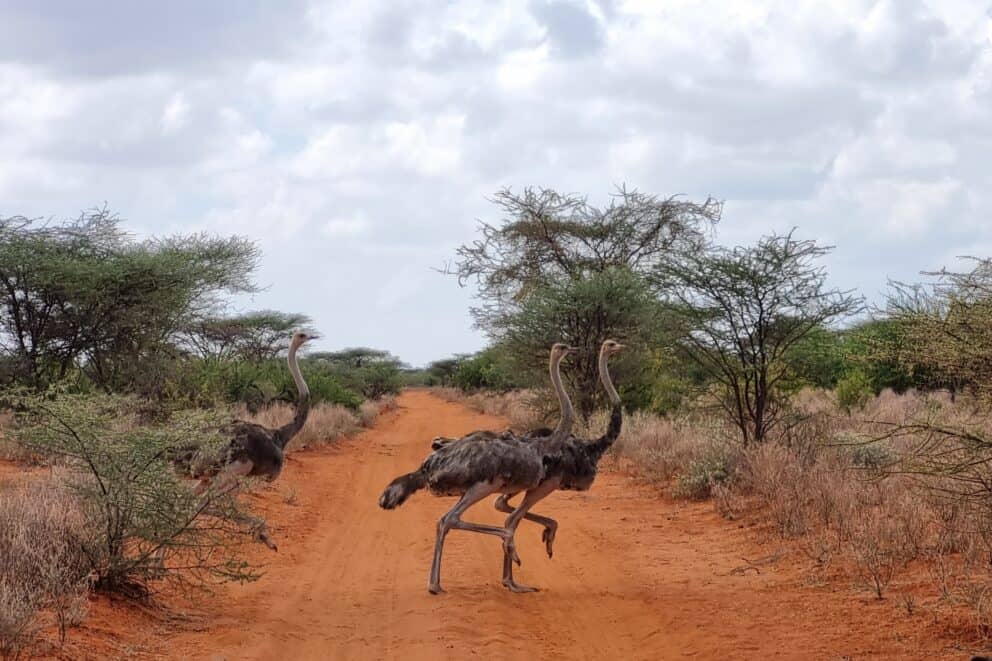
While you can see the Big Five across Kenya’s national parks and reserves, the Samburu conservancies offer other treasures. This arid region is home to the Samburu Special Five – species specifically adapted to this northern, arid terrain – that you won’t find in Kenya’s other parks.
The Samburu Special Five include the reticulated giraffe, Grevy’s zebra, the Beisa oryx, the Somali ostrich, and the gerenuk. While they may not be as widely known as the Big Five, they are certainly much rarer, making sightings much more rewarding.
Rare Encounters in the North
Perhaps the most unique of the five is the gerenuk, often called the ‘giraffe-necked’ gazelle. “It almost looks like an impala, but it’s just got a long neck,” Megan explains. It’s famous for its ability to stand tall on its hind legs to reach the tender leaves of acacia trees that other grazers can’t touch.
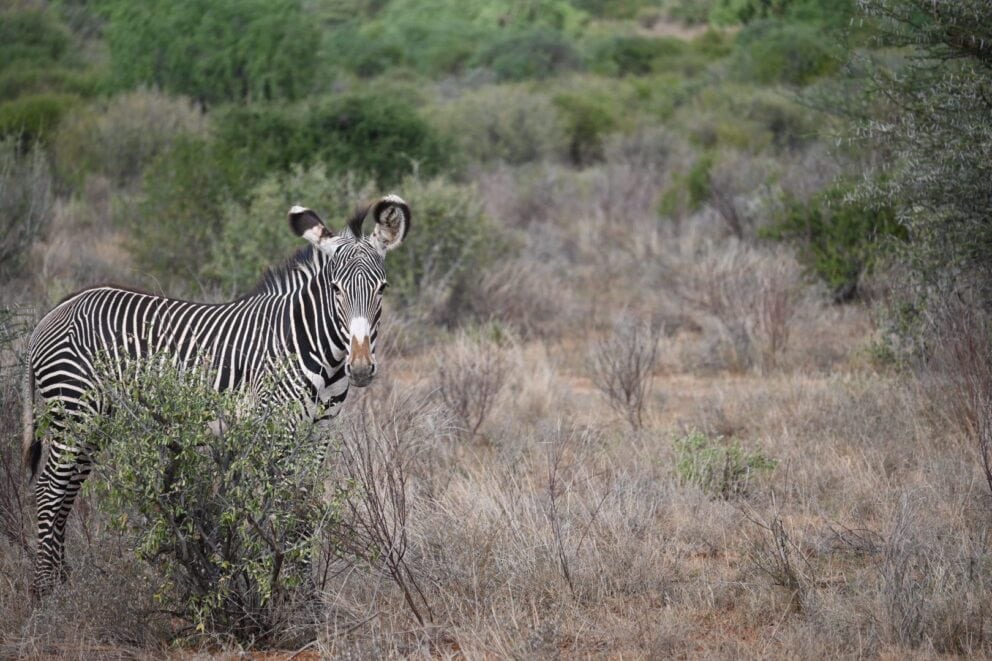
Grevy’s zebras are the largest – and most endangered – of all equines, and their appearance is regal. Megan notes that they have “stripes that are a little bit closer together”, giving them a finer, more detailed look compared to the common plains zebra.
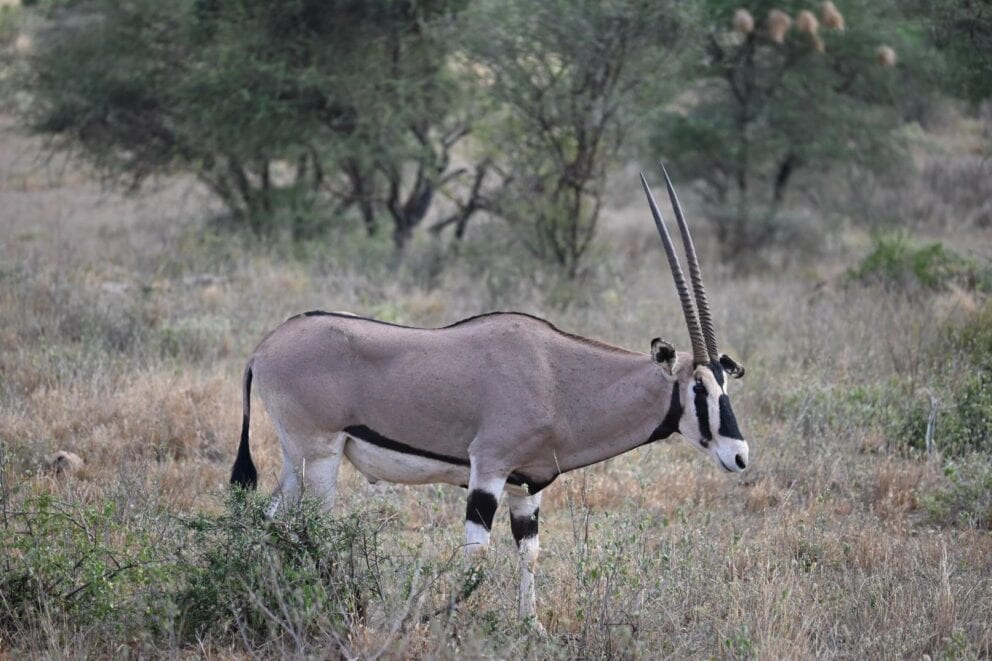
Meanwhile, the beisa oryx is an elegant antelope built for the desert, with a striking grey coat and long, rapier-like horns. While related species exist elsewhere, the beisa is a distinct hallmark of East Africa.
If you’re an avid birder, the Somali ostrich will be an exciting addition to your sightings. These birds may be large, but they are elusive. Unlike the common ostrich, the males of this species have distinctive blue-grey necks and legs, which become bright blue during the mating season.
And finally, there is the reticulated giraffe, whose appearance is remarkably different from their southern counterparts. Its coat features large, liver-coloured polygons separated by sharp white lines, creating a striking geometric pattern.
While you can find their much more numerous counterparts in other parts of Africa, Megan says that the Samburu Special Five are perfect for something “different”, as “they’re not found anywhere else”. Most first-time safari-goers concentrate on the Big Five – which are iconic in their own right – but Megan notes that the uniqueness of these sightings and the area is definitely something special.
As for bragging rights, they don’t come much better!
An Authentic Connection
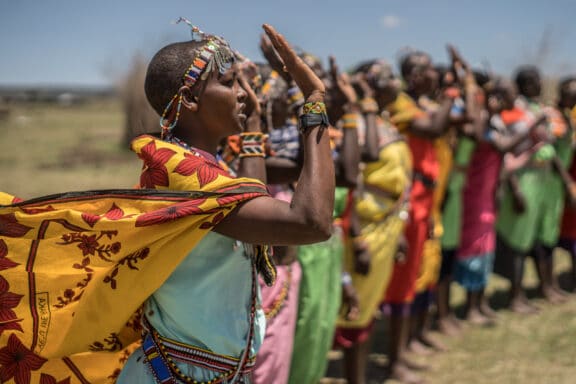
For Megan, the highlights weren’t just the wildlife, but the people. In an era where cultural visits can often feel staged, the Samburu village stood out for its sincerity.
“The Samburu village is still very authentic,” she recalls. “Yes, the kids might have modern shoes or (modern) clothes, but they still live the way they would have 10 or 20 years ago. They still herd the cattle… they still live in the same huts.”
The sense of authenticity is woven into the very fabric of the village. Saruni’s camps, all situated on community conservancies, directly contribute to the livelihoods of the locals. Megan saw this impact firsthand with her visit to the Enjoolata Community Centre during her stay at Basecamp Masai Mara.
“They’ve got ladies there that are doing beadwork or material work, and the items that they make there get distributed between the camps. They’ve each got a code. So if the camp sells a pair of earrings, it’s got a number on it, and they know that number belongs to that person, so they get a portion of it. Some of it goes back into the community centre to buy materials, so it’s really good,” Megan says.
This is all a part of the centre’s Basecamp Maasai Brand workshop, a fair trade certified initiative that supports nearly 200 local Maasai women, providing them with a space to apply their traditional beading and leatherwork skills to create high-quality handicrafts.
As Megan explains, the system is designed for transparency, ensuring that the artisan receives her cut of the sales directly.
Not only is the community centre a good place to buy some curios, but it also serves as a hub for culture, history, and conservation.
Memorable Moments
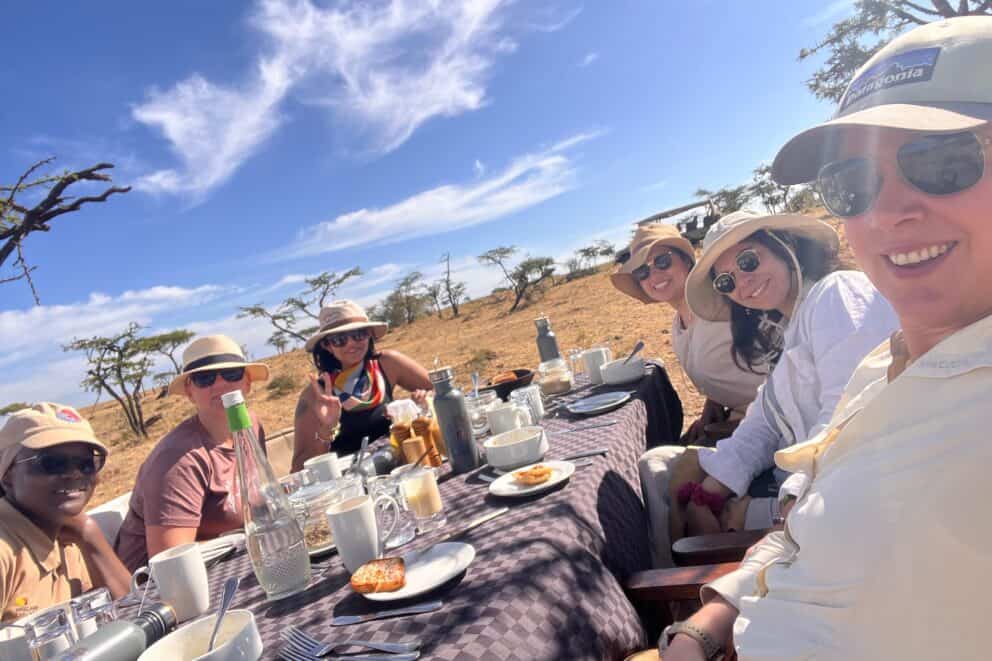
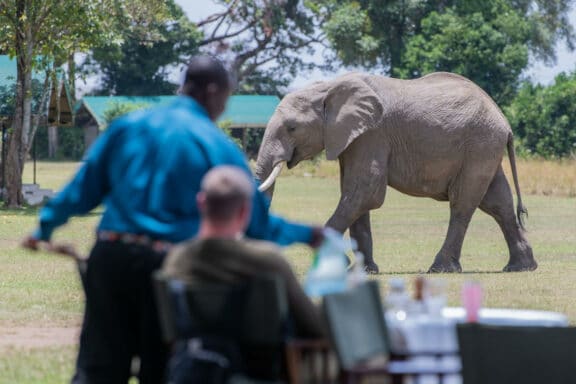
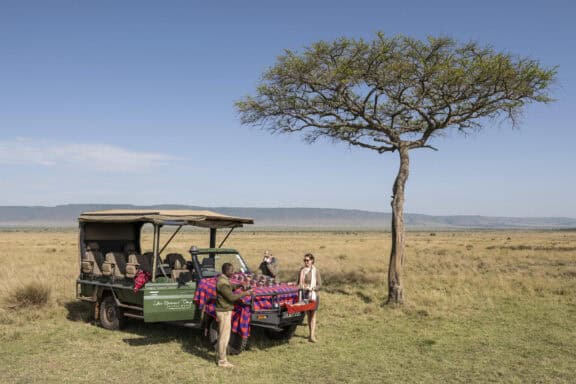
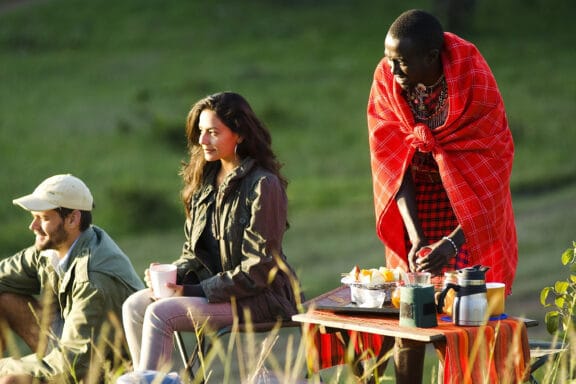
For Megan, even in the “rustic” wilderness, there was room for magic. One morning, after a long trek through the bush, her group was surprised with a bush breakfast.
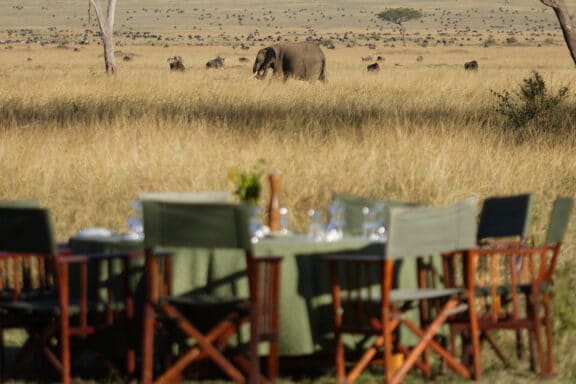
“We did a bush breakfast where we went on a morning walk, and then you get to a point, and they’ve set up breakfast,” she said. “It’s definitely a surprise element.”
Later on, they also had a bush dinner, eating under a canopy of stars with song and dance around the fire. It wasn’t just a meal; it was a celebration of the land they had spent all day exploring.
The hospitality remained quintessentially Kenyan – full of surprise and precision. Luxury here isn’t found in gold taps, but in the distinction of the service.
“There were no buffets,” Megan says, highlighting a key detail for those who value excellence. Instead, every meal was plated and personalised, offering a sophisticated choice of starters and mains even in the heart of the wilderness.
Megan’s Kenya Safari Advice
To make the most of your trip to these hidden gems, Megan suggests keeping a few practicalities in mind:
Best Time to Travel
Timing is key, and travelling during the dry season means wildlife will be easier to spot, and your safari won’t be dampened by inclement weather.
“I would definitely say from June to October-ish. That’s the drier season when the wildlife is easier to spot.”
Embrace the Journey – On Small Aircrafts
Getting to these conservancies, often tucked away in the most remote corners of Kenya, is no easy feat and requires careful planning and preparation. It often involves hopping on a light aircraft or small bush plane – which often makes multiple stops until you reach your intended destination.
“One day we had four stops travelling from one lodge to the other!”
It’s also important to note that bush planes have strict luggage regulations, with most only allowing soft-sided luggage that weighs no more than 15–20kg (33–44 lbs).
The Essentials
While the risk is somewhat low in certain areas, a yellow fever vaccination is a requirement for travel to Kenya. The country is also considered to be a malaria-risk area. It’s better to be safe than sorry, and while regulations may change in response to outbreaks or regional shifts, for peace of mind, consult with your doctor early for malaria medication and get the yellow fever vaccine well ahead of your trip.
Plan Your Rhino Tracking Kenya Adventure
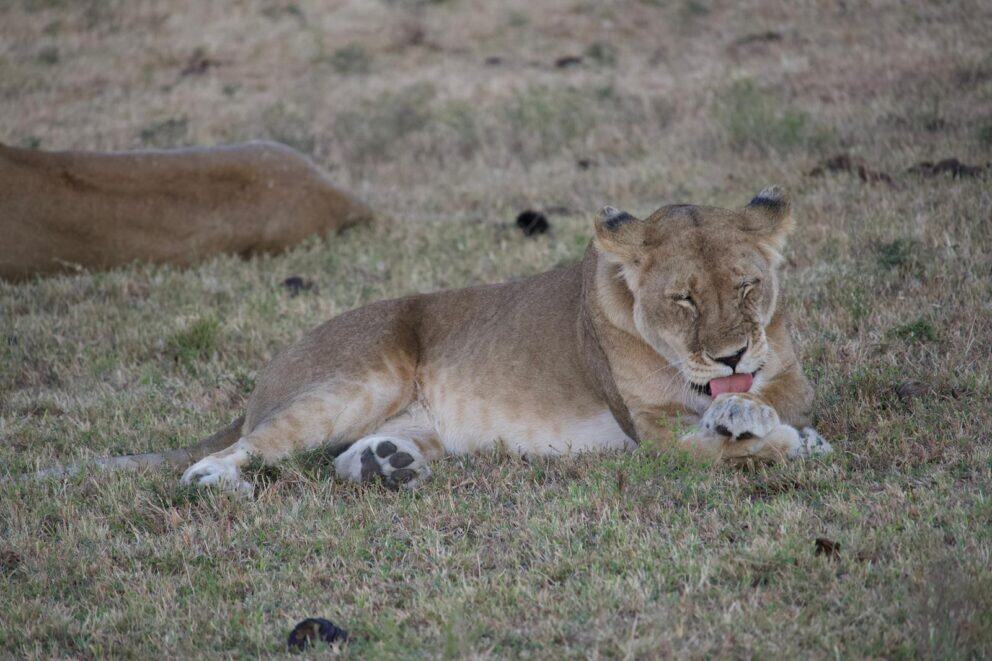
For Megan, the takeaway was simple. Whether you’re tracking rhinos on foot or watching a pride of 20 lions in Naboisho, Kenya demands that you arrive with an open heart. Her final word of advice? “Just be excited and ready!”
Are you ready to start your Kenya journey? Get in touch with one of our safari experts today and start planning your own rhino tracking adventure!

Written by Thaakiera Ackerdien
• Travel Writer
 Blog List












Written by Thaakiera Ackerdien
• Travel Writer
Part of the Kenya Safari, Rhino Safaris & African Big Cats Safaris Collections