

 Email us




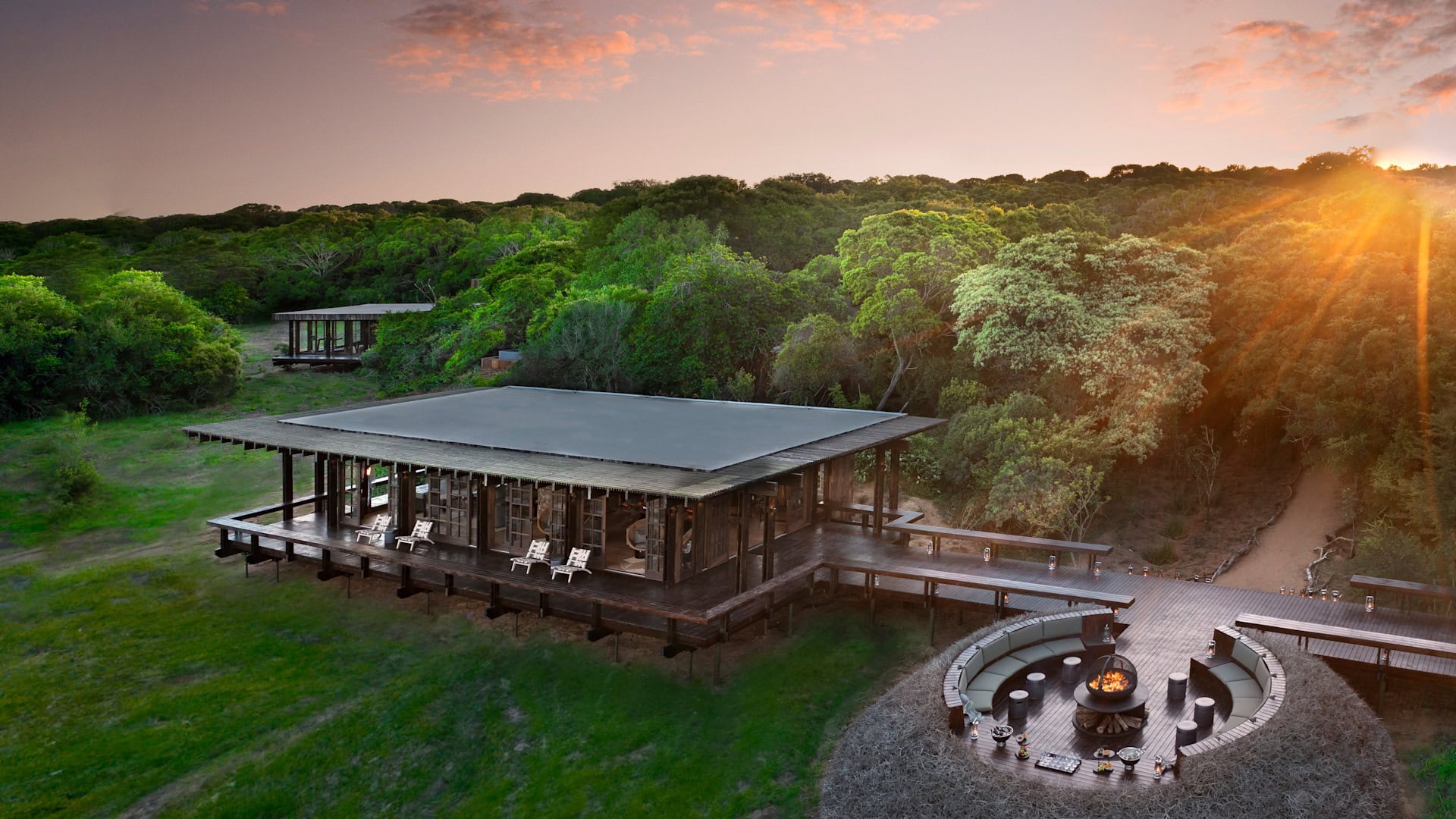
The magic of an African safari is undeniable – the golden light over the savannah, the silent power of a pride of lions, and the profound stillness of the wilderness. But for the modern traveller, this beauty comes with a responsibility.
You aren’t just looking for a holiday; you’re seeking a journey that aligns with your values and leaves a lasting, positive mark on the world. Navigating the world of African safaris through the lens of sustainable travel means looking beyond the glossy brochures to find experiences that truly honour the land, the wildlife, and local communities.
The Philosophy of Sustainable Travel
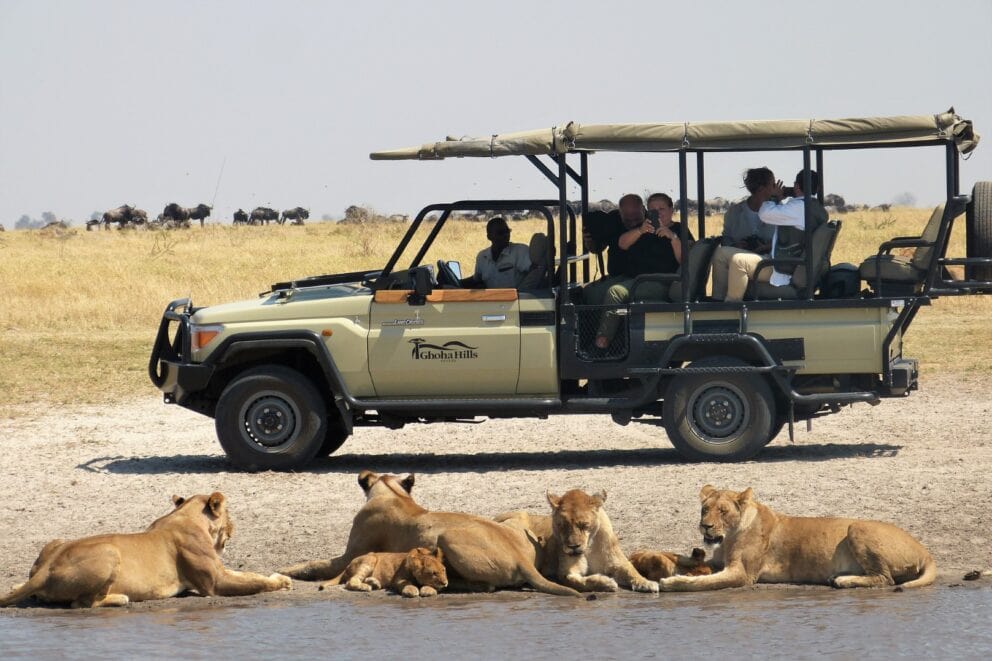
Sustainable travel can be simply defined as responsible travel to natural areas that helps conserve the environment, protect wildlife, and improve the well-being of local communities. At Discover Africa, we believe that sustainable travel and African safaris should serve as a catalyst for positive change, as a bridge between cultures, and as an essential tool for conservation efforts.
This philosophy rests on the idea that our presence in wild spaces should lead to both personal transformation and a positive impact on the destination. When done correctly, an ethical African safari becomes a powerful engine for change.
It funds the protection of endangered species, provides dignified livelihoods for local communities, and preserves vast ecosystems that might otherwise be lost to modern development.
However, the line between genuine conservation and “greenwashing” can sometimes be thin. A truly sustainable African safari doesn’t just “do no harm”; it actively contributes to the restoration of nature and the empowerment of the people who live alongside it.
What to Support: The Pillars of Ethical Travel in Africa
These are the hallmarks of genuine sustainability and best practices that ensure your presence in the wild is a gift, not a burden.
Positive Local Community Impact
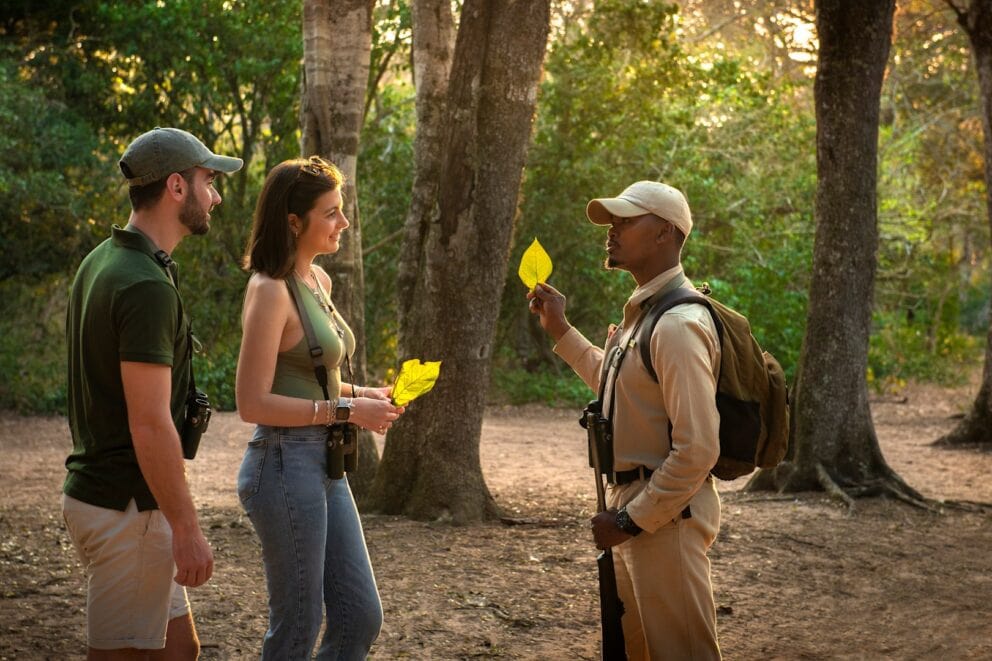
Look for lodges and operators that partner directly with local communities, such as those in the Masai Mara or the Okavango Delta. When the people living near wildlife have a financial stake in its protection – often through employment and revenue-sharing models (private conservancies and community-owned concessions) where communities earn a percentage of gross turnover – conservation becomes a shared goal.
Anti-Poaching Initiatives
Support operators that actively fund or manage anti-poaching units, such as those at Phinda Private Game Reserve, who even offer conservation experiences. Depending on availability, you can assist experts with rhino notching, dehorning, and even elephant collaring.
It’s important to note that these experiences are strictly managed by veterinary teams and subject to seasonal conservation needs.
According to Phinda, “Without our guests, we simply cannot be successful in extending and sustaining green frontiers. To fund many of the projects that help us to continue our conservation of Phinda’s endangered species, guests are invited to join us in the routine monitoring or research projects that are essential to the survival of the reserves’ species.”
Thus, your park fees, lodge stays, and time provide the critical resources needed to keep rangers on the ground, protecting these iconic species. By choosing to support these anti-poaching and monitoring efforts, you move beyond mere observation to become an indispensable partner in the long-term protection of endangered animals and the vast ecosystems they inhabit.
This direct impact is a defining feature of truly ethical and responsible luxury travel.
Sustainable Luxury Safari Camps
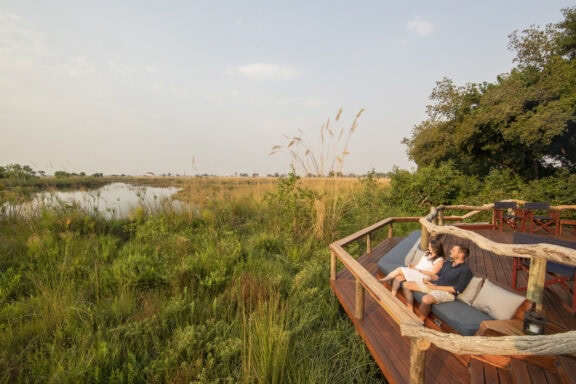
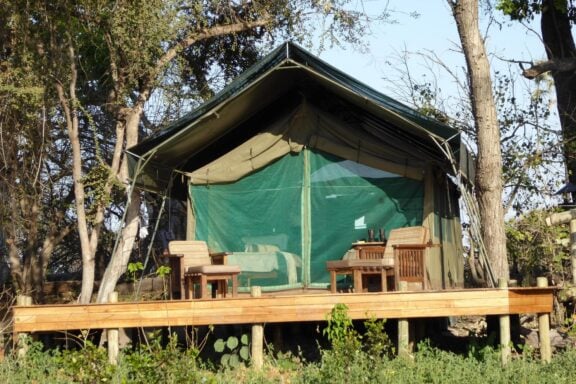
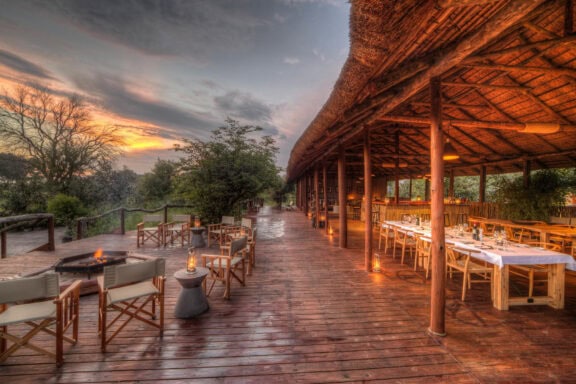
Luxury doesn’t have to mean waste. The best sustainable luxury safari camps utilise solar power, advanced water recycling systems, and plastic-free initiatives to minimise their footprint without compromising on the soul of the experience.
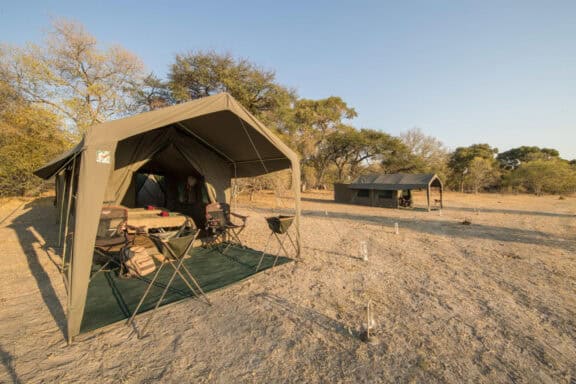
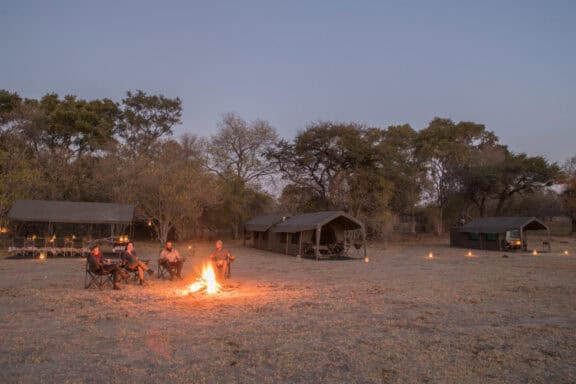
These camps often feature light-footprint architecture – semi-permanent structures designed to be removed without leaving a trace on the environment – or sustainable materials to reduce impact.
For example, Emboo Camp in the Masai Mara is run completely on solar power and even has a fleet of electric safari vehicles, making it a pioneer in the sustainable travel and African safari space.
Conservation-First Models
Operators like Great Plains Foundation or Wilderness are transparent about where their profits go. Whether it’s supporting reforestation projects, funding wildlife research, or providing educational scholarships for local children, the impact should be visible and measurable.
Founded by National Geographic filmmakers Dereck and Beverly Joubert, Great Plains views its safari camps as the “funding engine” for a massive conservation machine. Their philosophy is simple: identify threatened habitats and secure them before they’re lost.
They currently protect over one million acres across Botswana, Kenya, and Zimbabwe. Their most recent project involves rewilding the Sapi Reserve in Zimbabwe, a former hunting area – they successfully reintroduced a pack of wild dogs to the area in 2025 (complete with an unexpected litter of puppies!).
Wilderness is also a pioneer in the conservation-first model. Theirs focuses on three pillars: educate, empower, and protect. Their flagship camp, Mombo, is the gold standard for how impactful tourism can transform a landscape. Once a heavily hunted area, it is now one of the densest wildlife havens on Earth because of decades of Wilderness-led protection.
What to Avoid: Red Flags in Wildlife Tourism
Part of being a conscious traveller is knowing when to say “no”. To ensure your ethical African safari remains just that, steer clear of experiences that prioritise human entertainment over animal welfare.
1. Close-Contact Interactions
If you’re offered the chance to pet a lion cub, walk with cheetahs, or ride an elephant, please reconsider. These activities often rely on animals that have been “habituated” through unnatural means, predator baiting, or even physical abuse.
2. Unethical “Orphanages” or Sanctuaries
While many sanctuaries do incredible work, some are profit-driven enterprises that “produce” orphans for tourism. Always research whether a facility is accredited by recognised global conservation bodies and if they focus on habitat protection rather than human interaction.
A genuine sanctuary prioritises the animal’s rehabilitation and eventual release or provides a lifelong home with minimal human interference.
3. “Selfie” Culture
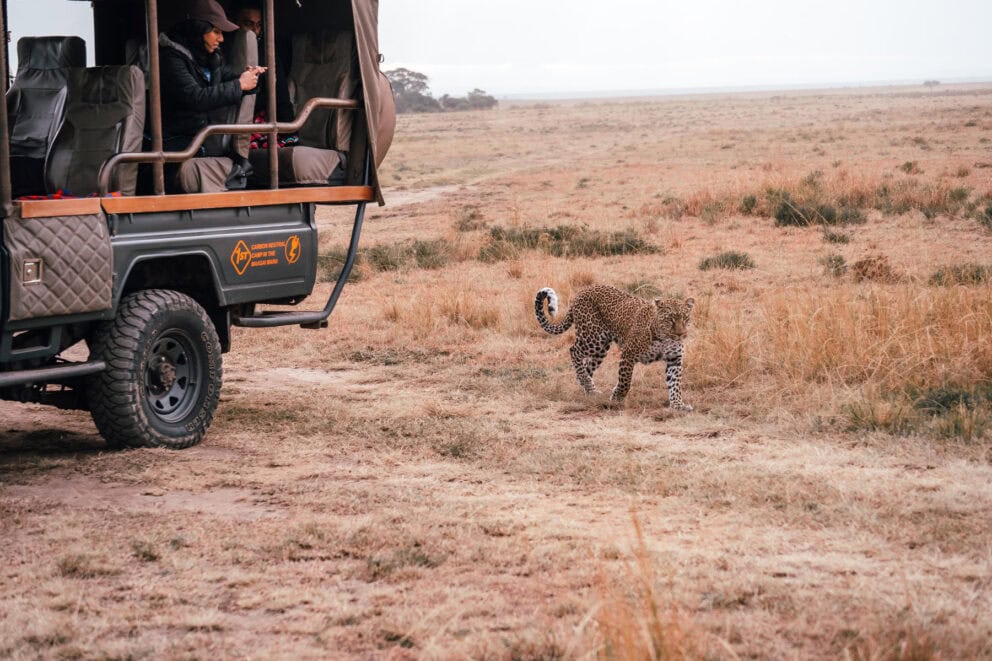
Experiences designed primarily for photo opportunities often disregard the natural behaviours and stress levels of animals. An ethical wildlife tourism experience respects the “wild” in wildlife, keeping a respectful distance (usually at least 25 metres or more depending on the species) and observing animals in their natural state.
The Checklist for an Ethical Luxury Safari
What to look out for when planning your sustainable safari:
Feature What to Look For Why it Matters
Energy Solar power and strict vehicle quotas. Reduces carbon footprint and “harassment” of wildlife. Water On-site filtration and greywater recycling. Protects precious local water sources and prevents pollution. Sourcing Farm-to-table dining and local craftsmanship. Supports local economies and reduces transport emissions. Staffing Fair wages and leadership roles for local community members. Ensures tourism benefits the community directly and builds long-term skills.
Transforming the Way We See the World
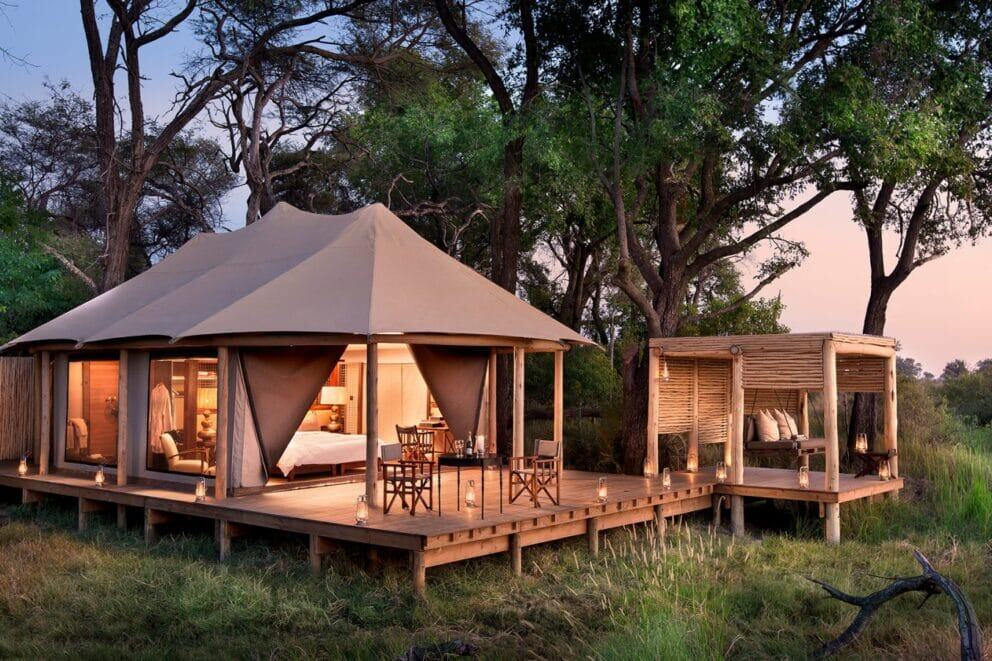
An eco safari is more than just a trip; it’s an investment in the future of our planet. By choosing to travel with purpose, you become part of a global movement that values the intrinsic worth of the wild.
You return home not just with photos, but with a more profound understanding of the delicate balance of life and the knowledge that your journey helped preserve it.
Start Planning Your Sustainable Safari
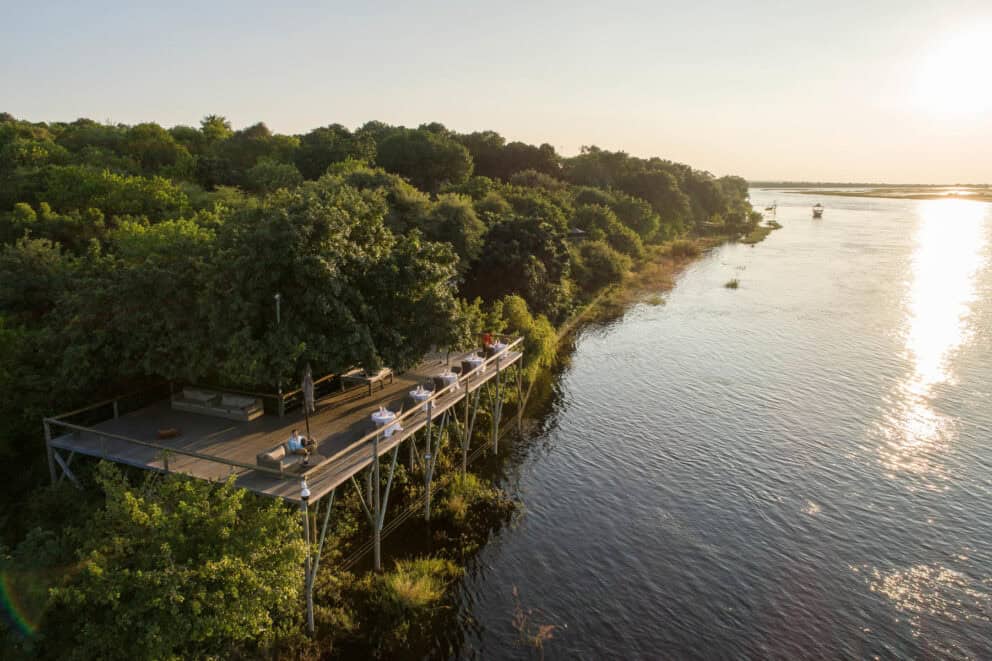
The world needs more travellers who care. If you’re ready to explore Africa in a way that’s respectful, reflective, and deeply impactful, we’re here to help you navigate the options.
Ready to leave a positive mark? Explore our Positive Impact Safaris and plan your sustainable African safari with one of our safari experts to integrate conservation and community into your itinerary.

Written by Thaakiera Ackerdien
• Travel Writer
 Blog List














Written by Thaakiera Ackerdien
• Travel Writer
Part of the Okavango Delta Safari & Kenya Safari Collections