

 Email us




For many, the first safari is a rite of passage defined by the Big Five. You likely remember the golden hue of a lion’s mane or the silent, heavy tread of an elephant past your vehicle.
But for those who have already witnessed the heavyweights of the savannah and now seek a more exclusive experience, there is a quiet, rewarding challenge waiting in the twilight…
Enter Africa’s Secret Seven. These aren’t the animals that lounge by the road in the midday sun – they are the true enigmas of the bush: the aardvark, African wildcat, Cape porcupine, African civet, large-spotted genet, Temminck’s pangolin, and serval.
Seeing them is a hard-earned reward for intense wilderness exploration and a willingness to venture off the well-worn paths of famous national parks. If you’re searching for the rarest African animals, you must look beyond the daylight hours and embrace the mystery of African nocturnal animals.
1. Temminck’s Pangolin (Smutsia temminckii): The Scaled Holy Grail
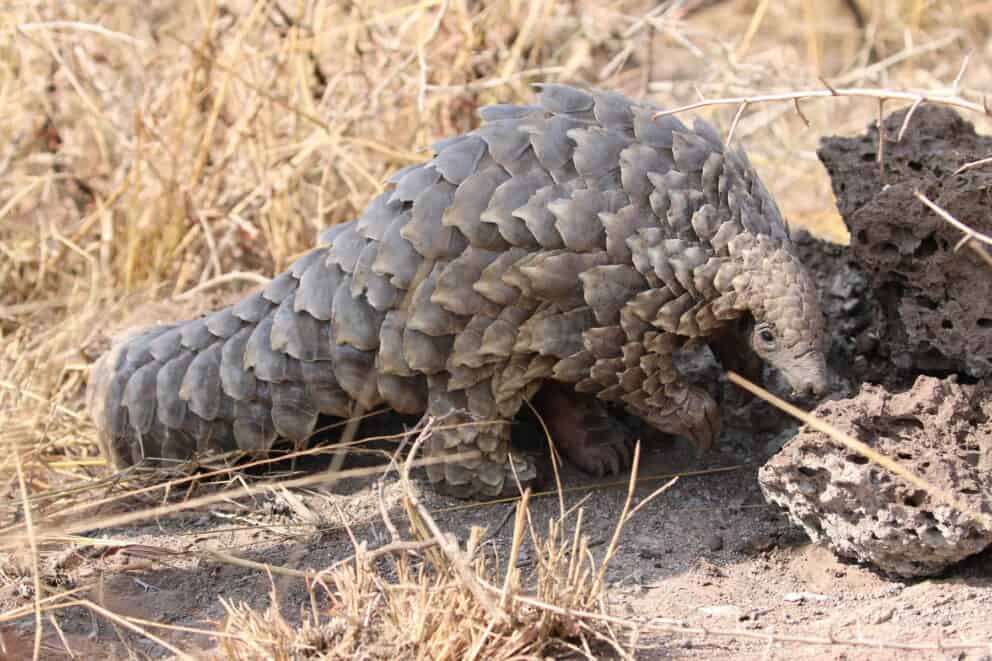
Temminck’s pangolin is often described as the most elusive of Africa’s Secret Seven, representing the ultimate prize for any serious wildlife enthusiast. These prehistoric-looking mammals are covered in overlapping keratin scales, providing a natural suit of armour against predators.
Because they’re largely solitary and move with a silent, deliberate gait, spotting one in the vast African wilderness is exceptionally difficult. They’re primarily insectivores, using a specialised tongue – which can be longer than their actual body – to feed on specific species of ants and termites.
Unfortunately, their unique appearance has made them a target for illegal wildlife trade, making them one of the rarest African animals and a species of critical conservation concern. To see a pangolin in the wild is to witness a living relic of evolutionary history, a creature that has remained largely unchanged for millions of years. It requires a combination of expert tracking, the right lunar conditions, and a significant amount of patience, as these creatures are highly sensitive to noise and light.
- The Experience: Specialised tracking allows you to join researchers in the field to locate and monitor these creatures.
- Expert Tracker Tip: Pangolins are most active on warmer nights when their preferred prey, ants and termites, are active near the surface.
- Where to Find Them: Look for them in select private reserves in South Africa and the arid regions of Botswana.
- Recommended Stays: &Beyond Phinda Private Game Reserve in KwaZulu-Natal offers a dedicated Pangolin Conservation Experience and Tswalu in the Kalahari is one of the best places to see this species.
2. African Wildcat (Felis lybica): A Complex Lineage
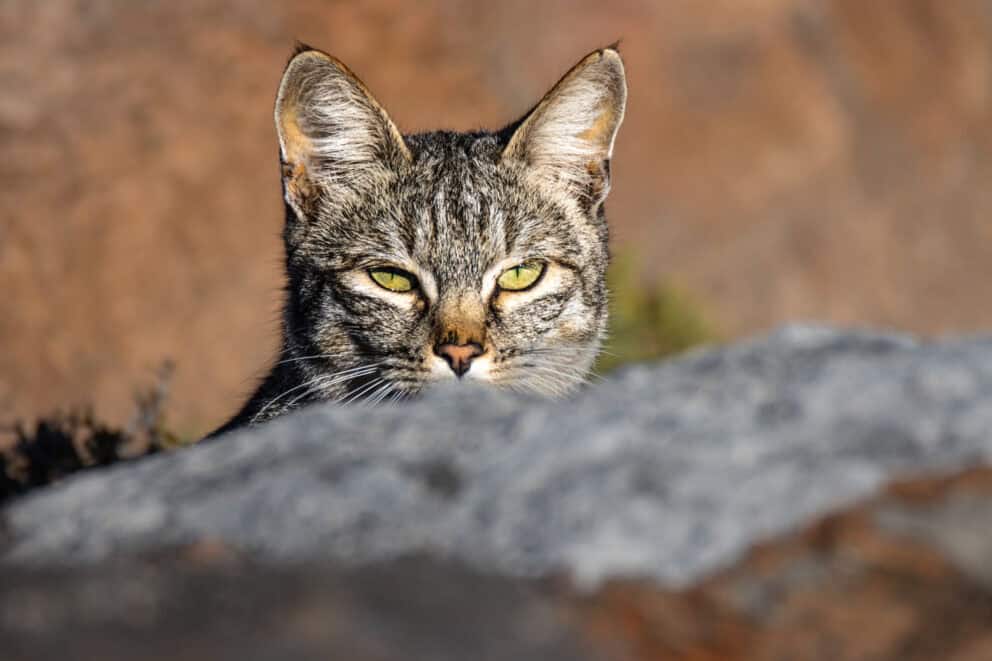
The African wildcat is a master of camouflage and one of the most misunderstood members of the African nocturnal animals group. While it bears a striking resemblance to a domestic tabby, its evolutionary history is far more nuanced.
It’s a distinct, fiercely wild species adapted for survival in harsh environments. They possess longer legs than their domestic counterparts, which allow for a more efficient, upright hunting gait across the savannah floor.
One of the key identifying features is the rich, reddish-orange hue found on the back of their ears, a trait that sets them apart from domestic hybrids. These felines are solitary and highly territorial, often patrolling large areas of the bush under the cover of darkness. Their diet is incredibly varied, ranging from small rodents and birds to insects and even small reptiles.
Spotting one requires scanning the edges of thickets and long grass during the golden hour of dusk, as they begin their evening patrol. Because they’re so well-integrated into their environment, they often remain perfectly still when a vehicle passes, relying on their tawny coat to blend into the dry African scrub.
- Expert Tracker Tip: Look for them on the edges of thickets at dusk; they prefer hunting in transition zones between dense cover and open clearings.
- Where to Find Them: They’re widespread but require a keen eye to spot in the undergrowth.
- Recommended Stay: Kambaku Safari Lodge in the Timbavati, South Africa, offers excellent night drives where these small cats are frequently spotted.
3. Aardvark (Orycteropus afer): The Earth Pig of the Arid Lands
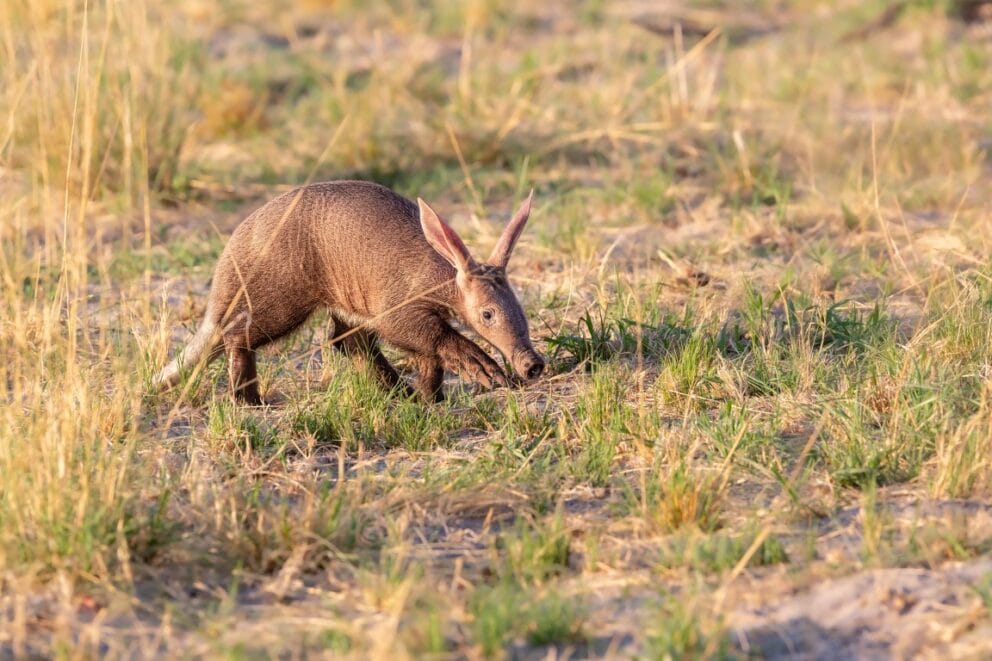
The aardvark, whose name translates to “earth pig” in Afrikaans, is perhaps the most structurally significant member of Africa’s Secret Seven. These bizarre-looking creatures are master excavators, equipped with powerful, shovel-like claws that can tear through hard termite mounds that are otherwise impenetrable to most predators.
Aardvarks are the architects of the bush. The massive, complex burrow systems they dig provide essential refuges for a multitude of other species, including hyenas, wild dogs, and various reptiles. Despite their bulk, aardvarks are incredibly shy and possess an acute sense of hearing, often retreating underground at the slightest vibration of an approaching vehicle.
They’re almost entirely nocturnal, though they have been known to emerge in the late afternoon during particularly cold winter months to soak up the last of the sun’s warmth.
An aardvark sighting is a true milestone because of the animal’s unpredictable nature and its preference for remote, arid regions where visibility is often limited by thick scrub or undulating dunes.
- Expert Tracker Tip: Aardvarks appear in the late afternoon during the winter months when they emerge before sunset to forage before temperatures drop.
- Where to Find Them: The semi-arid regions of South Africa and Botswana offer the best visibility.
- Recommended Stay: Tswalu in the South African Kalahari is widely regarded as one of the best places on Earth to see aardvark due to its open terrain.
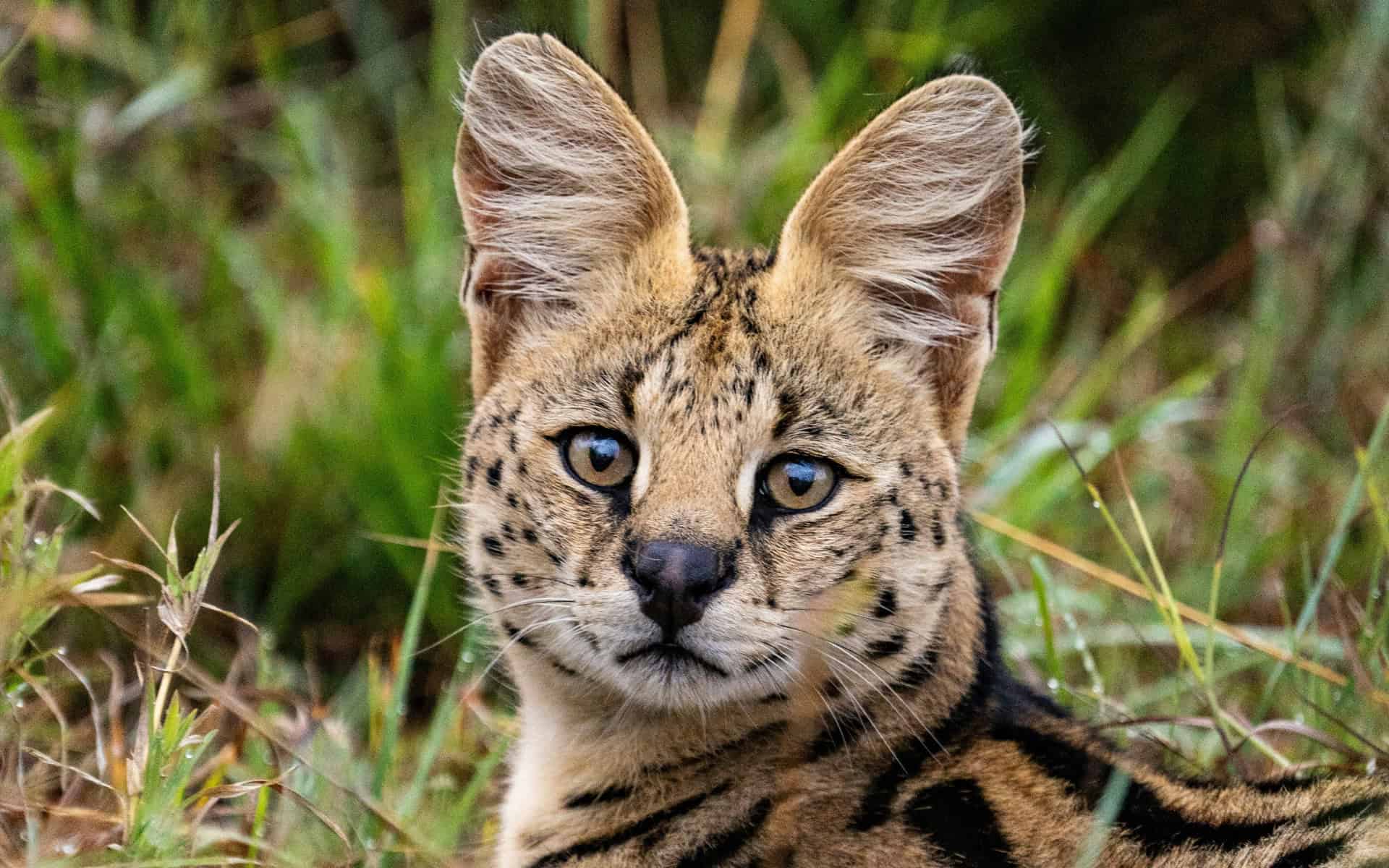
4. Serval (Leptailurus serval): The Savannah’s High Jumper
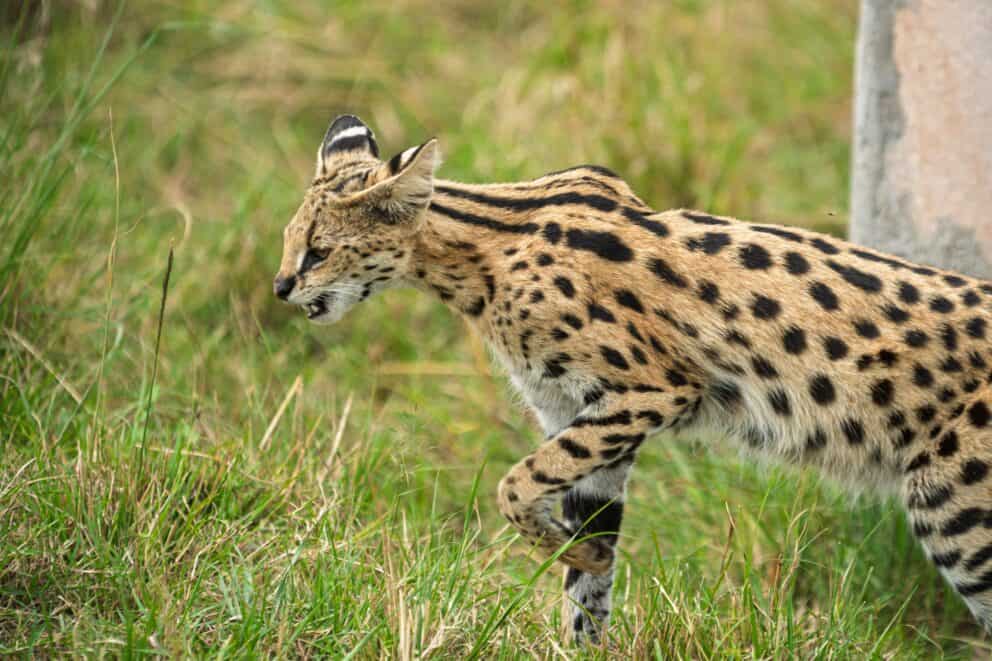
The serval is an elegant feline specialist, boasting the longest legs of any cat relative to its body size, a feature that makes it one of the most distinctive elusive safari animals. These long limbs aren’t just for show – they allow the serval to see over tall grass and provide the explosive power needed for its signature hunting move: a vertical leap that can reach over two metres into the air.
Their oversized, dish-like ears act as sophisticated sonar, capable of detecting the high-pitched ultrasonic frequencies of rodents scurrying through the undergrowth or even beneath the soil. Unlike many other cats, the serval is closely tied to water and is most frequently found in lush, well-watered habitats such as reed beds and floodplains.
Their coat is a beautiful tapestry of bold spots and stripes, which provides perfect dappled camouflage in the tall marshy grasses they call home.
While they’re primarily nocturnal, they’re occasionally seen during the day in cooler weather or in high-altitude regions, making them a slightly more accessible but no less prized sighting for those exploring the waterways of the Okavango Delta or the highlands of East Africa.
- Expert tracker tip: Listen for their high-pitched “chirp” or the sound of them pouncing; they’re often found near permanent water sources.
- Where to find them: They favour lush, well-watered habitats like the Okavango Delta or the marshlands of East Africa.
- Recommended stays: Explore the Khwai Concession in Botswana with Machaba Safaris. In Tanzania, Asilia Africa’s camps often report sightings in high-altitude grasslands.
5. African Civet (Civettictis civetta): The Painted Omnivore
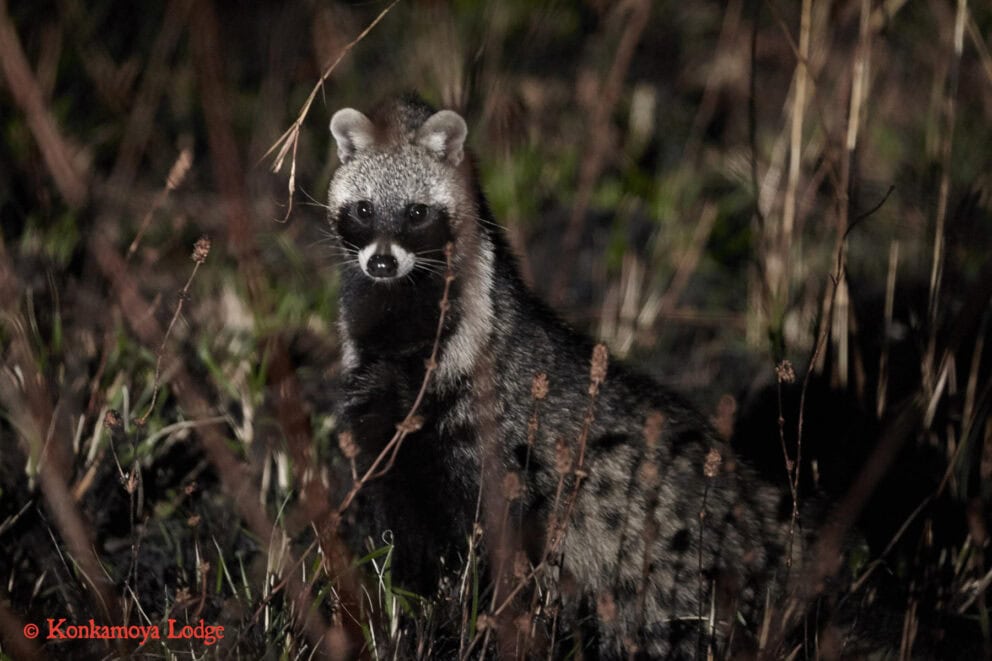
The African civet is a stocky, low-slung animal that appears almost badger-like in its movement, yet it possesses one of the most striking coats in the rarest African animals category. Its fur is a complex arrangement of black spots, stripes, and bars on a cream or grey background, ending in a bushy, ringed tail.
Civets are famous for the “civetone” musk they produce, a substance that was historically highly valued in the global perfume industry, though today they’re primarily respected as key omnivores in the African ecosystem. They’re highly solitary and possess a unique, hunched gait as they move through the undergrowth, often stopping to forage for everything from fruit and insects to small mammals and even venomous snakes.
Because they’re quite shy and prefer thick riverine vegetation, they’re rarely seen by the average safari-goer. A successful sighting often requires a skilled guide who understands the animal’s habitual nature.
- Expert tracker tip: Civets use “latrines” – specific spots they return to daily; a good tracker will find these sites to predict where the animal will pass.
- Where to find them: They prefer riverine forests and thickets.
- Recommended stay: Imvelo Safaris in Zimbabwe’s Hwange National Park provides a perfect habitat for civet sightings. You could also see them during night drives in Kafue National Park in Zambia.
6. Cape Porcupine (Hystrix africaeaustralis): Africa’s Largest Rodent
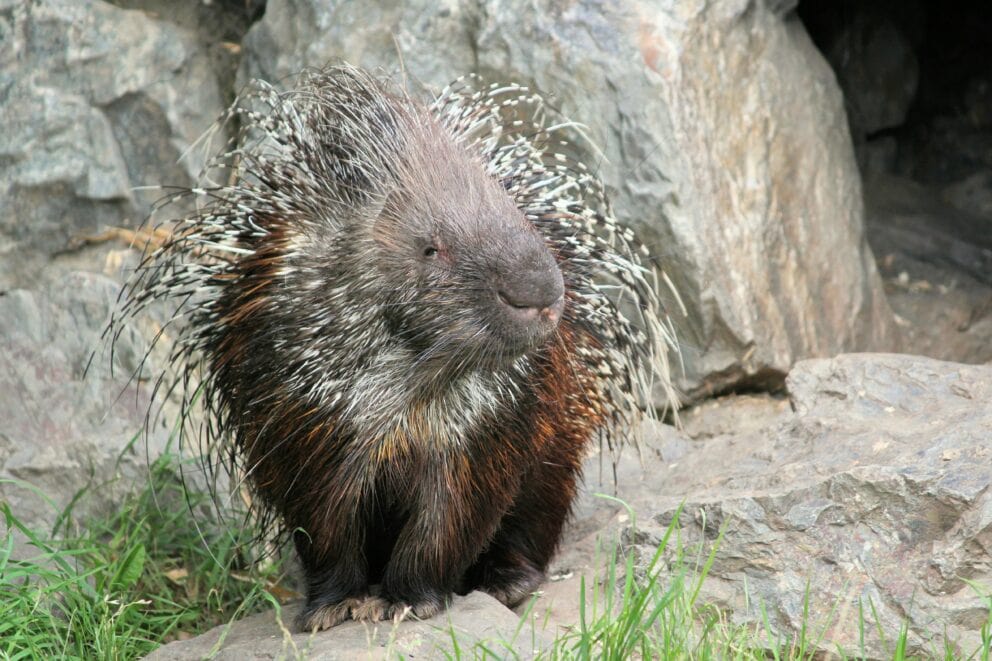
The Cape porcupine is a formidable nocturnal presence and the largest rodent on the African continent, making it a staple of the African nocturnal animals list. Despite being rodents, they’re far from defenceless. Notoriously, their bodies are covered in a dense forest of sharp, black-and-white quills that can reach lengths of up to 50 cm/19.7 in.
Contrary to popular myth, they don’t fire their quills but rather charge backward into an attacker to lodge the sharp points into the predator’s flesh. When threatened, they also rattle specialised hollow quills in their tail, creating a haunting, metallic warning sound that can be heard from a distance in the quiet of the night.
Porcupines are monogamous and often live in family groups, sharing large burrow systems that are frequently scavenged from other animals like aardvarks. They’re primarily herbivores, foraging for roots, tubers, and bark, and they have a peculiar habit of bone-gnawing – chewing on old carcasses to obtain calcium for their quill growth.
A porcupine sighting is often preceded by the distinct sound of its quills brushing against the dry scrub, a sound that signals one of the bush’s most resilient characters is nearby.
- Expert tracker tip: Follow the sound of gnawing or dragging quills; they’re also attracted to the roots and bark of certain trees.
- Where to find them: They’re found across southern Africa, often near rocky outcrops or old aardvark burrows.
- Recommended stays: Sabi Sabi Private Game Reserve or Jock Safari Lodge in the Greater Kruger area are fantastic for spotting porcupines.
7. Large-Spotted Genet (Genetta maculata): The Arboreal Acrobat
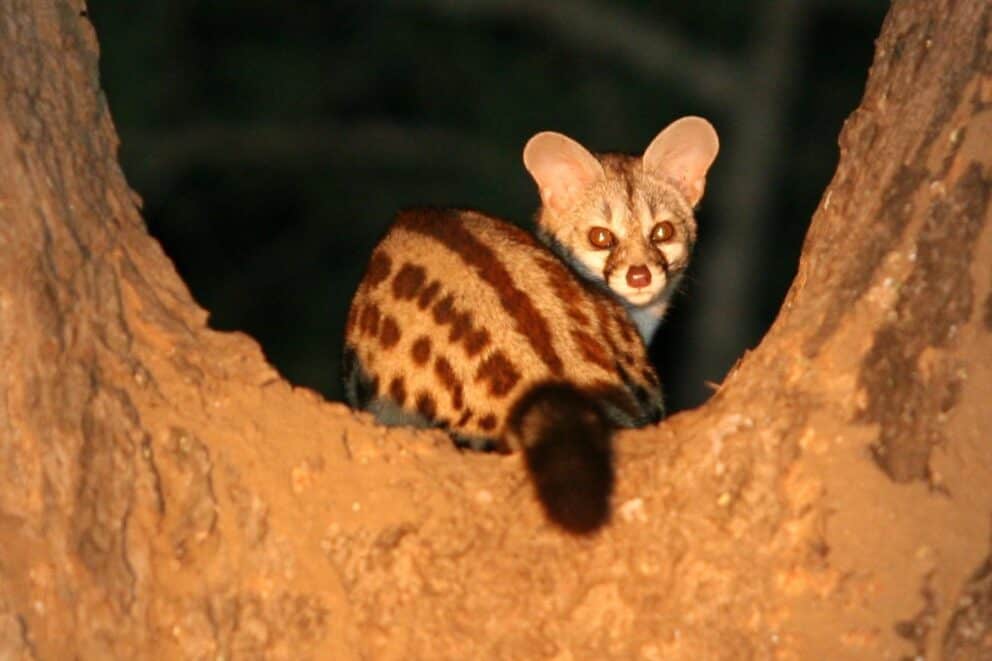
The large-spotted genet is an exceptionally agile predator that blurs the lines between feline and mongoose-like characteristics, often surprising guests during night drives in private conservancies. These slender creatures are master acrobats, possessing a long, ringed tail that acts as a counterweight as they navigate the thin, high branches of the African canopy.
Their bodies are covered in beautiful rows of dark spots, which provide excellent camouflage against the dappled light of the moon filtering through the leaves. Genets are highly secretive and solitary, spending their days sleeping in the hollows of trees or in thick tangles of creepers, only emerging at night to hunt for birds, insects, and small rodents.
They’re surprisingly comfortable around human settlements and are often the “unseen” guests at many safari lodges, where they can be seen darting across the rafters of a thatched bar or moving silently through the camp’s gardens.
The challenge lies in spotting them in their natural habitat – high in the jackalberry or leadwood trees that line the riverbanks – where their reflective “eye-shine” is often the only clue to their presence before they vanish into the shadows with feline grace.
- Expert tracker tip: Look for the reflective “eye-shine” in the high branches of large trees near riverbeds.
- Where to find them: Look up into the canopy or the rafters of lodge lounge areas during night drives.
- Recommended stay: MalaMala Game Reserve in the Sabi Sands is home to a high density of genets in its riverine forests. They can also be spotted in Lower Zambezi in Zambia.
For the Birders: Elusive Avian Treasures
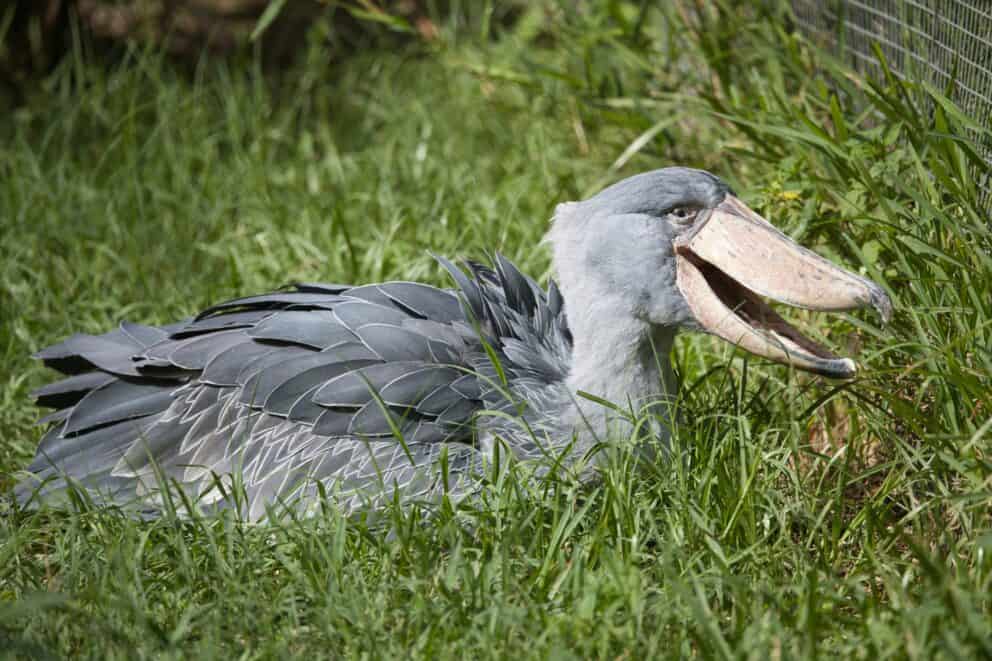
For the immersive explorer, the hunt for rare African animals also extends to the skies. Africa hosts certain “holy grail” bird species that define a signature collection for any serious birder. Here are a few notable examples:
- Pel’s fishing owl (Scotopelia peli): One of the most elusive birds in Africa, this ginger-coloured giant haunts riverine forests. Look for them at Sanctuary Retreats in the Okavango Delta, such as Sanctuary Chief’s Camp.
- Shoebill (Balaeniceps rex): A prehistoric-looking bird that stalks the swamps of East Africa. Uganda’s wetlands offer an excellent opportunity to see them.
- African pitta (Pitta angolensis): Known as the “Jewel of the Forest”, this bird is notoriously difficult to find. Wild Horizons Lodges or Imvelo Safari Lodges in Zimbabwe host the type of dense thickets where these birds briefly appear during the rainy season.
Plan Your Safari
Seeing Africa’s Secret Seven is a reward for those who seek to go off the beaten path. It’s about the thrill of the hunt, the smell of the evening air, and the quiet satisfaction of seeing something truly rare.
Whether you choose the luxury of Sabi Sabi in South Africa or the rugged, expert-led excursions at Imvelo Safari Lodges in Zimbabwe, the key is choosing destinations that value the slow safari and the expertise of local trackers. These lodges offer the night drives and private conservancy access necessary to witness the mystery of the African night.
Whether you dream of tracking a pangolin or witnessing the pounce of an African wildcat, a Discover Africa safari expert can guide you to the best places to go. Get in touch and begin the process of taking your safari from a dream to a plan.

Written by Micky Baker
• Travel Writer
 Blog List











Written by Micky Baker
• Travel Writer