Email us







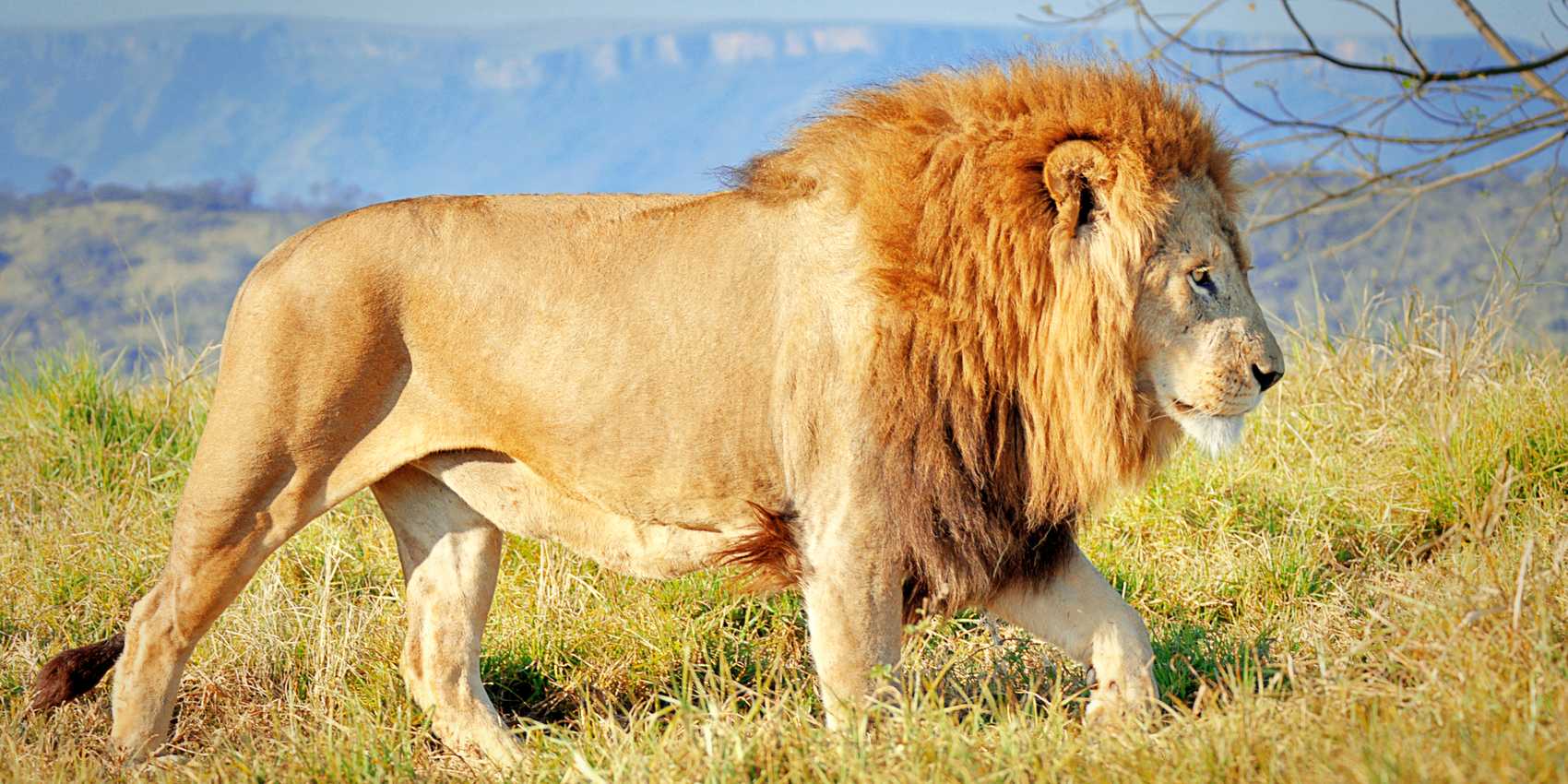
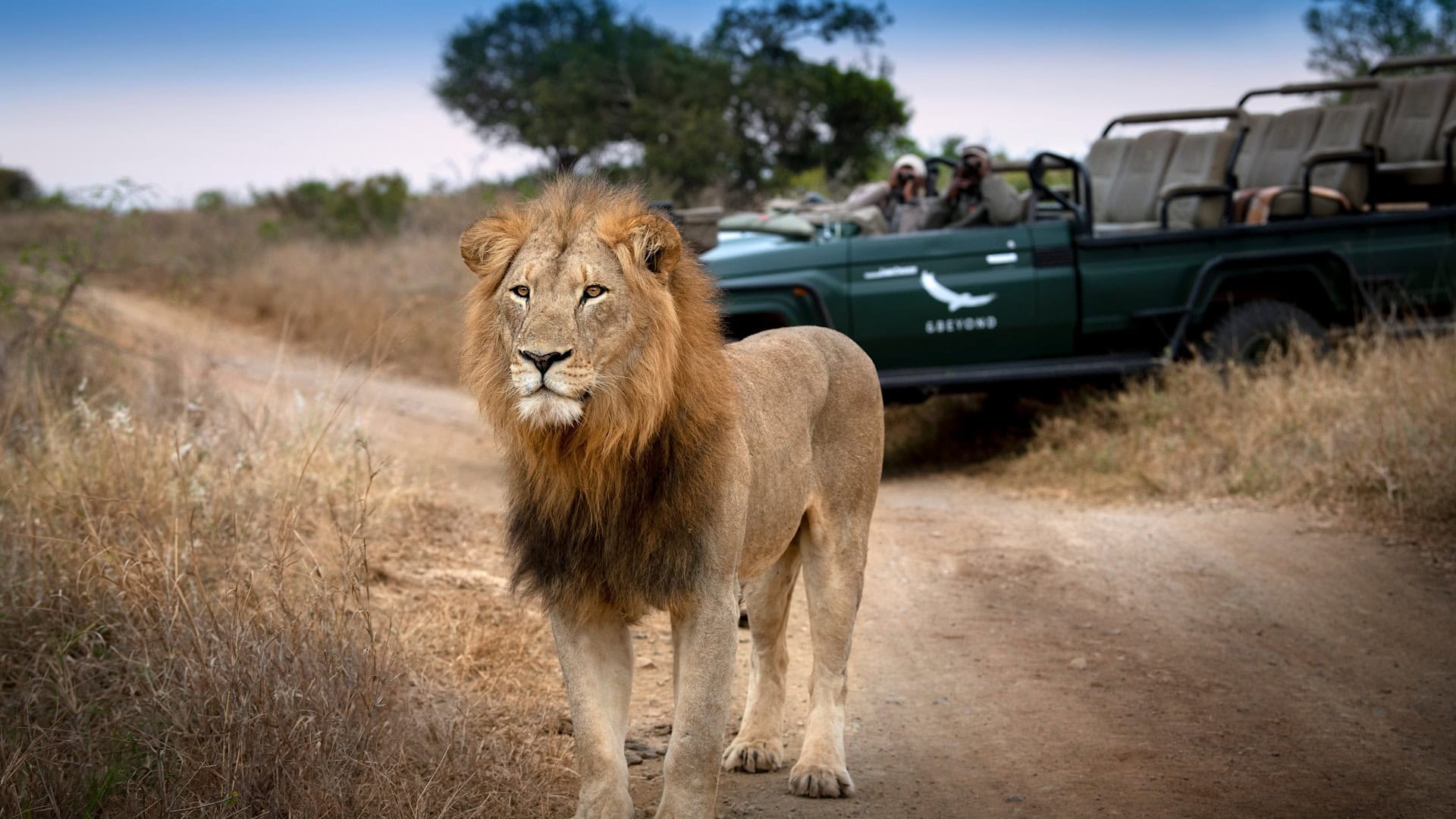
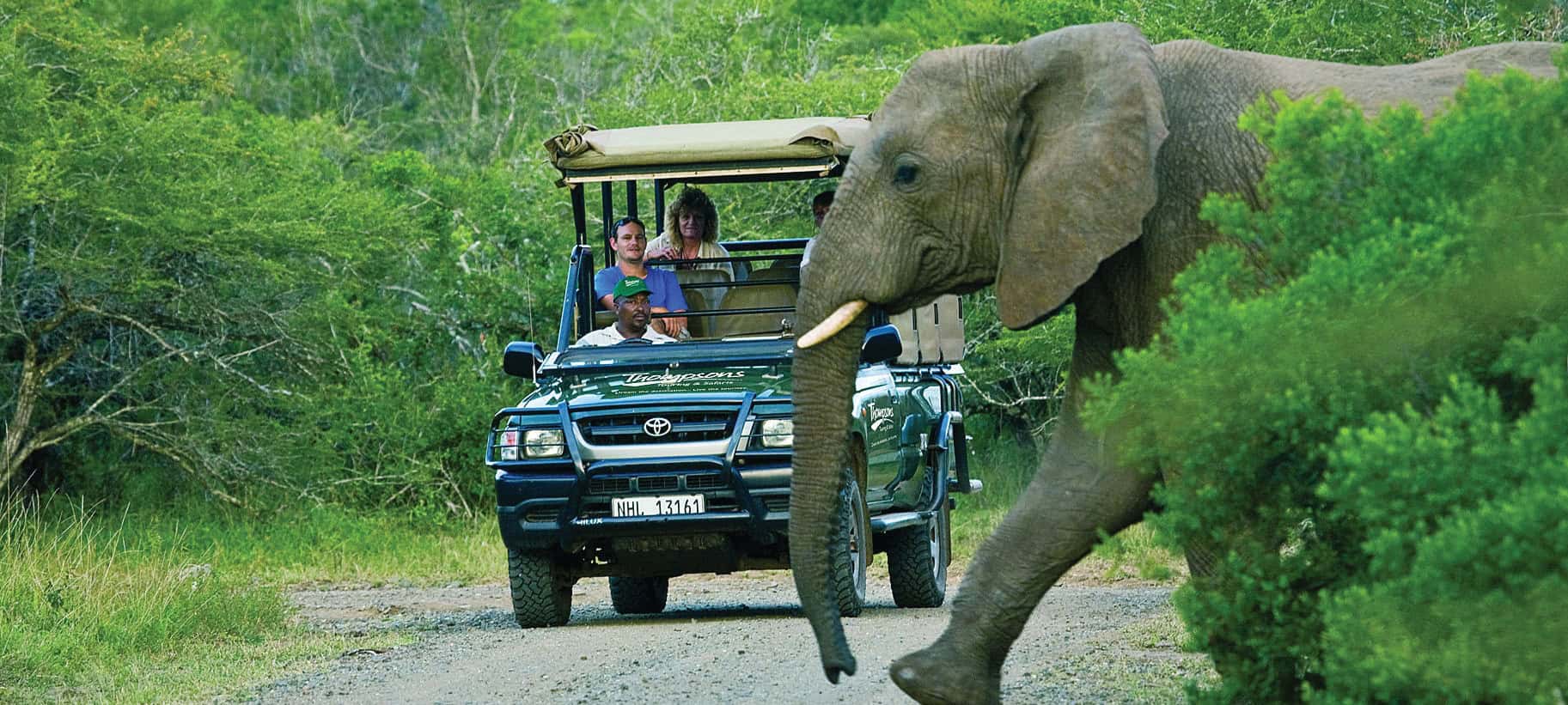
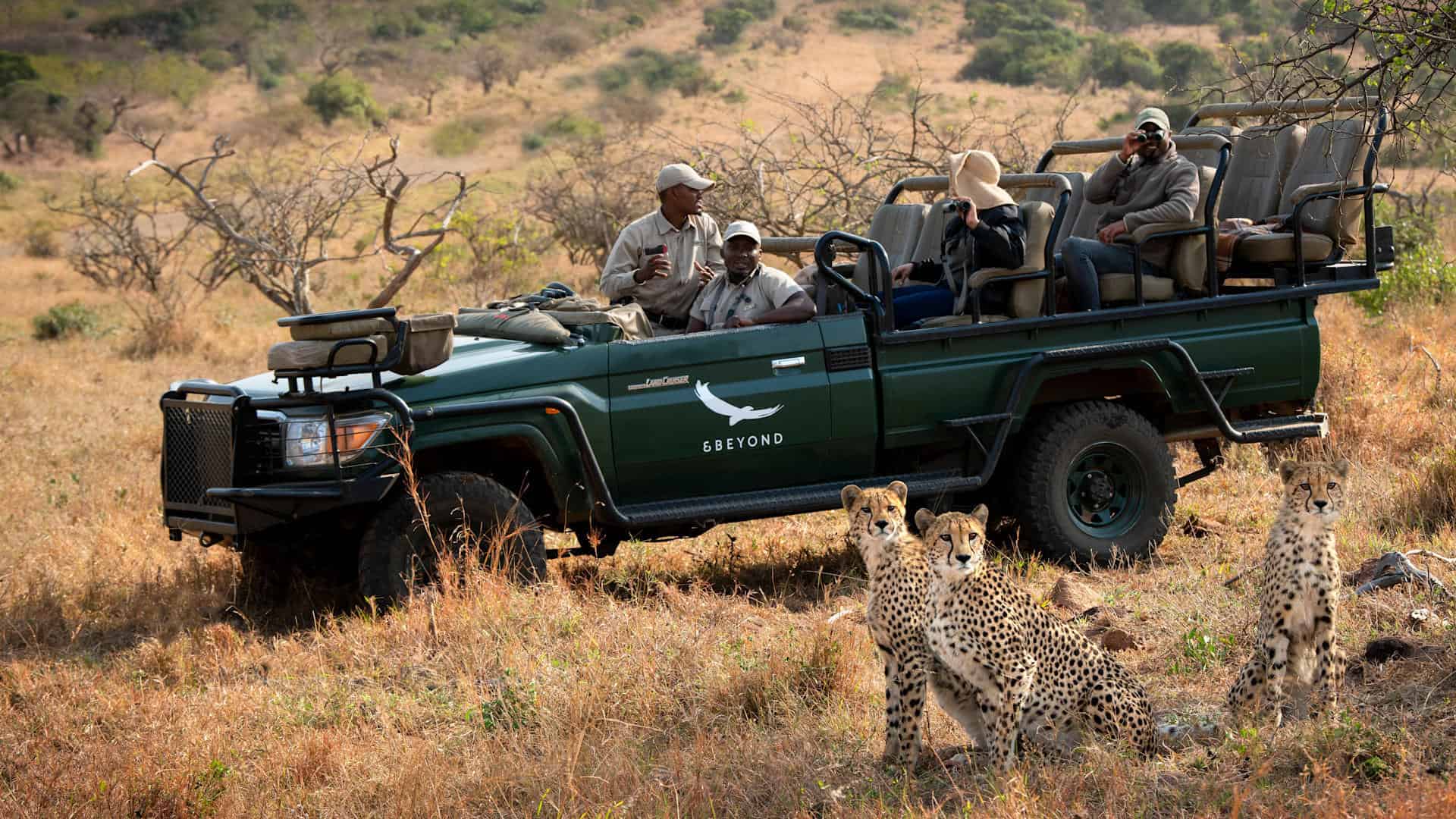
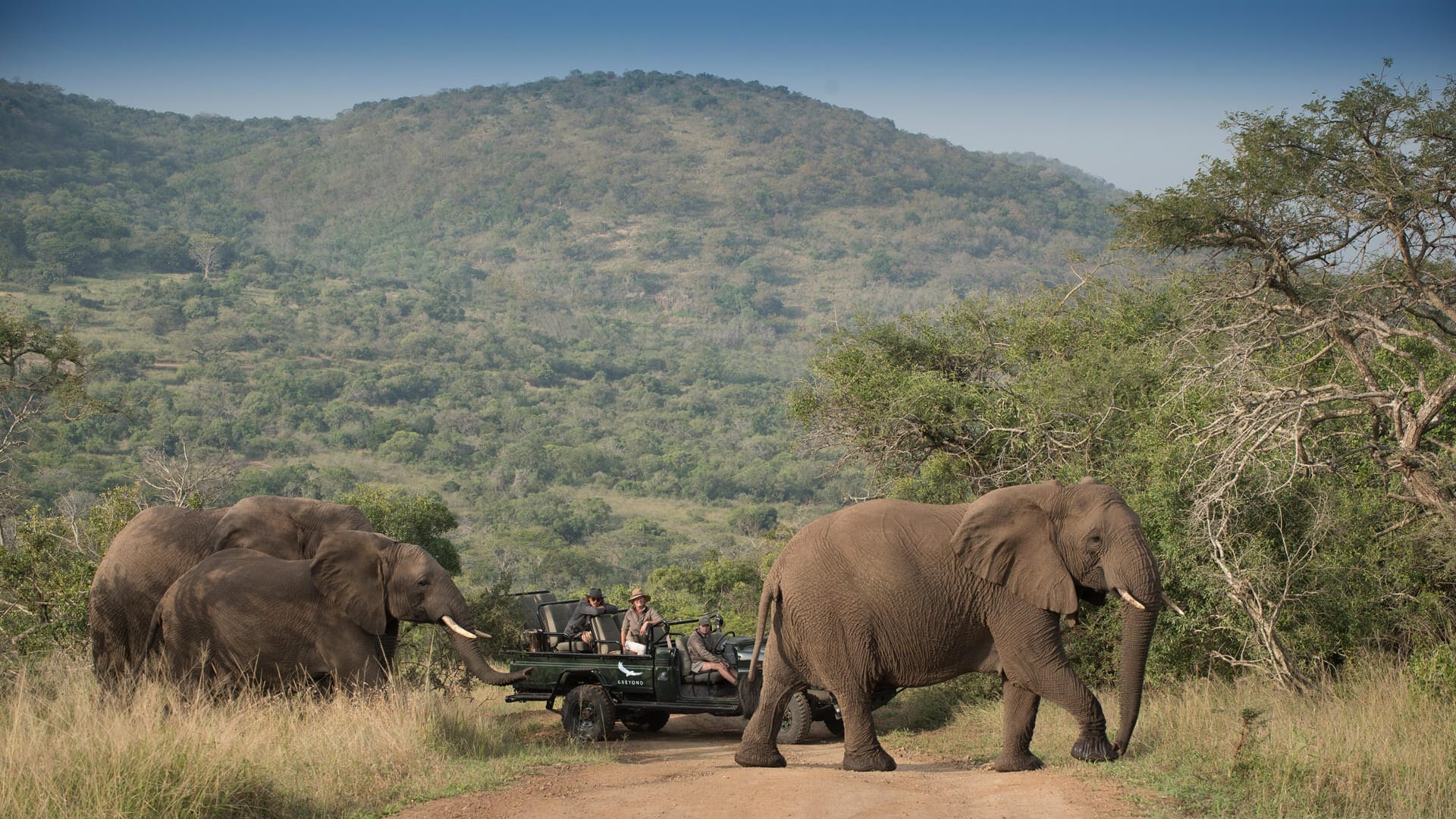
You can tick the Big Five off during a Kwazulu-Natal safari, but more than that, you can sink into a landscape where ancient Zulu heritage and world-class conservation efforts unite.
Rising from a steamy coastline to the chilly heights of 3,000-plus-metre mountains, KwaZulu-Natal is the most ecologically and scenically diverse of South Africa’s nine provinces. It’s a place of magic, conjured between the warm Indian Ocean breeze and the rugged peaks of the uKhahlamba-Drakensberg.
Many travellers reflexively head to the Kruger, but if you want a deep, more personal connection to the land, find your way here. KwaZulu-Natal’s wealth and variety of attractions are sufficient to keep you busy for weeks. Its urban centrepiece is Durban, the busiest shipping hub in sub-Saharan Africa.
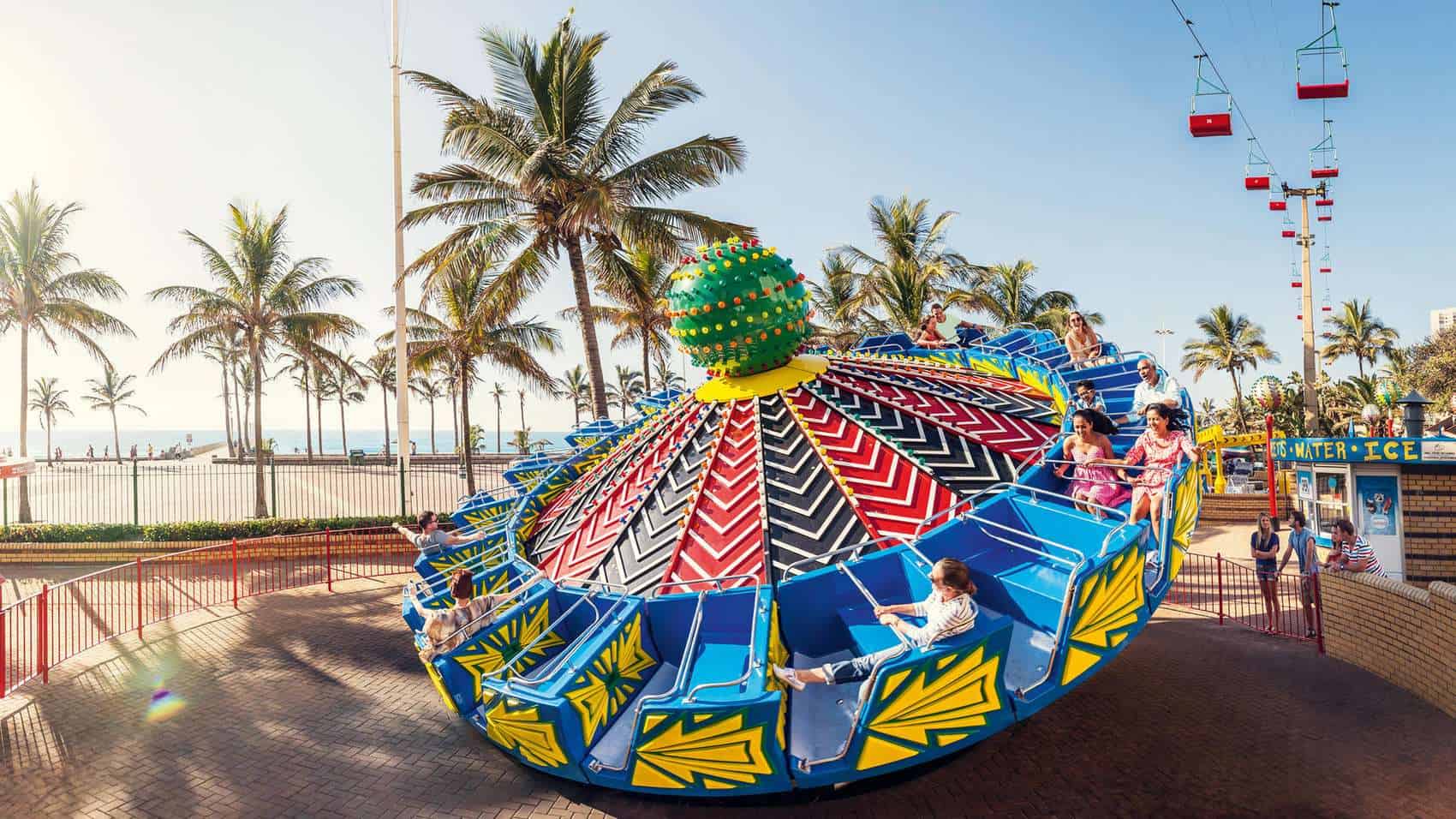
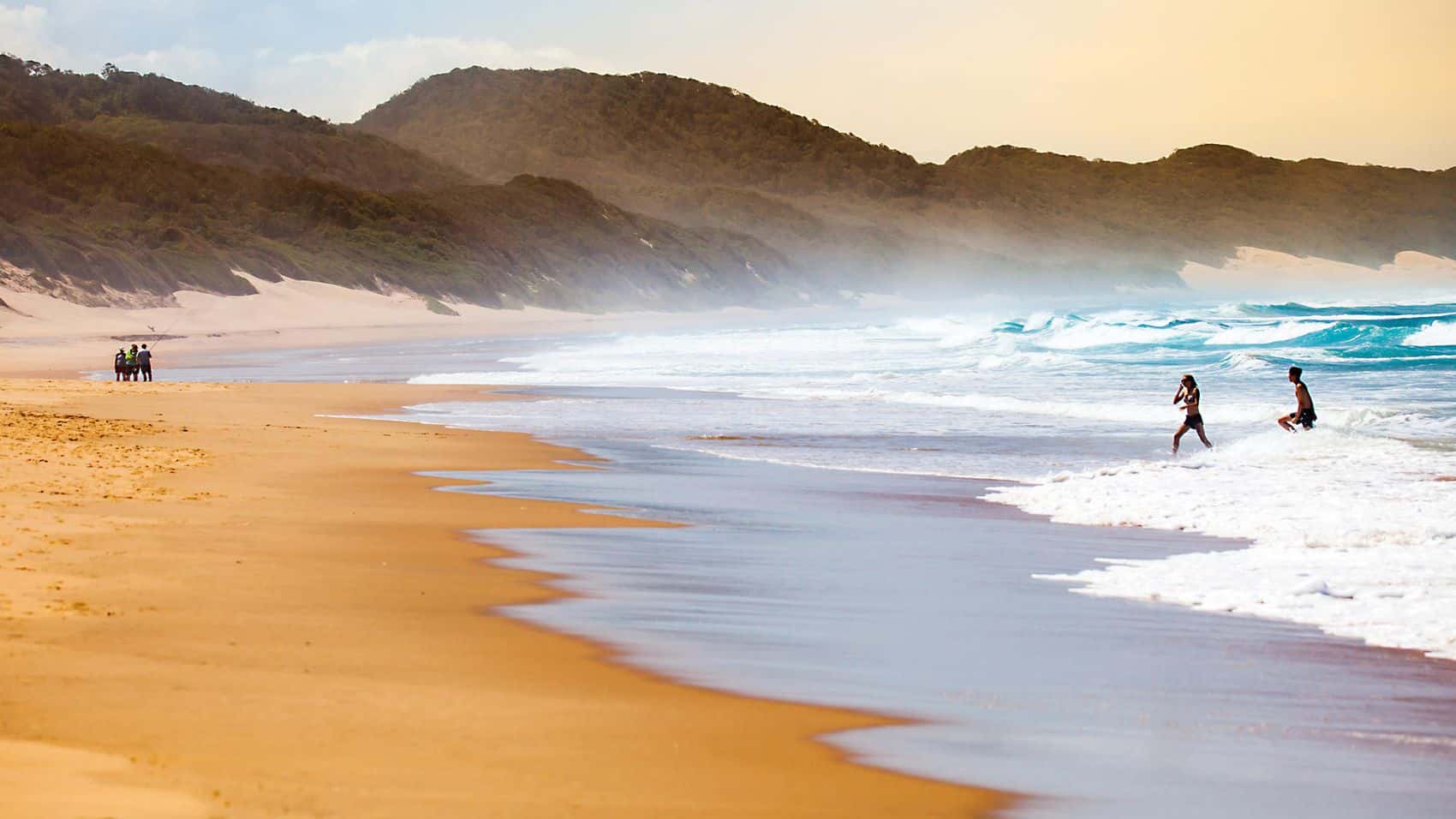
This fun-filled beachfront city is steeped in cosmopolitan Zulu, Indian, and British heritage. Stretching on either side of Durban, a beautiful, nearly 600 km/373 mi long coastline incorporates dozens of beach resorts as well as a primal mosaic of forested dunes, idyllic estuaries, hippo-filled lakes, and offshore coral reefs.
KwaZulu-Natal: A More Immersive Alternative
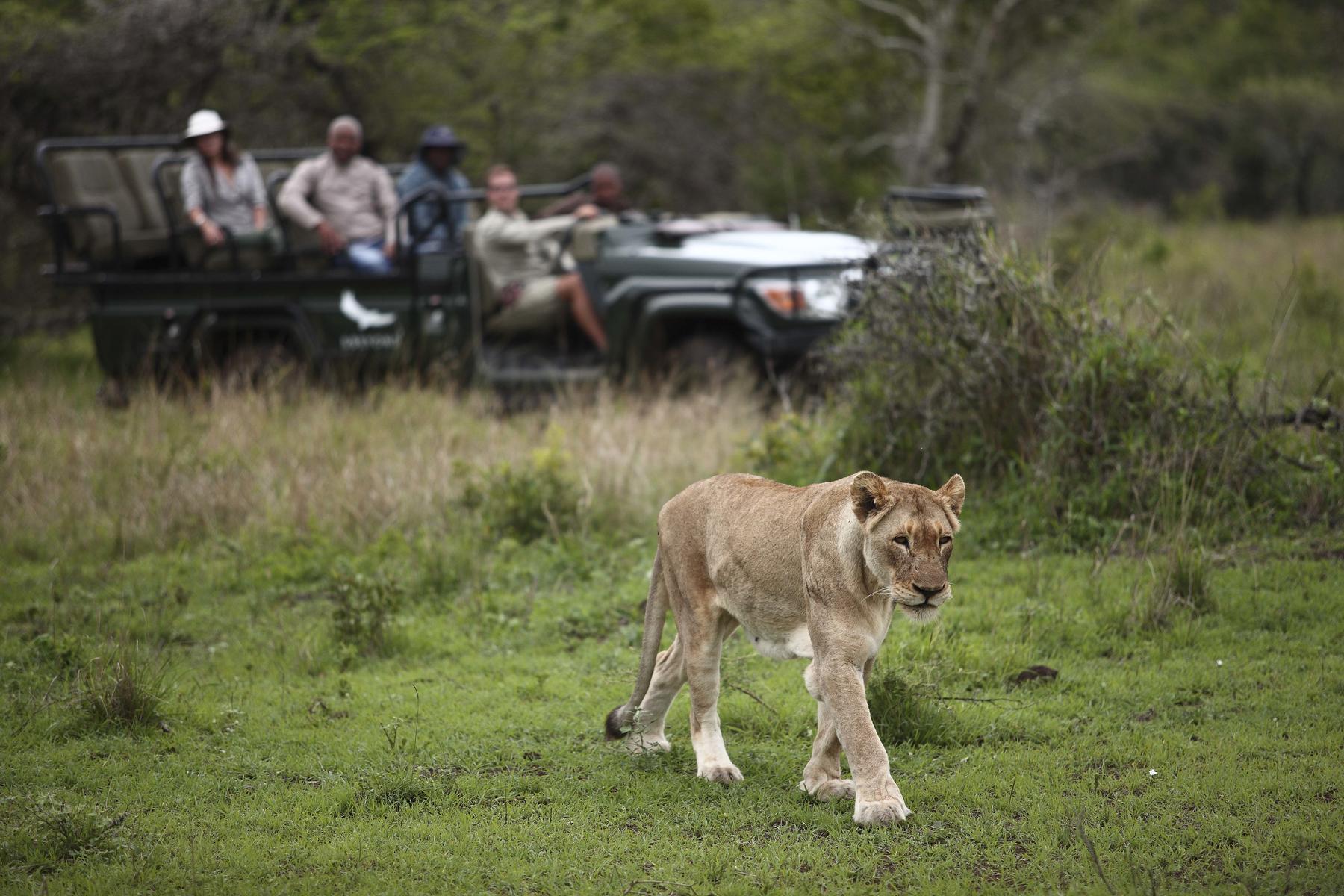
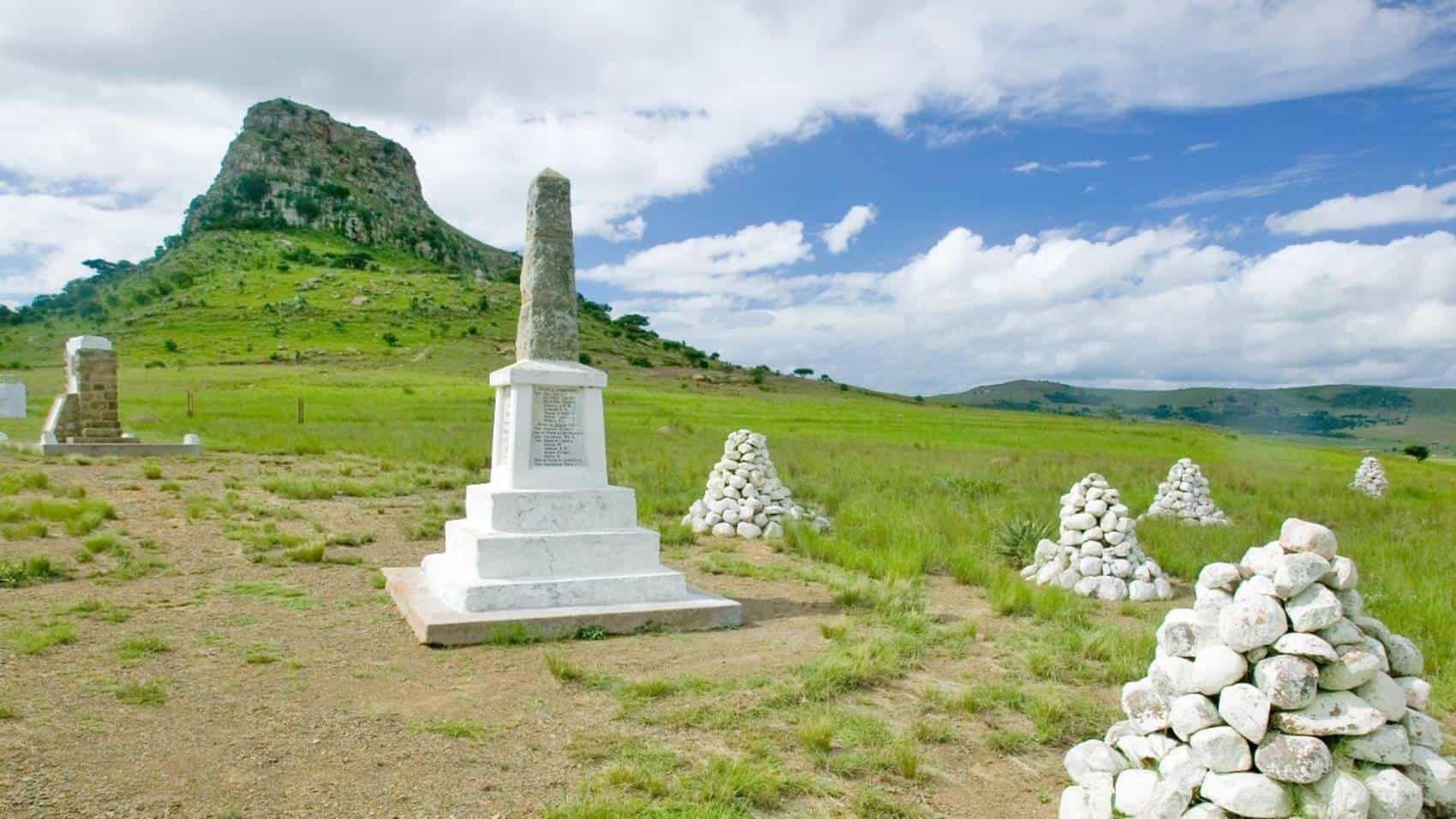
KwaZulu-Natal, or KZN as South Africa’s subtropical eastern province is often known, offers a personalised alternative to more commercialised safari destinations. The rhythm is slower, more intentional. It’s deeply rooted in the story of the amaZulu, the people who have called this place home for centuries.
Your KwaZulu-Natal vacation can transition seamlessly from the heights of the Drakensberg, where ancient San rock art tells stories of a time long past, to the subtropical rhythm of the coast.
The iSimangaliso Wetland Park, uKhahlamba Drakensberg Park, and Ndumo are wetlands of international importance for migratory species. They’re designated as Ramsar sites, which means paradise for birders. iSimangaliso and uKhahlamba are also UNESCO World Heritage Sites. iSimangaliso for its coastal, biodiverse ecosystems and uKhahlamba (which means ‘barrier of spears’ in isiZulu) for mountainous rock art.
Top Safari Destinations
You can visit this region and happily stick to the coastline, with its gorgeous beaches and tropical reefs. Alternatively, explore the craggy mountains and visit the English shire landscape of the Midlands. But to truly get a sense of its diversity, you must spend time in its protected wilderness.
Hluhluwe-iMfolozi Park
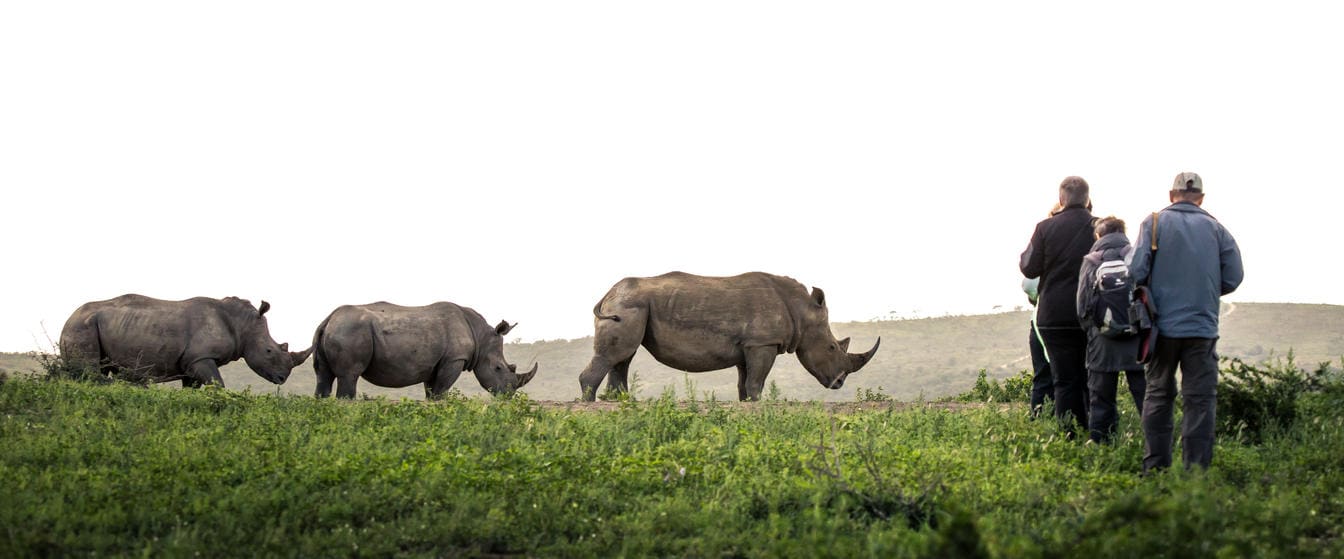
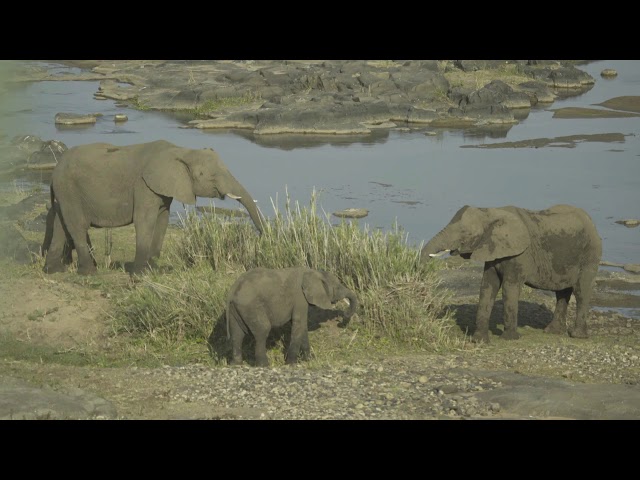
This is the oldest proclaimed nature reserve in Africa and is the historic home of rhino conservation. This is the park that saved the southern white rhino from extinction through Operation Rhino. It’s a place of rolling hills and deep valleys, where King Shaka once ruled.
Phinda Private Game Reserve
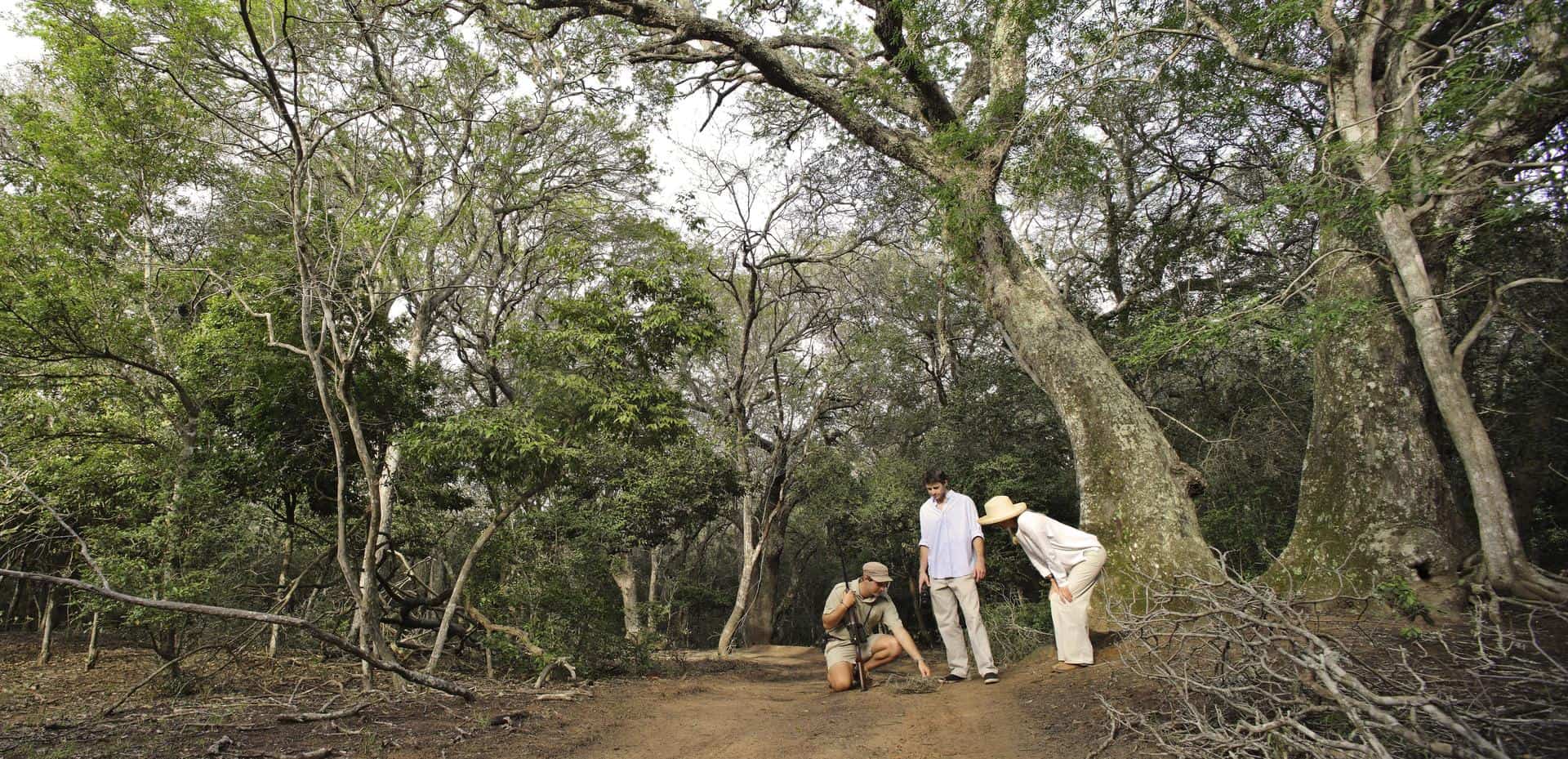
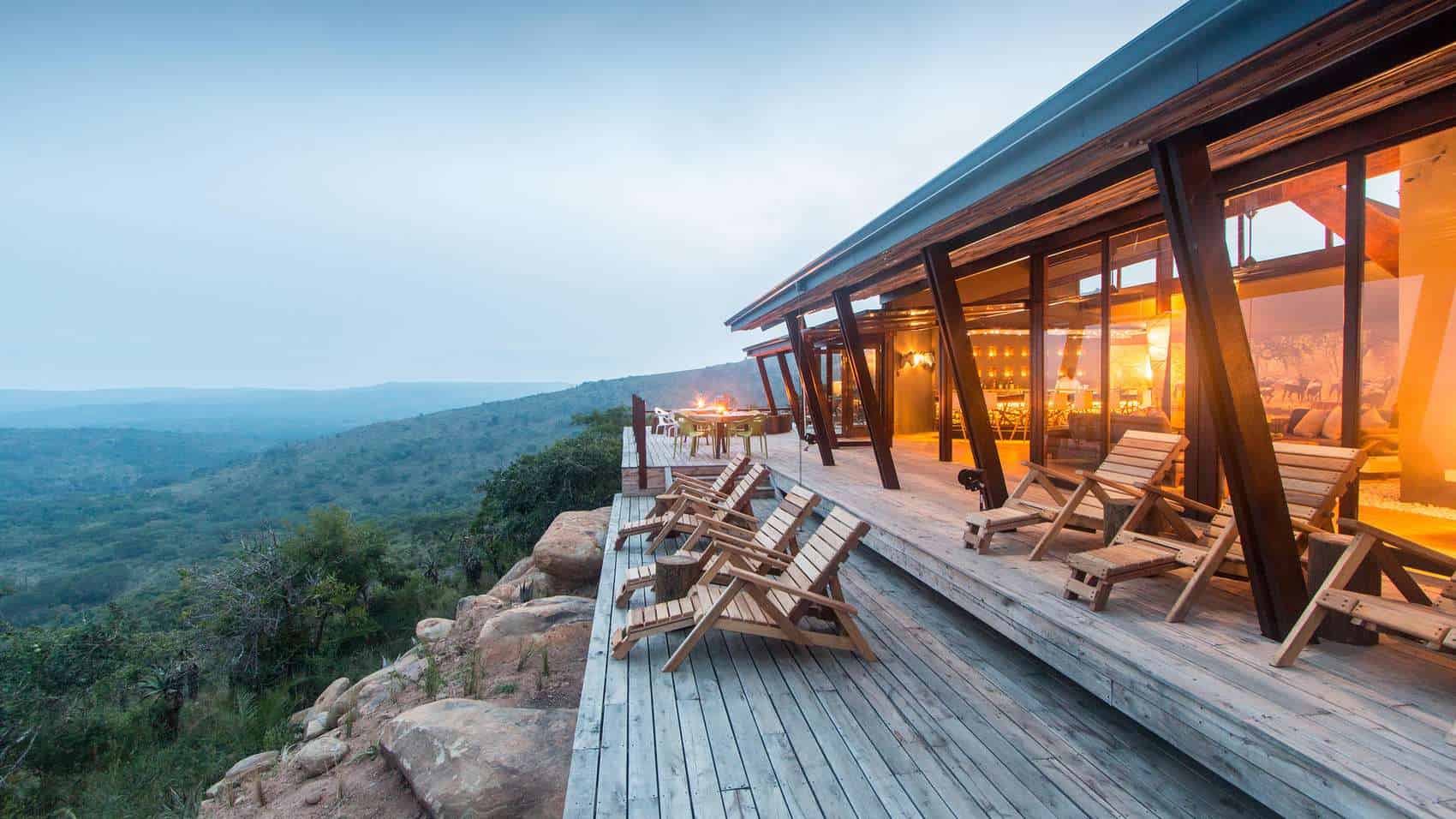
For a top Kwazulu-Natal private and luxury experience, Phinda is unmatched. Its seven distinct ecosystems, from rare dry sand forests (one of the only places in the world to see this ecosystem) to palm-fringed wetlands, offer a biodiversity that few places can rival.
iSimangaliso Wetland Park and St Lucia
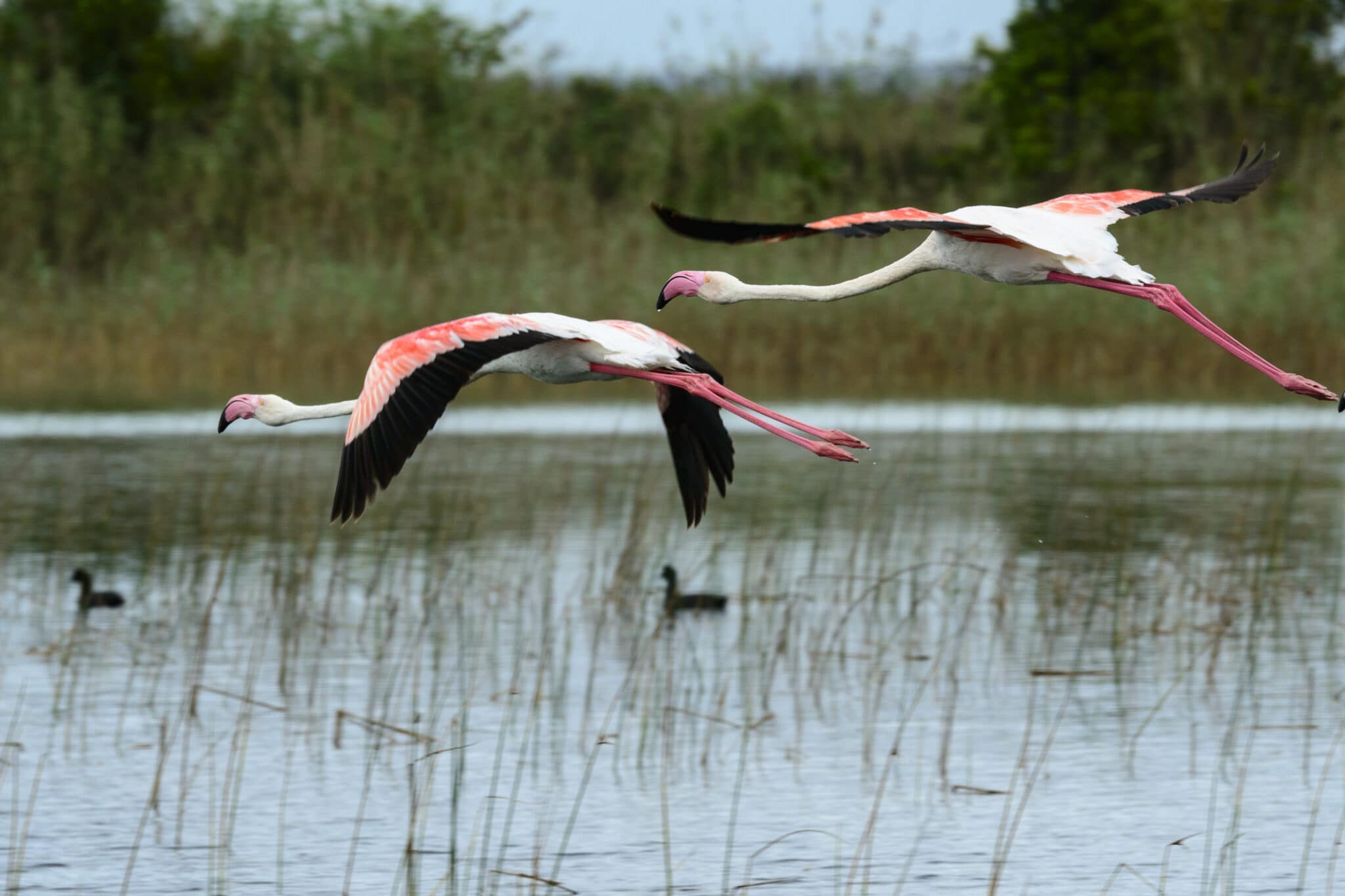
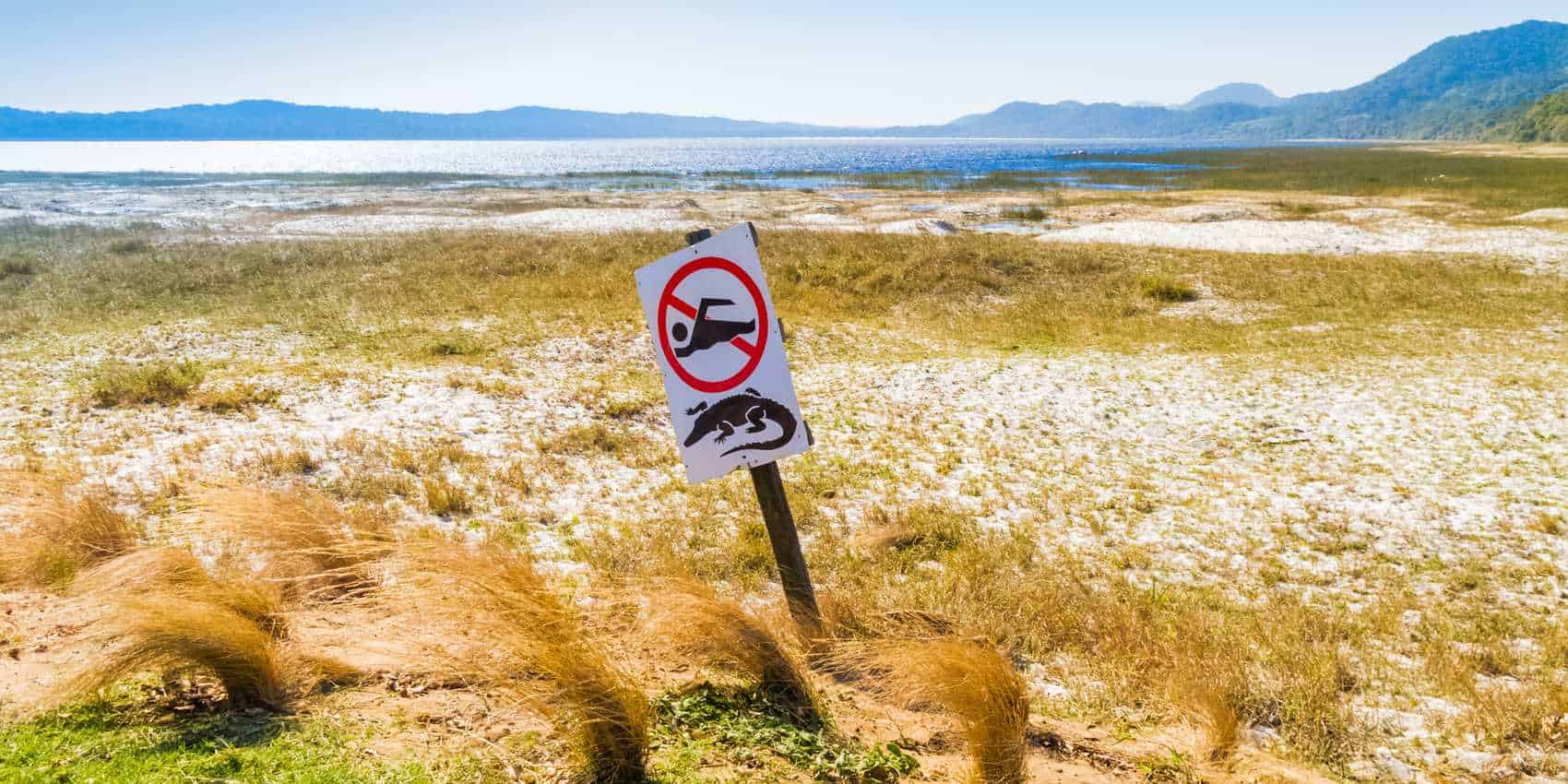
This UNESCO World Heritage site is a primal mosaic. Wake to the call of the fish eagle; go on an afternoon scuba dive; and end your day on a boat cruise, watching hippos and crocodiles navigate the St Lucia estuary as the African sun sets.
Conservation in Action
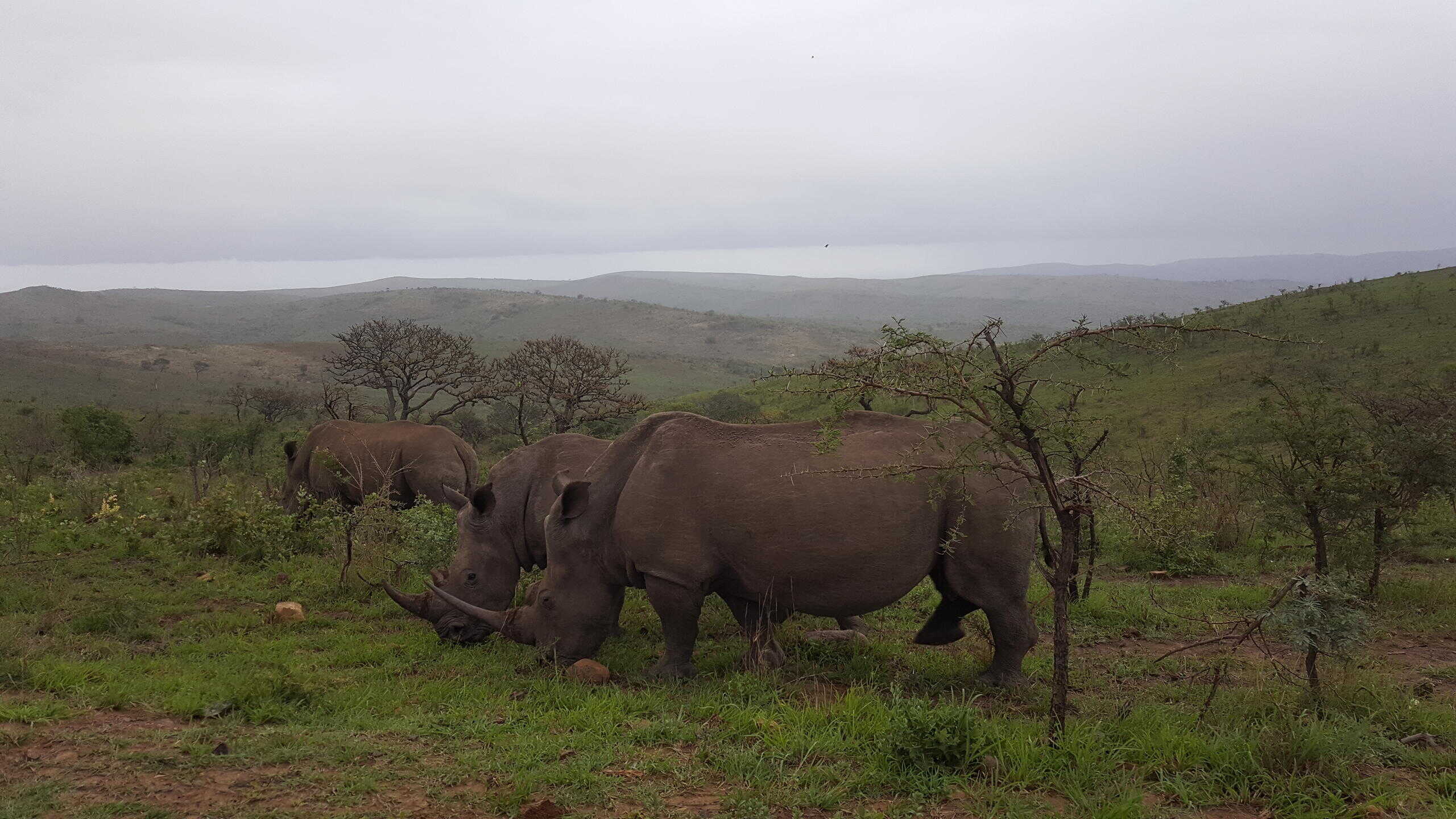
KwaZulu-Natal is an opportunity to engage with meaningful conservation. The province is a global stronghold for both black and white rhinos. Your visit directly supports the dedicated teams working tirelessly to protect these prehistoric giants.
Whether you’re tracking wildlife on foot with a local guide or participating in a community-led artisanal experience, you’ll find that the luxury here is in the depth of the encounter as much as it’s in the thread count of your sheets.
The Elephant Coast
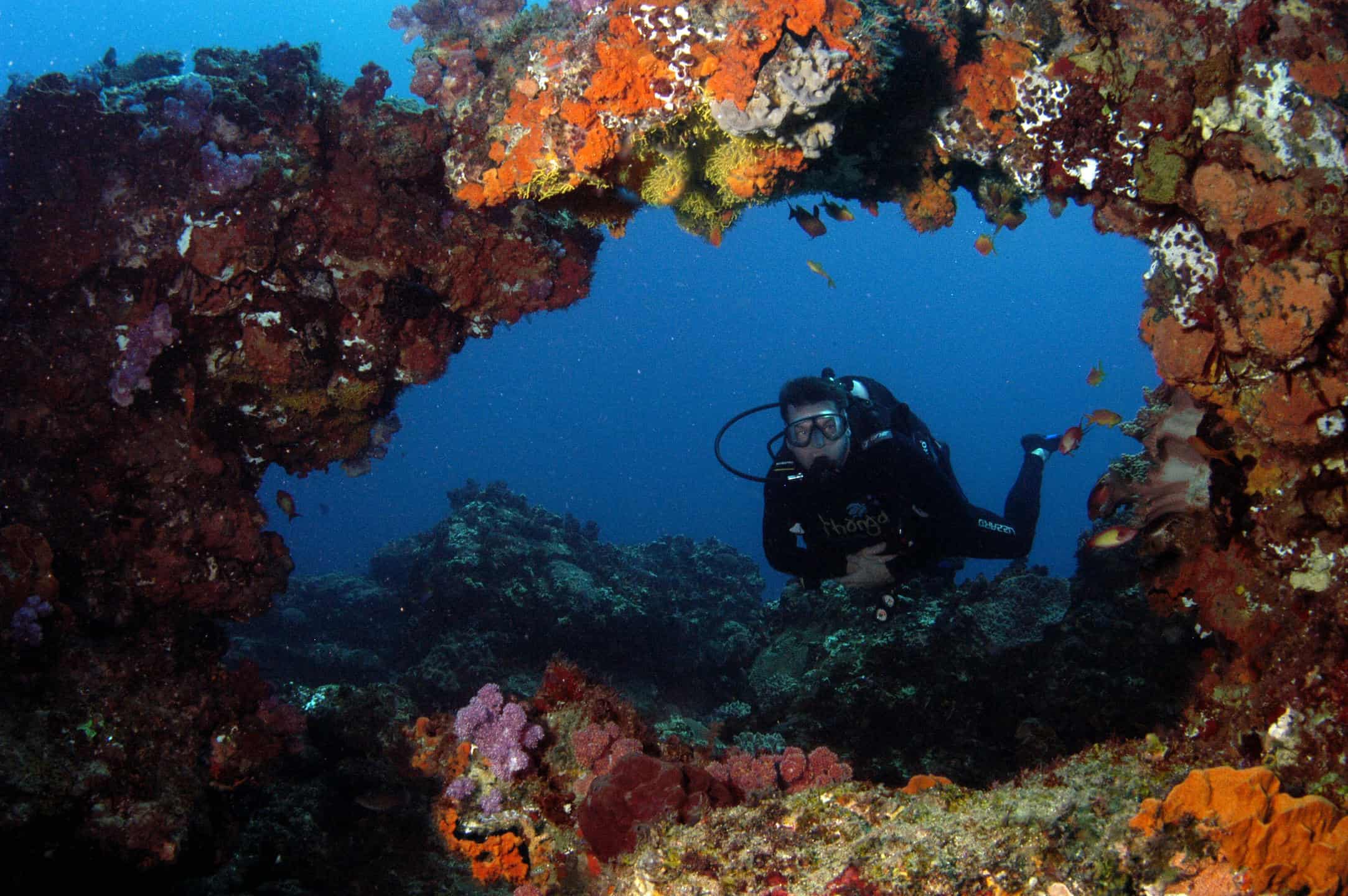
The diversity of tours in KwaZulu-Natal extends to its nearly 600 km coastline, a Mecca for surfers since the 1950s. But there’s more than beaches. Beyond the shoreline, the conservation story continues beneath the swell.
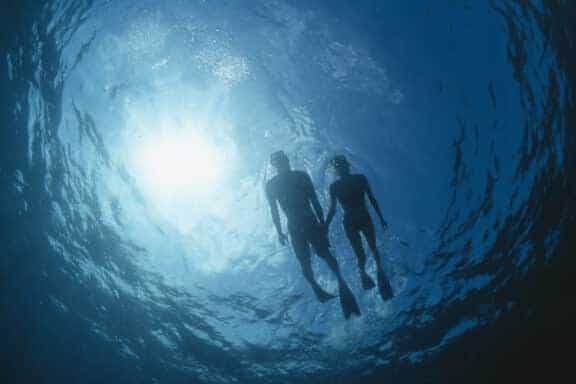
For a truly three-dimensional safari, the province’s marine protected areas offer some fine diving. In the north, Sodwana Bay is a sanctuary for Africa’s southernmost coral reefs, a kaleidoscope of soft and hard corals that host more than 1,200 species of fish.
It’s a place of quiet wonder. Between November and March, you might see loggerhead and leatherback turtles returning to their ancestral nesting grounds.
Further south, the character of the ocean shifts at Aliwal Shoal, a series of ancient, fossilised sandstone dunes that have become a magnet for pelagic life. Known globally as a premier shark diving destination, the shoal is a visceral connection to the wild.
From June to November, hundreds of ragged-tooth sharks congregate in its caves and gullies to mate, while summer months bring the arrival of tiger and bull sharks. The Sardine Run in June and July, when millions of the fish migrate up the coast, is a huge draw for sharks, too. This is also a major attraction for tourists and divers.
Inspired by the untamed beauty of the Zulu Kingdom? Let’s start designing your journey to ensure your African chapter is crafted with heart and local expertise.