

 Email us




It was the battle of the mushroom risottos in a year bookended by great safaris and excellent food. Zambia is a country of extraordinary wildlife, and excellent eating: Zambian cuisine satisfies all the cravings.
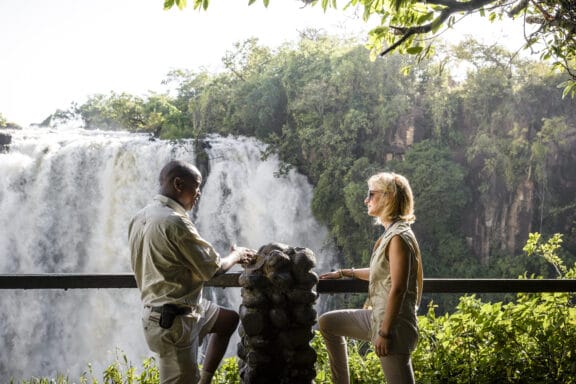
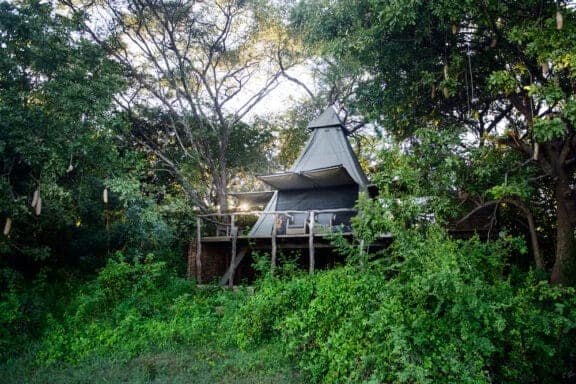
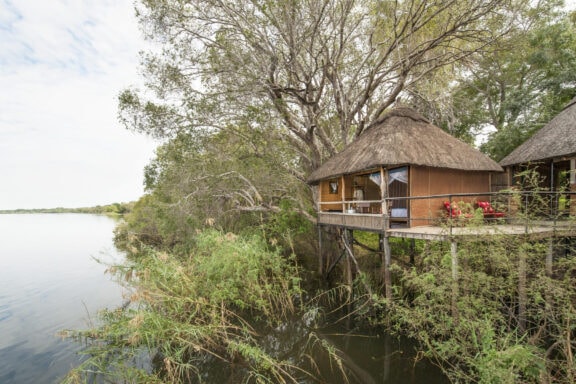
Mukwa River Lodge unfolding along the Zambezi River on the edge of Mosi-oa-Tunya National Park in March, and Chichele Presidential sitting into the hill, overlooking the plains in South Luangwa National Park in November.
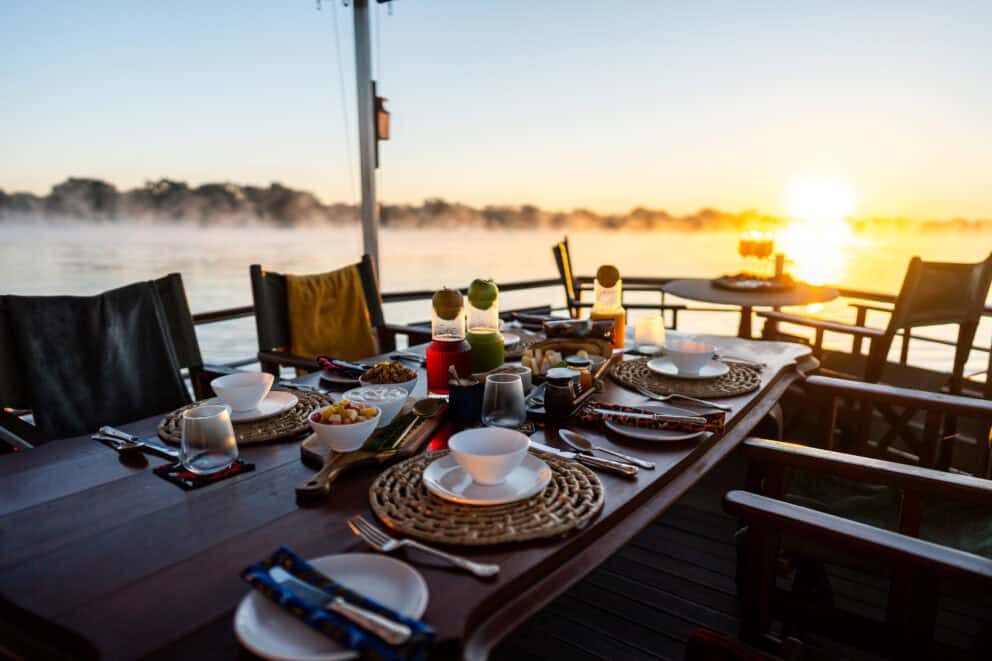
At Mukwa, Zambian cuisine leads the menu. The food is hyper-local, sourced from the gardens or local farmers, and you get to experience dishes you’ll not taste anywhere else in the world – pumpkin leaves, sweet potato leaves and the like.
The mushroom risotto was perfect; just the right firmness and not a hint of porridge. Deep umami flavours of mushrooms wrapped in the zingy sourness of Parmesan.
The uber-luxury Chichele Presidential is in a far more out of the way place, relying instead on a local co-op, Seeds of Success, started by a group of widows, for fresh produce. The mushroom risotto was again a delight, paired perfectly with a Lomond Merlot Rosé from South Africa. The slight acidity cut the creaminess of the dish for a mouthfeel sensation.
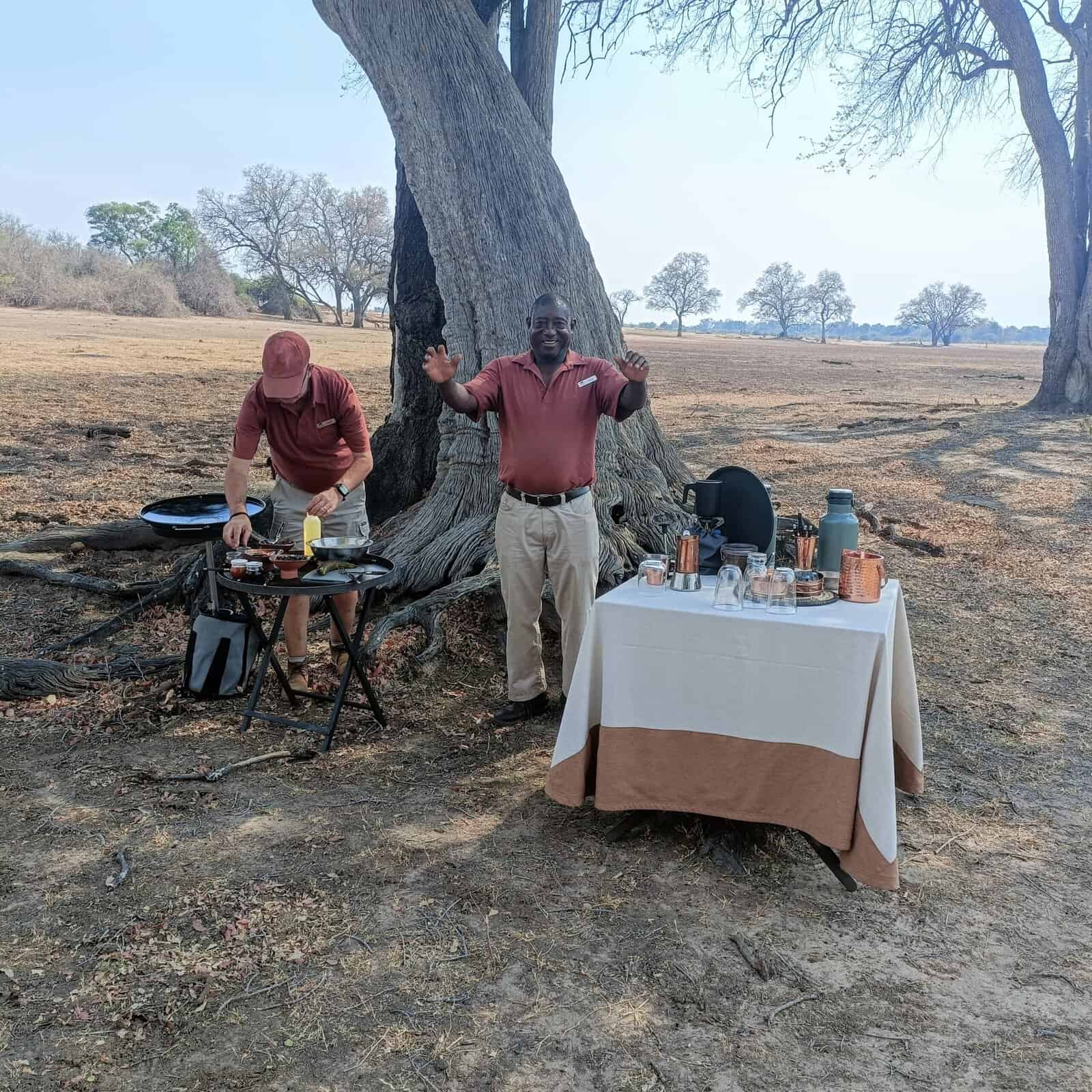
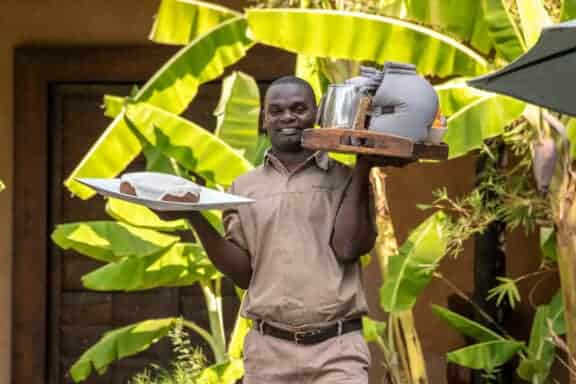
The unexpected surprise of a fresh pancake bar in the bush the next morning was a fine way to kick off the rest of the stay.
Safari Lodge Cuisine
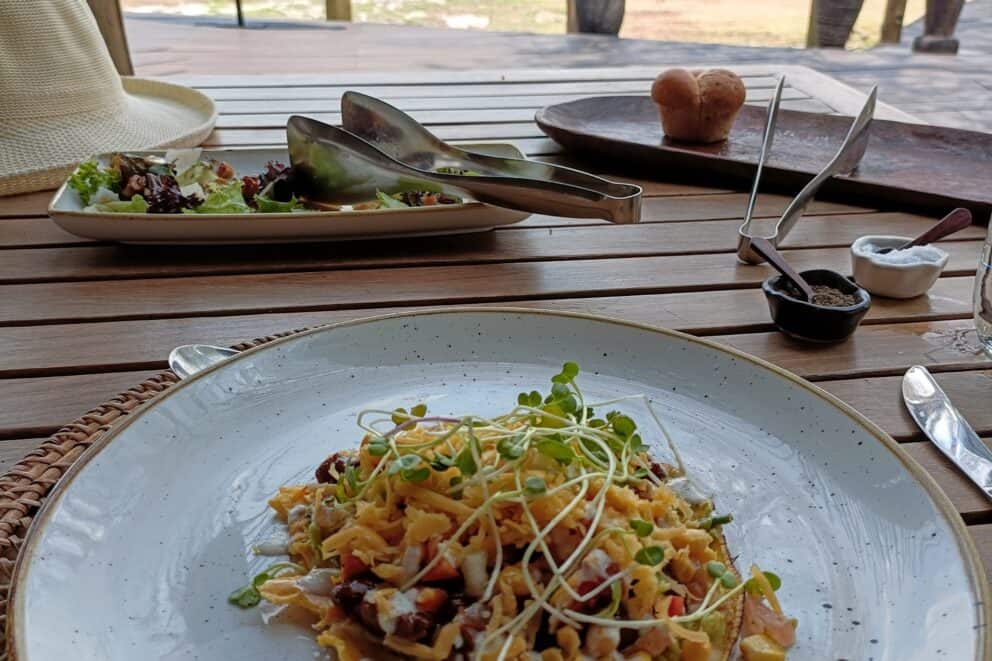
Food at Zambia safari camps is an invitation to indulgence. At Chichele Presidential’s sister lodge, Puku Ridge, dining on vitumbuwa is a profound way to get under the skin of Zambia. It’s a national dish eaten everywhere, a cross between a dumpling and a doughnut, either sweet or savoury.
Dinner began with a spicy butternut soup with vitumbuwa, a contrast with the chai ice-cream and sweet apple vitumbuwa I had enjoyed the night before.
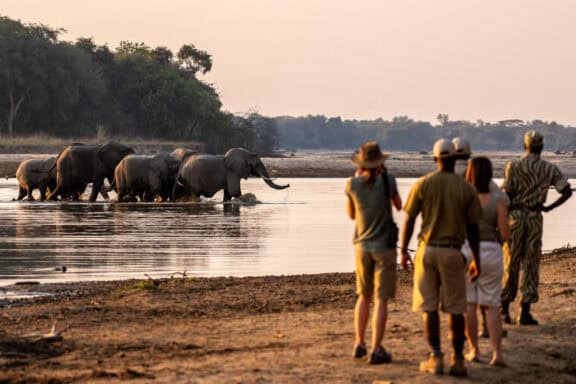
A Zambian safari is an eating safari (at high-end lodges, meals are usually all-inclusive). There are pre-dawn coffees and pastries, and again on the early morning game drive. This is followed by a sumptuous breakfast, then lunch, then high tea (always with a sweet and a savoury offering), sundowners and bar snacks in the bush, and the day ends with a grand dinner.
Fine Dining in Livingstone
It’s also a very proud safari, and everywhere, people are keen to share their riches, often through traditional Zambian food.
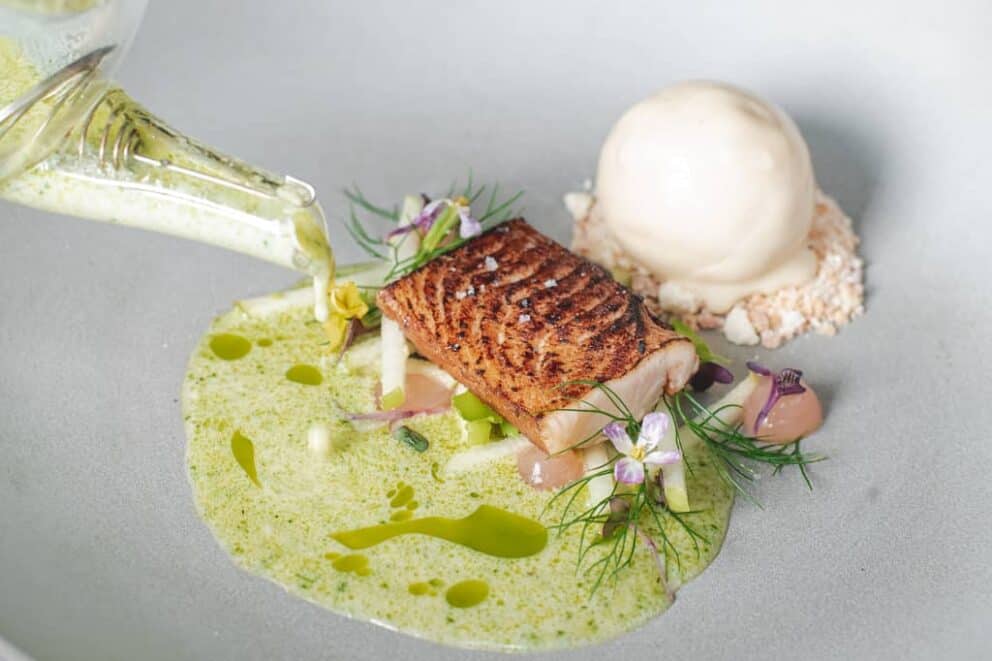
People like Chef Sungani Phiri, who is leading a culinary revolution at his restaurant in Livingstone. He was trained in classical Swiss techniques but has devoted his career to transforming traditional local dishes to fine dining status.
The dishes at Sungani Restaurant are playful yet respectful of heritage. In his kitchen, kapenta becomes a savoury macaroon; bondwe turns into airy marshmallows; caterpillars are dried and powdered into seasoning; mabisi sour milk becomes New York-style cheesecake.
It’s all served in a 16-course seasonal tasting menu in an intimate chef’s house setting. All his ingredients are sourced within 100 kilometres. Each plate tells a Zambian story.
Zambezi Valley Gourmet
Another chef leading the charge of Zambian cuisine, Annabel Hughes Aston is perhaps the original when it comes to turning traditional Zambian food and local ingredients into marvellous modern meals. From her base in the Zambezi Valley outside Livingstone, she calls her craft bush-gourmet, blending foraged wild foods with regenerative gardening.
Annabel was the original powerhouse behind the Elephant Café, and is currently redesigning the menu.
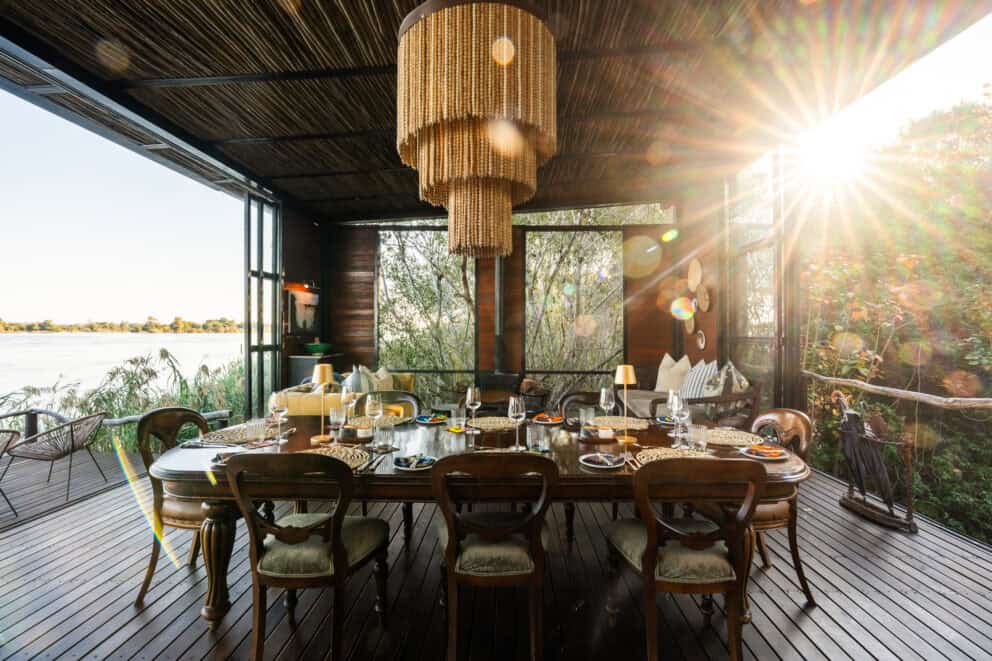
Which brings us back to the safari lodge table and food at Zambia safari camps, where Zambia’s culinary confidence meets the romance of wilderness. All done with an eye on sustainability. Many lodges grow their own produce, bake their own bread, and design menus around what the land is offering at that moment.
Camp Cuisine
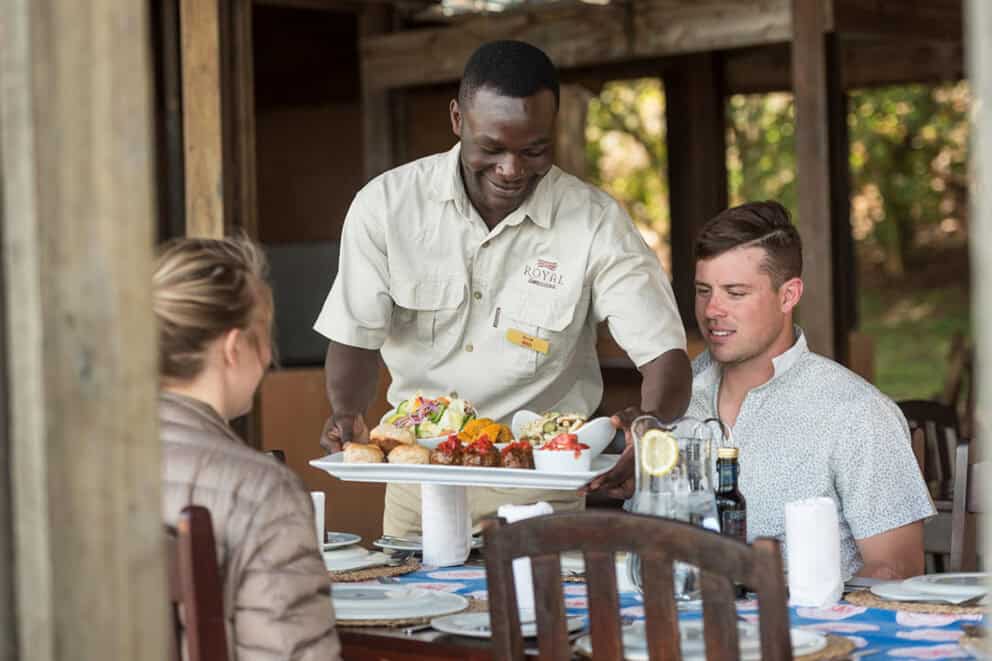
At Lolebezi in the Lower Zambezi, the breakfast offering is splendid; you want for nothing, from seeds and moringa powder for your smoothie to eggs in any form you can imagine. Lunch might be on the riverbank; dinner may be by candlelight in the boma. Food is as indulgent as the lodge itself: generous, relaxed, refined.
There are two firepits – one where alcohol is served and one where it is not, for halal guests.
Down the river, the breakfast granola at Royal Zambezi Lodge is the tastiest you’ll find anywhere. It sets you up for a day of messing about on boats. Royal Zambezi was awarded a Michelin Key in 2025.
Even in remote and very wild Kafue, lodges like KaingU dish up gourmet safari experiences, where chef-driven cuisine and personal touches, including celebratory cakes, make guests feel cherished – a chocolate birthday cake eaten to the sounds of hippos guffawing and birds cawing made for a special day.
A little bit of Italy flourishes on the banks of Lake Itezhi-Tezhi in Kafue at Konkamoya, where co-owner Caterina Ferazzini has brought her home country’s cuisine to her adopted land. Zesty homemade tagliolini al Limone eaten while elephants wander past is a marvellous way to get in your citrus.
Traditional Zambian Food
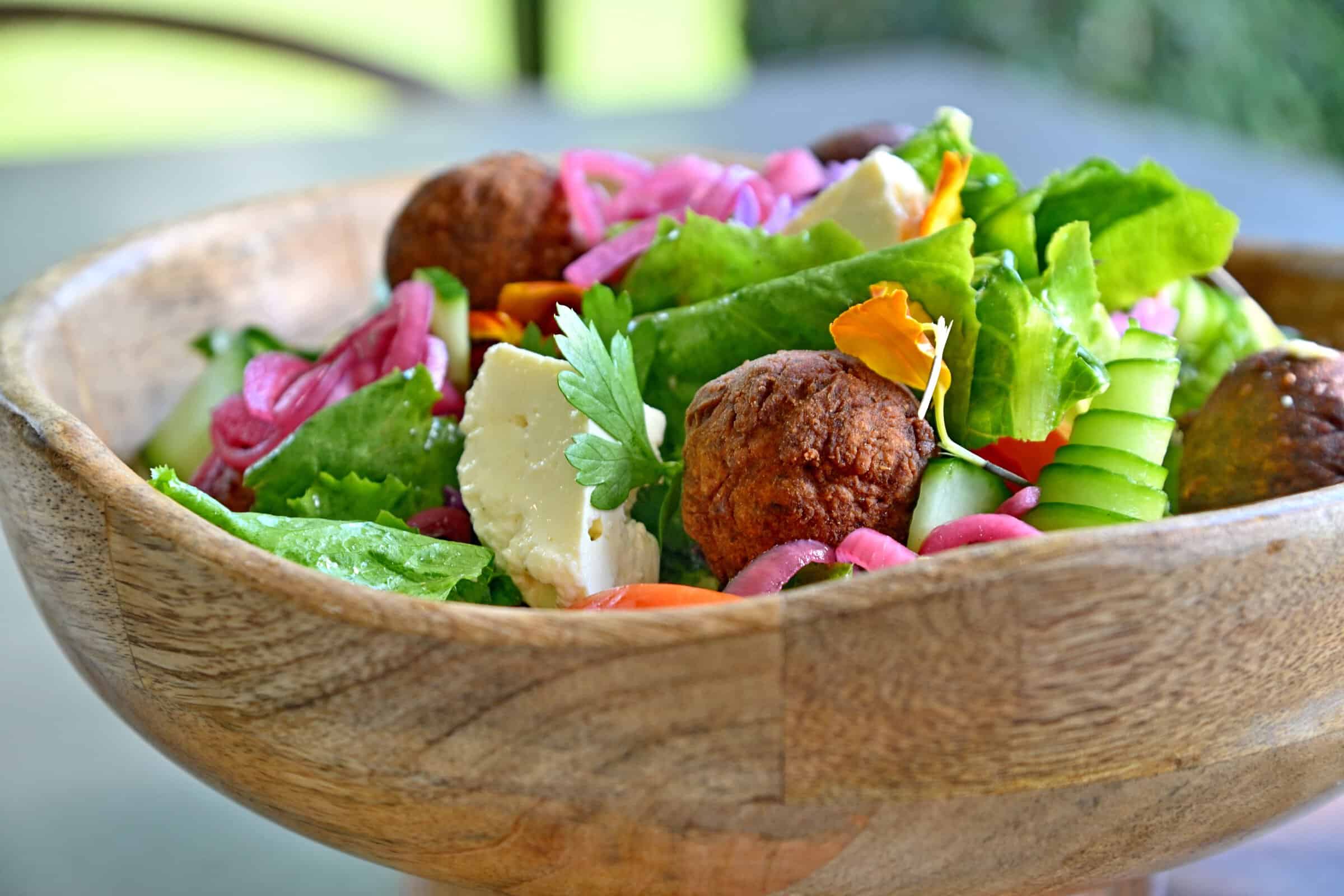
Back at Mukwa River Lodge near Victoria Falls, guests are invited into the kitchen story through foraging, shopping at the local market, garden tours, and cooking experiences.
At safari lodges, they infrequently serve pure traditional Zambian food, instead taking the flavours and ideas and giving them a personal twist.
Traditionally, the anchor of most meals is nshima, a thick porridge that is eaten by hand. Depending on region, it’s made with maize, cassava, millet, or sorghum.
Accompaniments are leafy greens like chibwabwa (pumpkin leaves), katapa (cassava leaves), and bondwe (amaranth or African spinach).
Bondwe is a key ingredient in a good ifisashi recipe, often cooked with tomatoes, onions, and groundnuts to create the creamy, earthy stew that’s both nourishing and indulgent.
Fish On The Menu
Zambia is blessed with rivers and lakes, putting fish very much front and centre on the menu. Think kapenta, bream, or Nile perch. Chicken and michopo (roasted beef or goat) are also eaten.
But if you really want to get a taste of Zambia, you must try the local treasures: crispy inswa (flying ants) and rich ifinkubala or mopane worms, the caterpillars of the emperor moth, often eaten fried or dried as a protein-rich snack.
Another local hero is chikanda. What is chikanda, you ask? It’s a much-loved peanut-and-orchid-tuber “meatloaf” known as African polony.
Meat and Street Food
As for the best matebeto – if you’re looking for that authentic, smoky, meat-centric, community-focused eating experience, Lusaka will provide.
Matebeto is a Zambian cultural ceremony, primarily among the Bemba people, where the bride’s family prepares and serves a large, traditional feast for the groom and his family after the couple has married.
But it has become so much more than that, expanding into a vibrant street food culture with dedicated matebeto restaurants (often called matebeto joints) found in most urban centres.
In Lusaka, drop in for a festive experience at Mpoto Yathu in Rhodespark, Thornpark, or Longacres Market. Go hungry – the food is plentiful.
It’s good advice altogether for Zambia – go hungry; the food is plentiful and delicious.
If a safari in Zambia, with its rich wildlife, deep culture and amazing cuisine, sounds like your kind of adventure, contact one of our safari experts and start crafting your journey.

Written by Lorraine Kearney
• Travel Writer
 Blog List













Written by Lorraine Kearney
• Travel Writer
Part of the Zambia Safari Collection