

 Email us




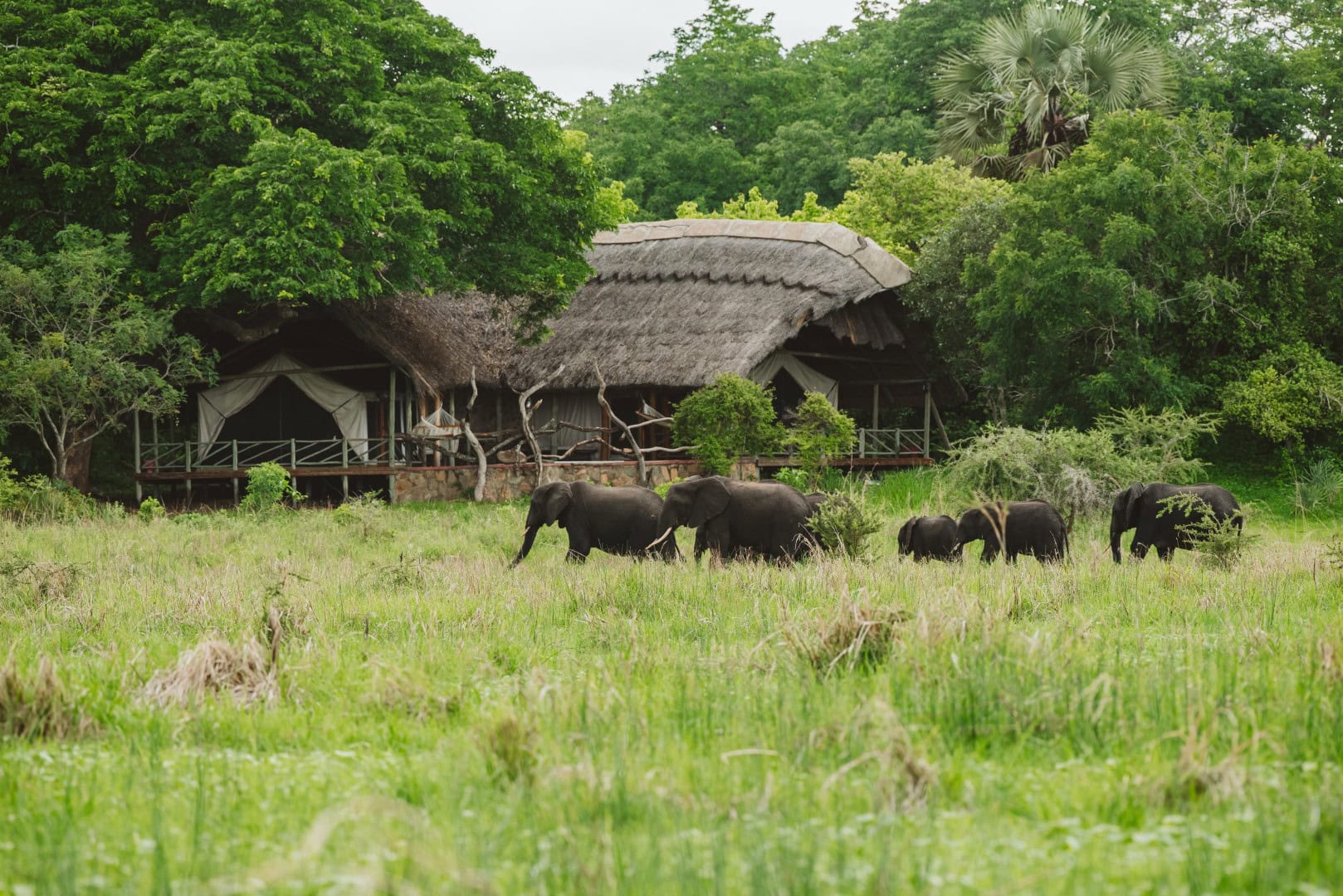
Morning mist drifts across a hidden plain. An elephant family crosses a dry riverbed, barely noticing your small group. In the forest beyond, a troop of chimpanzees moves silently through the canopy, revealed only when sunlight breaks through the leaves.
These are the best off-the-beaten-path safari destinations, where wildlife remains undisturbed, the landscape feels untouched, and human footprints are rare.
In Majete, lions and elephants roam restored forests, a result of years of careful conservation. Gorongosa’s plains have returned to life after decades of protection, drawing back species once driven away.
Visiting these parks is not about ticking boxes; it’s about stepping into spaces where animals thrive, where small lodges and guided excursions allow you to witness everything without disturbing the environment.
Secluded Tanzanian plains, Mozambique’s quiet islands, Malawi’s water channels, and Zambia’s open grasslands offer off-the-beaten-path African safaris that reveal moments few people ever see. Each day brings the possibility of unexpected encounters, discoveries that linger long after you leave, and a sense of being somewhere largely untouched.
1. Ndzehi Concession, Republic of Congo
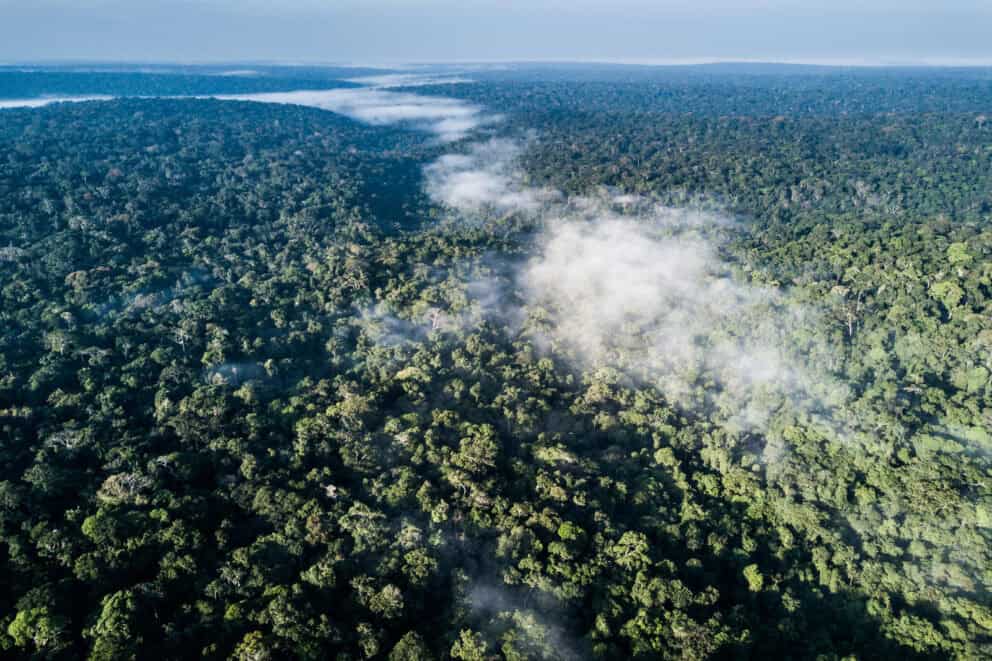
Dense forest stretches as far as the eye can see, punctuated by small clearings where wildlife appears unexpectedly. The Ndzehi Concession offers a remote safari experience that few travellers have experienced: tracking western lowland gorillas.
Time here is measured not by schedules, but by animal movement and the light filtering through the trees. Guided walks let you observe without disturbing the habitat, while Ngaga Lodge blends seamlessly with the forest. Conservation efforts in the area help wildlife and local communities thrive, keeping the ecosystem resilient for generations to come.
The Ndzehi Concession represents a raw wilderness safari, offering moments that feel unplanned, authentic, and rare. Each sighting becomes a memory that lingers, a reminder of Africa’s untamed corners far removed from mass tourism.
2. Majete Wildlife Reserve and Lake Malawi, Malawi
Malawi offers a rare balance between water and wildlife. Lake Malawi dominates the landscape, with clear waters, quiet beaches, and islands that suit travellers seeking genuine remote island holidays. Away from the shoreline, Majete Wildlife Reserve has transformed through conservation, restoring the Big Five across the woodland and savannah.
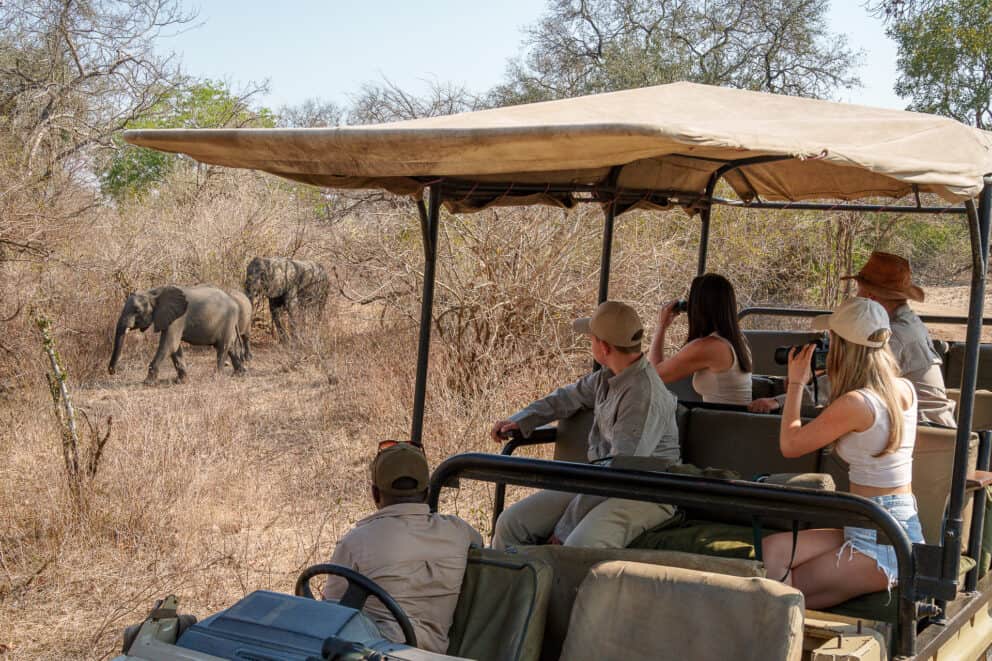
Game drives in Majete often pass without seeing another vehicle. Elephants move between riverbanks and forest edges. Lions rest in open shade. Leopards appear along tracks at dusk. The reserve’s success is rooted in thoughtful land management and a commitment to low-impact tourism.
Beyond drives, time on the lake introduces a different dimension. Kayaking along calm channels, early morning birdwatching, and evenings marked by still water and fading light create a safari rhythm that feels unforced and grounded.
3. Katavi National Park, Tanzania
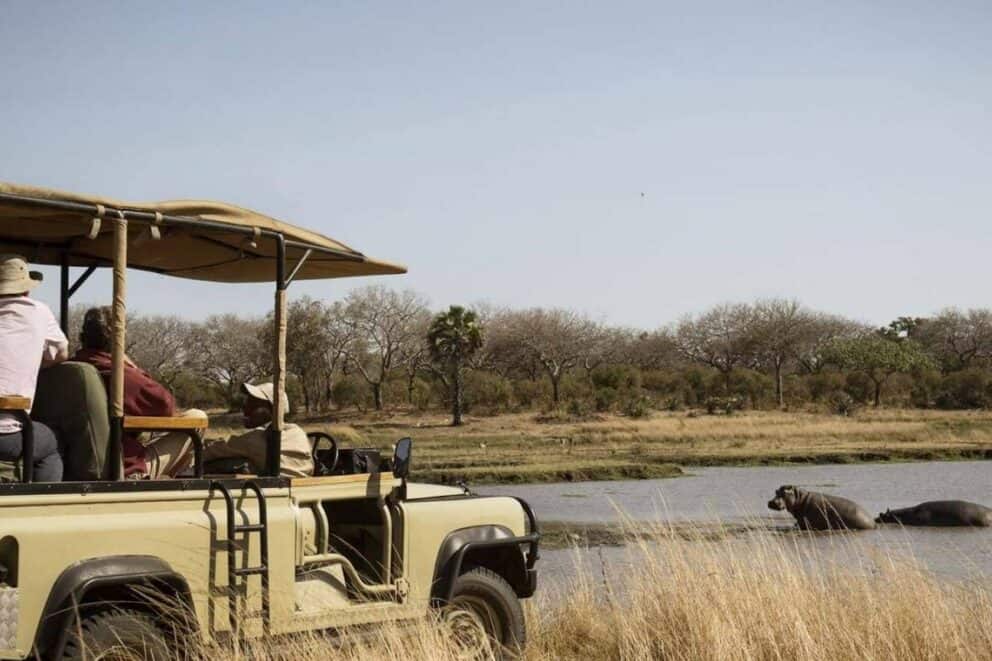
For those seeking a secluded Tanzania safari, Katavi National Park lies far from the usual routes and offers some of the country’s most striking wildlife concentrations during the dry season.
Buffalo gather in large numbers around shrinking water sources; hippos crowd muddy pools; lions patrol open floodplains with little disturbance. With so few visitors, sightings feel observational rather than orchestrated, allowing travellers to experience the park’s wildlife as it exists naturally.
4. Mahale Mountains National Park, Tanzania
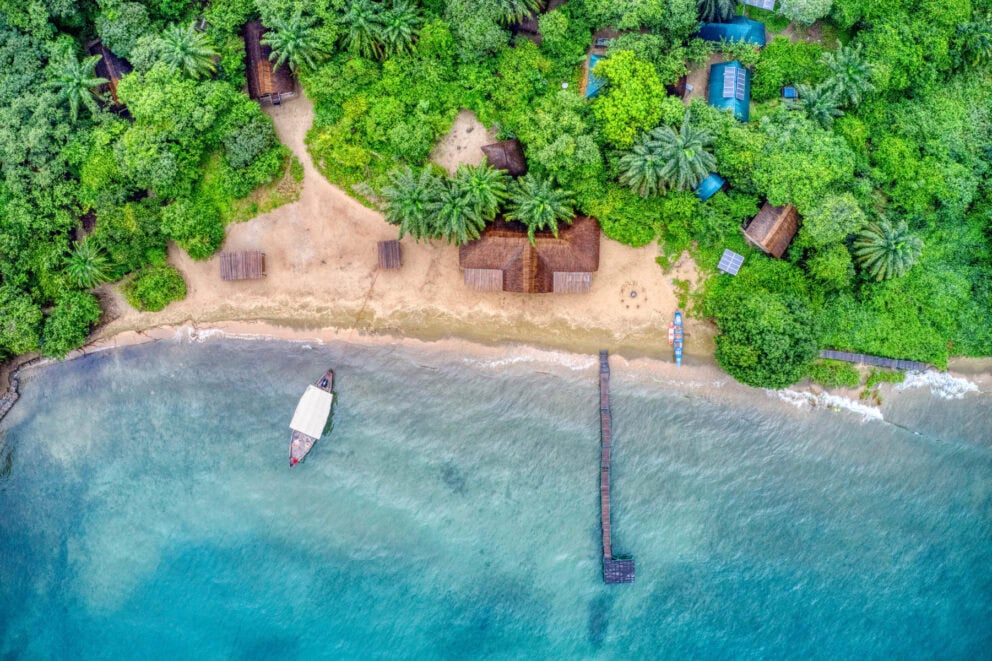
Mahale Mountains National Park rises along the shores of Lake Tanganyika, combining forested slopes with untouched beaches. Chimpanzee troops move through the canopy, while elephant families travel between feeding areas, and antelope graze in small clearings at first light. Guides follow animal behaviour closely rather than covering set distances, making this one of Tanzania’s most rewarding off-the-beaten-path African safaris.
5. Benguerra Island, Mozambique
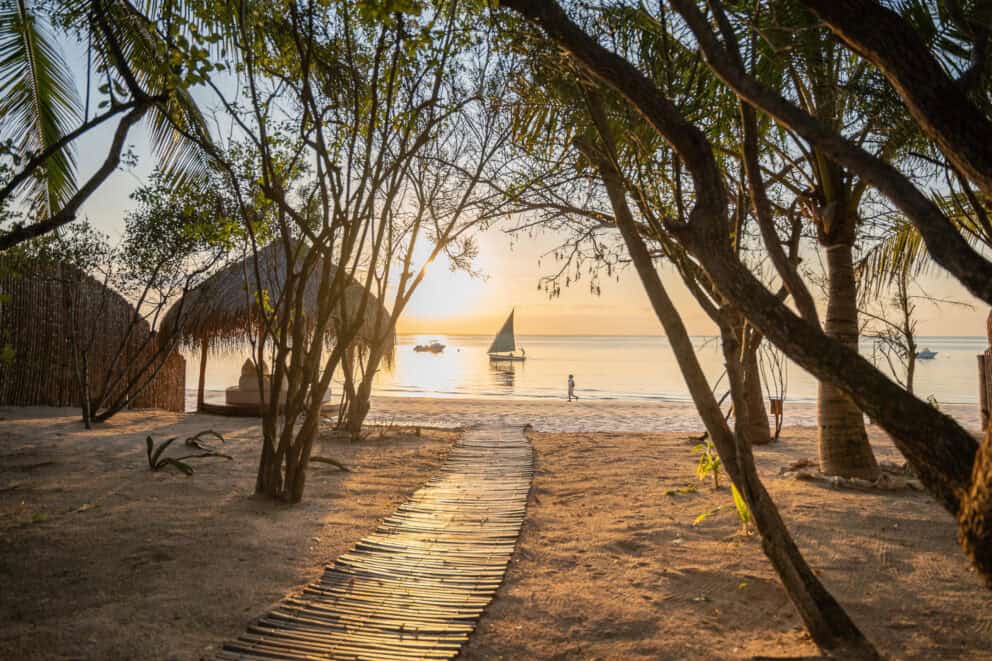
Benguerra Island forms part of Mozambique’s Bazaruto Archipelago and offers a rare blend of coastal and bush environments. It works naturally for travellers looking to combine remote island holidays with time on the mainland.
On the island, quiet paths wind through dunes and coastal vegetation, where birdlife and small antelope are commonly seen. Offshore, calm waters suit snorkelling, sailing, and dhow trips. Short flights from the island to the mainland allow access to open bush and wildlife, offering experiences that feel intimate rather than staged.
Benguerra is well suited to travellers building longer off-the-beaten-path African safaris, especially those seeking contrast without sacrificing continuity.
6. Zambezi Region, Namibia
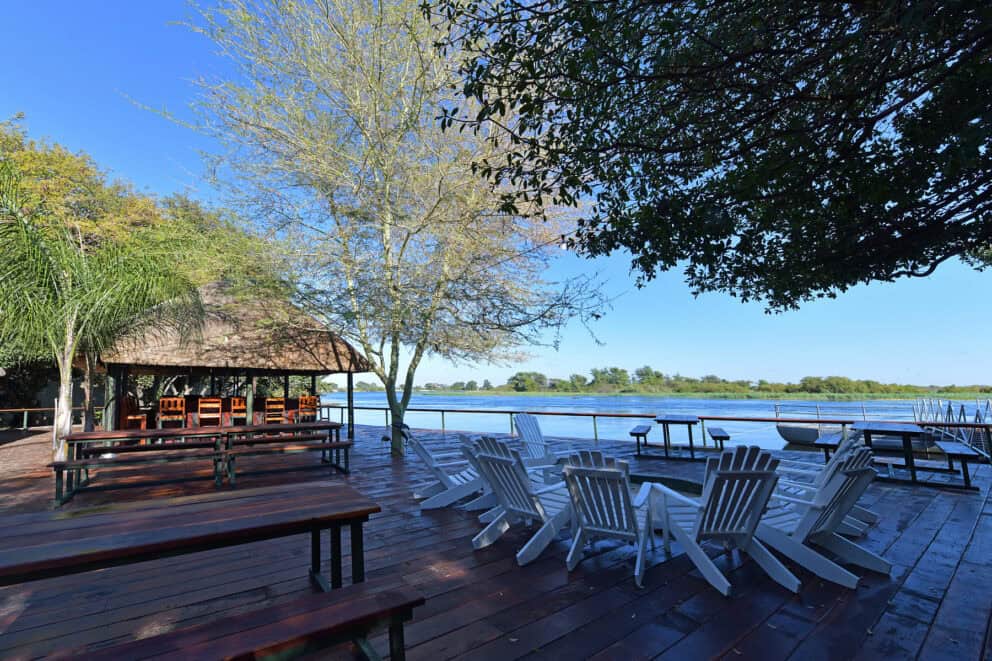
Namibia is famous for its towering tangerine dunes, but the Zambezi Region offers a startling departure from the desert. This is Namibia’s lush interior – a network of floodplains, woodlands, and channels along the Zambezi and Chobe Rivers. Here, the landscape is defined by water rather than sand.
Crocodiles line the banks, hippos dominate the deep channels, and herds of elephants migrate through the woodland corridors. Guided boat safaris and walks focus on the intricate rhythm of the river, offering a birdwatcher’s paradise and a sense of isolation that feels worlds away from the dunes of Sossusvlei.
This region highlights Namibia’s unexpected ecological diversity, rewarding those who venture into its wild, water-fed corners.
7. Gorongosa National Park, Mozambique
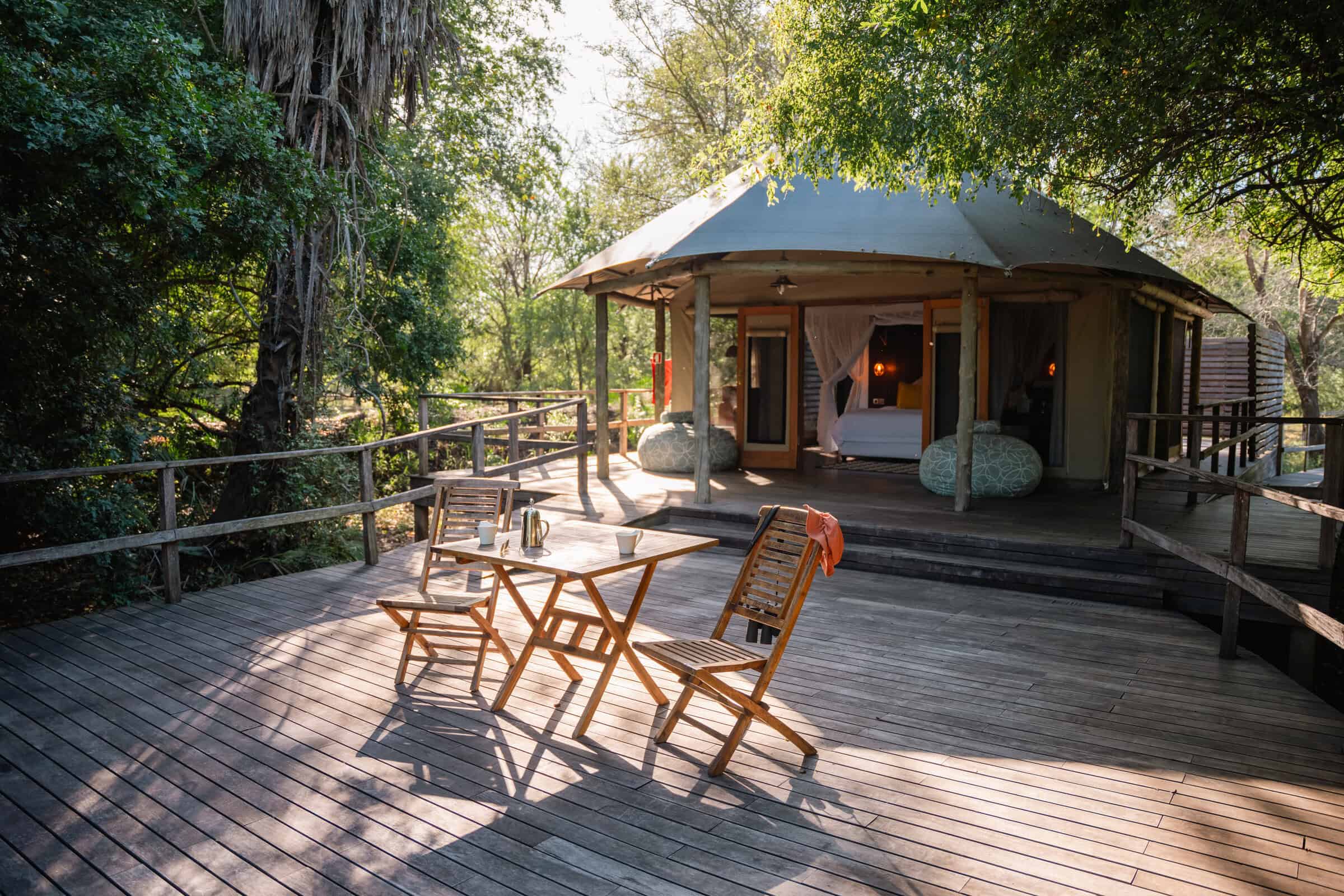
Gorongosa National Park rises from central Mozambique, where rolling floodplains meet forested hills. After decades of conservation, rivers and grasslands have returned to life, supporting elephants, lions, hippos, and a rich variety of antelope.
Birdsong fills the mornings as flocks wheel above open plains, while smaller wildlife moves quietly through the undergrowth, offering moments of discovery for patient travellers. Local communities work alongside park rangers to protect habitats, restore species, and maintain sustainable practices, making every visit part of a larger story of renewal. Guided safaris focus on minimal impact, with small groups and eco-conscious camps that blend into the landscape.
Tracking animals, exploring remote valleys, and drifting along rivers by canoe lets visitors experience Gorongosa’s wilderness without disturbance.
Whether watching elephants graze at sunset, listening to the subtle sounds of the floodplain, or navigating lesser-known trails, Gorongosa offers a raw wilderness safari that feels rare and unhurried.
What Sets These Destinations Apart
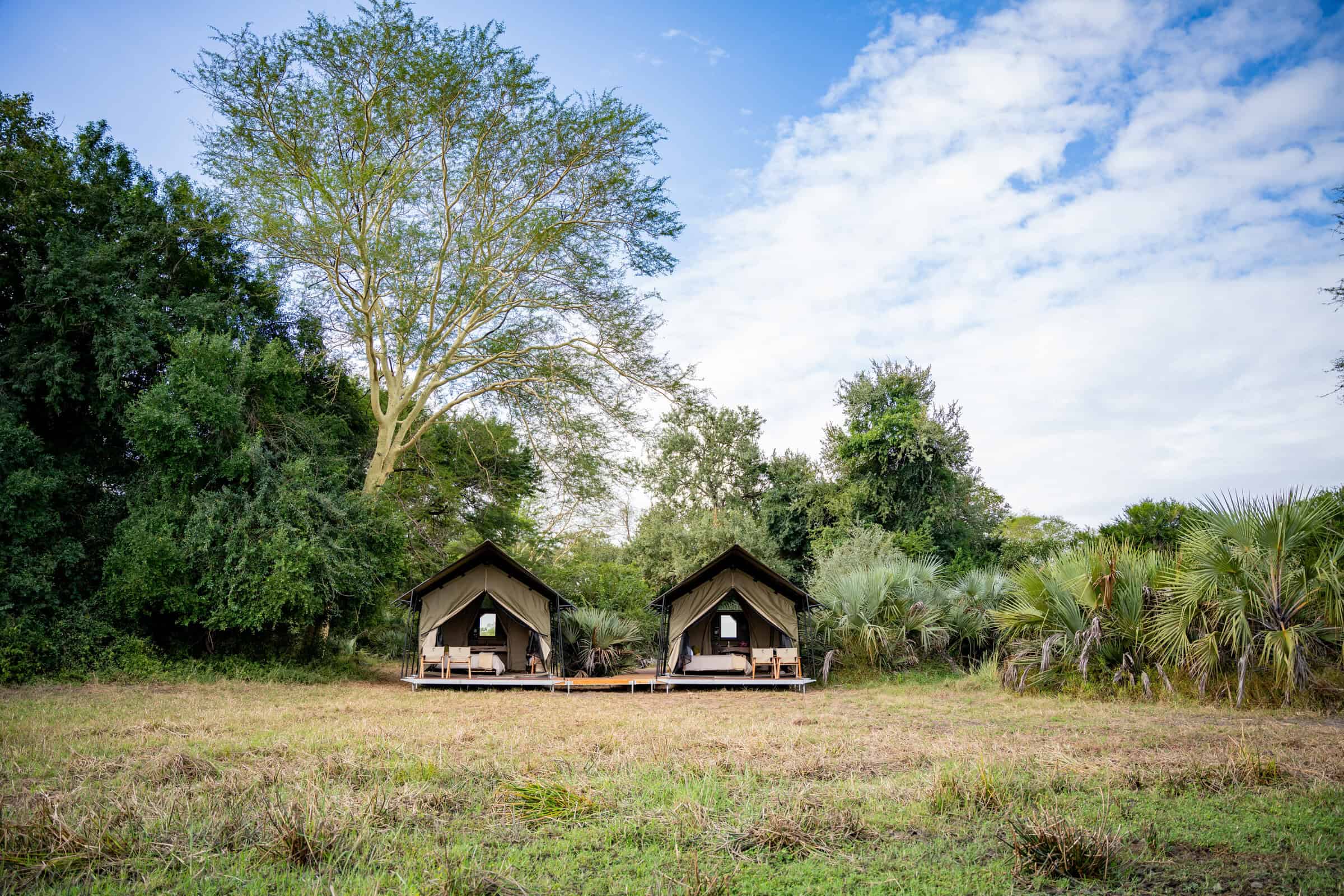
What links these destinations is not just their remoteness, but how travel functions within them. Activities follow wildlife patterns. Camps and lodges operate with minimal impact. Encounters feel earned rather than arranged.
These journeys are defined by time spent watching rather than chasing. Sitting quietly as a herd of elephants crosses a river. Walking with a guide who knows one valley intimately. Closing the day in peaceful isolation, noticing details often overlooked, and feeling fully present in a place few ever visit. This is the foundation of the best off-the-beaten-path safari destinations.
Africa still offers regions where the landscape shapes the experience, not visitor numbers. We guide each step, suggesting timing, access, and seasonal highlights so your safari feels thoughtful, personal, and connected to the land.
When you’re ready to plan your off-the-beaten-path adventure in Africa, we’re here to guide you, making the remote accessible.

Written by Yamkela Welaphi
• Travel Writer
 Blog List












Written by Yamkela Welaphi
• Travel Writer