Email us



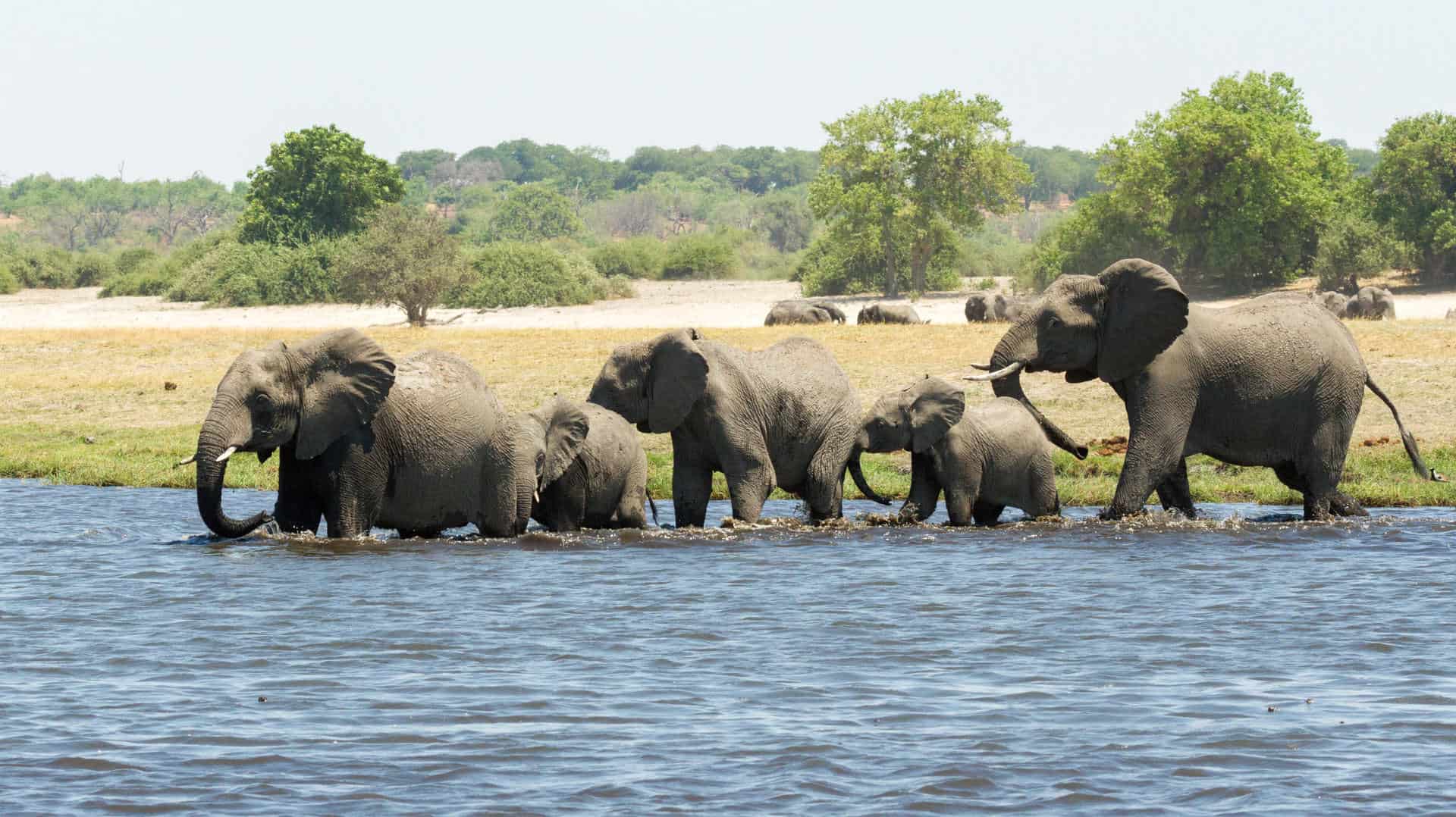



Namibia is a land of desert dreams and shimmering salt pans, but tucked away in the far northeast lies its green, watery heart. Choosing a Zambezi region safari (formerly Caprivi Strip) is an invitation to see a side of the country most travellers miss.
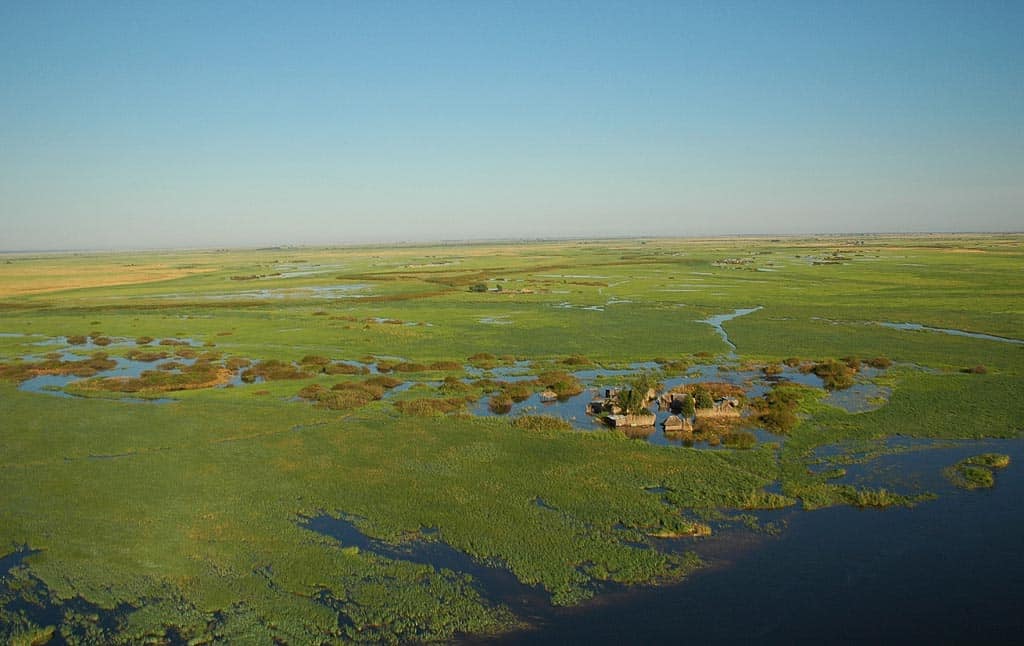
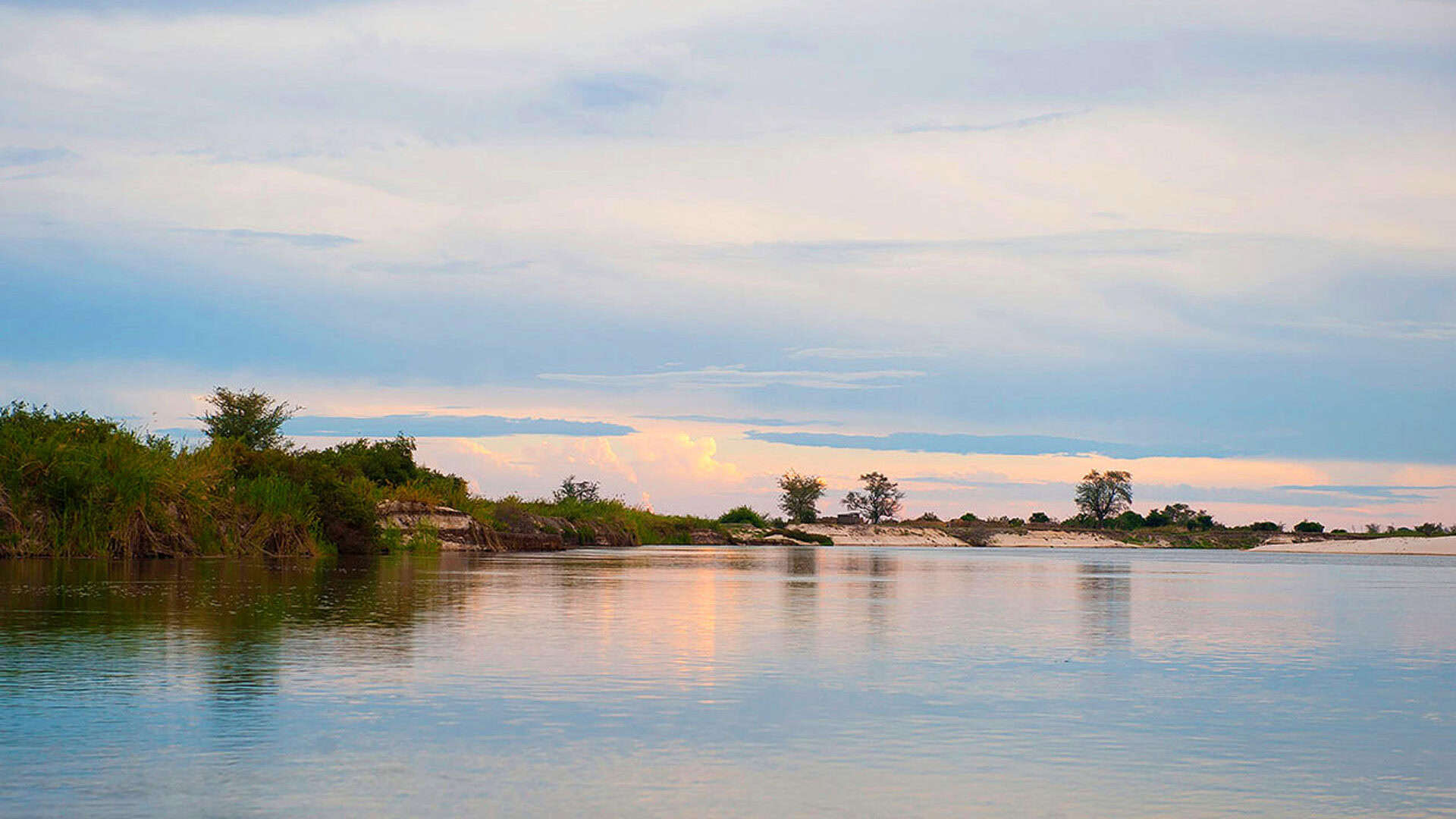
Previously known as the Caprivi Strip, it was renamed the Zambezi Region in 2013. It’s a lush corridor of riverine forests and floodplains that connects Namibia’s arid landscapes to the mighty Zambezi River.
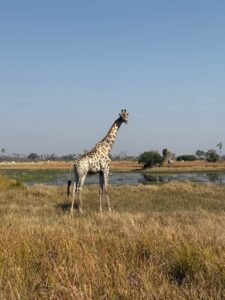
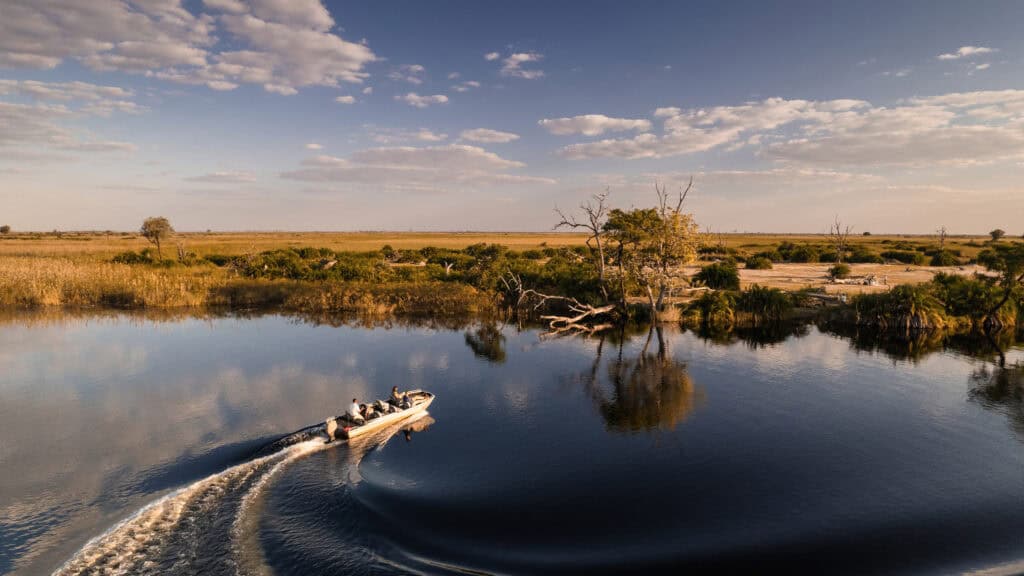
Unlike the rest of Namibia, life here revolves around the perennial Kavango, Kwando (which flows into the Linyanti and Chobe), and Zambezi rivers. If you look at a Zambezi region map, you’ll also see how this narrow piece of land creates a vital bridge between Namibia, Botswana, Angola, and Zambia.
A Zambezi region fly-in safari is a chance to connect with an authentic, unfenced wilderness that feels a world away from the busy tourist tracks.
A Different Kind of Wild
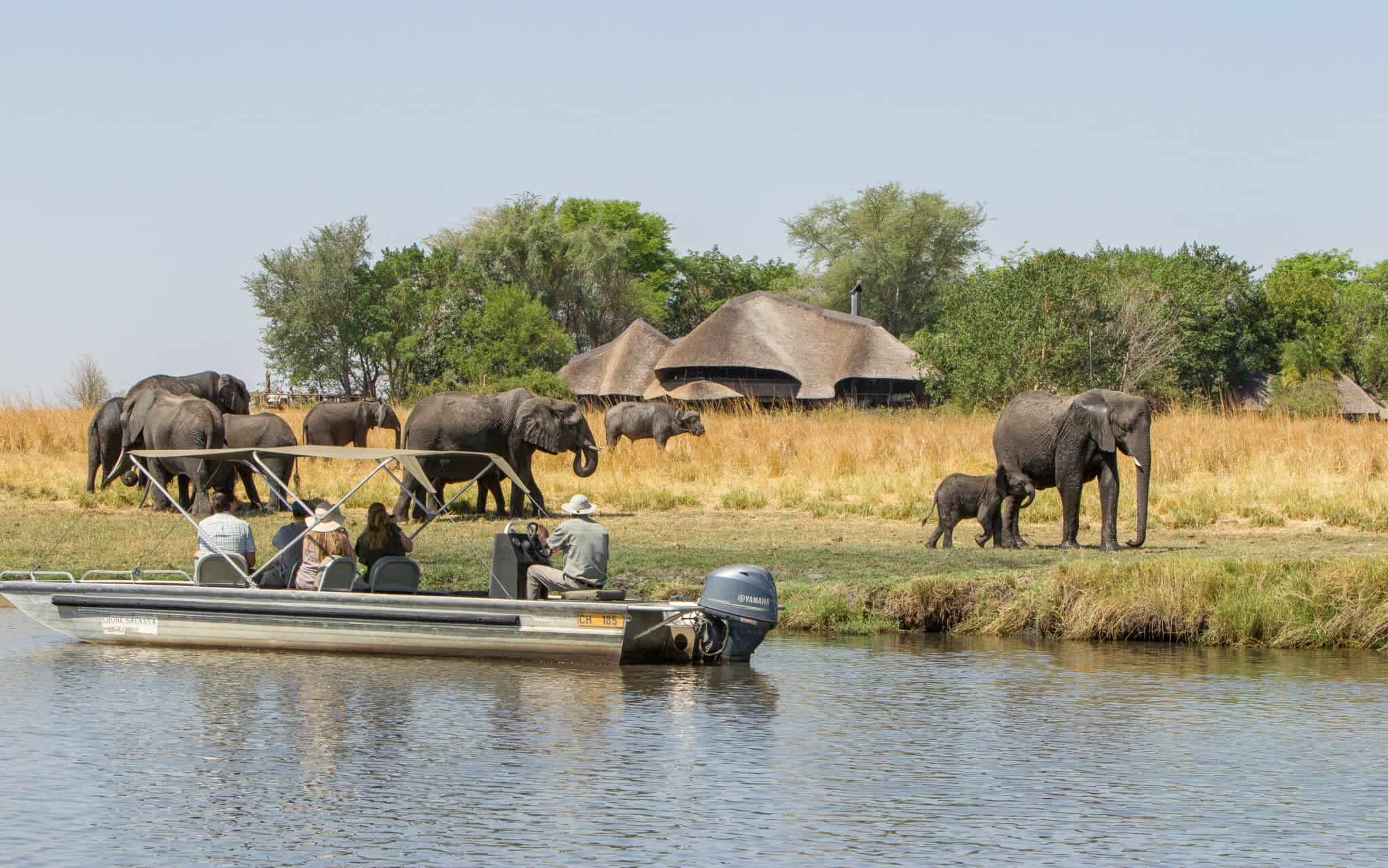
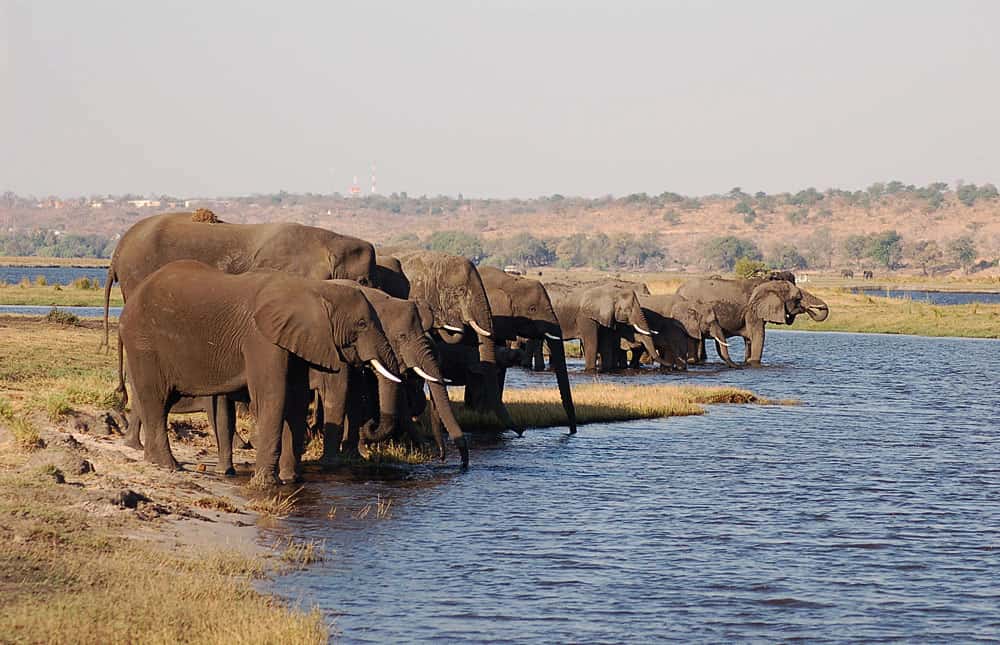
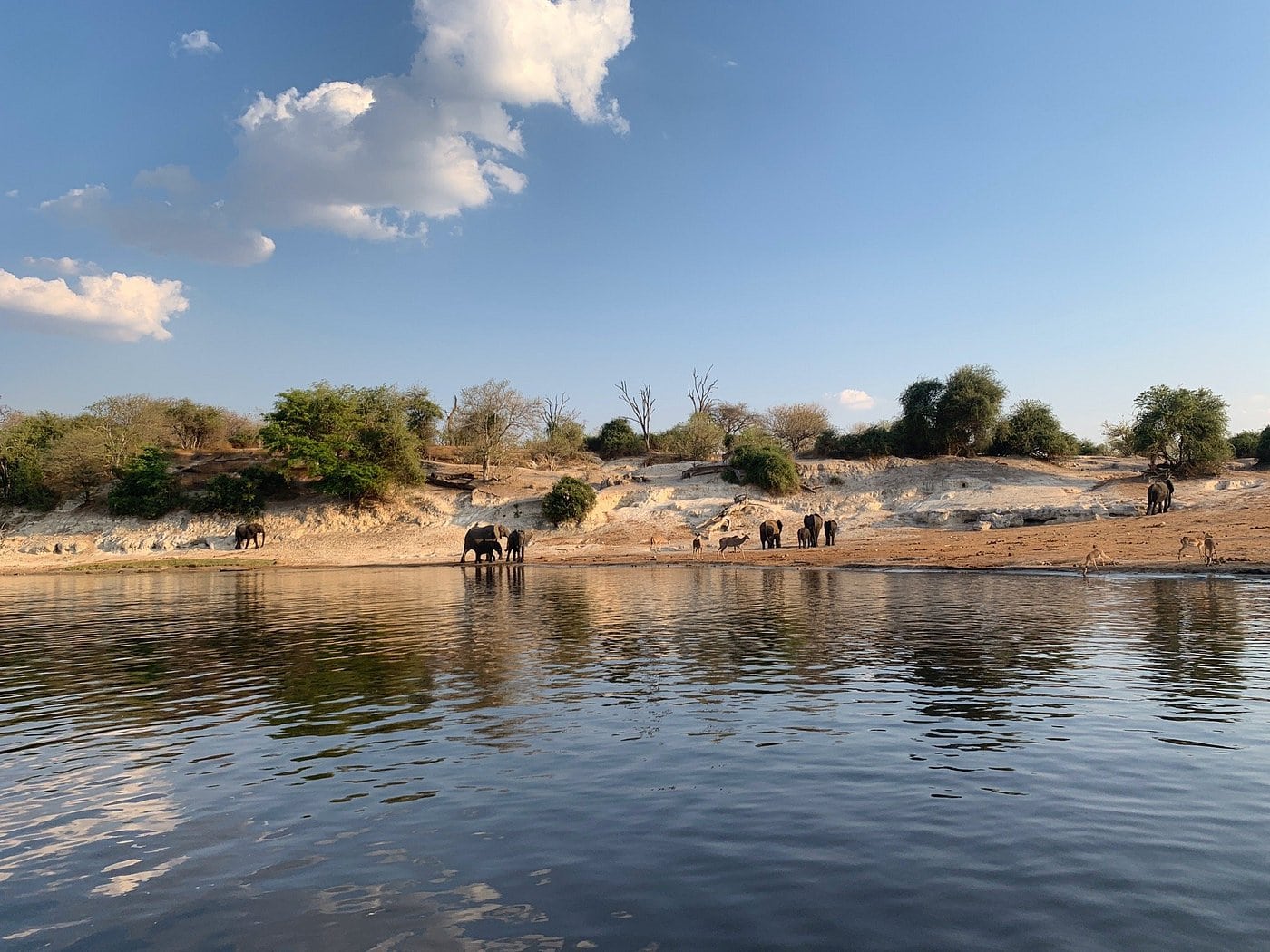
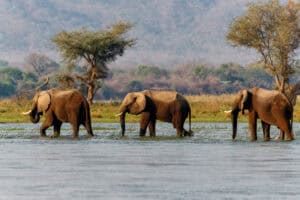
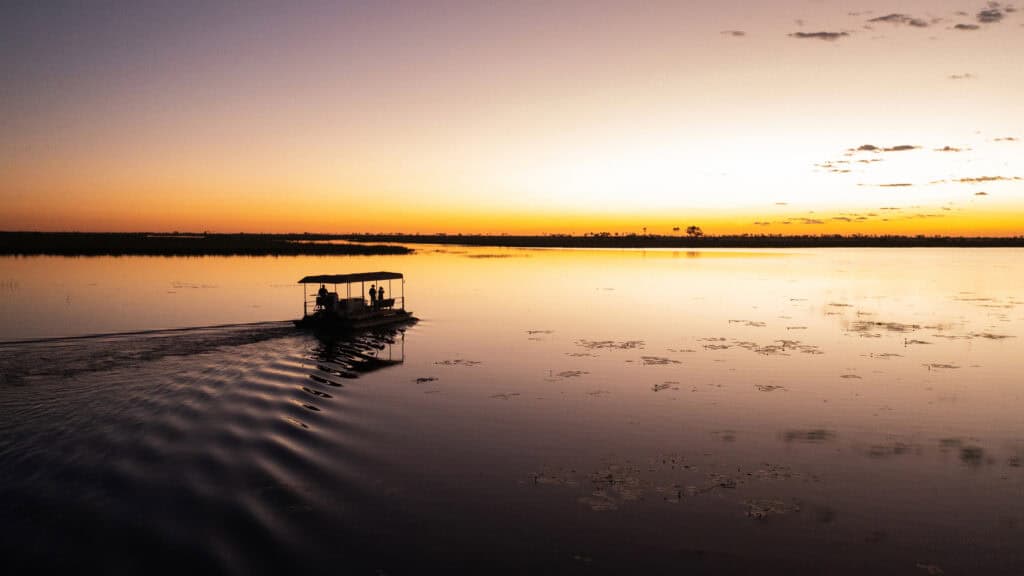
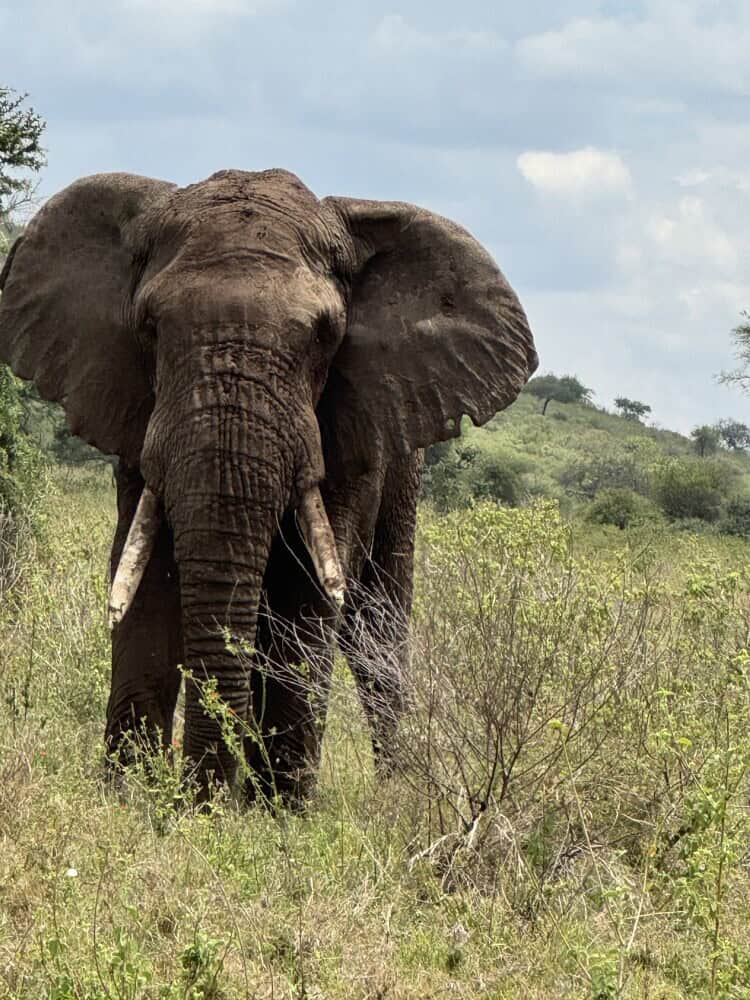
A standard Namibia trip might focus on the towering dunes of Sossusvlei or the white crust of Etosha, but Zambezi region safari holidays are defined by water. Here, four of the Big Five take a backseat to the rhythm of the river. Only four, because there are no rhinos found in this region. You can spend your mornings on a tiger fishing safari adventure or drift silently on a boat cruise as elephants cross the water at sunset.
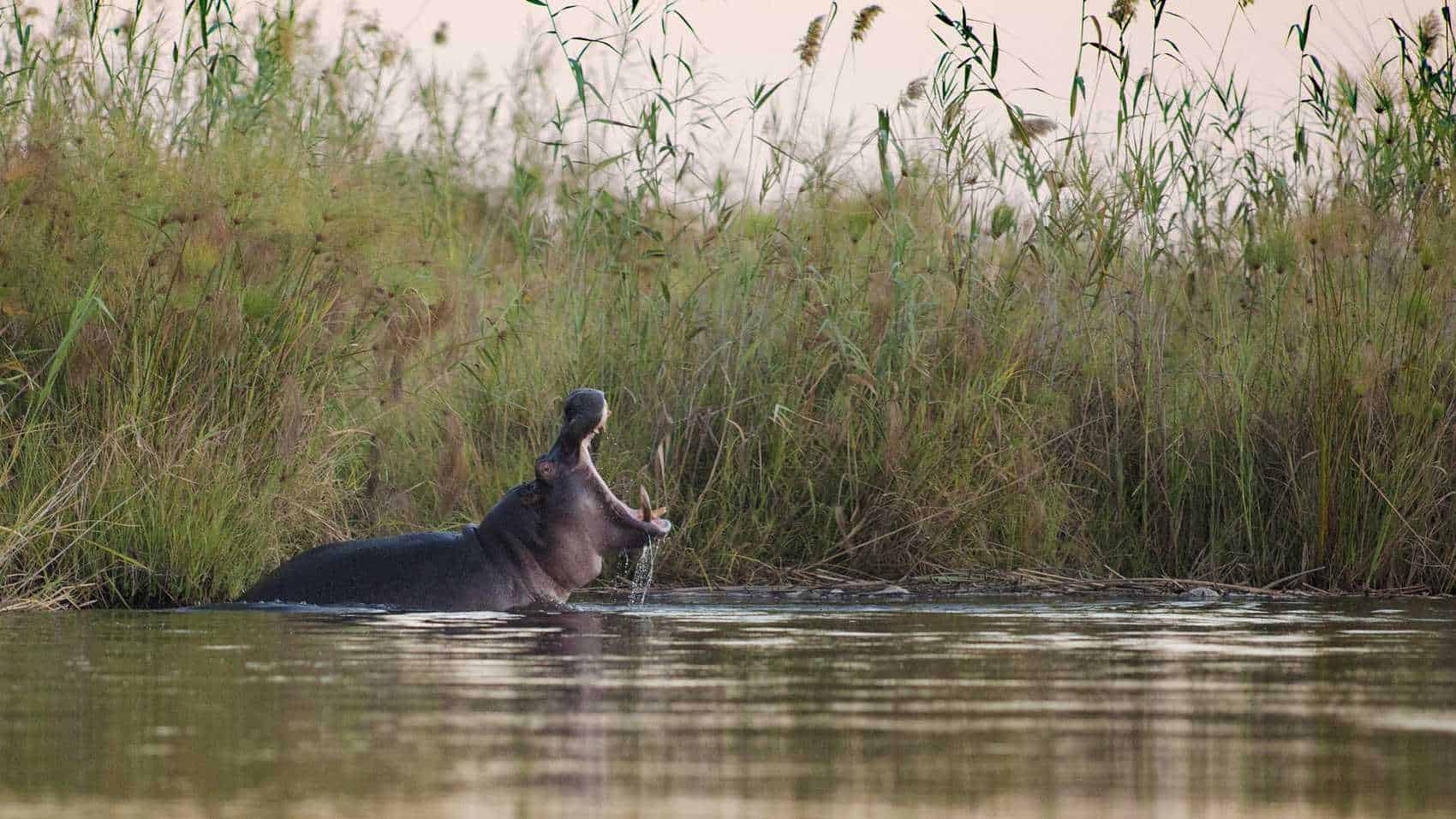
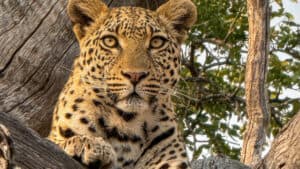
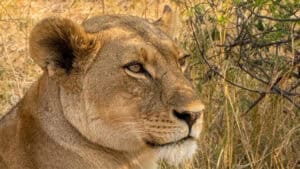
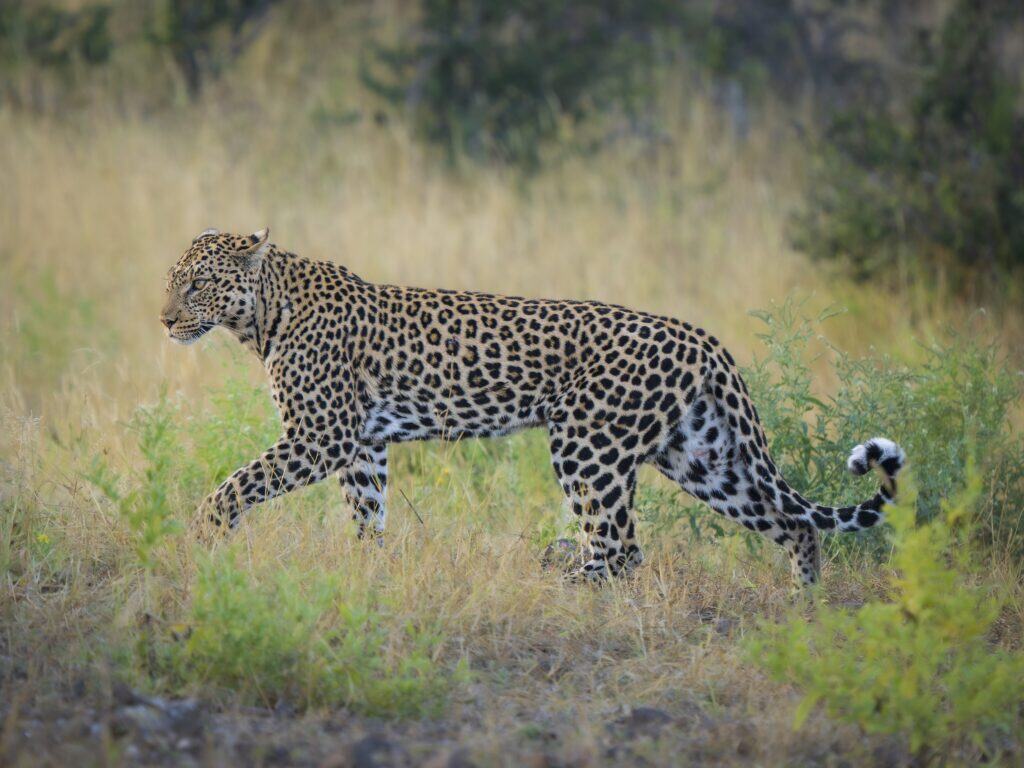
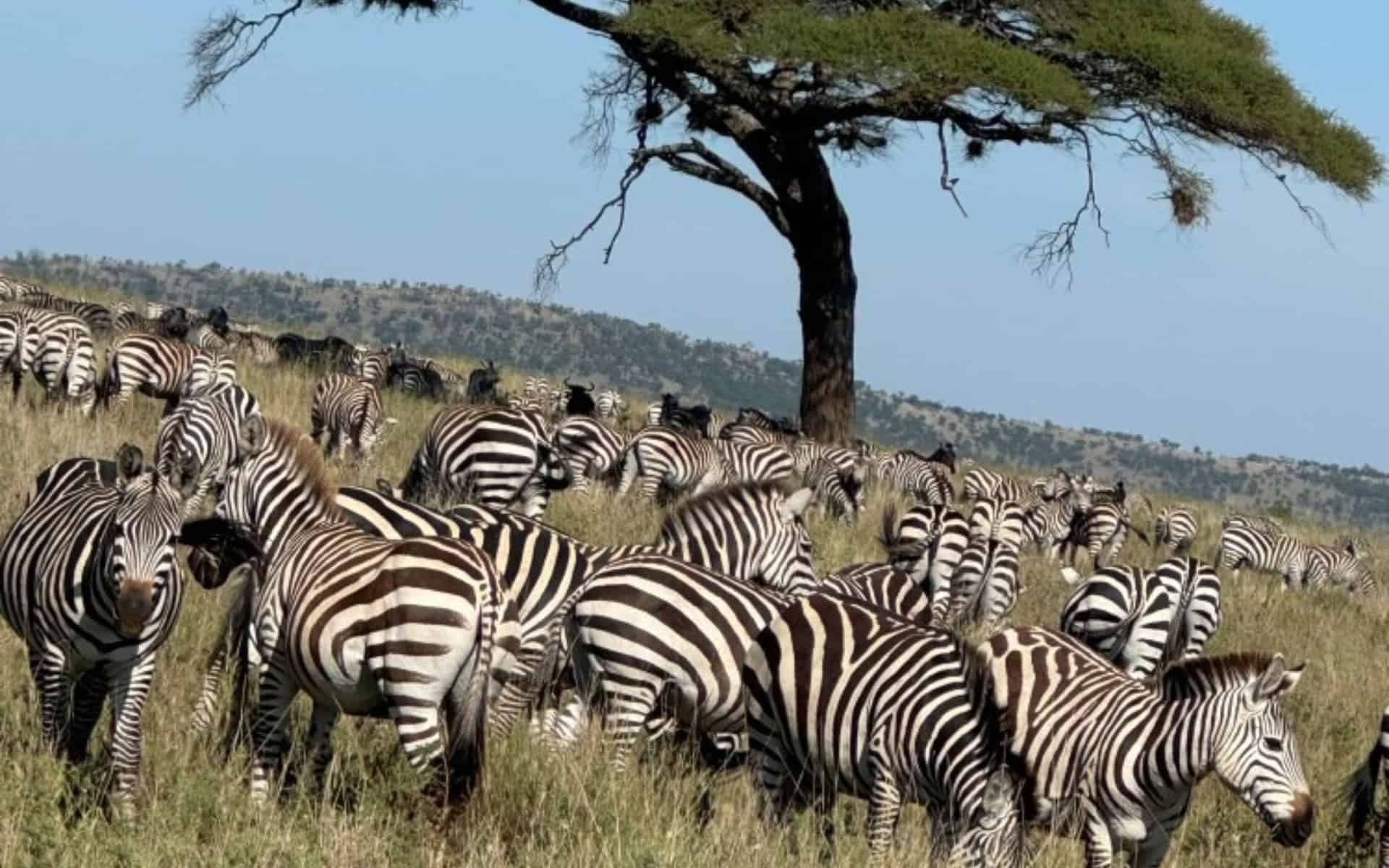
The wildlife in the Zambezi Region is distinct. Because of the permanent water, you’ll encounter species rarely seen elsewhere in the country, including large pods of hippos, crocodiles, and even the elusive African wild dog.
It’s the only place in the country to find wetland-dwelling animals like red lechwe, sitatunga, and the Cape buffalo.
If you want depth over a mere checklist, the density of life in the reed beds and floodplains is mesmerising.
Expert Birding and River Adventures
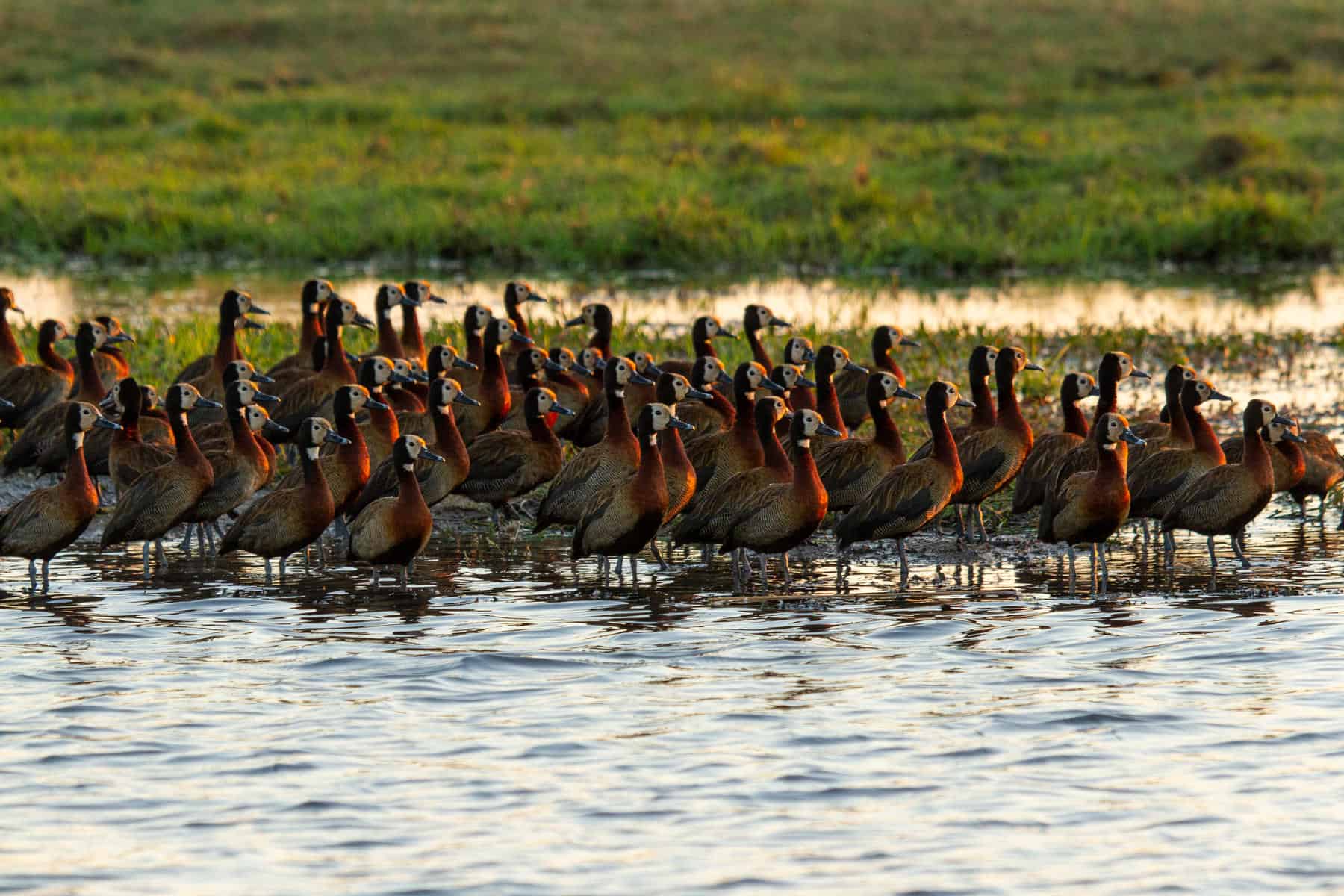
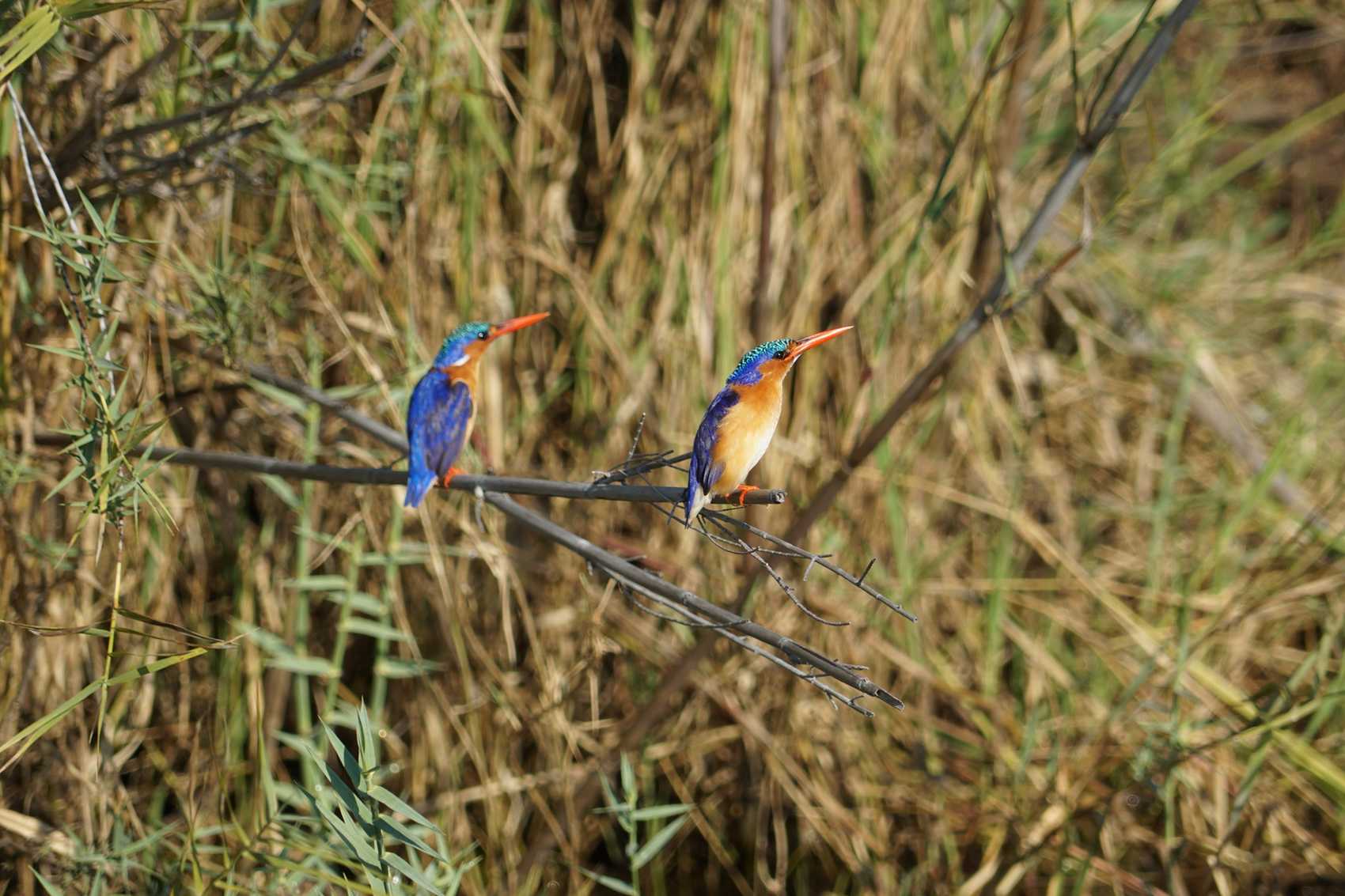
With more than 450 species, it’s a world-class destination for birders looking to spot rare riverine birds.
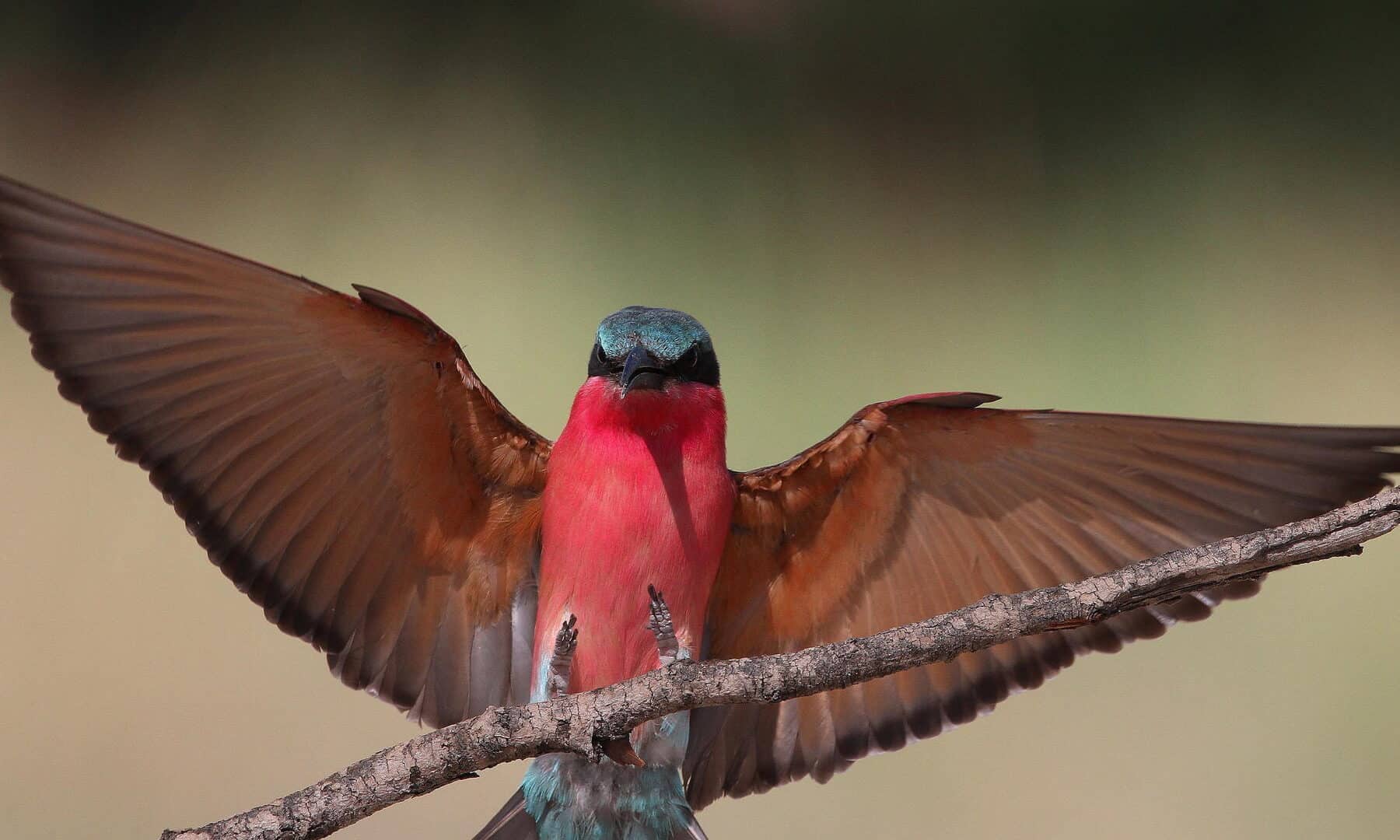
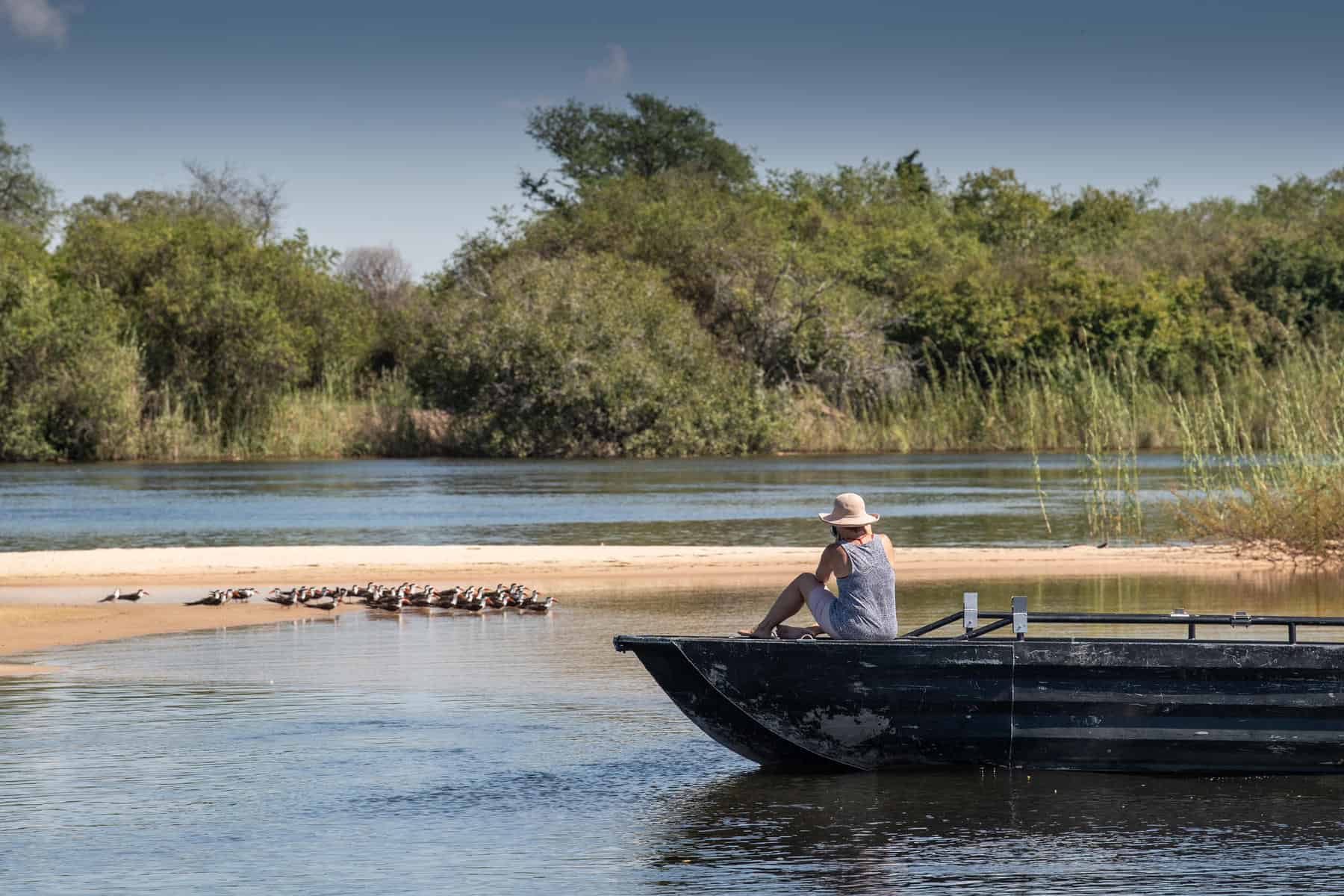
For birding safaris in the Zambezi region, there are some rare species to add to your list. You might spot a Pel’s fishing owl in the thick riverine canopy or watch colourful carmine bee-eaters nesting in the sandy riverbanks, or even African skimmers, a near-threatened birding speciality.
It’s a deeply immersive journey, giving you time to slow down and truly see the landscape.
Navigating the Region
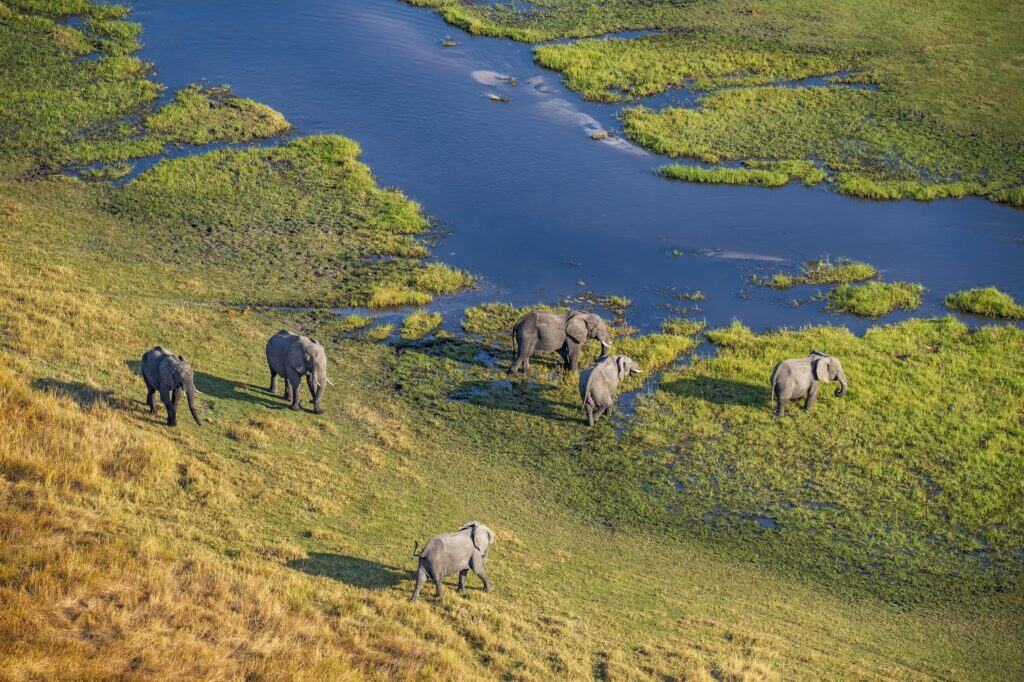
The Zambezi region is remote, and a fly-in safari is the most efficient way to get there. It gives you spectacular aerial views of the delta-like channels, and more time at your destination than on the road.
There are three national parks in the Namibia Zambezi Region, known as Bwabwata, Mudumu, and Nkasa Rupara, which is Namibia’s largest wetland area with protected status. They form a vital wildlife corridor connecting Namibia to neighbouring Botswana and Angola. The wetland, birding, and big game viewing can be exceptional here.
The Zambezi region, being part of the massive Kavango Zambezi (KAZA) Transfrontier Conservation Area linking Angola, Namibia, Botswana, Zambia and Zimbabwe, allows animals to move freely across national borders and along ancient trans-continental migration routes.
Best Time to Visit
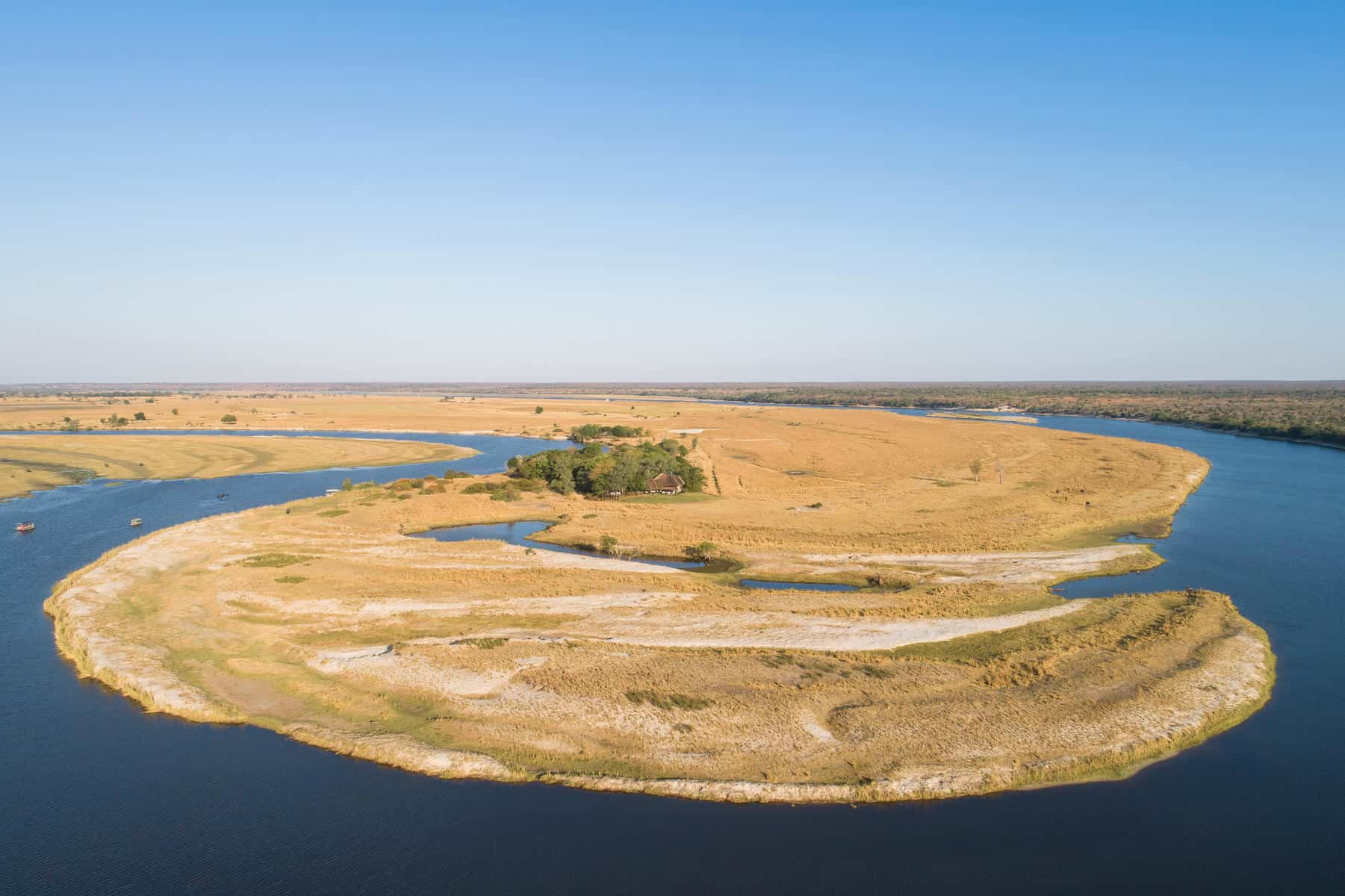
The best time for a Zambezi Region safari is during the dry winter months from May to October. This is when the floodwaters recede, and animals congregate in high numbers around the remaining water sources.
But the green season, from November to April, is a dream for birders and those who want to see the Zambezi Region at its most vibrant and emerald-hued.
Start Your African Chapter
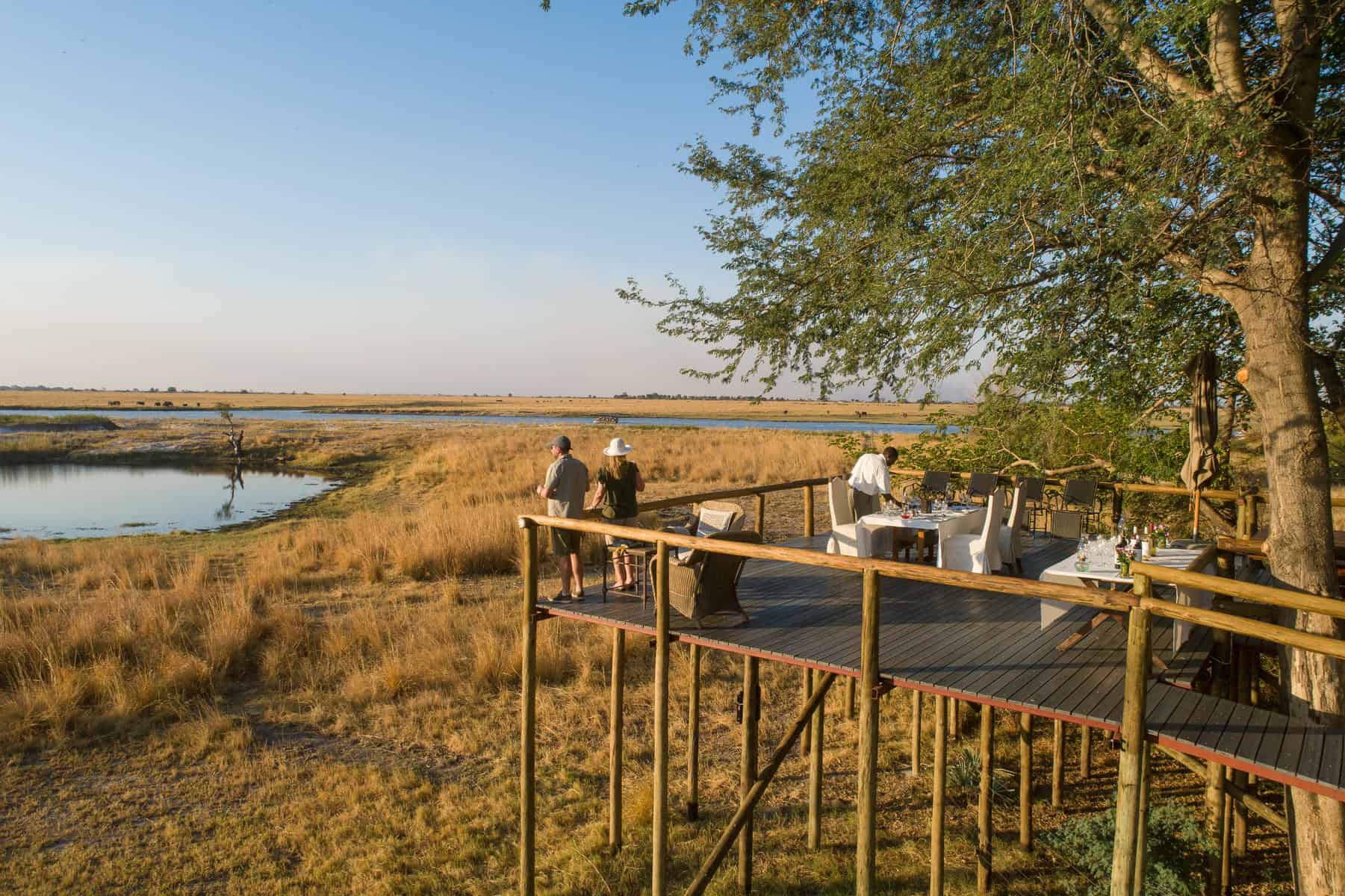
The Zambezi Region is a place of stories, of rebounding wildlife numbers, ancient river cultures, and conservation success. Whether you want to book a tour for a few days or integrate it into a larger Namibian journey, we invite you to experience this lush frontier.
Ready to see Namibia through a different lens? Start planning your Zambezi Region safari holidays with a Discover Africa safari expert.