

 Email us




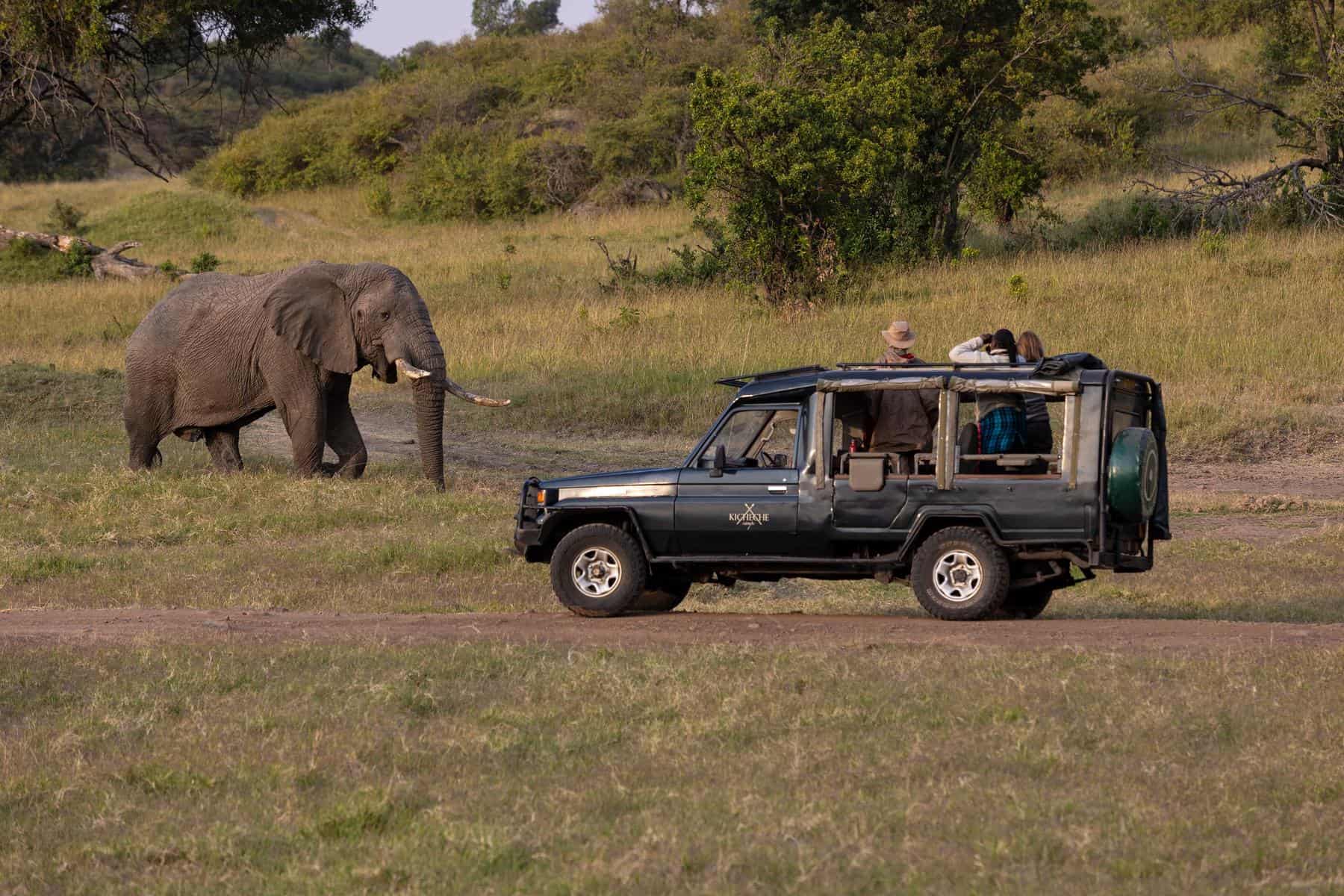
The allure of Kenya’s vast open plains and dramatic wildlife has captured the hearts of many. Its sprawling grasslands and wildlife-rich landscapes have inspired art, music, and poetry alike. While East Africa’s national parks call those who dream of an adventure in the wilderness, there are other less popular routes through private concessions that can open up a new world for those who are looking for a deeper immersion.
These secluded havens offer front-row seats to nature’s most breathtaking moments that few travellers see. A stay here is more than a safari; it’s a once-in-a-lifetime experience. You’ll be securing a destination in your travel journal that offers exclusivity, away from the ordinary.
From the Great Migration to the iconic Big Five, Kenya’s private conservancies offer all the spectacle of a safari – without the crowds. If you’re looking for a journey that feels truly personal, a conservancy safari is your golden ticket to the heart of the wild.
What is a Private Conservancy?
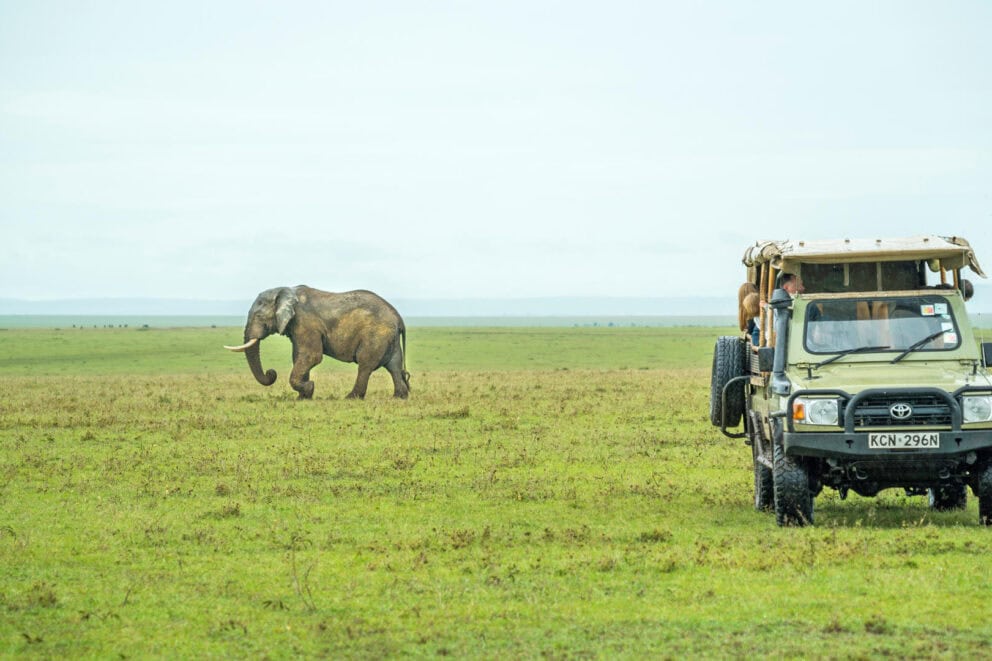
To truly grasp the magic of private conservancies in Kenya, it’s helpful to know what they are and how they differ from standard safari destinations. Despite sharing the same breathtaking landscapes, they operate under slightly different rules.
National Parks
National Parks are government-run by the Kenya Wildlife Service on lands open to the general public. This includes parks such as Tsavo and the iconic Amboseli National Park, both of which are stunning safari destinations.
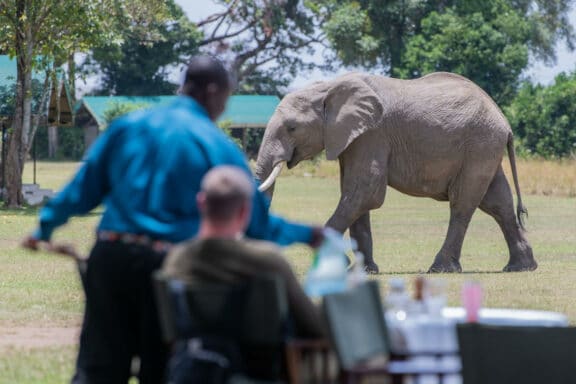
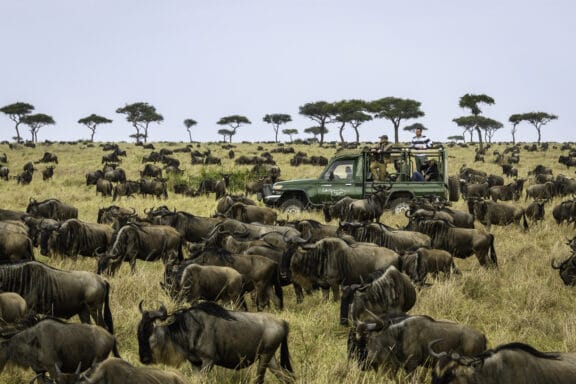
However, as these areas are open to the public, they can become crowded, especially during peak seasons, such as the Great Migration river crossing. While the wildlife is spectacular, you might find yourself sharing the roads with dozens of other safari vehicles. This is where the beauty of private conservancies come in.
Kenya’s Private Conservancies
The key difference between private wildlife conservancies in Kenya and national parks is ownership. As suggested by the name, private conservancies are either owned by private landowners or local communities, such as the Maasai.
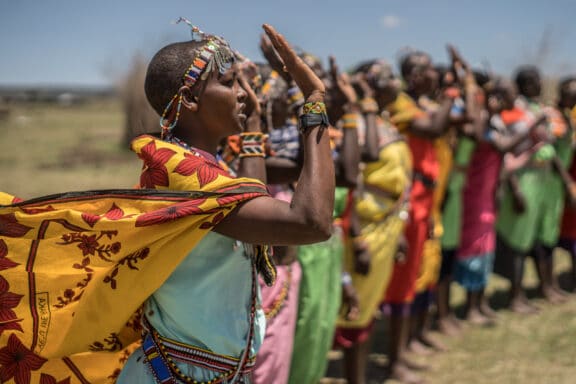
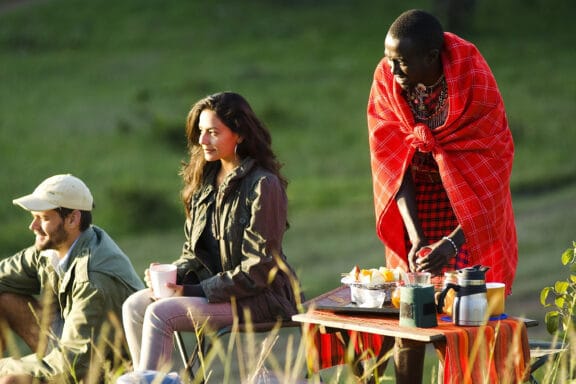
Conservancies primarily focus on wildlife conservation, which visitors to the area actively support. Local communities earn income and gain employment as guides and drivers. So a stay here contributes to more than just the land. You’ll be helping secure the area, its people, and its wildlife for generations to come. Here are some key features that set them apart from national parks:
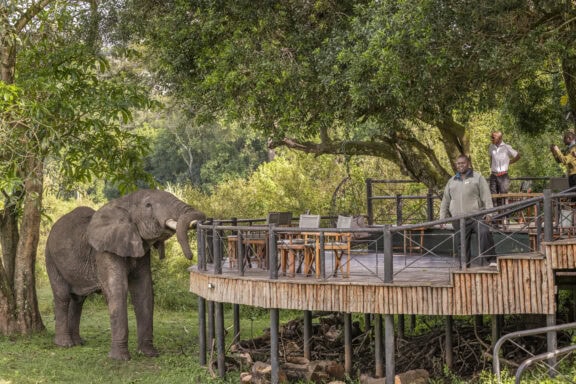
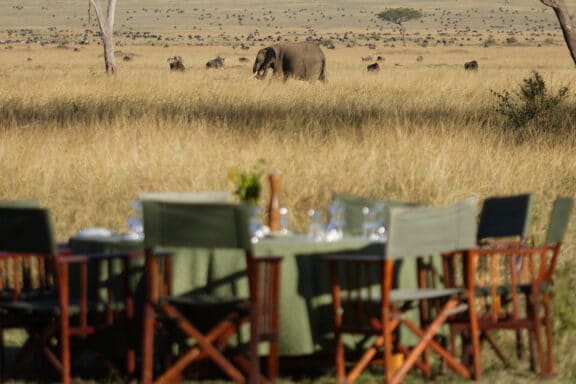
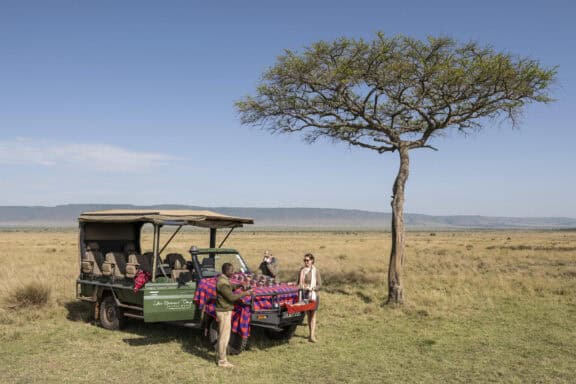
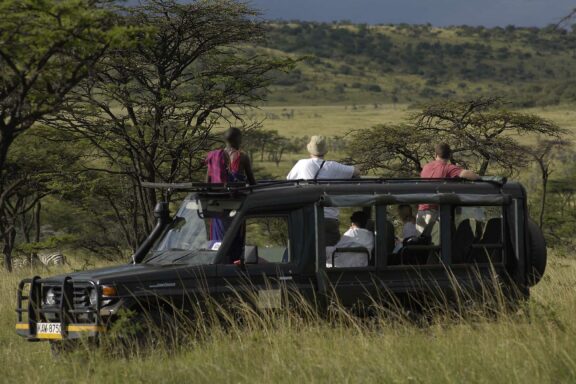
- Limited Access: Only guests staying within the conservancy are allowed on the land, ensuring a quiet and private experience. You can drive for hours on end without seeing another vehicle, making for a secluded, exclusive getaway.
- Full Immersion in the Wilderness: Unlike national parks where you must stay on marked roads and return to camp by sunset, conservancies allow off-roading for specific sightings, night drives to see nocturnal animals, and guided bush walks.
- Direct impact: Your stay provides a guaranteed income for local landowners and funds community projects like schools and clinics.
Types of Conservancies in Kenya
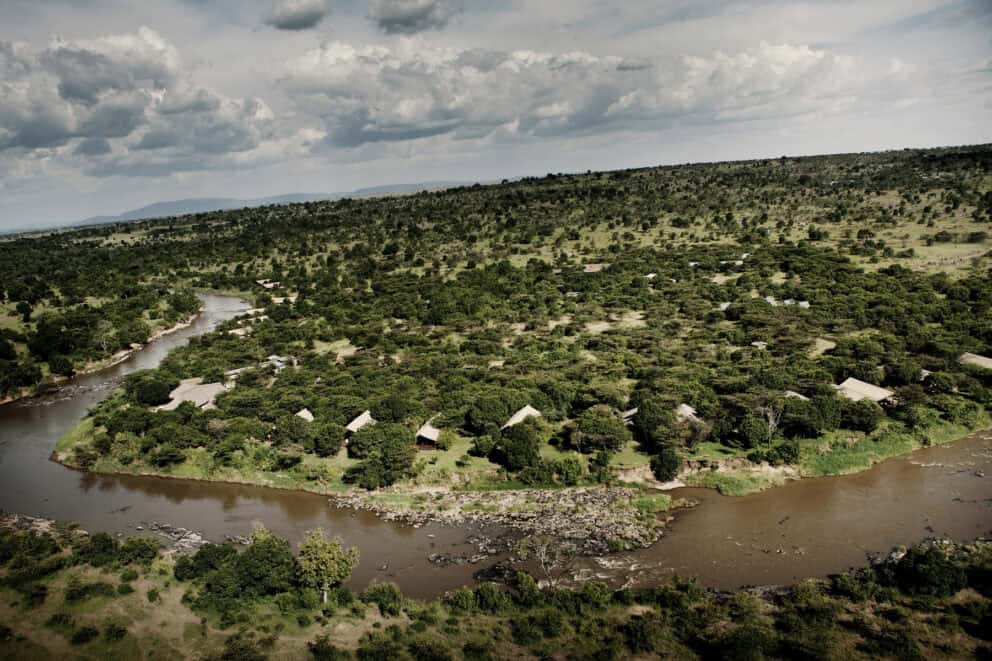
Kenya’s diverse landscapes and unique geography support a large range of fauna and flora. Private conservancies are no different, with each catering to different types of travellers. Understanding their differences might help you choose the best option for your safari.
Community Conservancies
Community conservancies are established by local communities on their land. They are managed by local communities, such as the Maasai or Samburu, with professional assistance from the Kenya Wildlife Service. The goal is to balance conservation work with the interests of local communities, ensuring that wildlife protection directly funds local education and healthcare.
Private Conservancies
This is a conservancy set up on private land by a private individual or corporation for the purpose of wildlife conservation. Private conservancies in Kenya may be owned and managed by individuals or families, non-profit wildlife organisations or commercial entities. They offer the highest level of control and are often pioneers in specialised protection, such as the rhino sanctuaries at Ol Pejeta.
Group Conservancies
This model involves multiple local landowners voluntarily pooling their land to create a single, massive conservation area. Famous examples like Mara North and Mara Naboisho operate this way, blending vast wildlife corridors with world-class experiences.
Top Conservancies in Kenya
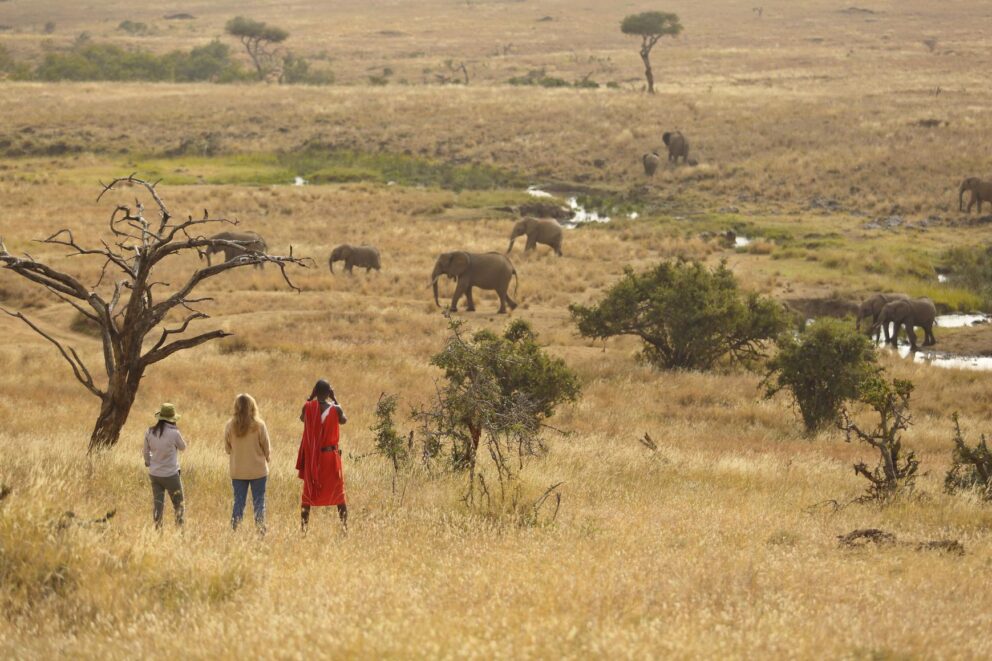
Each of these types of conservancies offers something: a unique opportunity to add a rare chapter to your collection of travel stories. By choosing a private conservancy, you step into a world of intimate wildlife encounters, away from the crowds – the wild is your own here.
Unlike national parks, guests within conservancies have the freedom to deviate from the norm and embark on several activities not offered in national parks. For instance, you and your guide can embark on a night game drive to observe nocturnal wildlife – such as aardvarks, bush babies, and bat-eared foxes – as well as engage in off-roading to enhance the proximity of sightings.
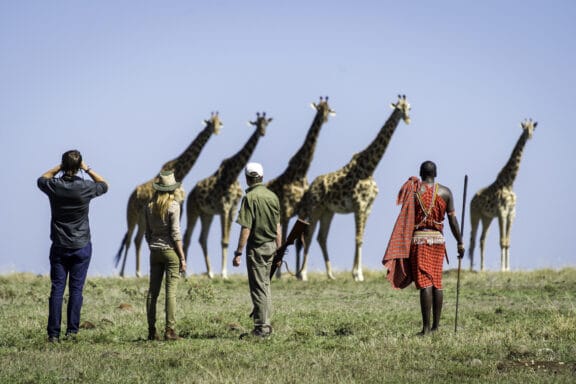
Walking safaris are also permitted. So you and your guide can set off into the bush on foot for a more personal encounter with wildlife and see smaller animals, like insects and reptiles, that would otherwise be missed on a game drive.
This curated approach to conservation and tourism ensures that your Kenyan safari is not just a trip but a profound connection with the wild, promising memories that will last a lifetime.
Here is our pick for some of the top private conservancies in Kenya.
Mara Naboisho Conservancy
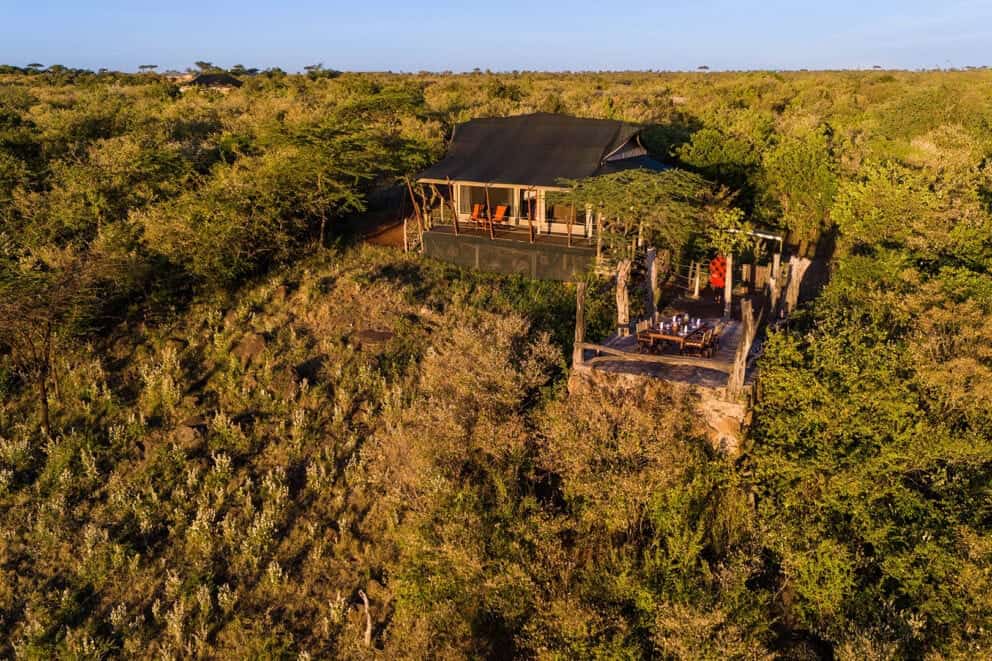
Named after the Maasai expression for “coming together”, Mara Naboisho Conservancy is a 50,000-acre community conservancy set within the Greater Masai Mara ecosystem. It was established in 2010 through a groundbreaking partnership between over 700 Maasai landowners who have united to dedicate their land to wildlife protection while also retaining ownership.
This collaboration is perhaps most visible in the Loita Migration, a spectacular “resident” migration of up to 100,000 wildebeest and zebra. Unlike the cross-border Great Migration, the Loita herds move entirely within Kenya, travelling from the eastern plains directly into the heart of Naboisho. By keeping their land unfenced and open, the Maasai community has preserved this ancient corridor, allowing the herds to reach their traditional calving grounds each year.
In addition to retaining ownership of their land, the Maasai community benefits from long-term lease payments and access to improved grazing practices for their livestock as well as community services and jobs. Naboisho is a living blueprint that balances nature, people, and purpose.
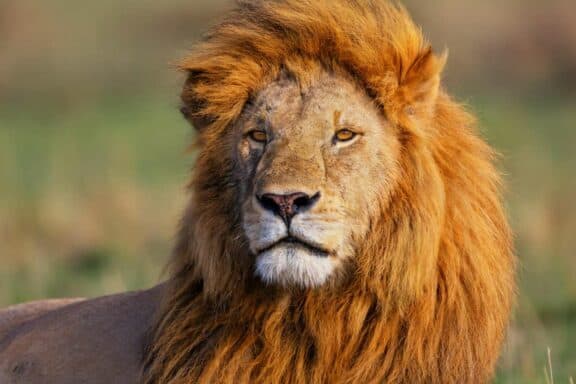
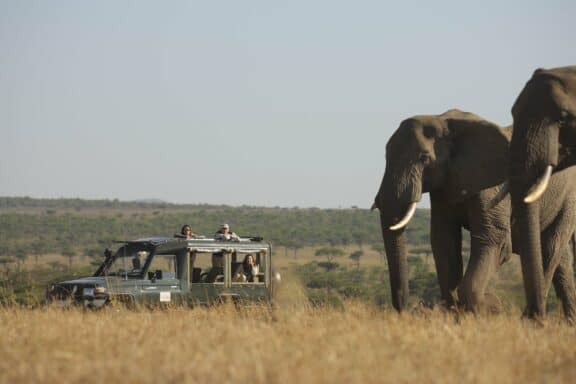
Naboisho offers an exclusive, low-impact safari experience that is far removed from the often crowded areas of national parks. In terms of wildlife, it boasts an impressive density of lions, with an estimated 70-100 individuals – including the famous Enesikiria pride of over 20 lions. Furthermore, Naboisho is also home to large herds of elephants and giraffes, as well as rare African wild dogs.
Tucked within the wild of the conservancy, you’ll find just nine intimate camps that each offer a front-row seat to nature and an exclusive experience where conservation and community blend harmoniously.
Ol Pejeta Conservancy
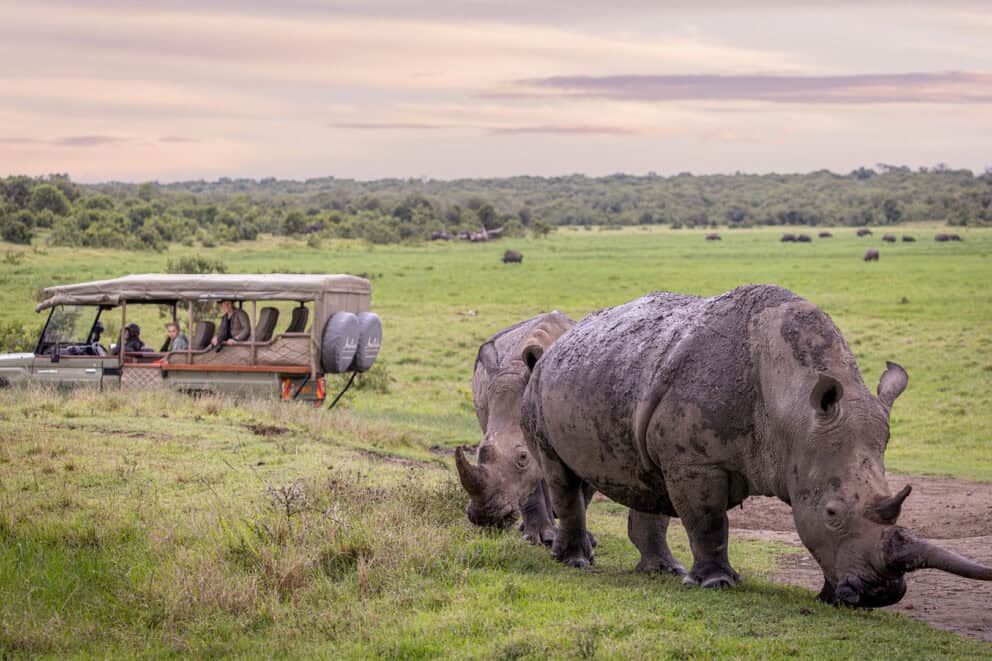
Sitting in the shadow of Mount Kenya, Ol Pejeta Conservancy is a 90,000-acre non-profit sanctuary that serves as a global leader in conservation. For those that value a unique experience and sustainability, it’s one of the most rewarding destinations in Africa.
Ol Pejeta is renowned as a pioneer in conservation, protecting various species, including the world’s last northern white rhinos, Najin and Fatu (both female). Visiting their large, high-security enclosure to meet them and their caretakers is a profound, once-in-a-lifetime experience that few people will ever have. This subspecies of white rhino was once abundant across central Africa, but staggering rates of poaching have led them to now be functionally extinct, with Najin and Fatu being the last of their kind.
Besides all-day game drives and rhino encounters, Ol Pejeta has a wide variety of conservation-focused activities, including lion tracking and rhino monitoring and identification, as well as dog tracking with the conservancy’s K9 unit – where you can try to “outrun” a tracking dog.
As a private conservancy, Ol Pejeta also offers the thrill of night drives. Using spotlights, your guide will help you find elusive nocturnal creatures like aardvarks, bat-eared foxes, and leopards.
Lodges here offer a distinct departure from traditional safari camps. The focus here is on total privacy and bespoke services at lodges like Porini Rhino Camp, which has a wildlife photography hide, and Ol Pejeta Bush Camp along the Ewaso Ngiro River.
Lewa Wildlife Conservancy
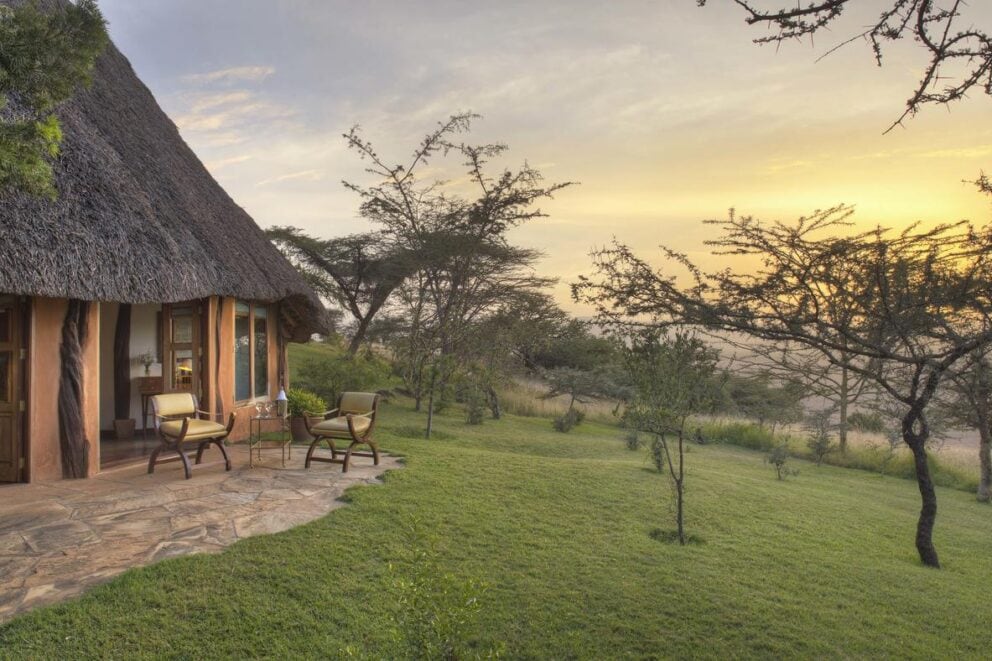
Lewa Wildlife Conservancy isn’t just a safari destination; it’s a masterclass in modern conservation. Spanning 62,000 acres at the foot of Mount Kenya, this UNESCO World Heritage Site is world-renowned for transforming a former cattle ranch into one of Africa’s most successful wildlife sanctuaries. By staying here, your presence also directly funds a model that supports over 50,000 community members through healthcare, education, and water projects.
Precision security and deep community integration underpin the conservancy’s success. Visitors have the opportunity to meet the elite K9 anti-poaching unit or visit the Joint Operations Centre, where they can witness the real-time monitoring of wildlife using cutting-edge technology.
While game drives are standard, you can also take to the air. Imagine a scenic flight in a vintage yellow biplane, an experience evocative of the film Out of Africa.
Take to the skies in the classic Waco biplane – a replica of the 1920s model flown by Denys Finch Hatton and Karen Blixen – and appreciate the Kenyan landscape in all its glory in an open cockpit.
You can also get a hands-on experience with conservation work by tracking lions with a professional research team or take the more relaxed approach by exploring the plains on a horseback or camel safari.
Lewa is home to roughly 12-14% of Kenya’s entire black and white rhino population, and it’s the global stronghold for the endangered Grevy zebra, hosting over 10% of the world’s remaining population. The conservancy is also home to over 500 species of bird, including the Somali ostrich, vulturine guineafowl, and the golden-breasted starling.
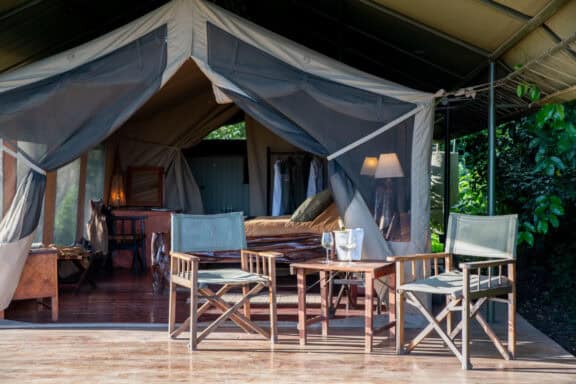
Accommodation in the Lewa Wildlife Conservancy is defined by a blend of historical charm, intimate exclusivity, and a home-away-from-home atmosphere. Most are small-scale, featuring fewer than ten rooms to ensure privacy and personalisation.
Beyond standard luxury, Lewa’s lodges provide features such as farm-to-fork dining, private plunge pools, and other exclusive amenities that make a stay in the wilderness beyond comfortable.
Start Planning Your Kenya Adventure
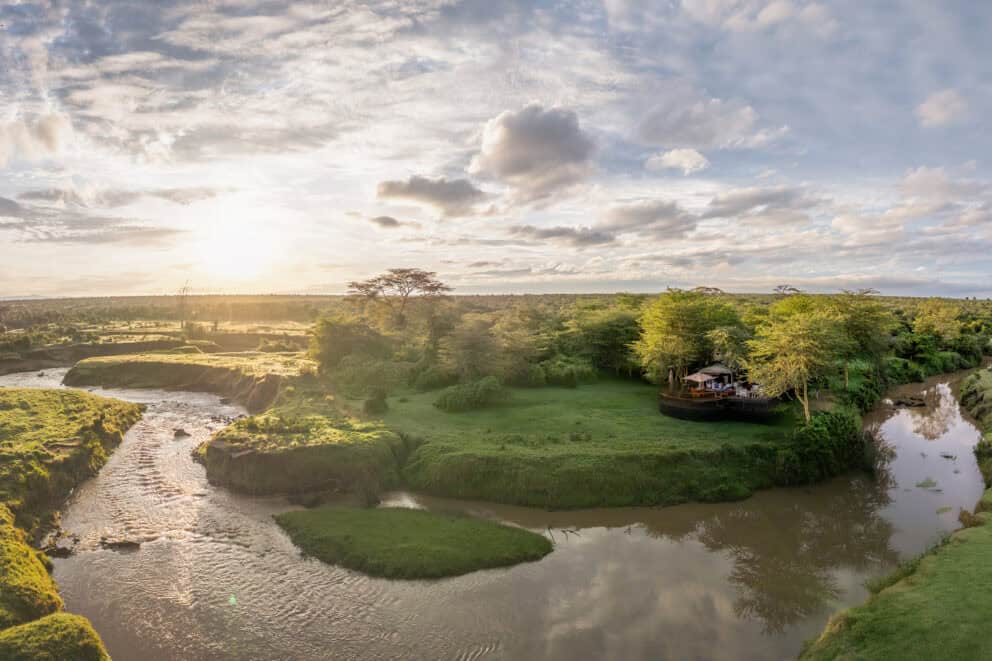
While each of these conservancies boasts its own distinct charm, whether it be exclusivity, thrilling expeditions, incredible wildlife encounters, or cultural experiences, an unforgettable adventure is guaranteed across them all. Choosing a private conservancy in Kenya is a deliberate move away from popular tourist paths and toward places where the wild still dictates the pace.
A journey of this calibre requires more than a booking – it requires a curator who understands the nuances of access and exclusivity. Our safari experts specialise in arranging the impossible and tailoring itineraries to your exact standards. Explore our bespoke Kenya safari itineraries or connect with our safari experts to begin refining your journey today.

Written by Thaakiera Ackerdien
• Travel Writer
 Blog List












Written by Thaakiera Ackerdien
• Travel Writer
Part of the Kenya Safari & African Big Cats Safaris Collections