

 Email us



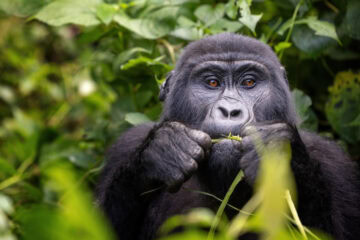
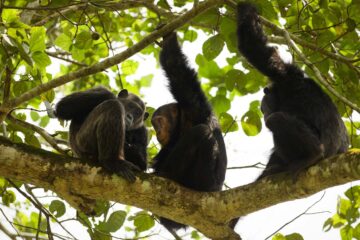
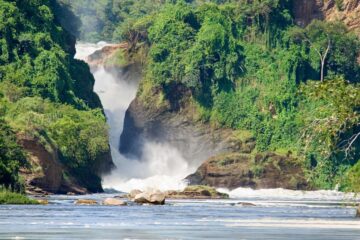

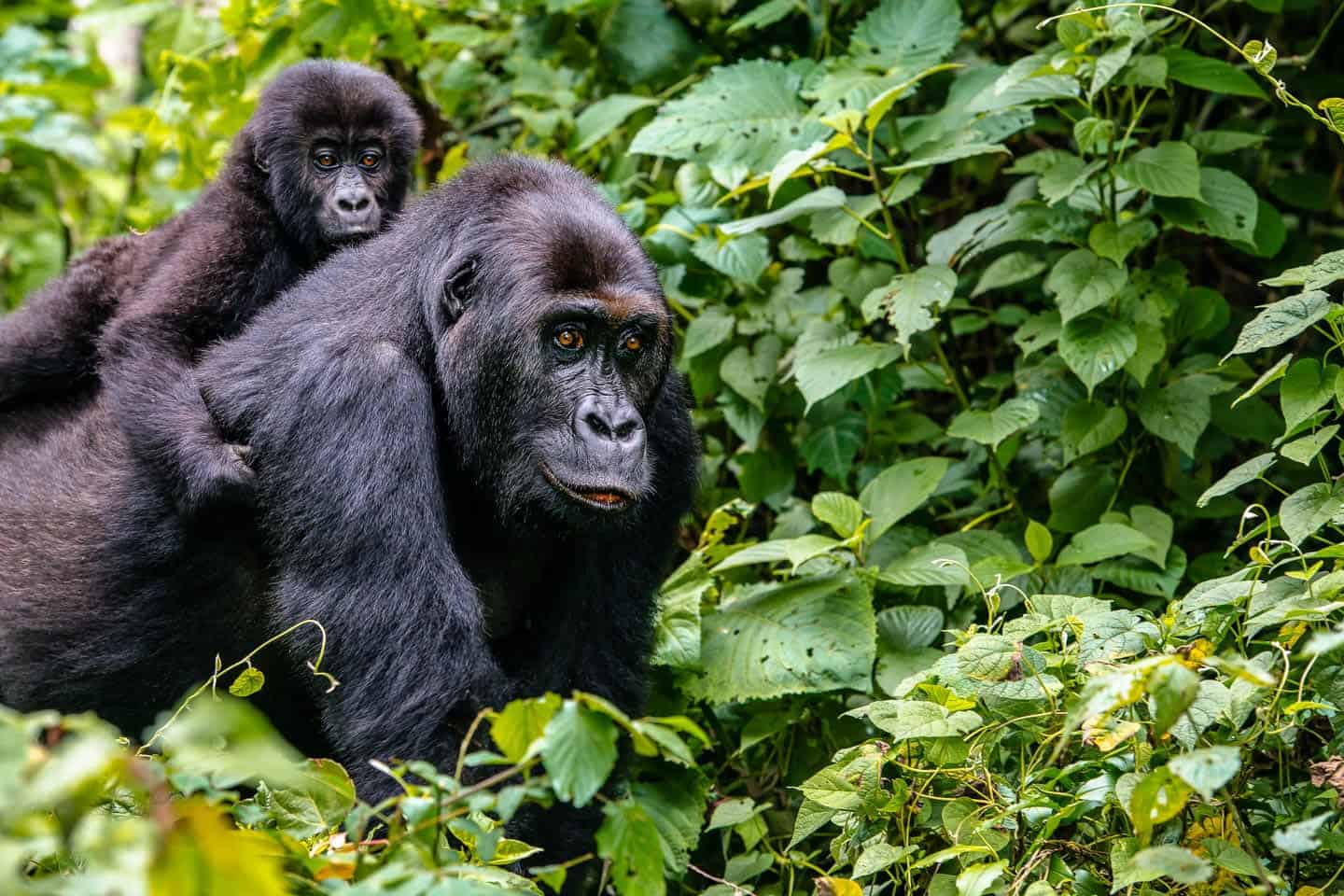
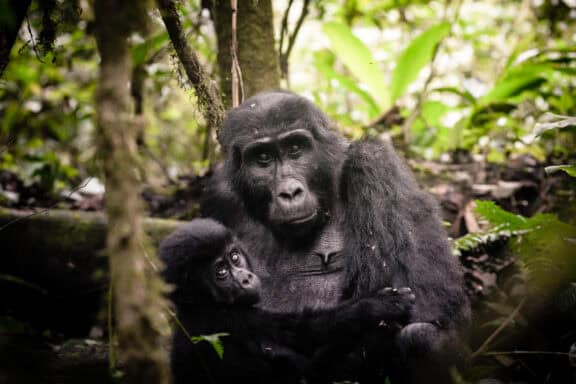
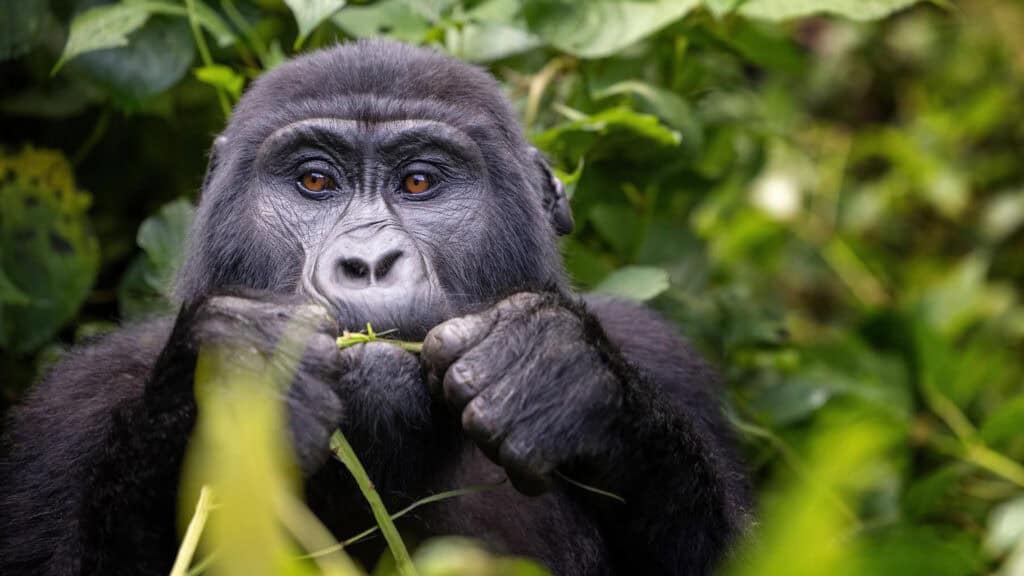
Deciding on Rwanda vs Uganda gorilla trekking is a choice between two distinct worlds of conservation and discovery. It’s a quest for the rare and exclusive and a journey into the wild. Both countries offer profound, humbling experiences for gorilla trekking. Seeing a silverback and his family in their natural sanctuary is a profound, life-changing experience for those who choose to step into their world.
Trekking through the dense jungle to find them is an adventure in itself, and once you catch a glimpse of them through the misty brush, you’ll be transfixed.
Read on and explore our complete guide to gorilla trekking in Rwanda vs Uganda, and find out which experience suits you best!
Where Do You See Gorillas in Africa?
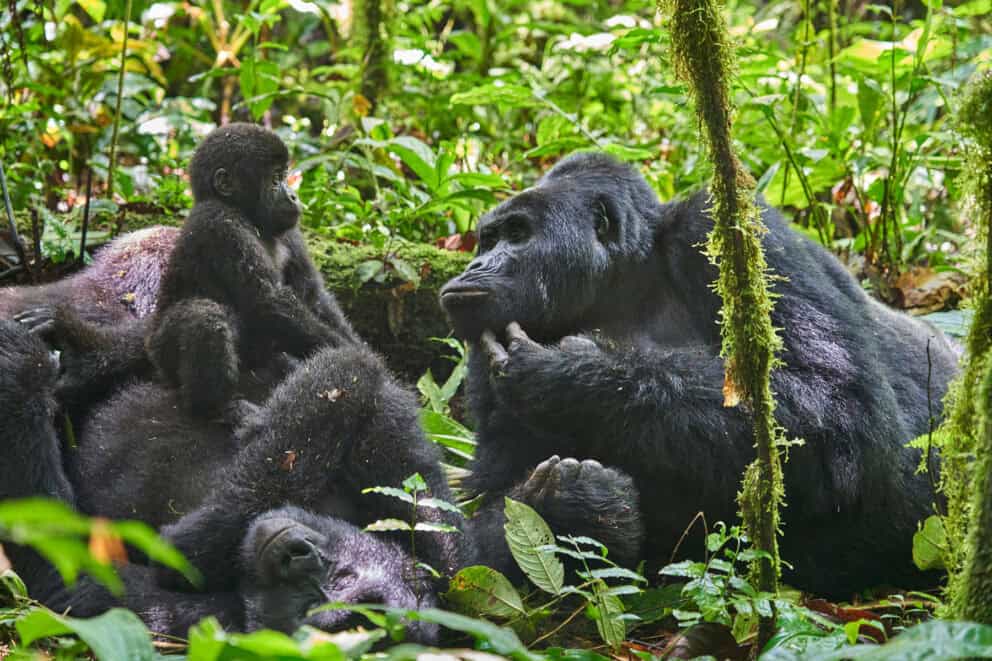
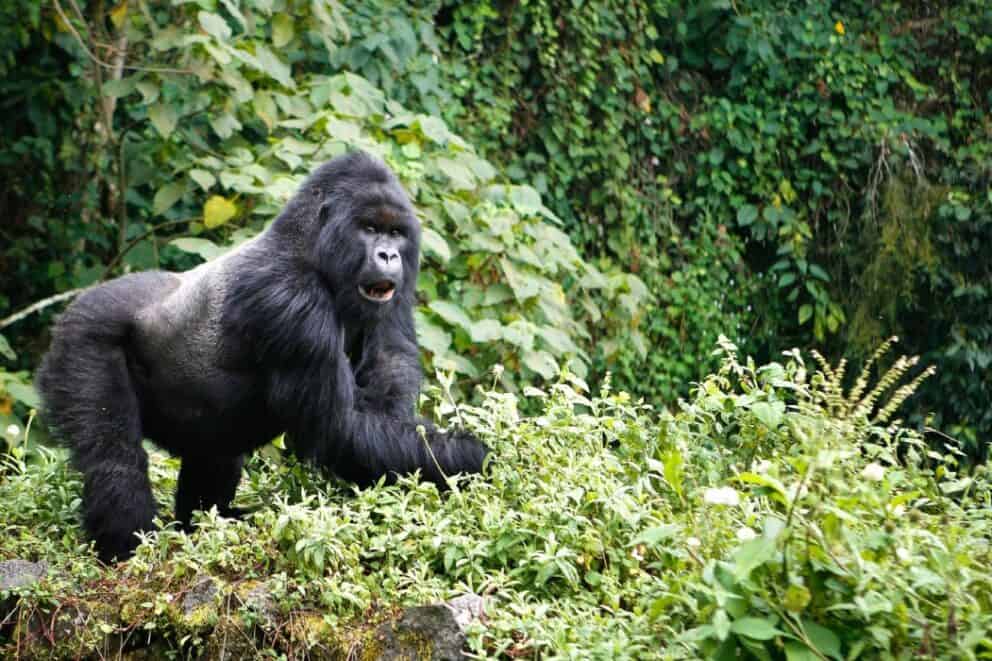
Mountain gorillas are found in the high-altitude rainforests spanning across the borders of Uganda, Rwanda, and the Democratic Republic of the Congo.
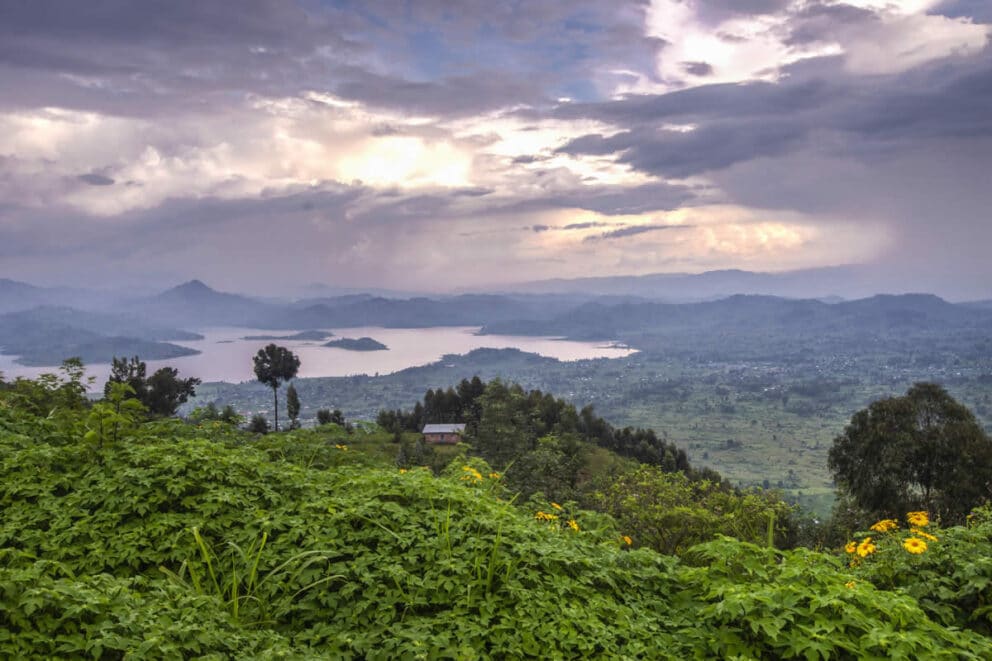
In Rwanda, Volcanoes National Park is the only place to see gorillas. It’s located in the northwest of the country and is part of the Virunga Massif, a chain of volcanoes in East Africa where these three countries meet. Volcanoes cover about 160 square kilometres of dense greenery and rainforests, as well as five of the eight Virunga Mountains. The lush slopes of these volcanoes provide a dramatic natural setting for seeing these endangered apes.
Uganda’s Bwindi Impenetrable National Park is another primary destination for seeing mountain gorillas in the wild. It earned the name “impenetrable” because of the dense ground cover of herbs, vines, and shrubs that make trekking a true off-trail adventure.
The Rwanda Gorilla Trekking Experience
Rwanda has positioned itself as a premier destination for those who value distinction and seamless access. You may be drawn to the legendary status of Volcanoes National Park – the very place where Dian Fossey’s work ignited a global conservation movement.
Just a two-hour drive from Kigali International Airport, Volcanoes National Park offers the most efficient path to walking with gorillas. It’s widely praised as one of the most accessible gorilla viewing experiences due to its small size and large gorilla population.
The landscape of Volcanoes National Park is dramatic, consisting of the mostly dormant volcanic mountain range. Gorillas here stay mostly within the bamboo forest zone, a landscape filled with lush greenery and rolling hills, a beautiful setting in which to observe these great apes. The vegetation also tends to be quite open, making it ideal for photography and easy viewing.
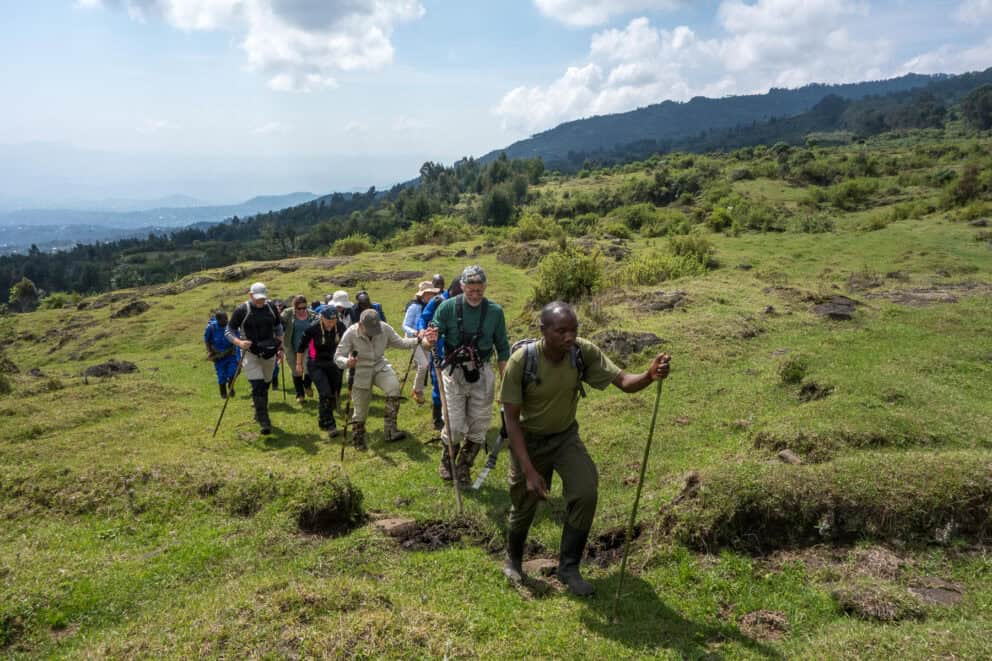
In terms of the actual trek, the conditions in Rwanda are easier to tackle compared with Uganda, with trekking paths being more worn in and accessible. This is one of the key differences between gorilla trekking in Uganda and Rwanda. However, this can change depending on the location of the gorillas, with some families being easier to reach than others. With that said, it’s still a physically demanding trek, requiring a decent level of fitness.
Rwanda’s Gorilla Families
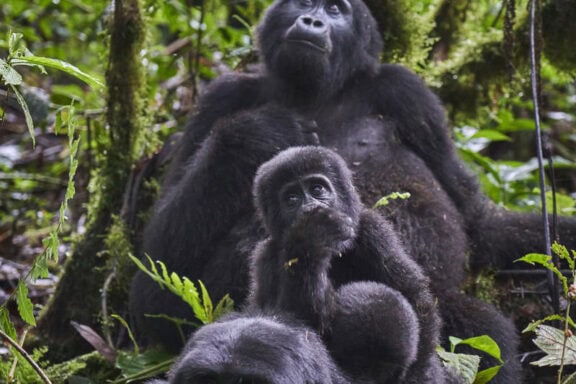
Exploring Rwanda’s Volcanoes National Park offers a rare opportunity to witness some of the world’s most famous mountain gorilla families in their natural habitat. They vary in size from around nine to 35 individuals – all accompanied by at least one silverback male. Each group has a unique history and social dynamic, providing trackers with a fascinating window into the lives of these magnificent primates.
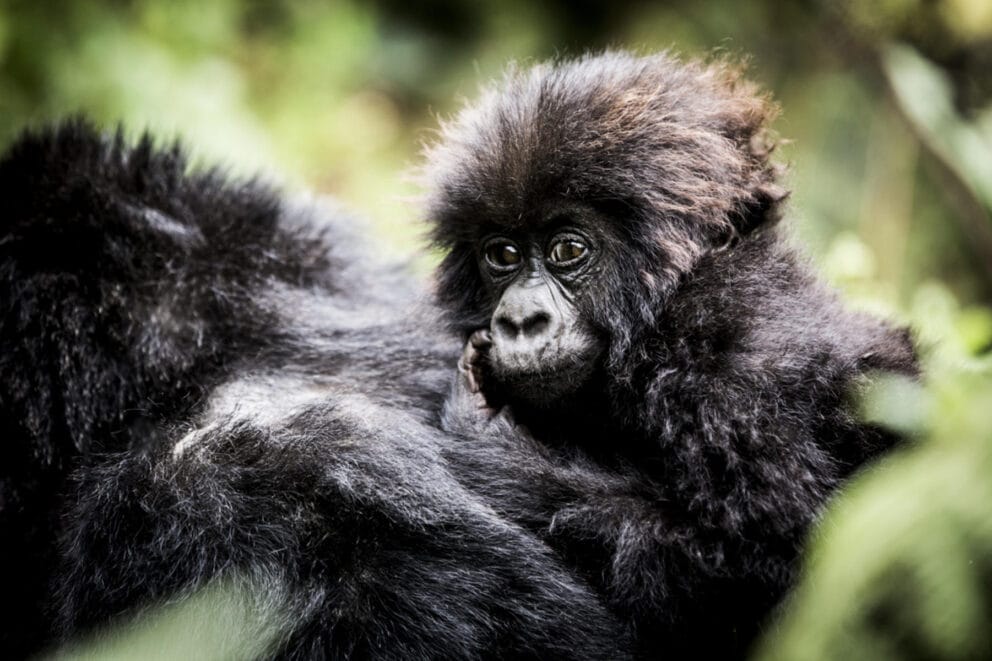
Currently, Rwanda has a dozen main gorilla families that you can track, including:
- Susa Group (Susa A): Renowned for being researched by Dian Fossey, this large group is famous for having twins. They’re often found high on Mount Karisimbi, making it quite a challenging trek to observe them.
- Agashya Group: Formerly known as Group 13, this gorilla family is known for its quick growth in numbers and is often found on the slopes of Sabyinyo.
- Kwitonda Group: A special group of over 18 members that migrated from the Democratic Republic of Congo (DRC). They are led by a silverback named Kwitonda, meaning “humble one”.
- Bwenge Group: This group, famously featured in Gorillas in the Mist, is often found on the slopes of Karisoke.
- Sabyinyo Group: Often referred to as the “Kardashians” of the park due to their popularity. They are often the easiest to track because they frequently roam the lower slopes between Mount Sabyinyo and Mount Gahinga.
These are just a few of the gorilla families that you might encounter in Rwanda. It’s not possible to track a specific family in Rwanda. Despite the presence of other groups in Volcanoes, they are generally more difficult to access and are primarily visited by researchers.
Another difference when comparing Rwanda vs Uganda gorilla trekking is that the treks in Rwanda are often shorter than in Uganda. However, as with all wildlife sightings, nothing is guaranteed, and you may end up tracking an entirely different family than you initially thought.
Permits in Rwanda
A gorilla trekking permit is a legal requirement for this experience. Whether it’s Rwanda or Uganda gorilla trekking, its purpose is twofold. It allows authorities to regulate the number of people in the park and how many people visit gorillas on a given day. Additionally, it contributes financially to the conservation efforts in the park and its surrounding communities.
As of 2024, the cost of a mountain gorilla tracking permit in Rwanda is US$1,500 for visitors from outside of Africa. This price is subject to change, and can be monitored on the Rwanda Development Board (RDB).
If you’re dead set on Rwanda but have a tighter budget, opt for travelling during the low season (November to May). As of 2026, there is a 30% discount on gorilla permits for this period, bringing the cost of permits down to US$1,050.
However, you cannot just show up for the gorillas to qualify. You must book at least two nights in either Akagera National Park or Nyungwe National Park and provide proof of your accommodation and at least one activity booked in those parks when applying for the discounted gorilla permit.
Pro Tip: If you choose the low season to save money, bring serious waterproof gear. “Low season” is synonymous with “rainy season”, and the slopes of the volcanoes become incredibly slick.
In Rwanda, a total of 96 permits for Volcanoes National Park are usually available per day. The allocation is divided into eight permits per habituated group of gorillas. It grants one person access to a guided trek and exactly one hour of observation once a gorilla family is located.
Permits should ideally be booked well in advance, so it’s a good idea to book yours before you even commit to any other travel dates, as they sell out fast. Luckily, at Discover Africa, our safari experts will take care of that for you, allowing you to concentrate on the other aspects of your gorilla trekking trip.
Note: You need to be at least 15 years of age to participate in gorilla trekking.
The Uganda Gorilla Trekking Experience
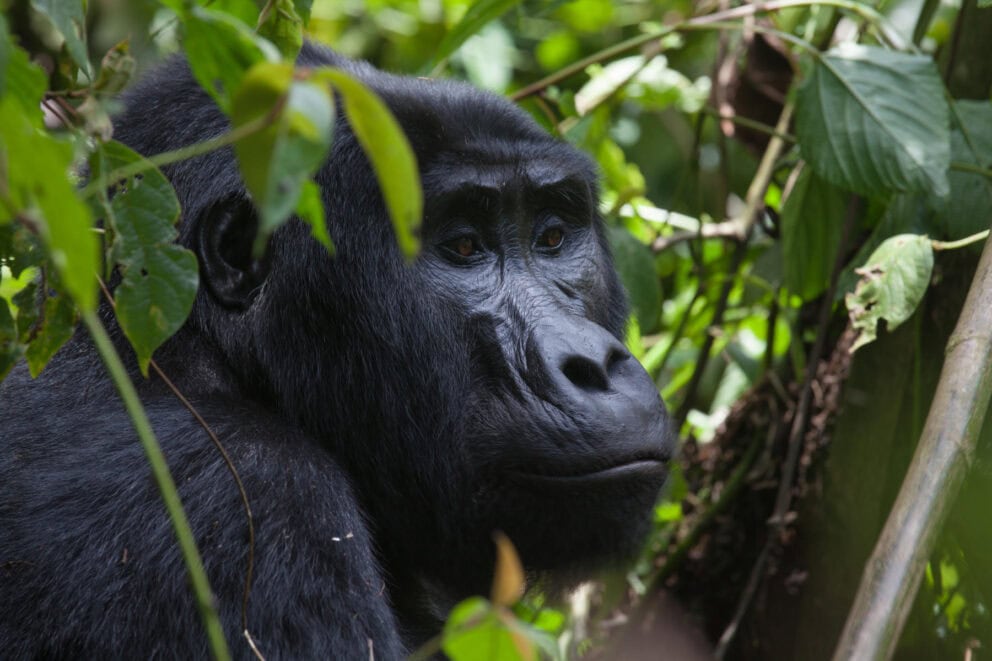
The draw of Uganda lies in its raw, unfiltered depth. For those looking for an adventure unlike anything they have ever experienced, Bwindi Impenetrable National Park is the place to go. It’s a UNESCO World Heritage site that feels like a living, breathing relic of the ancient world. If you’re thinking about the difference between gorilla trekking in Uganda and Rwanda, the answer mostly lies in the experience, landscapes, and cost.
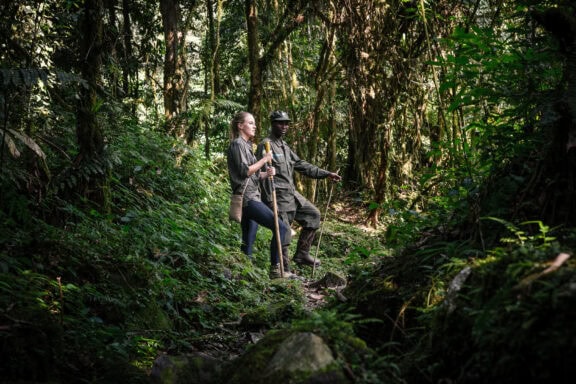
Bwindi is unmatched for rugged and raw landscapes. It’s an extensive tract of tropical rainforest, and, as the name suggests, it’s denser with lush vegetation that can sometimes make the trek a bit more challenging. The “impenetrable” forest lives up to its name. Expect a muddier and more rugged hike through ancient, thick vegetation at high altitudes – a physical test that makes your encounter with the gorillas feel earned. This is a key consideration when comparing Rwanda vs Uganda gorilla trekking, especially if you’re not used to long hikes.
While there is only one starting point for gorilla trekking in Rwanda, Uganda has four:
- Buhoma is the classic northern sector of the park and the birthplace of the country’s gorilla tourism. It offers many established luxury accommodations and a generally gentler terrain.
- Nkuringo is for the explorer who wants to earn their encounter. It’s set on a high ridge with 360-degree views of the Virunga Volcanoes. The treks here are exceptionally demanding.
- Rushaga is in the south and home to the highest number of habituated gorilla families.
- Ruhija is the highest and coldest section of the park. It is also the most secluded and far away from most of the tourist paths.
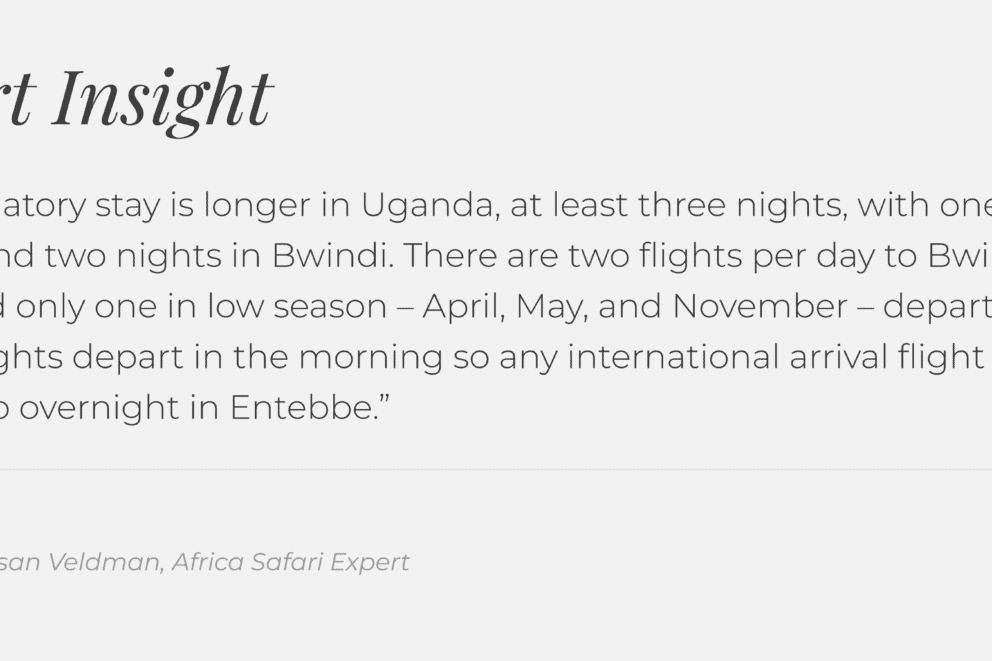
The travel time when comparing gorilla trekking in Rwanda vs Uganda is slightly different. Uganda is quite a bit larger, meaning that you’ll spend a bit more time on the road, with the drive from Entebbe to Bwindi taking between eight and ten hours.
You can spend up to four hours with the gorillas rather than one during the Gorilla Habituation Experience. However, this experience is limited to only four participants per group. The habituation permit costs US$1,500 per person. If you’re looking to be fully immersed in the gorilla trekking experience, consider this when comparing Uganda vs Rwanda for gorillas.
Uganda’s Gorilla Families
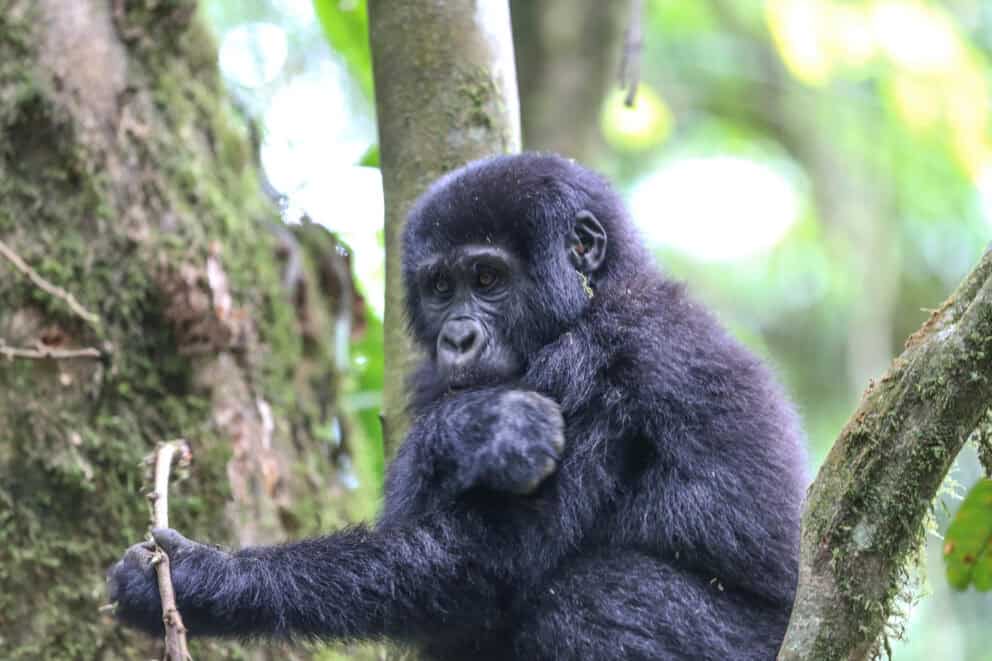
Uganda is home to over 20 habituated gorilla families, primarily located in Bwindi Impenetrable National Park. These families are spread across the park’s four distinct sectors, each offering a different trekking experience and terrain.
Here are some of the main gorilla families that you might encounter:
- Mubare: The oldest group, habituated in 1991. The family was once led by the legendary silverback Ruhondeza, a massive patriarch whose grave you can still visit near the park headquarters. Today, the family is led by silverback Kanyonyi.
- Nshongi: Known as one of the largest groups ever habituated. At the time of its habituation, Nshongi was the largest group ever recorded, with 36 members.
- Rushegura: If you would prefer a shorter trek, then the Rushegura family is your best bet. This group famously “self-habituated” by frequently wandering through local gardens and lodges. They are known for being remarkably calm. They are led by the silverback Kabukojo.
- Habinyanja: This family was habituated in 1997, although it was first visited by tourists in 1999. Originally, the group was much larger, led by a dominant silverback named Mugurusi. After his passing, his two sons, Rwansigazi and Mwirima, shared power for several years. The group is currently led by the silverback Makara.
Permits in Uganda
One of the most significant advantages of choosing Uganda is the permit cost. As of 2024, a permit in Uganda costs US$800, which is nearly half the price of Rwanda’s US$1,500 permit. During the low season months of April, May, and November, the price may be further discounted to US$600, making it an even more accessible option for budget-conscious travellers.
Currently, a maximum of eight permits are issued for each habituated gorilla group. This means that there are more than 200 permits available per day in Bwindi. Just like with Rwanda’s permit, Uganda’s covers a guided trek and one hour with the gorillas.
Best Time to Go to Uganda or Rwanda for Gorilla Trekking
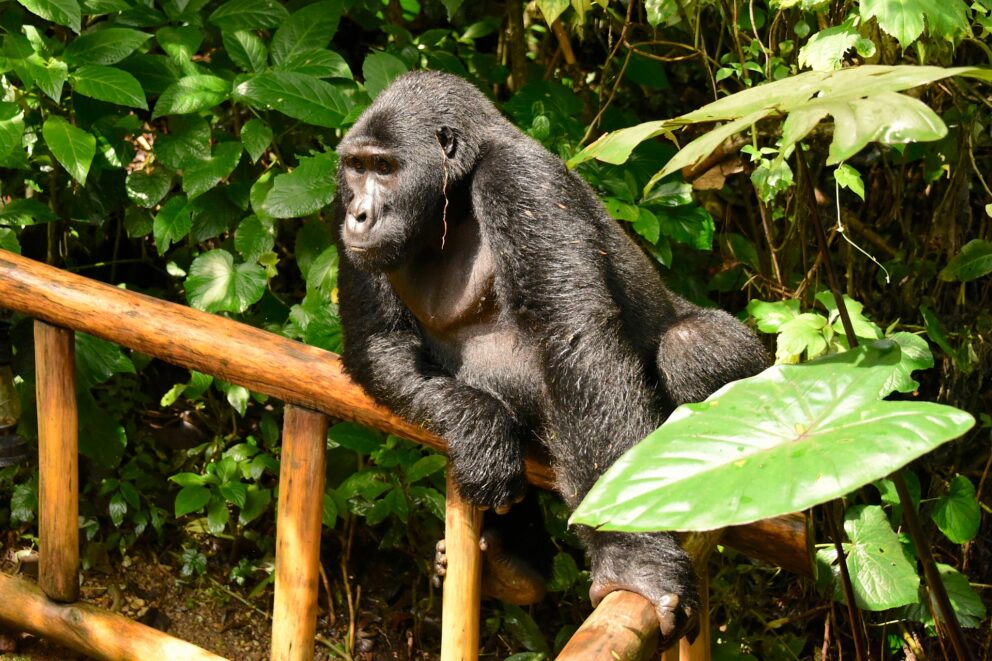
Since both Bwindi Impenetrable Forest and Volcanoes National Park are rainforests, rain is possible throughout the year. But there are distinct seasons that slightly change the experience. Although gorilla trekking is a year-round activity, the best time for gorilla trekking in Uganda and Rwanda is during the dry seasons. The drier conditions offer the easiest hiking conditions and the lowest risk of malaria.
Rwanda’s long dry season kicks off in June and lasts until about mid-September. This is usually the ideal time for gorilla trekking. Trails are firmer and less slippery, making the often steep climbs more manageable. The vegetation also thins out a bit, making for easier viewing and photography.
In Uganda, gorilla trekking can also be done all year round. Although, the best times are also during the dry season from June to September and December to February, when trekking conditions are favourable.
Beyond the Gorillas
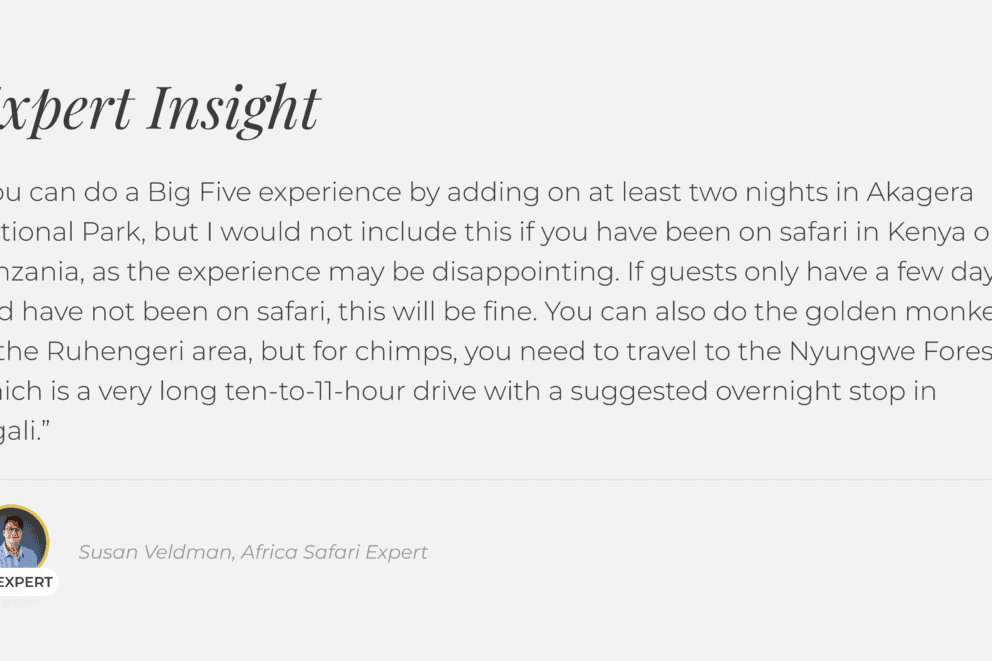
Both Uganda and Rwanda have a wealth of options to enhance your safari. In Rwanda, you can visit Akagera National Park or explore the canopies of Nyungwe Forest for an elevated experience.
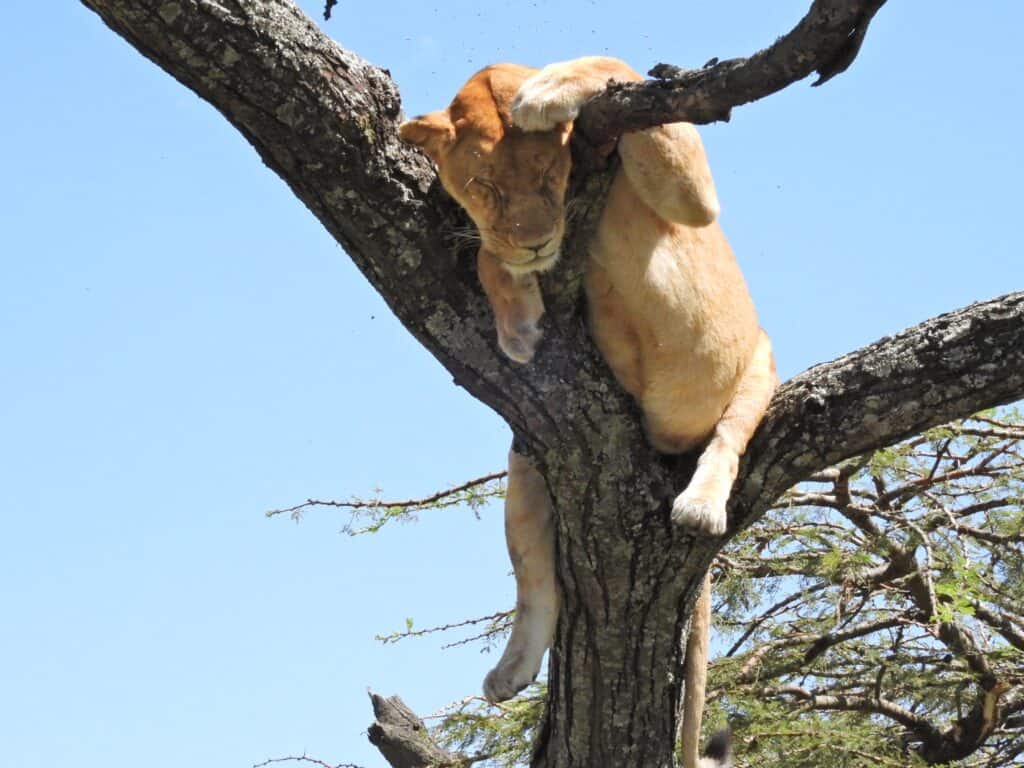
For Uganda, you can enjoy a trip to Queen Elizabeth National Park and enjoy sightings of elephants, hippos, and their famous tree-climbing lions. You can also take a boat safari on the wildlife-rich Kazinga Channel.
Quick Comparison for Rwanda vs Uganda Gorilla Trekking
Feature Uganda Rwanda
Permit Price $800 (USD) $1,500 (USD) Travel Time 8-10 hours from Entebbe 2-3 hours from Kigali Terrain Densely forested, steep, and rugged Hilly but often more open bamboo forest Experience Raw, adventurous, and diverse High-end, accessible, and polished Best For Budget-conscious & adventurous travellers Luxury seekers & time-constrained travellers
Frequently Asked Questions
Is gorilla trekking better in Uganda or Rwanda?
It’s a matter of intent. Rwanda offers a polished, iconic experience for those seeking a high-end, exclusive experience and an easier trek. Uganda offers a wilder, more physically immersive adventure at a lower permit cost.
Where to see the gorillas in Africa?
Mountain gorillas are found only in the Virunga Massif (shared by Rwanda, Uganda, and DRC) and Uganda’s Bwindi Impenetrable Forest.
What should I pack for a gorilla trek?
Sturdy hiking boots, long trousers, gardening gloves for gripping vines, and a waterproof jacket are essential for the rainforest.
Do I need vaccinations and malaria medication for a gorilla trek?
Yes, you will need to prepare for both. Because mountain gorillas share about 98% of our DNA, they are incredibly susceptible to human illnesses.
A yellow fever vaccine and a yellow card are mandatory for all international travellers. While it is not technically required for Rwanda, a lot of gorilla itineraries involve crossing the border or transiting through neighbouring East African hubs, so carrying your Yellow Card is highly recommended to avoid being denied entry.
While the high altitude of the gorilla parks (especially in Rwanda) means there are fewer mosquitoes than in the lowlands, the risk is not zero. Most travellers spend time in Kigali, Entebbe, or other safari parks (like Akagera or Queen Elizabeth NP) before or after their trek. These areas are high-risk malaria zones. So be sure to pack mosquito repellent!
Begin Your Gorilla Trekking Expedition
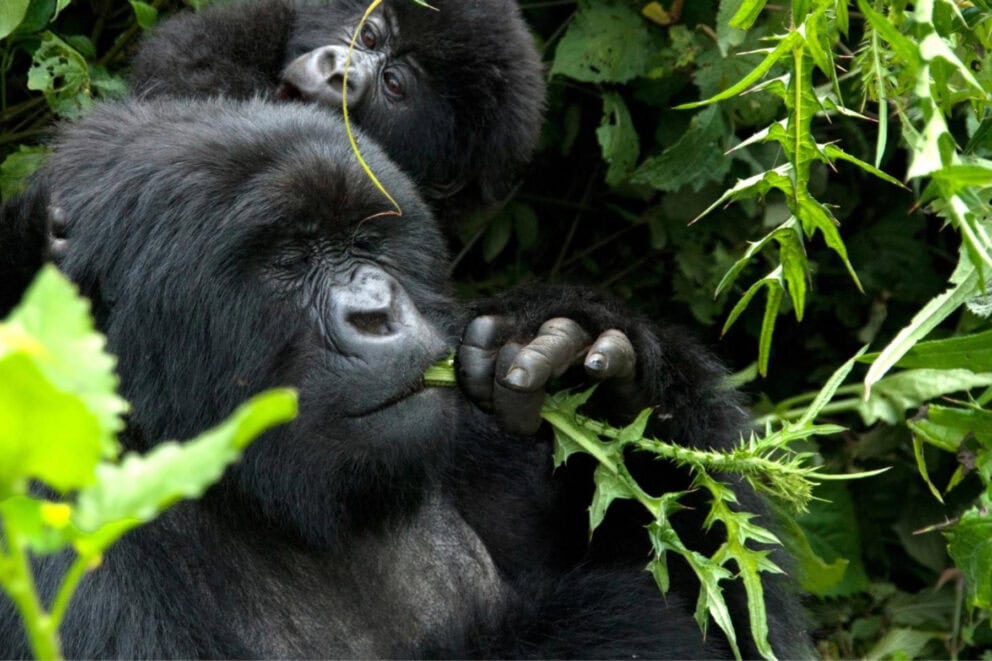
Whether you seek the exclusive peaks of the Virungas or the deep green silence of Bwindi, your journey should be as unique as the creatures you are travelling to see. Our safari experts specialise in crafting the best Rwanda and Uganda gorilla tours tailored to your travel needs.
Ready to start your gorilla trekking adventure? Speak to one of our safari experts today and start planning!

Written by Thaakiera Ackerdien
• Travel Writer
Discover the African Journey that’s Right for You
 Blog List




























Written by Thaakiera Ackerdien
• Travel Writer
Part of the Uganda Safari, Rwanda Safari, East Africa Safari & Mountain Gorilla Trekking Collections