

 Email us





You’ve watched Africa’s most iconic wildlife from an open vehicle. You’ve ticked the boxes that matter, filled the hard drives, and come home changed. And then, somewhere between the airport and ordinary life again, you realise something. Africa still has something it hasn’t shown you yet. That’s when primate safaris start calling.
These are the experiences that go deeper than a game drive, pulling you into the green, tangled interior of ancient forests where our closest relatives on earth are going about their lives entirely on their own terms.
Gorillas. Chimpanzees. Golden monkeys. This is Africa’s other wildlife story, and it’s one of the most extraordinary chapters of this continent.
Why Primate Safaris are Unlike Anything Else
Game drives across the savannah keep a respectful distance between you and animals. A primate safari collapses that gap in the most humbling way possible.
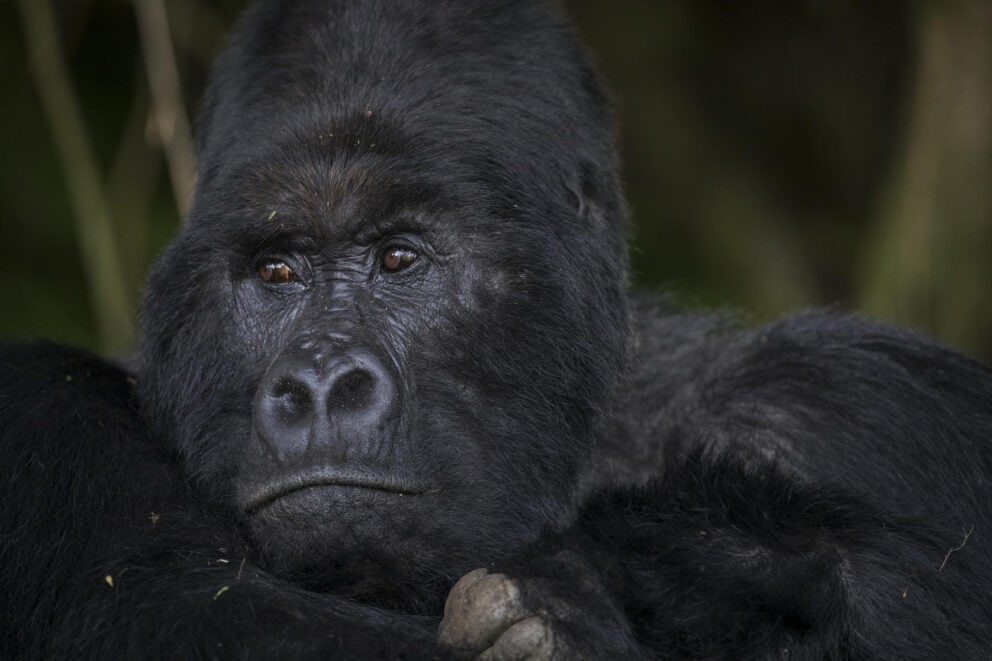
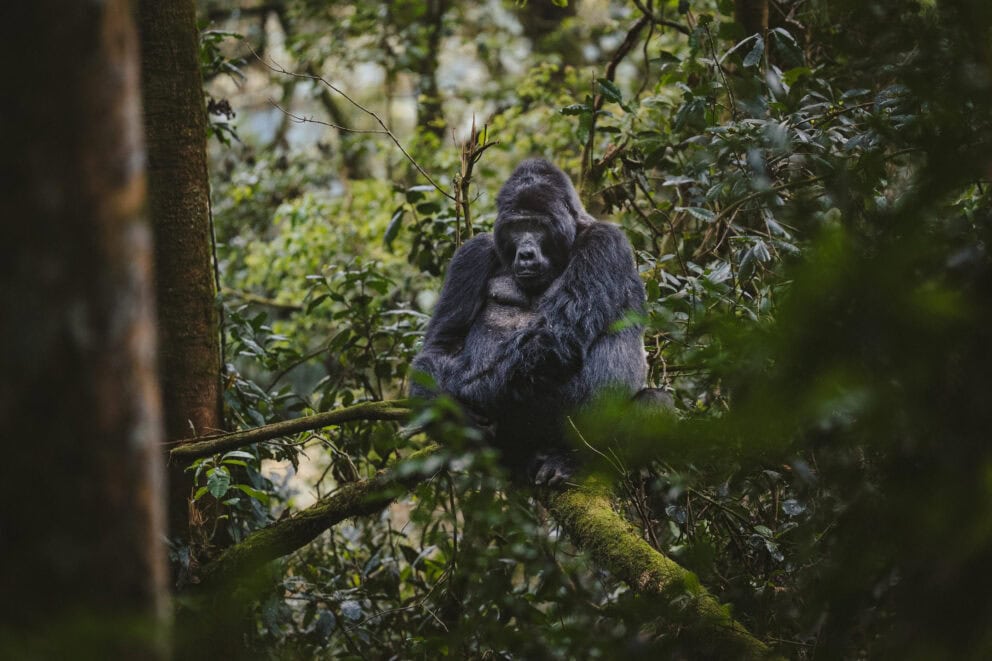
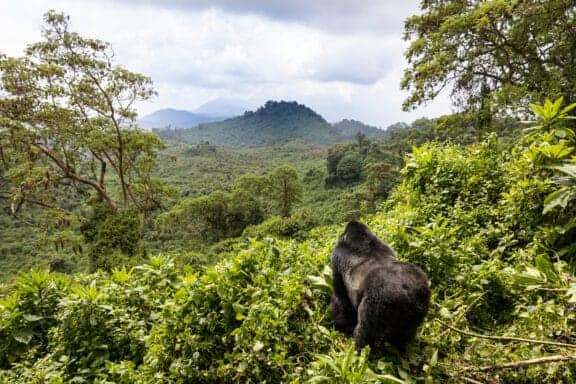
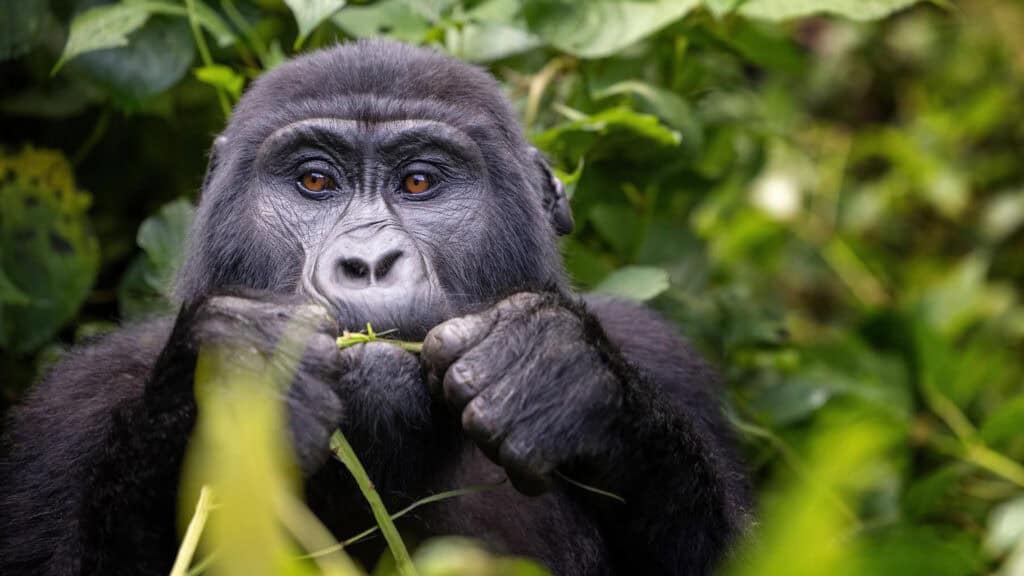
When you sit quietly in the undergrowth and watch a silverback gorilla settle into the grass just metres away, tearing bamboo shoots with hands that look startlingly like yours, something shifts in how you understand the natural world. It’s not an observation anymore. It’s recognition.
According to research, humans share around 98% of our DNA with gorillas. That fact reads abstractly on a page. It feels entirely different when you’re looking into a pair of amber eyes that are looking right back at you.
This isn’t a spectator experience. It’s a conversation. A quiet, wordless one, but a conversation nonetheless.
The Trek: Be Ready to Work for It
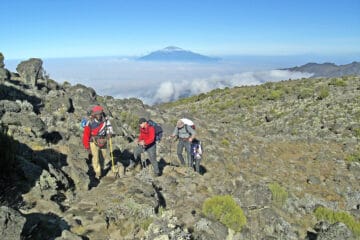
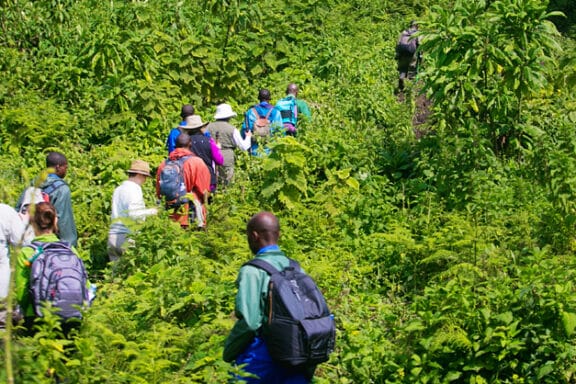
Primate trekking is not a game drive. There’s no vehicle, no elevated viewing platform, and no knowing in advance where your subject will be. You’ll wake before dawn, lace up your hiking boots, and follow a guide into a forest so dense the light barely reaches the ground.
Some treks last two hours. Some last six hours. It depends entirely on where the animals have moved overnight.
The terrain can be steep and slippery. Roots catch your feet. Stinging nettles require gloves. The humidity wraps around you like a warm, wet cloth. Your guide will spot things you’d walk straight past: a fresh trail of broken branches, a nest overhead, and the faint knuckle prints in soft mud.
And then the tracker ahead of you stops. Holds up a hand. You hear it before you see it: the cracking of wood, the low rumble of a chest beat. Your heart does something it’s never quite done before.
That one hour you spend with the family group will go faster than any hour of your life. No exceptions.
Uganda: The Primate Capital of Africa
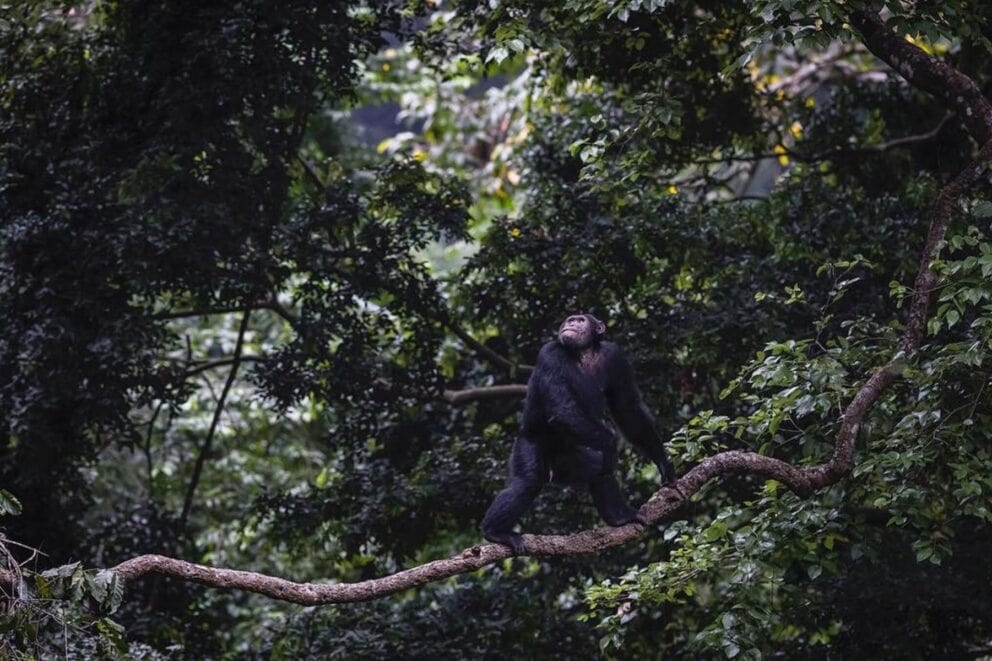
Uganda is where most primate safari stories begin, and with good reason.
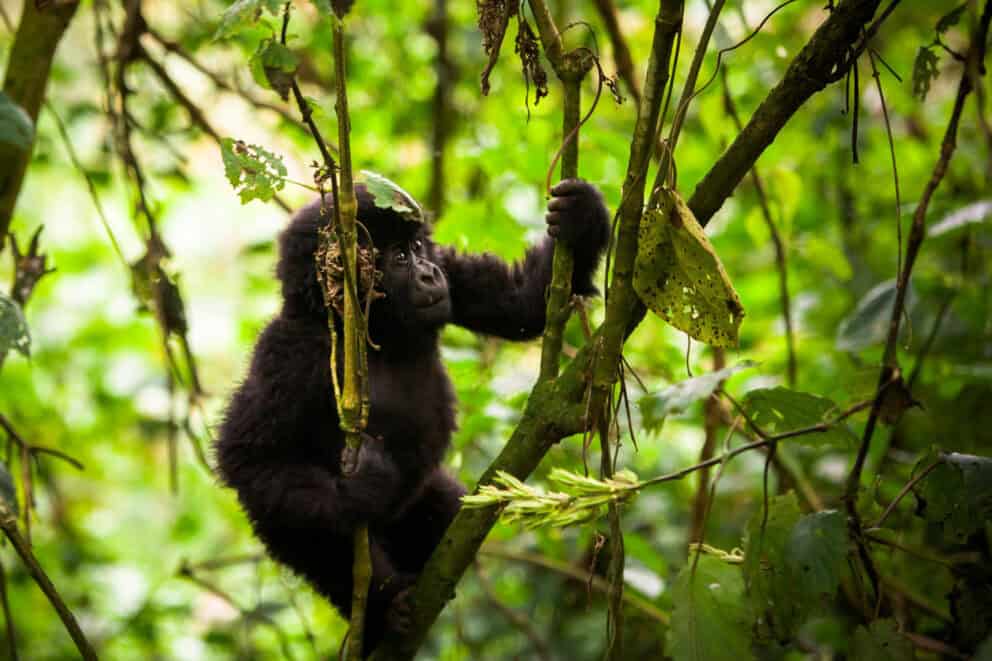
Bwindi Impenetrable Forest is the headline act. This ancient, mist-covered rainforest in southwestern Uganda shelters nearly half of the world’s remaining mountain gorillas, with fewer than 1,100 individuals surviving in the wild.
Trekking permits are strictly limited, groups are small, and your time with the gorillas is capped at one hour. None of that feels like a restriction when you’re actually there – you begin to understand the intricate conservation initiatives at work.
The forest earns its name. Expect dense vegetation, steep gradients, and a level of physical effort that makes the reward feel all the more earned when you finally crouch in front of a family and watch the silverback’s chest rise and fall.
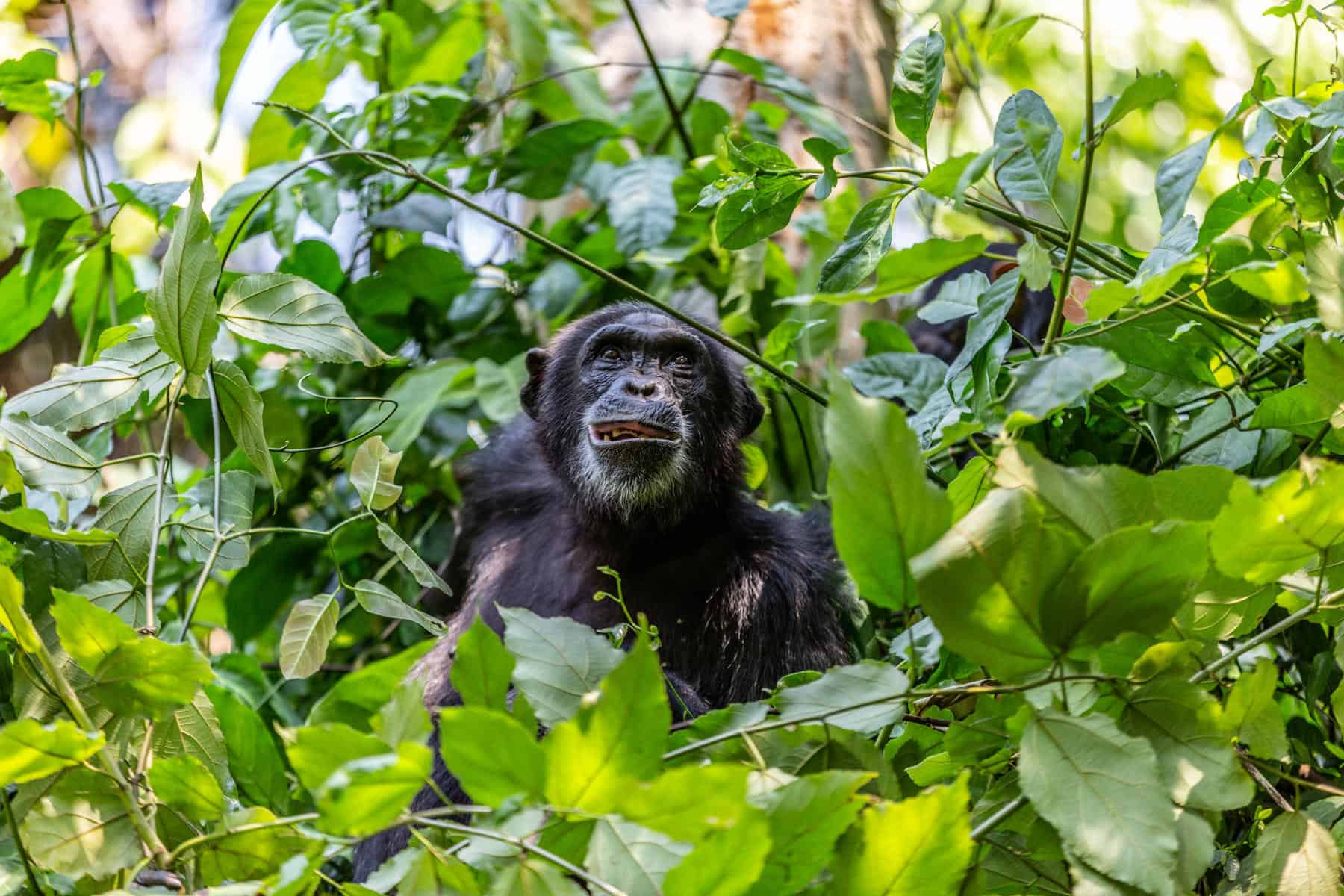
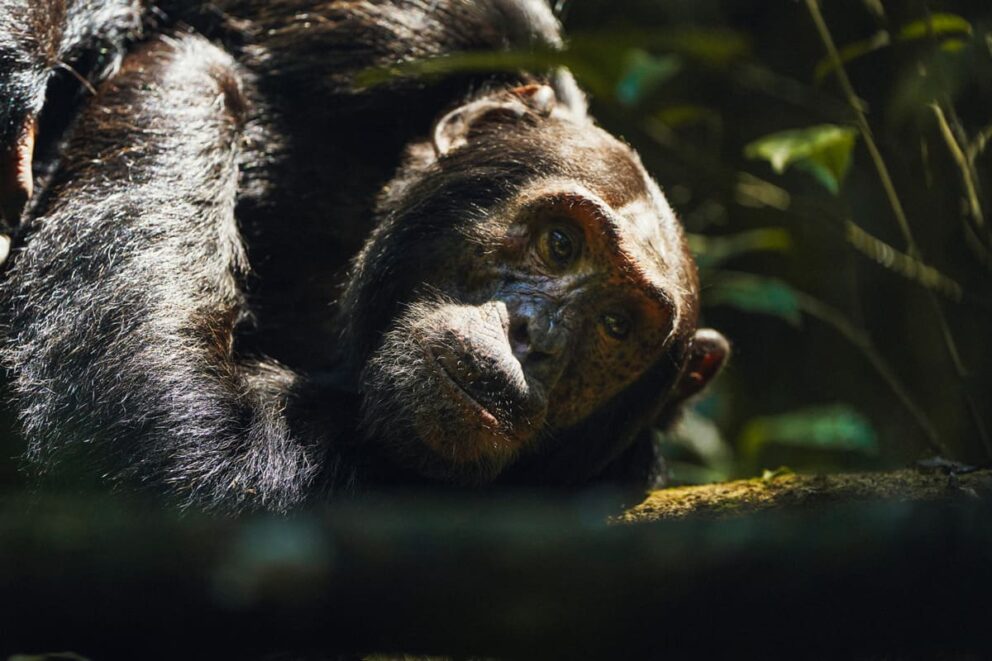
Kibale National Park is Uganda’s chimpanzee heartland, home to around 1,500 individuals, the highest concentration in the country. Chimpanzee primate safaris here are loud, fast, and electrifying. Chimps don’t sit still.
Watching a troop navigate the politics of their world, with guides who know each individual’s personality and history, is something you’ll be talking about for years.
For those who want to go further, Kyambura Gorge in Queen Elizabeth National Park offers a strikingly different chimpanzee safari experience. A deep, forest-filled gorge carved into open savannah, it’s one of those places that feels genuinely cinematic.
The contrast between the gorge’s lush interior and the open plains above it is unlike anything else on a primate trekking itinerary.
You can combine all three on a single Uganda trip, making it one of the most complete gorilla and chimpanzee trekking itineraries anywhere in Africa.
Rwanda: Gorillas, Golden Monkeys, and Something Rare
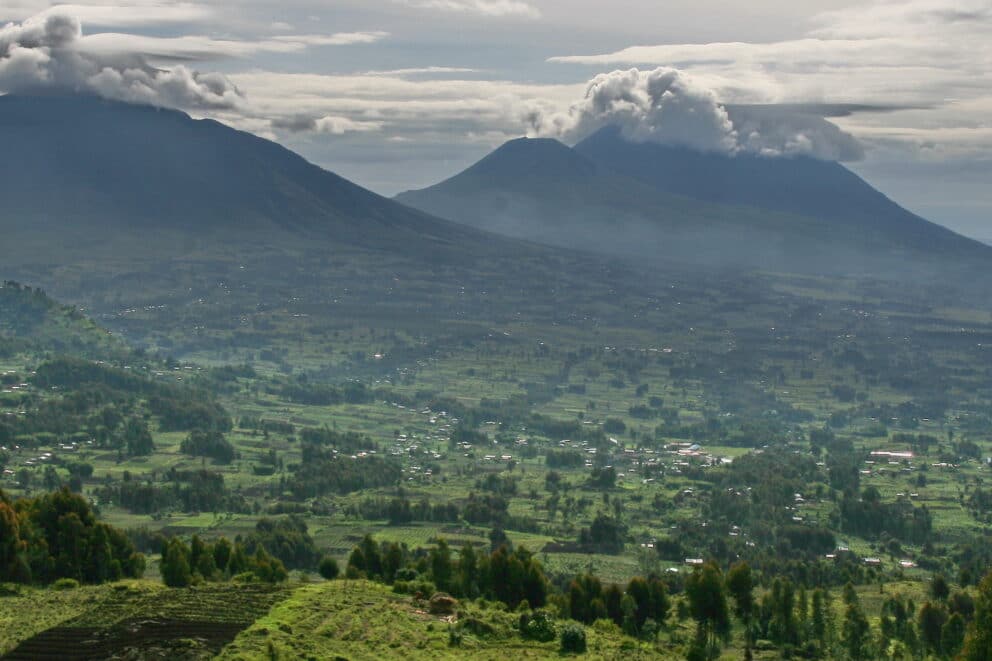
Flying into Kigali and heading north towards the Virunga volcanoes is one of Africa’s great arrivals. The countryside rolls through thousands of terraced hillsides, mist sits low in the valleys, and by the time you reach Volcanoes National Park, the scale of what you’re about to do starts to settle in.
Rwanda offers arguably the most polished gorilla trekking experience on the continent. The guides here are among the most knowledgeable anywhere, and the gorilla families that call these volcanic slopes home have been carefully habituated over many years.
You’ll walk through dense bamboo, gain altitude quickly, and in most cases encounter your allocated group within a couple of hours.
But Rwanda has a second act that most people don’t know about until they’re standing in it: golden monkeys. They’re classified as endangered, and trekking in Volcanoes National Park, ideally on the same trip as a gorilla permit, makes for one of Africa’s most remarkable wildlife double headers.
Then there’s Nyungwe Forest National Park in southern Rwanda, Africa’s largest remaining montane rainforest and one of its most biodiverse. A Nyungwe Forest primate safari gives you access to two habituated troops of chimpanzees and a forest that supports 13 primate species in total, including the Ruwenzori colobus, L’Hoest’s monkey, grey-cheeked mangabey, and the owl-faced monkey.
The terrain is rugged, the canopy extraordinary, and the chimpanzee encounters here tend to be intimate rather than theatrical.
There’s also a 200-metre canopy walkway suspended above the forest floor, one of the few in Africa, offering a perspective on rainforest life that you simply can’t get from below.
For those flying into Kigali for a primate safari, the option to combine Volcanoes in the north with Nyungwe in the south gives you a Rwanda that most visitors never see. It’s worth every extra hour in the car.
Tanzania: Chimps on the Lake
Tanzania is most people’s mental shortcut for open plains and iconic game. But head west, add a few days, and you reach a side of the country that looks and feels completely different.
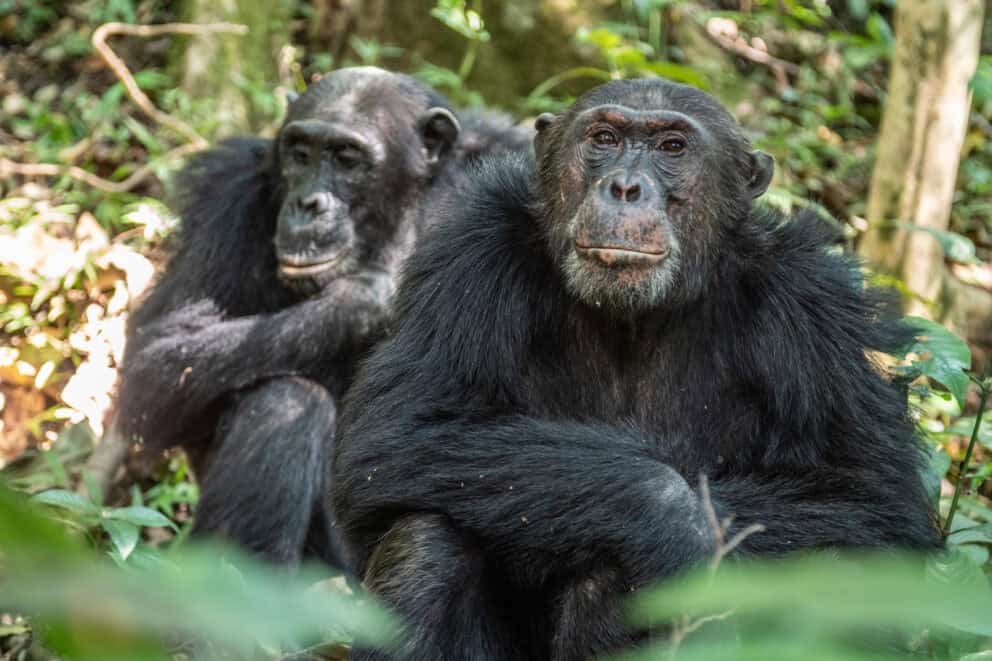
Mahale Mountains National Park sits on the eastern shore of Lake Tanganyika, one of the oldest and deepest lakes in the world. One of Africa’s largest populations of wild chimpanzees lives here, in forests that can only be reached by light aircraft or boat.
There are no roads. There’s very little infrastructure. That remoteness is precisely the point.
You trek through the forest in the morning, find the chimps in their territory, and spend an hour with the troop. Then, if your camp is positioned well (and the best ones are), you walk back to a stretch of white sand beside water that glitters like hammered glass. It’s an extraordinary combination that you won’t find anywhere else in the world.
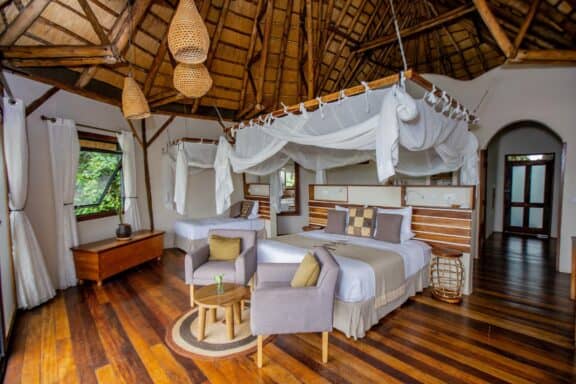
Greystoke is situated right on the lakeside. Reclaimed dhow wood, thatched rooms, the sound of the forest behind you and the lake in front. After a long morning trek, it’s exactly the kind of place where the word “restorative” stops being a cliché.
What Comes After the Trek
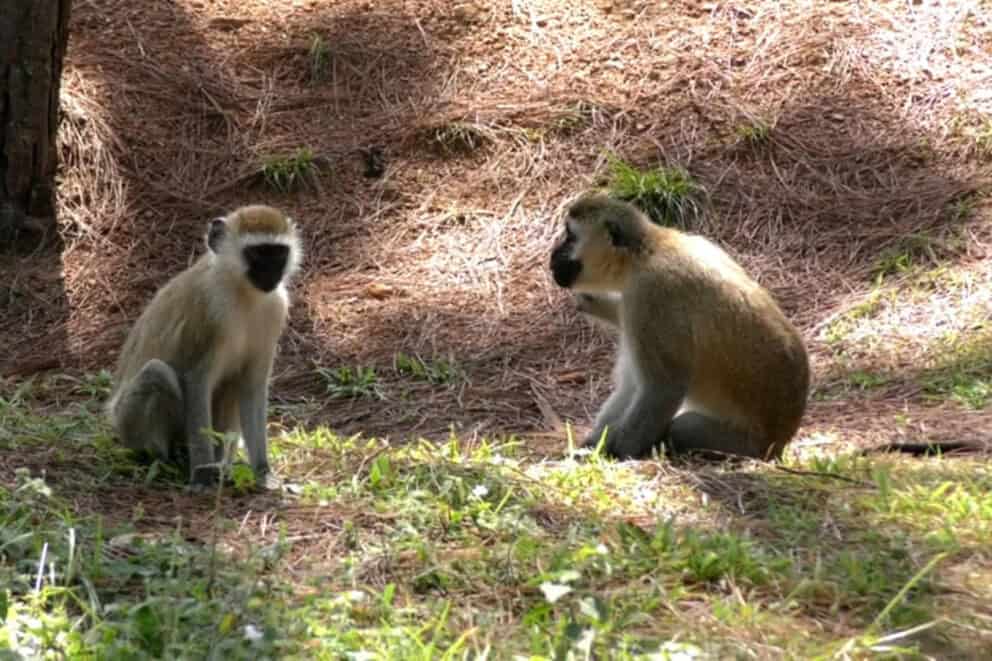
Here’s what nobody quite warns you about: your legs will know about it by day two.
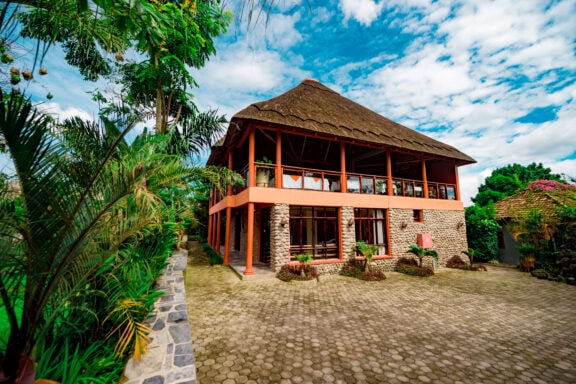
The good news is that the lodges and camps built around primate trekking destinations have almost universally understood this. You’re not roughing it. After something physically demanding, you return to somewhere genuinely peaceful, and the best properties lean into that with real warmth.
In Uganda, lodges around Bwindi sit on forest edges with wooden decks looking into the canopy. In Rwanda, properties near Volcanoes National Park are positioned to frame the volcanoes at first light. Several of the top-tier options offer spa treatments designed specifically for trekkers: sore-muscle massages, steam rooms, and deep soaks in freestanding baths.
The combination of physical effort and genuine comfort is part of what makes primate safaris so satisfying. You earn every moment of it.
What You Need to Know Before You Go
Permits are Limited and Book Out Far in Advance
Gorilla permits in Uganda and Rwanda are strictly controlled and capped. Planning six to 12 months ahead is strongly recommended for peak season travel.
Physical Preparation Makes a Real Difference
You don’t need to be an athlete, but regular walking in the months before your trip will mean you spend your hour with the gorillas breathing normally instead of trying to catch your breath.
Pack for The Forest, Not the Open Plains
Long sleeves, long trousers, garden gloves, waterproof hiking boots, a rain jacket, and a hat. Neutral colours. Insect repellent. A small daypack. Leave the open-vehicle wardrobe at home.
Put the Camera Down at Some Point
Many people who’ve done this describe a moment mid-trek when they stop photographing and just look. That’s worth something. Give yourself permission to be fully present.
Gorillas Share Many of Our Vulnerabilities
You’ll be required to stay at least seven to ten metres from the animals, and if you have any signs of illness, you won’t be permitted to trek. You’ll also need to wear a face mask. This protects them, as a common cold can be genuinely dangerous for a great ape.
Ready to Start Planning Your Primate Safari?
A primate safari isn’t a follow-up to the Big Five. It’s something in its own category entirely, a different kind of encounter, in a different kind of landscape, with a quality of feeling that’s hard to put into words until you’ve experienced it.
We’ve planned these trips many times, across Uganda, Rwanda, and Tanzania. We know about the permit process, which lodges enhance the experience, and how to build an itinerary that doesn’t rush you through the most significant hour of wildlife viewing you’ll ever have.
Written by Yamkela Welaphi
• Travel Writer
Discover the African Journey that’s Right for You
 Blog List



























Written by Yamkela Welaphi
• Travel Writer
Part of the East Africa Safari, Chimpanzee Safaris & Mountain Gorilla Trekking Collections