

 Email us





In the soft, golden light of a Mozambican sunrise, the first thing you notice isn’t the heat, but the sound. It’s a living, breathing symphony that was almost lost to history. For decades, parts of this country were silent – a consequence of a complex past that left its wild spaces fractured and its once-vast herds diminished.
But today, if you sit quietly on the edge of the Gorongosa floodplains or the sand dunes of the Bazaruto Archipelago, you will hear something different: the return of the roar.
The country is currently witnessing one of the greatest ecological renaissances on the continent. It’s a story of rewilding Mozambique, where the focus isn’t just on protecting what remains but actively inviting the wild back into its home.
For those who crave travel with purpose, a conservation safari in this remarkable place offers something deeper than a simple getaway. A Mozambique safari is a chance to see a nation rediscovering its essence.
This transformation stands out because it’s not a solo act. It’s a group undertaking, built on the understanding that genuine conservation requires local communities to take the reins.
The Mountain, the Bean, and the Forest: Gorongosa’s Great Rebirth
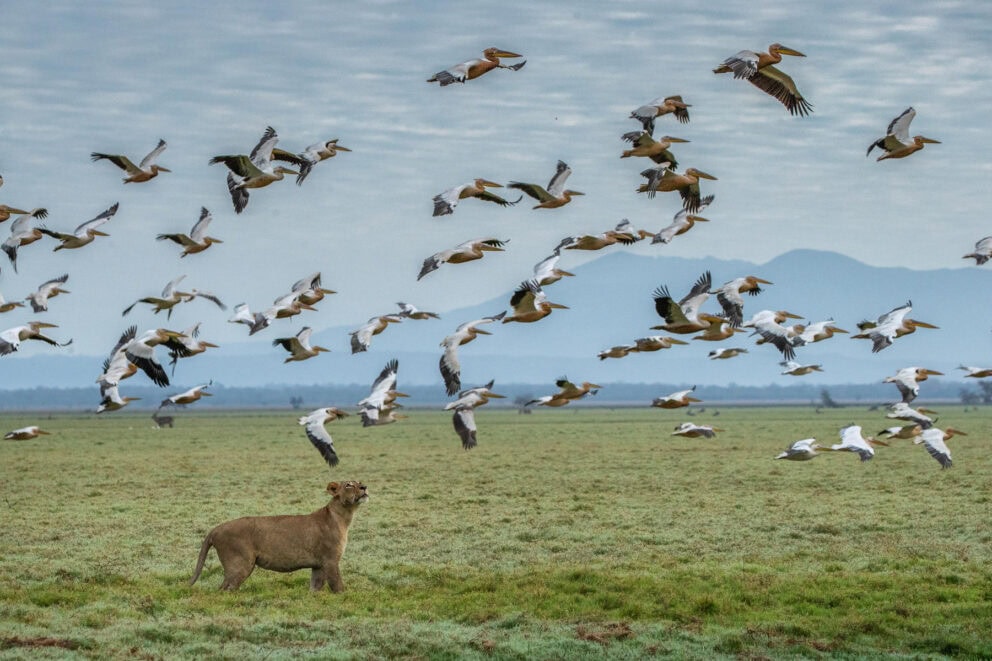
Gorongosa National Park, once celebrated as the “Eden of Africa”, is experiencing a remarkable resurgence. Following years of painstaking restoration efforts, the park’s plains are once more teeming with life: elephants roam, lions prowl, and rare birds flit about. Yet, the true story of Gorongosa’s revival extends far beyond the open savannah.
One of the most innovative examples of animal conservation in Mozambique is, surprisingly, a coffee bean. The Gorongosa Coffee Project is a large-scale agroforestry initiative that proves humans and nature can thrive together.
For the communities living around the park, the rainforest on the mountain is a vital source of water. By planting shade-grown coffee under the existing forest canopy, local farmers are incentivised to protect and restore the trees rather than clear them for subsistence farming.
Today, more than 1,000 local farmers are part of this project. Remarkably, 100% of the profits from Our Gorongosa coffee go directly back into community projects, specifically targeting health, education, and the empowerment of local women.
When you visit Gorongosa on a sustainable safari, you can tour these plantations, meet the farmers, and see firsthand how a simple cup of coffee is keeping the rainforest – and the wildlife that depends on it – alive. More than anything, it’s a tangible reminder that every choice we make as travellers can ripple through an ecosystem.
Zinave: The Return of the African Icons
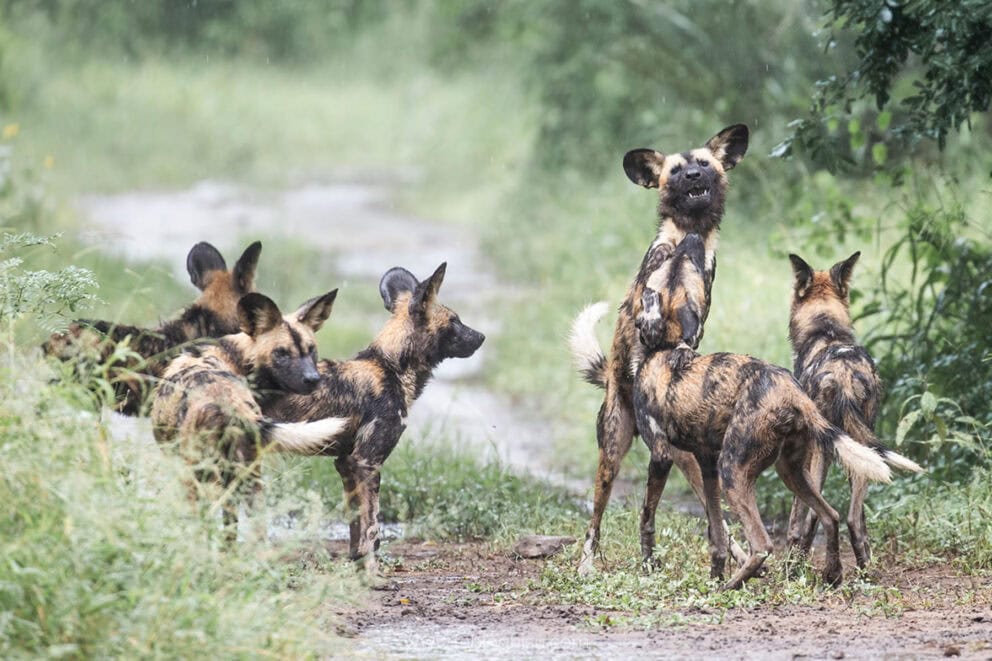
If Gorongosa is the soul of Mozambique’s conservation, Zinave National Park is its pioneering frontier. Located in the Inhambane Province, Zinave is a key pillar of the Great Limpopo Transfrontier Conservation Area – a massive peace park that links ecosystems across borders between Mozambique, South Africa, and Zimbabwe.
For years, Zinave was a silent park, but since 2015, a partnership between the Mozambican government and the Peace Parks Foundation has breathed new life into these woodlands. The park has seen the return of thousands of animals, representing a diverse array of species, thanks to a comprehensive rewilding initiative.
A Milestone for Rhinos
A significant achievement in Mozambique’s wildlife conservation came to fruition in 2022. A new population of black rhinos was relocated to Zinave, marking a historic milestone. This move solidified the first sustainable breeding population in the nation in more than half a century.
To ensure their survival, the project involved training 32 additional specialist rangers – many recruited directly from local communities – to act as the guardians of these ancient giants. For the explorer, visiting Zinave offers a raw, unpretentious experience. With very few tourists, you get to witness the literal reconstruction of a wild world.
The Blue Frontier: Marine Conservation in Bazaruto
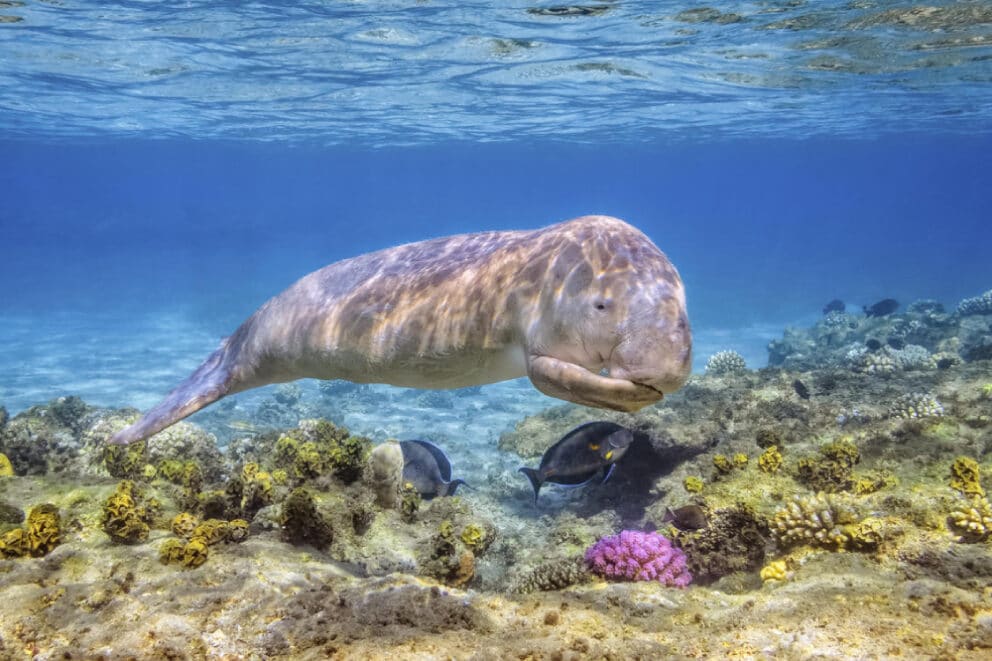
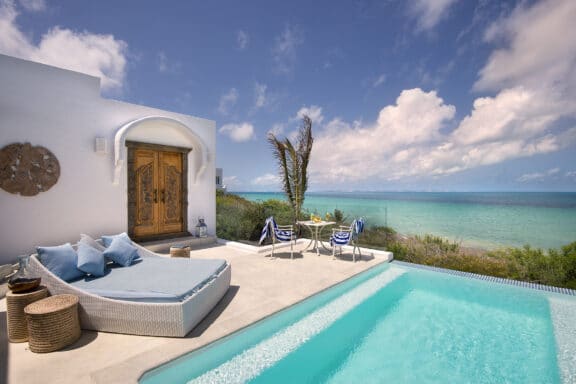
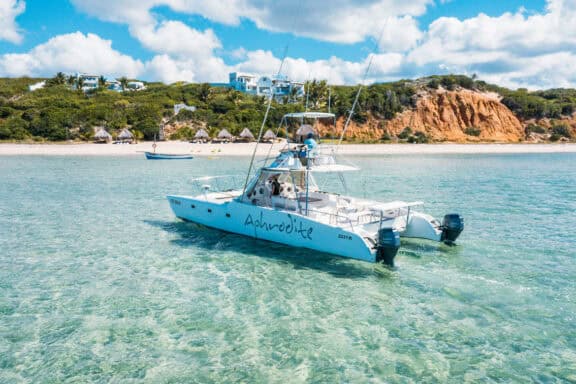
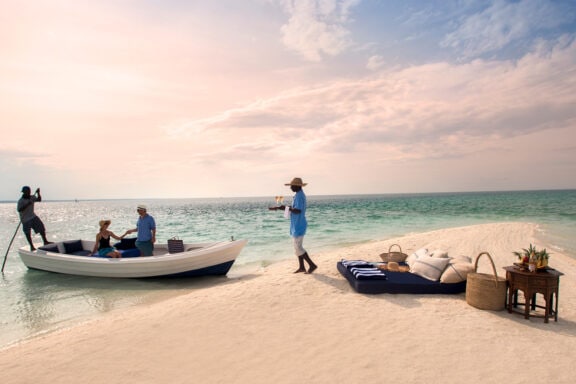
While the bush recovers, the ocean is being equally championed. The Bazaruto Archipelago National Park, a chain of five turquoise islands off the coast of Vilankulos, is Mozambique’s oldest marine park and a sanctuary of global importance.
This sapphire treasure is home to East Africa’s last viable population of dugongs – gentle marine mammals that are now classified as ‘critically endangered’ in East Africa.
Mozambique marine conservation here is a delicate, human-led balance. Through partnerships with organisations like African Parks, local fishers are being trained in sustainable practices and habitat monitoring.
They now protect the seagrass beds, the dugongs’ primary feeding grounds. A marine conservation safari could see you aboard a traditional dhow, listening to a guide whose life has been spent in these waters, explaining the work being done.
Below the surface, a vibrant world thrives: over 2,000 fish species, five kinds of nesting turtles, and seasonal humpback whales, all contributing to a scene that inspires both awe and optimism.
Why Your Presence Matters: The Conservation Safari
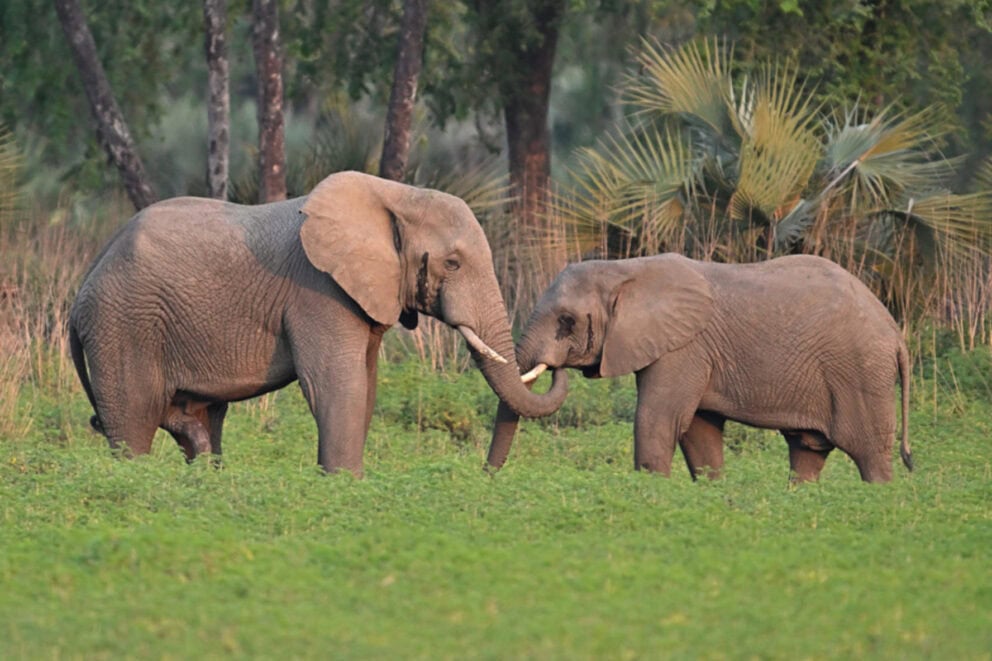
You might be asking yourself how a vacation can actually make a difference. In Mozambique, the answer is simple: your visit fuels this restoration. When you choose a sustainable safari in Mozambique, your park fees directly fund anti-poaching units, community initiatives, and conservation projects.
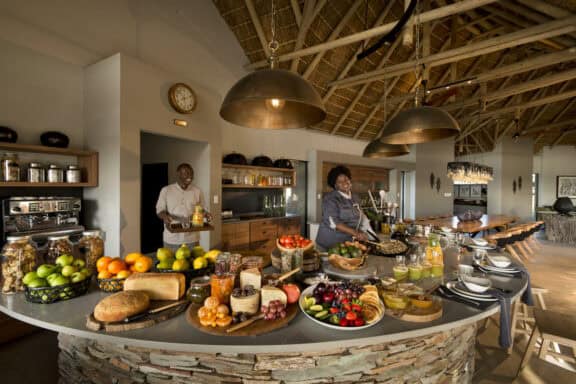
The lodges we collaborate with offer more than just a bed for the night. They’re social enterprises, actively creating jobs and fostering empowerment for the individuals who live and work in these remote, beautiful locations.
Your visit signals that a living lion or a healthy mangrove forest holds greater worth for the local economy than the other options. You’re joining Mozambique’s rewilding chapter – a story shaped by perseverance, renewal, and a profound optimism for what lies ahead.
Tips for an Immersive Conservation Journey
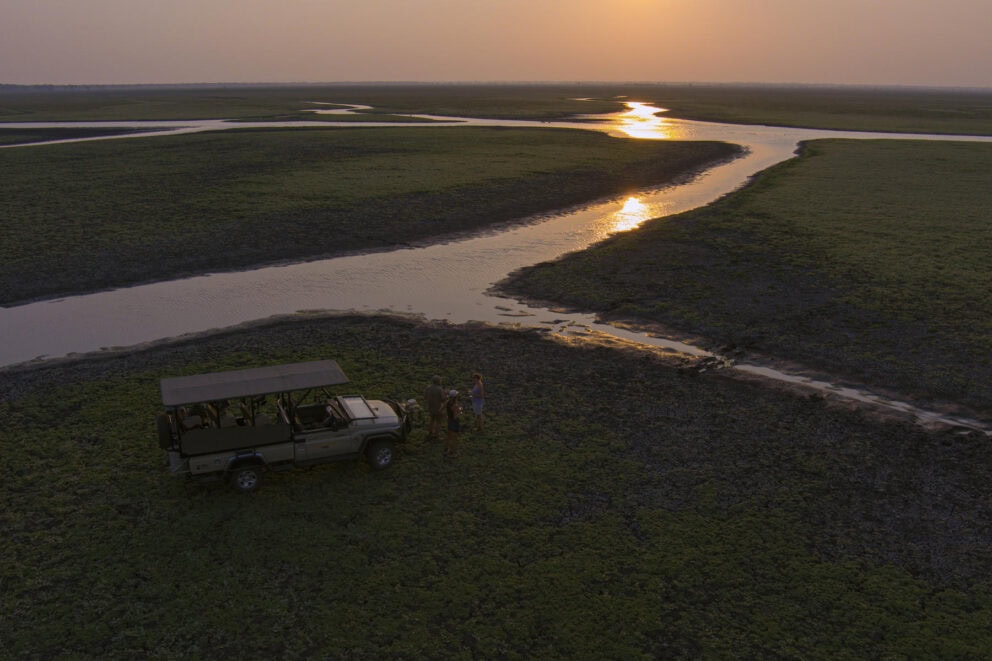
- Ask Questions: Chat with your guides about the rewilding initiatives. They’re the ones in the know, and they’re usually eager to share the deep history of the land.
- Support Local: Buy the coffee, visit the community craft centres, and choose experiences that put money directly into local hands.
- Travel with Patience: Mozambique is raw and soulful. Embrace the slower pace – the dhow that moves with the wind or the 4×4 journey through the miombo woodland.
Start Planning Your African Chapter
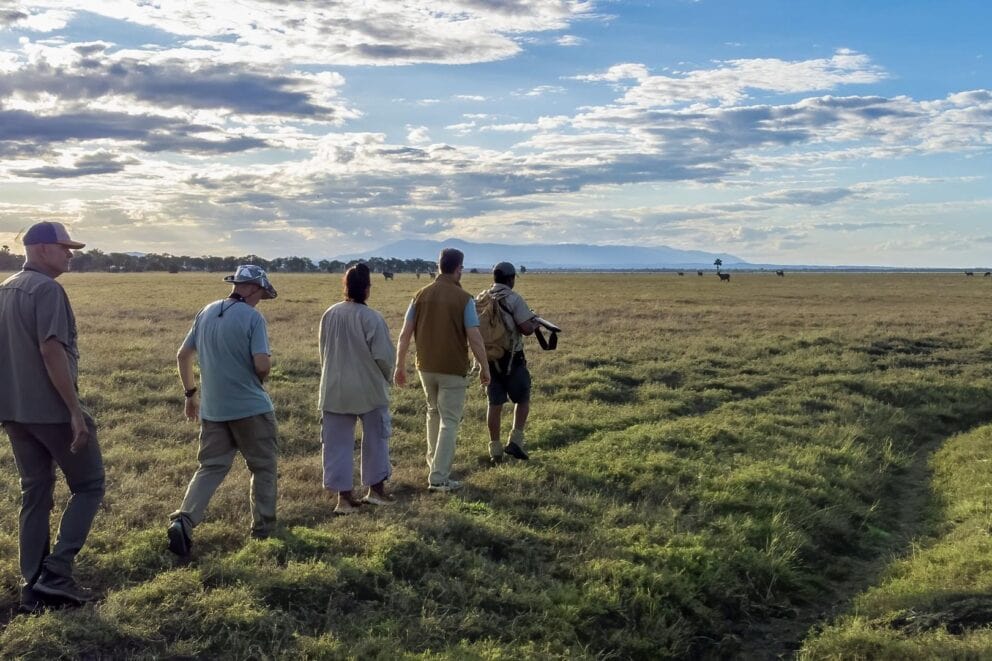
Mozambique is no longer just a beach and bush destination. Here, you can see the world being put back together, piece by piece, bean by bean, and rhino by rhino. It’s a journey that shows you the wild and invites you to be a part of its survival.
Ready to experience Africa from a fresh perspective? If you’re imagining the shrouded peaks of Gorongosa or the tranquil, azure waters of Bazaruto, we’re here to craft a Mozambique safari that’s personal, authentic, and profoundly impactful.

Written by Micky Baker
• Travel Writer
 Blog List















Written by Micky Baker
• Travel Writer
Part of the Mozambique Safari & Positive Impact Safaris Collections