

 Email us




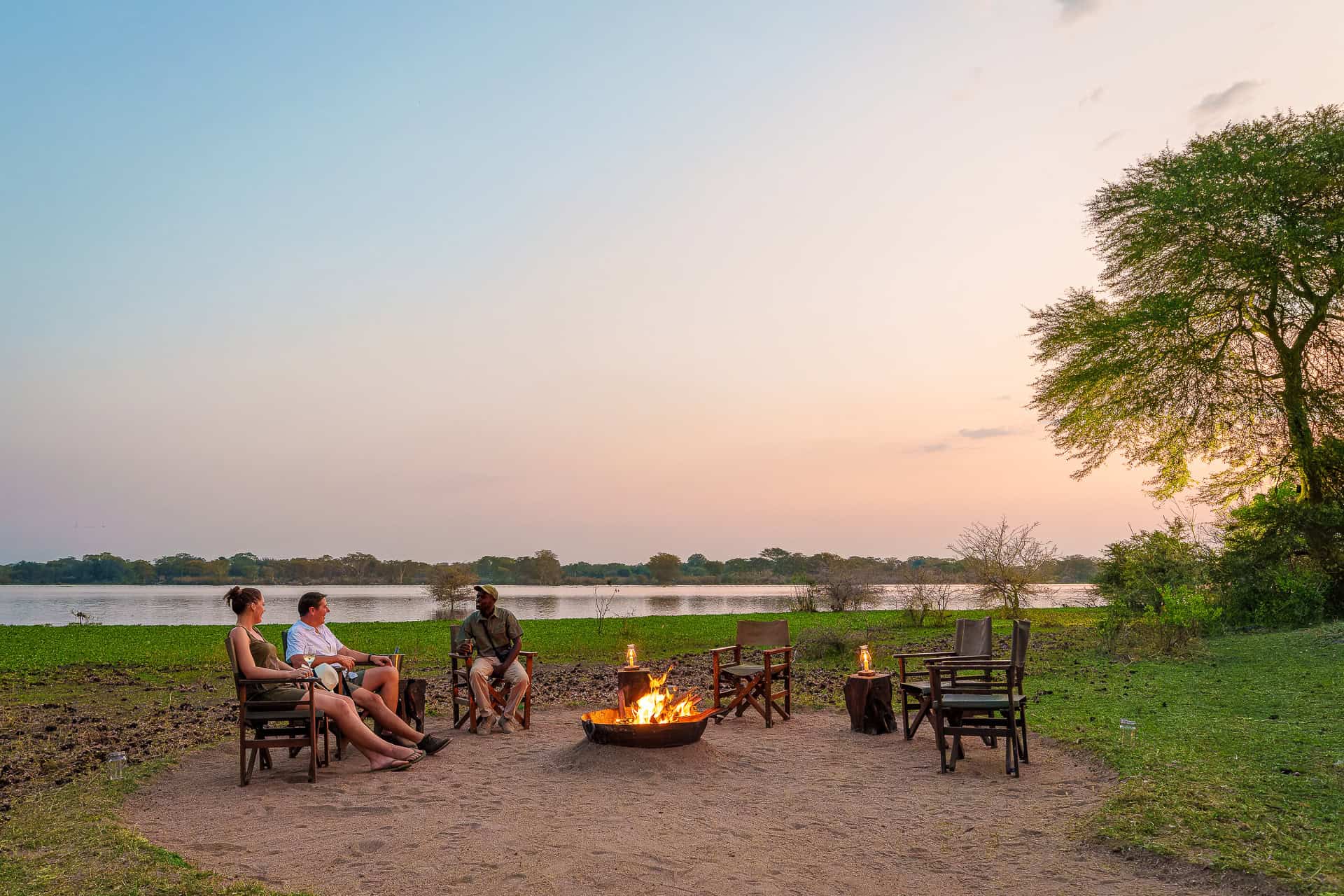
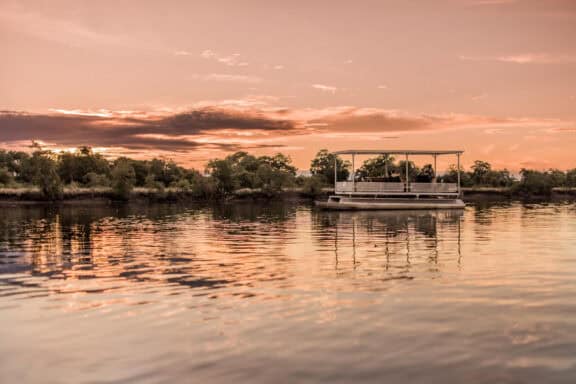
Before sunrise breaks, the Shire River looks like a ribbon stitched from mercury, calm and ready to reflect whatever the day has in store. A hippo surfaces just close enough to give a thoughtful grumble, as though commenting on your choice of alarm clock.
Elephants tread slowly through reeds across the water, their huge feet leaving barely a whisper. Half-hearted bird squabbles layer the stillness. On the horizon, Lake Malawi first appears like a stretch of blue silk, hinting at sunlit beaches and villages already beginning their morning routines.
This is what land and lake safaris in Malawi feel like when the wild and human worlds overlap naturally and deeply.
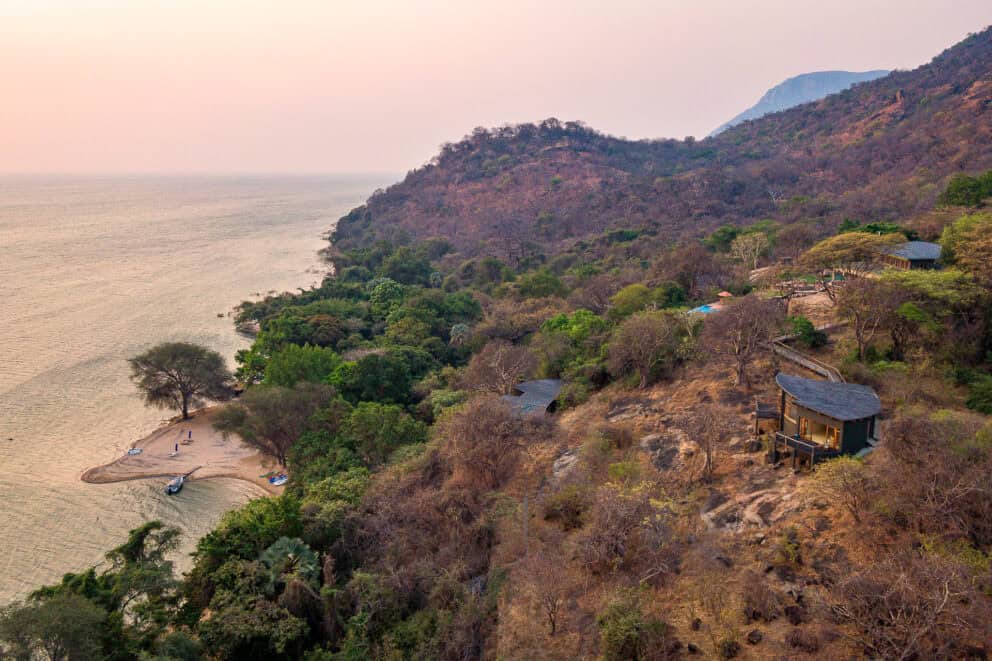
Over 13 days, you’ll follow an itinerary that moves you from Majete Wildlife Reserve’s conservation success to the fertile highlands of Thyolo, then onwards to Liwonde National Park and finally to Lake Malawi’s fascinating waters and communities.
This isn’t about hurried checklists or loudly promoted highlights. It’s about really seeing, hearing, tasting, and commenting on the world around you, like a guide pointing out how a butterfly alights on a buffalo’s back only for a hornbill to chase it off. It’s about knowing that every place has its own cadence, even if it doesn’t shout it out.
For travellers seeking the best safari in Malawi, this route offers real access to people and wildlife on their own terms. Hotels and camps are selected for their setting, character, and contribution to local communities, not just for how they look in photos.
Early Arrivals and First Impressions in Majete
Your safari begins when you step off the plane at Chileka International Airport in Blantyre. You’ll be met by a guide who will point out aspects of local life as you drive through communities, making your way into the wilderness.
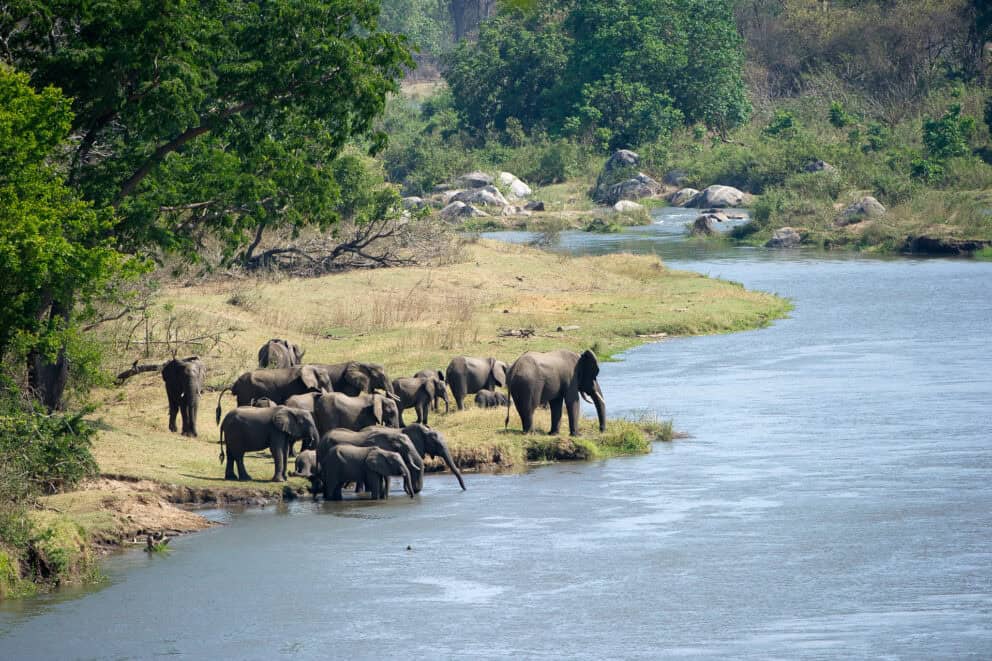
The drive to Majete Wildlife Reserve gently shifts from town life to open landscape, giving you time to settle in and notice little details about the land and its people. Majete is a conservation success story, home again to black rhinos, elephants, lions, leopards, buffalo, and a wide range of antelope species thanks to careful project work.
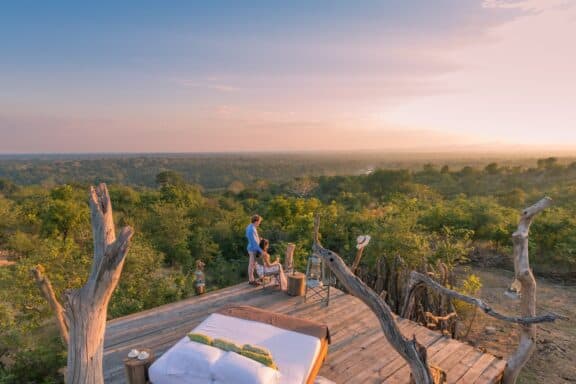
At Mkulumadzi Lodge, you might find yourself settling in with a cup of something warm as a pair of impala graze just beyond the deck, their ears twitching like tiny radar dishes. Game drives in Majete are comfortable and engaging.
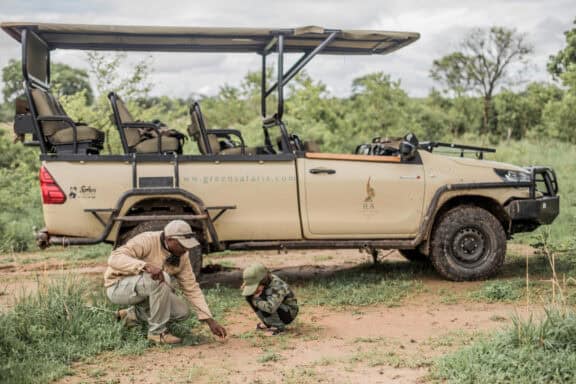
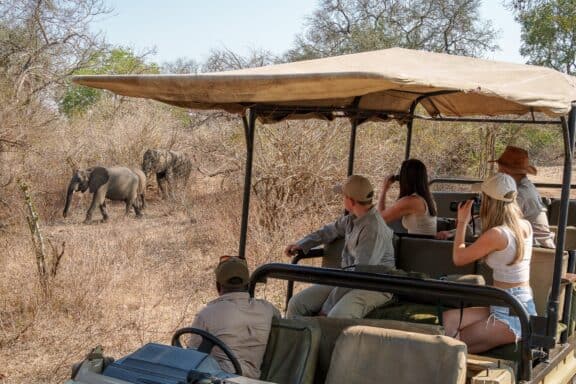
One day can involve tracking black rhinos emerging from shade, while another brings the chance to watch elephants move with methodical intent across open ground. Guides here have a library of observations in their heads, from how to read footprints in soft soil to why hippos sometimes look annoyed midday, and they relish sharing these insights.
Majete lets you see how conservation changes a place. Where animals were once absent, they now reclaim land thoughtfully and with growing confidence. Observing that process is, for purpose‑driven travellers, as rewarding as any close sighting of wildlife.
Thyolo Highlands: Agriculture, Culture, and Landscape
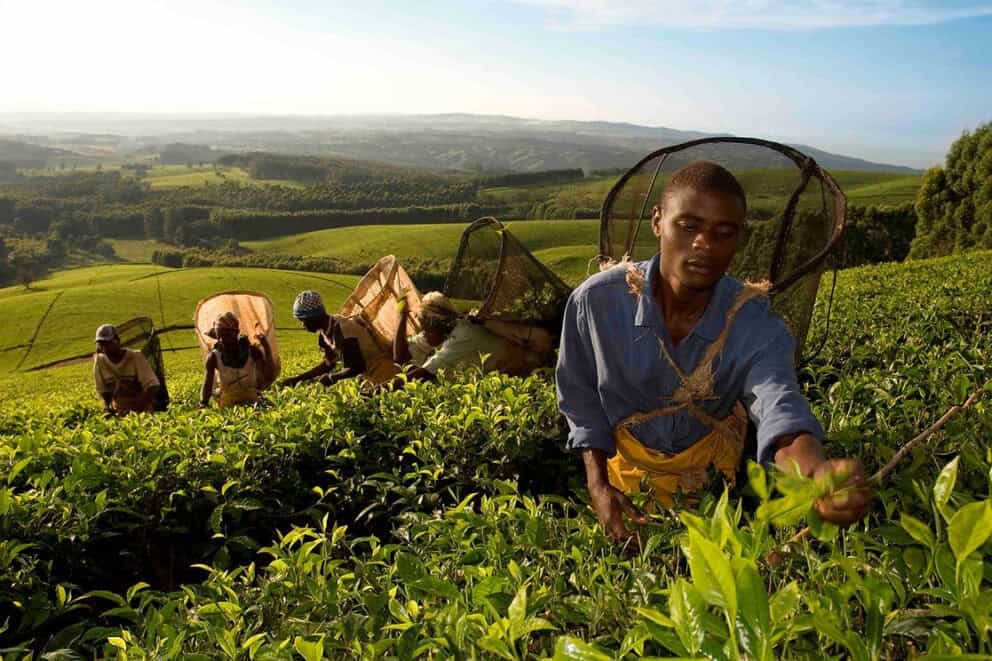
Stepping out of the bush and into the Thyolo Highlands feels like entering a different kind of world. Tea plantations rise on gentle slopes under cool breezes and open skies.
There’s a different kind of rhythm here: the click and scrape of workers sorting leaves, morning conversations with farmers who know the land intimately, and navigating paths that climb and fall through patchwork plots of green.
At Huntingdon House, your base in Thyolo, you might find yourself sipping freshly brewed tea on a porch, tasting the dedication and care you see on the farm.
Guides here can talk about processing tea from plant to cup, and you may notice how small changes in sunlight or soil colour can affect the flavour. A hike to nearby waterfalls or a day excursion to Mount Mulanje will add extra vibrant layers to your stay in the Highlands.
These are the moments that matter. They hint not just at landscape but at how people connect to it and how work, life, and land intersect in ways that feel grounded and real.
Liwonde National Park: Hippos in the River and Quiet Shoreline Scenes
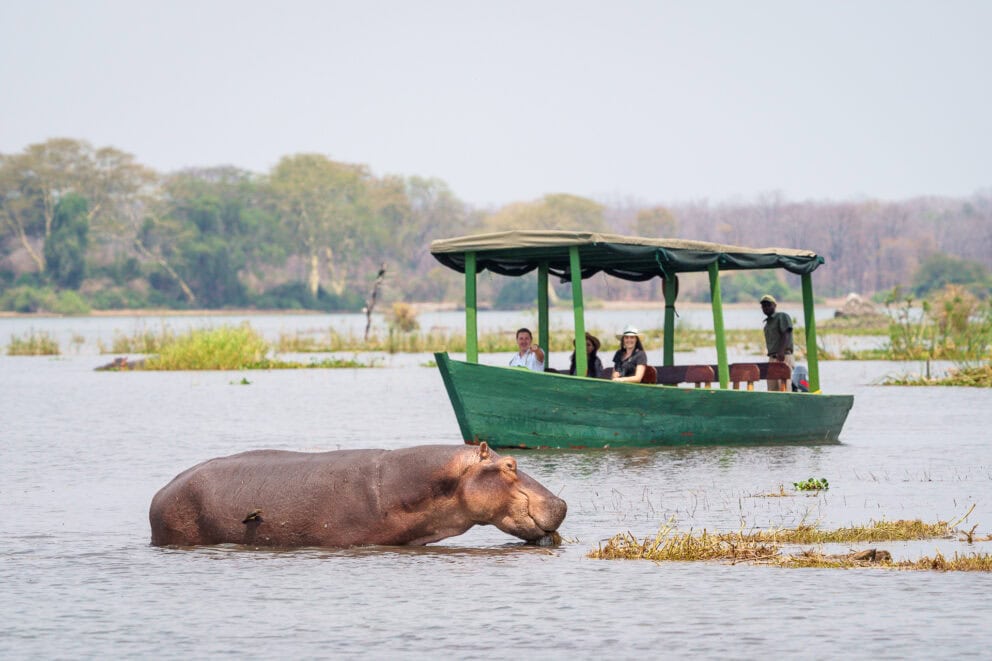
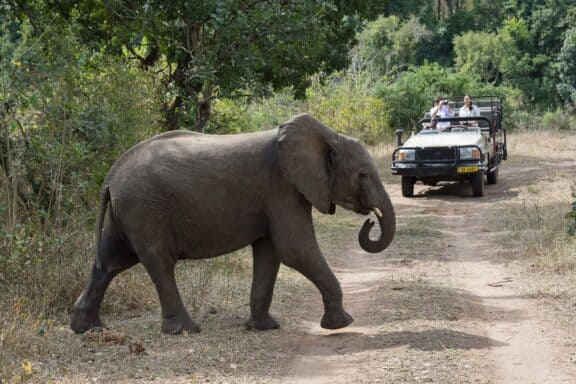
After several days in the highlands, the trip takes you to Liwonde National Park. The drive itself is part of the experience, and by the time you arrive at Kuthengo Camp, you may have already noticed changes in vegetation, the feel of the sun, and how birdsong shifts from place to place. Liwonde sits beside the Shire River, the lifeblood of the landscape. A morning walk may begin with muddy footprints and the chatter of kingfishers and, within moments, reveal elephants crossing shallow water with a splash that feels like the applause of nature.
Boating on the river gives you a different perspective of the land and wildlife. Hippos scatter in a noisy mess of paddling bodies. Crocodiles lounge along the bank, and the guides will have an ear out for which bird species are calling before you even hear them.
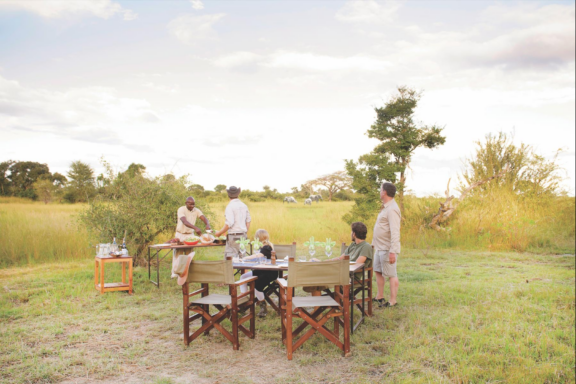
Your evenings at Kuthengo Camp might involve chatter with other travellers about the sightings of the day or a quiet moment by the river listening to a fish eagle call. These are the sorts of details that are never in guidebooks but are unforgettable in person.
Lake Malawi: Water, Villages, and Watery Wonder
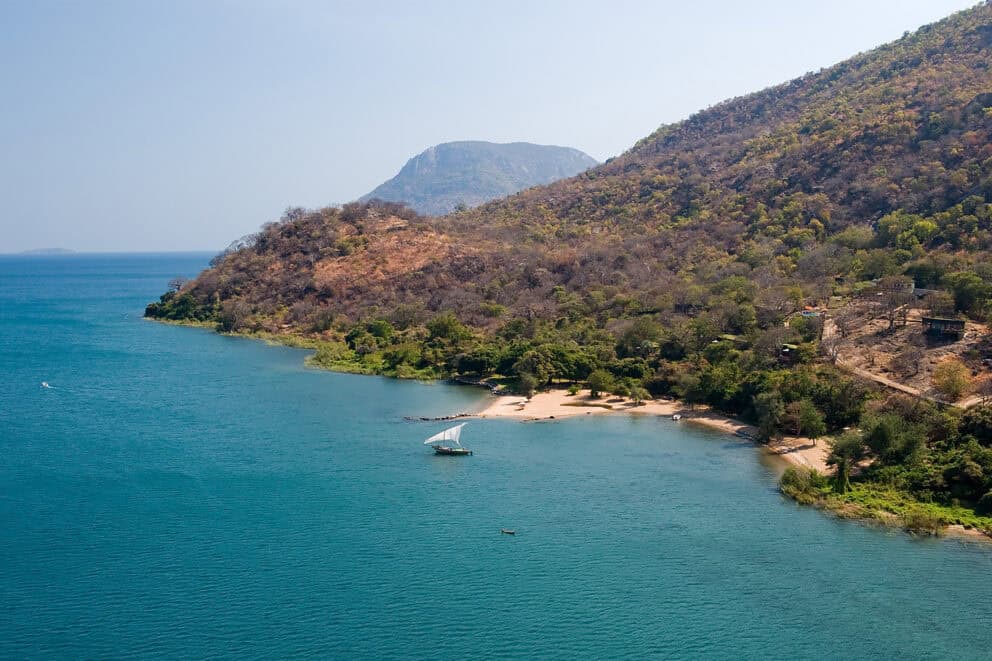
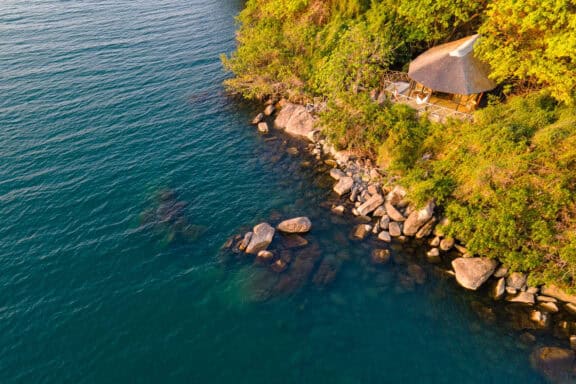
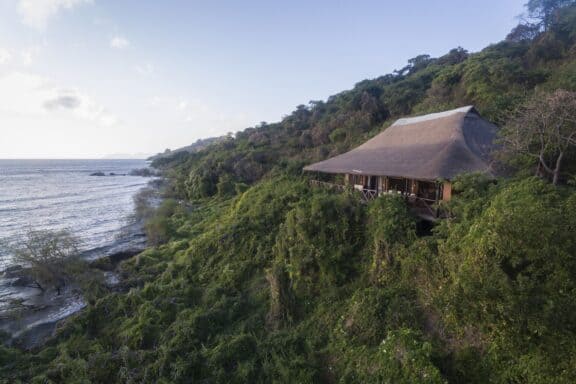
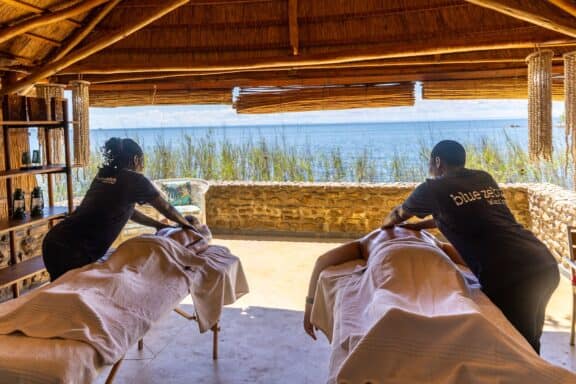
The final leg of the trip brings you to Lake Malawi, a freshwater treasure often described as an ocean trapped by land. The Nankumba Peninsula, where Pumulani Lodge sits, has been part of this landscape’s story for generations.
The water is clear and welcoming, and if you’re keen on snorkelling, you may find yourself following schools of fish that move like crayon strokes of colour beneath the surface.
Mornings might begin with the light playing on gentle waves and village life already underway along the shore. Local fishermen might give a quick wave from their canoes, and children will leap into the water with the lack of hesitation only youth can manage, splashing each other like mini whirlwinds of joy.
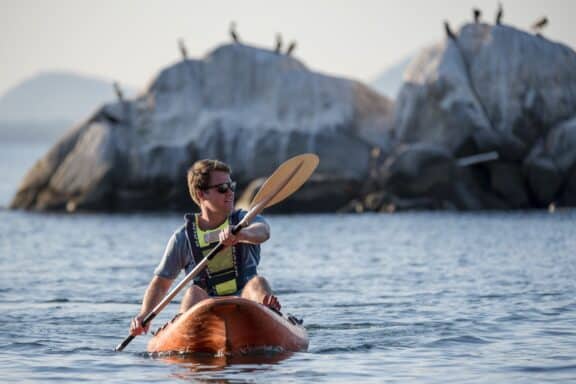
You may take a boat past hidden coves, explore reefs of shimmering fish, or simply sit with the lapping of water as the soundtrack to your relaxation.
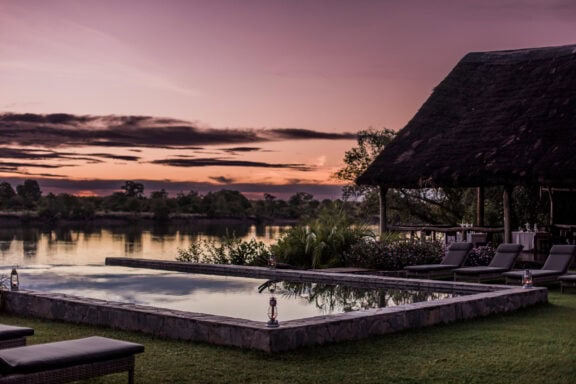
This is where safari and human life meet. There is something soothing about watching local craft traditions, hearing stories of lake history from people who live here, and noticing how daily life carries on even as the sun sets in spectacular hues.
Malawi’s Wildlife Moments
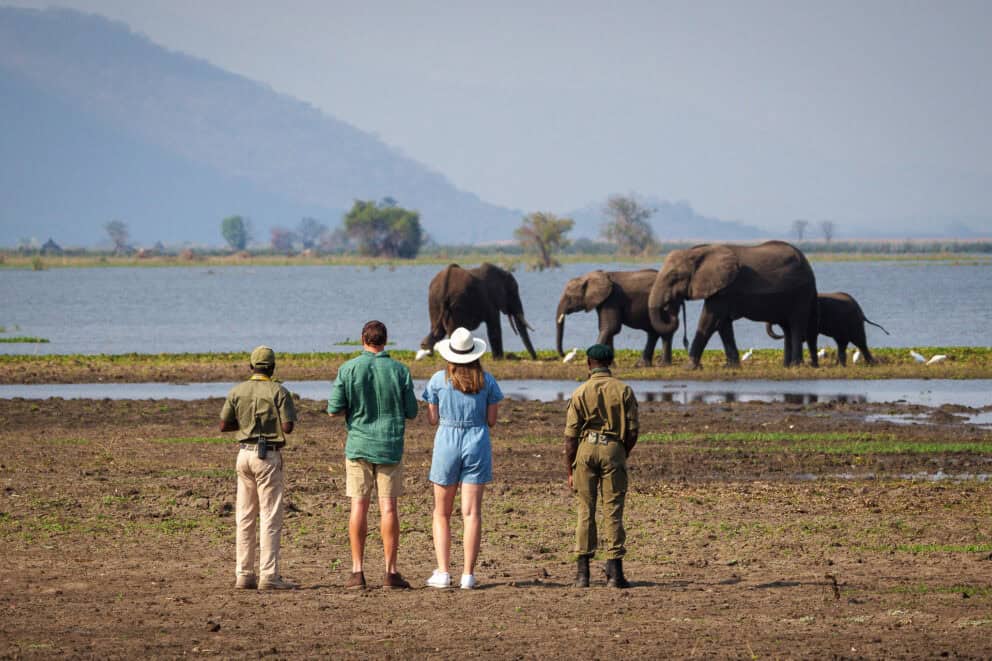
Over 13 days, what you see on safari becomes part of how you understand place, not just a collection of sightings to check off a list:
- Elephant herds choose shade and water wisely.
- Hippos navigating river channels with surprising grace.
- Lions and leopards crossing open plains or disappearing into the bush.
- Black rhinos grazing quietly in protective thickets.
- Antelopes such as sable, kudu, and impala blend into the brush.
- Birds in abundance, from lilac-breasted rollers to fish eagles.
- Cichlids in a variety of vibrant colours darting past as you snorkel in Lake Malawi.
Our guides don’t just point at animals. They will tell you why a herd moves the way it does, what a bird call might signify, and why certain areas are favoured by wildlife. Those insights make the difference between seeing and really noticing.
Sightings are never guaranteed when on safari – what you see while on safari depends on a host of factors.
Step Into Malawi’s Wild and Watery World
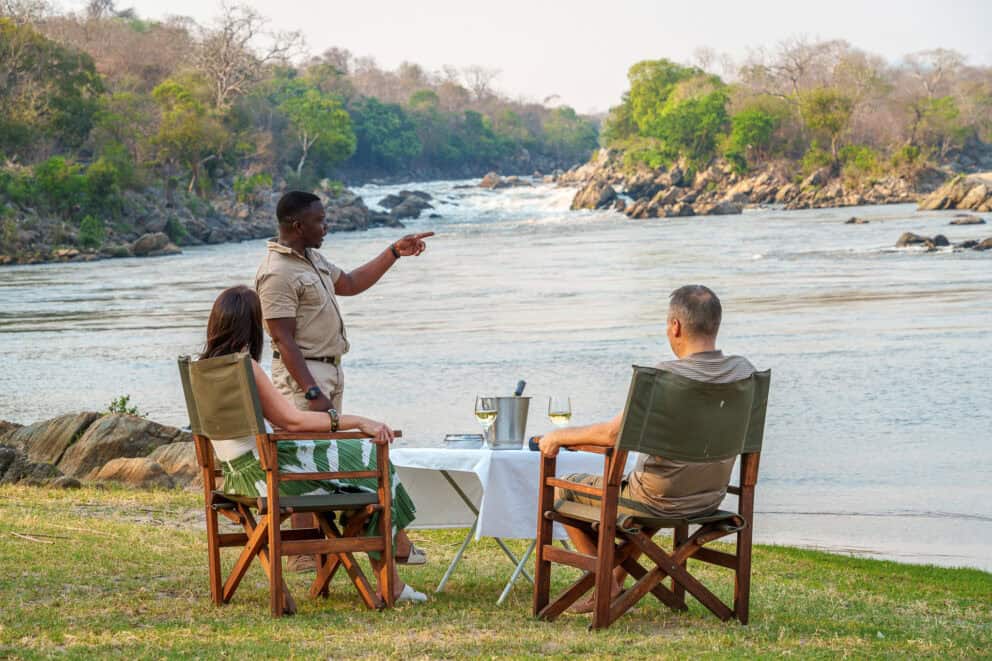
Over these 13 days, you might be able to see the Big Five in Majete, gain an understanding of how Malawi tea goes from leaf to cup, and glide across one of Africa’s most beautiful freshwater lakes. The mixture of bush, highlands, and lakeside moments is what makes this land and lake safari experience in Malawi distinct.
Explore more land and lake safaris in Malawi, and start a conversation with one of our safari experts to dive deeper into how a Malawi vacation can be part of your story in Africa.

Written by Yamkela Welaphi
• Travel Writer
 Blog List














Written by Yamkela Welaphi
• Travel Writer
Part of the Malawi Safari Collection