

 Email us





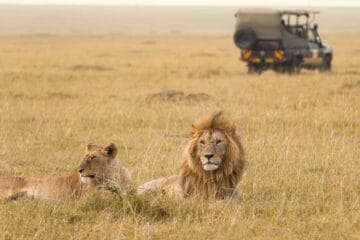
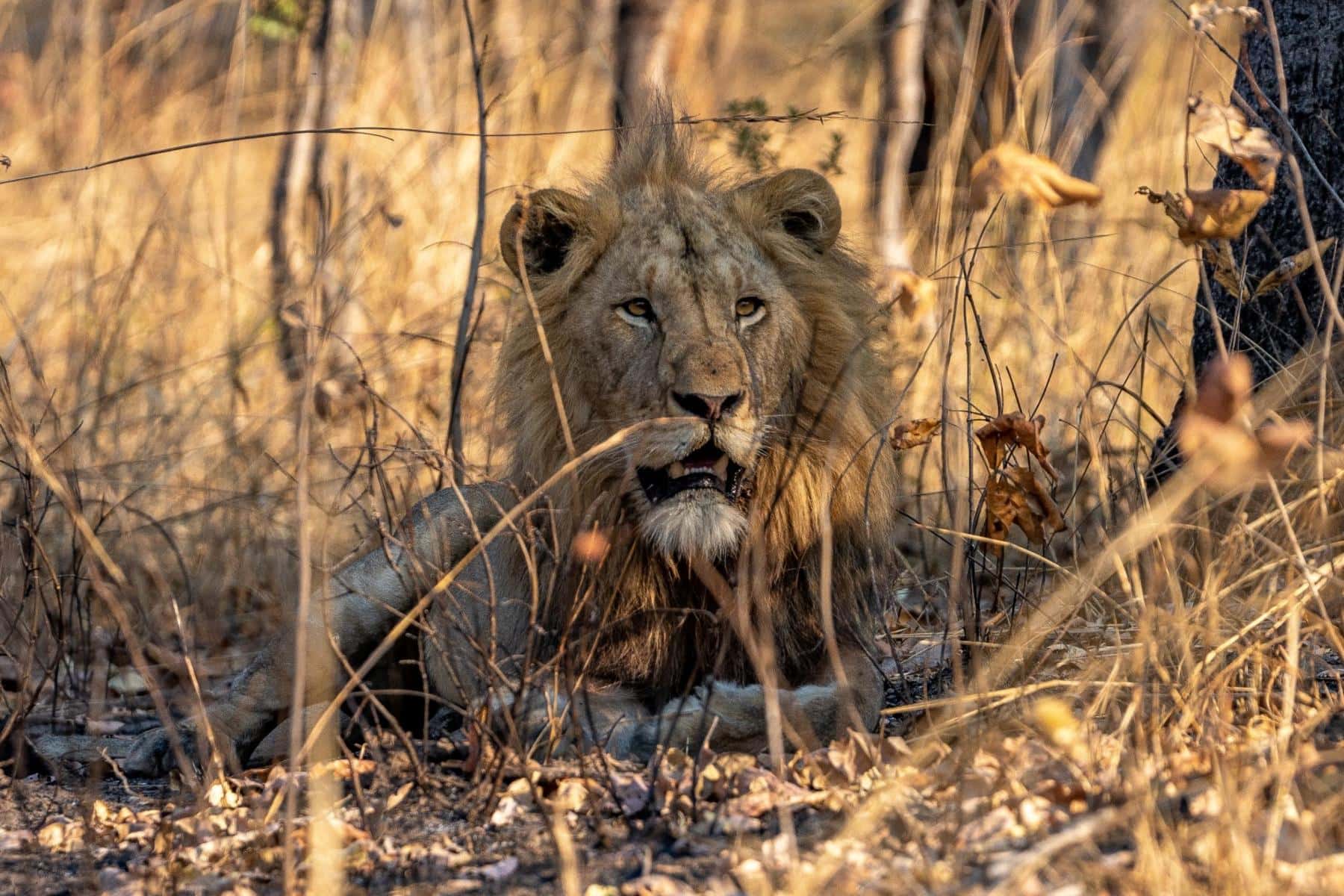
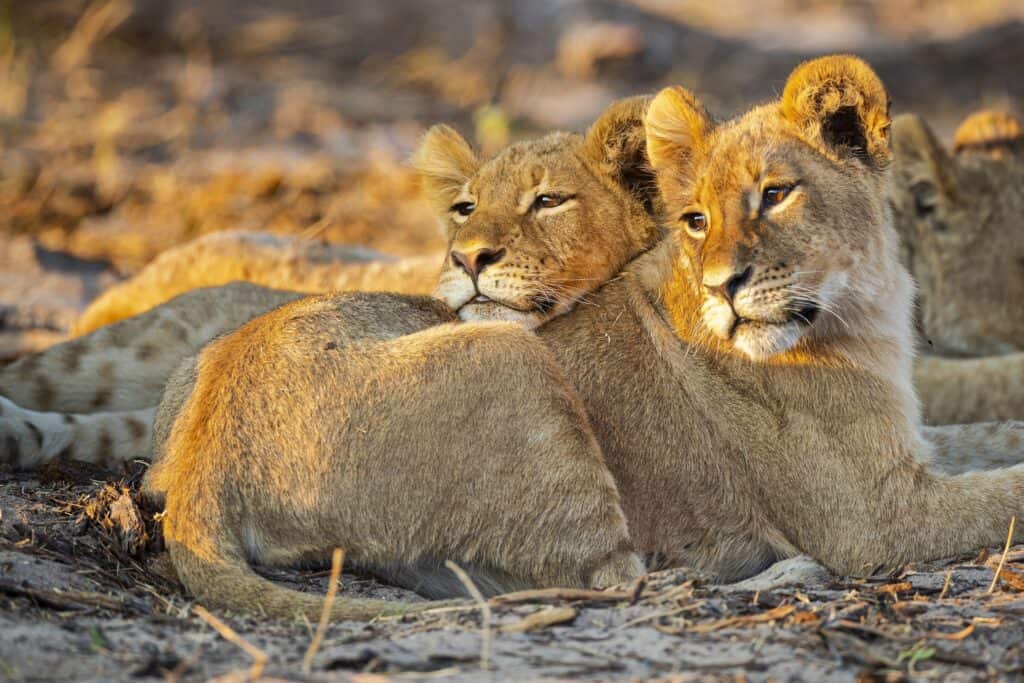
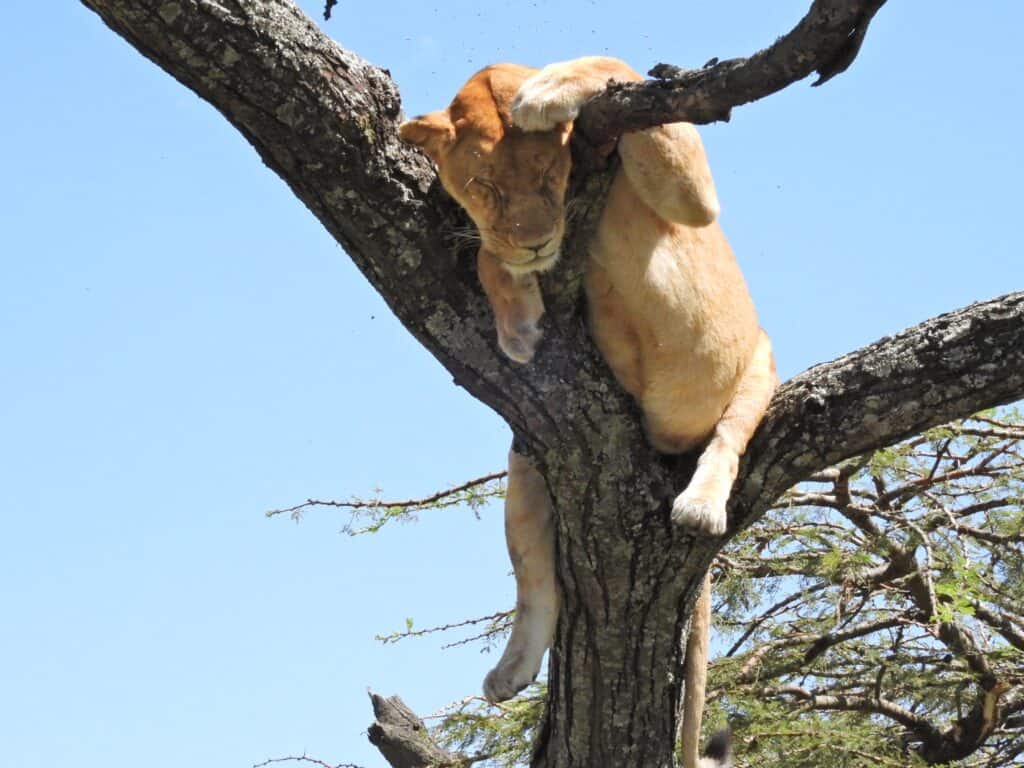
For the first time in over 15 years, the roar of the lion is set to echo across the Lolelunga Private Reserve. In a conservation milestone, Lolelunga has introduced two lions into its ecosystem as part of its lion reintroduction project, marking the return of the ecosystem’s apex predator.
In partnership with the Department of National Parks and Wildlife and the Zambia Ministry of Tourism, the initiative was completed in mid-April with the translocation of a seven-year-old male and female lion. This brings lions back into a restored ecosystem that poaching and human-wildlife conflict had once devastated. The project is notably the first in Zambia to focus on the rewilding of captive-bred lions.
The pair was translocated from Mukuni Big Five in Livingstone following an extensive search for suitable candidates. While genetic integrity was a priority, the reserve’s open river boundary with nearby game management zones meant finding lions that could adapt to the unique challenges of the Kafue ecosystem was paramount.
“Reintroducing lions to Lolelunga is a conservation milestone and a deeply symbolic moment,” said Suhail Dudhia, Managing Director of the Zambia Luxury Lodge Collection. “We hope this sets a precedent and inspires similar initiatives across the country, helping to secure a future for lions that might otherwise remain in captivity.”
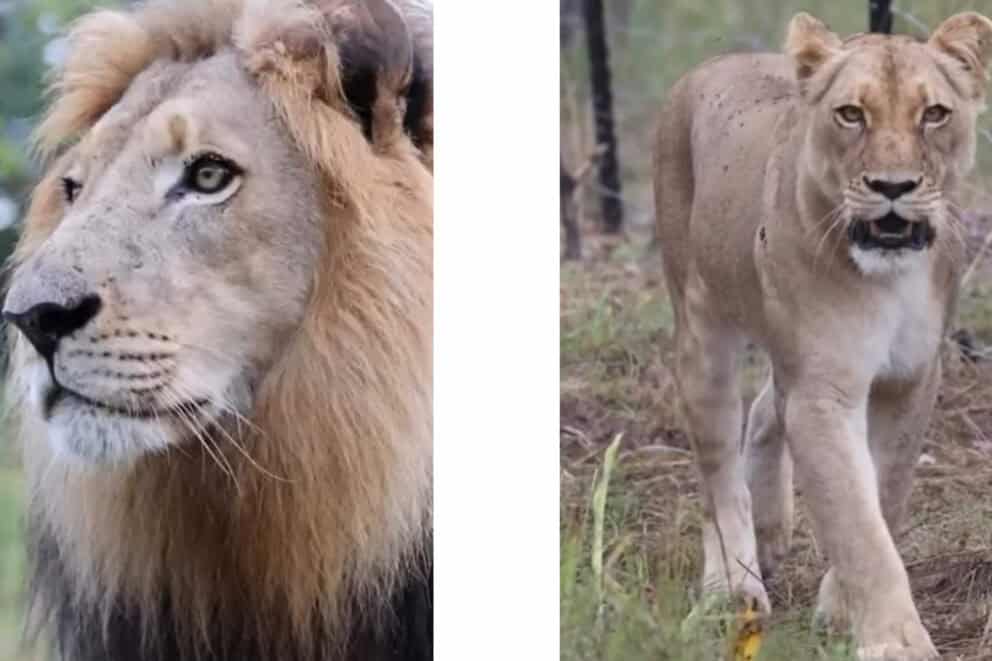
The lions are currently housed in a massive enclosure, roughly ten times the size of their previous habitat, where they will be able to acclimatise to their new environment. Over the next few weeks, they will undergo an extensive rewilding programme designed to sharpen their skills and minimise their human dependency.
The process is being closely monitored by a specialised team, including a wildlife veterinarian and rewilding experts. Once they are confident in the lions’ ability to thrive independently, they will be released into the wider reserve to take their place at the top of the food chain.
Restoring the Balance to Lolelunga
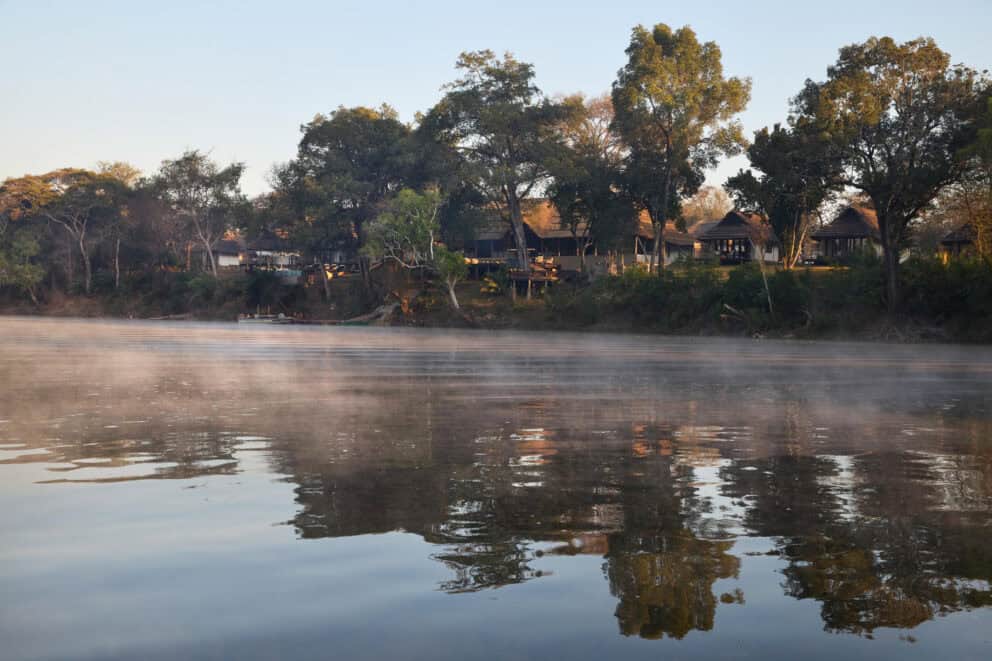
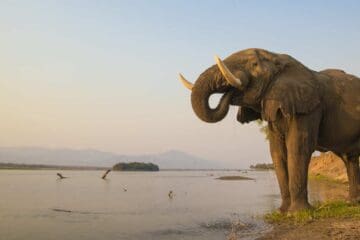
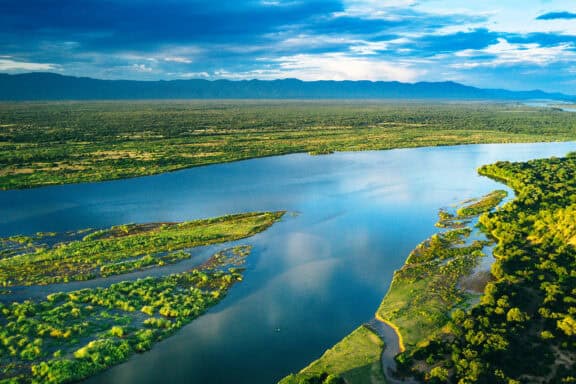
Lolelunga officially opened its gates in August 2025; however, the rewilding project itself had been in development for four years prior, making it one of Zambia’s most ambitious conservation initiatives. The reserve describes itself as a “living, breathing rewilding project” and offers guests an opportunity to restore a once-devastated landscape into a thriving wilderness.
The 30,000 hectares were historically inhabited by hunter-gatherer communities and later impacted by illegal logging, poaching, and dynamite fishing. Over time, these pressures heavily degraded the land, causing the wildlife population to plummet to fewer than 100 animals.
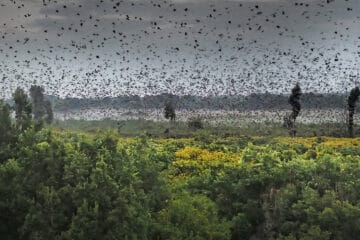
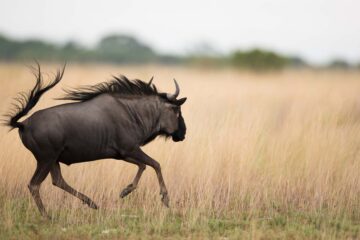
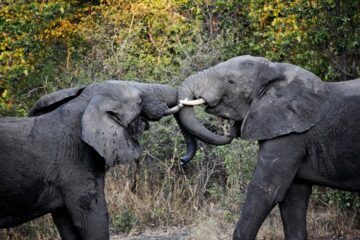
Initial conservation efforts focused on establishing an anti-poaching unit and erecting a 76 km Bonnox game and electric fence, making it Zambia’s first fully fenced private reserve. Then came the animals, with the systematic reintroduction of 32 indigenous species, making the return of these lions the latest chapter in Lolelunga’s ambitious restoration plans.
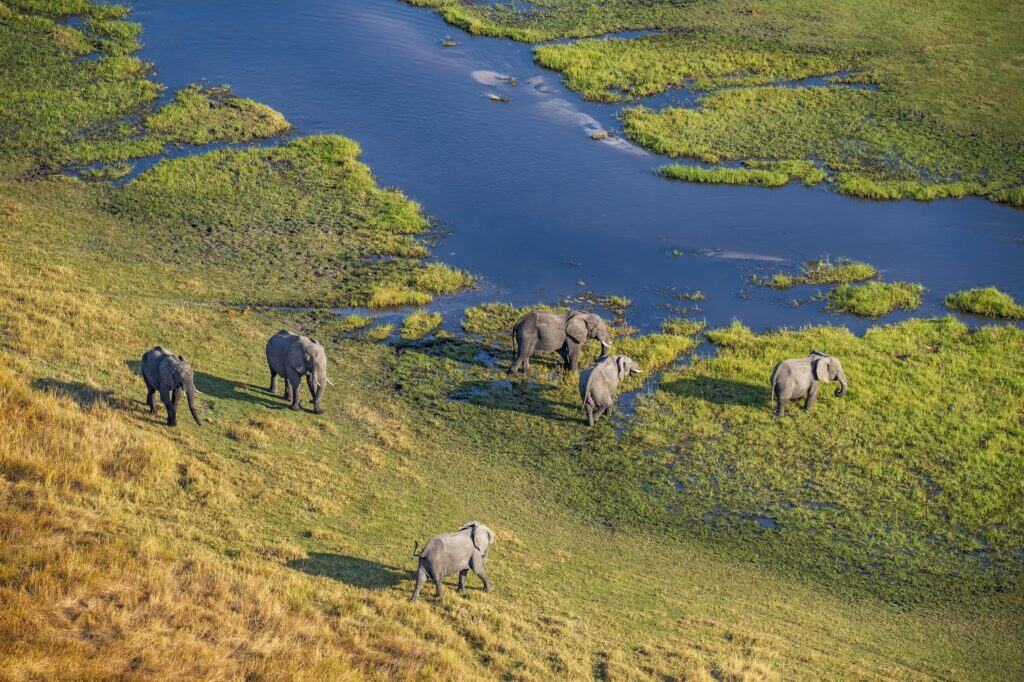
In 2024, the reserve had previously introduced cheetahs and saw the subsequent birth of three cubs in 2025. This served as the proof of concept for predator restoration in the region. As apex predators, lions manage prey populations, which in turn prevents overgrazing and supports greater biodiversity throughout the reserve, similar to how the reintroduction of the Yellowstone wolves brought balance to a once weakened ecosystem.
A Glimmer of Hope
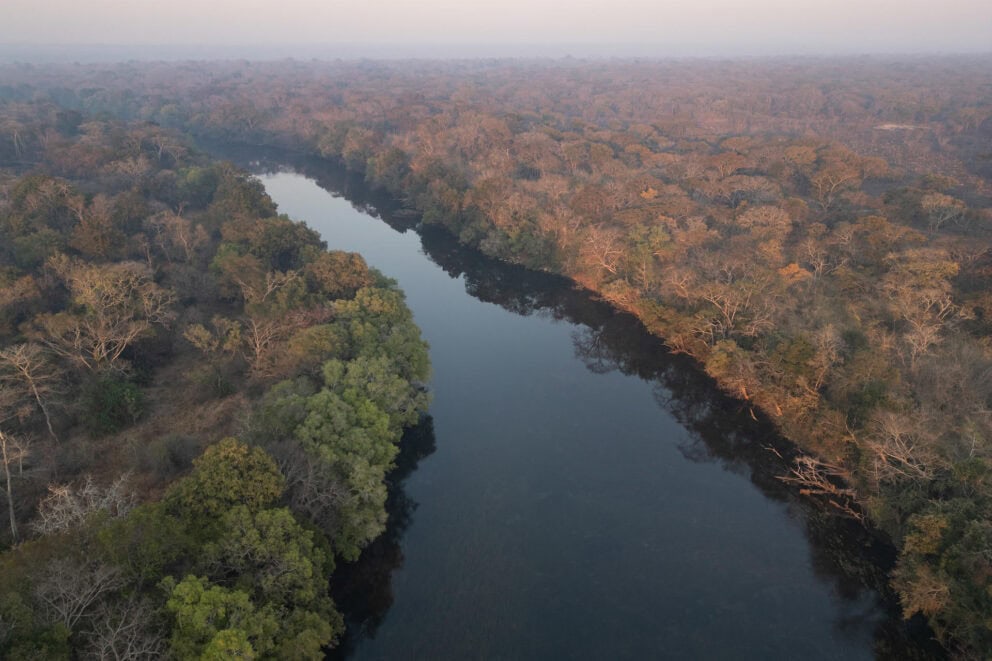
The urgency of the Lolelunga project is underscored by sobering statistics from the conservation charity LionAid. According to their research, the continent’s lion population is in a state of precipitous decline, with wild lions only occupying 7% of their historic range. They are also considered extinct in 26 of the 48 African countries where they were originally found; in South Africa, there are four times more lions in captivity than in the wild.
With pressures from habitat loss, snaring, and human wildlife conflict, the species seems to be facing an uphill battle. However, in this challenging context, rewilding initiatives like the one at Lolelunga offer a vital blueprint for recovery. By restoring apex predators to former strongholds, these projects do more than just save a single species; they repair entire ecosystems.
As Lolelunga’s new residents prepare for their final release, the project stands as a testament to the power of collaborative conservation between private entities, the Department of National Parks and Wildlife, and the Zambian Ministry of Tourism. For the Kafue region, the return of the King is not just a victory for biodiversity – it’s a homecoming.

Written by Thaakiera Ackerdien
• Travel Writer
Discover the African Journey that’s Right for You
 Blog List
























Written by Thaakiera Ackerdien
• Travel Writer
Part of the Zambia Safari Collection