

 Email us




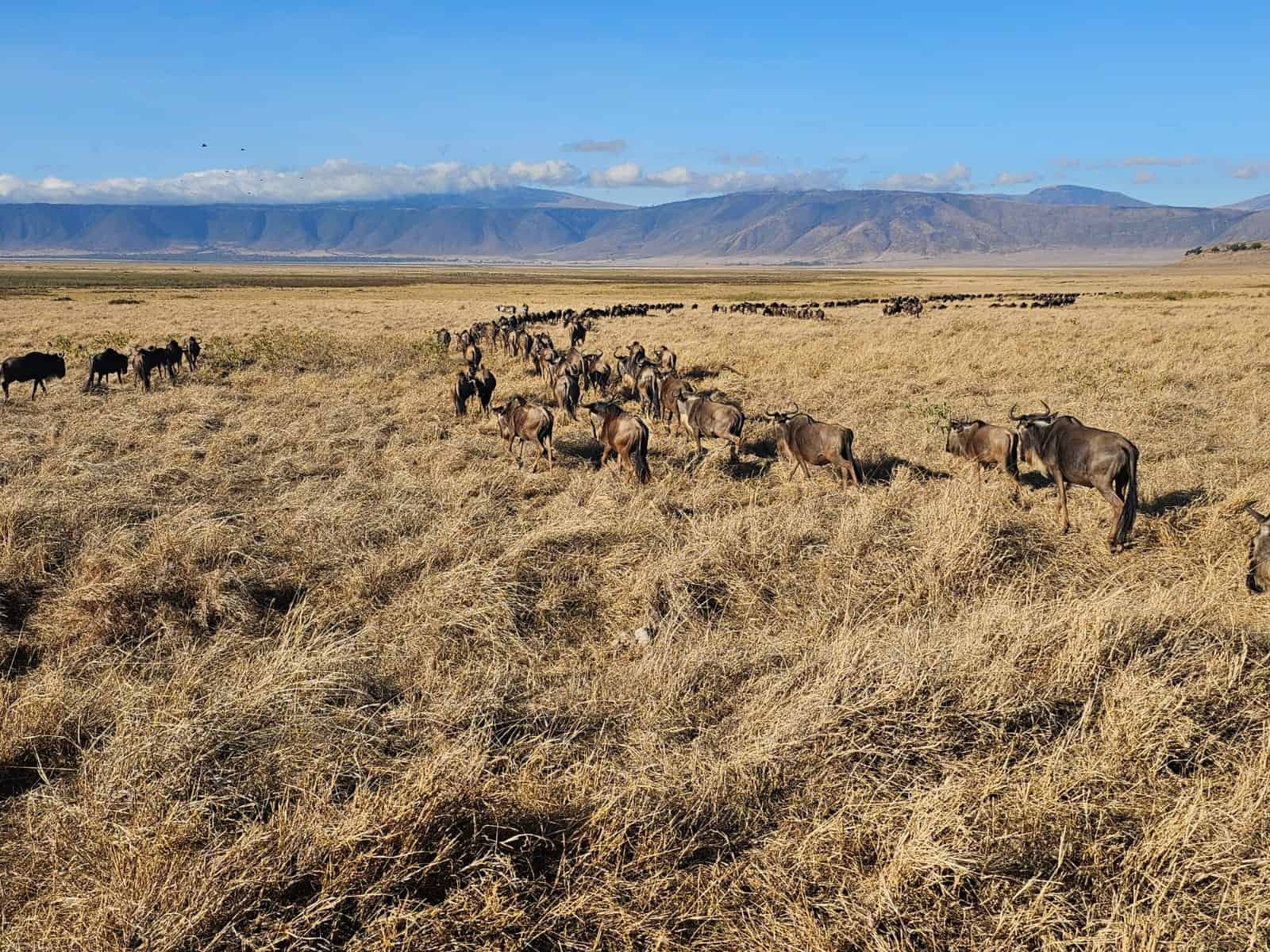
As you might know, the nighttime silence of the African bush is something to behold. The silence fills the air with the presence of something much deeper, more profound. The crackle of a fire, the distant, rhythmic cackle of hyenas and wild dogs, and the low grumble of elephants as they pass by.
I have travelled through much of Africa, and each destination has something unique to offer. But my recent trip to Tanzania’s northern circuit reminded me why this corner of the world is the gold standard. A trip of a lifetime.
If you’re searching for where to go on safari in Tanzania, look no further. The northern circuit is extraordinary, and a safari here will be a chapter in your family story that you and your children will tell for decades.
From the Land of Giants in Tarangire to the dramatic heights of the Ngorongoro Crater and the heart-pounding spectacle of the Great Migration in the Serengeti, here is a look at the magic I experienced.
The Great Tuskers of Tarangire
Our journey began with a Tarangire safari, a place that feels ancient and boundless. We stayed at a private concession called Chem Chem. This 20,000 hectare concession is a dedicated wildlife conservation area, protecting the Kwakuchinja Wildlife Corridor between Tarangire National Park and Lake Manyara – vital migration routes for elephants and other wildlife.
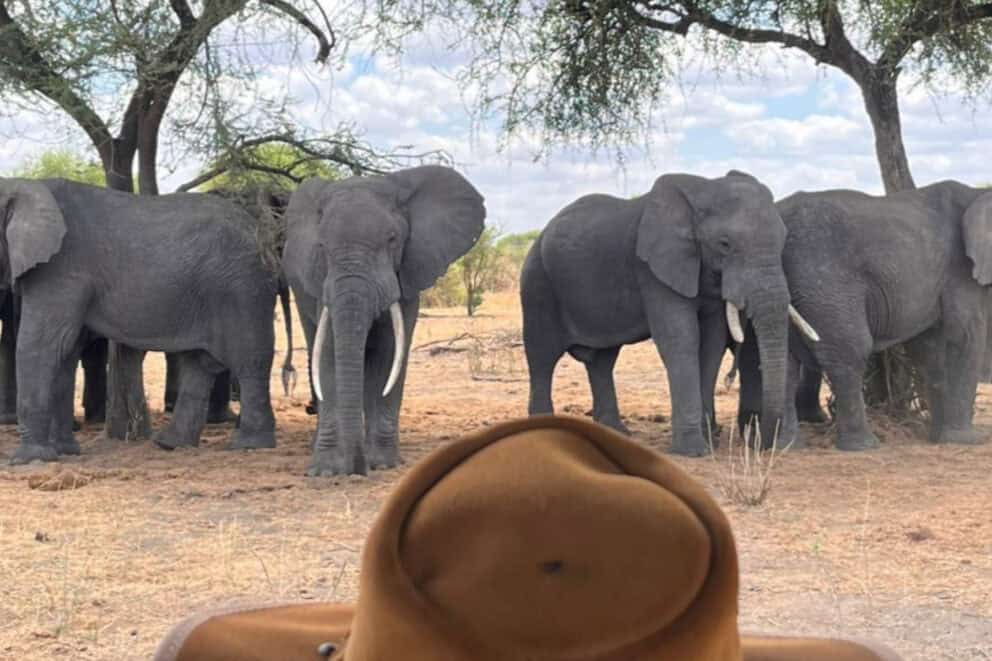
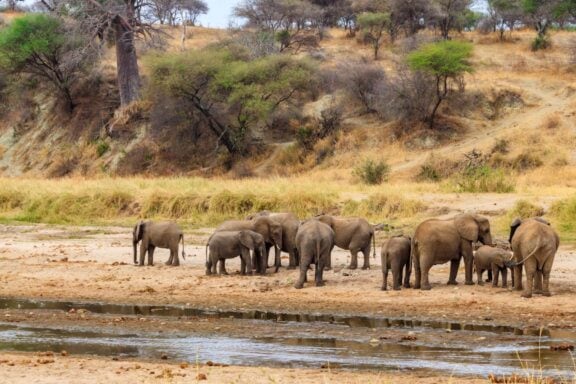
With this in mind, it’s no surprise that the most memorable experience here was witnessing massive herds of bull (male) elephants.
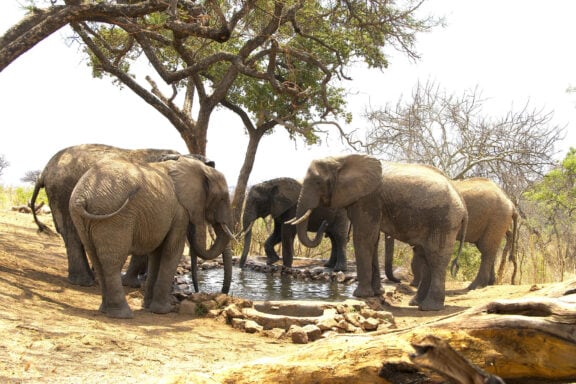
As we moved into our lodgings, Forest Chem Chem, we witnessed a massive herd – there must have been at least 20 of these tuskers – all gathered at the watering hole. While most would have you believe that male elephants are solitary creatures, it’s actually quite the opposite. They’re often found in bachelor herds, which are a bit more flexible than the typical matriarchal groups.
So, while seeing a herd of all-male elephants is not that unusual, what stood out to me was the size of their tusks – something I hadn’t encountered before. Many of them appeared to be tuskers, elephants with tusks so long that they are in a completely different category.
Tarangire is particularly famous for these tusker elephants, mainly because of work done through the Chem Chem Association. Since 2008, the organisation has worked tirelessly to restore migration routes and the Tarangire-Manyara ecosystem, allowing these tuskers and other animals to reclaim these ancient paths.
Lodge Excellence at the Ngorongoro Crater
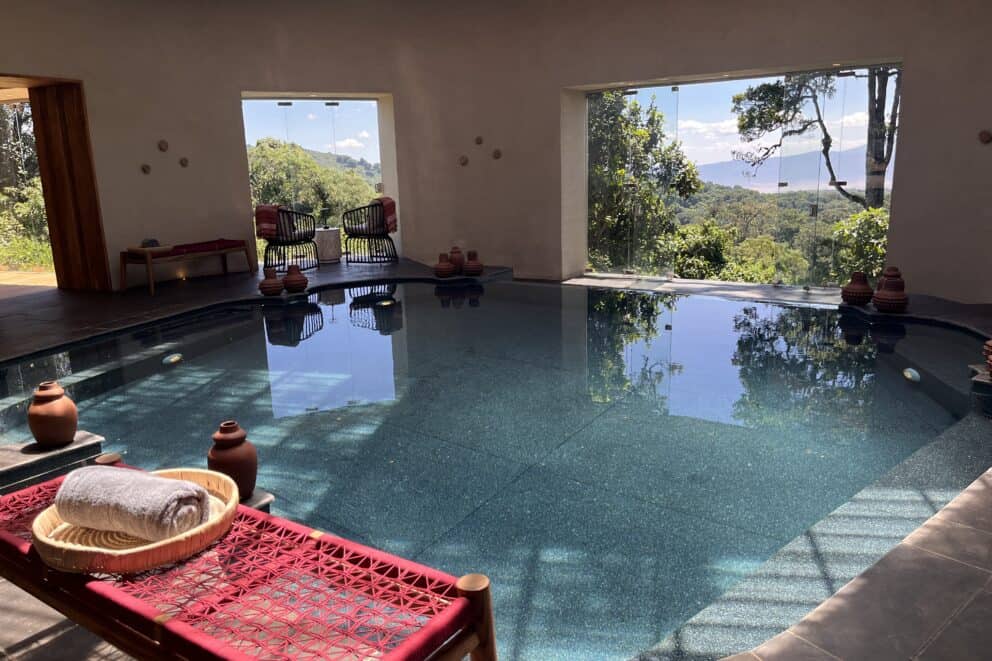
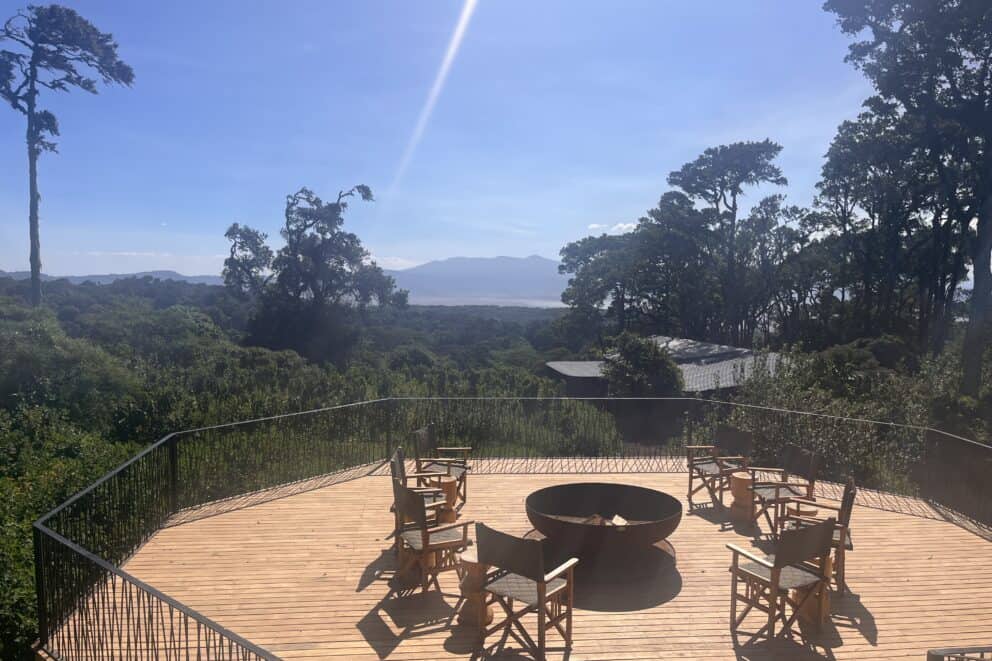
Next, we moved over from our Chem Chem safari to the Ngorongoro Conservation Area, a place that feels like stepping into a prehistoric world. Although we stayed at many lodges around the crater, Lemala Osonjoi was a standout.
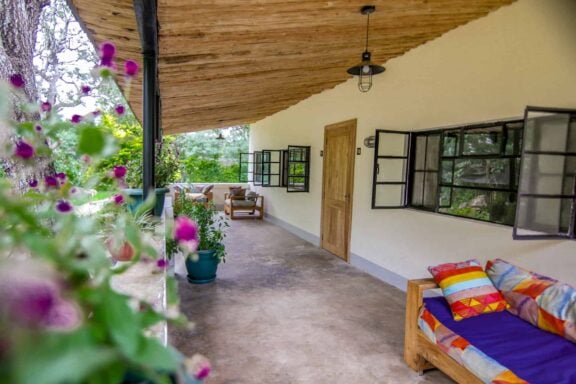
A brand new lodge, perched right on the crater rim, the rooms are incredibly spacious and modern, with floor-to-ceiling windows – even in the bathroom. So you’ll never miss out on the stunning view over the crater, even while soaking in the tub.
Everything that you need is there. A bar, a fridge, and even your own private deck area overlooking the crater.
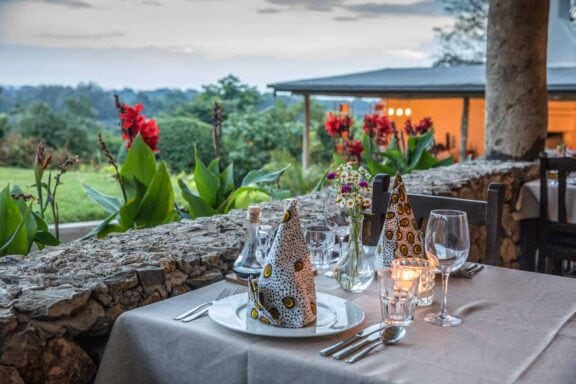
While the views were world-class, the service made us feel like family. We had a server who was essentially a sommelier, guiding us through wine pairings, and a young chef who personally came out of the kitchen to ensure we enjoyed our meal.
Pro tip: If you’re seeking something with a little more privacy, opt for a private passage into the crater. This will avoid the crowded commercial entrances, making the drive down more quiet and intimate.
The Serengeti Finale
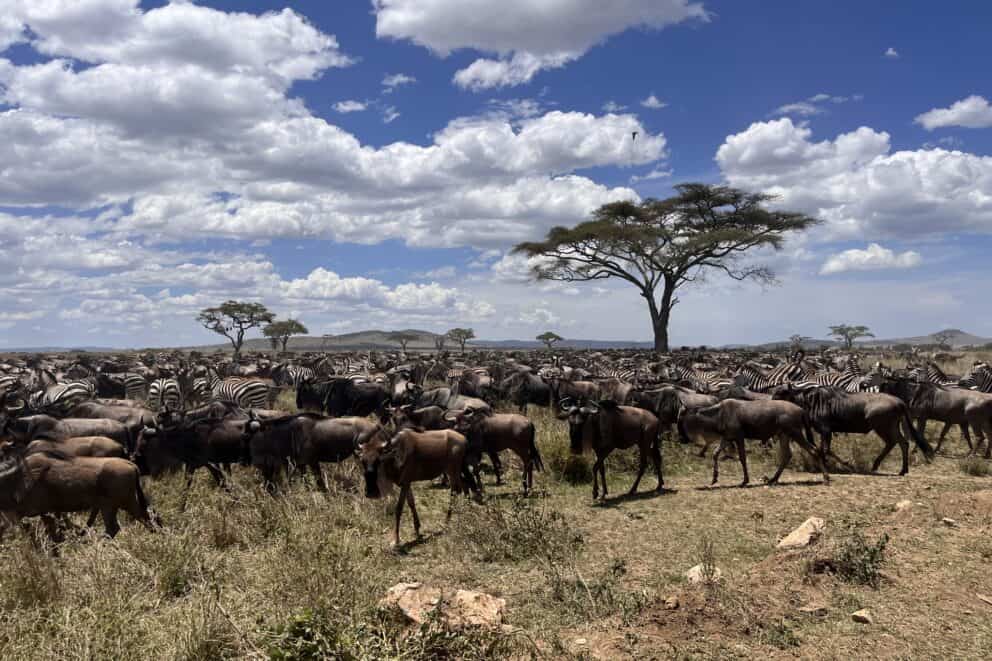
Stepping away from the Ngorongoro Conservation Area left us wanting more, and no Tanzania safari route is complete without the iconic Serengeti – famous for its seemingly endless plains, huge populations of wildlife, and of course, the Great Migration.
Driven by rain patterns and the promise of greener pastures, the Great Migration sees the continuous movement of over a million wildebeests and other herbivores in a circular motion across the Serengeti and Masai Mara ecosystems. This journey all culminates in the ultimate spectacle of the Grumeti and Mara River crossings.
While we didn’t initially plan to see anything migration-related, some travel mishaps meant we got to stay an extra day in the Serengeti. Usually, the Great Migration river crossing occurs between July and October, with the herds braving the croc-infested waters to reach the other side. However, we were travelling in November, which isn’t the typical period for river crossings, so it wasn’t something we expected to see. When our guide said that there might be a crossing, we were all for it.
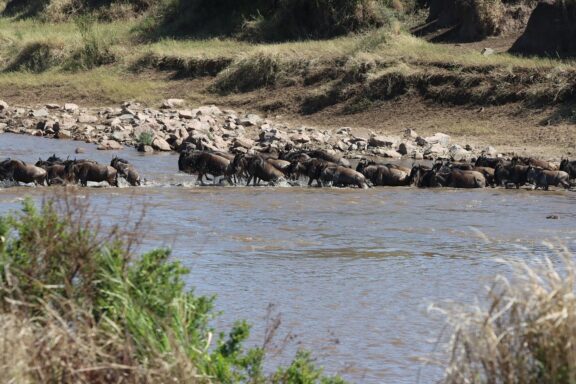
Waiting for a river crossing is a lesson in patience and the raw reality of nature. We spent hours by the riverbank, watching the animals teeter near the edge of the steady slope leading towards the water. The air was thick with dust, anticipation, and the constant, rhythmic lowing of the herds.
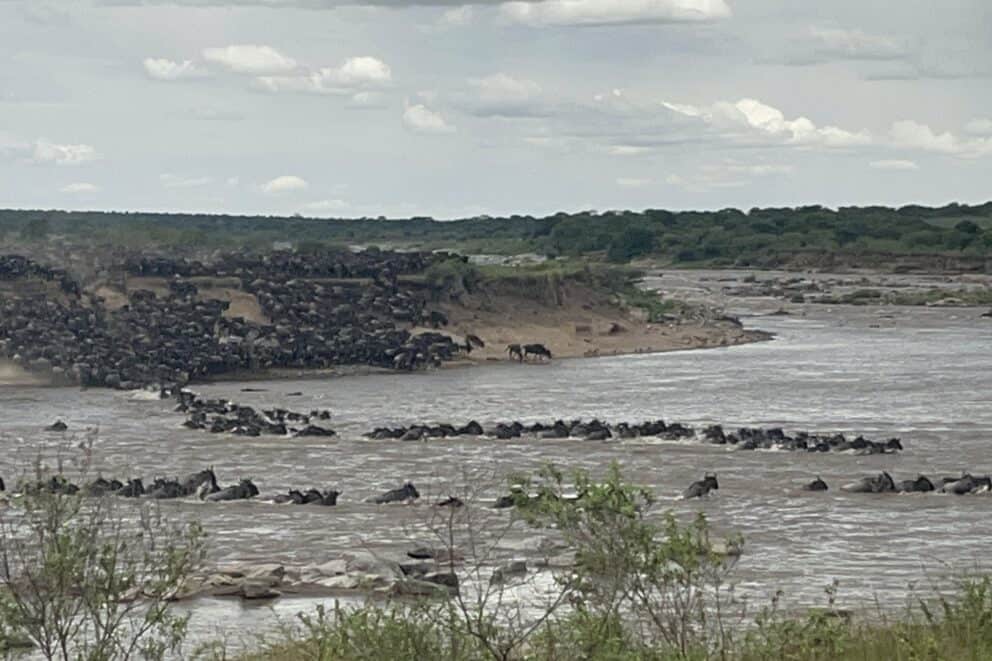
This is where the quality of your guide becomes the most important part of your trip. Our guide understood that the peak season of the Great Migration river crossing could result in crowded riverbanks, with as many as 50 vehicles on each side. For a family looking for a private moment, the chaos can be quite jarring. Even though it was not the typical period for such events, the banks were still quite crowded.
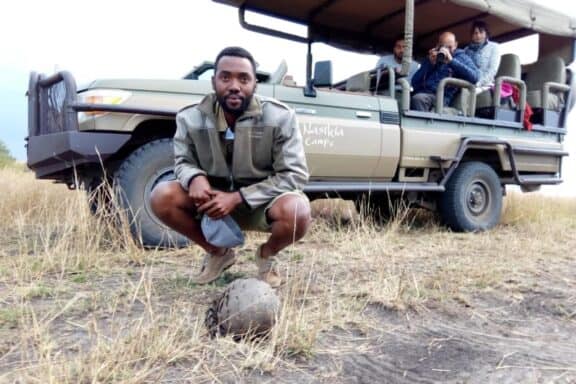
But our guide prepared us the night before. He sat us down and explained exactly what to expect: the noise, the number of cars, and the potential for a struggle in the water. Because we were emotionally prepared, the crowds didn’t matter. We were focused on the scouts of the herd – the brave zebras and wildebeest at the water’s edge – waiting for that one animal to commit to crossing fully. Now, it was only a matter of time.
When the first wildebeest finally jumped, the energy shifted instantly. It was pure, beautiful mayhem. What seemed to be thousands of wildebeest plunged into the water, battling the current – and perhaps some out-of-sight crocodiles – to get to the other side. It’s a moment of pure adrenaline and more than made up for the fact that our flight was delayed.
The Wow Factors: Cheetahs and Hot Air Balloons
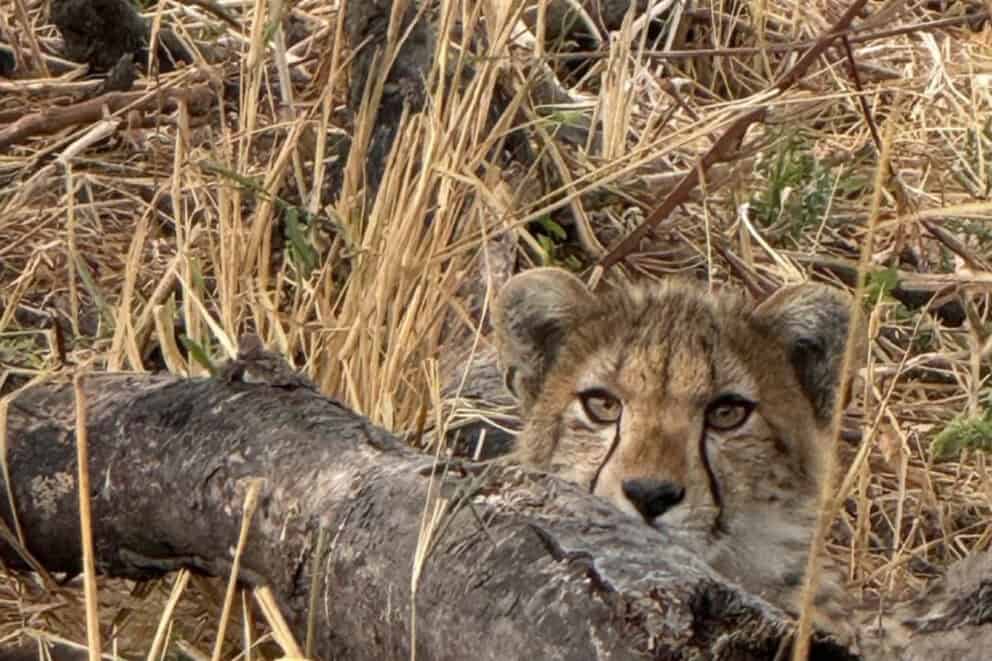
Beyond the migration, Tanzania surprised me with its abundance of life. If you want to see big cats, this is the place to go. In Tarangire and Central Serengeti, we saw a surprising number of cheetahs. Seeing them speed through the vast open plains on a high-speed hunt is much easier than in thicker shrublands.
On the other hand, if you’re really looking for a unique experience, a core memory if you will, opt for a hot-air balloon safari. It’s definitely something I will never forget. We woke up at 3:00 AM – a bit of a shock to the system, I’ll admit – but floating in total silence as the sun rises over the savannah will be the most peaceful thing you’ll ever do. We ended the flight with a traditional champagne breakfast in the middle of the bush.
Planning Your Tanzania Story
Tanzania is a wild destination in every sense of the word. You’ll see more wildlife than you can count, herds that stretch far beyond what your eyes can see, and landscapes that look to be handpainted with precision.
But more importantly, it’s the stories you’ll share after, the quiet moments by the fire after a game drive, and the realisation that you just witnessed something truly extraordinary – something many can only dream of.
Are you ready to write your family’s Tanzania story? Our safari experts have personally stayed in these lodges and tested these routes to ensure your journey is seamless, comfortable, and utterly unforgettable. Chat with one of our safari experts today, and start planning your adventure!

Written by Vihann Van Wyk
• Travel Writer
 Blog List
















Written by Vihann Van Wyk
• Travel Writer
Part of the Tanzania Safari & Great Migration Safaris Collections