

 Email us




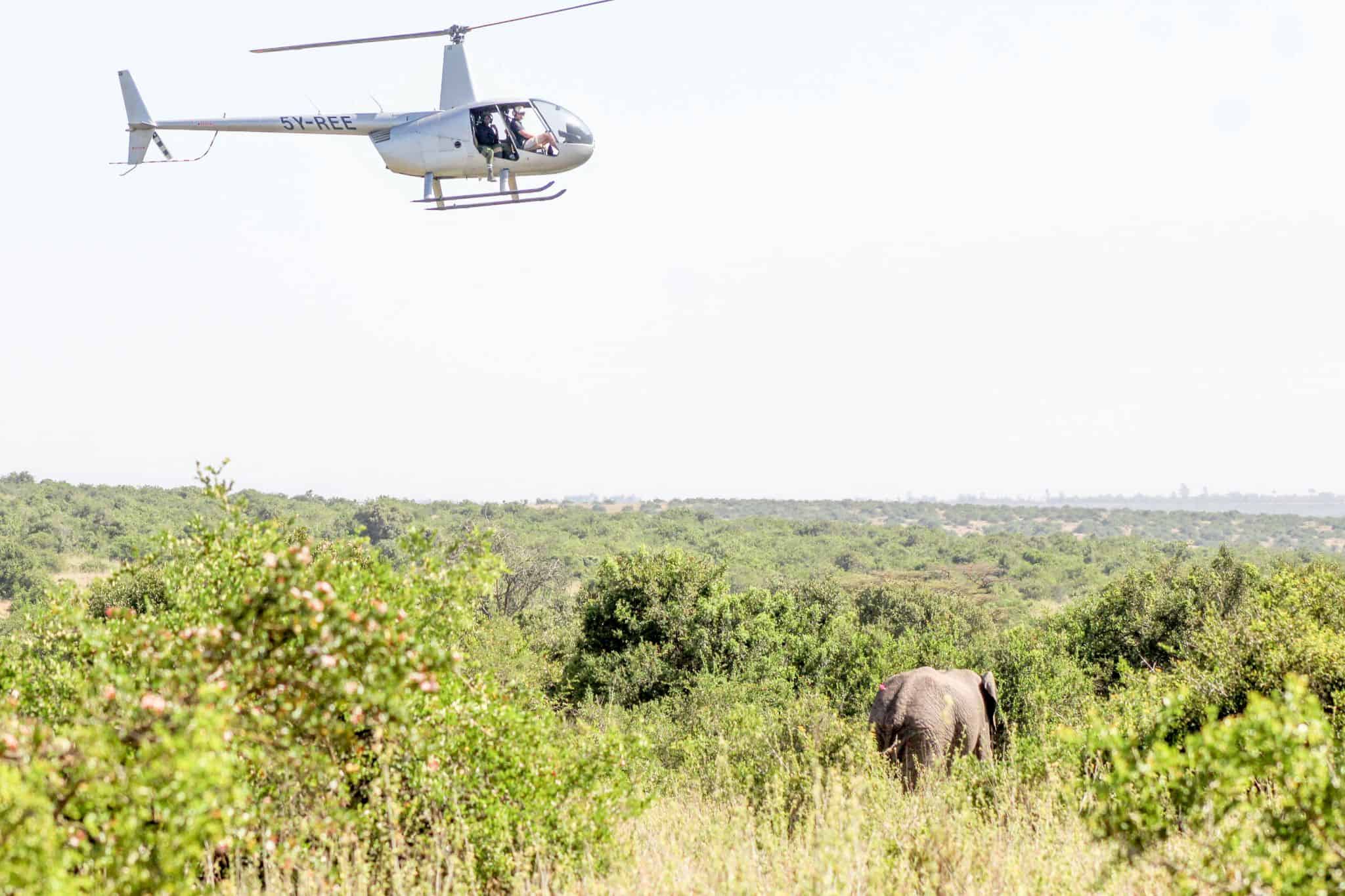
In a massive win for conservation and community safety, the Kenya Wildlife Service (KWS) has successfully translocated two bull elephants to Tsavo West National Park. This multi-day operation targeted two “bachelor bulls” from community land in Solio Ranch Conservancy and Salama Village in Laikipia County – where the duo had made themselves a bit too comfortable.
The Tsavo West elephant translocation forms a part of the KWS 2024–2028 Strategic Plan, which focuses on science-based interventions to manage human-wildlife conflict and preserve habitat integrity.
Why the Move?
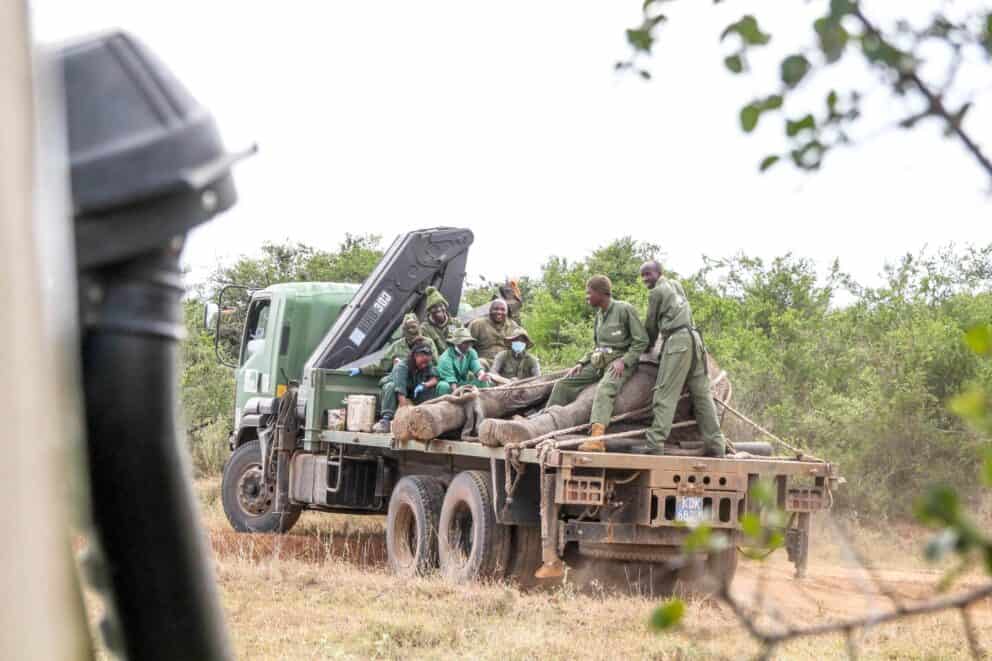
While the sight of a massive bull elephant in the wild is often a dream for safari-goers, for local communities in Salama, it has become a source of significant stress. The elephants had moved into community lands, destroying crops and threatening livelihoods.
In Solio, the presence of these bulls, particularly during musth – a period of high aggression – posed a significant threat to both the rhino population and the sanctuary’s infrastructure. Solio Ranch Conservancy is one of Kenya’s most important wildlife sanctuaries and a key stronghold for rhinos, managing over 150 black rhinos and over 250 white rhinos.
According to KWS, the prolonged presence of these two elephants at Solio had begun to disturb the delicate ecological balance, with their continued presence posing a significant risk to sensitive rhino habitats and the safety of nearby communities.
“Solio plays a critical role in Kenya’s rhino conservation efforts, and maintaining ecological balance there is essential,” said KWS in a statement. “This translocation is a science-based intervention aimed at safeguarding conservation gains while reducing human-wildlife conflict.”
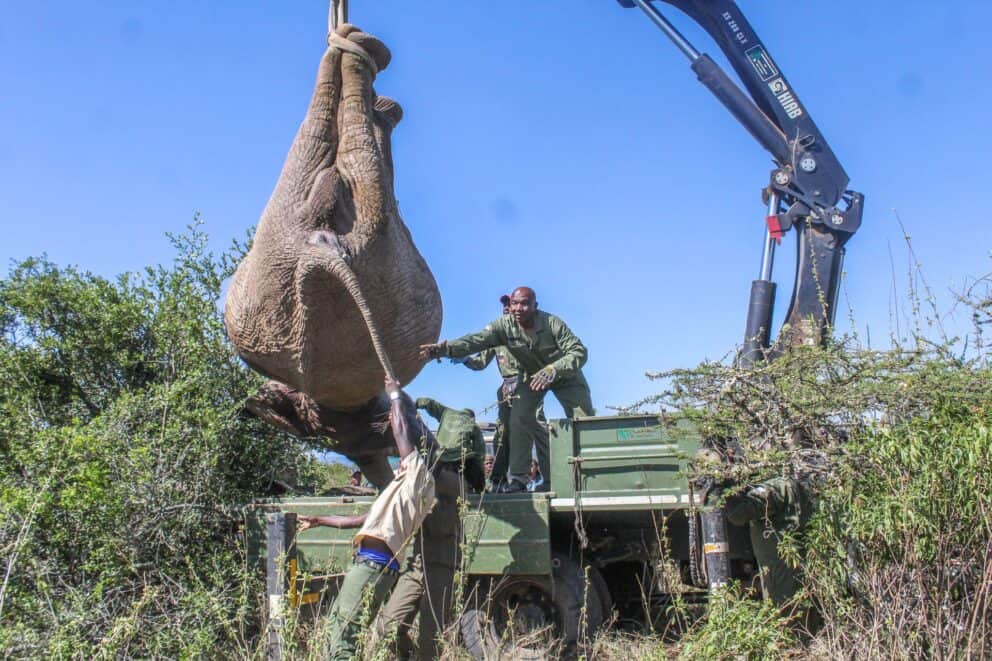
Conservationists attribute this unusual movement to habitat fragmentation, as human infrastructure has blocked traditional migratory corridors between Mount Kenya and Aberdare. This has forced elephants into smaller pockets of land, making these translocations essential for their survival.
Tsavo West National Park is one of Kenya’s largest and least fragmented protected areas, and the translocation here will provide the elephants with a wider area to roam – easing pressure on Solio and local communities.
“Our strategic approach recognises that coexistence is not optional,” KWS said. “We must protect communities, conserve endangered species, and manage wildlife populations responsibly. Translocation is one of several tools used when preventive measures are no longer sufficient.”
However, the agency noted that long-term solutions depend on protecting and restoring wildlife corridors.
“Without functional migratory corridors, these challenges will persist. Safeguarding wildlife movement routes is essential to reducing conflict and ensuring sustainable conservation outcomes.”
The Role of Translocations
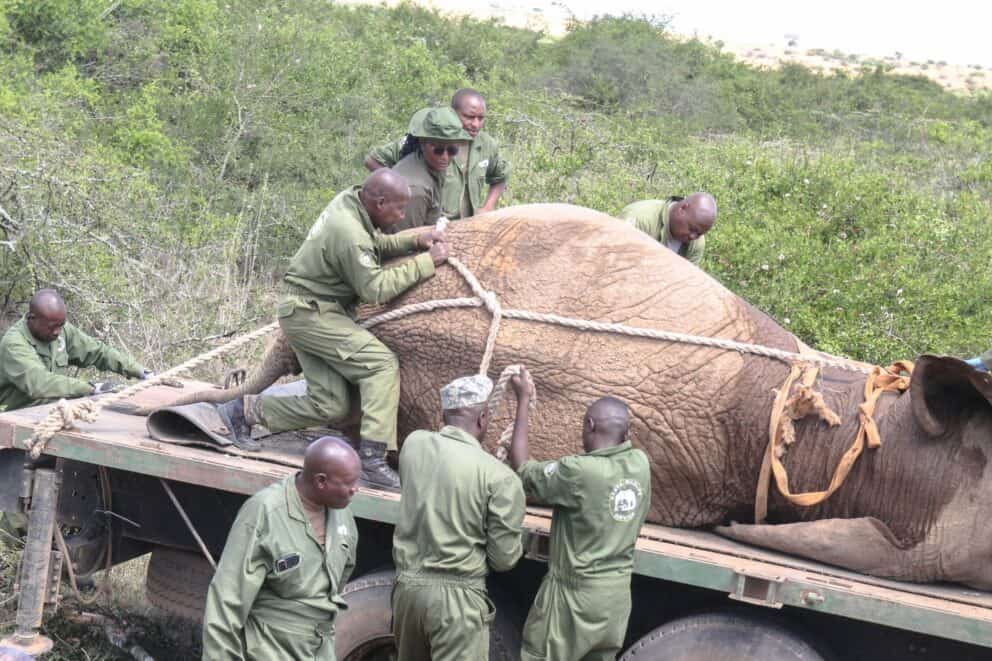
Translocation is one of the most vital tools in modern wildlife management. Beyond safety for humans and wildlife, it’s also used for restoring ecological balance – moving species back to historic ranges allows them to fulfil previous roles.
For example, in May 2025, South African National Parks successfully moved 42 elephants within Addo Elephant National Park in order to restore ancient corridors and allow them to re-establish their roles in repairing degraded ecosystems.
Introducing new individuals to different populations also strengthens the gene pool and reduces pressure on overpopulated sanctuaries. Kenya recently established its 18th rhino sanctuary at the Segera Conservancy. To populate this new 50,000-acre range, 21 eastern black rhinos were translocated from the Ol Pejeta Conservancy. This move was necessary because existing sanctuaries are running out of space, and it brings Kenya closer to its goal of a 2,000-strong black rhino population by 2037.
Why Tsavo West National Park?
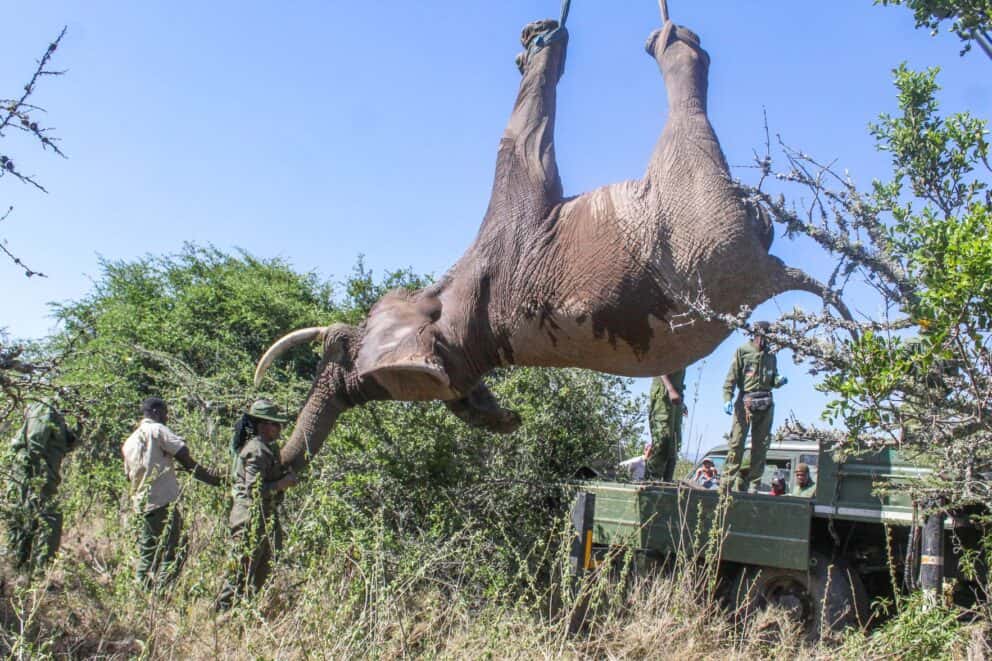
The choice to move these two bulls to Tsavo West National Park is not random. While the Masai Mara often dominates the headlines, Tsavo West offers a wild, untamed area that these bulls need. For the modern traveller, this news highlights why Tsavo West is the ultimate destination, both for elephants and safari enthusiasts alike.
Tsavo West is famous for its red elephants – so named because they bathe in the park’s vibrant volcanic dust. The addition of these relocated bulls adds to the park’s diversity and thriving elephant population.
Because Tsavo West is so vast – it’s the second largest protected area in Kenya – it’s not as common to come across crowded sightings. You can track elephants, lions, and black rhinos across the ancient, blackened Shetani Lava Flows or watch them congregate at the lush Mzima Springs, where crystal-clear waters gush beneath parched volcanic rock.
This translocation reminds us that Tsavo is a working, breathing ecosystem. A safari here feels like a true expedition, where conservation happens in real time, and every sighting feels like a personal discovery.
Final Thoughts
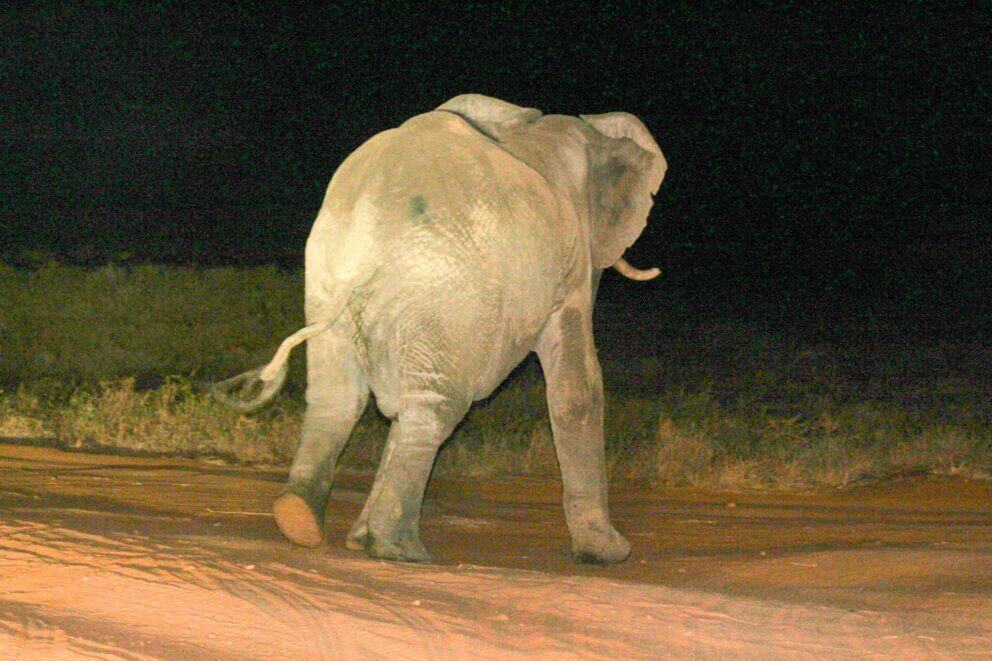
The successful arrival of these bulls ensures that Tsavo West remains a stronghold for Kenya’s giants, reflecting the ongoing progress of the destination’s conservation efforts.

Written by Thaakiera Ackerdien
• Travel Writer
 Blog List














Written by Thaakiera Ackerdien
• Travel Writer
Part of the Kenya Safari Collection