

 Email us




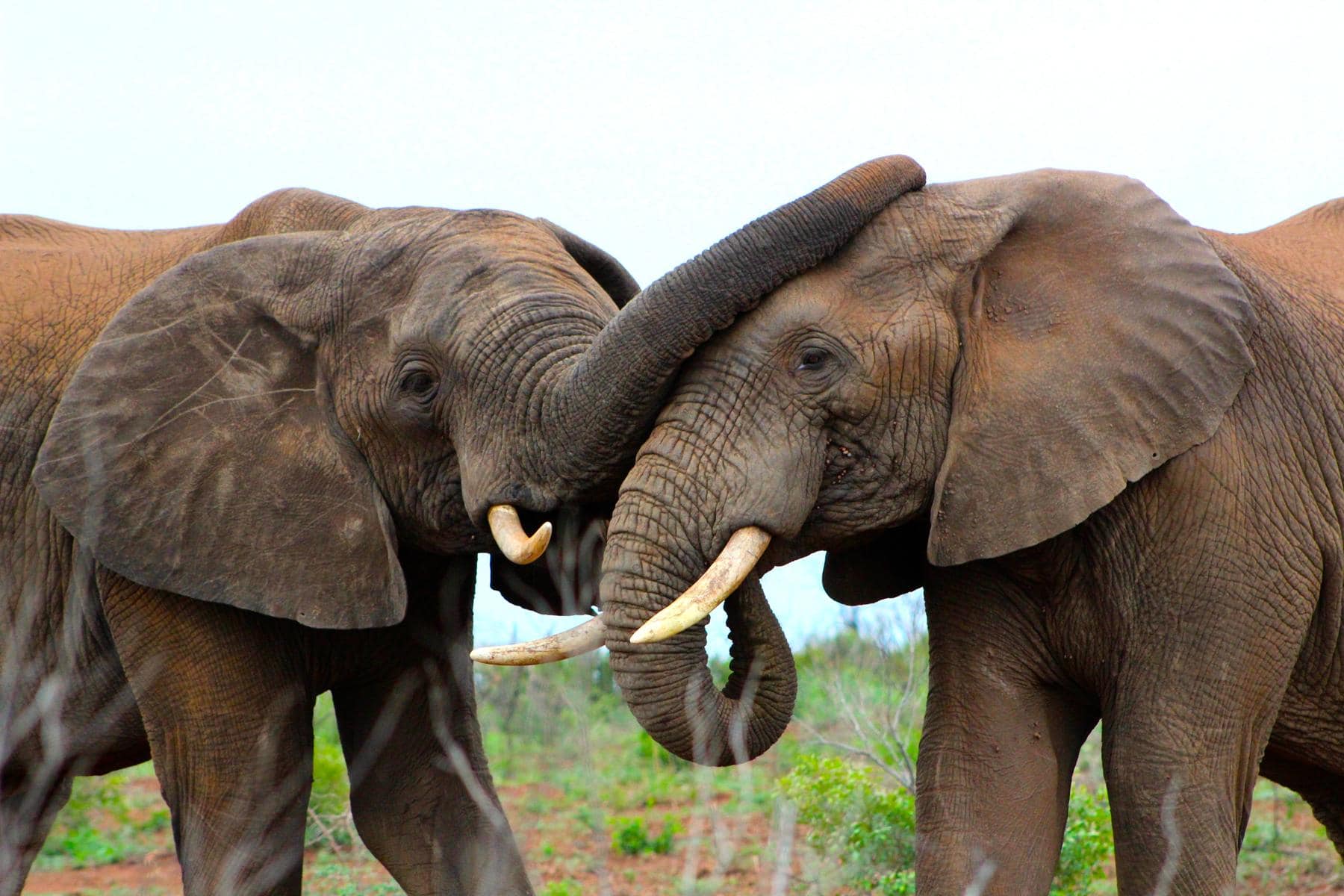
Have you ever looked across a landscape and wondered “what was here before?” An empty landscape is haunted by a particular silence. For someone seeking an African conservation experience, you know that you can no longer be a spectator to nature; you need to be an active participant in its rebirth.
Forests turned into farms, where the rustle of leaves isn’t followed by the snap of a twig under an elephant’s foot or the hushed whisper of a pride of lions on the prowl. Once great and abundant landscapes, decimated by poaching, war, and human impact. For decades, several of Africa’s great lands faced this fate. But today, the rhythm is turning.
Several of Africa’s most iconic species were once on the brink of extinction, with animals like rhinos and elephants narrowly teetering on the edge. However, against all odds, several populations across Africa have been successfully reintroduced and are now coming back stronger than ever. These are their stories.
From Empty to Extraordinary
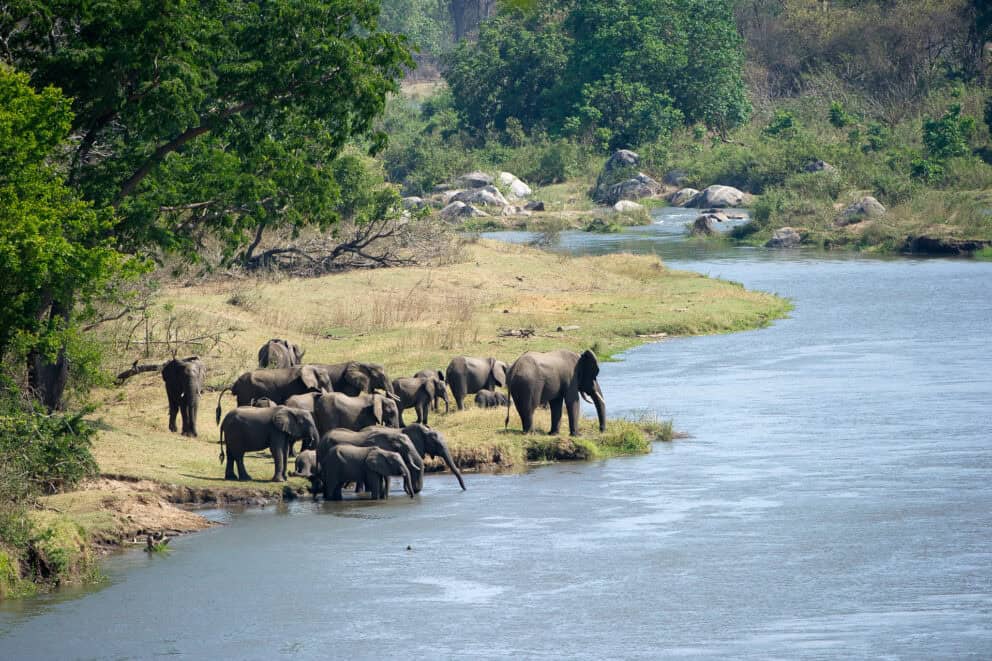
You’re not seeking a checklist of sightings; you need the soul of every destination you visit. Nothing illustrates this principle better than the “Before and After” of Malawi and Mozambique. Poaching and war once nearly annihilated the natural landscapes of these two countries. Today, they both stand as pioneers in conservation efforts and make an excellent choice of safari for an Africa conservation experience.
Majete Wildlife Reserve, Malawi
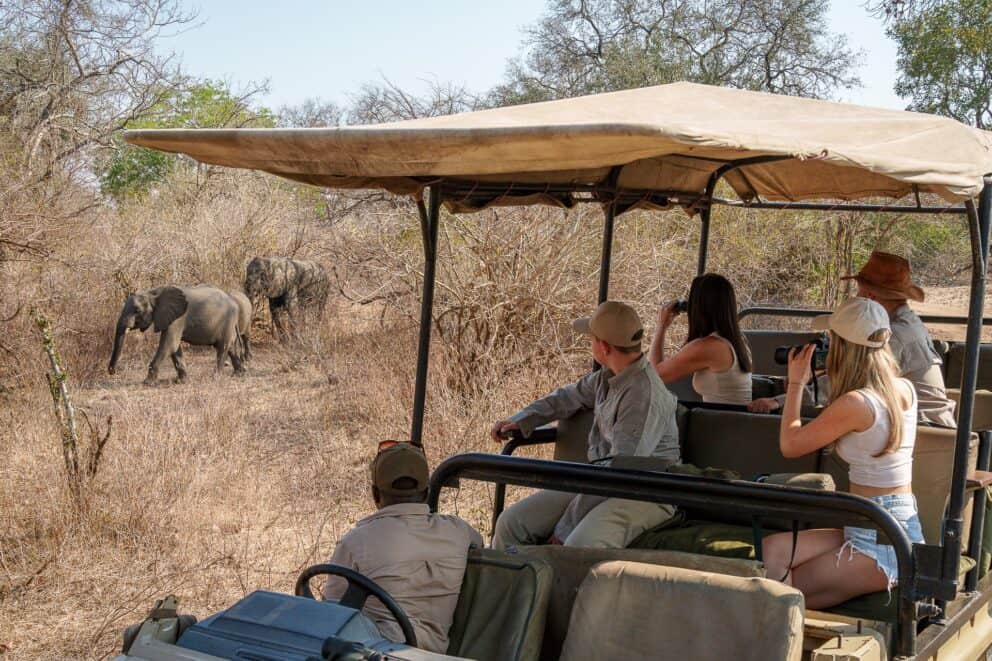
In 2003, Majete Wildlife Reserve could only be described as desolate. Poaching had all but destroyed its natural wildlife, with not a single elephant or rhino remaining. Despite being proclaimed as a protected area in 1951, government policy allowed the hunting of wildlife and deforestation for crops.
In 1969, one of the Nyasaland Fauna Preservation Society (NFPS) members, GD Hayes, frequented the park, documenting all that he saw. This included a large range of animals, from duiker to buffalo, lion, hyena, and leopard. In a diary entry from 1956, he casually spoke of seeing a pack of African wild dogs acting playfully around his campsite. For a time, this was the last known sighting of the species in the area.
In the decades that followed, Majete began to experience dramatic decline. Poor management and a lack of budget led to rampant poaching and resource exploitation. By the time the 1980s arrived, the last rhinos had vanished. Large carnivores followed swiftly in the 1990s, culminating in the last elephant’s death in 1992.
Despite this bleak outlook, hope was not lost. In 2002, following the takeover from African Parks management. Nearly 3,000 animals from 17 species were reintroduced, including the black rhino, elephants, cheetahs, and lions.
“We celebrated like you can’t believe when we saw some animals. That was in April, May (2003). Then we got the fencing team to come in, and by September we had a game capture team, 14,000 hectares fenced, and 599 animals successfully translocated.” – Tom Turner, African Parks’ first park manager in Majete.
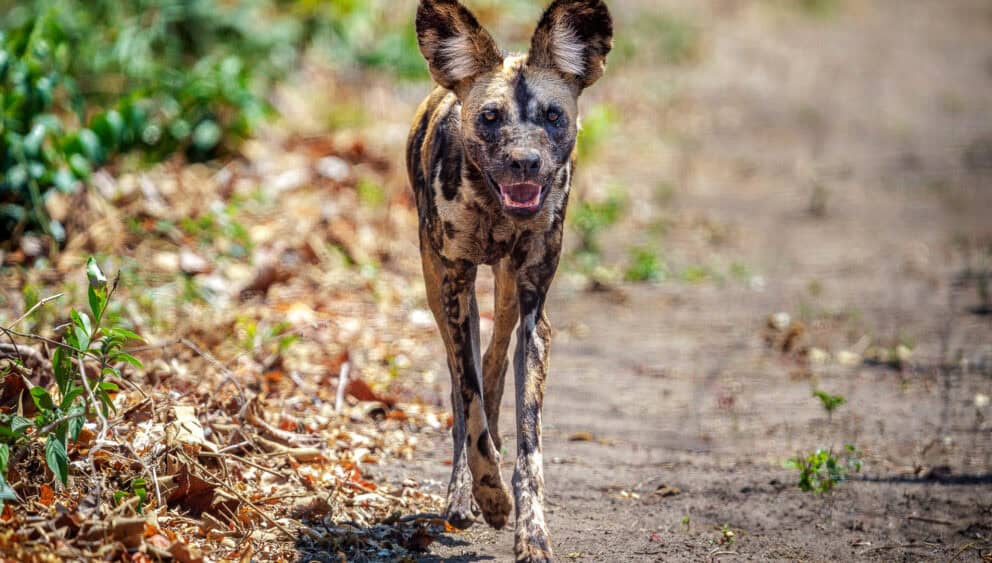
Most recently, in 2021, wild dogs were reintroduced, following a 60 year absence in the country.
Today, Majete is a thriving Big Five reserve, with large mammal populations reaching over 12,000 individuals and thriving populations of herbivores and predators. The recovery was so successful, in fact, that Majete was able to restore other parks in Malawi.
This includes the successful translocation of over 520 elephants and 2,000 other animals from Majete Wildlife Reserve and Liwonde National Park to Nkhotakota Wildlife Reserve in northern Malawi between July 2016 and August 2017. This was a part of the 500 Elephants Project, one of the largest and most significant elephant translocations in history.
For a traveller, seeing an elephant or a rhino here is not just a photo op – you’ll be witnessing years of conservation efforts in motion, all culminating in an incredible Africa conservation experience.
Gorongosa National Park, Mozambique
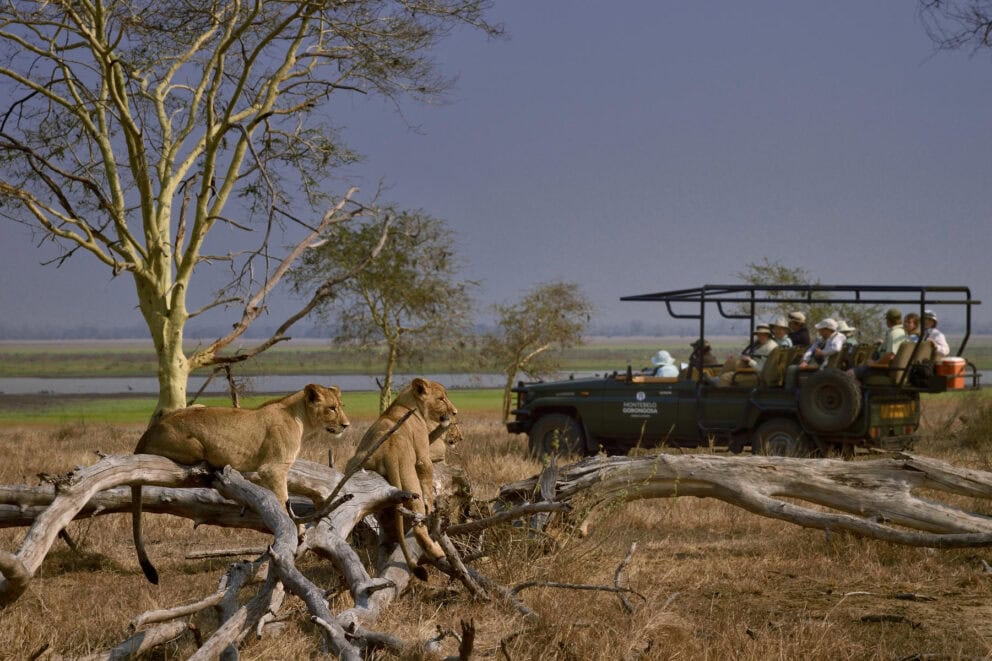
Once a wildlife haven, Gorongosa National Park went from a premier safari destination in the 1960s to near-total destruction during decades of civil war, which wiped out 95% of its wildlife. Once Eden-like landscapes were ravaged by years of uncontrolled poaching and nearing an ecological collapse.
During the early stages of the 1977-1992 war, the then-white-ruled South Africa and Rhodesia (now Zimbabwe) supported the rebels in Mozambique, exploiting internal divisions to destabilise the country. According to Gorongosa National Park Warden Pedro Muagura, rebels wanted game meat from the park for food and elephants for ivory, which they exchanged for weapons from South Africa. This was devastating for the park’s wildlife.
However, through a massive 20-year restoration project between the Mozambican Government and philanthropist Greg Carr, the park has become a model for African conservation projects. What was once an empty, barren wasteland has once again become a thriving ecosystem where wildlife returns, forests regenerate, and communities prosper.
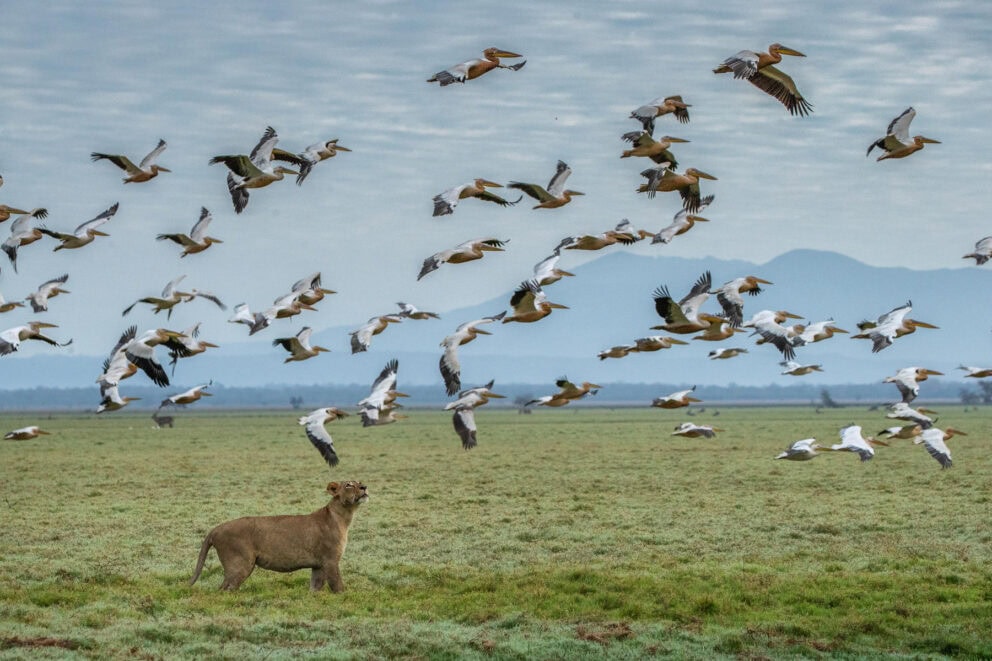
By 2018, wildlife numbers had increased by over 700%, marking a remarkable ecological comeback. Today, the park has once again reclaimed its title as the “Eden of Africa”. Safaris here, by game drive, on foot, or canoe, take you through beautifully restored grasslands, wetlands, and forests in search of elephants, lions, leopards, buffalo, and African wild dogs.
Beyond the return of the Big Five, Gorongosa has also become a global leader in pangolin conservation and research through the Pangolin Project. As the world’s most trafficked mammal, pangolins face immense pressure from the illegal wildlife trade – which has led to them becoming critically endangered. In response, Gorongosa established Mozambique’s first pangolin rescue and rehabilitation centre.
The facility specialises in rehabilitating pangolins confiscated from traffickers, providing them with round-the-clock care in the hopes of a soft release back into the wild. Since its inception in 2018, the centre has received 150 pangolins, successfully releasing 103 back into the wild.
However, the success of the Pangolin Project – and many other conservation initiatives like it – is heavily reliant on community involvement. By fostering a sense of community and stewardship, projects like these help reduce poaching. Community members become allies of conservation, benefiting both wildlife and people.
Tracking the Icons
Your interest in conservation trips to Africa often begins with the species that capture the imagination. Here is how specific African conservation projects are moving the needle with some of the continent’s most iconic residents.
Rhino Conservation in South Africa – The Rhino Renaissance
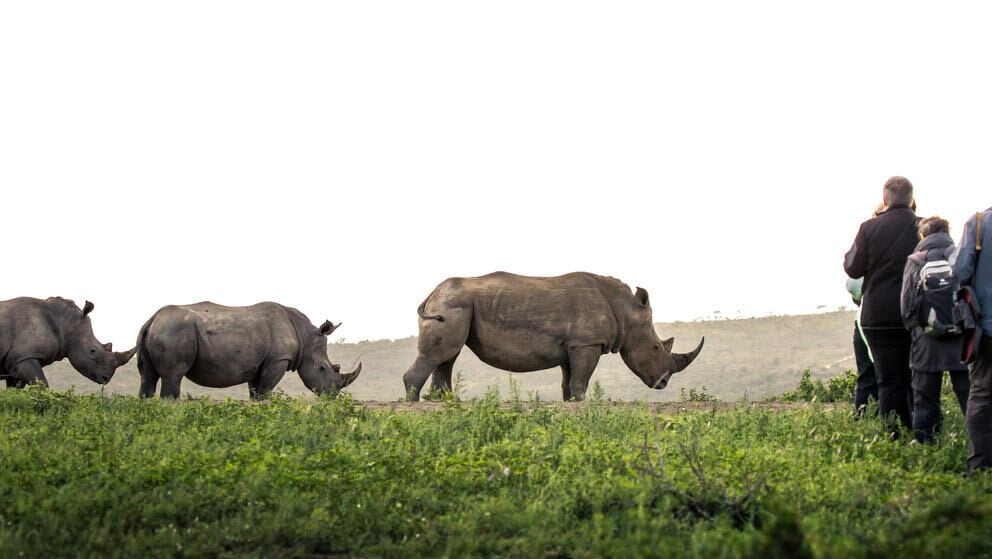
For decades, the story of the rhino in South Africa was one of heartbreak – a narrative dominated by “fortress conservation” and a desperate fight against the silence of extinction. But if you step into the bush today, you aren’t just looking at a survivor; you are witnessing a Rhino Renaissance.
To understand the weight of this shift, you need to look at where we started. Rhinos are often at the forefront of conservation news and have become icons for it in their own right.
There have been several conservation movements to help the rhino population recover from relentless poaching, with populations reaching a steady recovery in the early 2000s. However, a massive surge in demand for rhino horn in Asia – driven by misconceptions regarding medicinal value and its use as a status symbol – sparked a new, intense poaching crisis in 2008 that continues today.
Despite the grim reality, there is still hope for South Africa’s rhinos. Through intensive conservation efforts, such as strategic dehorning and the Integrated Wildlife Zones initiative, rhino poaching has seen some steady decreases over the years.
In 2025, South Africa recorded a 16% decline in rhino poaching. In particular, Hluhluwe-iMfolozi Park plummeted by more than two-thirds – dropping from 198 losses in 2024 to just 63 in 2025.
South Africa has become a global laboratory for what is possible when community, technology, and passion collide. The narrative is steadily shifting from tragedy to triumph.
African Elephant Conservation – Ecosystem Engineers

African elephant conservation projects focus on anti-poaching, habitat protection, and mitigating human-wildlife conflict through community-based initiatives. Key efforts include tracking herd movements, restoring corridors, and reducing the ivory trade, with organisations like Save the Elephants, African Parks, and the Sheldrick Wildlife Trust.
Elephants are often seen as “ecosystem engineers” because they physically modify, maintain, and create habitats by knocking down trees and digging for water. They transform the landscapes they roam, directly influencing the survival of numerous other species within their ecosystems.
This is why they are frequently the subject of translocations, such as the 2025 Addo Elephant National Park translocation. Around 42 elephants, including family groups, were translocated from the park’s Main Camp to the Kabouga section – which hadn’t had elephants in over 100 years – to restore ecological balance and expand its habitat.
Conservation of African Wild Dogs – The Painted Wolf Resurgence
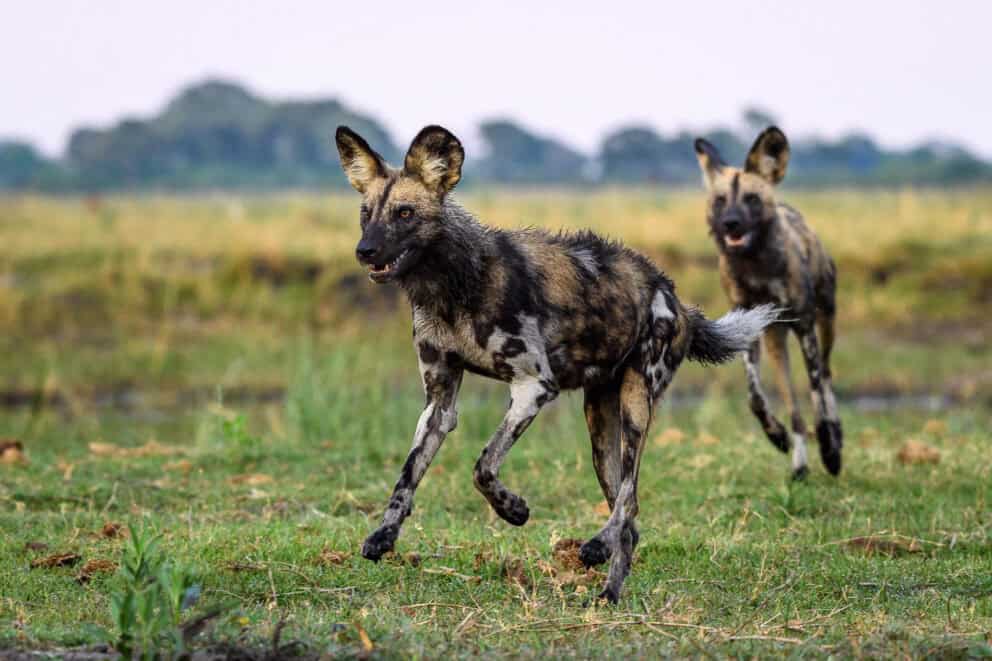
As one of Africa’s most endangered carnivores, the wild dog is often a dream sighting for conservation and safari enthusiasts alike. This iconic African canine is being protected through several conservation groups, including the Lowveld Wild Dog Project and Painted Dog Conservation.
Significant successes include the remarkable story of Gorongosa National Park in Mozambique, a transboundary success story where 14 wild dogs were reintroduced in 2018 after a 25-year absence, and the population rapidly tripled to 40 individuals by 2019. This effort involved moving the animals across borders from South Africa.
A further sign of ecosystem health is seen in Limpopo National Park (also in Mozambique). It has become a new safe space, as wild dogs have been tracked moving there naturally from South Africa’s Kruger National Park. This type of natural dispersal is considered a gold-standard indicator that the ecosystem can support apex predators.
Additionally, the Somkhanda Community Game Reserve in South Africa demonstrates a unique community-led success. It’s owned by the Gumbi community, who have dedicated their ancestral land to conservation, thereby proving that community ownership is one of the most effective tools for protecting these species.
How You Join the Narrative
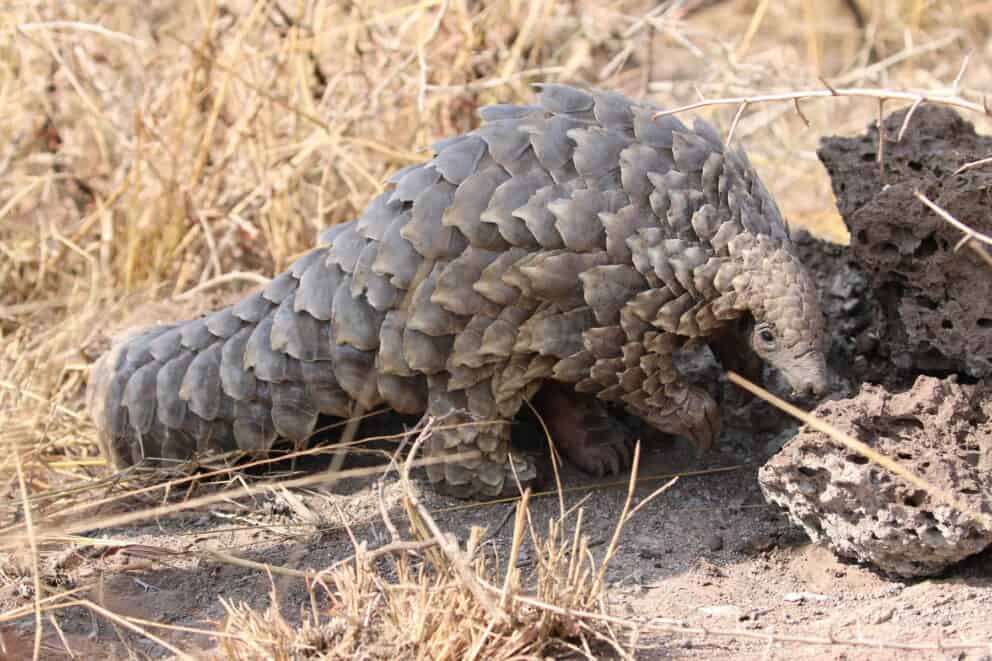
To truly leave a positive impact, step out of the vehicle and get your boots on the ground for conservation. Spend a morning with the K9 units and rangers who monitor the rhino conservation efforts in South Africa.
At &Beyond Phinda Private Game Reserve, you can become a part of a pioneering conservation story by assisting with research and monitoring. Depending on which experiences are available at the time, you can participate in rhino dehorning, notching, elephant collaring, and even pangolin research!
At Balule Private Game Reserve, you can meet and interact with the Black Mamba Anti-Poaching unit, South Africa’s predominantly female team of anti-poachers.
The Mambas protect the 100,000 acre reserve, committing their lives to the protection of the Greater Kruger’s most vulnerable. The team safeguards a variety of species, including lions, pangolins, elephants, and rhinos.
Whether you’re going on a guided walking safari in Gorongosa, tracking wild dogs in Majete, or going on game drives across the plains in Greater Kruger, safaris ensure that these rehabilitated lands don’t fall to silence again.
Plan Your African Conservation Experience
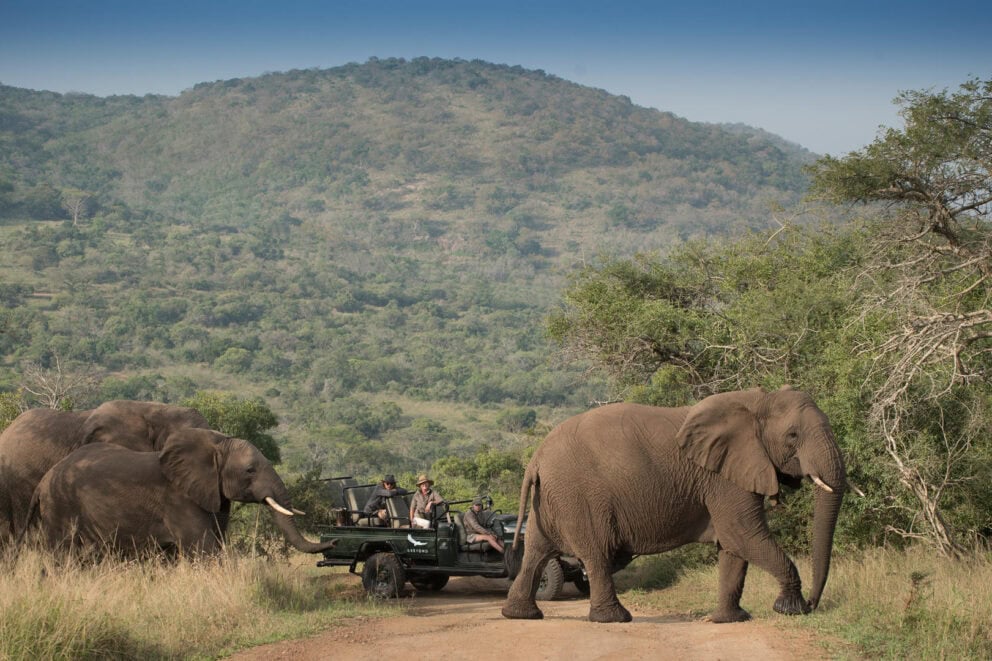
A safari is a rare treat, but a conservation-focused safari is a legacy. When you choose to visit these resilient landscapes, your presence provides the economic oxygen these projects need to breathe.
Are you ready to witness the return of the wild? Start planning your conservation-focused safari today and become part of Africa’s greatest comeback story.

Written by Thaakiera Ackerdien
• Travel Writer
 Blog List











Written by Thaakiera Ackerdien
• Travel Writer
Part of the Positive Impact Safaris Collection