Email us




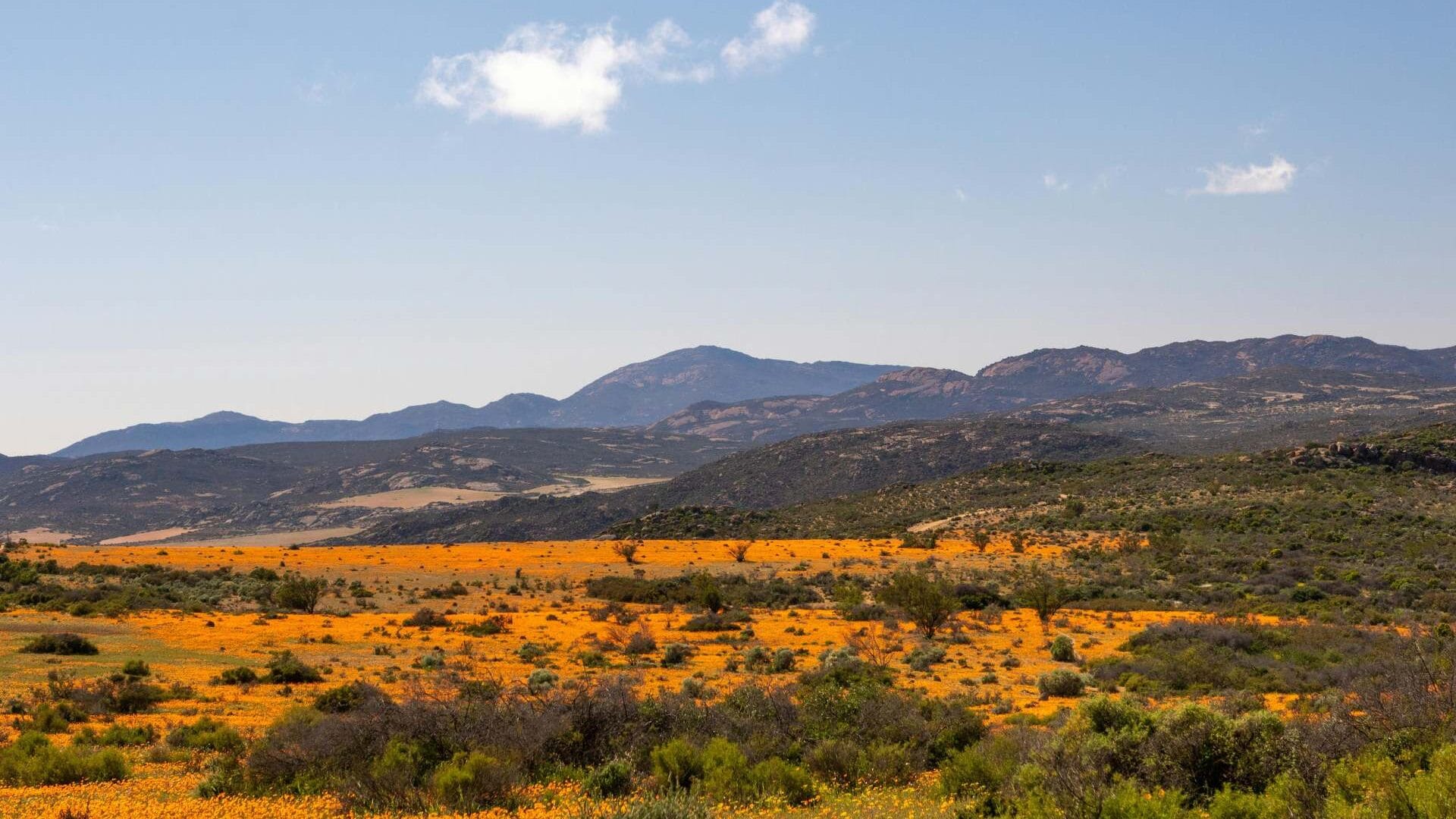



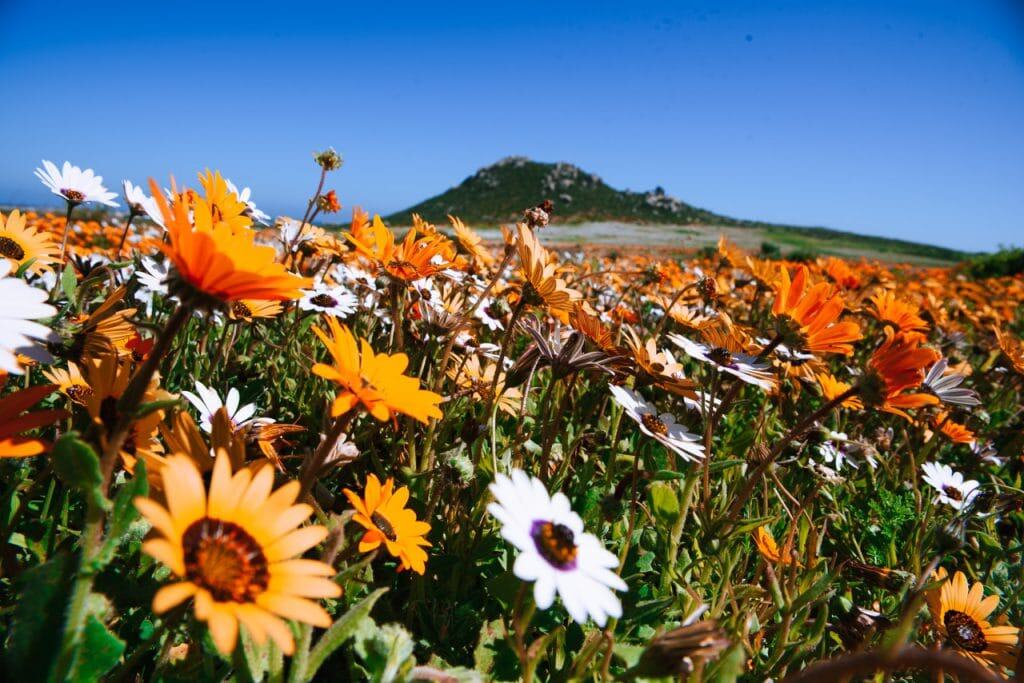
Imagine days among blooming flowers for as far as the eye can see and evenings with an incredible display of stars above. This is Namaqualand, a semi-desert region of South Africa famous for its spring wildflowers.
There are few moments in nature as fleeting as this short season, when the desert breathes and blooms. Namaqualand flower tours are an escape into a landscape that only reveals itself for a few startling weeks each year, when winter rains coax life from an ancient desert.
In spring, the Northern Cape transforms into a living tapestry of colour – golds, whites, pinks, and purples stretching to the horizon under a vast, impossibly blue sky. Then, quietly, it fades back into silence.
Namaqualand South Africa tours offer space to breathe, unplug, and move with the natural rhythm of sun and wind.
A Landscape That Blooms Once A Year
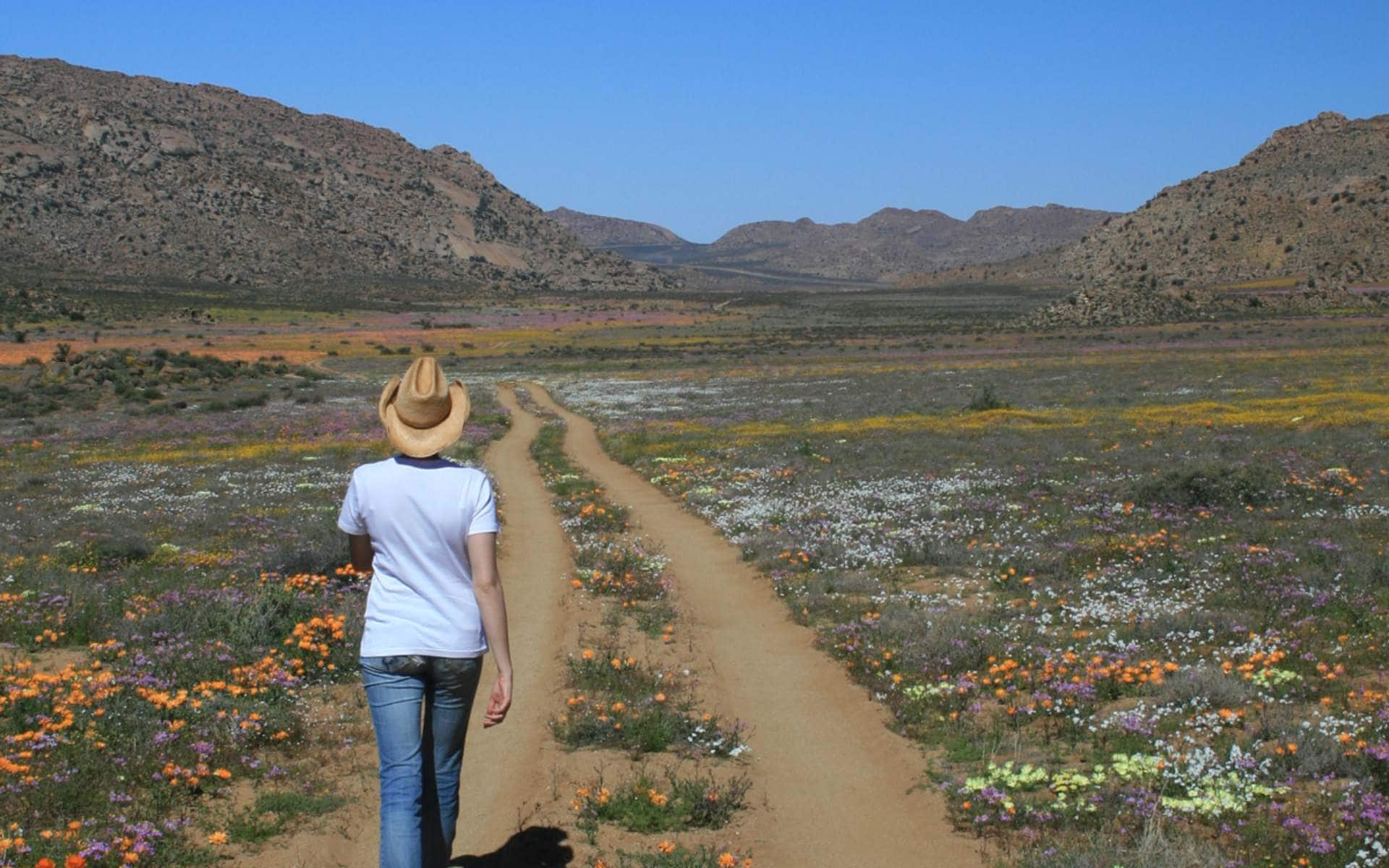
Namaqualand sits in the north-west of South Africa, where the Atlantic’s cool air meets semi-desert plains. For most of the year, it’s stark and quiet. But when the winter rains arrive, usually between June and July, they bring with them the promise of something rare.
From late July through September, carpets of flowers emerge. Namaqualand boasts a rich floral biodiversity – more than 6,000 plant species, with over 2,000 found nowhere else on Earth. Among them are the iconic Namaqualand daisies, turning valleys and hillsides into waves of colour that seem almost unreal.
Witnessing this bloom feels like a privilege: it opens itself briefly, then closes again for another year.
When Do The Flowers Bloom In Namaqualand?
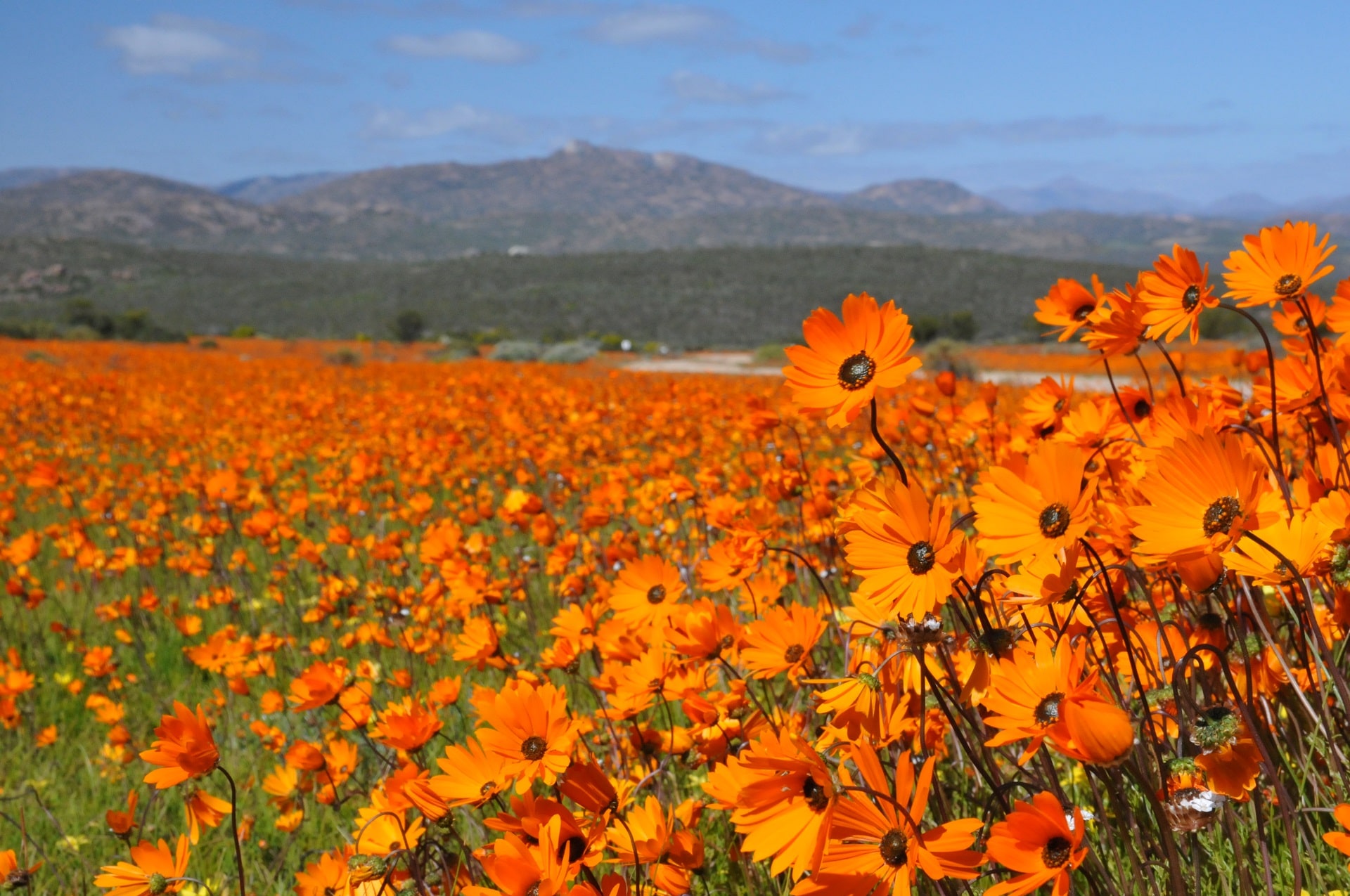
Timing matters. The Namaqualand flower season is short and rainfall dependent, but patterns are reliable enough for careful planning.
The Best Time To See Namaqualand flowers
- Late July to early September is peak season
- August often delivers the most consistent displays
- Flowers open fully on warm, sunny days and close when the temperature drops
This is also when the region feels at its most alive – without ever losing its sense of stillness.
Where To Experience The Bloom
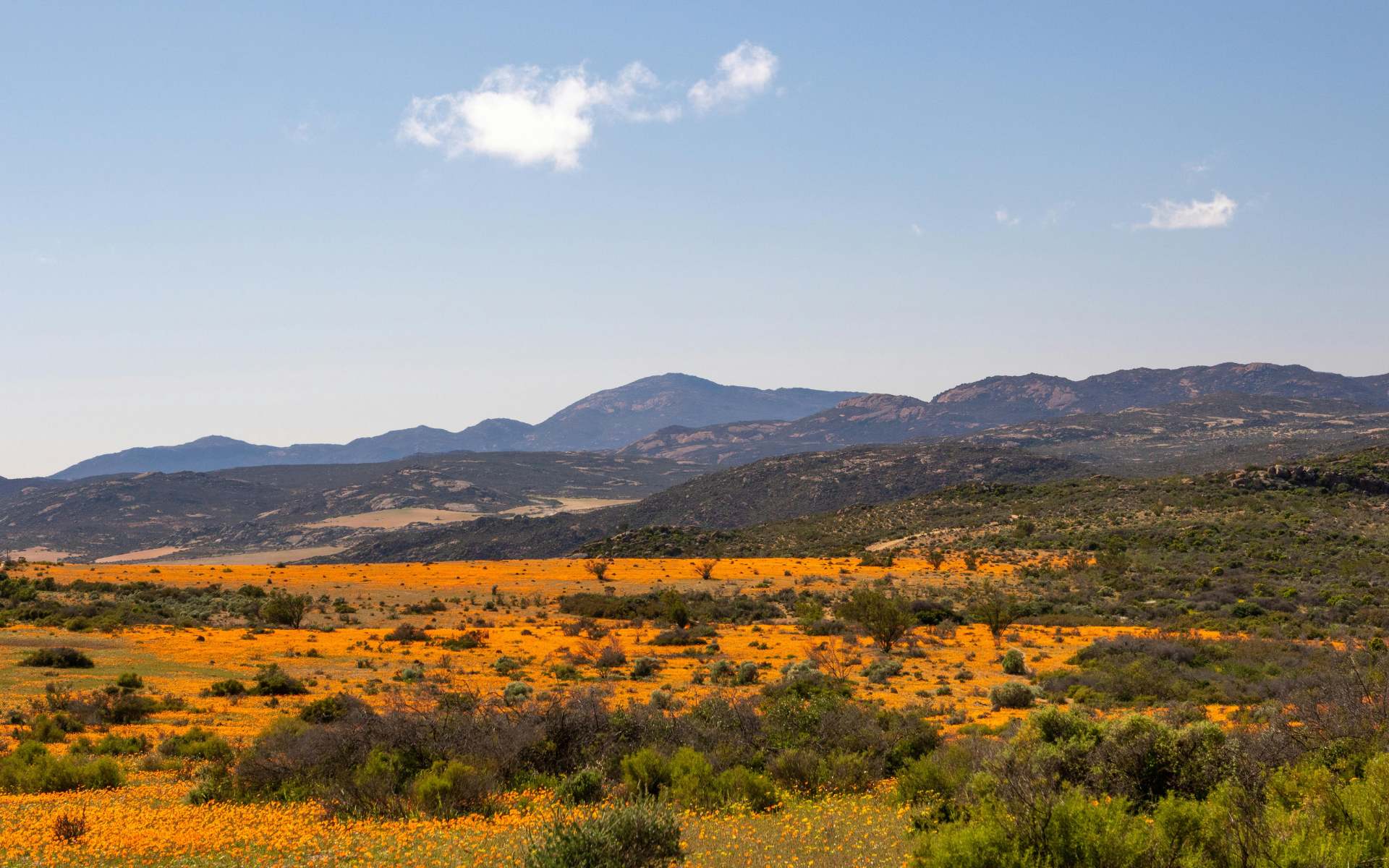
Namaqualand rewards those who take their time, and you’re advised to immerse yourself in the silence slowly and deeply. These are some of the most meaningful places to explore during flower season.
The Namakwa Coast: Shipwreck Route
Along the Atlantic coast, wildflowers spill almost to the shoreline. Old shipwrecks, fishing villages, and wide, empty beaches bordered by fynbos and flowers add a human story to the natural one.
Once a restricted diamond hub, Kleinzee is now a must-stop on the shipwreck and daisies route.
Goegap Nature Reserve: Wildlife Walks
Located near the Northern Cape town of Springbok, this reserve is known for its herds of springbok and endangered Hartmann’s zebra. Gentle hiking trails wind through some of the densest floral displays in the region. An antelope moves quietly through the flowers, and the pace feels unhurried. You walk. You pause. You breathe.
There are a variety of hiking trails, from 2 km/1.2 mi to 8 km/5 mi routes, tracing paths lined with gorgeous wild flowers and succulents endemic to the area.
Namaqua National Park: Biodiversity Hotspot
Namaqua National Park, a land of quiver trees, granite outcrops, and wildflowers in the spring, is wild, open, and quiet. It protects a vast stretch of this fragile ecosystem, from granite hills to coastal plains. Walking here during flower season is a sensory experience – colour underfoot, birdsong overhead, and an almost complete absence of modern-life noise.
The park is home to incredible bird species, including the cinnamon-breasted warbler, Cape long-billed lark, black-headed canary, Cape bulbul, and black harrier.
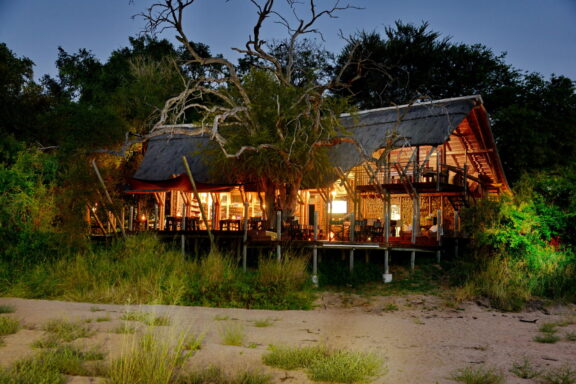
Book accommodation in Namaqua National Park early during flower season. Options are limited and intentionally low-impact, designed to protect the landscape rather than dominate it.
Wildlife Found in Namaqualand
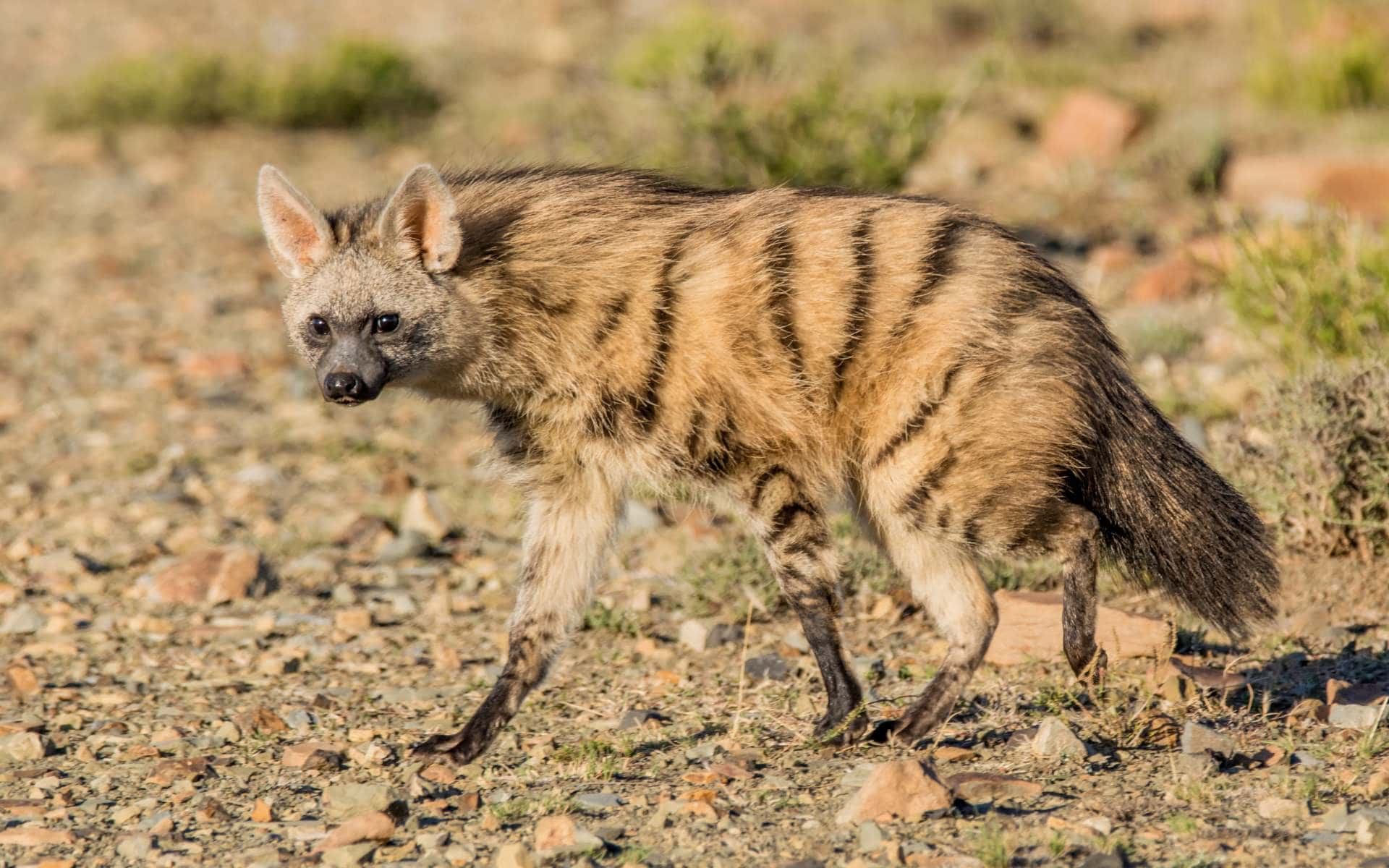
Namaqualand is home to the smallest tortoise in the world: the speckled padloper or speckled Cape tortoise. Keep an eye out for these little residents while you’re on nature walks! If luck is on your side, you may catch a glimpse of an aardwolf or an African wildcat. Small antelope species like the klipspringer can often be seen gambolling around.
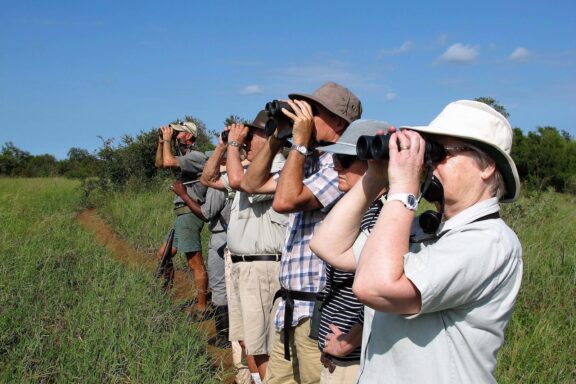
A haven for birders, Namaqualand has over 100 bird species to spot. The Verreaux’s eagle, African harrier-hawk, Cape eagle owl, Karoo lark, fairy flycatcher, dusky sunbird, ostrich, and ground woodpecker are just some of the birds in this region.
Culture, Silence, And The Gift Of Slowness
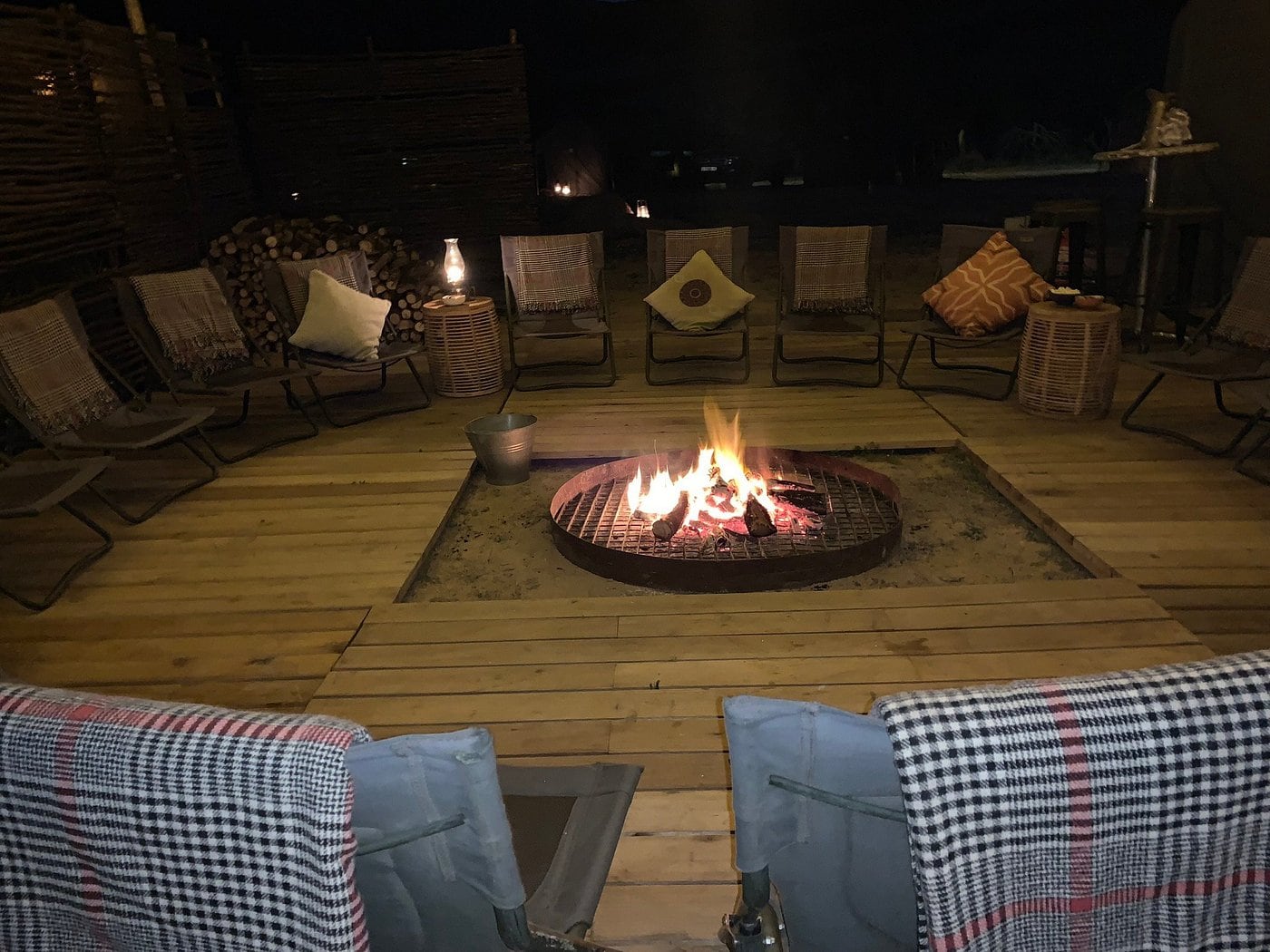
Namaqualand offers beauty and clarity. This is a region shaped by the Nama people, whose knowledge of the land lives on in place names, traditions, and a quiet respect for nature’s cycles. Conversations are unforced. Time stretches. Evenings arrive without hurry. The Nama language is one of the few Khoisan languages still spoken today. It will be a unique experience to hear the ‘clicks’ of this rare language.
At night, with almost no light pollution, the sky opens wide. Stars feel close enough to touch. The silence is complete and restorative.
Combining Namaqualand with Cape Town and Safari Travel
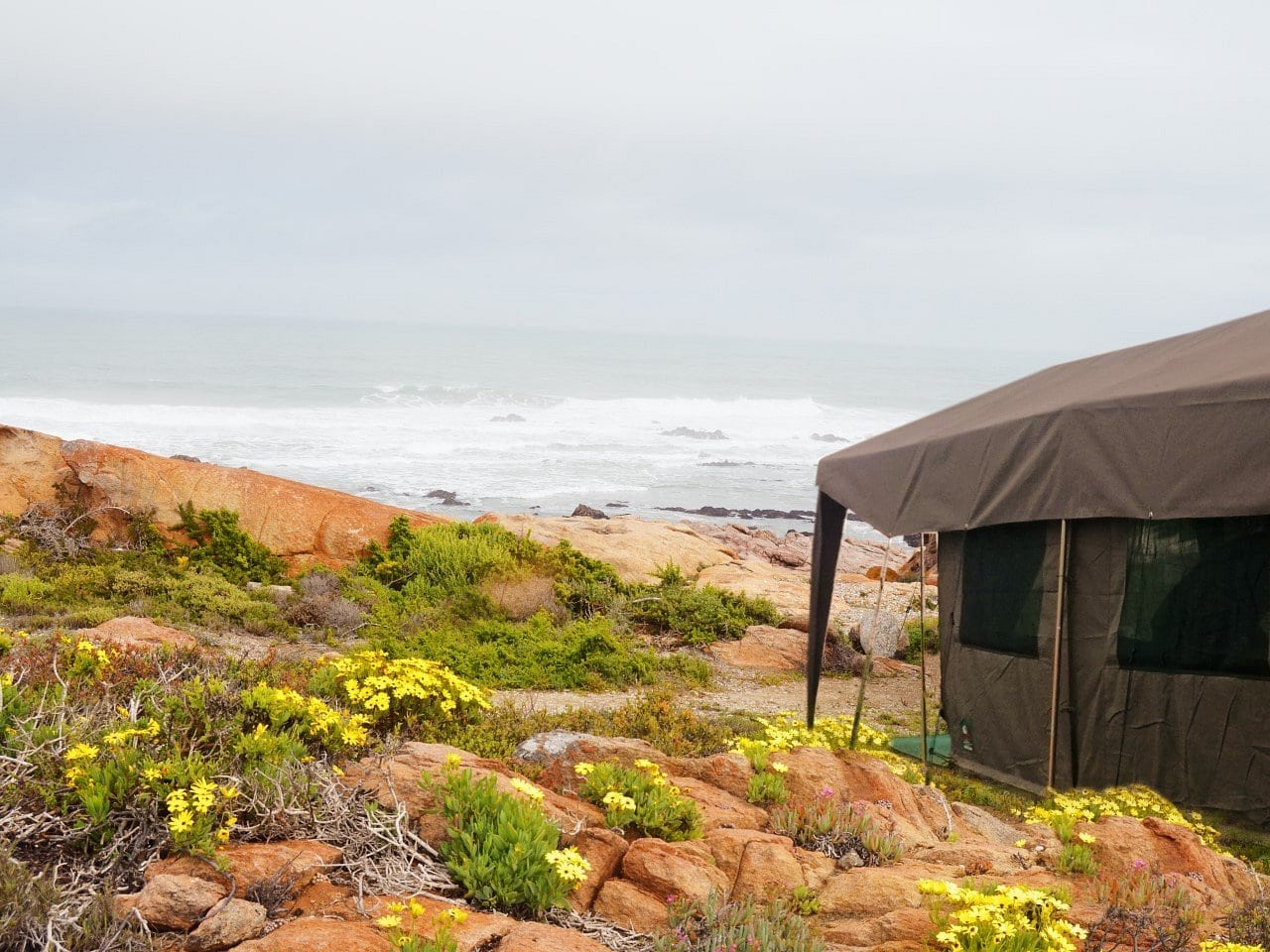
Namaqualand fits naturally into a broader South African journey. Many travellers pair flower season with time in Cape Town, where ocean, mountain, and culture create a vibrant contrast to the desert north.
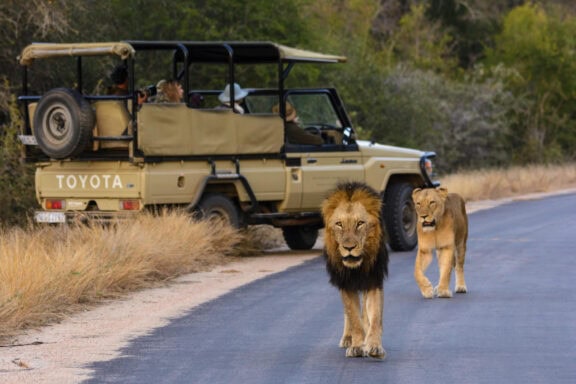
From there, your journey can continue deeper into the country, adding a classic safari experience after the bloom. The stillness of Namaqualand makes wildlife encounters elsewhere feel sharper, more grounded.
Explore options to weave this into a broader journey through our South African safaris or discover how it complements a stay in Cape Town.
Is Namaqualand Right For You?
Namaqualand is for travellers who value space over spectacle, who want to unplug, and who understand that some of the most powerful travel moments are quiet ones.
If you’re drawn to landscapes that reveal themselves slowly – and only briefly – this journey will stay with you long after the flowers fade.
Speak to one of our safari experts to begin writing your Namaqualand story.