

 Email us




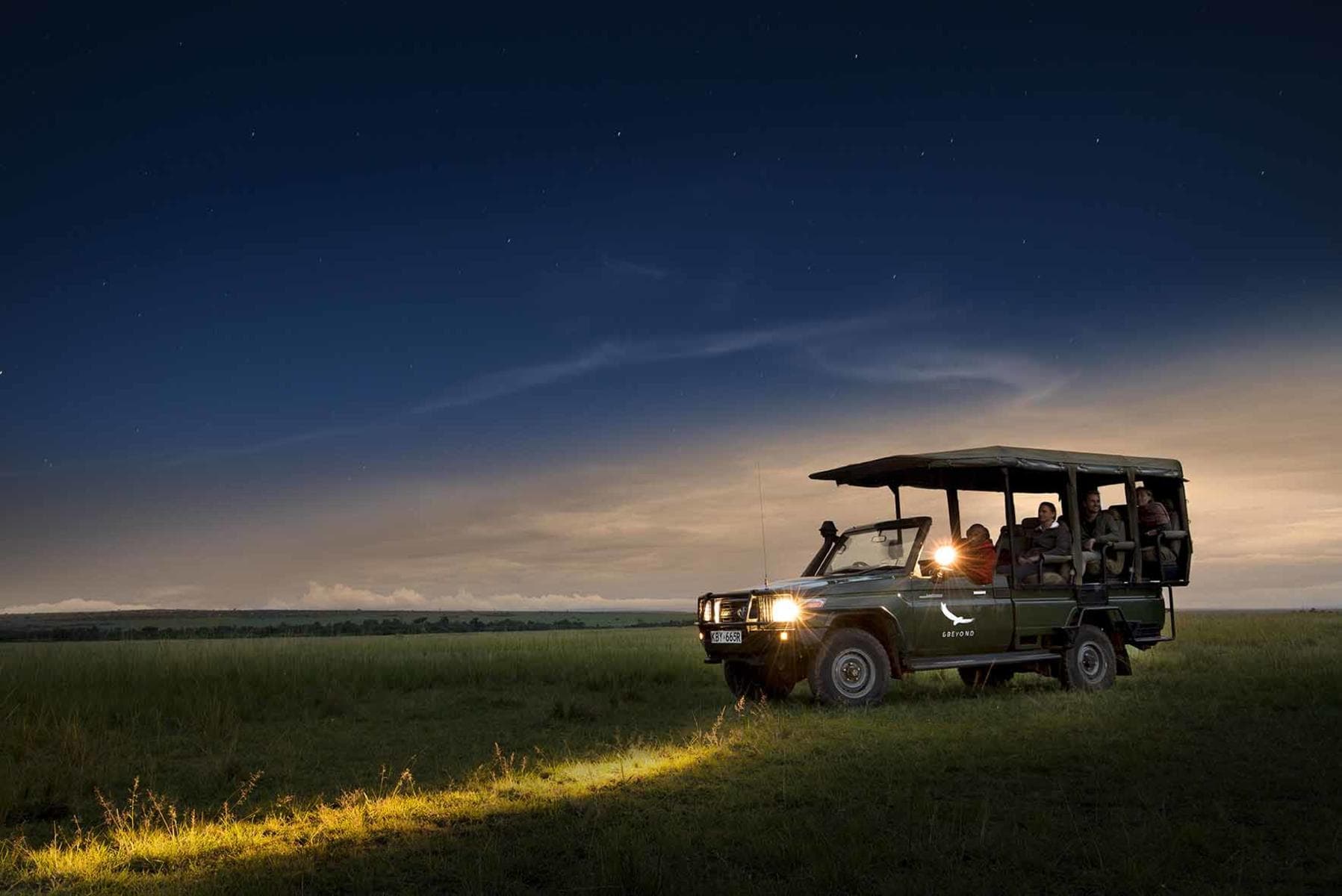
The vehicle slows as the last light fades from the horizon. Heat drains from the earth, and a cool hush settles over the bush. Somewhere ahead a lion rumbles, deep and deliberate. Stars begin appearing above the darkening trees. One. Then another. Soon the sky is scattered with light.
Every sound sharpens in the darkness. Dry leaves shift. An owl calls somewhere beyond the trees. Something unseen moves through grass nearby. The bush has not gone quiet. It has simply changed its voice.
This is a safari after dark, when Africa’s wild places reveal a different kind of life.
A bat-eared fox slips between shadows, ears twitching at every tiny noise. A pangolin pads cautiously along a sandy track, scales glinting in faint light.
An aardwolf pauses, sniffing the air, before disappearing into the scrub.
Bushbabies launch themselves between branches with astonishing precision. The familiar landscape feels entirely new.
Travellers are beginning to seek out these after-dark experiences. The growing interest in noctourism reflects a simple truth: some of the most fascinating wildlife behaviour happens when the sun disappears and the bush begins its night shift.
When the Bush Changes Character
Daytime safaris are about movement across open landscapes. You scan the horizon, follow herds, and watch animals moving through sunlight.
Night works differently.
A guide pauses the vehicle beside a sandy track. Fresh prints cut across the road. Rounded pads. No claw marks. A big cat passed through here…
The trail disappears into the darkness ahead.
Elephants pass nearby soon after, their movements surprisingly soft for animals of their size. At night they often travel in a tighter formation. Adults guide the younger members of the herd along familiar routes, stopping often to smell the air or listen.
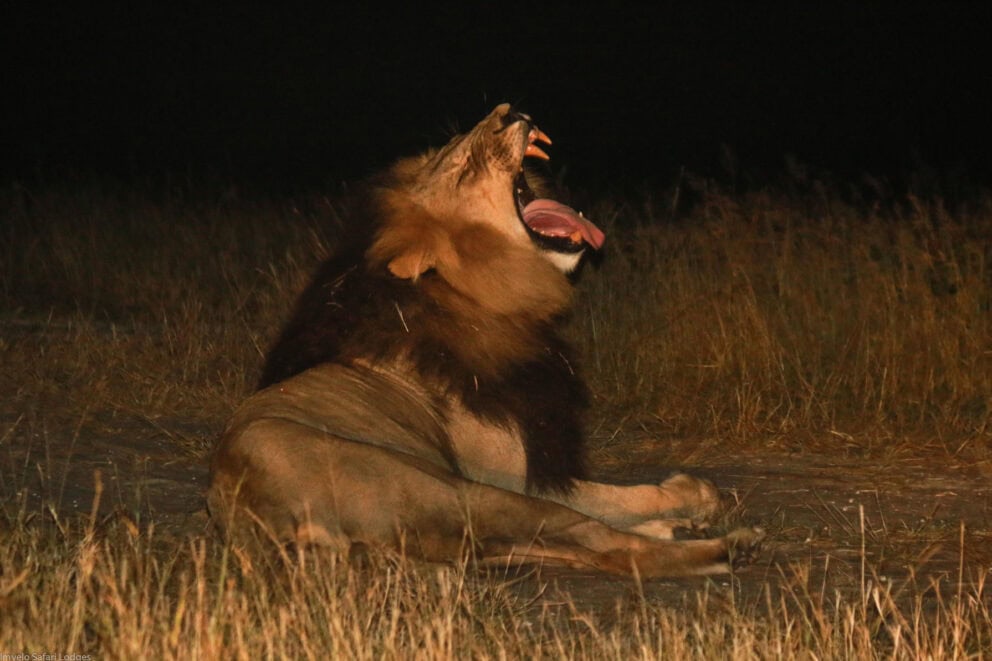
Lions behave differently too. During the heat of the day, they rest, conserving energy beneath trees. After dark they become deliberate hunters. Patience replaces dominance. They wait, stalk, listen, and test the wind before making a move.
Zebras respond to this shift immediately. During daylight they spread out across open ground. At night they draw close together, bodies almost touching. One member of the dazzle often stays alert while the others rest, ears flicking constantly as it listens for predators moving through the grass.
Watching these changes unfold reveals a deeper understanding of the bush. The same animals are present, but their behaviour tells a completely different story.
Following the Quiet Signs
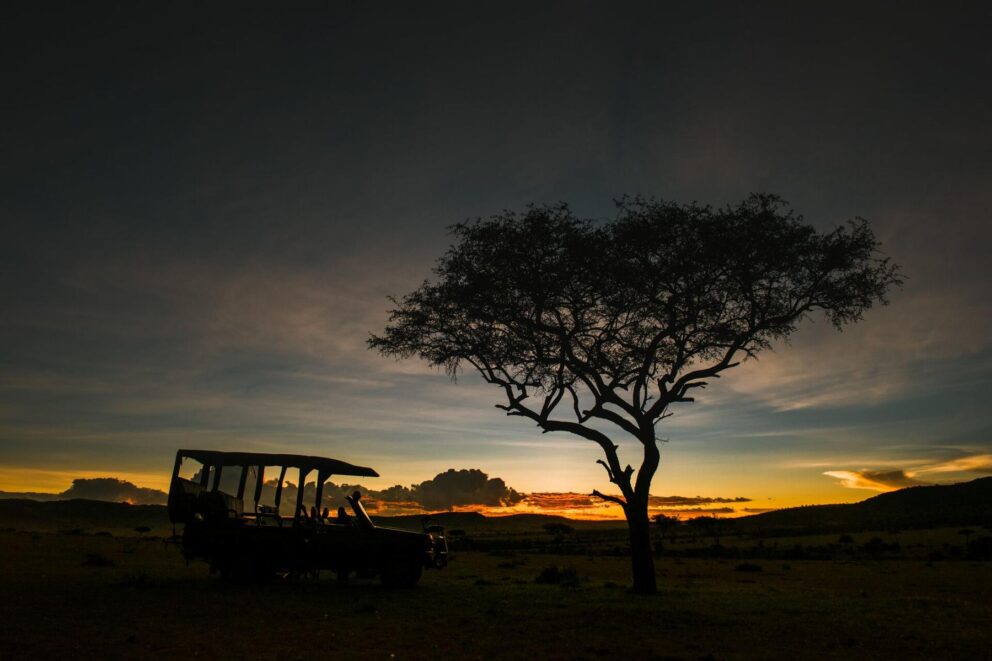
A guide crouches beside the road and shines a soft light across the sand.
Tiny prints appear where the beam touches the ground. A genet passed this way not long ago. Nearby, shallow marks show where a porcupine shuffled across the track. Small holes in the earth reveal an aardvark searching for termites earlier in the evening.
The bush speaks through signs like these, as well as through punctuations in the stillness.
Sight becomes less important. Hearing takes over.
A sudden rustle breaks the quiet. An alarm snort sounds from the zebra herd. Heads turn instinctively.
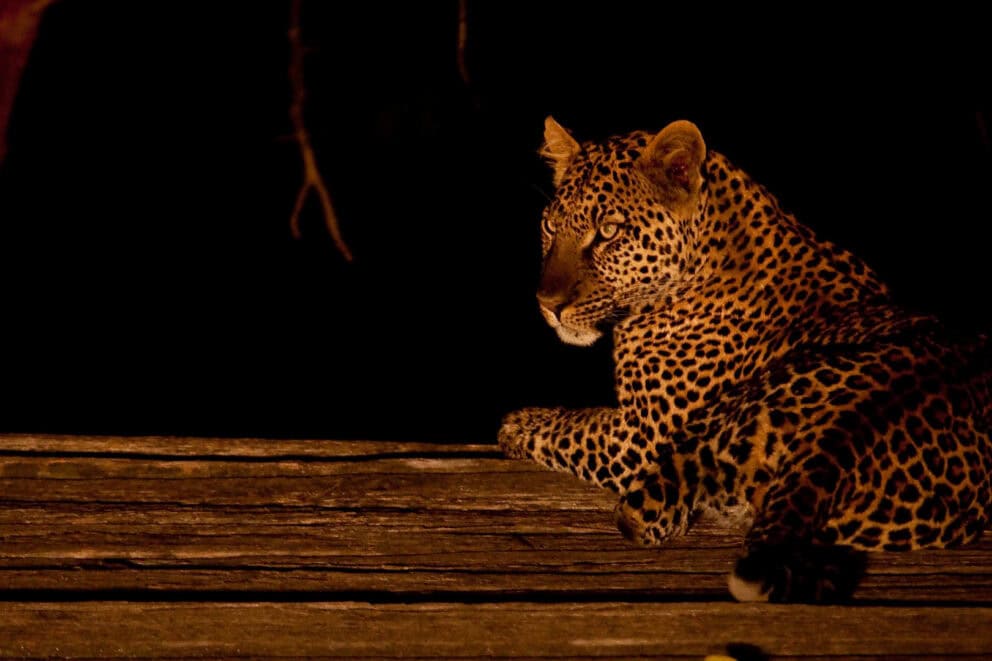
A leopard moves through the clearing ahead, almost soundless. It pauses for a moment, testing the air, before slipping between trees and disappearing again. The sight lasts only seconds, yet the memory lingers far longer.
Moments like this define a night game drive. Nothing feels rushed. Observations come slowly. Each movement carries weight. Wrapped up against the sudden chill that seeps in after sunset, every rustle, snap, and distant call feels sharper, more immediate, more alive.
Even photography changes after dark. Nocturnal wildlife photography relies on patience rather than speed. Guides use light carefully, just enough to reveal shapes without disturbing the scene. Often the best moments happen in near darkness, when the bush feels alive in every direction.
Learning the Night
The best night drives are guided by people who understand how the bush behaves after sunset.
Guided night game drives are less about chasing sightings and more about reading the environment. Guides listen for alarm calls, study tracks crossing the road, and watch how animals react to subtle changes in wind or sound.
Night invites a different kind of attention. Instead of scanning landscapes, you focus on smaller details. Tracks in the road. A distant call. The way a herd suddenly shifts position.
These details slowly reveal the hidden details of the bush.
Landscapes That Come Alive After Sunset
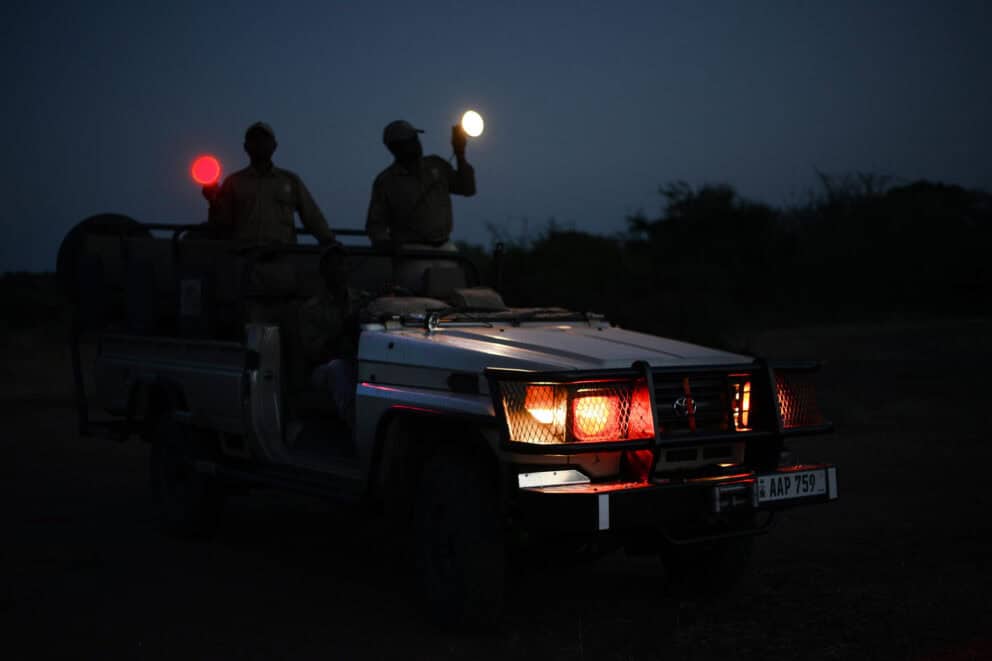
Some parts of Africa come alive after dark in ways that daylight simply doesn’t prepare you for. In private concessions, you get to be out in it, moving through the bush long after the sun has gone, with nothing but a spotlight and whatever the night decides to show you.
In Botswana’s Okavango Delta, winding waterways and islands create natural corridors for wildlife moving between feeding grounds. Hippos surface quietly beside reed beds while antelope move cautiously along narrow paths between trees.
In South Luangwa, Zambia, the open valleys make it easier to observe predators at night. Leopards often move along sandy riverbanks, while civets and genets patrol the edges of clearings.
In the Greater Kruger‘s private reserves, the night shift is something else entirely. Porcupines shuffle along the sandy tracks with quiet purpose, nightjars sweep low over the ground, and if you’re lucky, an aardvark will emerge from the earth and go about its business as if you’re not even there.
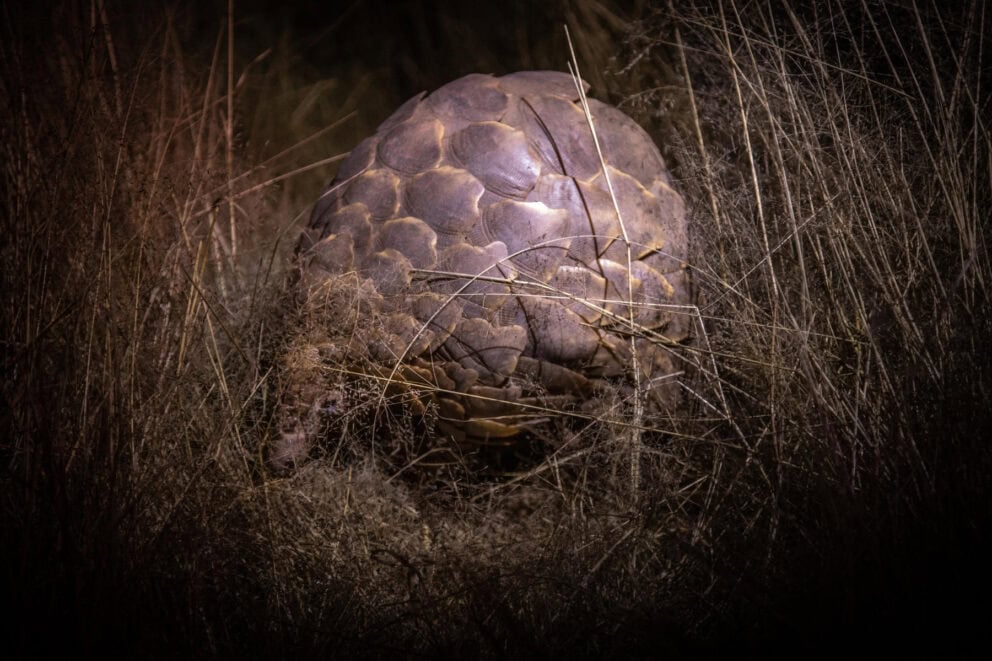
If fortune favours you, you may come across an aardwolf, or even a pangolin, in Namibia’s Okonjima Nature Reserve, a private reserve between Windhoek and Etosha National Park that offers spectacular nighttime game drives.
Across private concessions in the Serengeti region, hyenas begin their nightly patrols while lions move silently between herds resting in the grass.
These destinations have become central to the rise of noctourism travel. Travellers are increasingly drawn to experiences that slow the pace and reveal wildlife behaviour that daytime safaris rarely show.
The Sky Above the Bush
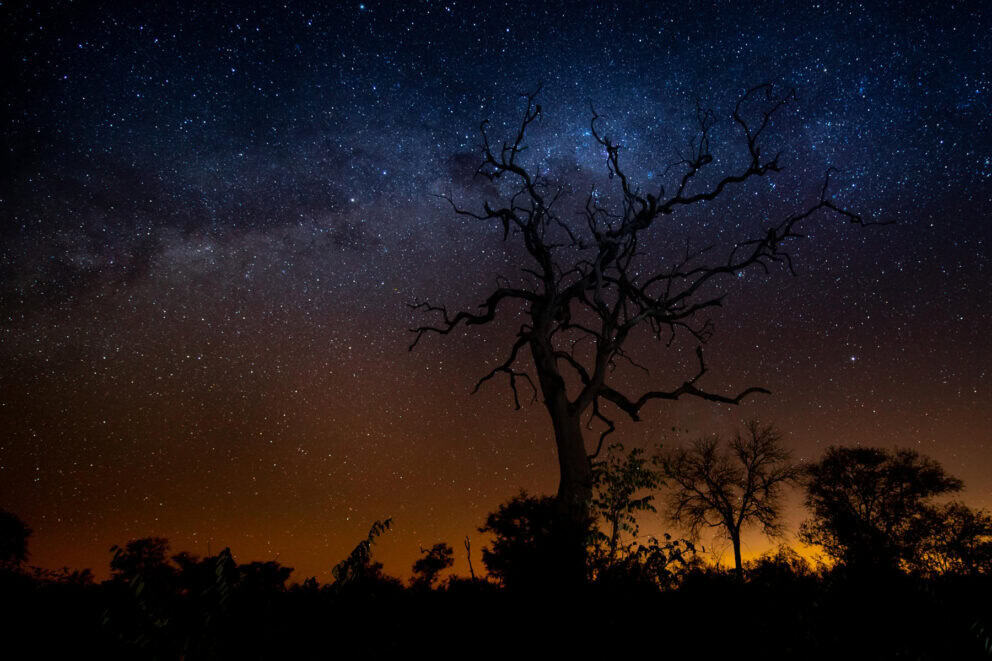
The night sky forms part of the experience too.
Far from cities and artificial light, Africa’s skies reveal astonishing clarity. The Milky Way stretches overhead like a pale river of stars. Satellites glide silently across the darkness. Constellations appear sharper than most travellers have ever seen.
Some lodges offer star beds where guests can lie beneath the open sky. The sounds of the bush continue below while the heavens stretch endlessly above.
It creates a powerful sense of perspective. Wildlife moves quietly across the land while the universe unfolds overhead, unchanged for millennia.
What Stays With You
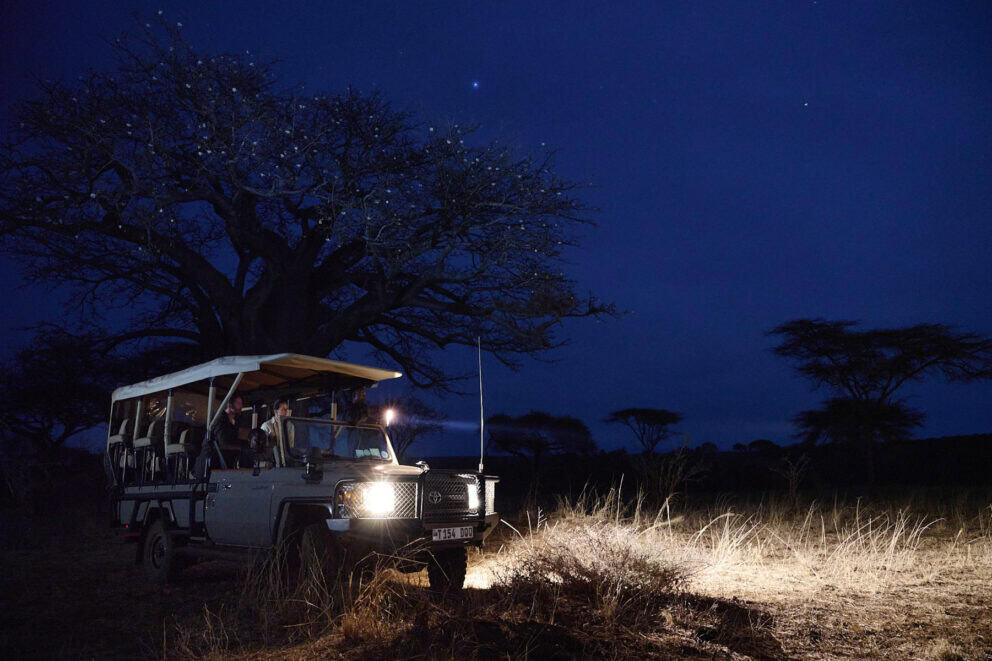
A safari after dark lingers in memory long after sunrise returns.
As the light fades, a hippo slips from the water and begins to graze. There’s something unexpectedly gentle about watching it move on land, those massive feet pressing quietly into the soft earth, completely unhurried. Most people only ever know the hippo as a silhouette in the water. Out here in the dark, you see something different.
The bush around you is wide awake. Leaves brushing, distant calls carrying through the trees, a restlessness that only seems to settle once the sun has gone. It feels, in the best possible way, like something you weren’t supposed to see.
These moments reveal how much of the natural world unfolds outside daylight hours.
Night does not hide the bush. It reveals another side of it.
One that feels older. Calmer. More deliberate.
And once you have experienced it, the memory stays with you.
Curious To Experience The Bush After Dark?
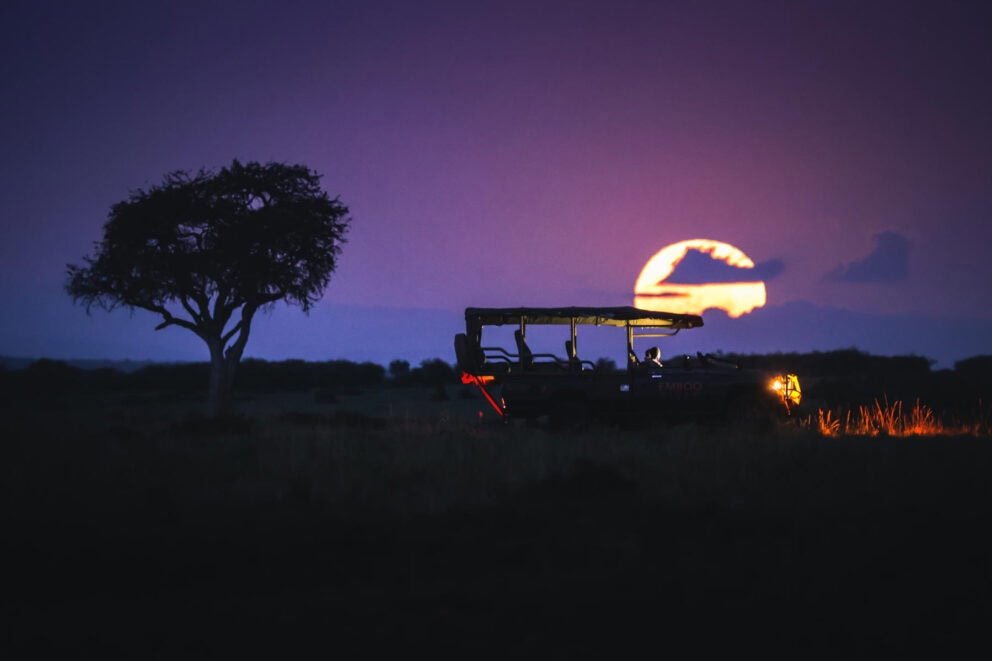
Some of Africa’s most fascinating wildlife moments happen long after the sun has disappeared. Our Africa safari experts know the parks where night drives are permitted and which lodges offer the best opportunities to witness this side of the wild.
Curious to experience the bush on its own terms? Let us help reveal the world that awakens when the sun disappears.

Written by Yamkela Welaphi
• Travel Writer
 Blog List











Written by Yamkela Welaphi
• Travel Writer