

 Email us




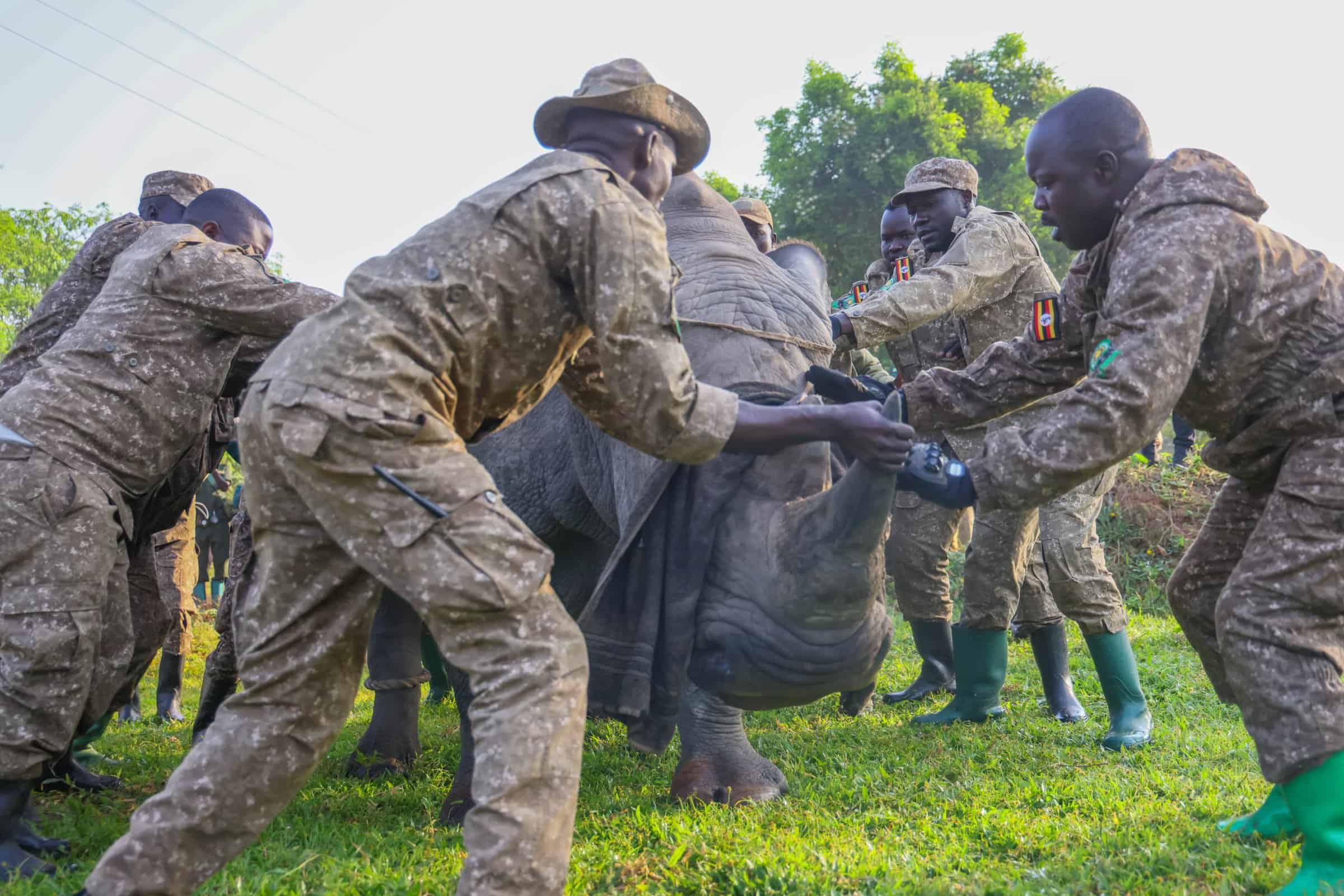
In a monumental move for conservation, the Uganda Wildlife Authority (UWA) has officially commenced the reintroduction of rhinos to Kidepo Valley National Park following a 43-year absence of the species.
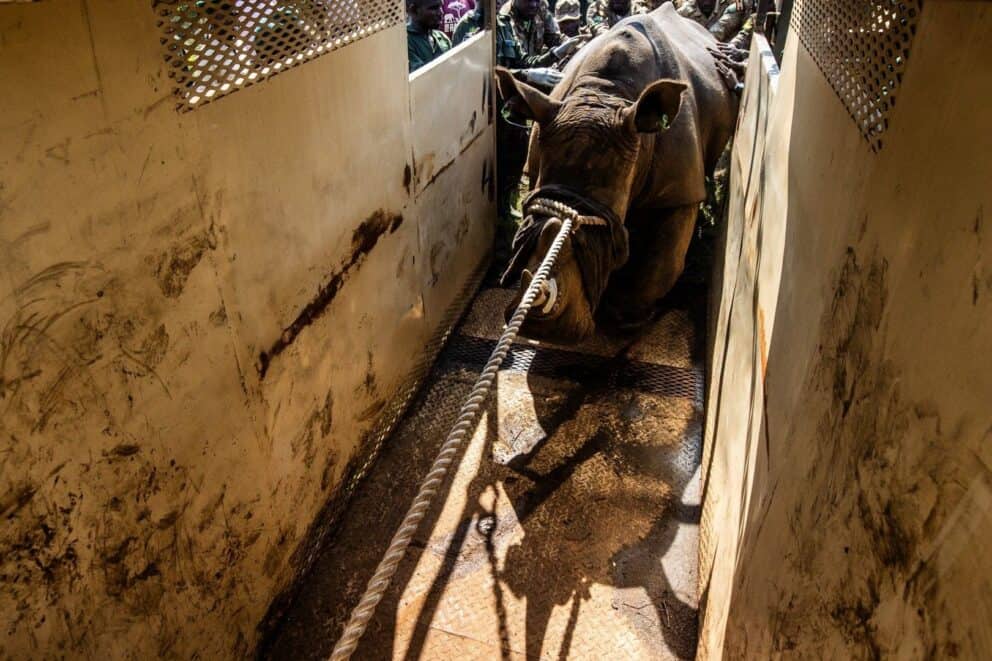
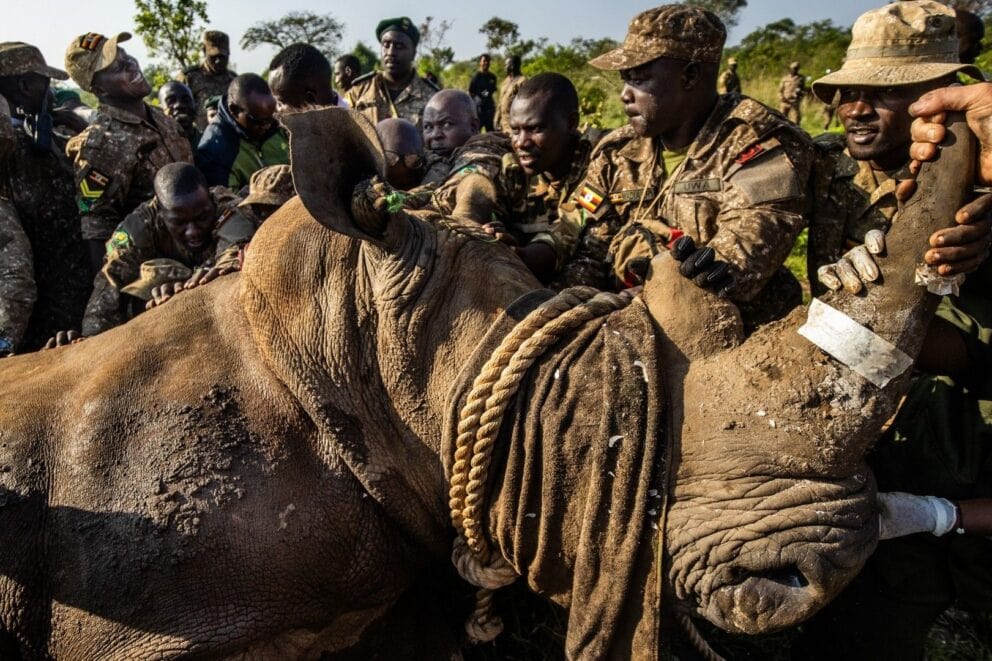
UWA Director, Dr James Musinguzi, flagged off the translocation of the first two southern white rhinos from the Ziwa Rhino Sanctuary – which was previously the only place in the country where you could observe the endangered species. These are the first of a planned group of eight rhinos destined for Kidepo Valley.
“This moment marks the beginning of a new rhino story for Kidepo Valley National Park,” Dr Musinguzi said during the flag-off ceremony. “The translocation is the first step in restoring a species that once formed part of the park’s natural heritage.”
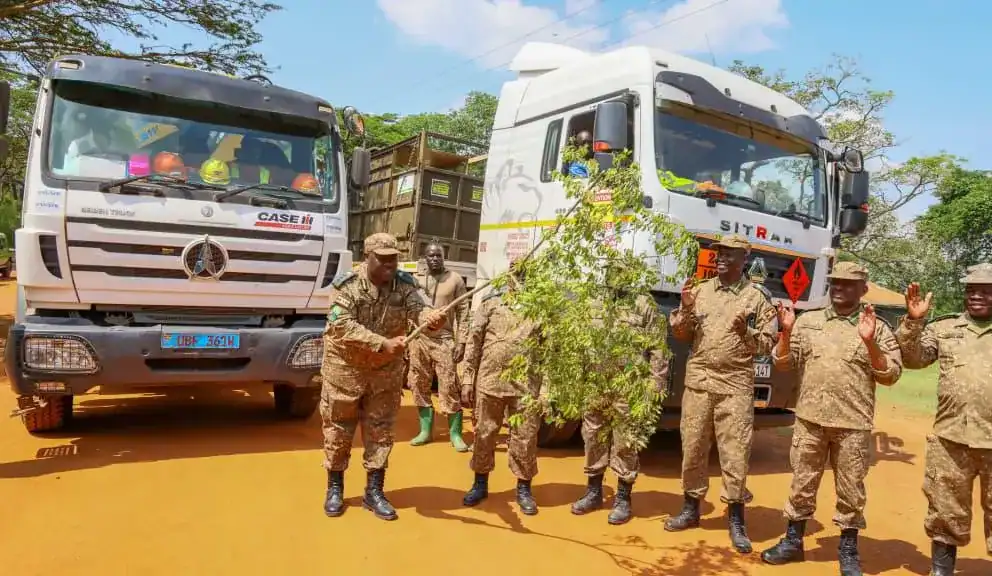
Over time, additional rhinos will be reintroduced to gradually rebuild what Dr Musinguzi calls a “viable and thriving population” in Kidepo. This aligns with Uganda’s National Rhino Conservation Strategy, which provides the framework for restoring rhino populations within their historical range and strengthening long-term rhino conservation in the country.
To ensure their safety, UWA and its partners – including Wild Landscapes East Africa, the Northern Rangelands Trust (NRT), and the Uganda Conservation Foundation (UCF) – have spent years preparing the infrastructure. This includes the establishment of a secure rhino sanctuary supported by perimeter fencing, access roads, firebreaks, ranger facilities, water infrastructure, and monitoring systems to ensure effective protection and management of the animals.
John Makombo, Commissioner for Biodiversity Management, noted that rhinos are a key component of the savannah ecosystem, and their presence will enhance the park’s ecological resilience.
“Kidepo Valley National Park is one of Uganda’s most intact savannah ecosystems, and the reintroduction of southern white rhinos restores a key component of that ecosystem. This reintroduction strengthens not only species recovery but also ecosystem integrity and resilience.”
Upon arrival, the rhinos will be kept in a high-security sanctuary within the park, closely monitored by veterinary teams and armed rangers before a potential wider release.
A Forty-Year Wait
Rhinos were once a common sight across the Kidepo Valley landscapes. However, civil unrest coupled with rampant poaching from the late 1970s and early 1980s decimated the population. The last recorded rhino in Kidepo was killed in the Narus Valley in 1983, leading to the local extinction of the species and ending their presence in the area for over four decades.
The return of the rhinos began in 2005, with the establishment of a breeding programme at Ziwa Rhino Sanctuary. Six southern white rhinos were relocated to the sanctuary, four coming overland from Kenya and two flown over from Disney Animal Kingdom in Florida.
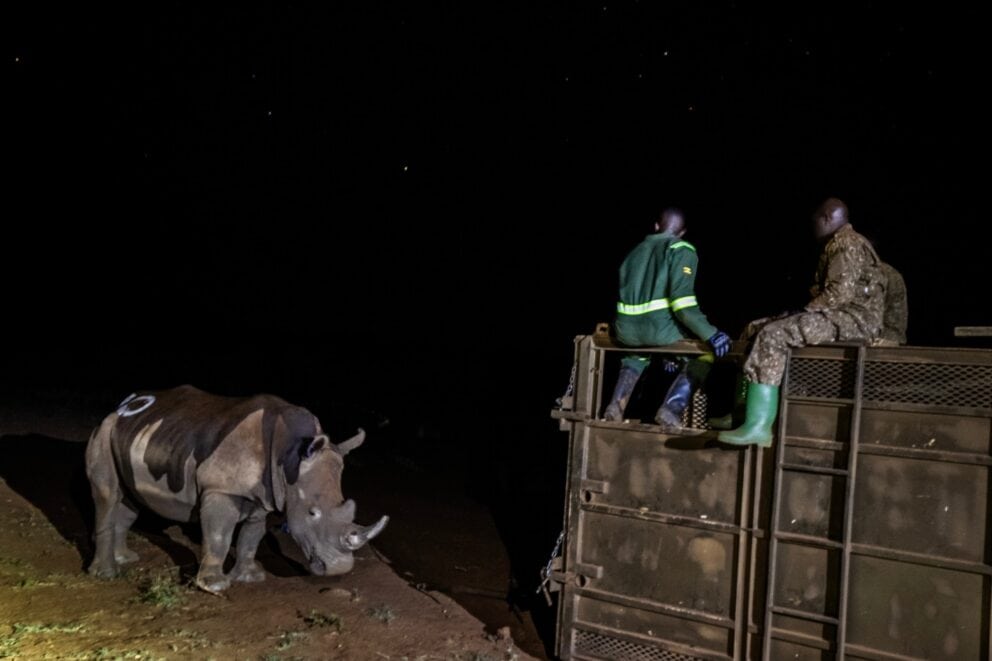
Today, the sanctuary is home to 42 southern white rhinos. The achievements at Ziwa, along with the successful translocation of eight rhinos from South Africa, have enabled the once barren rhino population of Uganda to thrive. Thanks to these intensive conservation efforts, Uganda’s wild rhino population, once completely wiped out, has now grown to 61 individuals. Since their gradual reintroduction, Uganda has not lost any rhinos to poaching, and it boasts one of the highest rhino reproduction and survival rates globally.
The return of rhinos to Kidepo Valley also means it’s a Big Five destination once again. Officials expect the move to significantly boost the park’s profile, drawing international visitors to the remote north of the country.
Experience Kidepo Valley
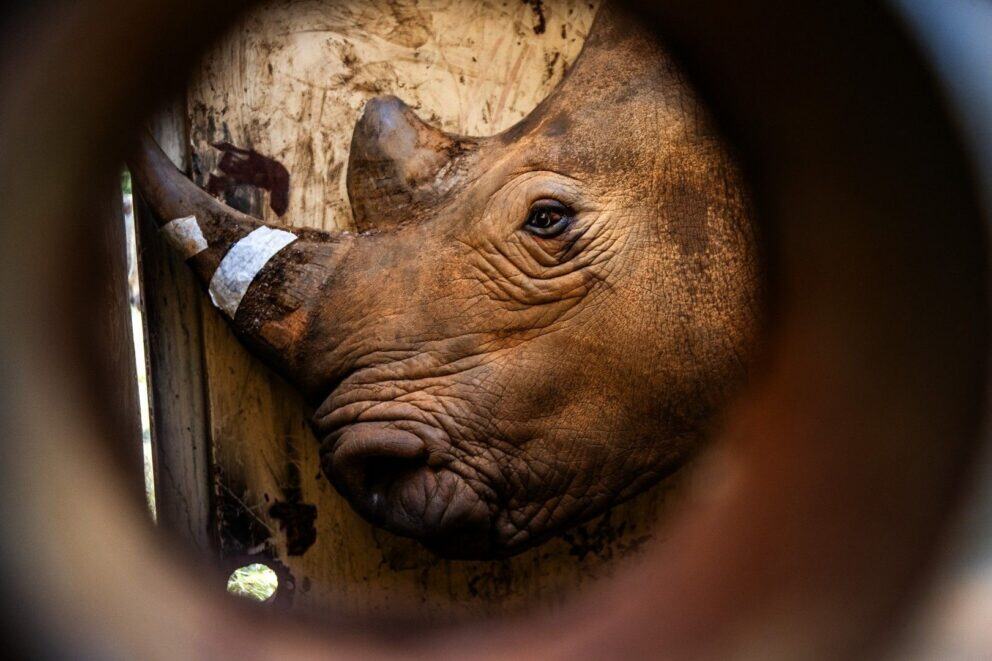
The return of rhinos to Kidepo Valley National Park is expected to strengthen biodiversity conservation, boost the park’s tourism potential, and contribute to Uganda’s broader efforts to restore endangered wildlife species within their historic ecosystems. After their 43-year absence, it is more than just a conservation achievement; it’s a powerful symbol of hope and resilience.

Written by Thaakiera Ackerdien
• Travel Writer
 Blog List












Written by Thaakiera Ackerdien
• Travel Writer
Part of the Uganda Safari Collection