

 Email us




Travel can be many things: restorative, eye-opening, and even exhilarating. However, for the truly immersive explorer, it must also be transformative. It must deepen our understanding of the natural world and leave a meaningful imprint on the places we encounter. In African wildlife conservation, our greatest teachers are often not only the landscapes and species themselves but also the visionaries who have dedicated their lives to protecting them.
These individuals share roadmaps for how we, as travellers, can engage with the world more deeply and responsibly. And, at a time when our only home is under threat from rampant overconsumption, pollution, habitat destruction, and climate change, this guidance is critical. Ultimately, our goal is to guarantee that future generations, who share our passion for nature, will have ample opportunities to appreciate it.
We selected five environmental advocates for their sheer dedication to their respective causes: Sir David Attenborough, Greta Thunberg, Kumi Naidoo, and the late Wangarĩ Maathai and Dr Jane Goodall. Each reveals a profound truth about our relationship with nature, and their lives encourage us to seek experiences that honour the planet’s complexity, uplift local communities, and protect the ecosystems we depend on. Read on to learn their most important lessons for planet Earth.
Sir David Attenborough: The Power of Wonder
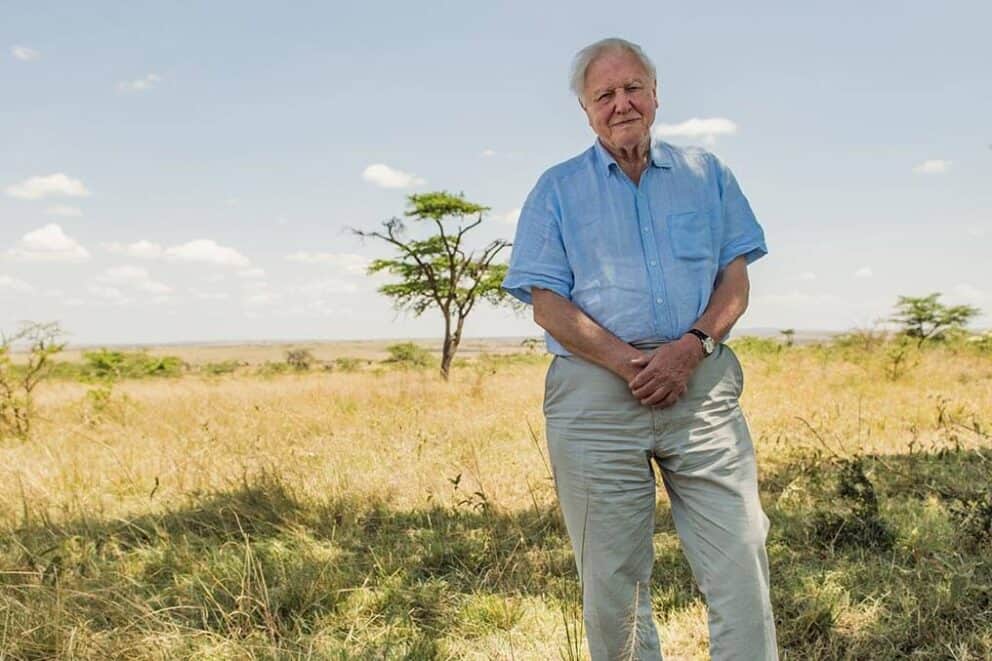
Few voices have shaped our understanding of the natural world more than Sir David Attenborough. For over seven decades, his documentaries have transported global audiences from remote rainforests to the vast savannahs of Africa. Born in 1926, Attenborough began his broadcasting career at the BBC, where he quickly became a pioneering figure in wildlife filmmaking. His work has educated millions and ignited a global passion for biodiversity.
What Sir David Teaches Us
Attenborough’s greatest lesson is deceptively simple: wonder is the beginning of responsibility. His body of work reminds us that curiosity is a powerful catalyst for action. When we truly see the marvels of African wildlife conservation – from the delicate balance of predator and prey to the ancient migrations that define the continent’s rhythm – we cannot help but feel compelled to protect them.
For travellers, Attenborough’s philosophy encourages a shift from passive consumption to active reverence. Immersing ourselves in nature should spark a deeper desire to support its preservation. When we choose experiences that fund conservation, reduce impact, and uplift local custodians, we become part of the protective force he champions.
Dr Jane Goodall: Hope Through Community
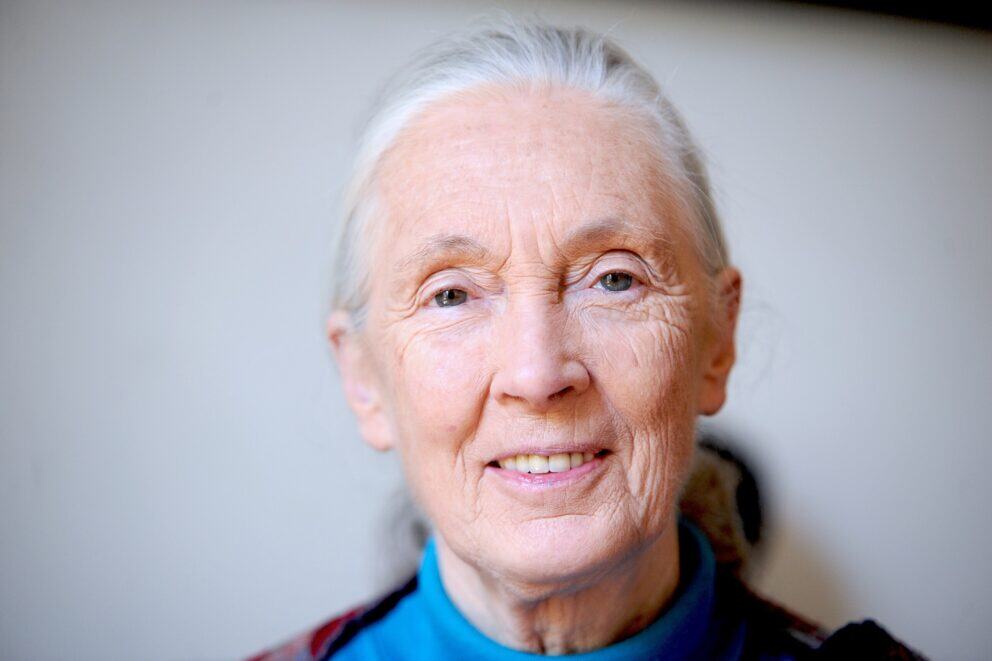
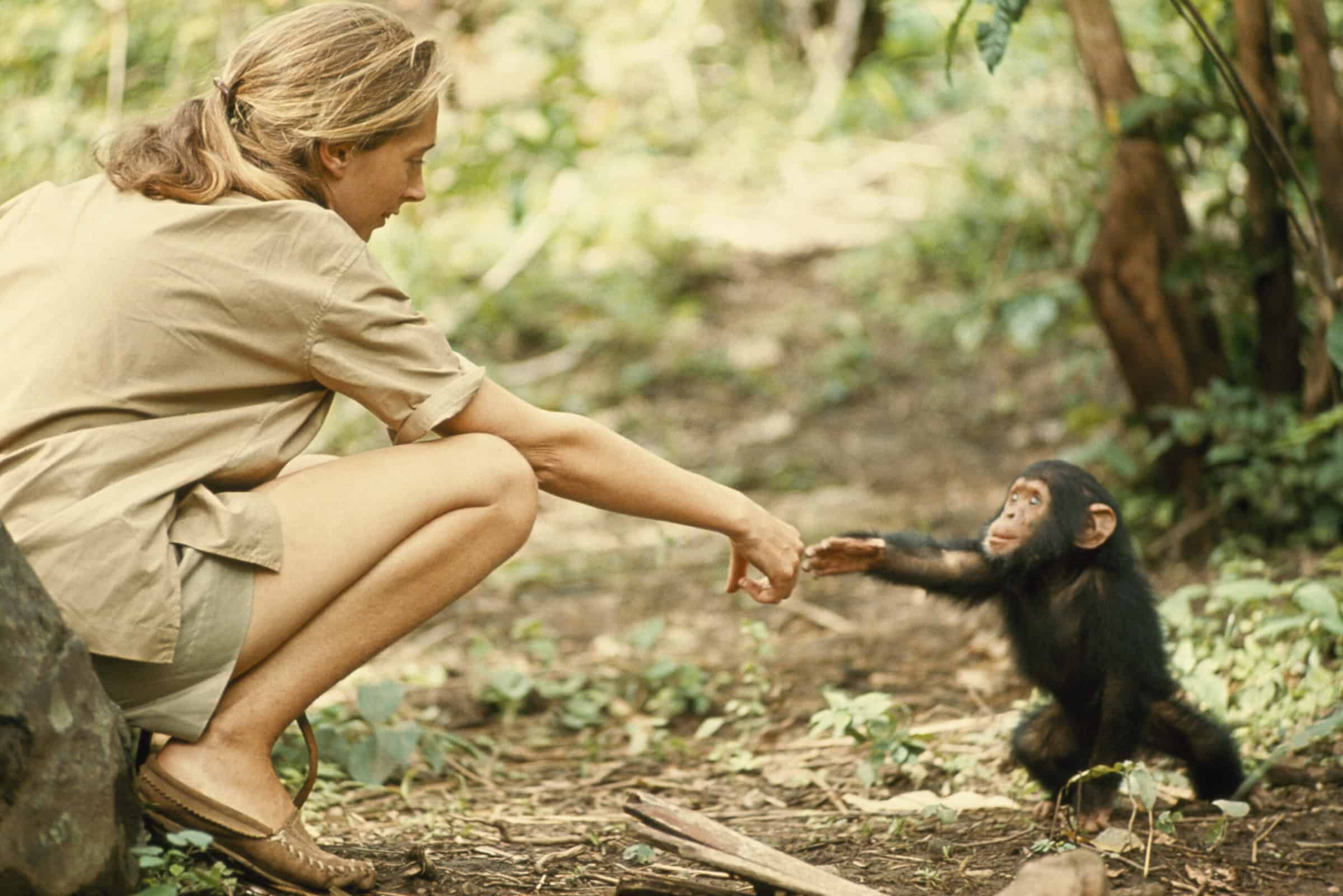
Dr Jane Goodall’s journey began in the forests of Gombe (now Gombe Stream National Park) where her groundbreaking research on chimpanzees revolutionised primatology. Born in 1934 in London, Goodall ventured into what is now Tanzania with little more than determination and a notebook. Her discovery that chimpanzees use tools reshaped scientific understanding and positioned her as one of the world’s most respected conservationists. Over time, however, her mission expanded far beyond research.
What Dr Goodall Teaches Us
Goodall’s most valuable lesson is that lasting conservation grows from within communities. Through the Jane Goodall Institute’s community-centred initiatives – often celebrated as “Jane Goodall Community Conservation” – she revealed that people and nature thrive together when local voices lead solutions. Today, her Roots & Shoots programme empowers young people across Africa and the world to champion environmental stewardship.
Ethical travel is not only about seeing wildlife, but understanding the human stories interwoven with the landscape. When we support lodges, conservancies, and safari experiences rooted in community partnerships, we help build the social foundations that protect endangered species and reduce human-wildlife conflict – solutions Africa depends on.
Goodall’s legacy reminds us that every compassionate choice – every mindful step on a chimpanzee trek, every traveller-funded conservation project – strengthens the future of the wild.
Greta Thunberg: The Courage of Accountability

Greta Thunberg may be the youngest figure on this list, but her influence is seismic. Born in Stockholm in 2003, she launched a global movement with a single school strike outside the Swedish Parliament. Her unwavering insistence on climate accountability has challenged leaders, corporations, and everyday citizens to confront uncomfortable truths about our planetary future.
What Greta Teaches Us
Thunberg’s core lesson is that integrity matters. Her activism demands that we examine not just what we believe, but how we behave. For travellers, this means acknowledging both the privilege and the responsibility that come with exploring the world. Climate change threatens every ecosystem, and Africa’s wildlife is among the most vulnerable. Rising temperatures and shifting rainfall patterns are reshaping habitats, driving species closer to extinction.
Her legacy encourages us to reduce emissions where possible, support sustainable ecotourism in Africa, and choose experiences that contribute to habitat protection rather than degradation. Even the smallest intentional decisions – opting for longer, slower journeys, supporting rewilding projects, or choosing eco-certified accommodation – become acts of climate solidarity.
By travelling mindfully, we honour the urgency Greta has brought to the forefront of global awareness.
Wangarĩ Maathai: Healing Through Restoration
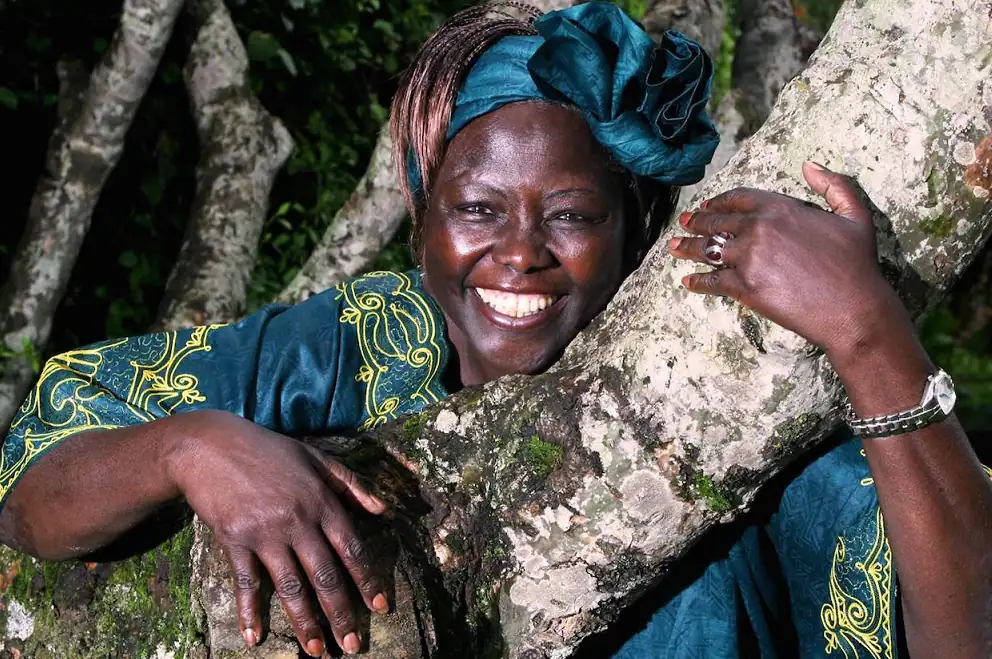
Wangarĩ Maathai, born in Kenya in 1940, was a scholar, environmentalist, activist, and the first African woman to win the Nobel Peace Prize. She founded the Green Belt Movement in 1977, an initiative that mobilised women to plant trees, restore ecosystems, and reclaim agency over their land in the face of gender discrimination. Her work intertwined environmental protection with social justice, revealing that ecological degradation is inseparable from community well-being.
What Maathai Teaches Us
Maathai’s greatest lesson is that healing the earth begins with small, restorative acts. Her belief in the quiet resilience of natural systems offers a profound perspective for travellers: conservation is not always heroic or dramatic. Often, it is the collective impact of simple actions like planting trees, reducing waste, supporting local artisans, and engaging in conservation-minded travel that creates generational change.
Her teachings speak deeply to those seeking meaning in their journeys. Maathai understood that landscapes are living archives of history and memory, and that to protect them is to honour the communities they sustain. For travellers exploring Africa’s wild spaces, her legacy invites us to engage with conservation from the soil up. Every guided walk, every community-run conservation project, and every choice to support endangered species contributes to the living tapestry she sought to protect.
Kumi Naidoo: Justice as Conservation
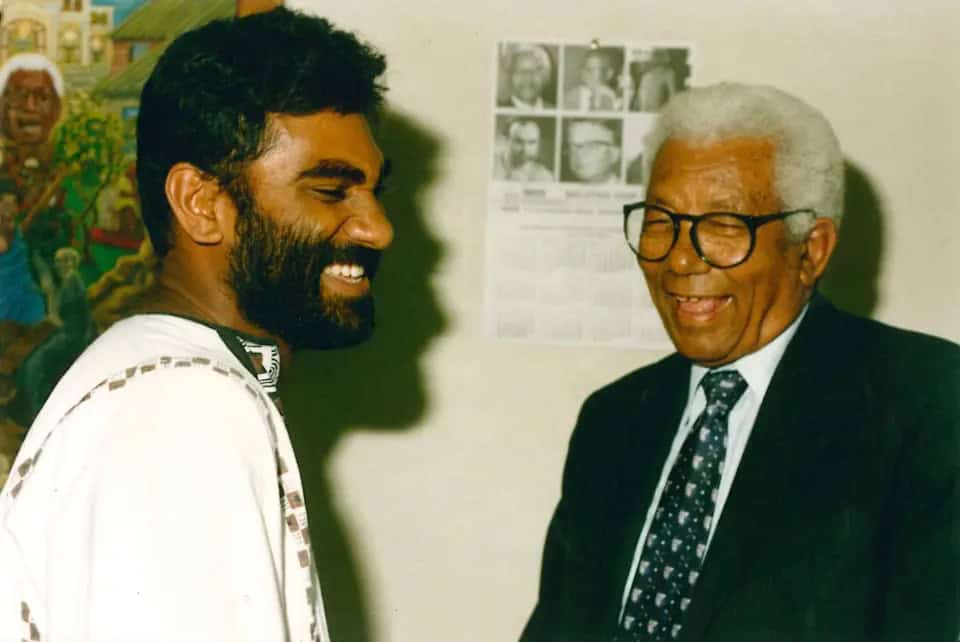
Kumi Naidoo, born in Durban in 1965, is a South African human rights advocate and environmental leader known for his work with Greenpeace International and Amnesty International. His activism was shaped during the struggle against apartheid, grounding his conservation ethos in the belief that environmental rights are inseparable from human rights. He currently serves as the president of the Fossil Fuel Non-Proliferation Treaty Initiative.
What Naidoo Teaches Us
Naidoo’s lesson is bold and essential: conservation is an act of justice. Climate change disproportionately affects those least responsible for it, and biodiversity loss threatens the livelihoods of communities across Africa. Naidoo urges us to expand our understanding of environmentalism beyond wildlife alone. True African wildlife conservation lessons must address power, equity, and the social conditions that make ecosystems vulnerable.
Naidoo’s perspective challenges us to travel with awareness. Choosing ethical safari operators and positive impact safaris, supporting community-owned conservancies, and engaging in experiences that respect local rights ensures that our journeys contribute to a more equitable future. His work reminds us that protecting wildlife is only sustainable when the people who share the land are empowered to thrive.
Travelling With Purpose: Lessons We Carry Forward
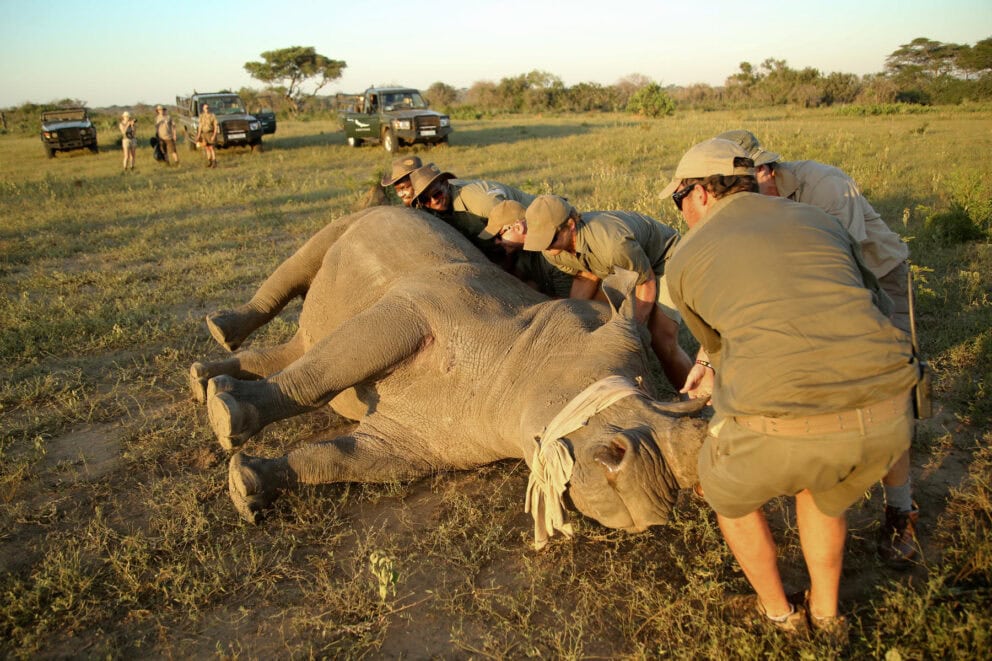
Each of these five environmental heroes offers a distinct but interconnected message: nature demands not only admiration but also participation. To witness Africa’s iconic wildlife is a privilege, but the deeper journey is learning how to travel in a way that strengthens the ecosystems and communities that sustain it.
For travellers like you, this is where transformation begins. African wildlife conservation is not just for scientists, politicians, and activists. Instead, it’s a mindset we carry into every decision, every encounter, and every journey. Whether you stand beneath the ancient baobabs of Tanzania, follow a tracker through the Okavango Delta, or watch elephants cross the Zambezi River at dusk, your presence can be part of a much greater healing.
Experience Sustainable Travel in Africa
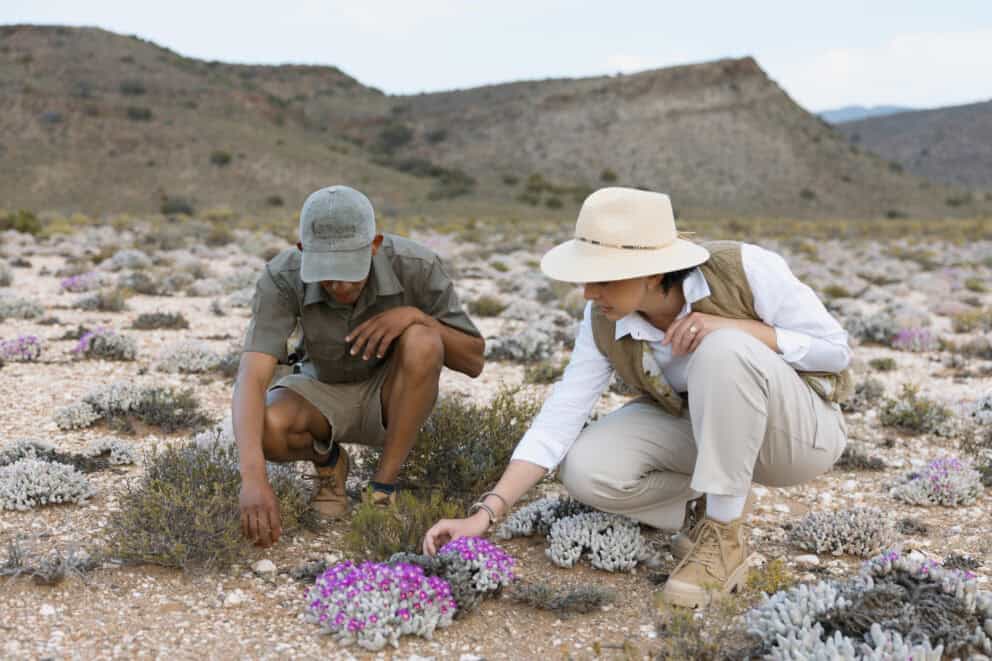
If you feel inspired by the lessons of these remarkable individuals, the next step is to travel with intention. Choose safari experiences that champion conservation and empower local communities. Seek out guides who share ecological knowledge, stay in lodges that reinvest in habitat protection, and support initiatives that mitigate human-wildlife conflict. Allow every journey to become an act of stewardship.
At Discover Africa, we curate safari experiences that align with these values – journeys crafted for travellers who believe that exploration should enrich not just themselves, but the world they encounter. Speak to one of our safari experts today to begin your own journey of nature conservation.

Written by Micky Baker
• Travel Writer
 Blog List












Written by Micky Baker
• Travel Writer