

 Email us




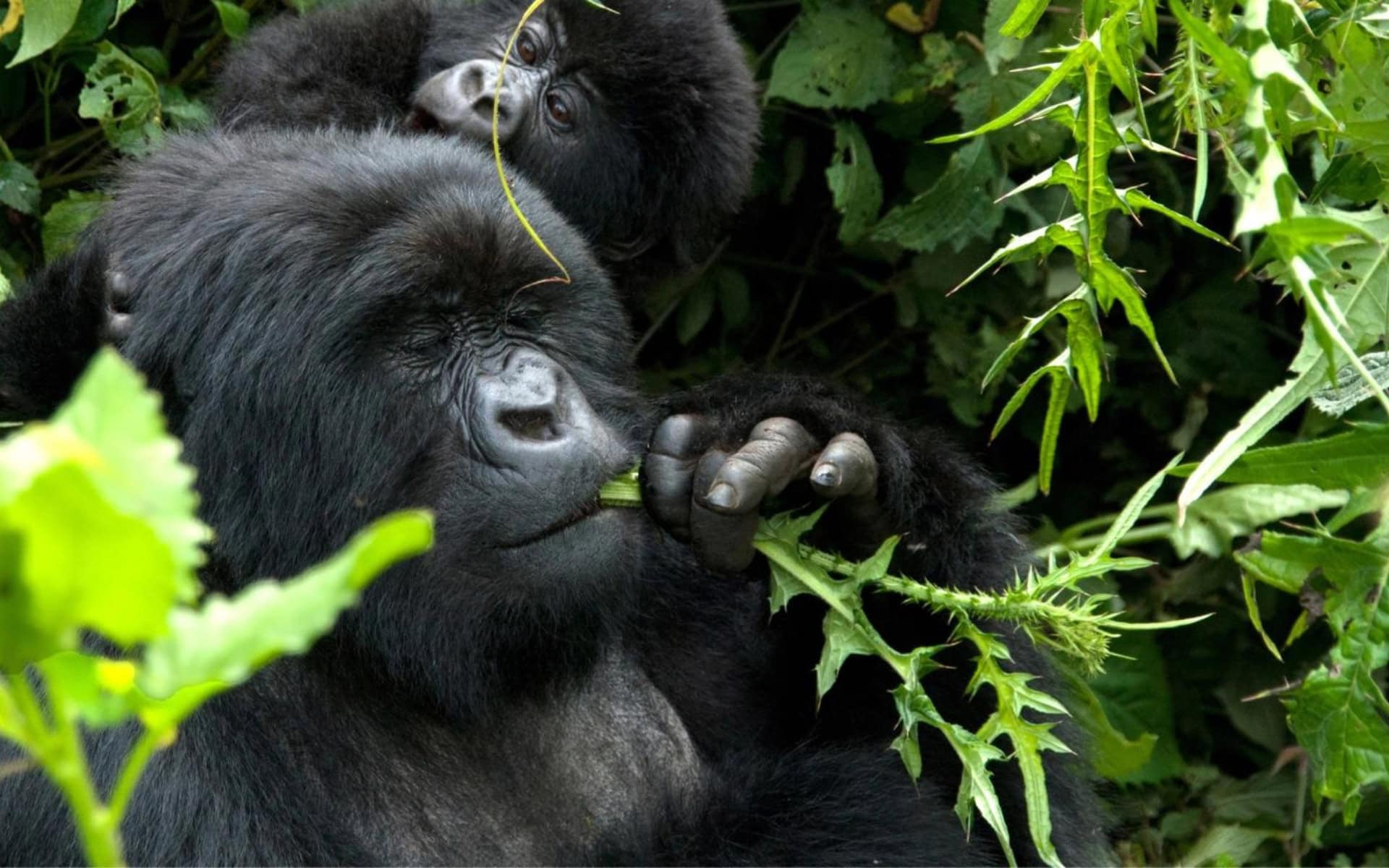
The question usually comes before anything else. Before the flights, before the permits, before the forest itself: Is gorilla trekking ethical?
It lingers in the background, shaping how you see the experience before you even take the first step.
Gorilla trekking isn’t just about observing wildlife; you’re stepping into a space shaped by protection, restraint, and careful human presence.
And that’s where the story begins.
Is Gorilla Trekking Ethical: A Reality Shaped By Protection
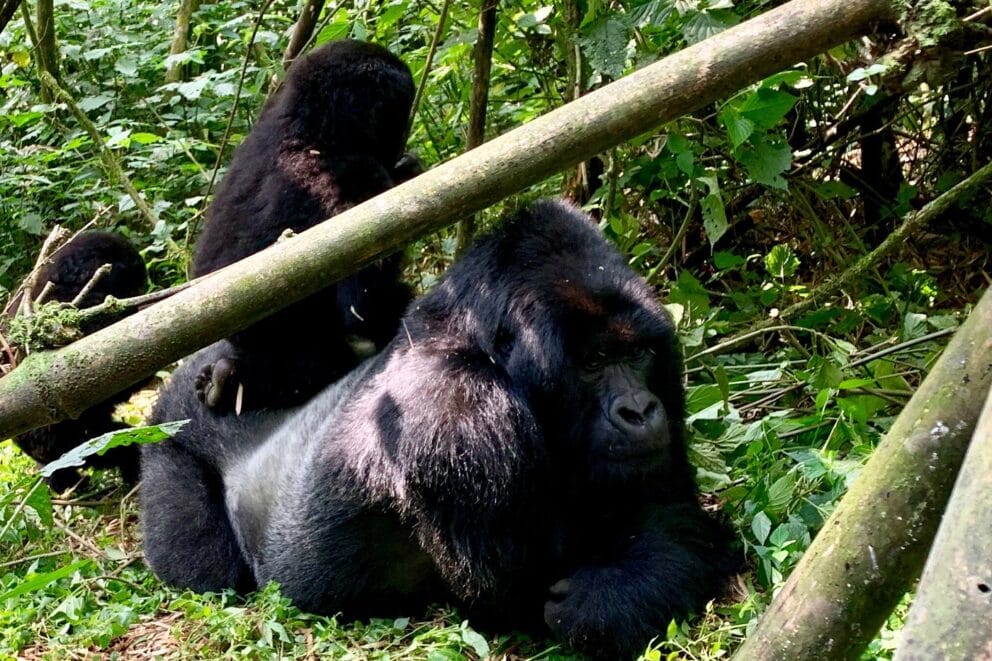
The question of whether gorilla trekking is ethical cannot be answered without understanding what came before.
Across places like Uganda and Rwanda, mountain gorillas once faced severe decline. Habitat loss, poaching, and instability pushed populations dangerously low.
Protected areas such as Bwindi Impenetrable Forest in Uganda and Volcanoes National Park in Rwanda became central to survival efforts. Selected gorilla families were gradually habituated to human presence, not for spectacle, but for protection and long-term monitoring.
Tourism entered later, with strict limits in place. It didn’t create conservation, but it became part of what sustains it.
“Gorilla trekking can be ethical when it supports conservation, respects wildlife, and benefits local communities. It plays a vital role in protecting the species by raising awareness and generating income for local populations, who might otherwise rely on unsustainable hunting for their survival.”Expert Insight


The Impact of Tourism on Gorilla Population Growth
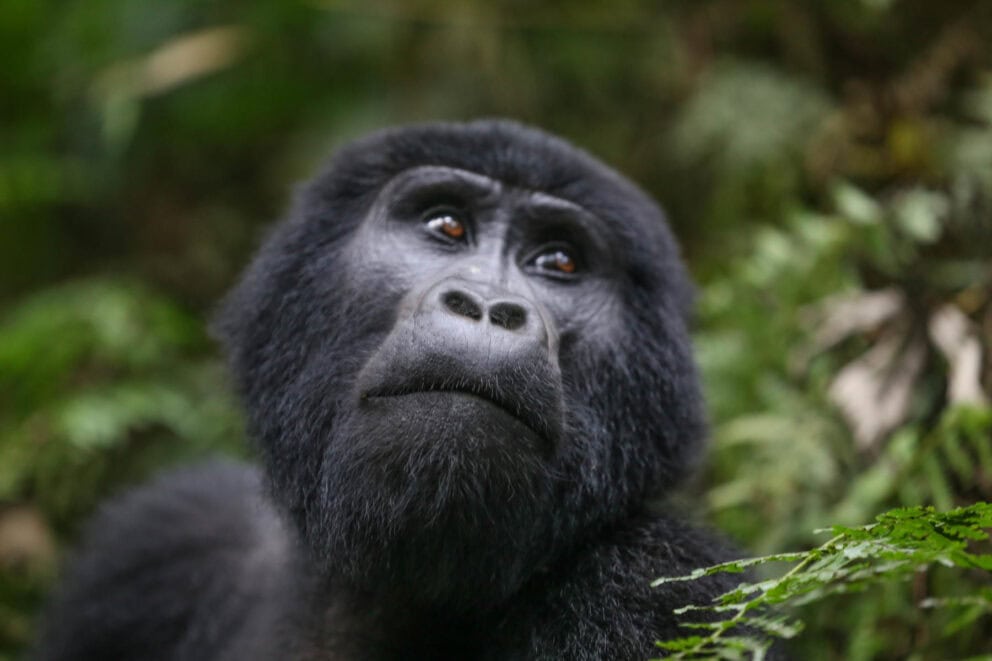
When you ask, ‘Is gorilla trekking ethical?’, you’re also asking whether this type of tourism supports conservation efforts instead of hindering them.
The impact of tourism on gorilla population growth is reflected in one clear number: approximately 1,063 mountain gorillas today – this is an increase of 73% since 1989.
That figure represents decades of coordinated conservation efforts, supported in part by regulated tourism. Before going gorilla trekking, you need to obtain a permit. Permit revenue contributes to:
- Ranger patrols in remote forest areas
- Monitoring of gorilla families over time
- Veterinary care when intervention is needed
- Protection of critical habitat
This system relies on consistency. Not volume, but controlled, repeatable support.
Where the Permits Make a Difference
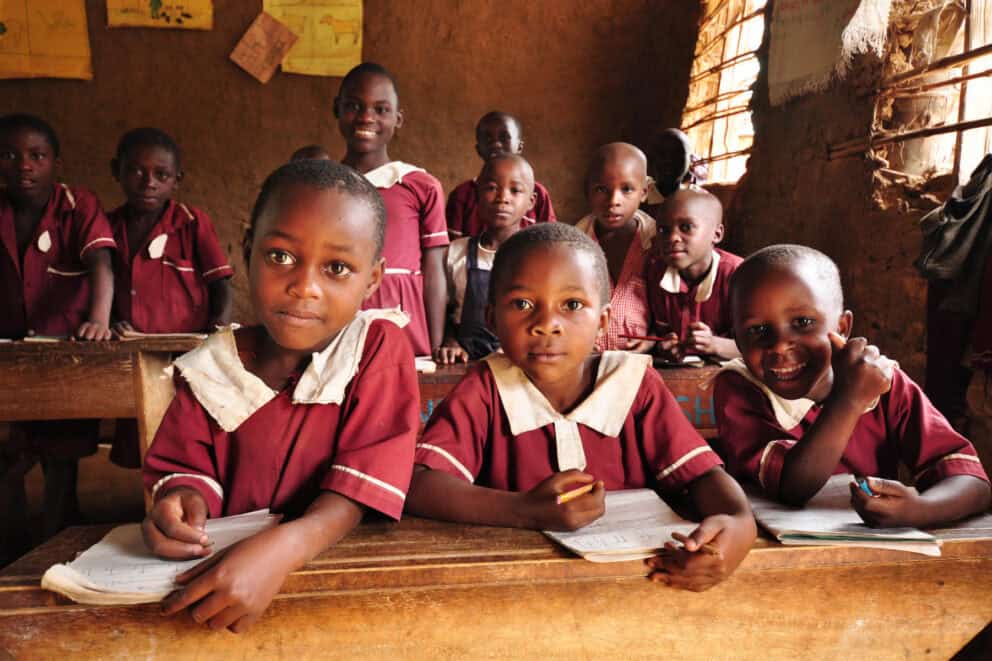
In Uganda, permit revenue plays a defined role.
A portion of each permit fee is legally shared with local communities surrounding parks like Bwindi and Mgahinga. Specifically, 20% of park entry revenue is allocated to these communities.
That funding supports schools, healthcare, and local infrastructure, while also strengthening the connection between local people and conservation.
In Rwanda, a similar model reinforces the idea that protecting wildlife and supporting people are part of the same system. This is where the ethics become visible in daily life.
The Power of a Porter: Often hailing from the very villages that border the park, porters can provide vital trekking support, such as carrying bags and equipment and assisting across muddy slopes. For local communities, it’s a direct injection of fair wages that further involves locals in conservation.
Is Gorilla Trekking Safe?
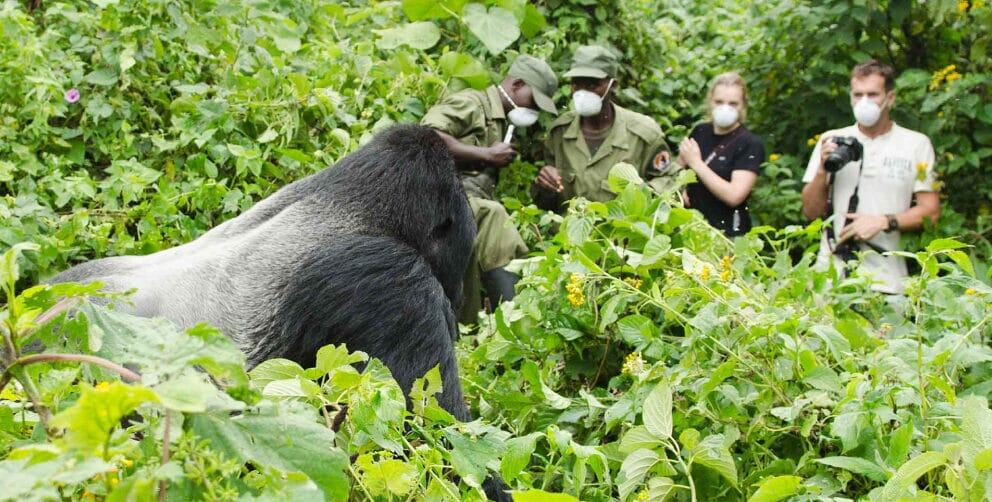
When considering if gorilla trekking is ethical, safety plays a quiet but important role.
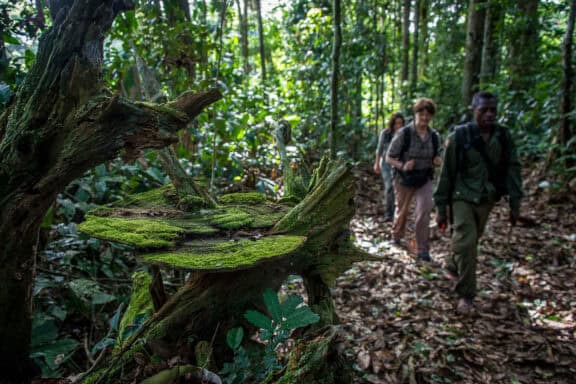
For travellers, the experience is managed and guided. You’re accompanied by trained guides and rangers who understand the terrain, the animals, and the protocols.
To reduce the risk of disease transmission, current guidance includes:
- Maintain a safe distance (7-10 m/23-33 ft).
- Wear a surgical mask during the encounter to reduce the transmission of respiratory illnesses.
- Avoid trekking if you’re unwell.
- Follow all guide instructions without deviation.
Gorilla trekking is also generally only available to people 15 years and older.
These measures are not symbolic. They’re part of what keeps both humans and gorillas safe.
Is Gorilla Trekking Dangerous?
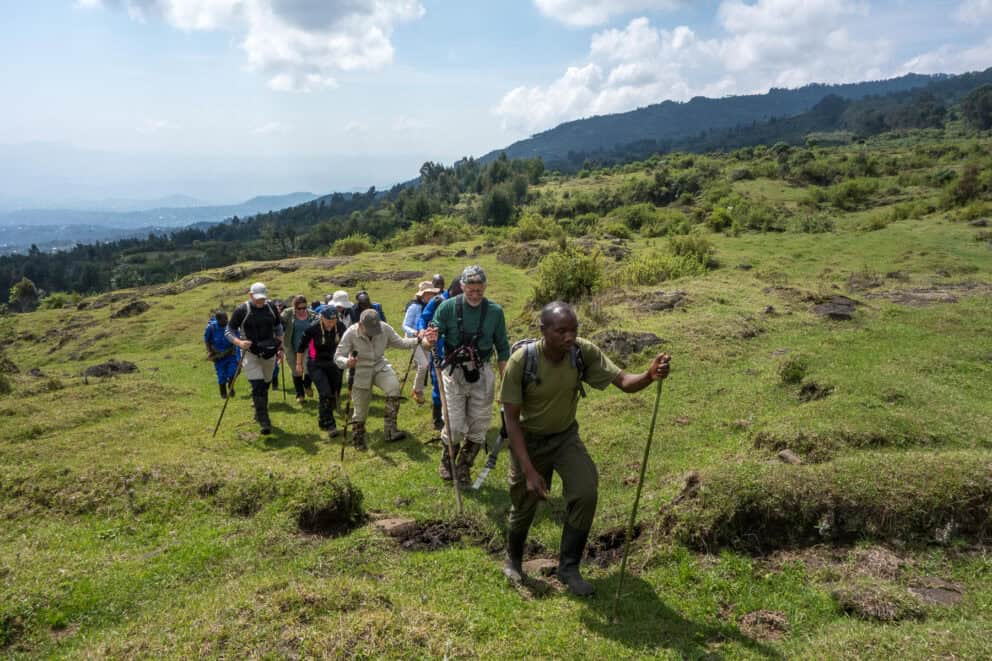
The terrain can be physically demanding. Slopes, dense vegetation, and weather all play a role. But encounters with gorillas are carefully managed.
Guides observe behaviour closely, interpreting signals and adjusting the group’s position as needed. The animals are not tame, but they are understood within this context.
There is structure in how these moments unfold.
A Different Landscape in the Republic of the Congo
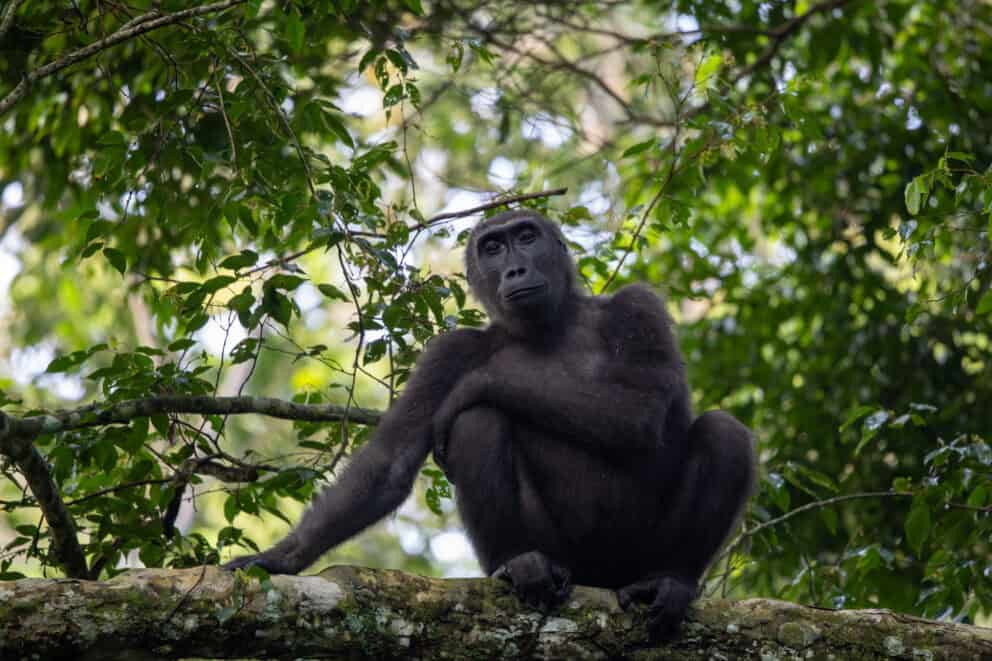
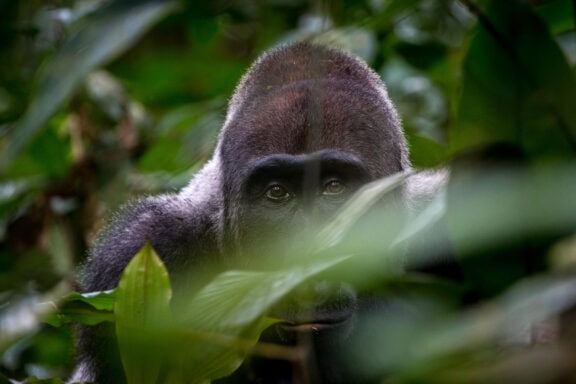
In the Republic of the Congo, the experience shifts. Here, you encounter western lowland gorillas (gorilla gorilla gorilla), a different species from the mountain gorillas of Uganda and Rwanda. This distinction matters.
Western lowland gorillas live in denser, lower-altitude rainforests, and their behaviour, movement, and habitat use differ from mountain gorillas.
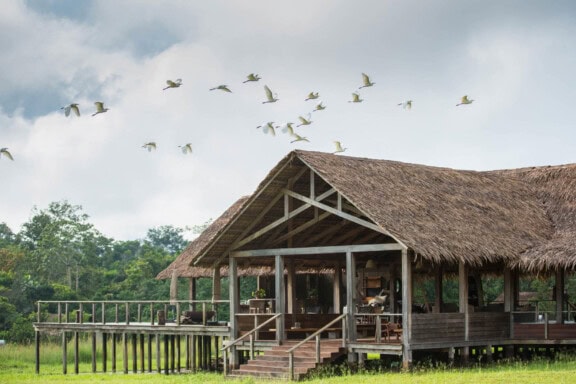
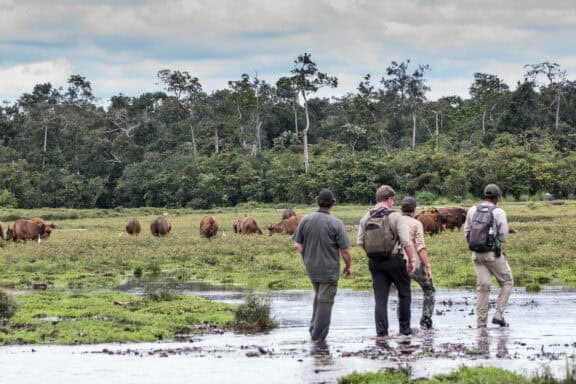
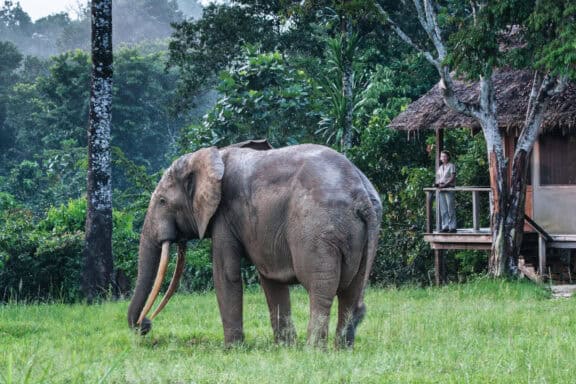
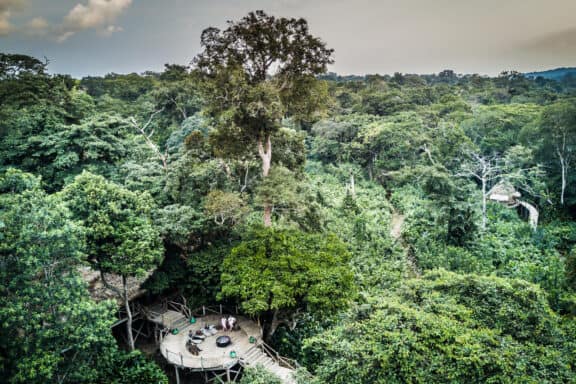
In places like Odzala-Kokoua National Park, the forest feels less structured, less visited, and more unpredictable.
Tourism operates at a smaller scale here, which reduces pressure on wildlife but also means conservation funding is less directly tied to visitor numbers.
Forests That Hold More Than Gorillas
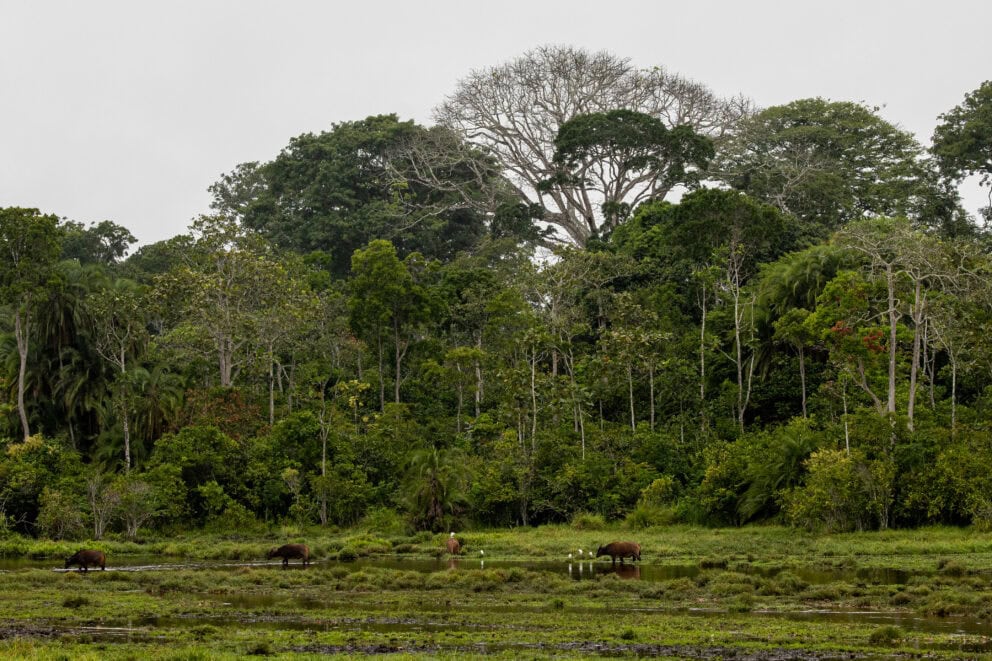
The question of gorilla trekking ethics goes beyond the animals themselves.
Across regions like Volcanoes National Park, reforestation and conservation efforts continue to restore and protect damaged ecosystems.
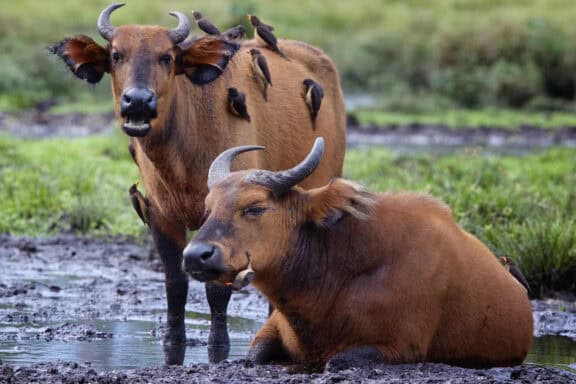
In parts of the Republic of the Congo, vast rainforest systems remain intact, forming one of the most important ecological regions on the planet.
Protecting gorillas means protecting everything around them, including the forest systems that sustain them.
Is Gorilla Trekking Ethical: A Grounded Answer
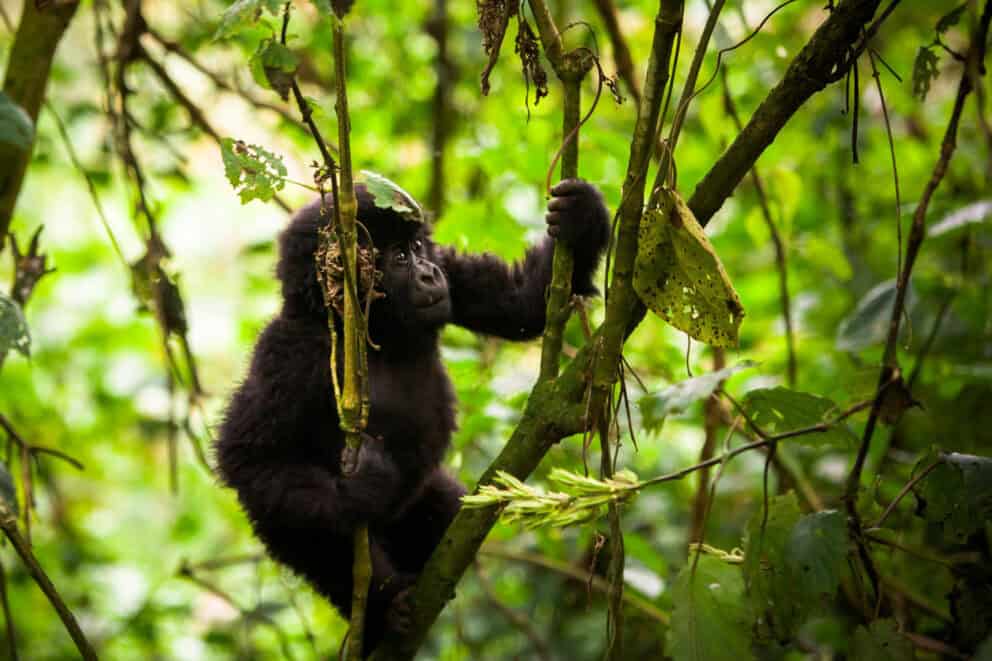
So, is gorilla trekking ethical?
It is when it operates within a system that prioritises protection over access and responsibility over convenience.
The ethics live in the details:
- How permits are structured
- How rules are enforced
- How communities benefit
- How travellers show up in the space
This is not a passive experience. It requires awareness, restraint, and respect. And in return, it offers something that stays with you long after you leave the forest.
Before You Decide
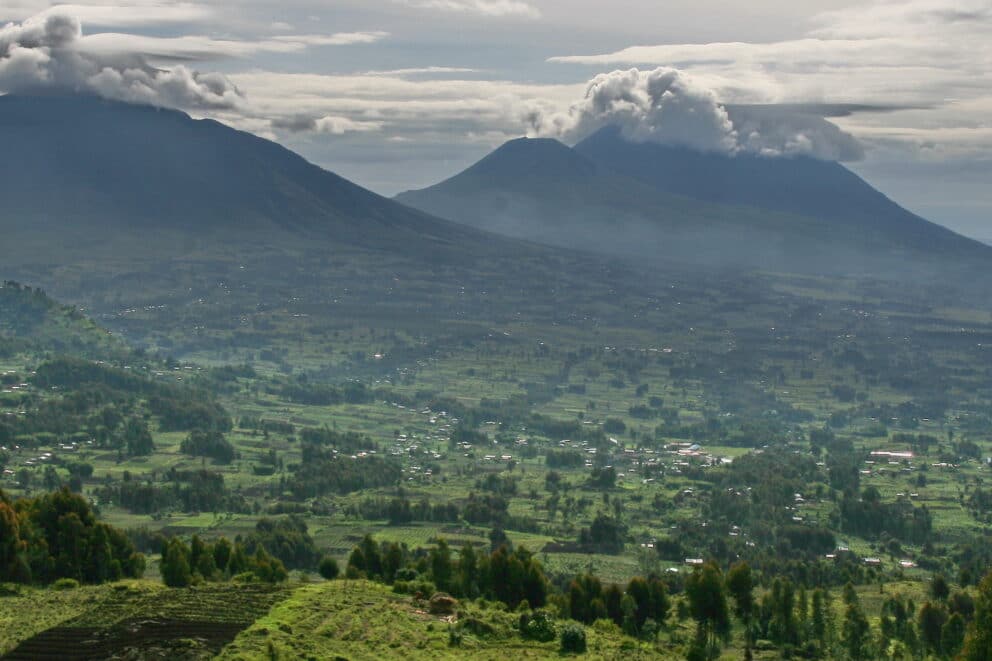
If you’re asking if gorilla trekking is ethical, you’re already engaging with it in the right way. This is not something to rush. It’s something to understand, to sit with, and to approach with intention.
If you go, you’ll remember the moment you first see them. But you’ll also carry the awareness of what made that moment possible.
When you’re ready, speak to someone who knows the details behind the experience. Not to book quickly, but to choose carefully.
Because the forest doesn’t ask for much. Only that you show up with care and leave it better than you found it.

Written by Yamkela Welaphi
• Travel Writer
 Blog List















Written by Yamkela Welaphi
• Travel Writer
Part of the Congo Safari, Rwanda Safari, Uganda Safari & Mountain Gorilla Trekking Collections