



What are you looking for?

Hello traveller!

It's in Cape Town now.

We're sorry. Our safari planners aren't available now. Our office hours are 08:00 - 19:00 (GMT+2).

Call us to speak to an experienced safari planner.


Alternatively, we recommend...

travel-form-icon

Complete our travel enquiry form to connect with a safari planner

ENQUIRE TODAY

Kruger National Park Safaris

Africa's best authentic tailor-made safaris

This is where Africa slows your breath, where the land stretches wide and ancient, and where wildlife moves to rhythms unchanged for centuries.

As one of the most celebrated wilderness areas on the continent of Africa, Kruger National Park holds a special place in the imagination of travellers dreaming of their first safari, and for good reason. It’s vast, diverse, deeply protected, and endlessly rewarding.

Whether this is your first time in Africa or a long-held return, Kruger feels both grounding and quietly thrilling.

A Park Shaped by Time

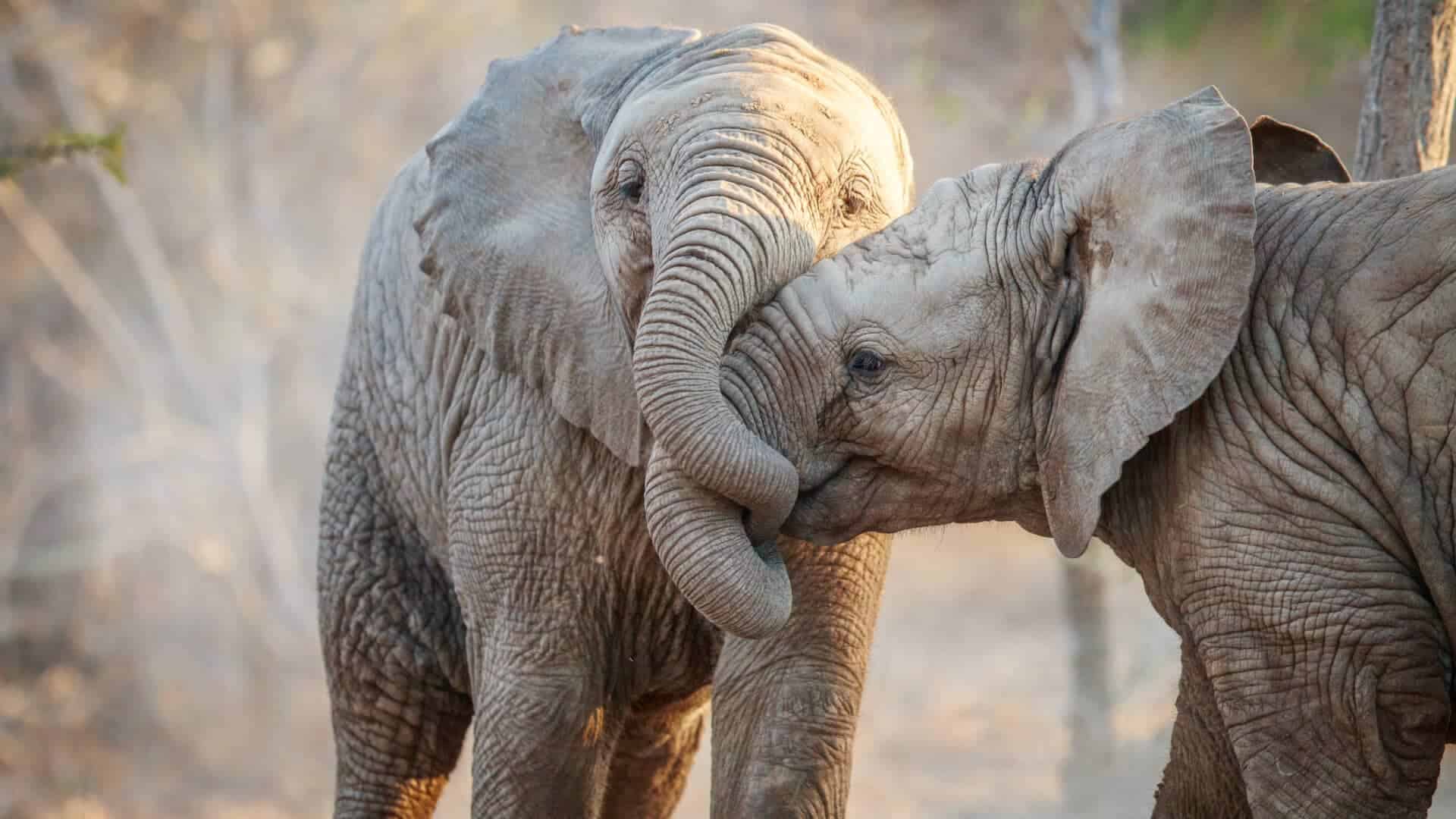
Elephants in South Africa's Kruger National Park
Its origins lie in early conservation efforts to preserve wildlife already under threat more than a century ago. | Photo: Jabulani

With roots going back to 1898, Kruger National Park began as the Sabi Game Reserve. It was proclaimed in 1926, making it one of the oldest protected areas in Africa. Its origins lie in early conservation efforts to preserve wildlife already under threat more than a century ago.

Today, that vision lives on, not as a museum of nature, but as a living, breathing ecosystem.

How Many Acres is Kruger National Park?

Wild dogs sighting on Game Drive in Kruger National Park
Wild dogs sighting on Game Drive in Kruger National Park. | Photo: Sabi Sabi

Almost five million acres of rivers, savannahs, forests, and granite outcrops. Kruger National Park stretches across nearly 20,000 square kilometres. Few places on Earth offer this scale of uninterrupted wilderness, and fewer still do it with such care.

Conservation You Can Feel, Not Just Hear About

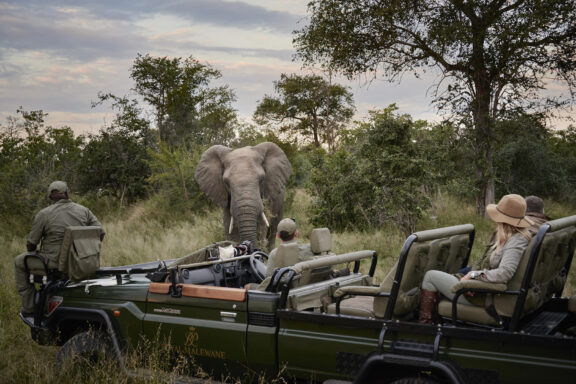
View of elephants from safari vehicle at Kruger National Park
For guests, this care is subtle, never performative. | Photo: Lion Sands Tinga Lodge

Kruger’s beauty isn’t accidental. It’s protected every day through hands-on conservation in action. Anti-poaching units work quietly behind the scenes, using advanced technology, trained rangers, and community partnerships to safeguard wildlife, especially rhinos.

Rhino protection here is real, ongoing, and deeply personal to the people who call this landscape home. For guests, this care is subtle, never performative. You’ll feel it in the confidence of your guide, the calm of the land, and the knowledge that your presence supports protection.

This is responsible elegance, where conservation and comfort coexist naturally.

Understanding the Kruger Ecosystem

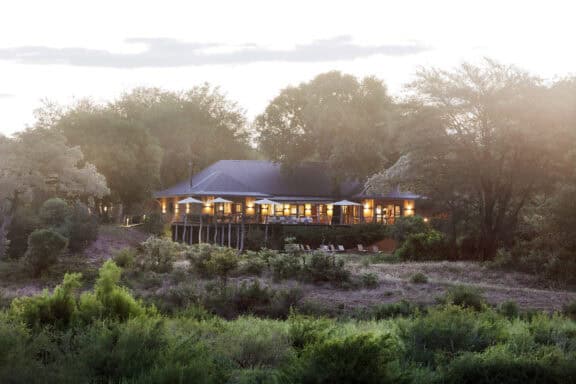
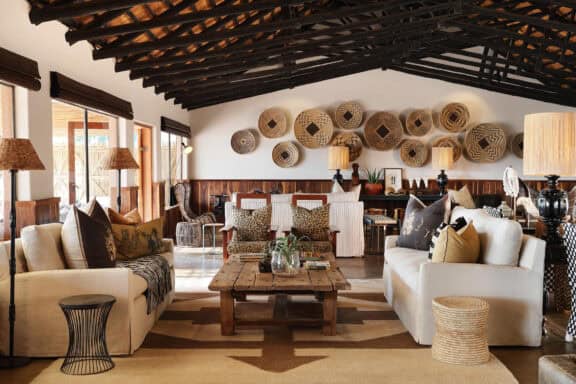
Jock Safari Lodge Guest Experience | Photo: Jock Safari Lodge
The national park itself is publicly managed, with a wide network of roads and rest camps. | Photo: Jock Safari Lodge

Kruger isn’t one experience; it’s many, layered across regions and habitats. Rivers like the Sabie, Olifants, and Limpopo create lifelines for wildlife, while grasslands and woodlands support vast herds and elusive predators.

It’s also important to understand the difference between Kruger National Park and its private concessions, which together are called the Greater Kruger. The national park itself is publicly managed, with a wide network of roads and rest camps.

Bordering it are private reserves, many of which have unfenced boundaries with the national park. The same wildlife is shared in both areas, but you’ll find fewer vehicles in a private reserve, offering a more personalised experience.

In private reserves, off-roading is permitted to get closer to sightings, something not allowed in the public park.

Many Kruger National Park safaris combine both worlds: the scale and biodiversity of the park with the intimacy and ease of a private setting.

The Big Five, and So Much More

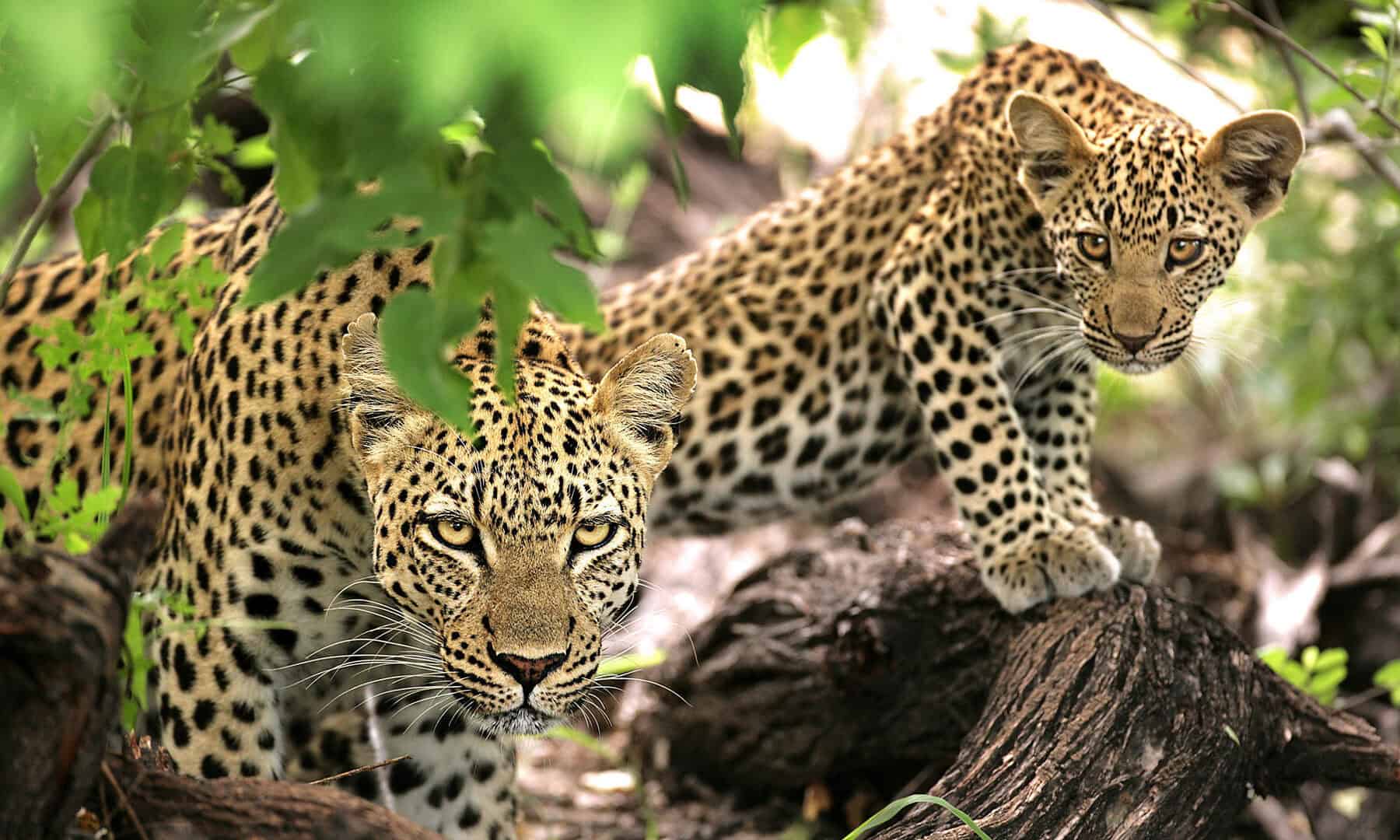
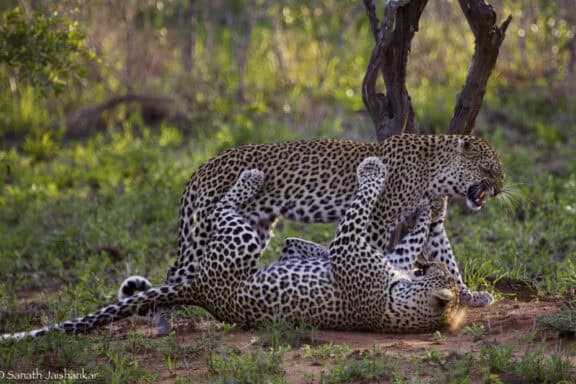
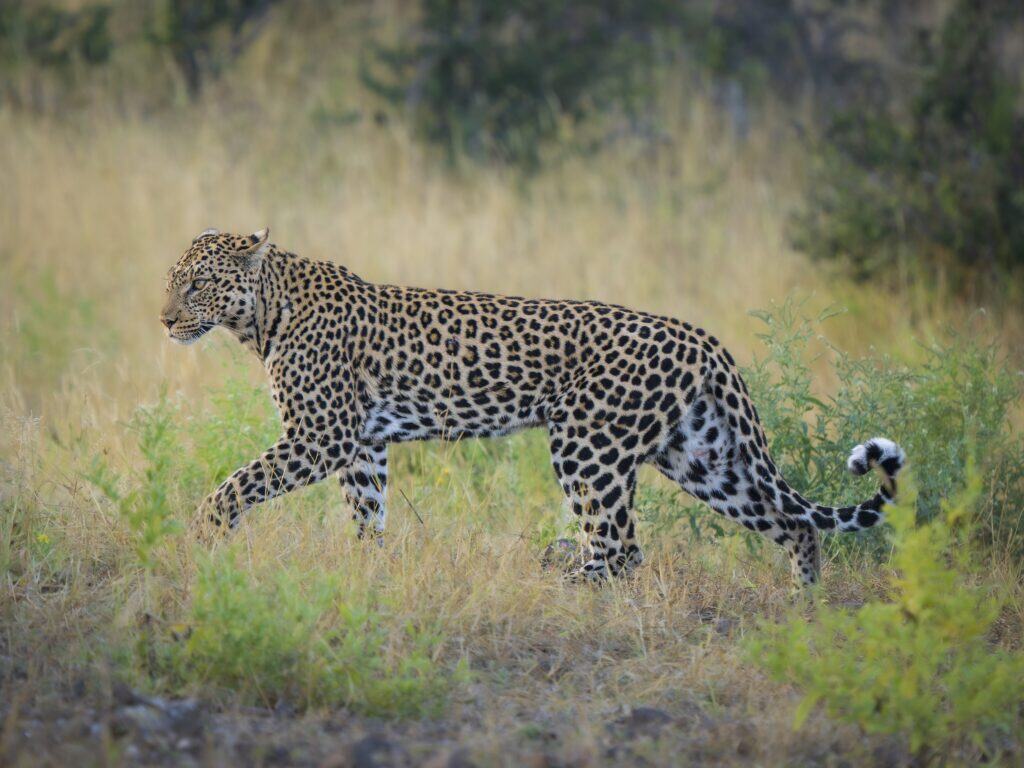
Game Drive encountering a leopard in the bush
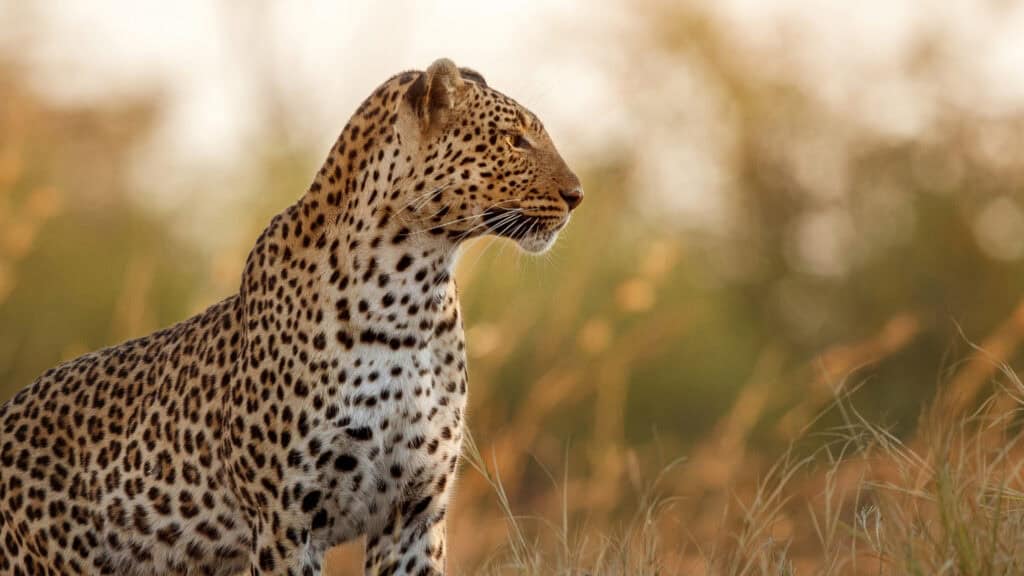
Here, leopards melt into trees. | Photo: Lion Sands

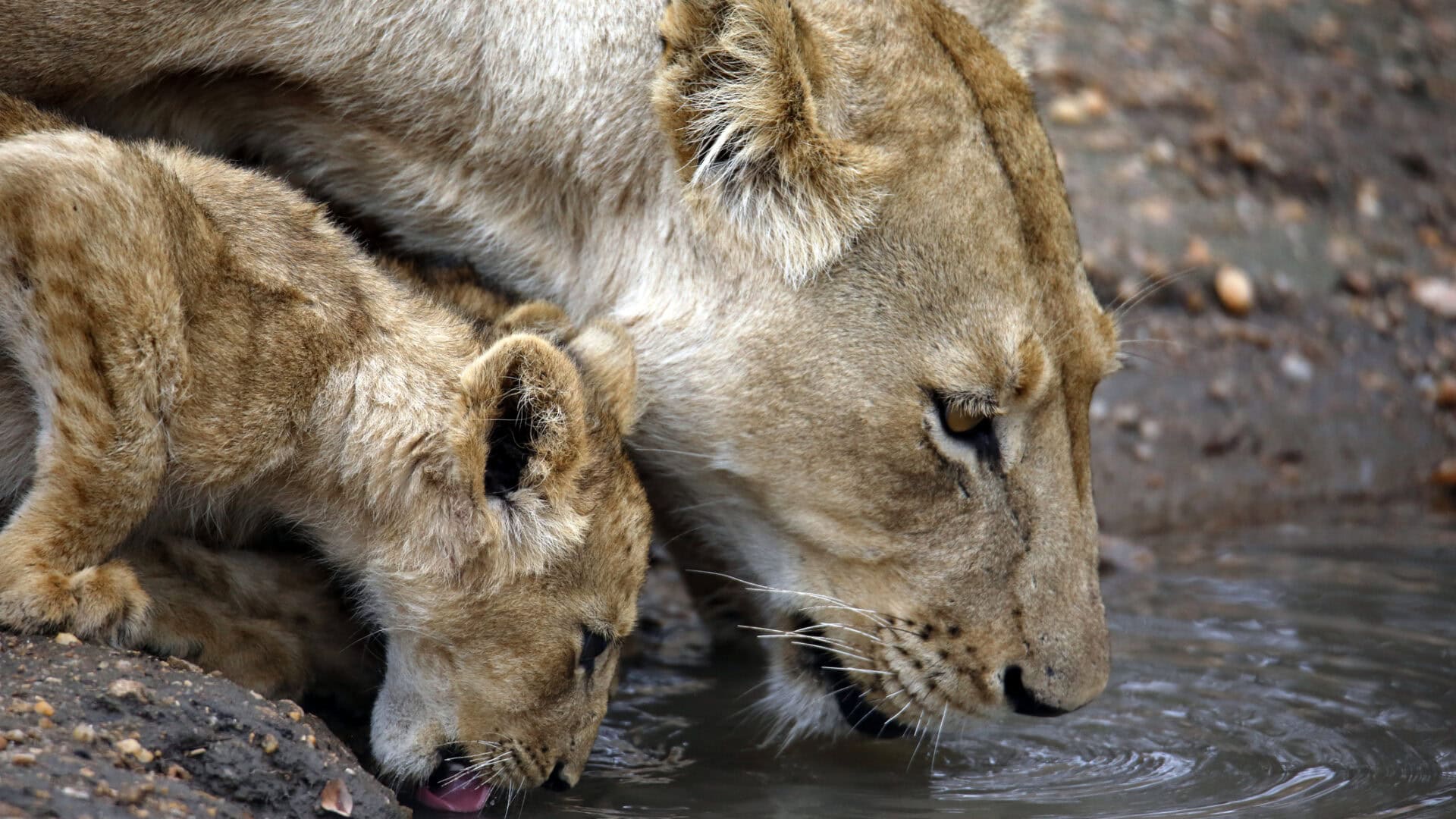
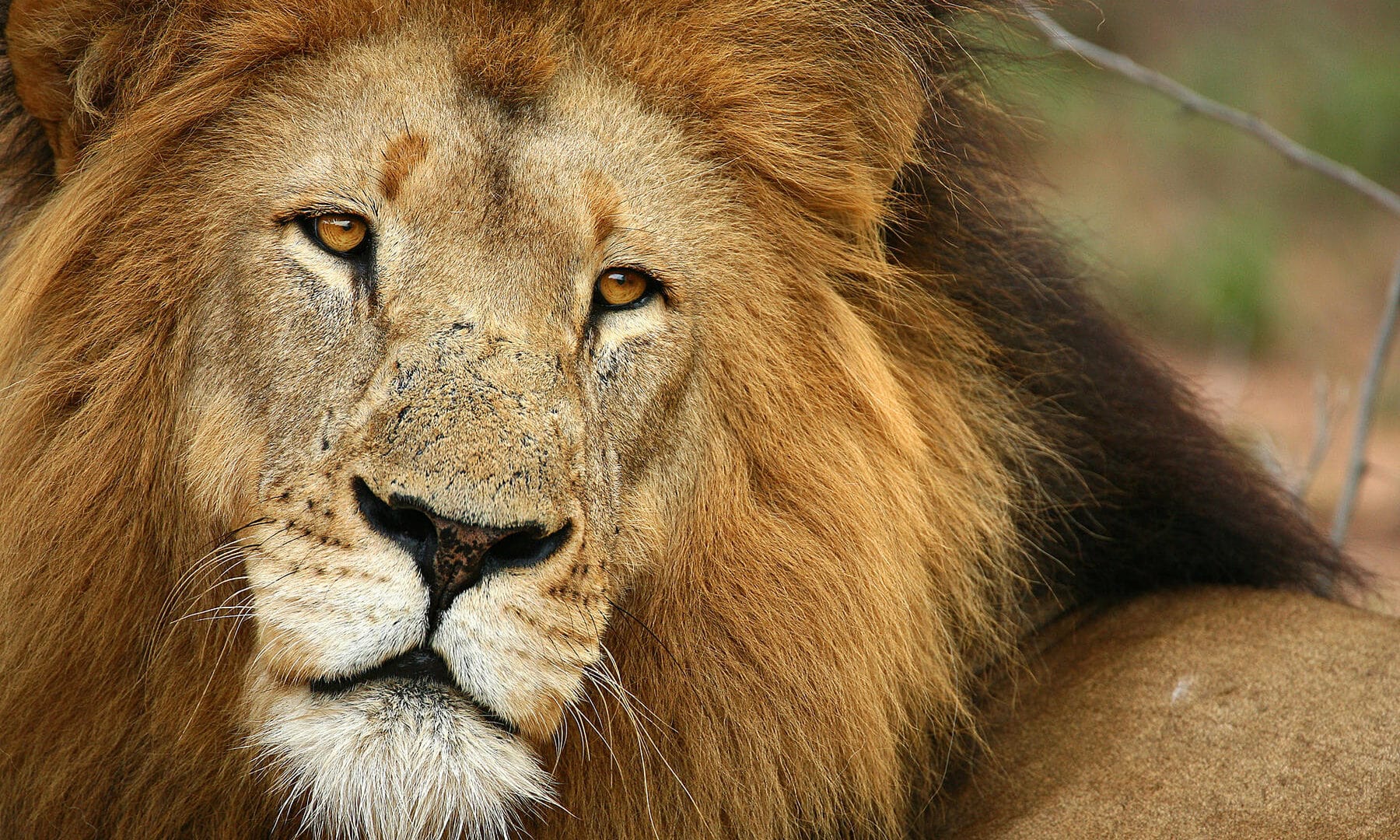
Yes, Kruger is legendary for the Big Five. Lions stretch out in the shade. Leopards melt into trees. Elephants move like quiet giants across the plains. Buffalo gather in dark, shifting herds. Rhinos grace with prehistoric calm.

But the magic often lies between these moments.
Wild dogs on the hunt. Cheetahs scanning open grasslands. Giraffes silhouetted at sunset. Hippos grumbling from riverbanks. With over 500 bird species, this is also a paradise for birders. From fish eagles calling at dawn to brilliant rollers flashing colour mid-flight.

Kruger National Park Fun Facts

View of hippos relaxing in the river on a game drive in Kruger National Park
Kruger is home to more mammal species than any other game reserve in Africa. | Photo: Jock Safari Lodge
  • At 20,000 km2 (about 8,000 square miles), the Kruger is bigger than Belgium; the unfenced private concessions on the western boundary add another 2,000 km2 (700 square miles).
  • Kruger is home to 336 tree species, 49 fish species, 34 amphibian species, 114 reptile species, 507 bird species, and 147 mammal species – more mammal species than any other game reserve in Africa.
  • It has an estimated 1,500 lions, 17,000 elephants, 48,000 buffaloes, and over 1,000 leopards.
  • There is evidence of human occupation dating back 1.5 million years and there are more than 255 recorded archaeological sites ranging from early Stone Age (roughly 1 million years ago) to Iron Age settlements.
  • You can visit Masorini Ruins, a late Iron Age site that was inhabited by the Sotho-speaking BaPhalaborwa and Thulamela, a stone-walled late Iron Age site near Pafuri in the far north that dates back about 500 years.
Exploring Kruger’s Key Regions

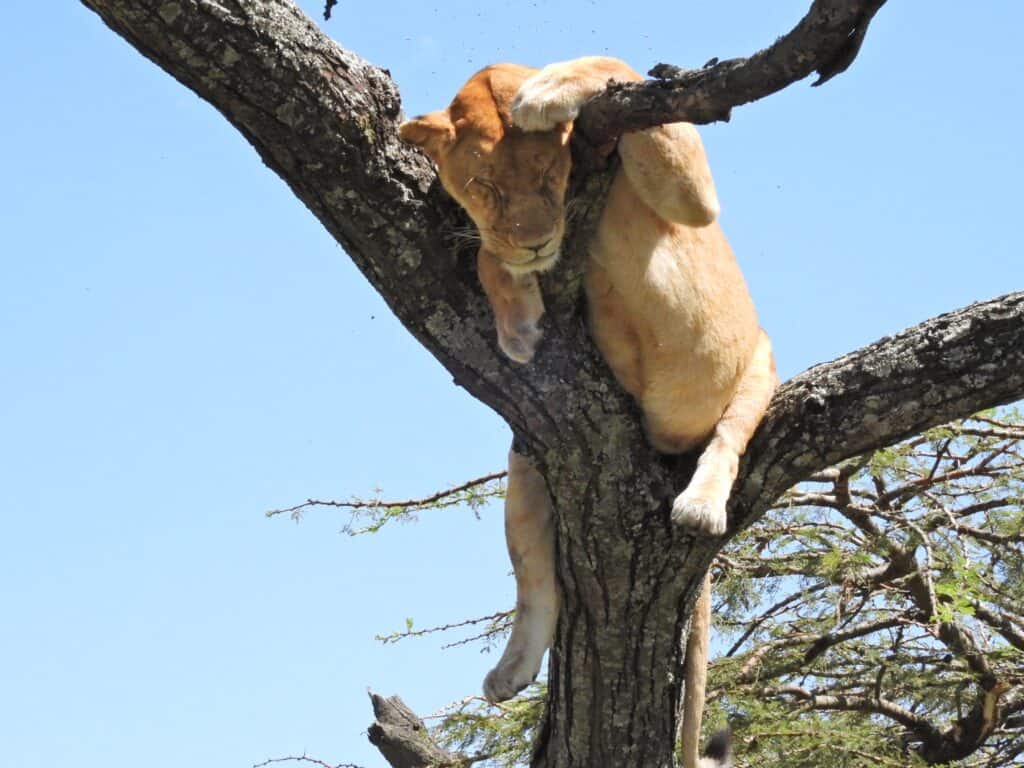
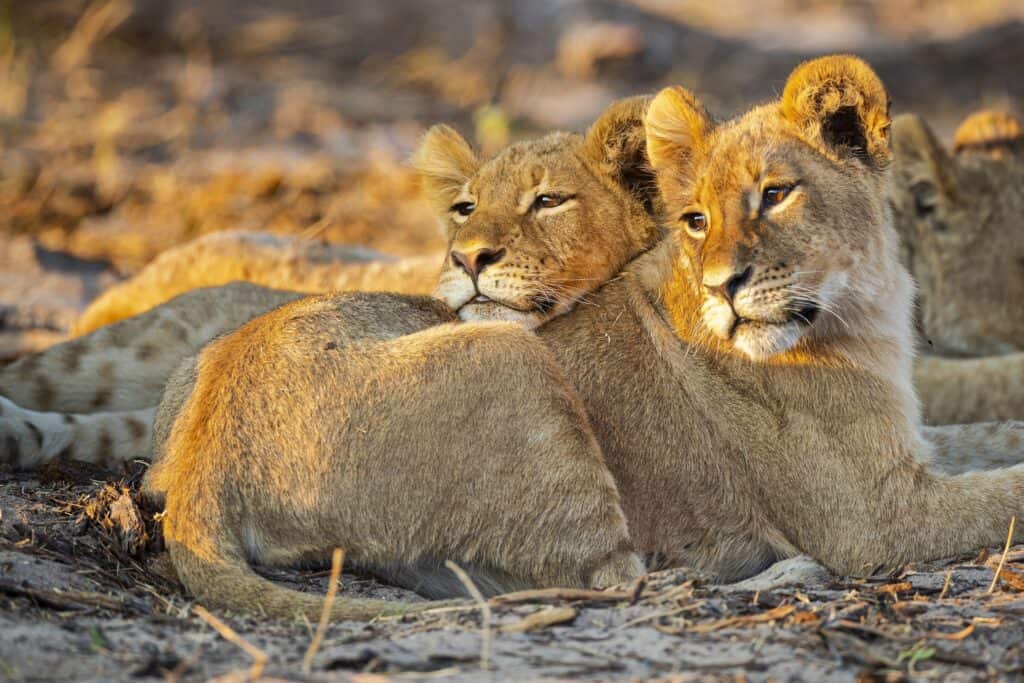
Lions relaxing in the bush on a game drive in Kruger National Park
Due to the high density of prey species, lion prides thrive here. | Photo: Kapama River Lodge
Imagine setting out on an afternoon game drive with the sun starting to dip below the horizon, and you spot a wild dog pack hunting and a lion pride absorbing the last warm rays:

Southern Kruger: For White Rhino Sightings

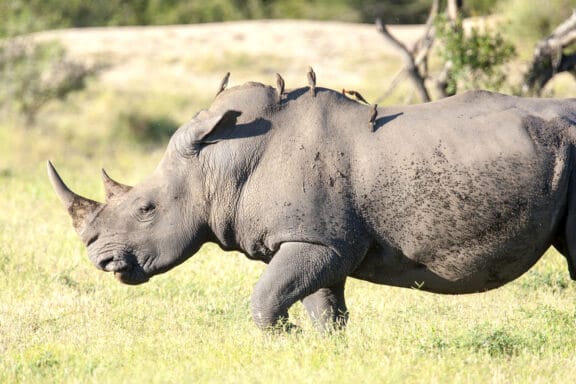
Most of Kruger’s white rhinos occur in this region, so you have the opportunity to see this endangered species here. Cheetahs and wild dogs can also be spotted. The many granite outcrops in this area create the ideal habitat for klipspringers, baboons, and leopards.

Birders should focus on the river habitats for sightings of the purple-crested turaco, African green pigeon, African fish eagle, African goshawk, white-crowned lapwing, African black duck, and white-fronted bee-eater.

Central Kruger: Home to Large Lion Prides

The flat, open grasslands in the central area of the Kruger attract large herds of grazing animals, including zebras, wildebeest, and buffaloes. Due to the high density of prey species, lion prides thrive here.

Game drives in this region can also bring sightings of hyenas, cheetahs, and leopards, as well as elephant herds.

Northern Kruger: Birdwatching Destination

The northern part of the park is less crowded, making it ideal for travellers looking for a more secluded South Africa safari experience. It’s also the perfect place for a birding safari because of its diverse habitats, including wetlands that support tropical species.

The yellow-billed oxpecker, Arnot’s chat, broad-billed roller, southern crested guineafowl, and much sought-after Pel’s fishing owl are a few of the species that can be found here.

Why Kruger Is Perfect for a First Safari

Elephants roaming in the bush at Kruger National Park
The variety of wildlife means every day feels different, without ever feeling rushed. | Photo: Jabulani

If you’re considering a safari in South Africa, Kruger National Park is one of the best places to begin.

The wildlife is abundant. The infrastructure is excellent. The guides are among the most experienced in Africa. And the variety means every day feels different, without ever feeling rushed.

For first-time safari travellers, Kruger offers reassurance without dilution. You’ll see extraordinary wildlife, return to refined comfort, and let the days unfold gently, with nothing to do except enjoy the experience. This is a safari without friction.

When’s the Best Time to Visit Kruger National Park?

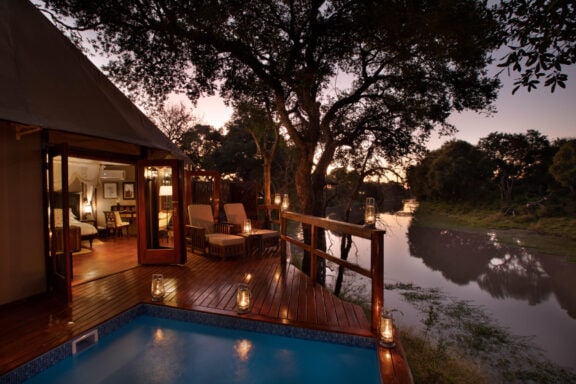
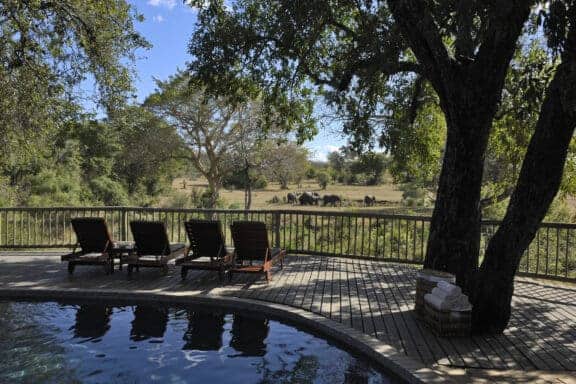
View of the lush bush from the terrace at Lion Sands River Lodge, Kruger National Park
During the rainy season the cycle of rain and sun fuels what we call the “Green Season”. | Photo: Lion Sands Narina Lodge

The best time to visit Kruger National Park is during the dry season, from May to September. This time of year sees little to no rain, so animals gather around remaining water sources, making game drives eventful.

October to April – the wet summer season – is ideal for birdwatching safaris as migratory birds fly into the park.

How to Get to Kruger National Park

View from the breakfast veranda of the landscape at Kruger National Park
Many travellers choose all-inclusive Kruger safari deals. | Photo: Kings Camp

Getting here is beautifully simple. Daily return flights connect Johannesburg and Cape Town to Skukuza Airport or Kruger Mpumalanga International Airport. For those heading to northern Kruger, Phalaborwa and Hoedspruit airports are closer options.

From there, private lodge transfers take care of the rest. From touchdown to sundowner, everything flows.

Many travellers choose all-inclusive Kruger safari deals, consisting of every detail, from accommodation to game drives. Everything is handled quietly in the background. You just arrive and immerse yourself in the experience.

The Kruger Awaits, Are You Ready?

Woman seated on a bench viewing elephants through binoculars at Kruger National Park
Kruger invites you to watch elephants from your terrace. | Photo: Imbali Safari Lodge

Kruger doesn’t shout. It invites.

It invites you to wake to soft light and birdsong. To watch elephants from your terrace. To sip something chilled as the sky turns amber. To feel deeply cared for while being gently reminded of how vast the world still is.

If you’re ready to start planning your journey into Kruger National Park, we’re here to guide you every step of the way. Let’s shape a safari that feels personal, seamless, and unforgettable.

Ready to accept the Kruger’s invitation?

Ready to plan your tailor-made safari?

842 Reviews - 5/5 Stars

Craft your journey with the expertise of our dedicated Africa Safari Experts

Start Planning

What Our Guests Have to Say?

Read recent reviews from travellers who have planned and booked their trips with us
Adelle will knock it out of the park!

6 Nights Big 5 Honeymoon Safari Review

John Stanton, United States
26 Nov 2025
The planning and logistics provided by Discover Africa were superb.
Trip of a Lifetime!

11 Day Tanzania and Kenya Family Safari Review

Aaron, Cayman Islands
08 Sep 2025
Devryn was absolutely fantastic!

Zambia, Botswana & Namibia Safari Review

Vanessa Moran, Australia
01 Sep 2025
FIVE STAR EXPERIENCE

Luxury South African Safari Review

Steve Moorhouse, Australia
02 Aug 2025
Amazing experience

Kruger Park & Victoria Falls Safari Review

Alex Kohli, United Arab Emirates
21 Jul 2025