

 Email us




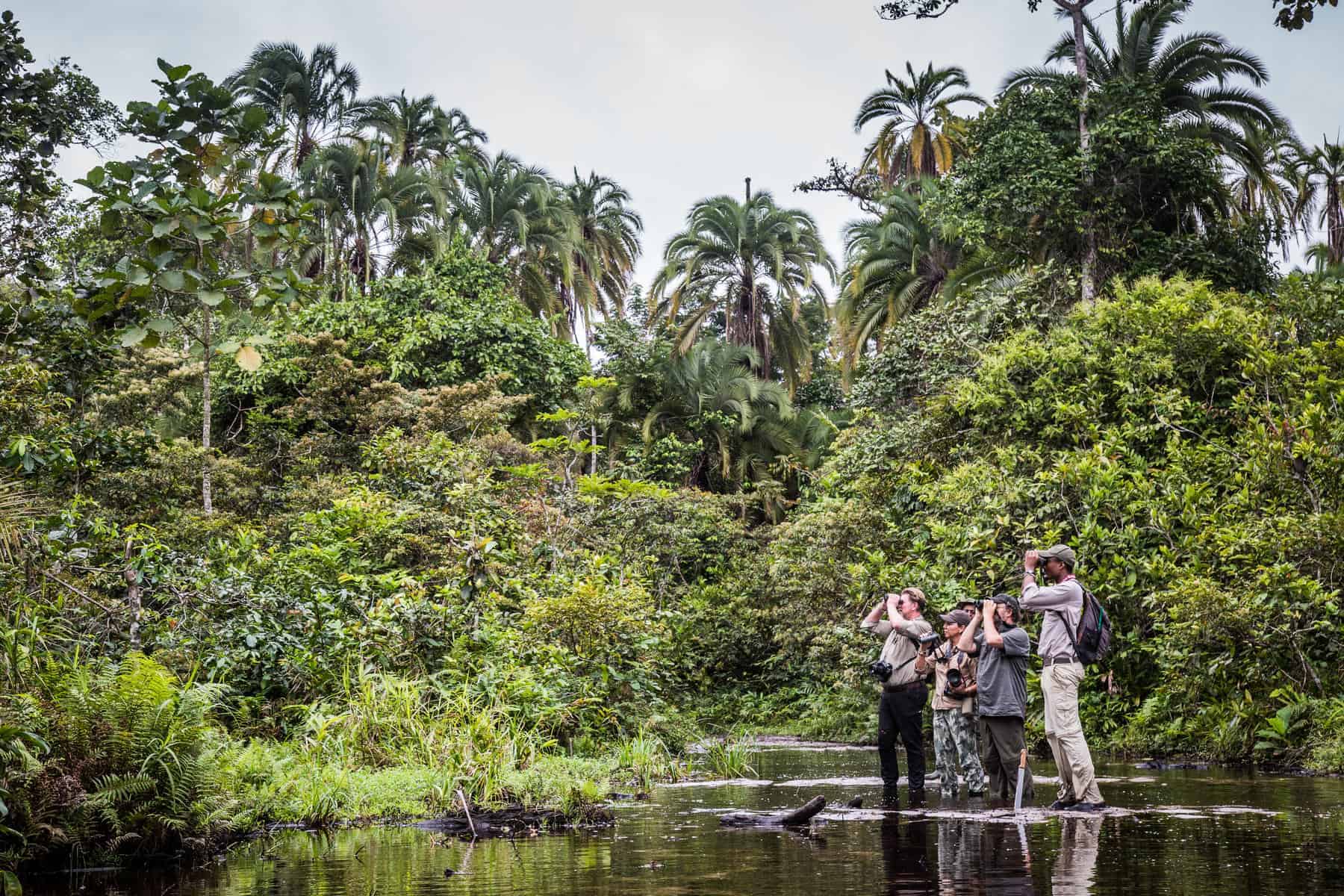
Anyone considering a gorilla trekking safari eventually reaches the same pause point. The images are compelling. The idea feels rare. And then the question surfaces, quietly and reasonably: Is the Congo safe?
It’s a fair question, and one worth answering properly. Not with headlines or assumptions, but with context. Because when people talk about “the Congo”, they’re often talking about two very different countries, and both countries offer gorilla trekking, though the experiences differ.
Understanding the distinction between the Democratic Republic of Congo and the Republic of Congo helps make sense of what each destination offers.
This guide looks at what safety really means in the context of gorilla trekking in the Congo, why the Republic of Congo has become one of Africa’s most compelling yet misunderstood safari destinations, and what travelling there actually involves.
First Things First: Which Congo Are We Talking About?
Confusion around safety usually starts with geography.
The Democratic Republic of Congo (DRC)
The Democratic Republic of Congo is a land of extremes. Forests stretch as far as the eye can see, rivers cut through the landscape, and mountains rise steeply in the east. The country continues to experience ongoing instability and conflict. Road conditions can be rough, and services are limited, which makes travel challenging and not advised by many travel authorities and governments.
When people ask, “Is it safe to visit the Congo?” They’re usually thinking of the DRC.
The Republic of Congo (Congo-Brazzaville)
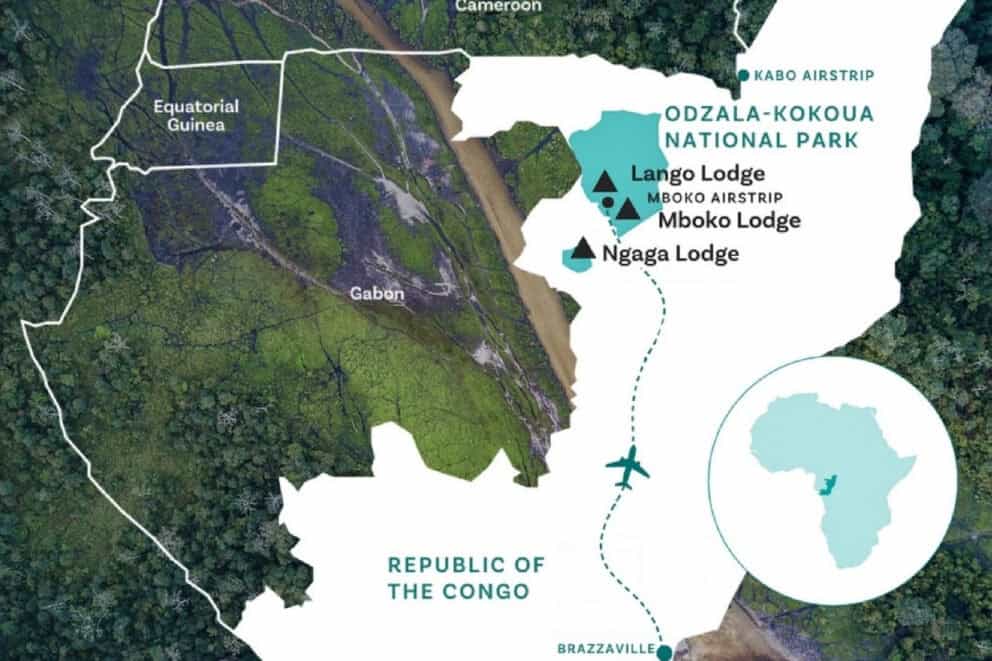
This is where Discover Africa’s Congo gorilla tours take place. The Republic of Congo is a separate country from the DRC with a very different travel profile.
Smaller and quieter, the Republic of Congo is home to Odzala‑Kokoua National Park. This protected wilderness sits at the heart of gorilla trekking in Congo Brazzaville and includes the Ndzehi Concession, where a gorilla research camp is based – a camp you can visit with one of our tours.
This is where guided gorilla trekking happens under carefully managed conditions, led by experienced teams who live and work here year‑round.
The Republic of Congo is safe, with nominal incidents of petty crime and very seldom-heard issues of a violent nature, and shouldn’t be confused with the DRC.
The Difference Between Congo and DRC, And Why It Matters
Understanding the difference between Congo and DRC answers much of the safety question on its own. Gorilla trekking in the Republic of Congo:
- Takes place inside a protected concession.
- Is accessed by permit only.
- It’s led by trained guides and trackers.
- Involves close coordination with park authorities and local communities
This is not independent travel. It’s structured, deliberate, and carefully managed.
Understanding Safety on a Gorilla Trek in Congo
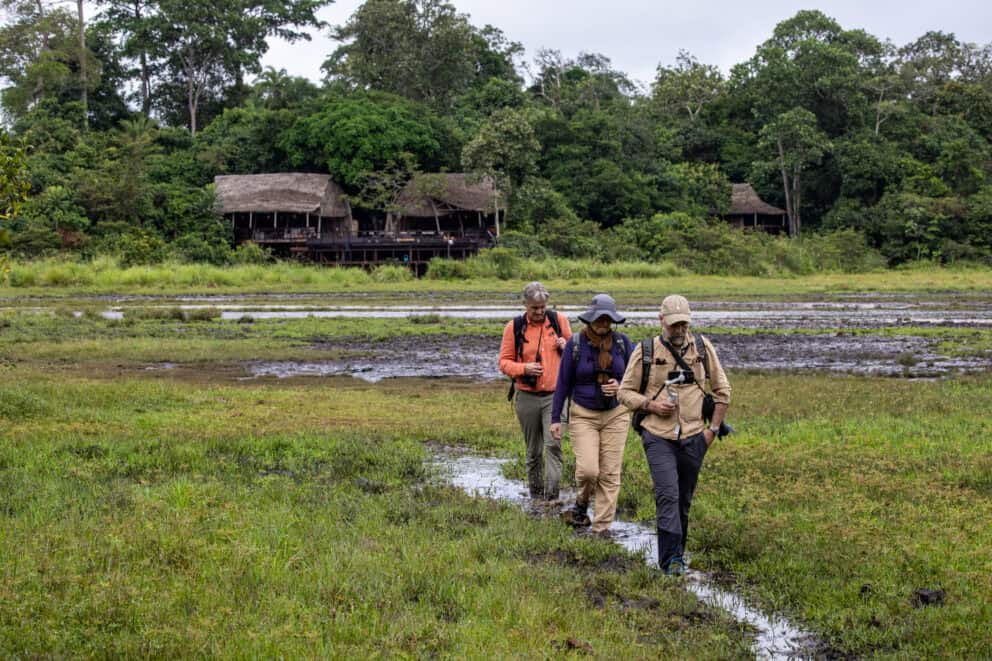
In the Republic of Congo, safety is not framed as an add-on. It’s the foundation on which the experience is built. Incidents of petty crime are rare, and serious concerns are almost unheard of. This country is very different from the Democratic Republic of Congo (DRC) and should not be confused with it.
With experienced guides and trackers by your side, you can focus on the forest, the wildlife, and the gorillas without worrying about logistics or risk.
Why Guided Travel Changes Everything
Gorilla trekking is never done alone. From the moment you land in Brazzaville, the team is there to guide you, from arrival through transfers into the forest. While the park is remote, access is seamless via a scheduled charter flight that takes you directly from the capital to the Mboko airstrip, deep within the forest.
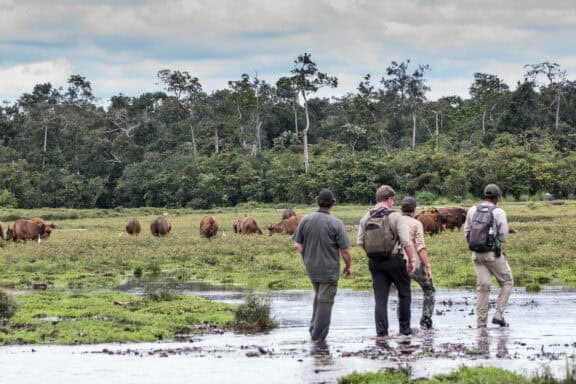
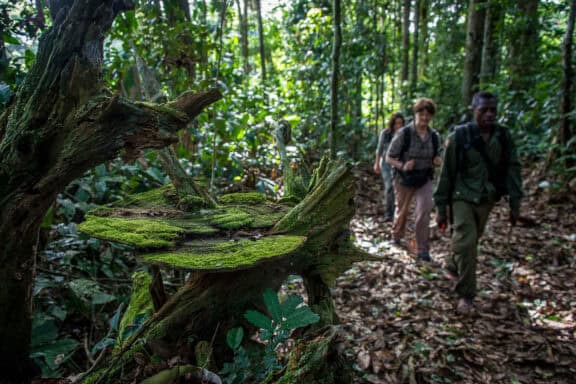
Every movement into the rainforest is led by guides who know the terrain, the gorilla families, and how the forest behaves. Trackers move ahead on forest paths, able to adjust according to conditions.
This level of support means visitors are not reacting to the environment. They move through it with people whose experience and presence make the forest feel approachable from the very first step.
Health Precautions For Gorilla Trekking
Gorilla trekking in the Republic of Congo involves being deep in forest environments that are rich, remote, and beautiful, but also physically demanding and sensitive for both people and wildlife. Because gorillas are closely related to us, they are vulnerable to many human illnesses, so health precautions are taken seriously by the park and by the guides you will be with.
Before you travel, you will need a yellow fever vaccination certificate to enter the country, and this is checked when you arrive in Brazzaville. It’s also recommended that you speak with a medical professional about taking antimalarial medication and using insect repellent, as the forest region is within a malarial zone. Spraying your clothes with permethrin before departure can help prevent mosquito and tick bites.
Why Congo Appeals to a Certain Kind of Traveller
Gorilla trekking is also possible in Rwanda and Uganda, both of which offer rewarding experiences. In the Republic of Congo, the difference is not quality. It’s character.
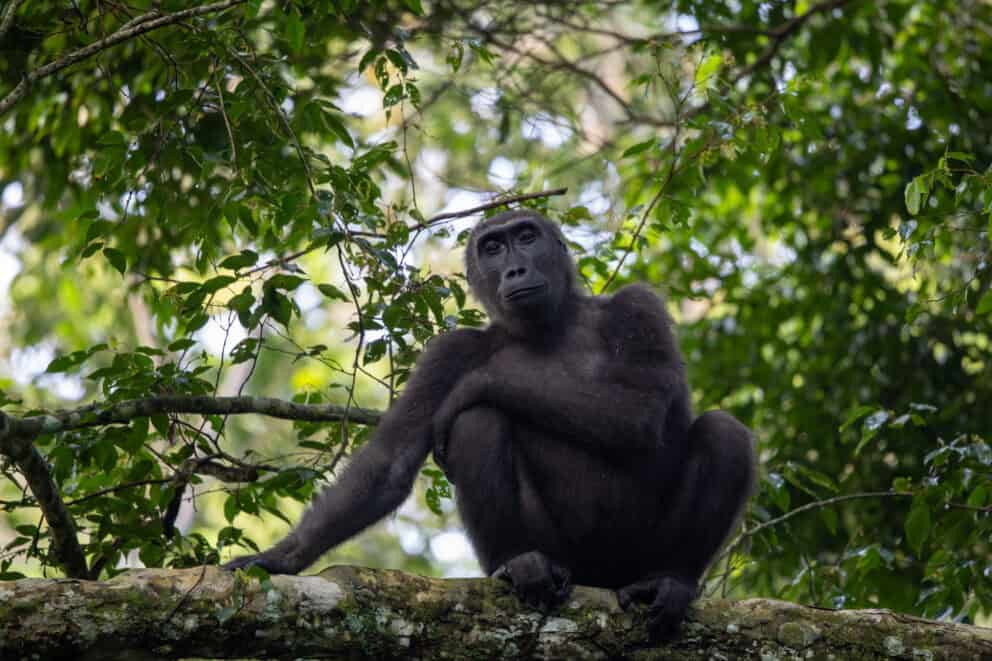
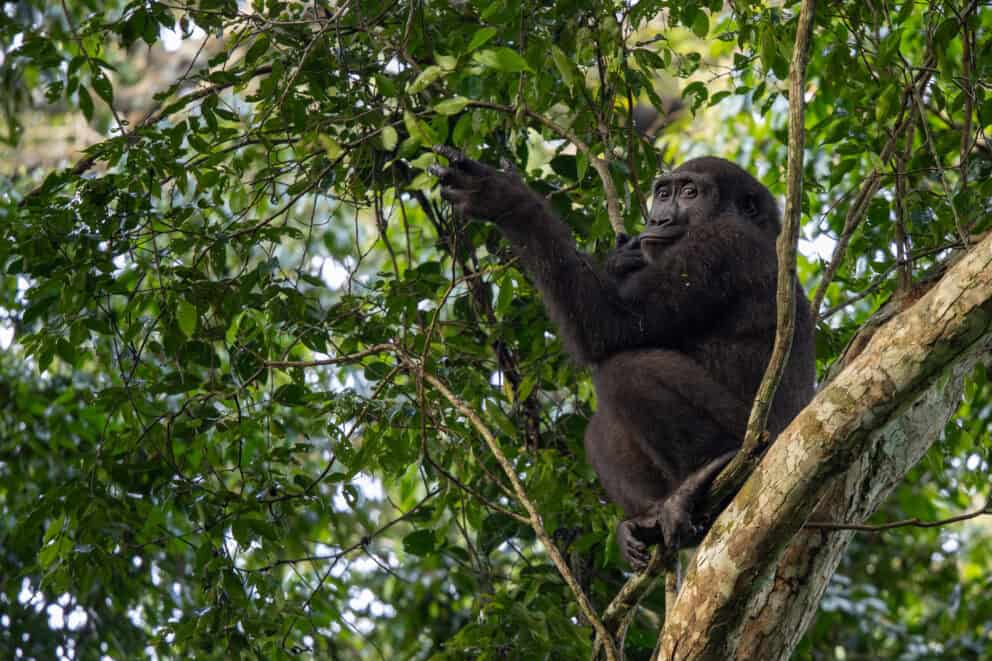
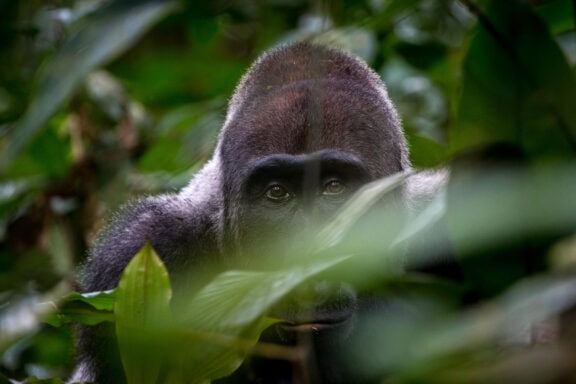
Here, trekkers follow western lowland gorillas rather than mountain gorillas. Since they feed on fruit growing in trees, western lowland gorillas tend to be more agile and spend more time in the branches. They’re also smaller than their mountain relatives, and their fur is less dense due to the warmer lower altitudes. Meetings with them feel unpredictable, shaped by the forest itself rather than set routes.
One of the most striking aspects of Congo is how the experience begins. At Ngaga Camp, you walk directly from your accommodation into the forest to start tracking gorillas. There are no long transfers or early drives. The forest begins at your doorstep.
These itineraries include more than one trek. You have time to watch the gorillas, notice the forest around you, and return to observe their behaviour again, letting the moments settle into something tangible rather than fleeting.
Fewer People, More Space
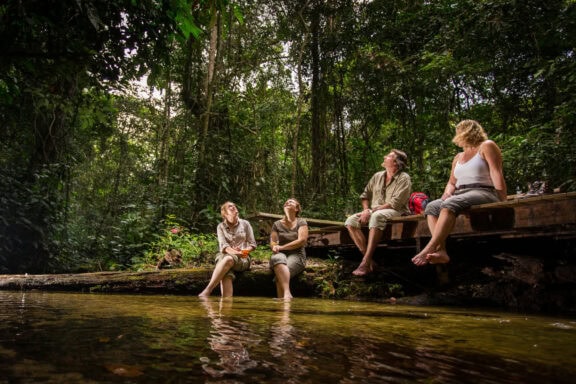
Trekking in Congo feels unhurried. There is no sense of moving through a system designed for volume. Time stretches. Silence settles. The forest dictates the pace. For travellers who value rarity, this matters.
A Broader Rainforest Experience
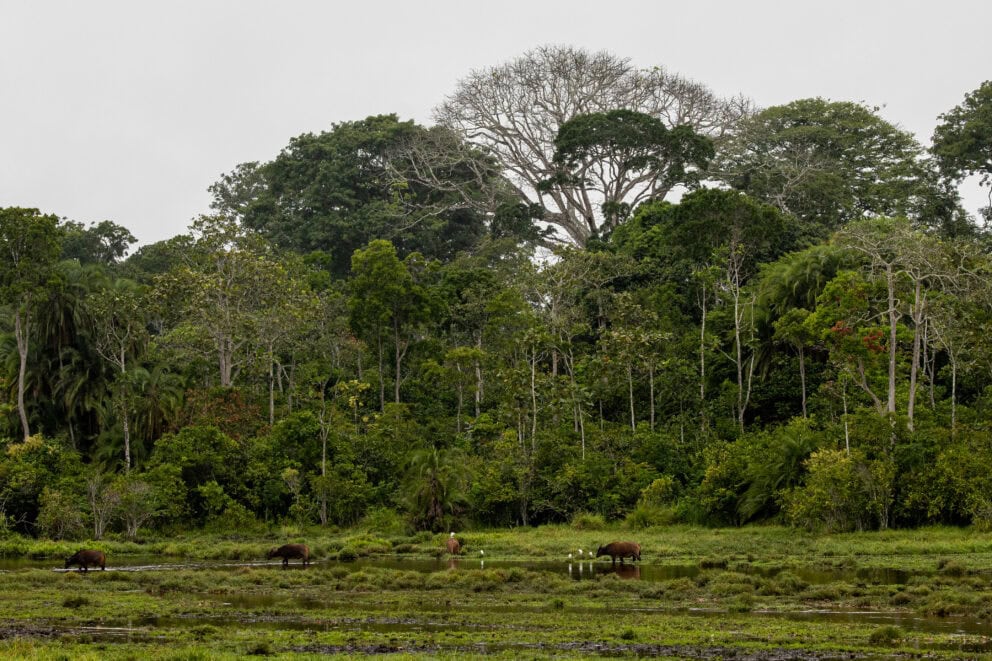
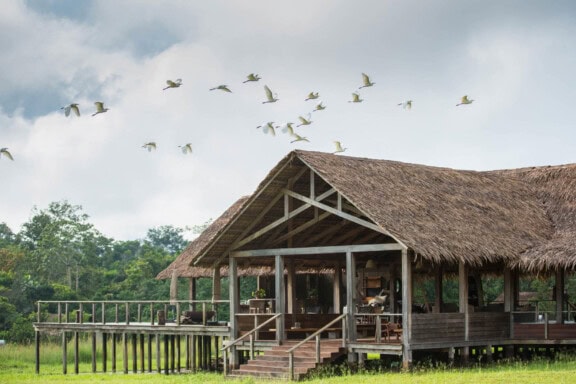
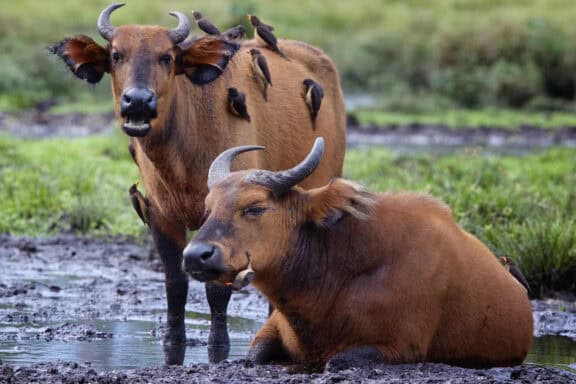
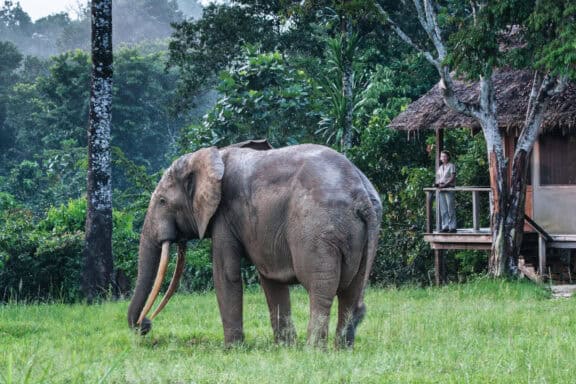
Odzala-Kokoua sits deep within the Congo Basin. Gorillas are part of a much larger ecosystem that includes forest elephants, antelope species rarely seen elsewhere, and birdlife that rewards patience.
This is not a single-moment safari. It is a layered one.
Remoteness With Support
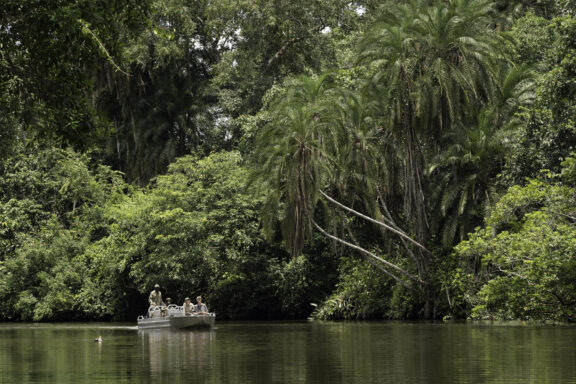
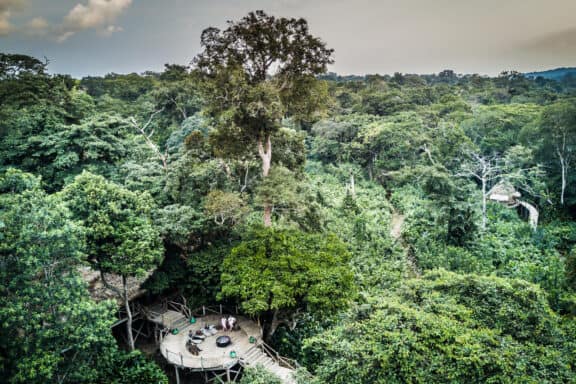
There is a difference between remote and unsupported. Congo sits firmly in the first category. Lodges are well placed. Logistics are planned carefully. But the sense of distance, both physical and mental, remains.
That balance is what draws many travellers here.
What a Gorilla Trek Actually Feels Like
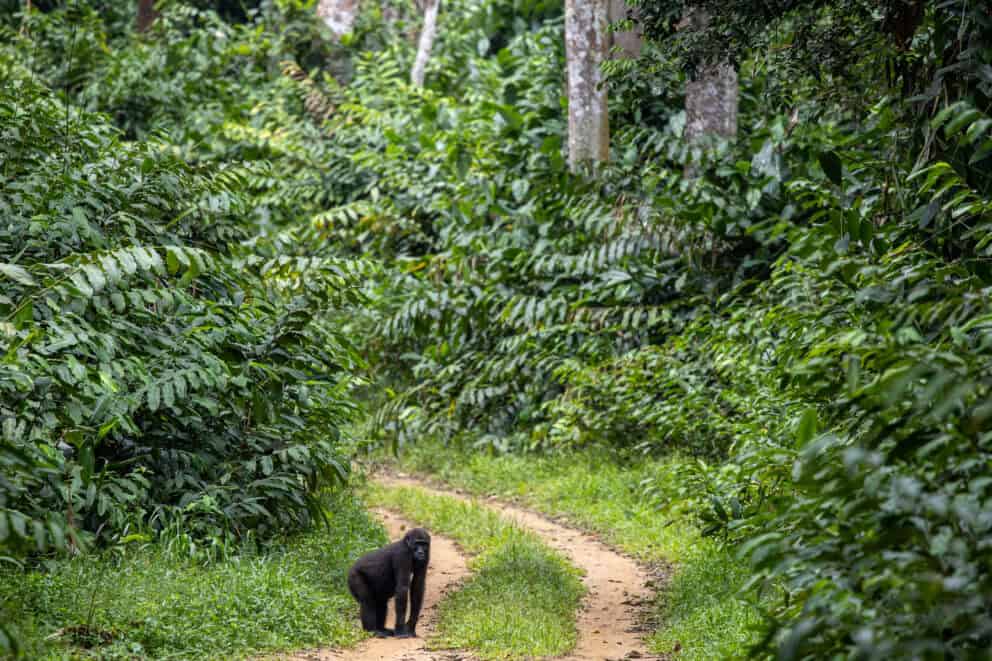
Days begin early. Briefings are practical, not theatrical. The forest is dense, the air heavy, the ground uneven.
You move slowly. Sometimes for an hour, sometimes longer. Then the trackers stop. Guides gesture. And suddenly the forest feels smaller.
Encounters are calm and observational. Time is limited, but long enough to register behaviour. Feeding. Resting. Moving through the undergrowth with surprising ease.
Nothing is rushed. Nothing is staged.
Support From Arrival to Departure
Safety is not confined to the trek itself. It begins when you land and continues until you leave.
Transfers are arranged. Permits are handled. Schedules adapt to weather and conditions. Discover Africa works with on-the-ground partners, Kamba Africa Rainforest Experiences, to coordinate the details that most travellers never see, but feel, in how smoothly the journey unfolds.
You’re not navigating this destination alone, and that reassurance carries through every stage of the experience.
Is It Safe to Travel to the Republic of Congo?
When people ask this question, what they’re really asking is whether this experience can be undertaken responsibly, confidently, and without unnecessary risk.
With experienced guides, established conservation partners, and a well-planned itinerary, the answer is a resounding “yes”.
Congo rewards preparation. It rewards curiosity. And it rewards travellers who value depth over familiarity.
Speak to Our Africa Safari Experts
If gorilla trekking in the Republic of Congo feels aligned with the kind of journeys you value, the next step is a conversation.
Speak to one of our Africa safari experts. They understand the realities on the ground and can help you decide whether this experience fits your expectations, your pace, and your sense of adventure.
Some places do not need convincing. They need context.
Written by Yamkela Welaphi
• Travel Writer
 Blog List
















Written by Yamkela Welaphi
• Travel Writer
Part of the Congo Safari & Mountain Gorilla Trekking Collections