Contact Us Today +27 21 422 3498

Kalahari Desert

Why Visit Kalahari Desert?

The Kalahari Desert is a large expanse of semi-arid land that stretches from South Africa, all the way through to Angola, Namibia, Botswana and Zimbabwe. There are a number of game reserves in the desert across each region, with rich San culture, unique wildlife and plant life and spectacular desert landscapes.

  • Kalahari Desert Overview

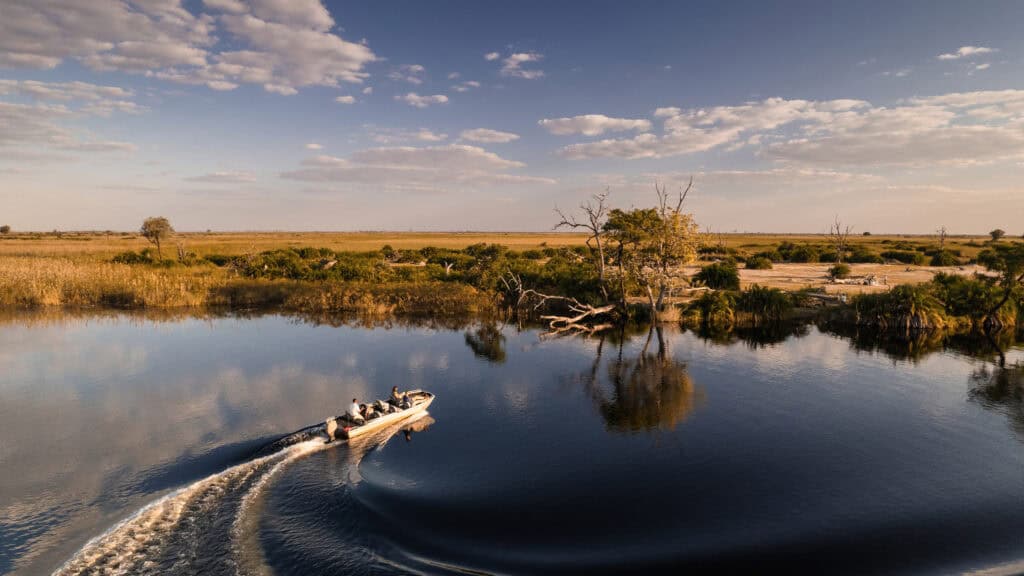
    The ancient sand ridges and spectacular landscapes of the Kalahari Desert have made it one of the most mysterious and remote destinations for travellers in Southern Africa. Vast expanses of arid land blend into lush pockets of vegetation, making this desert one of the most unique expanses of land for exploration.

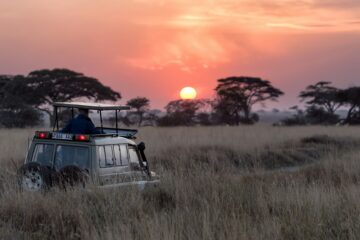
    There are many accommodation venues throughout each part of the Kalahari Desert, with desert camps strategically situated to allow easy access to major reserves and other attractions. After a long day of game drives, bush walks, tracking encounters and other activities, travellers can head to their camp of choice to relax around the campfire with a hot meal and cold drink.

    Highlights & Places in Kalahari Desert

    • Central Kalahari Game Reserve
    • Khutse Game Reserve
    • Kgalagadi Transfrontier Park
    • San Bushmen Culture
    • Makgadikgadi Pans
    • Tswalu Kalahari Game Reserve

    Spanning across thousands of square miles, the Kalahari Desert is a vast semi-arid expanse of land that supports a wide range of animals, birds and plants. The desert can be accessed from any of the four Southern African countries that it runs through, or via one of the game reserves found within the park. Dating back many centuries, the sand masses were created by the erosion of soft stone formations to form unique sand ridges – a key feature of the Kalahari Desert.

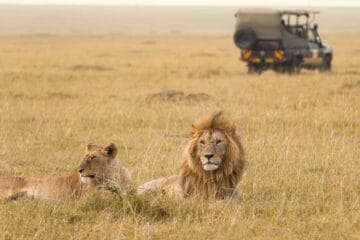
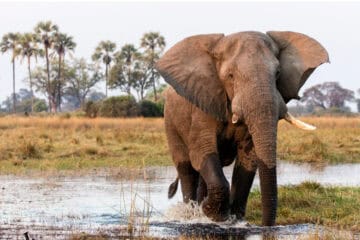
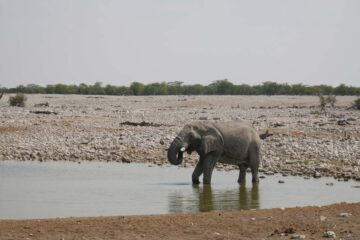
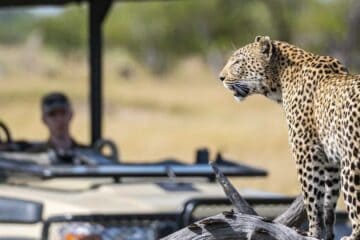
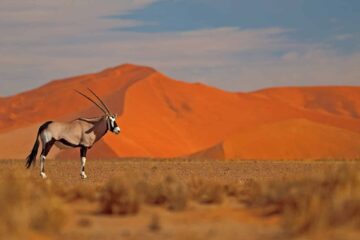
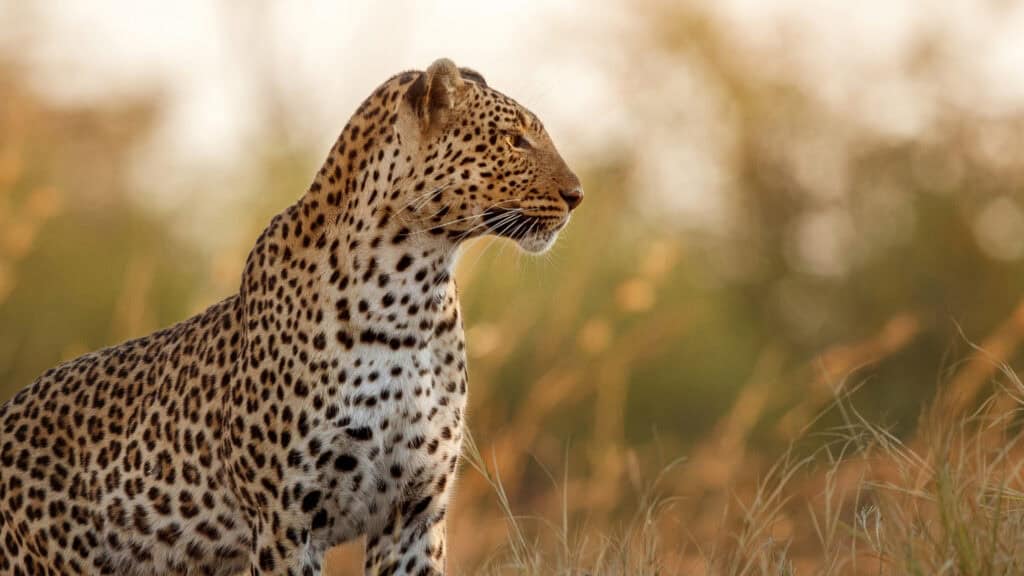
    Key activities to enjoy in the Kalahari include safaris at reserves such as Central Kalahari Game Reserve, Khutse Game Reserve, Kgalagadi Transfrontier Park, Makgadikgadi Pans or the Tswalu Kalahari Game Reserve. Game that can be seen across the desert’s reserves and park includes species such as hyenas, lions, meerkats, giraffes, warthogs, jackals and large numbers of antelope including eland, gemsbok, springbok, hartebeest, steenbok, kudu, and duiker. Birdlife is equally rich, while a large number of reptiles can also be found.

    Another activity on offer in the Kalahari is tracking with the San people. With an abundant knowledge of their desert surroundings, the San have retained their traditions and cultures, offering the chance for visitors to learn more about the diversity of life that the Kalahari supports.

    Best Time to Visit Kalahari Desert

    Kalahari Desert Weather

    Temperatures in the Kalahari Desert range from 20°C to 45°C in summer, with temperatures dropping drastically in winter once the sun goes down.

    When to Go

    With a typical semi-arid climate, the Kalahari Desert has temperatures ranging from warm to extremely hot during the summer months. Certain parts of the desert receive up to 250 millimetres of rainfall each year, with green pockets that are a haven for animal and bird species, while other parts are extremely arid. Etosha Pan in Namibia and Makgadikgadi Pans in Botswana have the highest level of rain, and once dominated the desert.

    Getting There & Getting Around

    Getting To Kalahari Desert

    The Kalahari Desert can be accessed from South Africa, Namibia, Botswana, Angola and Zimbabwe. Overlanding tours or organised self-drive tours are the best way to enter the desert itself – driving alone into the desert is not recommended however.

    Getting Around Kalahari Desert

    Driving or quadbiking, and walking in certain parts are the only options for getting around the Kalahari Desert. Due to the large size of the desert, driving is the only way to get from one point to the next point.

    Kalahari Desert Tips : Know Before You Go

    ATMs/Currency/Money:
    There are no ATMs or banks in the desert, so it is best to withdraw cash in the city or nearest small town before leaving.

    Internet Availability:
    Generally, there is no internet access in this remote part of Southern Africa, allowing guests to unplug and enjoy the views.

    Drinking Water:
    Bottled water is available at the camps, or can be brought in when arriving in the desert.

    Hospitals & Medical:
    There are no hospitals, and only very basic healthcare facilities throughout the Kalahari Desert.

    Visa Requirements:
    Visa requirements depend on the point of entry into the Kalahari Desert – contact your local embassy for specific requirements to your country.

  • Kalahari Desert Accommodation: This page features 1 recommended places to stay in Kalahari Desert.

    • Intu Afrika Zebra Kalahari Lodge & Spa  Kalahari Desert Priced from ZAR 1,420 pps Priced from ZAR 1,420 pps

      Category : Safari Lodges

      Intu Afrika Zebra Kalahari Lodge & Spa offers a premier destination in the heart of the Kalahari Desert.  

      Read More

      1420 button_792
  • Kalahari Desert Map

Leave a Comment or Ask a Question

Item added to your enquiry

Thank you for subscribing to our newsletter

Close Close